EPA
fatty acid
Eicosapentaenoic acid (EPA) is a type of omega-3 fatty acid that plays a significant role in canine and feline health. While often discussed alongside docosahexaenoic acid (DHA) as part of a broader "fish oil" or "omega-3" supplement, EPA has distinct properties and benefits, particularly concerning inflammation. For pet owners navigating the vast world of nutritional supplements, understanding EPA's specific functions, appropriate dosages, and potential efficacy is crucial for making informed decisions about their pet's well-being. This guide delves into the specifics of EPA for dogs and cats, exploring its mechanisms, practical applications, and considerations for responsible supplementation.
Overview of Omega-3 Fatty Acids, Joint Health, and EPA for Dogs
Omega-3 fatty acids are polyunsaturated fats essential for various physiological processes in mammals, including dogs and cats. Since the body cannot produce them in sufficient quantities, they must be obtained through diet or supplementation. The three primary omega-3s are alpha-linolenic acid (ALA), EPA, and DHA. While ALA is found in plant sources like flaxseed, EPA and DHA are predominantly found in marine sources such as fatty fish and algae.
joint health, particularly in conditions like osteoarthritis (OA), EPA takes center stage. OA is a degenerative joint disease characterized by inflammation, pain, and cartilage breakdown. The body's inflammatory response involves a complex cascade of biochemical reactions, many of which are influenced by the types of fatty acids available. Arachidonic acid (AA), an omega-6 fatty acid, is a precursor to pro-inflammatory molecules. In contrast, EPA competes with AA for the same enzymes, leading to the production of less inflammatory or even anti-inflammatory mediators.
For dogs suffering from OA, this anti-inflammatory action of EPA is particularly beneficial. By modulating the inflammatory pathways, EPA can help reduce pain, improve mobility, and slow the progression of cartilage damage. This doesn't mean EPA is a cure for OA, but rather a valuable tool in its management, often used in conjunction with other therapies. The practical implication is that a dog with early signs of stiffness or a diagnosed joint condition could potentially experience improved comfort and quality of life with consistent EPA supplementation. However, the degree of improvement can vary based on the individual dog, the severity of the condition, and the overall treatment plan. It's not a one-size-fits-all solution, and results may not be immediate.
EPA Supplement for Dogs
An EPA supplement for dogs typically comes in the form of fish oil, krill oil, or algal oil. The key is to look at the guaranteed analysis on the product label, which should clearly state the amounts of EPA and DHA per serving. Not all "fish oils" are created equal; some may have a higher DHA content, while others prioritize EPA. For specific inflammatory conditions, a higher EPA concentration is often preferred.
When choosing an EPA supplement, consider the following:
- Source: Fish oil from cold-water fish (e.g., anchovies, sardines, mackerel) is a common source. Krill oil offers EPA and DHA in phospholipid form, which some research suggests might be more bioavailable. Algal oil is a plant-based alternative, suitable for pets with fish allergies or for owners seeking a more sustainable option.
- Purity and Testing: Reputable brands will provide information about third-party testing for contaminants like heavy metals (mercury), PCBs, and dioxins. This ensures the supplement is safe for your pet.
- Formulation: Supplements are available in liquid, soft gel, or chewable forms. Liquid forms allow for easier dosage adjustment, while soft gels can be convenient. Some dogs are particular about taste, so finding a palatable option is important for consistent administration.
- Oxidation: Omega-3 fatty acids are susceptible to oxidation, which can reduce their efficacy and create harmful byproducts. Look for supplements that contain antioxidants like vitamin E (tocopherols) to protect the oil. Store liquid supplements in opaque containers in the refrigerator and use them within the recommended timeframe after opening.
A common scenario where an EPA supplement is highly beneficial is in managing canine atopic dermatitis, an allergic skin disease. The anti-inflammatory effects of EPA can help reduce itching, redness, and skin irritation, leading to a healthier skin barrier and coat. In these cases, consistent daily supplementation over several weeks or months is usually required to see noticeable improvements.
The Effects of Omega-3 Supplementation
Scientific research, including studies published by entities like the National Institutes of Health (NIH) or in journals indexed by PubMed Central (PMC), has extensively investigated the effects of omega-3 supplementation in animals. These studies provide the evidence base for many of the recommended uses for EPA for dogs.
For instance, multiple clinical trials have demonstrated that omega-3 fatty acids, particularly EPA, can significantly improve clinical signs in dogs with osteoarthritis. These improvements include reduced lameness, increased activity levels, and a decrease in pain scores. The mechanism is attributed to EPA's ability to lower the production of inflammatory mediators like prostaglandins and leukotrienes.
Beyond joint health, omega-3s have shown promise in other areas:
- Skin and Coat Health: As mentioned, EPA can reduce inflammation associated with allergic skin conditions, leading to less itching, dandruff, and a shinier, healthier coat. This is due to its role in maintaining skin barrier function and modulating the immune response.
- Kidney Disease: Some studies suggest that omega-3 supplementation may help slow the progression of certain types of kidney disease in dogs by reducing inflammation and oxidative stress in the kidneys.
- Cardiovascular Health: Omega-3s can have beneficial effects on heart health, including reducing blood pressure and improving cardiac function in some conditions.
- Cognitive Function: DHA, in particular, is crucial for brain development and function. While EPA's direct role in cognitive function is less pronounced than DHA's, the overall anti-inflammatory environment created by EPA can support general neurological health.
- Cancer Support: While not a cure, omega-3s are sometimes used as an adjunct therapy in cancer patients. They may help reduce inflammation associated with cancer, improve appetite, and potentially inhibit tumor growth or metastasis in some forms of cancer.
It's important to note that while research supports these benefits, the extent of the effect can vary, and supplementation should always be part of a comprehensive treatment plan developed in consultation with a veterinarian. For example, a dog with severe arthritis will still require pain medication and possibly physical therapy, with EPA serving as an important adjunctive therapy.
Essential Fatty Acid & Fish Oil Benefits for Dogs
Essential fatty acids (EFAs) are crucial for overall health because the body cannot synthesize them. Omega-3s (like EPA and DHA) and omega-6s (like linoleic acid) are the two main classes of EFAs. While both are necessary, the balance between them is key. Modern pet diets, especially those high in processed ingredients, often contain an excess of omega-6 fatty acids, which can promote inflammation. Supplementing with omega-3s helps to re-establish a healthier balance.
Fish oil is one of the most popular sources of EPA and DHA for pets. The benefits extend beyond specific disease management to general wellness:
- Improved Skin and Coat: This is often one of the first noticeable benefits. A dog receiving adequate EPA may develop a softer, shinier coat and experience reduced shedding and dry skin. This is due to the fatty acids' role in maintaining skin hydration and reducing inflammation that can contribute to skin issues.
- Enhanced Immune Function: Omega-3s can modulate the immune system, making it more efficient at responding to threats without overreacting and causing excessive inflammation.
- Support for Healthy Development: For puppies, DHA is critical for brain and vision development. While EPA's direct role is less, a balanced omega-3 intake supports overall healthy growth.
- Anti-inflammatory Effects: This is the cornerstone benefit of EPA. By reducing inflammation throughout the body, fish oil can alleviate symptoms associated with various inflammatory conditions, from allergies to bowel disease.
Consider a senior dog experiencing general stiffness and a dull coat. Introducing a high-quality fish oil supplement rich in EPA could address both concerns. The anti-inflammatory action would help with joint comfort, while the nourishing fatty acids would improve skin and coat condition. The trade-off is often the cost of a good quality supplement and the need for consistent administration. Some owners might also notice a "fishy breath" or loose stools initially if the dosage is too high or introduced too quickly.
Sustainable Sourcing of Omega-3 (EPA/DHA) for Cats and Dogs
The growing demand for omega-3 supplements for both human and pet consumption has raised concerns about the sustainability of marine resources. Overfishing and environmental impact are significant issues. For pet owners who prioritize ethical and environmental considerations, understanding sustainable sourcing is vital.
Traditional sources like wild-caught anchovies, sardines, and mackerel are generally considered more sustainable than larger, longer-lived fish like tuna or salmon, which are higher up the food chain and accumulate more toxins. Certifications from organizations like the Marine Stewardship Council (MSC) or Friend of the Sea indicate that the fish oil comes from responsibly managed fisheries.
However, emerging alternative sources offer even more sustainable options:
- Algal Oil: Algae are the original producers of EPA and DHA in the marine food web. Fish accumulate these fatty acids by consuming algae or smaller fish that have eaten algae. Cultivating algae in controlled environments eliminates the need for wild-caught fish, making it a highly sustainable and vegan-friendly option. It also bypasses concerns about heavy metals and PCBs often found in fish.
- Krill Oil: Krill are small crustaceans that feed on phytoplankton. While krill fisheries exist, they are often managed with strict quotas to prevent overexploitation of the krill population, which is a vital food source for many marine animals. When sourced responsibly, krill oil can be a sustainable option.
- By-products: Some omega-3 oils are derived from the by-products of fish processed for human consumption, which can be a more efficient use of resources.
When evaluating a product, look for transparency from the manufacturer regarding their sourcing practices. A company committed to sustainability will often highlight their certifications or the origin of their omega-3s. For example, a pet owner might compare two EPA supplements: one derived from wild-caught sardine oil with an MSC certification, and another from algal oil. Both could be excellent choices, but the algal oil might appeal more to someone concerned about the overall impact on marine ecosystems, regardless of certification.
Earth-Friendly Sources of EPA and DHA for Dogs
Building on the concept of sustainable sourcing, "earth-friendly" sources specifically emphasize minimizing environmental impact while providing beneficial EPA and DHA. This goes beyond just avoiding overfishing to considering the entire production chain.
Here's a comparison of common and earth-friendly sources:
| Source Type | Primary EPA/DHA Form | Sustainability Considerations | Pros | Cons |
|---|---|---|---|---|
| Wild-Caught Fish Oil (Anchovy, Sardine, Mackerel) | Triglyceride | Can be sustainable if from well-managed fisheries (e.g., MSC certified). Risk of by-catch and habitat disruption if not regulated. | High EPA/DHA content, widely available, often cost-effective. | Potential for heavy metals/PCBs (though purified), sustainability concerns without certification. |
| Farmed Fish Oil (Salmon, Trout) | Triglyceride | Sustainability varies greatly with farming practices. Can contribute to pollution, disease transmission to wild populations, and reliance on wild fish for feed. | Readily available, sometimes higher DHA. | Environmental impact can be high, often lower EPA/DHA than wild-caught small fish. |
| Krill Oil | Phospholipid | Generally considered sustainable due to strict quotas in the Antarctic krill fishery. However, krill are a foundational species, so careful management is crucial. | Potentially higher bioavailability, contains astaxanthin (antioxidant). | Higher cost, sustainability still depends on ongoing monitoring. |
| Algal Oil | Triglyceride/Phospholipid | Highly sustainable. Grown in controlled environments, no impact on marine ecosystems, no risk of heavy metal contamination from the sea. | Vegan-friendly, pure, no marine contaminants, excellent sustainability. | Can be more expensive, less common in pet supplements currently. |
| Flaxseed Oil | ALA (precursor) | Very sustainable, plant-based. | Vegan, widely available, inexpensive. | Dogs and cats have limited ability to convert ALA to EPA/DHA; not a direct source of EPA/DHA. |
For a pet owner seeking to manage their dog's chronic allergies with EPA, choosing an algal oil supplement would be an earth-friendly decision. It provides the necessary EPA without contributing to issues of overfishing or potential marine contamination, aligning with both the pet's health needs and environmental values. While flaxseed oil is earth-friendly, it's not a direct source of EPA for dogs, meaning its efficacy for inflammatory conditions that specifically benefit from EPA is much lower. This is a critical distinction when selecting a supplement.
FAQ
What does EPA do for dogs?
EPA (eicosapentaenoic acid) primarily acts as a potent anti-inflammatory agent in dogs. It helps reduce inflammation associated with conditions like osteoarthritis, allergic skin disease, kidney disease, and certain cancers. It also supports cardiovascular health and contributes to a healthy skin barrier and coat.
Do dogs need more EPA or DHA?
The optimal ratio of EPA to DHA for dogs can depend on the specific health concern. For inflammatory conditions such as arthritis or allergies, a higher concentration of EPA is often desired due to its direct role in modulating inflammatory pathways. For cognitive development in puppies or cognitive decline in senior dogs, DHA is particularly crucial. Many high-quality fish oil supplements offer a balanced blend, but for targeted treatment, a veterinarian might recommend a product with a specific EPA:DHA ratio.
What is the one meat to never feed your dog?
While the article focuses on EPA, a common "never feed" item often cited for dogs is cooked bones, especially poultry or pork bones. When cooked, bones become brittle and can splinter, posing a serious choking hazard or causing internal injuries (perforations, obstructions) in the digestive tract. Raw bones, when appropriate and supervised, can be given, but cooked bones are generally considered a significant risk.
Conclusion
Understanding EPA's specific role in canine and feline health empowers pet owners to make more targeted and effective supplementation choices. While often grouped with other omega-3s, EPA's distinct anti-inflammatory properties make it particularly valuable for managing conditions like osteoarthritis and allergic dermatoses. When selecting an EPA supplement, prioritizing quality, purity, appropriate dosage, and sustainable sourcing ensures both your pet's well-being and responsible environmental stewardship. Always consult with your veterinarian before introducing any new supplement into your pet's regimen to ensure it aligns with their individual health needs and existing treatments.
Products Containing EPA
Top-rated supplements featuring this ingredient, ranked by our PSI+ score.
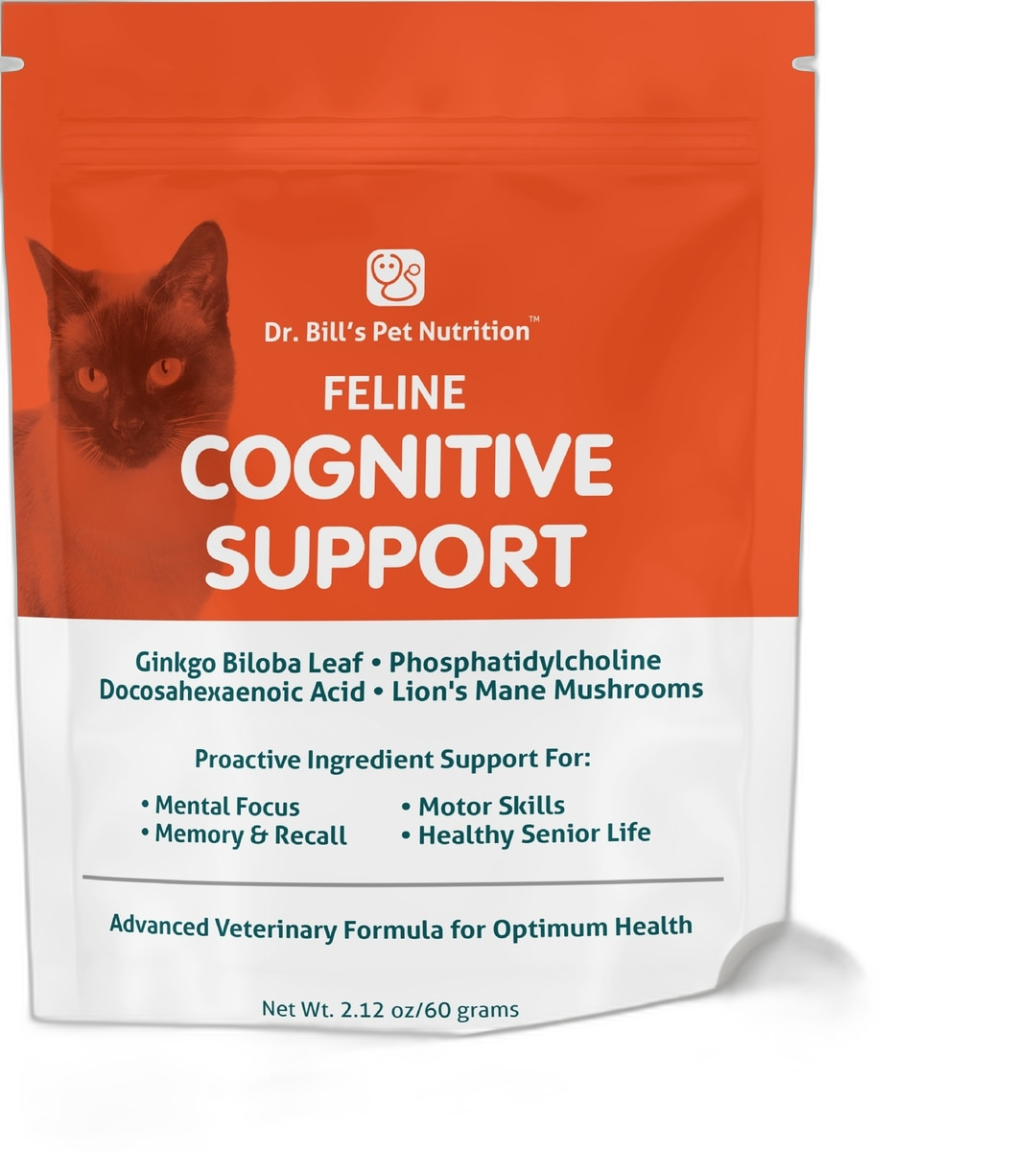
Dr. Bill's Pet Nutrition Feline Cognitive Support Cat Supplement Powder
Dr. Bill's Pet Nutrition

Herbsmith Senior Dog Wisdom Cognitive Support Soft Chews Dog Supplement
Herbsmith
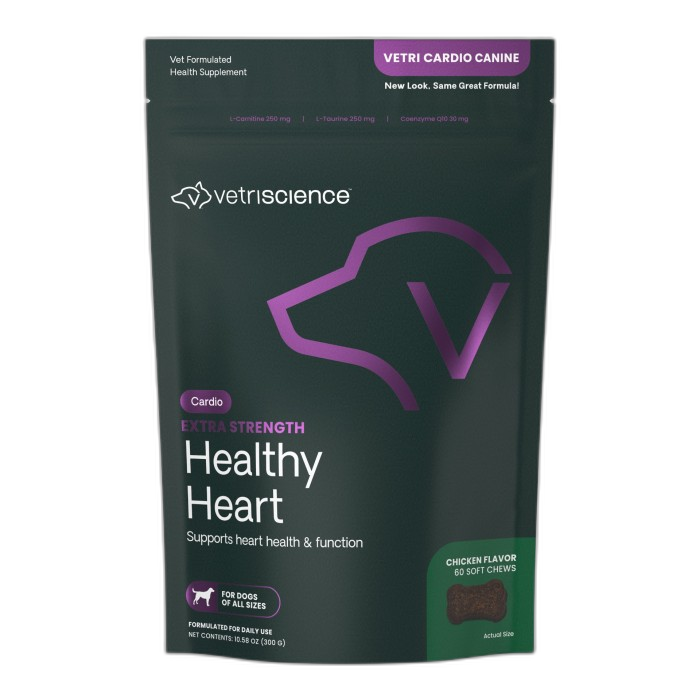
Cardio Canine Heart Health Supplement for Dogs
Cardio Canine
Nordic Naturals Omega-3 Pet Liquid for Dogs
Nordic Naturals
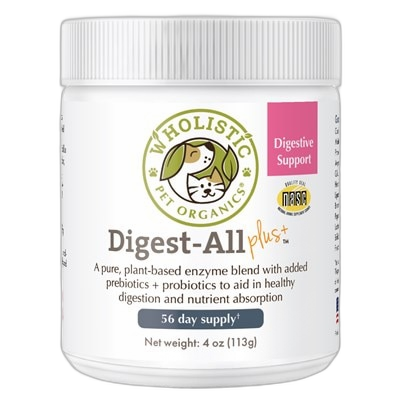
PetHonesty Omega SkinHealth Fish Oil for Dogs
PetHonesty
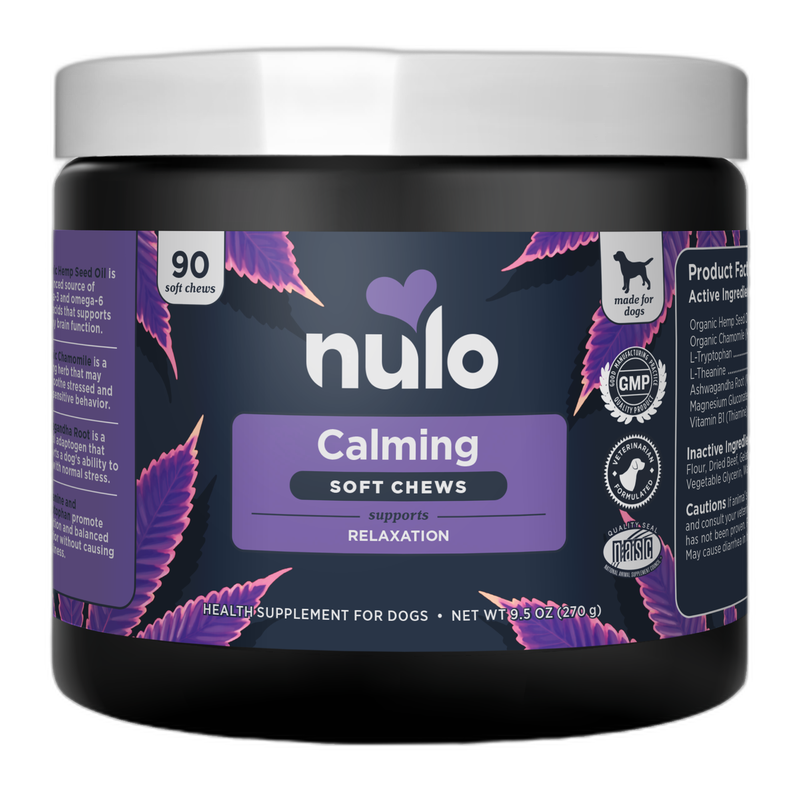
Grizzly Krill Oil Antioxidant Supplement for Dogs & Cats
Grizzly Pet Products
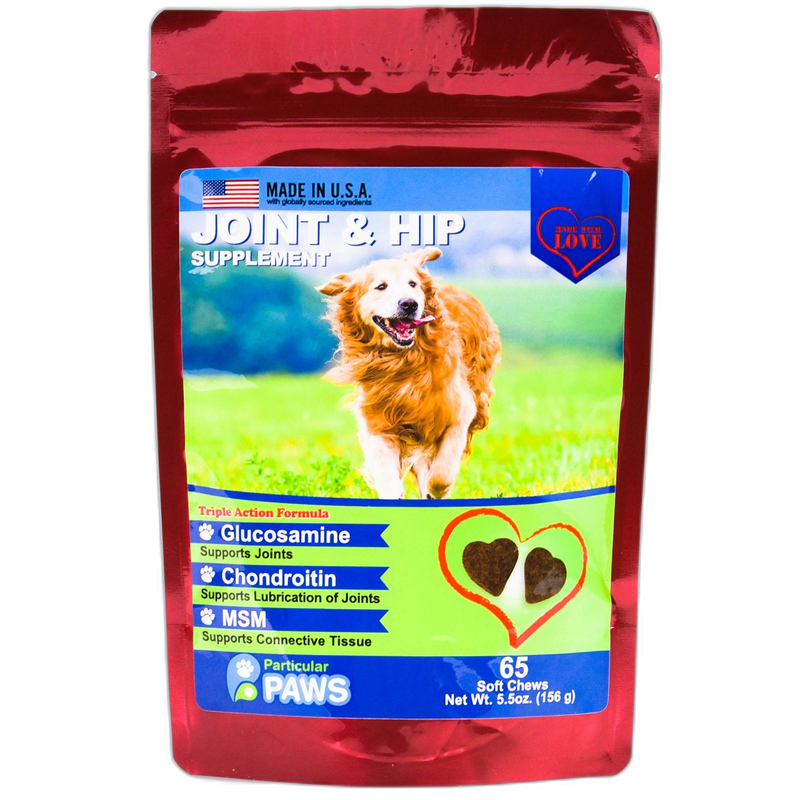
Purina Pro Plan Veterinary Diets Joint Supplement for Small Dogs
Purina Pro Plan Veterinary
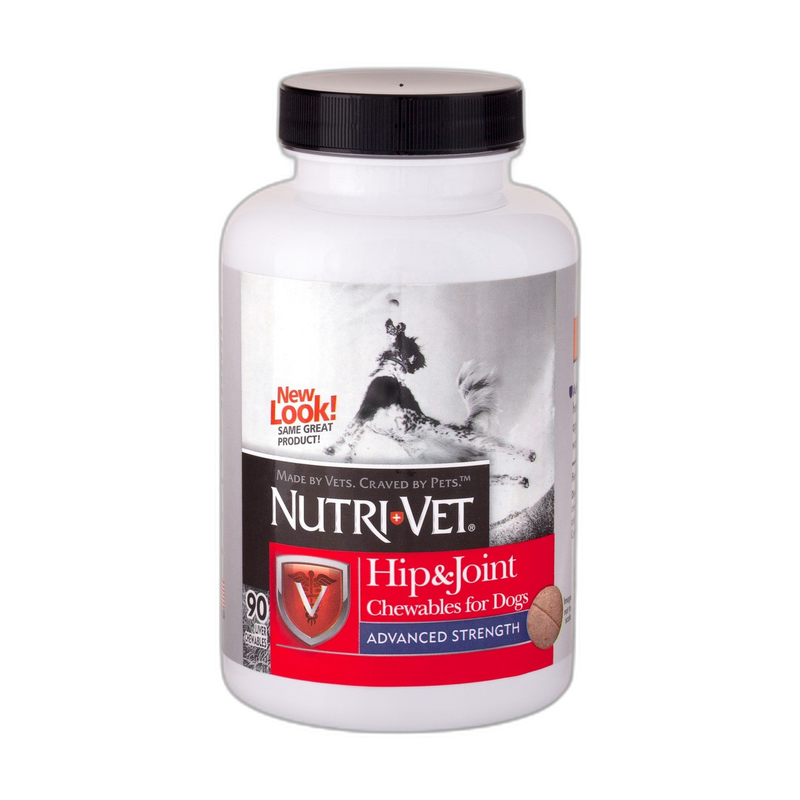
PetLab Co. Skin & Coat Chews for Dogs
PetLab Co.