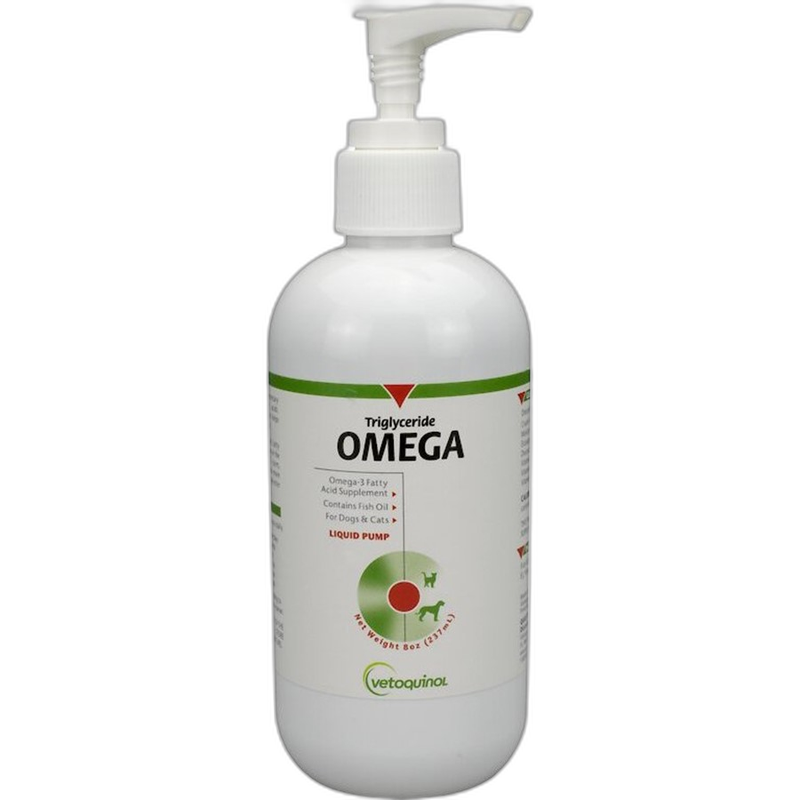
Fish Oil (Triglyceride Form)
fatty acid
Many pet owners consider fish oil as a supplement for their dogs, often seeking to support skin health, joint function, and overall well-being. When researching fish oil, the term "triglyceride form" frequently appears. This article will clarify what fish oil in triglyceride form means for dogs, how it differs from other forms, its potential benefits, appropriate dosages, and important safety considerations. Understanding these distinctions is crucial for making informed decisions about your pet's nutritional support.
Understanding Triglyceride Omega for Dogs
At its core, fish oil is a source of omega-3 fatty acids, specifically eicosapentaenoic acid (EPA) and docosahexaenoic acid (DHA). These are considered essential fatty acids, meaning dogs cannot produce them sufficiently on their own and must obtain them through their diet or supplements. The "triglyceride form" refers to the molecular structure of these omega-3s within the fish oil.
Naturally occurring omega-3s in fish are found in triglyceride form. This structure consists of three fatty acid molecules attached to a glycerol backbone. When fish oil is processed, it can sometimes be converted into an ethyl ester form, which is a concentrated version often used in human supplements due to its higher EPA and DHA content per capsule. However, many experts and studies suggest that the triglyceride form is more bioavailable for dogs, meaning their bodies can absorb and utilize the omega-3s more effectively.
The practical implication for dog owners is that a fish oil supplement in its natural triglyceride form might offer better absorption compared to an ethyl ester product, even if the latter boasts higher raw EPA/DHA numbers on the label. This is particularly relevant for dogs with compromised digestive systems or those who might struggle to absorb nutrients efficiently. While both forms deliver omega-3s, the triglyceride form is often favored for its perceived natural state and superior absorption profile. For instance, if you have a dog with chronic digestive issues, a triglyceride-based fish oil might be a more suitable choice to ensure they truly benefit from the supplement.
Triglyceride Omega-3 for Dogs
When a product is specifically labeled as "Triglyceride Omega-3 for Dogs," it indicates that the omega-3 fatty acids (EPA and DHA) within the supplement are presented in their natural, triglyceride molecular structure. This is often highlighted by manufacturers as a key advantage due to the presumed superior absorption and bioavailability for canine systems.
The core idea here is that dogs' digestive systems are naturally equipped to break down and absorb fats in triglyceride form, as this is how fats are generally found in their natural food sources. When omega-3s are in an ethyl ester form, the body needs to perform an additional enzymatic step to convert them back into a triglyceride-like structure before they can be effectively absorbed and utilized. This extra step can lead to less efficient absorption, and some of the beneficial fatty acids might be excreted without being fully utilized.
Consider two hypothetical fish oil supplements, both claiming 500mg of combined EPA and DHA. If one is in triglyceride form and the other in ethyl ester form, a dog consuming the triglyceride form might absorb a higher percentage of that 500mg, potentially leading to more pronounced benefits. This isn't to say ethyl ester forms are entirely ineffective, but rather that the triglyceride form is often considered the more direct and efficient route for canine absorption. This could be a trade-off for pet owners comparing cost, concentration, and perceived efficacy. A higher concentration ethyl ester might be cheaper per mg of EPA/DHA, but if absorption is significantly lower, the actual benefit might not be as great as a slightly lower concentration triglyceride form.
Triglyceride Omega Gel Capsules for Small Dog Breeds
For small dog breeds, the size and palatability of supplements are significant considerations. "Triglyceride Omega Gel Capsules for Small Dog Breeds" specifically addresses these concerns by offering fish oil in a highly absorbable form, packaged in a manageable size.
Small dogs often have different metabolic rates and smaller stomachs, meaning they require lower dosages of active ingredients. A standard-sized fish oil capsule designed for a large dog would be difficult, if not impossible, to administer to a chihuahua or a toy poodle, and the dosage would be far too high. These specialized capsules are typically much smaller, making them easier to swallow whole or to puncture and express the oil onto food.
The practical implications extend beyond just size. Smaller capsules often contain a lower concentration of EPA and DHA per capsule, allowing for more precise dosing for tiny pets. For example, a large breed might need a capsule with 1000mg of total omega-3s, whereas a small breed might only need a capsule with 100-200mg. Overdosing, even with a beneficial supplement like fish oil, can lead to adverse effects such as loose stools or blood thinning. Therefore, selecting a product specifically formulated and sized for small breeds, and in the highly absorbable triglyceride form, helps ensure both efficacy and safety. An example would be a 60-count bottle of mini gel caps, each containing 150mg of EPA/DHA, designed to be given once daily to a 10-pound dog. This contrasts sharply with a larger capsule meant for a 70-pound dog, where a single dose could be ten times higher.
Fish Oil for Dogs: Benefits, Dosage, and Vet Pick
Fish oil (triglyceride form) for dogs is widely recognized for its potential health benefits, primarily due to its rich content of EPA and DHA. These omega-3 fatty acids play crucial roles in various bodily functions.
Potential Benefits of Fish Oil for Dogs:
- Skin and Coat Health: Omega-3s can help reduce inflammation and dryness, leading to a healthier, shinier coat and potentially alleviating symptoms of skin allergies. A dog with dull fur and flaky skin might show significant improvement after several weeks of consistent supplementation.
- Joint Support: The anti-inflammatory properties of EPA and DHA can help manage joint pain and stiffness associated with conditions like arthritis, improving mobility and comfort, particularly in older dogs.
- Heart Health: Omega-3s may support cardiovascular function by helping to maintain healthy blood pressure and reducing triglyceride levels.
- Brain and Eye Development: DHA is a critical component of brain and retinal tissue, making fish oil beneficial for cognitive function in adult dogs and essential for the proper development of puppies.
- Immune System Modulation: Omega-3s can help regulate the immune response, potentially reducing the severity of autoimmune conditions and allergies.
Dosage Considerations:
Determining the correct dosage of fish oil for dogs is crucial and should always be discussed with a veterinarian. While general guidelines exist, individual needs vary based on size, age, health condition, and the specific concentration of EPA and DHA in the chosen supplement. The dosage is typically based on the combined amount of EPA and DHA, not the total fish oil content.
A common starting point for general health and well-being is often around 20-50 mg of combined EPA and DHA per kilogram of body weight per day. For specific therapeutic uses, such as managing severe arthritis or certain inflammatory conditions, veterinarians might recommend significantly higher doses, sometimes up to 100-150 mg/kg/day.
Example Dosage Calculation:
Let's say you have a 20 kg (approximately 44 lb) dog, and your veterinarian recommends 40 mg/kg/day of combined EPA+DHA. Total daily EPA+DHA needed = 20 kg * 40 mg/kg = 800 mg EPA+DHA.
If your fish oil (triglyceride form) supplement states it contains 300 mg EPA and 200 mg DHA per capsule, then each capsule provides 500 mg of combined EPA+DHA. Number of capsules per day = 800 mg / 500 mg/capsule = 1.6 capsules. In this scenario, your vet might advise giving one capsule in the morning and one in the evening, or rounding down to one capsule if the benefits are sufficient, or up to two if needed and tolerated.
Vet Pick:
When a veterinarian "picks" a fish oil supplement, they are likely considering several factors:
- Form: Preference for triglyceride form due to better bioavailability.
- Purity and Quality: Products tested for heavy metals (mercury), PCBs, and other contaminants. Reputable brands often provide Certificates of Analysis (COA).
- Concentration: Appropriate levels of EPA and DHA for therapeutic effect without excessive volume.
- Freshness: Minimizing oxidation (rancidity) through proper processing and packaging (e.g., dark bottles, antioxidants like vitamin E).
- Palatability and Ease of Administration: Whether the dog will readily consume it.
Always consult your veterinarian before starting any new supplement, especially fish oil, to ensure it's appropriate for your dog's specific health needs and to determine the correct dosage.
Feeding Fish Oil and Medium-Chain Triglycerides to Canines
While both fish oil and medium-chain triglycerides (MCTs) are fatty acid supplements, they serve different purposes and offer distinct benefits for canines. Understanding their individual roles and how they might be used, either separately or in combination, is key.
Fish Oil (Triglyceride Form): As discussed, fish oil primarily provides long-chain omega-3 fatty acids (EPA and DHA). These are polyunsaturated fats known for their anti-inflammatory effects and their roles in cell membrane structure, brain function, and cardiovascular health. They are processed through the lymphatic system before entering the bloodstream.
Medium-Chain Triglycerides (MCTs): MCTs are saturated fats, typically derived from coconut or palm kernel oil. Unlike the long-chain fatty acids in fish oil, MCTs are absorbed directly from the gut into the portal vein and transported straight to the liver. This rapid absorption and metabolism make them a readily available energy source.
Key Differences and Applications:
| Feature | Fish Oil (Triglyceride Form) | Medium-Chain Triglycerides (MCTs) |
|---|---|---|
| Primary Fatty Acids | EPA, DHA (Omega-3s) | Caprylic acid (C8), Capric acid (C10) |
| Form | Typically liquid or softgel capsules | Liquid oil |
| Absorption Pathway | Lymphatic system, then bloodstream (slower) | Portal vein, directly to liver (rapid) |
| Primary Benefits | Anti-inflammatory, skin/coat, joint, heart, brain, immune support | Rapid energy, cognitive support (e.g., in senior dogs), digestive aid |
| Digestion | Requires bile acids and pancreatic enzymes | Easier to digest, less reliant on bile acids and enzymes |
| Therapeutic Use | Inflammatory conditions, allergies, cardiac, cognitive decline | Epilepsy (adjunct), cognitive dysfunction, malabsorption, weight management |
| Potential Side Effects | Loose stools, fishy breath, blood thinning (high doses) | Diarrhea (if too much given initially) |
Practical Implications:
- Complementary Use: It's possible to use both fish oil and MCTs, as they address different physiological needs. For example, a senior dog with arthritis and cognitive decline might benefit from fish oil for joint inflammation and MCTs for brain energy.
- Digestive Sensitivity: Dogs with pancreatic insufficiency or other malabsorption issues might tolerate MCTs better than long-chain fats, as MCTs require less enzymatic breakdown. However, a highly bioavailable triglyceride form of fish oil might still be well-tolerated.
- Dosage: Dosages for MCTs are also weight-dependent and should be introduced gradually to avoid digestive upset. Typically, a starting dose might be 0.5-1 ml per 10 lbs of body weight, gradually increasing.
The decision to use either or both should be based on a dog's specific health concerns and always in consultation with a veterinarian. While fish oil targets inflammatory pathways, MCTs offer a unique energy source that bypasses some of the typical fat digestion processes.
Triglyceride Omega Capsules for Cats and Small Dogs 60ct
The availability of "Triglyceride Omega Capsules for Cats and Small Dogs 60ct" highlights the specific needs of smaller companion animals. Both cats and small dogs can benefit from omega-3 supplementation, but their unique physiology and size demand carefully formulated products.
Why Specific Formulation Matters for Cats and Small Dogs:
- Size and Dosage Control: As previously discussed, smaller animals require smaller, more precise doses of active ingredients. A single capsule designed for a large dog could easily overdose a cat or a toy breed. Products like these typically contain a lower concentration of EPA and DHA per capsule, making it easier to administer the correct amount.
- Palatability: Cats, in particular, are notoriously finicky eaters. Capsules or oils that are unpalatable will simply be rejected. Many brands formulate these smaller capsules with flavors or coatings designed to be more appealing, or in a size that can be easily hidden in a small treat or food portion.
- Metabolic Differences: While the fundamental benefits of omega-3s apply to both species, there can be subtle differences in metabolic pathways or sensitivities. The triglyceride form is generally considered beneficial for both cats and dogs due to its natural structure and absorption.
- Convenience: A 60-count bottle suggests a one to two-month supply for a single pet, depending on the recommended daily dose, which is convenient for owners.
Practical Considerations for Use:
- Administration: For cats and very small dogs, capsules can sometimes be difficult to administer whole. Options include:
- Puncturing and Squeezing: The oil can be squeezed directly onto a small amount of wet food or a treat. This is often the most successful method for finicky eaters.
- Pill Pockets/Treats: Encasing the capsule in a soft treat designed for administering medication.
- Direct Administration: For some compliant pets, gently placing the capsule at the back of the tongue.
- Monitoring: Observe your pet for any changes in appetite, stool consistency, or energy levels when starting a new supplement. While side effects are rare with appropriate dosing, mild gastrointestinal upset can occur.
- Storage: Fish oil is susceptible to oxidation, especially once opened or punctured. Storing the capsules in a cool, dark place (often refrigeration is recommended after opening) and ensuring the bottle is tightly sealed helps maintain freshness and potency.
By offering fish oil in the highly absorbable triglyceride form, specifically sized and dosed for smaller animals, these products aim to provide the benefits of omega-3s in a practical and effective manner for a broader range of pets.
FAQ
What does triglyceride omega do for dogs?
Triglyceride omega-3s, specifically EPA and DHA, provide a range of health benefits for dogs. They are primarily known for their anti-inflammatory properties, which can help support joint health (reducing pain and stiffness from arthritis), improve skin and coat condition (reducing dryness, itching, and promoting a shiny coat), and modulate the immune system (beneficial for allergies). Additionally, they can support cardiovascular health, brain function, and eye development, especially in puppies. The triglyceride form is believed to be more readily absorbed and utilized by a dog's body compared to other forms.
Is fish oil in triglyceride form better?
Many veterinarians and nutritional experts consider fish oil in triglyceride form to be superior for dogs (and humans) due to its higher bioavailability. This means the body can absorb and utilize the EPA and DHA more efficiently. While ethyl ester forms can be highly concentrated, the natural triglyceride structure is what dogs' digestive systems are naturally equipped to process, potentially leading to better absorption rates and a greater therapeutic effect from the same stated amount of omega-3s.
Does fish oil reduce cortisol?
Some research, primarily in humans and some animal models, suggests that omega-3 fatty acids, particularly DHA, may play a role in modulating stress responses and potentially reducing cortisol levels. Cortisol is a primary stress hormone. The exact mechanisms are still being investigated, but it's thought to involve omega-3s' influence on neurotransmitter function and inflammatory pathways that can be activated by stress. While promising, more specific research on the direct impact of fish oil on cortisol reduction in dogs is needed before definitive claims can be made. However, by reducing systemic inflammation and supporting overall well-being, fish oil might indirectly contribute to a more balanced physiological state.
Conclusion
Choosing the right fish oil supplement for your dog involves understanding the nuances of its formulation. Fish oil in triglyceride form is often favored for its natural structure and superior bioavailability, suggesting that your dog can more effectively absorb and utilize the beneficial EPA and DHA. Whether you're looking to support a healthy coat, ease joint stiffness, or promote overall well-being, a high-quality triglyceride-form fish oil, dosed appropriately and under veterinary guidance, can be a valuable addition to your pet's regimen. Always prioritize products that are third-party tested for purity and freshness to ensure you're providing the best possible support for your canine companion.
Products Containing Fish Oil (Triglyceride Form)
Top-rated supplements featuring this ingredient, ranked by our PSI+ score.