Omega-3 Fatty Acids
fatty acid
Omega-3 fatty acids are a type of polyunsaturated fat recognized for their role in various biological functions. For dogs, and other pets, these essential fatty acids, primarily eicosapentaenoic acid (EPA) and docosahexaenoic acid (DHA), are not produced sufficiently by the body and must be obtained through diet or supplementation. Their inclusion in a pet's regimen is often considered for their potential to support overall health, particularly in areas like inflammation management, skin and coat health, and cognitive function. This guide explores the practicalities of using omega-3 supplements for dogs, including sourcing, appropriate dosages, and their demonstrated effects.
Omega-3 Fatty Acids for Dogs: The Essentials
Omega-3 fatty acids are a group of polyunsaturated fats crucial for cellular function. The three most significant for animal health are alpha-linolenic acid (ALA), eicosapentaenoic acid (EPA), and docosahexaenoic acid (DHA). While ALA is found in plant sources like flaxseed and chia seeds, dogs often have difficulty converting ALA efficiently into the more bioavailable EPA and DHA. For this reason, direct sources of EPA and DHA are typically preferred for canine supplementation.
These fatty acids play a role in the structure of cell membranes throughout the body, influencing their fluidity and function. Beyond this foundational role, EPA and DHA are precursors to eicosanoids, signaling molecules that affect inflammation, blood clotting, and other physiological processes. In dogs, a balanced intake of omega-3s, particularly EPA and DHA, is often considered when addressing conditions characterized by inflammation, such as certain skin allergies or joint discomfort. Their impact extends to neurological development and function, making them a consideration for puppies and aging dogs alike.
The practical implication for dog owners is that while some commercial dog foods may include omega-3s, the amounts and forms can vary widely. Supplementation often becomes a way to ensure a consistent and adequate intake, especially when targeting specific health concerns or when a dog's diet isn't providing sufficient levels. It's not a universal requirement for every dog, but for those with particular health profiles or dietary needs, it can be a valuable addition. The trade-off often involves balancing the potential benefits against the cost and the need for careful dosage to avoid adverse effects.
Fish Oil for Dogs: What to Know
Fish oil is one of the most common and effective sources of EPA and DHA for dogs. It's derived from the tissues of oily fish like salmon, mackerel, sardines, and anchovies. These fish consume microalgae that produce EPA and DHA, accumulating these beneficial fatty acids in their flesh. When considering fish oil for dogs, understanding its composition and potential variations is key.
The primary benefit of fish oil lies in its direct provision of EPA and DHA, which are readily utilized by a dog's body. Unlike plant-based omega-3s (ALA), which require conversion, fish oil offers these crucial fatty acids in a form that is immediately bioavailable. This direct delivery is particularly important for dogs that may have limited enzymatic capacity to convert ALA, ensuring they receive the full anti-inflammatory and other systemic benefits.
However, not all fish oils are created equal. Quality can vary significantly based on the source of the fish, the manufacturing process, and the presence of contaminants. Small, wild-caught fish are generally preferred sources because they tend to have lower levels of heavy metals like mercury and other environmental toxins compared to larger, longer-lived species. The processing of fish oil also impacts its stability and purity. Molecular distillation, for example, is a common method used to remove impurities and concentrate the EPA and DHA.
Oxidation is another critical consideration for fish oil. Omega-3 fatty acids are susceptible to oxidation when exposed to air, light, or heat, which can lead to rancidity. Rancid fish oil not only loses its beneficial properties but can also become harmful, potentially causing gastrointestinal upset or other issues. Therefore, reputable fish oil supplements often include antioxidants like vitamin E to help preserve freshness. Packaging, such as dark bottles or opaque capsules, also plays a role in protecting the oil from light exposure. When selecting a fish oil, looking for third-party testing certifications for purity and potency can provide assurance regarding its quality and safety.
Omega-3 Pet | Fish Oil for Dogs and Cats
While many of the benefits of omega-3 fatty acids extend across species, there are nuances when considering supplementation for both dogs and cats. Fish oil, as a primary source of EPA and DHA, is generally suitable for both, but concentrations and specific needs can differ.
For dogs, omega-3s are often recommended for their anti-inflammatory properties, benefiting conditions such as osteoarthritis, allergic skin disease, and certain kidney and heart conditions. The dosage for dogs is typically calculated based on body weight and the specific health concern being addressed, often focusing on the total EPA and DHA content rather than just the total fish oil volume.
Cats, while also benefiting from EPA and DHA, have some distinct physiological considerations. They are obligate carnivores with unique metabolic pathways. For instance, cats have an even lower ability to convert ALA to EPA and DHA than dogs, making direct supplementation with EPA and DHA even more crucial. Omega-3s can support feline skin and coat health, kidney function, and cognitive health. However, cats can be more sensitive to certain ingredients and may have different palatability preferences. Some formulations designed for "pets" broadly might not be as appealing or as precisely dosed for cats compared to dog-specific products.
When choosing an omega-3 supplement for a multi-pet household, it's important to read labels carefully. Products marketed for "pets" should clearly state their suitability and recommended dosages for both dogs and cats. Some brands offer separate formulations to cater to the specific needs and preferences of each species, such as smaller capsule sizes for cats or different flavoring agents. The core idea remains the same – providing essential EPA and DHA – but the delivery and precision of dosing warrant attention when addressing both canine and feline companions.
Fish Oil for Dogs: Benefits, Dosage, and Vet Pick
The benefits of fish oil for dogs are supported by a growing body of research and anecdotal evidence from veterinary practice. These benefits span several physiological systems, making omega-3 supplementation a versatile tool in canine health management.
Key Benefits:
- Anti-inflammatory Effects: EPA and DHA are known to modulate inflammatory responses. This makes them particularly beneficial for dogs with conditions like osteoarthritis, where they can help reduce joint pain and stiffness, improving mobility. Similarly, for dogs with allergic skin conditions (atopic dermatitis), omega-3s can help decrease itching, redness, and improve skin barrier function.
- Skin and Coat Health: Omega-3s contribute to healthy cell membranes, including those in the skin. Supplementation can lead to a shinier coat, reduced shedding, and improved skin hydration, making it a popular choice for dogs with dry, flaky skin or dull fur.
- Cardiovascular Health: Some studies suggest that omega-3s can support heart health, particularly in dogs with certain cardiac conditions, by helping to maintain healthy blood pressure and reducing inflammation.
- Kidney Health: In dogs with chronic kidney disease, omega-3s may help reduce inflammation and oxidative stress in the kidneys, potentially slowing disease progression.
- Cognitive Function: DHA is a major structural component of the brain and retina. Supplementation is often recommended for puppies for optimal brain development and for older dogs to support cognitive function and potentially reduce signs of cognitive dysfunction syndrome (CDS).
Dosage Considerations:
Determining the correct dosage of fish oil for dogs is crucial, as too little may not be effective, and too much can lead to adverse effects. The dosage is typically based on the combined amount of EPA and DHA, not the total volume of fish oil.
A general guideline for healthy dogs is often around 20-55 mg of combined EPA and DHA per kilogram of body weight per day. However, for therapeutic purposes, such as managing severe inflammation or specific diseases, veterinarians may recommend significantly higher doses, sometimes up to 100-200 mg per kilogram of body weight per day, or even more in specific cases.
It's vital to consult a veterinarian to determine the appropriate dosage for an individual dog, considering their weight, age, health status, and the specific condition being treated. Overdosing can lead to side effects such as gastrointestinal upset (diarrhea, vomiting), altered platelet function (increased bleeding time), or impaired wound healing.
"Vet Pick" Considerations:
When veterinarians recommend or "pick" a fish oil supplement, they often consider several factors beyond just the EPA/DHA content:
To illustrate the variability, consider this comparative table:
| Feature/Consideration | General Health (Prophylactic) | Therapeutic (e.g., Severe Arthritis, Allergies) |
|---|---|---|
| Target EPA + DHA per kg body weight | 20-55 mg/kg body weight/day | 60-200 mg/kg body weight/day (or higher as directed by vet) |
| Primary Goal | Maintenance, general wellness, healthy skin/coat | Inflammation reduction, disease management, symptom relief |
| Typical Product Type | Standard fish oil, often included in multi-supplements | High-potency, pharmaceutical-grade fish oil |
| Monitoring | General well-being, coat quality | Specific symptom improvement, bloodwork if high doses |
| Potential Side Effects | Rare at appropriate doses | GI upset, altered clotting (at very high doses) |
| Veterinary Consultation | Recommended for initial dosing | Essential for dosage and ongoing management |
This comparison highlights that while a baseline of omega-3s is beneficial, the approach to supplementation becomes more targeted and requires closer veterinary guidance when addressing specific health conditions.
The Effects of Omega-3 Supplementation on the ... - PMC
Scientific literature, including studies published in journals indexed by PubMed Central (PMC), provides insights into the specific effects of omega-3 supplementation in dogs. These studies move beyond anecdotal observations to investigate the physiological mechanisms and clinical outcomes associated with EPA and DHA.
One area of significant research focuses on the anti-inflammatory properties of omega-3 fatty acids. Studies have explored their impact on canine osteoarthritis. For instance, research has shown that dietary supplementation with omega-3 fatty acids can lead to improvements in lameness and overall mobility in dogs with naturally occurring osteoarthritis. The mechanism is thought to involve the competitive inhibition of arachidonic acid, a precursor to pro-inflammatory eicosanoids, by EPA. This shift in eicosanoid production favors less inflammatory pathways, thereby reducing pain and inflammation in affected joints.
Another area of investigation is dermatological health. Chronic allergic skin disease, also known as atopic dermatitis, is a common condition in dogs. Clinical trials have demonstrated that omega-3 supplementation can reduce pruritus (itching) and self-trauma, and improve coat quality in affected dogs. The fatty acids help to reinforce the skin barrier, reduce inflammatory mediators in the skin, and modulate the immune response, leading to fewer flare-ups and less severe symptoms.
Beyond inflammatory conditions, research has delved into the neurological benefits. DHA, in particular, is a critical component of brain and retinal tissue. Studies on puppies have shown that diets supplemented with DHA can improve cognitive development, including learning and memory tasks. In older dogs, omega-3s are being investigated for their role in mitigating cognitive decline associated with aging. While not a cure for cognitive dysfunction syndrome, they may help support neuronal health and function.
Furthermore, the influence of omega-3s on canine cardiovascular and renal health has been explored. In cardiac disease, particularly certain forms of dilated cardiomyopathy, omega-3s may help reduce cachexia (muscle wasting), improve appetite, and support cardiac function by reducing inflammation and oxidative stress. For chronic kidney disease, studies suggest that omega-3 supplementation can help preserve renal function and improve quality of life, primarily through their anti-inflammatory and anti-fibrotic effects within the kidneys.
The practical implications of these studies for dog owners are that omega-3 fatty acids are not merely a general health tonic but can be a targeted therapeutic agent. However, the efficacy often depends on adequate dosing and consistent administration over time. The research underscores the importance of choosing high-quality supplements with verified EPA and DHA content, as the specific fatty acids are responsible for the observed clinical benefits. It also highlights the need for veterinary guidance, especially when using omega-3s as part of a treatment plan for specific diseases, as dosages may need to be adjusted based on the condition and the individual dog's response.
Omega Healthy Skin for Dogs & Cats
The role of omega-3 fatty acids in promoting healthy skin and a lustrous coat is one of their most widely recognized benefits for both dogs and cats. A healthy skin barrier is crucial for protecting pets from environmental irritants, allergens, and pathogens, and omega-3s contribute significantly to maintaining its integrity and function.
For dogs, common skin issues such as dry, flaky skin, excessive shedding, dull coats, and allergic dermatitis can often be linked to an imbalance or deficiency of essential fatty acids. EPA and DHA work by being incorporated into cell membranes, including those of skin cells (keratinocytes). This integration helps improve the fluidity and integrity of the cell membrane, which in turn enhances the skin's barrier function. A stronger skin barrier is more resistant to moisture loss, leading to better hydration and reduced dryness. It also helps to prevent allergens from penetrating the skin, reducing inflammatory responses in dogs prone to environmental allergies.
The anti-inflammatory properties of EPA are particularly beneficial for skin conditions. By reducing the production of pro-inflammatory mediators, omega-3s can alleviate the itching, redness, and irritation associated with allergic reactions, hot spots, and other inflammatory dermatoses. Over time, consistent supplementation can lead to a noticeable reduction in scratching and licking, allowing the skin to heal and the coat to regrow more healthily.
For cats, similar benefits apply. Cats are also susceptible to dry skin, excessive shedding, and various dermatological conditions. While cats often appear to be meticulous groomers, underlying skin issues can still manifest as poor coat quality, dandruff, or persistent scratching. Omega-3s can help improve the sheen of their fur, reduce the incidence of dry skin, and support the overall health of their integumentary system. Given their unique metabolism, ensuring a direct source of EPA and DHA is even more critical for cats than for dogs.
When selecting an omega-3 supplement specifically for skin and coat health, owners should look for products with a balanced ratio of EPA and DHA, and a clear indication of these amounts per serving. Some skin and coat supplements may also include other beneficial ingredients like vitamin E (as an antioxidant and for skin health), biotin, or zinc, which can work synergistically with omega-3s. However, the core benefit for skin and coat often stems directly from the EPA and DHA content. Consistency is key; visible improvements in skin and coat health typically take several weeks to months of regular supplementation.
FAQ
What is the best source of Omega-3 for dogs?
The best sources of omega-3 for dogs are those rich in EPA and DHA, which are the most bioavailable forms for canines. Oily fish like salmon, mackerel, sardines, and anchovies are excellent natural sources. For supplementation, fish oil derived from these smaller, wild-caught fish is generally considered superior due to its high concentration of EPA and DHA and lower risk of contaminants compared to larger, longer-lived fish. Krill oil is another option, though often more expensive. Plant-based sources like flaxseed or chia seed oil contain ALA, which dogs struggle to convert efficiently into EPA and DHA, so they are generally not as effective for direct omega-3 benefits.
How do I give my dog omega-3 fatty acids?
Omega-3 fatty acids are typically given to dogs as a supplement in liquid oil form or softgel capsules. Liquid fish oil can be easily mixed into your dog's food, which many dogs readily accept due to its natural fishy flavor. If your dog is particular, capsules can be hidden in treats or pill pockets. Some commercial dog foods also contain added omega-3s, but often not in therapeutic amounts. It's important to start with a lower dose and gradually increase to the recommended amount to avoid gastrointestinal upset. Always ensure the supplement is fresh and has not gone rancid, which can be identified by a strong, unpleasant odor.
Can omega-3 reduce creatinine?
Omega-3 fatty acids, particularly EPA and DHA, have been studied for their potential benefits in supporting kidney health in dogs with chronic kidney disease (CKD). While omega-3s are not typically described as directly "reducing creatinine" in the same way a specific medication might, they can play a supportive role in managing CKD. Creatinine is a waste product filtered by the kidneys, and elevated levels indicate reduced kidney function. Omega-3s, through their anti-inflammatory and antioxidant properties, may help slow the progression of kidney damage, reduce protein loss in urine, and improve overall kidney function, which could indirectly contribute to more stable or slowly progressing creatinine levels over time. However, omega-3s are part of a broader dietary and medical management plan for CKD and should not be relied upon as a sole treatment for elevated creatinine. Consultation with a veterinarian is essential for managing kidney disease.
Conclusion
Omega-3 fatty acids, particularly EPA and DHA, offer several potential health benefits for dogs, including reducing inflammation in joints and skin, and supporting cognitive and cardiovascular health. These benefits are most evident when omega-3s are sourced from quality fish oils and given at appropriate dosages, often requiring veterinary guidance, especially for therapeutic use. While not a cure-all, a carefully selected omega-3 supplement can significantly enhance a dog's health regimen, improving overall well-being and addressing specific health issues. Owners considering these supplements should look for products tested for purity and potency, and always consult their veterinarian to determine the best approach for their pet.
Products Containing Omega-3 Fatty Acids
Top-rated supplements featuring this ingredient, ranked by our PSI+ score.
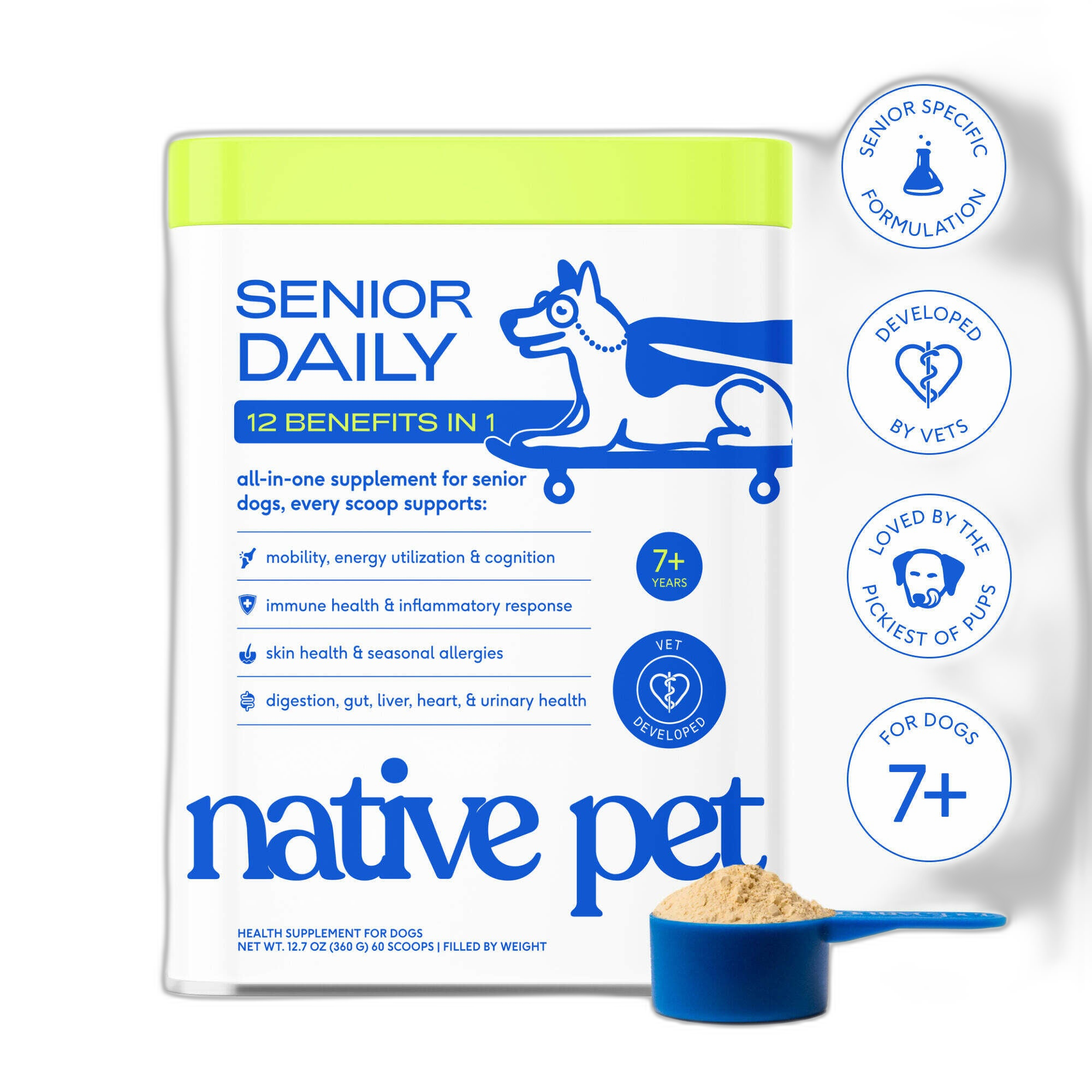
Native Pet Senior Daily Powder 12-in-1 Supplement for Senior Dogs
Native Pet
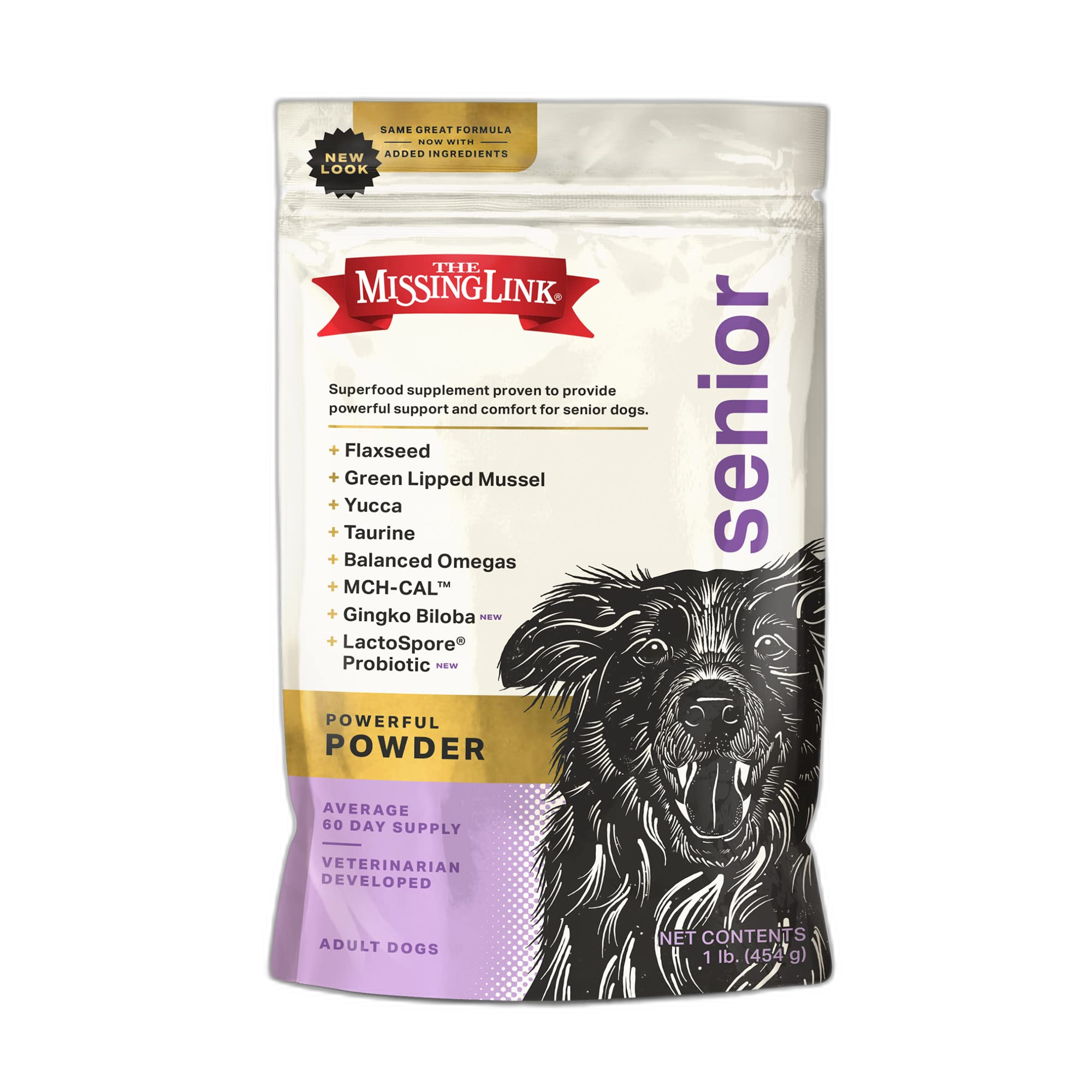
The Missing Link Ultimate Canine Senior Health Formula Dog Supplement
The Missing Link
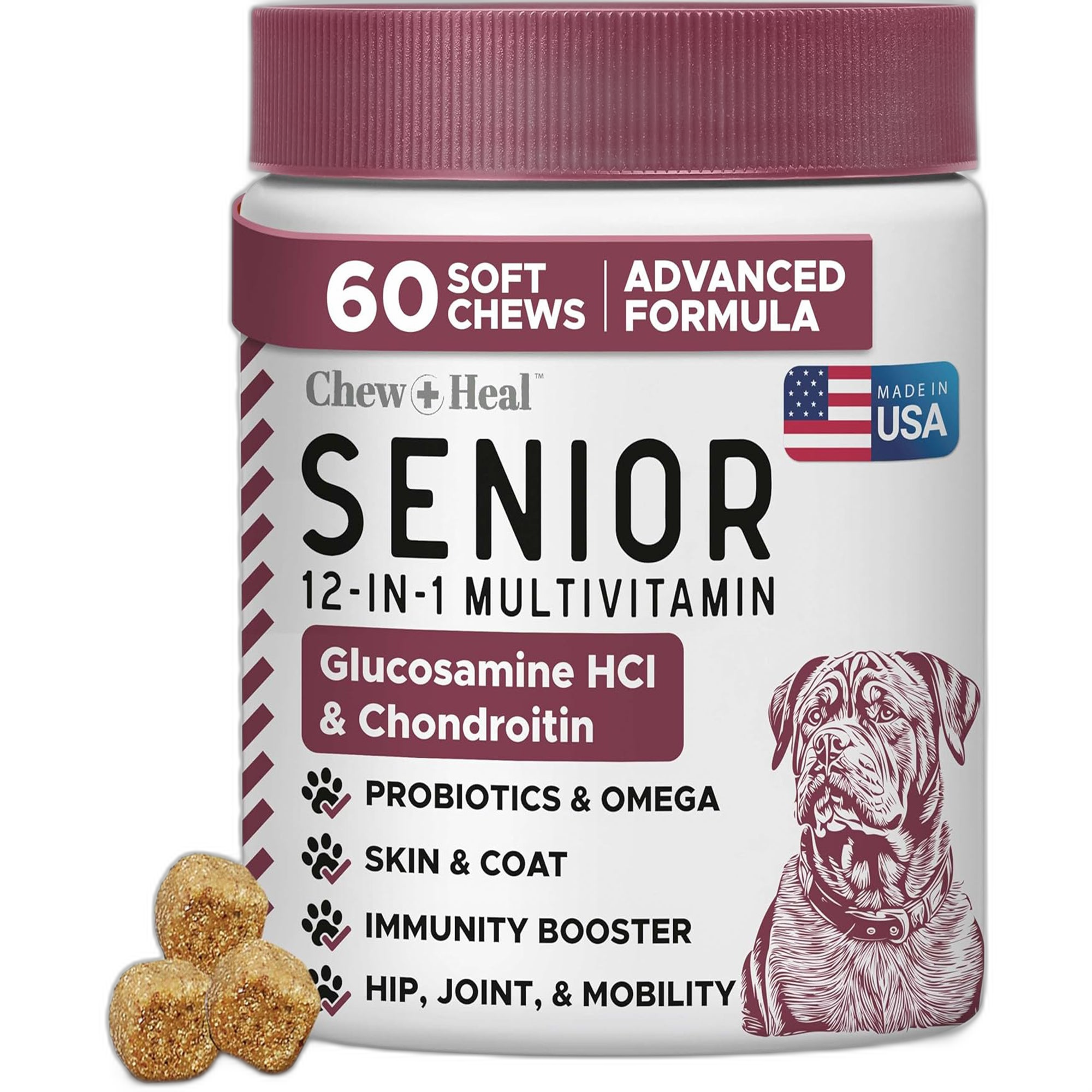
Chew + Heal Senior 12-In-1 Advanced Multivitamin Soft Chews Supplement for Senior Dogs
Chew + Heal
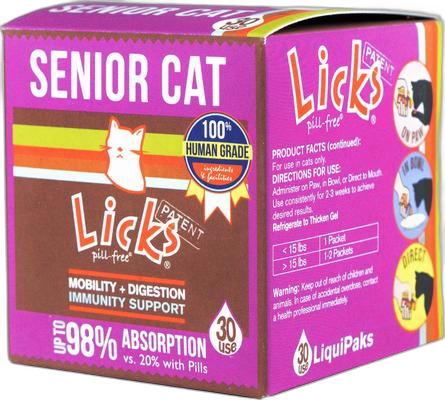
Licks Pill-Free SENIOR Mobility + Long-Term Health Support Senior Cat Supplement
Licks Pill-Free
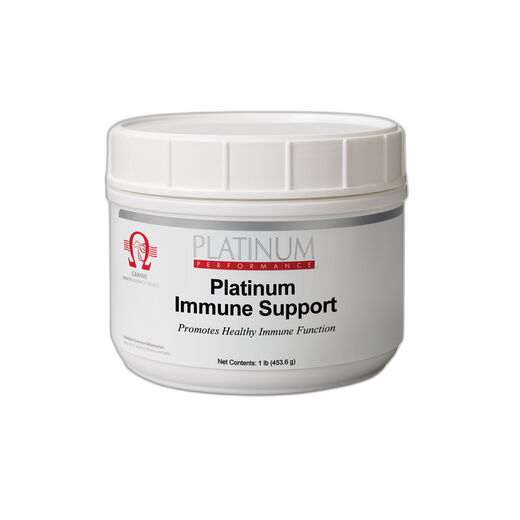
Platinum Performance Canine Immune Support
Platinum Performance
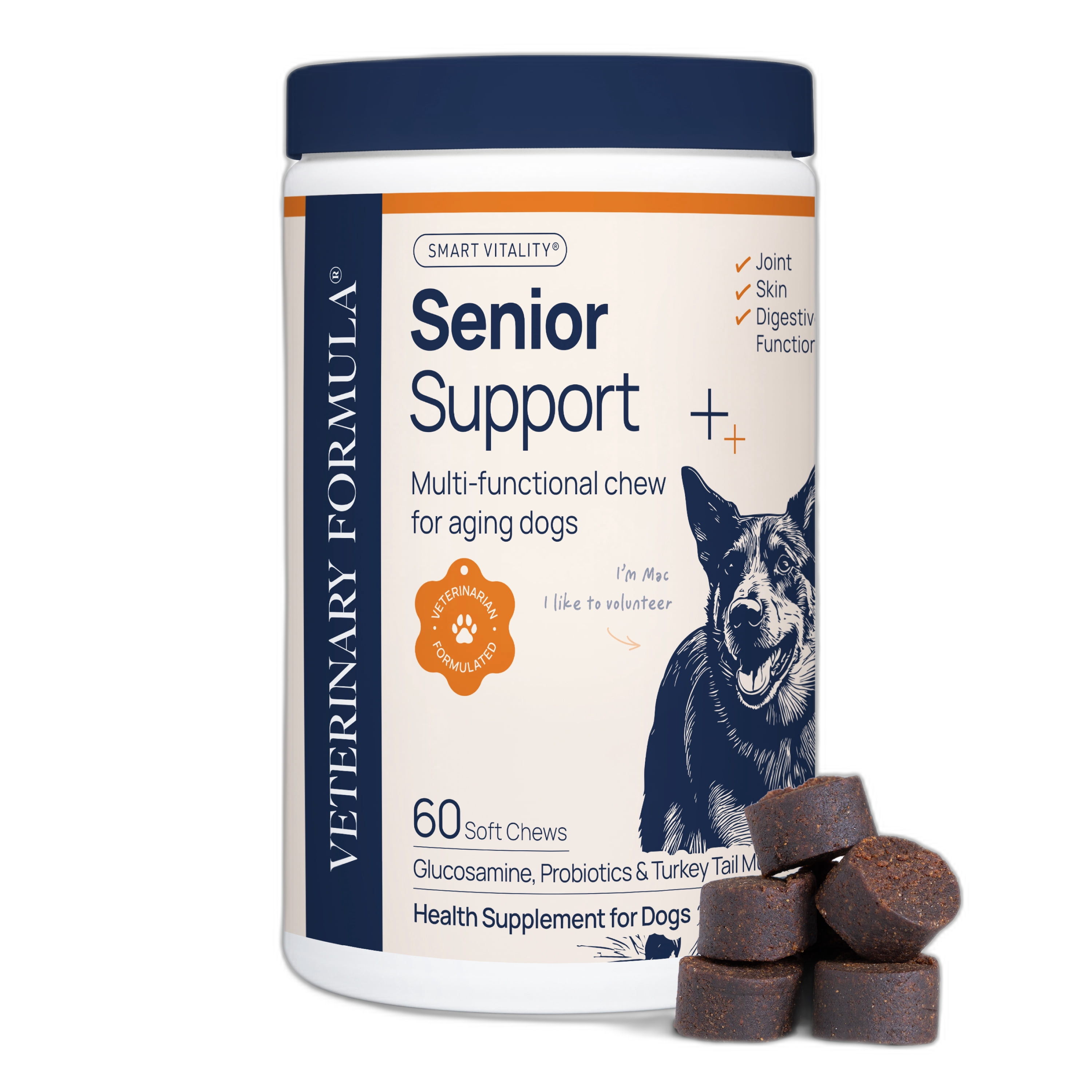
Veterinary Formula Smart Vitality Senior Support Pork Flavored Soft Chew Supplement for Senior Dogs
Veterinary Formula
Vibeful 10-in-1 Multivitamin Bites Peanut Butter Flavored Soft Chews Supplement for Dogs
Vibeful
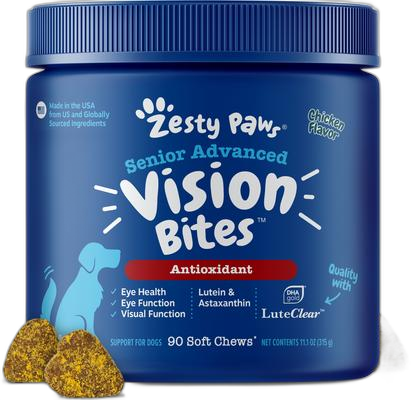
Zesty Paws Advanced Vision Bites Chicken Flavored Soft Chews Vision Supplement for Senior Dogs
Zesty Paws