Other Omega-3s
fatty acid
When considering omega-3 supplementation for dogs, the conversation often centers on fish oil. However, the world of omega-3 fatty acids extends beyond just fish-derived options. While Eicosapentaenoic Acid (EPA) and Docosahexaenoic Acid (DHA) from marine sources are well-known for their benefits, other omega-3s, such as Alpha-Linolenic Acid (ALA) from plant sources, also play a role in canine health. Understanding the differences, appropriate dosages, and efficacy of these various omega-3 forms is key for pet owners looking to support their dog's well-being. This guide explores the spectrum of omega-3s available for canine supplementation, moving beyond the common perception that fish oil is the only option.
Omega 3 For Dogs: Beyond Fish Oil
The term "omega-3 for dogs" frequently conjures images of fish oil, and for good reason. Marine-derived omega-3s, specifically EPA and DHA, are the most biologically active forms for dogs. These are the compounds responsible for the anti-inflammatory effects and neurological support often associated with omega-3 supplementation.
However, "other omega-3s for dogs" refers primarily to Alpha-Linolenic Acid (ALA). ALA is an essential fatty acid found in plant sources like flaxseed, chia seeds, and walnuts. Unlike EPA and DHA, ALA must be converted by the body into these more active forms. The conversion rate in dogs, as in humans, is generally inefficient. This means that while ALA is beneficial as an essential fatty acid, a dog would need to consume a significantly larger amount of ALA to achieve the same therapeutic levels of EPA and DHA as they would from a smaller dose of fish oil.
For instance, if a dog needs a certain amount of EPA for joint support, providing a flaxseed oil supplement (rich in ALA) would likely not deliver the same direct benefits as an equivalent dose of fish oil (rich in EPA/DHA). The dog's body simply isn't efficient enough at transforming ALA into EPA and DHA. Therefore, while ALA contributes to overall fatty acid balance and provides some benefits, it's not a direct substitute for the anti-inflammatory and cognitive support offered by pre-formed EPA and DHA. Pet owners should be aware of this conversion limitation when choosing an omega-3 source, particularly if targeting specific health concerns that benefit directly from EPA and DHA.
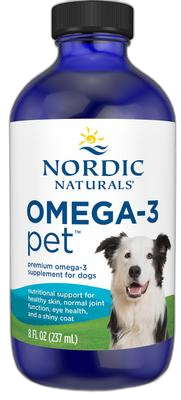
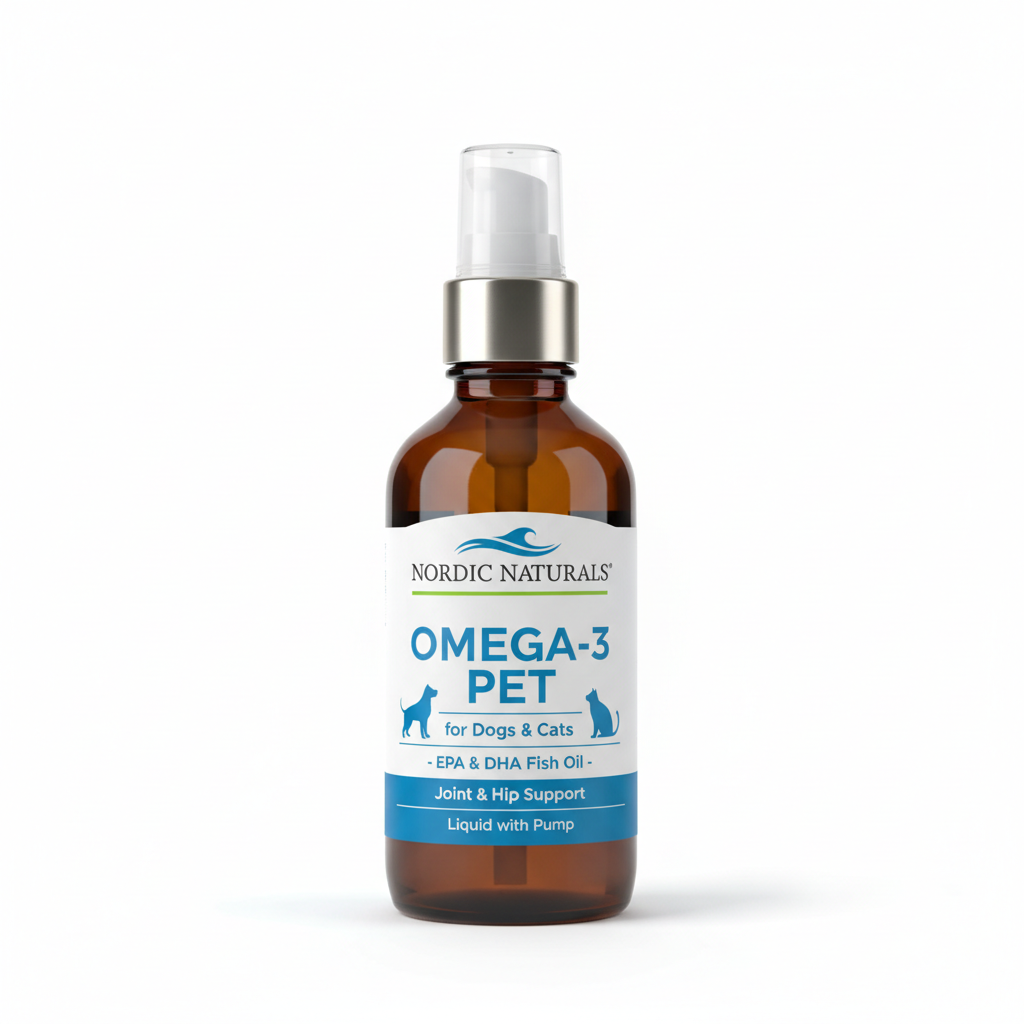
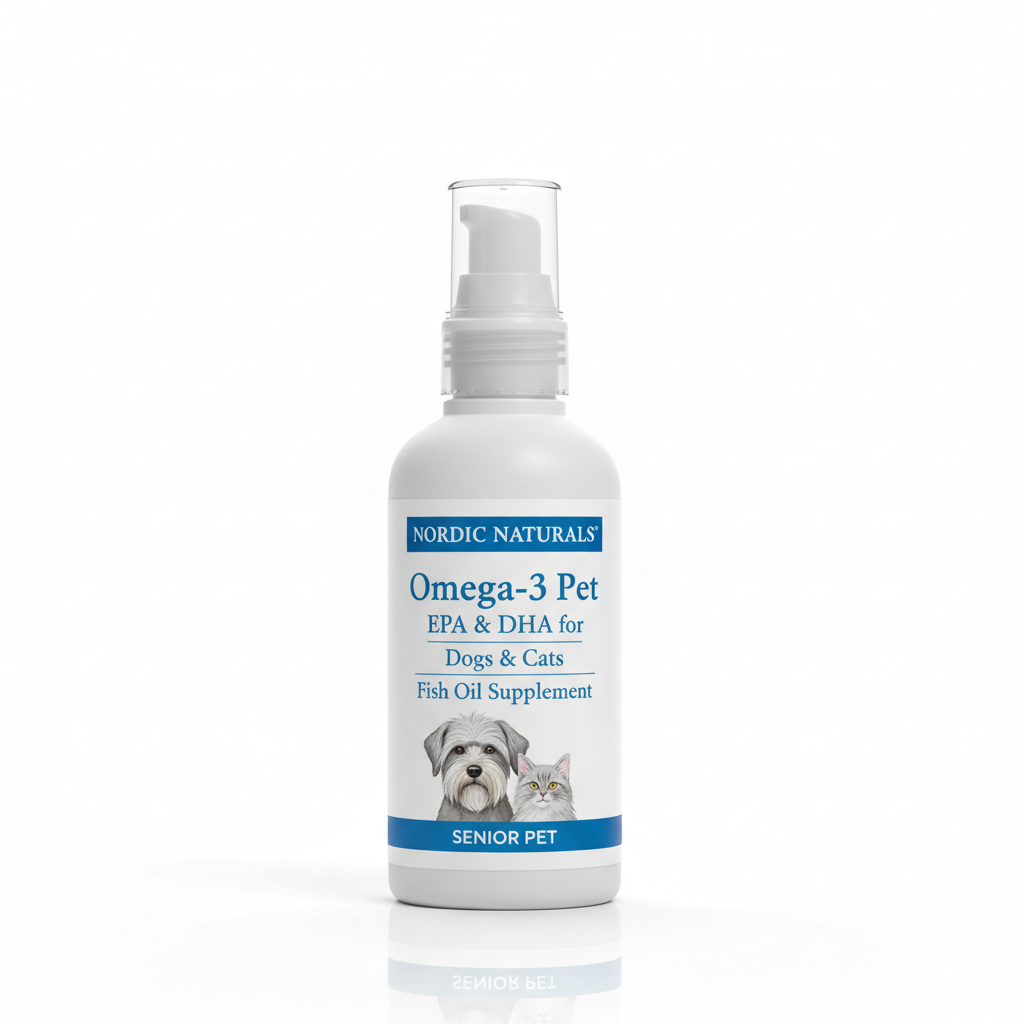
Omega-3 Pet | Fish Oil for Dogs and Cats
When discussing "omega-3 pet" products, especially those marketed as "fish oil for dogs and cats," we are typically referring to supplements rich in EPA and DHA. These are the two primary long-chain omega-3 fatty acids that offer the most direct health benefits for pets. They are crucial for maintaining healthy skin and coat, supporting joint health, aiding cognitive function, and contributing to cardiovascular health.
The reason fish oil is so prevalent is its direct bioavailability of EPA and DHA. Unlike plant-based ALA, which requires conversion, EPA and DHA from fish oil are readily utilized by the animal's body. This direct availability makes fish oil a highly effective choice for therapeutic purposes, such as managing inflammatory conditions like arthritis or allergic dermatitis.
However, not all fish oils are created equal. The quality of fish oil can vary significantly based on the source of fish, the processing methods, and the presence of contaminants. Small, wild-caught fish like anchovies, sardines, and mackerel are generally preferred sources because they have shorter lifespans and accumulate fewer heavy metals and toxins than larger, longer-lived fish. Molecular distillation is a common purification process used to remove impurities and concentrate the beneficial omega-3s.
When selecting a fish oil supplement for your pet, consider the concentration of EPA and DHA per serving, not just the total amount of oil. A higher concentration means you can administer a smaller volume of oil to achieve the desired therapeutic dose, which can be easier for both you and your pet. Always look for third-party testing certifications, which indicate that the product has been verified for purity, potency, and absence of contaminants.
Fish Oil for Dogs: Benefits, Dosage, and Vet Pick
Fish oil is a widely recommended supplement for dogs due to its broad spectrum of benefits, primarily attributed to its EPA and DHA content.
Key Benefits of Fish Oil for Dogs:
- Skin and Coat Health: EPA and DHA help to reduce inflammation in the skin, leading to less itching, flaking, and irritation. They also contribute to a shinier, healthier coat.
- Joint Health: The anti-inflammatory properties of EPA can help alleviate pain and stiffness associated with osteoarthritis and other joint conditions.
- Heart Health: Omega-3s can support cardiovascular function, potentially reducing blood pressure and improving heart rhythm in some cases.
- Cognitive Function: DHA is a major structural component of the brain and retina. Supplementation can support brain development in puppies and help maintain cognitive function in aging dogs.
- Immune System Support: Omega-3s can modulate the immune response, potentially reducing the severity of certain autoimmune conditions and allergies.
Dosage Considerations:
Determining the correct "other omega-3s dosage dogs" (specifically for EPA and DHA from fish oil) is crucial. Dosages are typically based on the combined amount of EPA and DHA, not the total fish oil volume. A common guideline for general health and wellness is 10-30 mg of combined EPA and DHA per pound of body weight per day. For therapeutic purposes, such as managing severe inflammatory conditions, a veterinarian might recommend higher doses, sometimes up to 75-100 mg/lb/day, but these higher doses should always be supervised by a vet.
It's important to start with a lower dose and gradually increase it to the recommended level to allow your dog's digestive system to adjust. Always consult your veterinarian to determine the appropriate dosage for your dog's specific needs, health status, and any pre-existing conditions.
Vet Pick:
Veterinarians often prioritize fish oil supplements that meet specific criteria:
- High Purity: Free from heavy metals (mercury), PCBs, and other environmental toxins. Third-party testing is a strong indicator.
- Concentration: High levels of EPA and DHA to minimize the volume needed.
- Stability: Formulations that resist oxidation (e.g., those containing natural antioxidants like vitamin E).
- Sustainability: Sourced from sustainable fisheries.
While many brands exist, a vet will typically recommend a product that they trust for its quality control and efficacy, often one that comes in triglyceride form, which is believed to be more bioavailable than ethyl ester forms.
How to Choose the Best Omega Oil for Pets
Choosing the "best omega oil for pets" involves navigating various types of omega-3 supplements, each with its own profile. Beyond standard fish oil, other marine oils and plant-based options exist.
Types of Omega Oils:
- Pros: High bioavailability of EPA and DHA, extensive research supporting benefits.
- Cons: Potential for contaminants if not purified, fishy smell/taste can be off-putting to some pets, potential for rancidity if not stored properly.
- Pros: Phospholipid-bound omega-3s may improve bioavailability, contains astaxanthin (a powerful antioxidant), less likely to contain heavy metals due to krill's position lower in the food chain.
- Cons: Generally more expensive than fish oil, lower overall concentration of EPA/DHA compared to concentrated fish oils.
- Pros: Excellent option for pets with fish allergies or owners seeking a vegan/vegetarian source of DHA, sustainable.
- Cons: Primarily DHA, sometimes lower EPA content (though some specialized algal oils do contain EPA), can be more expensive.
- Pros: Good source of essential fatty acids, generally palatable, inexpensive.
- Cons: ALA needs to be converted to EPA and DHA, which is inefficient in dogs, meaning it's not a direct substitute for the therapeutic effects of EPA/DHA. Provides overall fatty acid support but less direct anti-inflammatory action.
- Pros: Good overall fatty acid profile, contains GLA which has some anti-inflammatory properties, often well-tolerated.
- Cons: Minimal EPA/DHA, so not a primary source for those specific omega-3s.
Decision Table: Comparing Omega-3 Sources for Dogs
| Feature | Fish Oil (e.g., Anchovy/Sardine) | Krill Oil | Algal Oil | Flaxseed Oil | Hemp Seed Oil |
|---|---|---|---|---|---|
| Primary Omega-3s | EPA, DHA | EPA, DHA | DHA (some EPA) | ALA | ALA, LA, GLA |
| Bioavailability | High (direct EPA/DHA) | Potentially higher (phospholipid) | High (direct DHA/EPA) | Low (ALA conversion) | Low (ALA conversion) |
| Key Benefits | Anti-inflammatory, joint, skin, cognitive, heart | Similar to fish oil, antioxidant | Cognitive, skin, heart (vegan) | General fatty acid support, skin | General fatty acid support, skin |
| Source | Marine (fish) | Marine (crustacean) | Plant (microalgae) | Plant (flax seeds) | Plant (hemp seeds) |
| Sustainability | Varies (look for certification) | Generally sustainable | Highly sustainable | Sustainable | Sustainable |
| Cost | Moderate | Higher | Higher | Low | Moderate |
| Ideal For | Broad therapeutic use, specific conditions, general health | Enhanced absorption, antioxidant needs | Vegan, fish allergy, DHA focus | General fatty acid balance | General fatty acid balance, skin |
When making a choice, consider your dog's specific health needs, any dietary restrictions, and your budget. For targeted anti-inflammatory or cognitive support, EPA and DHA-rich sources (fish oil, krill oil, or specialized algal oil) are generally preferred. For general fatty acid balance, plant-based oils can be a good addition but shouldn't replace EPA/DHA if those specific benefits are desired.
Fish Oil for Dogs: What to Know
Understanding the nuances of "fish oil for dogs: what to know" goes beyond just the benefits and dosage. It involves appreciating the product's form, potential side effects, and proper storage.
Forms of Fish Oil:
Fish oil supplements for pets typically come in liquid or capsule form.
- Liquid: Offers flexibility in dosing, especially for smaller dogs or when precise adjustments are needed. Can be mixed directly into food.
- Pros: Easy to administer, precise dosing.
- Cons: Prone to oxidation once opened, requires refrigeration, can be messy, fishy odor.
- Capsules: Pre-measured doses, which can be convenient. Some dogs will swallow them whole, others may require them to be punctured and squeezed onto food.
- Pros: Less prone to oxidation, no mess, no strong odor until punctured.
- Cons: Dosing can be less flexible, some dogs may refuse to eat capsules.
Potential Side Effects and Safety:
While generally safe, "other omega-3s safety pets" (specifically fish oil) can have side effects, particularly if given in excessive amounts:
- Gastrointestinal Upset: Diarrhea, vomiting, or greasy stools are common with high doses or when first introduced. Start with a low dose and gradually increase.
- Fishy Breath/Odor: This is a common side effect, especially with liquid forms.
- Weight Gain: Fish oil is calorie-dense. Account for these calories in your dog's daily intake, especially if they are prone to weight gain.
- Impaired Wound Healing/Blood Thinning: At very high doses, omega-3s can have a mild blood-thinning effect. This is usually not a concern for healthy dogs but should be discussed with a vet if your dog is undergoing surgery or has a bleeding disorder.
- Vitamin E Depletion: Omega-3 fatty acids are susceptible to oxidation. Some fish oil supplements include vitamin E (a natural antioxidant) to prevent rancidity. If a supplement doesn't include it, or if very high doses are given, there's a theoretical risk of vitamin E depletion in the dog, though this is rare with commercial pet supplements.
Storage:
Proper storage is critical to prevent fish oil from becoming rancid, which not only makes it less effective but can also be harmful.
- Refrigeration: Always refrigerate liquid fish oil after opening. Capsules can often be stored at room temperature, but check the product label.
- Dark, Airtight Containers: Exposure to light and air accelerates oxidation.
- Expiration Dates: Adhere to "use by" dates, especially for opened liquid products.
Always choose high-quality fish oil from reputable brands that provide third-party testing to ensure purity and potency.
The 10 Best Fish Oils for Dogs
When considering "the 10 best fish oils for dogs," it's important to understand that "best" is subjective and depends on individual dog needs, budget, and owner preferences. Instead of a definitive list, which can quickly become outdated, it's more useful to focus on the characteristics that define a high-quality fish oil product. This allows you to evaluate any brand you encounter.
Here are the key factors to look for, which would be common among any top-tier "other omega-3s supplement":
By focusing on these criteria, pet owners can confidently select a high-quality fish oil supplement that delivers the intended health benefits for their dogs.
FAQ
What is an alternative to Omega 3 for dogs?
The question "What is an alternative to Omega 3 for dogs?" is a bit nuanced because "Omega 3" refers to a class of essential fatty acids. If the goal is to provide the specific anti-inflammatory and cognitive benefits of EPA and DHA, there isn't a direct alternative in terms of a different nutrient that provides the exact same mechanism of action. However, if the question refers to alternatives to fish oil as a source of EPA and DHA or an alternative to all omega-3s for general health, the answer changes:
- Alternatives to Fish Oil for EPA/DHA:
- Krill Oil: Provides EPA and DHA, potentially with enhanced absorption due to phospholipid binding. Also contains astaxanthin, an antioxidant.
- Algal Oil: A plant-based source of DHA (and sometimes EPA), suitable for pets with fish allergies or for owners seeking a vegan option.
- Alternatives for General Fatty Acid Support (not direct EPA/DHA replacement):
- Flaxseed Oil: Rich in ALA, which the dog's body can convert to EPA and DHA, but inefficiently. Offers general fatty acid benefits.
- Hemp Seed Oil: Contains ALA, Linoleic Acid (omega-6), and Gamma-Linolenic Acid (GLA), providing a balanced fatty acid profile but minimal direct EPA/DHA.
- Coconut Oil: Primarily medium-chain triglycerides (MCTs), not omega-3s. Offers different benefits like digestive support and energy but does not provide EPA/DHA.
- Other supplements for specific conditions: For joint health, alternatives might include glucosamine, chondroitin, or MSM. For skin, biotin or zinc supplements could be considered. These address symptoms but don't replace the systemic benefits of omega-3s.
Can omega-3 reduce creatinine?
No, there is no direct evidence to suggest that omega-3 fatty acids, including EPA and DHA, directly reduce creatinine levels in dogs. Creatinine is a waste product produced from muscle metabolism and is filtered by the kidneys. Elevated creatinine levels typically indicate impaired kidney function.
While omega-3s, particularly fish oil, are often recommended for dogs with chronic kidney disease (CKD), their role is not to directly lower creatinine. Instead, omega-3s are thought to help by:
- Reducing Inflammation: Kidney disease often involves inflammation, and omega-3s can help mitigate this.
- Improving Renal Blood Flow: Some studies suggest omega-3s might help improve blood flow to the kidneys.
- Slowing Disease Progression: By reducing inflammation and oxidative stress, omega-3s may help slow the progression of kidney damage, thereby indirectly supporting kidney function over time.
However, any treatment for kidney disease, including omega-3 supplementation, should always be managed by a veterinarian. They will monitor creatinine levels and other kidney markers as part of a comprehensive treatment plan that often includes dietary changes and medications. Omega-3s are a supportive therapy, not a primary treatment for reducing creatinine.
What kind of omega-3s can I give my dog?
You can give your dog several kinds of omega-3s, but the most beneficial ones for targeted health support are EPA and DHA.
- EPA (Eicosapentaenoic Acid) and DHA (Docosahexaenoic Acid): These are the most biologically active forms and are found primarily in marine sources.
- Fish Oil: The most common source, typically from cold-water, fatty fish like anchovies, sardines, and mackerel. Look for purified, third-party tested products in triglyceride form with high concentrations of EPA and DHA.
- Krill Oil: Also provides EPA and DHA, potentially with better absorption, and contains antioxidants like astaxanthin.
- Algal Oil: A plant-based source of DHA (and sometimes EPA), suitable for dogs with fish allergies or owners preferring a vegan option.
- ALA (Alpha-Linolenic Acid): This is a plant-based omega-3 found in sources like flaxseed oil, chia seeds, and hemp seed oil. While essential, dogs are inefficient at converting ALA into EPA and DHA.
- Flaxseed Oil: Can be given for general fatty acid support and a healthy coat, but it is not a direct substitute for the therapeutic benefits of EPA and DHA from marine or algal sources.
- Hemp Seed Oil: Offers ALA along with other fatty acids, contributing to overall skin and coat health.
When choosing, prioritize sources rich in EPA and DHA if you are looking to address specific health concerns like joint inflammation, skin allergies, or cognitive support. If you are simply aiming for general dietary enrichment, plant-based ALA sources can be a part of a balanced diet, but understand their limitations in providing direct EPA/DHA benefits. Always consult your veterinarian before starting any new supplement.
Conclusion
Understanding "other omega-3s for dogs" means recognizing that while fish oil (rich in EPA and DHA) remains the gold standard for many therapeutic applications, other sources like krill oil, algal oil, and plant-based oils (flaxseed, hemp) offer distinct profiles. Each option has its own benefits, bioavailability, and ideal use cases. For targeted support of inflammation, joint health, or cognitive function, EPA and DHA from marine or algal sources are generally most effective due to their direct action. Plant-based ALA provides essential fatty acids but is less efficient for direct therapeutic effects. Pet owners are encouraged to consider their dog's specific health needs, consult with their veterinarian, and prioritize high-quality, transparently labeled products to ensure safe and effective supplementation.
Products Containing Other Omega-3s
Top-rated supplements featuring this ingredient, ranked by our PSI+ score.