Ginger
digestive aid
The use of ginger in human health dates back centuries, valued for its distinctive flavor and purported medicinal properties. For pet owners, a natural extension of this interest often involves exploring whether these same benefits can apply to their canine and feline companions. This article examines the practicalities of introducing ginger to your dog's or cat's diet, focusing on potential benefits, safe dosages, and crucial safety considerations.
Can Dogs Eat Ginger?
Yes, many dogs can safely consume ginger in appropriate amounts. Ginger, derived from the root of the Zingiber officinale plant, contains bioactive compounds, primarily gingerols, which are responsible for its characteristic flavor and many of its effects. When considering ginger for dogs, the primary applications often revolve around digestive support and anti-inflammatory properties.
For instance, a dog prone to motion sickness during car rides might benefit from a small amount of ginger administered beforehand. Similarly, some owners find it helpful for occasional stomach upset. However, it's not a universal remedy for all canine ailments. A dog with chronic digestive issues, for example, requires veterinary diagnosis and treatment, not just ginger supplementation. The effectiveness and safety depend heavily on the dog's individual health, weight, and the form and dosage of ginger used.
Can Dogs Eat Ginger? A Guide to Safety
While ginger can offer benefits, safety is paramount. The primary concerns revolve around over-dosing, potential interactions with medications, and underlying health conditions.
- Dosage is Key: Too much ginger can lead to adverse effects such as stomach upset, heartburn, or diarrhea in dogs, just as it can in humans. The appropriate dose is significantly smaller than what a human might consume and varies based on the dog's size.
- Form of Ginger: Fresh ginger root, finely grated or minced, is often preferred for its natural state. Powdered ginger should be used with extreme caution, as it is more concentrated. Candied ginger, ginger snaps, or other human ginger-containing treats are generally unsuitable due to high sugar content, artificial sweeteners (like xylitol, which is toxic to dogs), or other ingredients.
- Medical Conditions and Medications: Dogs with bleeding disorders, diabetes, or heart conditions should generally not be given ginger without veterinary consultation. Ginger can have anticoagulant properties, potentially affecting blood clotting. It can also interact with certain medications, including blood thinners, NSAIDs, and some sedatives. Always discuss with your veterinarian if your dog is on any medication.
- Puppies and Pregnant/Lactating Dogs: Ginger is generally not recommended for puppies or pregnant/lactating dogs due to a lack of sufficient research on its effects in these sensitive groups.
A practical scenario might involve a dog experiencing mild, acute nausea from a car ride. A small, carefully measured amount of fresh ginger, given at least 30 minutes before travel, could be considered. However, if the nausea is severe, persistent, or accompanied by other symptoms like vomiting or lethargy, a vet visit is essential.
Ginger For Dogs
The potential benefits of ginger for dogs largely mirror those observed in humans, stemming from its active compounds, gingerols and shogaols. These compounds are known for their anti-inflammatory and antiemetic (anti-nausea) properties.
Potential Benefits:
- Digestive Support: Ginger is perhaps best known for its ability to soothe an upset stomach. It can help alleviate mild nausea, motion sickness, and gas. It's thought to work by increasing gastric emptying and blocking serotonin receptors in the gut, which are involved in nausea.
- Anti-inflammatory Properties: The gingerols in ginger have demonstrated anti-inflammatory effects. This could potentially be beneficial for dogs with conditions like osteoarthritis, though it should not replace prescribed veterinary treatments. For example, an older dog with mild joint stiffness might experience some comfort from ginger, but a dog with severe arthritis requires pain medication and joint supplements recommended by a vet.
- Antioxidant Effects: Ginger contains antioxidants that can help combat oxidative stress in the body, which contributes to cellular damage and aging.
- Circulatory Stimulant: Some believe ginger can improve circulation, which might be beneficial for dogs in colder climates or those with certain circulatory issues, though this is less studied in pets.
Practical Applications:
For a dog experiencing mild car sickness, a small dose of fresh ginger might be offered before a trip. For occasional indigestion (not chronic or severe), a tiny amount mixed into food could be considered. It's crucial to differentiate between minor, transient issues and persistent or severe symptoms that warrant veterinary attention. Ginger should be viewed as a complementary approach, not a standalone treatment for serious health problems.
Ginger for Dogs and Cats: A Comparison
While the benefits of ginger are often discussed in the context of dogs, cats can also potentially benefit from ginger, albeit with even greater caution and typically smaller dosages. Cats have unique metabolic systems, and what is safe for a dog is not always safe for a cat.
Similarities:
- Digestive Aid: Both species may experience relief from mild nausea or stomach upset. Cats, like dogs, can suffer from motion sickness.
- Anti-inflammatory Potential: Both could theoretically benefit from ginger's anti-inflammatory properties for conditions like arthritis, but this is less commonly applied to cats due to dosage sensitivity.
- Antioxidant Source: Both can benefit from the antioxidant compounds in ginger.
Key Differences and Considerations for Cats:
- Dosage Sensitivity: Cats are significantly more sensitive to many substances than dogs due to their unique liver metabolism. Even small amounts of ginger can be too much.
- Palatability: Many cats are finicky eaters, and the strong taste of ginger may be a deterrent.
- Limited Research: There is even less scientific research on ginger's effects and safe dosages in cats compared to dogs.
- Veterinary Consultation is Crucial: Due to their metabolic sensitivities, it is even more imperative to consult a veterinarian before giving ginger to a cat, even for minor issues.
| Feature | Dogs | Cats |
|---|---|---|
| Primary Benefit | Digestive support, anti-inflammatory, anti-nausea | Digestive support, anti-nausea (with extreme caution) |
| Dosage | Small, based on weight; generally more forgiving | Extremely small; much higher sensitivity |
| Form | Fresh, finely grated; powdered with caution | Fresh, finely grated; powdered with extreme caution/avoid |
| Safety Margin | Relatively moderate, but still requires careful dosing | Very narrow; high risk of toxicity with improper dosing |
| Palatability | Generally more accepting of new flavors | Often finicky; strong ginger taste may be rejected |
| Vet Consultation | Recommended, especially for chronic issues or medication | Essential for any consideration of ginger supplementation |
| Risks | Stomach upset, blood thinning, drug interactions | Stomach upset, blood thinning, drug interactions, higher toxicity risk |
Can Dogs Have Ginger? Benefits, Risks & How Much Is Safe
Understanding the balance between potential benefits and inherent risks is crucial before offering ginger to your dog.
Benefits Recap:
- Nausea and Motion Sickness: Ginger can help calm an upset stomach, making it useful for car sickness or mild, temporary nausea.
- Anti-inflammatory: May offer support for dogs with mild joint stiffness or other inflammatory conditions.
- Digestive Aid: Can assist with gas and general digestive comfort.
Risks and Side Effects:
- Gastrointestinal Upset: Too much ginger can cause stomach irritation, heartburn, diarrhea, or increased gas.
- Blood Thinning: Ginger has mild anticoagulant properties, meaning it can thin the blood. This is a significant concern for dogs with bleeding disorders or those on blood-thinning medications.
- Drug Interactions: Can interact with various medications, including NSAIDs, sedatives, and blood thinners, potentially increasing their effects or causing adverse reactions.
- Hypotension (Low Blood Pressure): In rare cases, high doses could potentially lead to a drop in blood pressure.
- Allergic Reactions: Although uncommon, some dogs may have an allergic reaction to ginger.
How Much Is Safe? (Dosage Guidelines for Dogs)
Determining a safe and effective dosage for dogs is not an exact science and should always be discussed with a veterinarian. These are general guidelines for fresh, raw ginger and should be approached with caution.
| Dog Weight (approx.) | Recommended Fresh Ginger Dose (finely grated) | Notes |
|---|---|---|
| Small (5-15 lbs) | 1/8 teaspoon | Start with less than this and observe. |
| Medium (15-35 lbs) | 1/4 teaspoon | Can be given once or twice daily for acute issues. |
| Large (35-75 lbs) | 1/2 teaspoon | Do not exceed this amount without veterinary guidance. |
| Giant (75+ lbs) | Up to 3/4 teaspoon | Divide into smaller doses if given multiple times a day. |
Important Dosage Notes:
- Start Small: Always begin with a much smaller amount than recommended to gauge your dog's reaction.
Frequency: For acute issues like motion sickness, ginger can be given 30 minutes before travel. For ongoing support, it might be given once or twice daily, but only* under veterinary supervision.
- Form: Use fresh ginger, peeled and finely grated. Avoid powdered ginger unless specifically instructed by your vet, as it is much more concentrated. Never use candied ginger, ginger ale, or other human products due to added sugars and potentially toxic ingredients.
- Observation: Monitor your dog closely for any adverse reactions, such as increased vomiting, diarrhea, lethargy, or changes in behavior. Discontinue use if any negative symptoms appear.
- Veterinary Consultation: This cannot be stressed enough. Before introducing ginger or any new supplement to your pet's diet, especially if they have existing health conditions or are on medication, consult your veterinarian. They can provide personalized advice based on your pet's specific health profile.
Frequently Asked Questions
Is it safe for dogs to eat ginger?
Yes, in small, appropriate doses, many dogs can safely eat ginger. However, it's crucial to use fresh ginger, finely grated, and to avoid human ginger products with added sugars or artificial sweeteners. Always consult your veterinarian before introducing ginger, especially if your dog has underlying health conditions or is on medication.
Is ginger or turmeric better for dogs?
Both ginger and turmeric are known for their anti-inflammatory and antioxidant properties, and both can potentially offer benefits to dogs. Turmeric's primary active compound, curcumin, is a potent anti-inflammatory. Ginger's main compounds, gingerols and shogaols, are also anti-inflammatory but are perhaps better known for their anti-nausea effects. Neither is inherently "better" than the other; their suitability depends on the specific health concern. For digestive upset and nausea, ginger might be more directly helpful. For general anti-inflammatory support, turmeric is often considered. Both require careful dosing and veterinary approval due to potential side effects and drug interactions.
Can dogs hear you?
Yes, dogs can absolutely hear you. Their sense of hearing is significantly more acute than humans', allowing them to detect a wider range of frequencies and hear sounds from much greater distances. They are also adept at interpreting tones of voice, which helps them understand commands and emotional cues. While this question is outside the scope of ginger's effects, it highlights a common curiosity about canine senses.
Conclusion
Ginger can be a beneficial natural supplement for dogs and, with extreme caution, for cats, primarily for digestive support, anti-nausea, and its anti-inflammatory properties. However, its use is not without important considerations. Safe and effective dosing is critical, and the form of ginger matters significantly. Always prioritize fresh, finely grated ginger over processed products. Most importantly, consult with your veterinarian before introducing ginger into your pet's diet, especially if they have pre-existing health conditions, are on medication, or if you are considering it for kittens, puppies, or pregnant/lactating animals. While natural remedies can complement conventional care, they are not a substitute for professional veterinary diagnosis and treatment.
Products Containing Ginger
Top-rated supplements featuring this ingredient, ranked by our PSI+ score.

Vibeful Calming Hemp Chicken Flavored Soft Chews Calming Supplement for Dogs
Vibeful
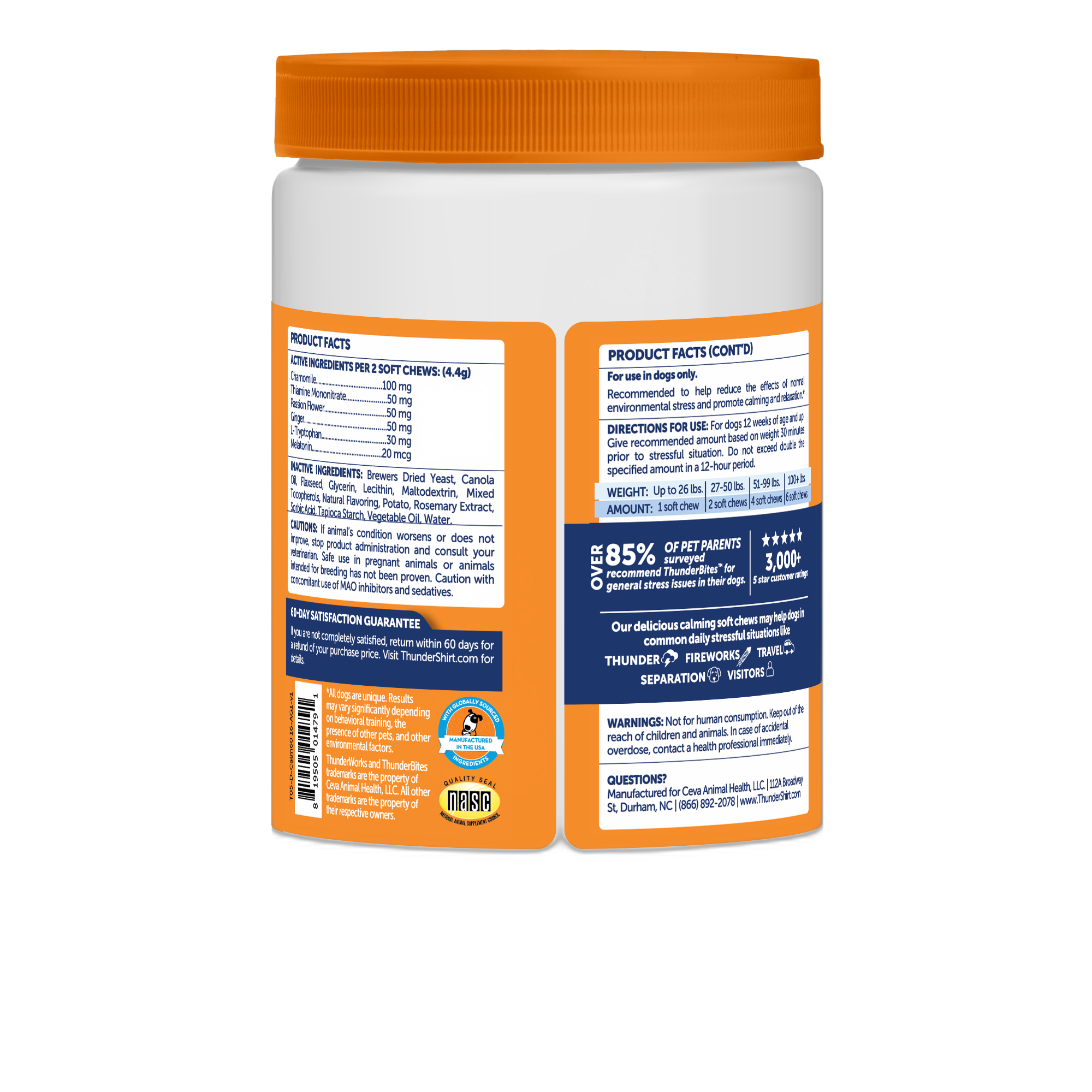
ThunderWunders Dog Calming Chews
ThunderWorks
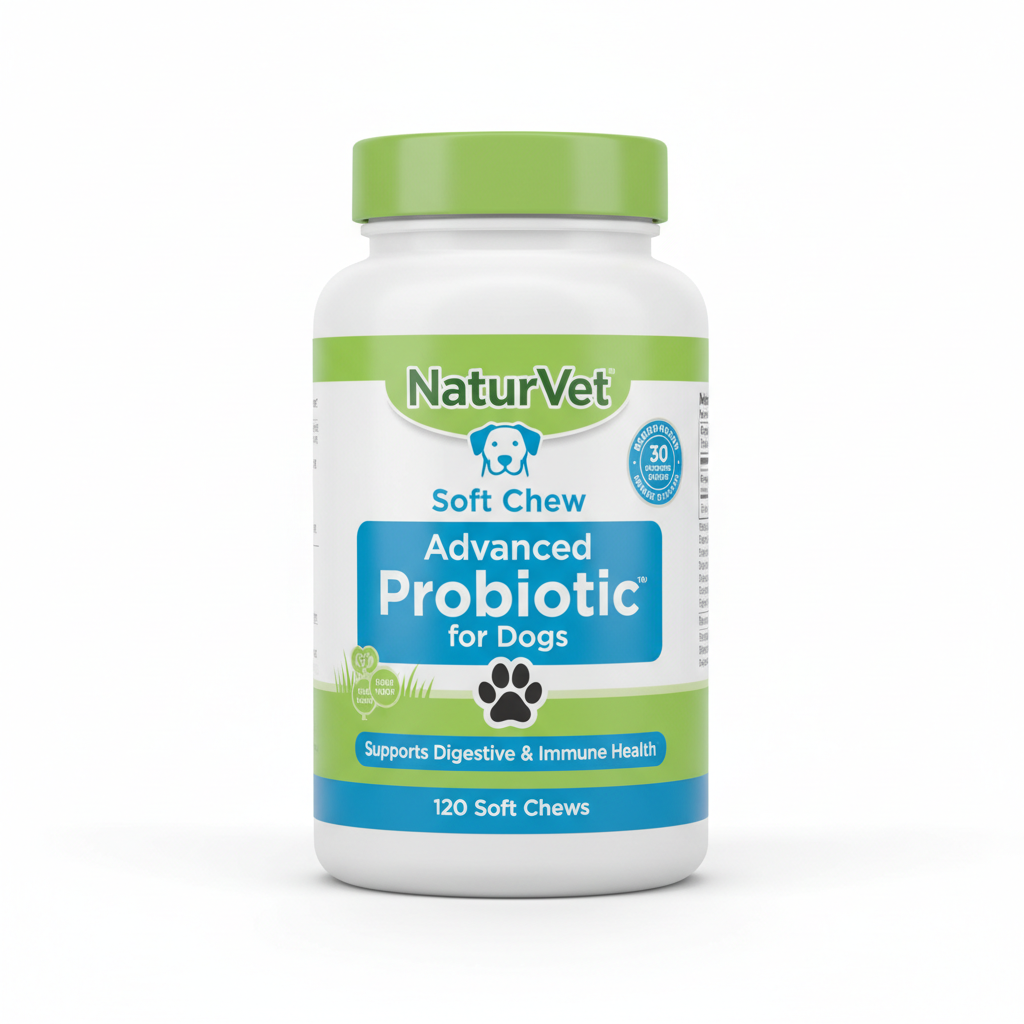
Quiet Moments Calming Aid for Dogs
NaturVet
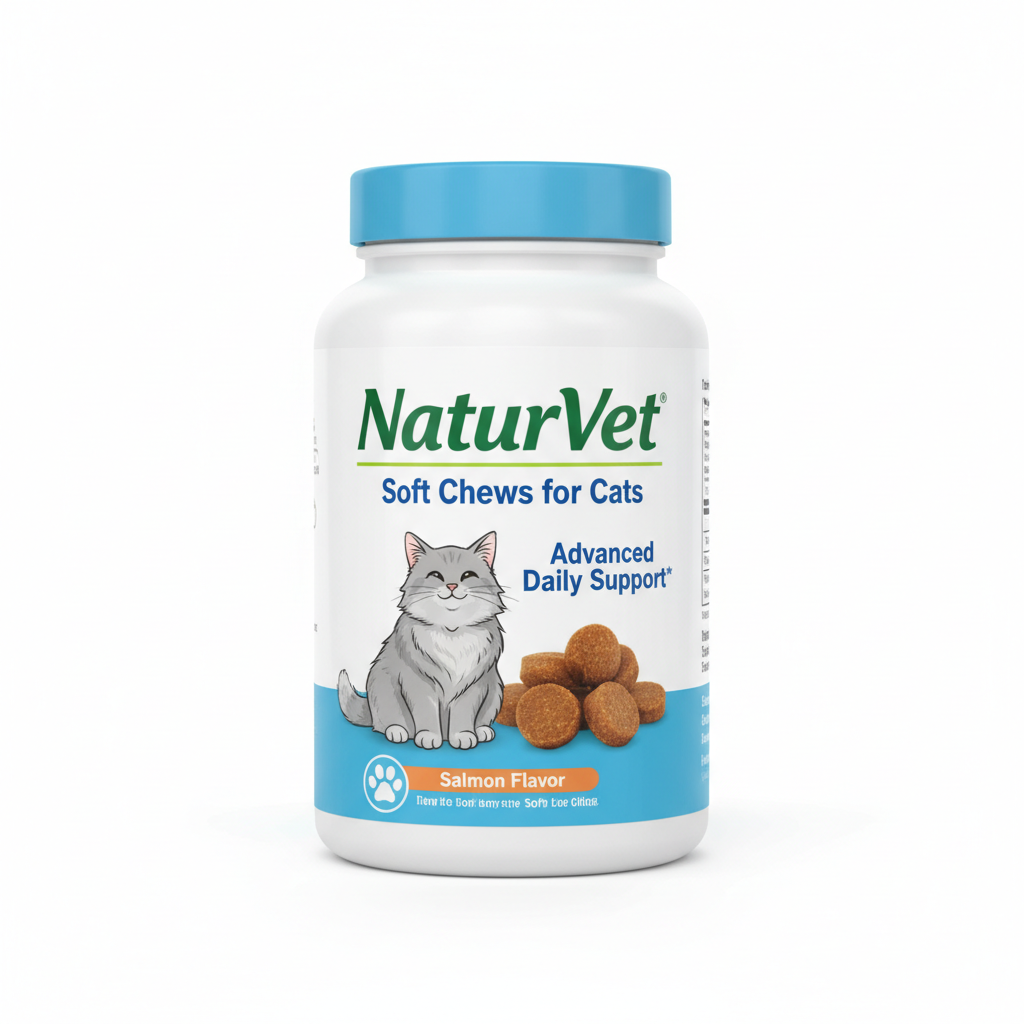
Calming Treats for Cats
NaturVet
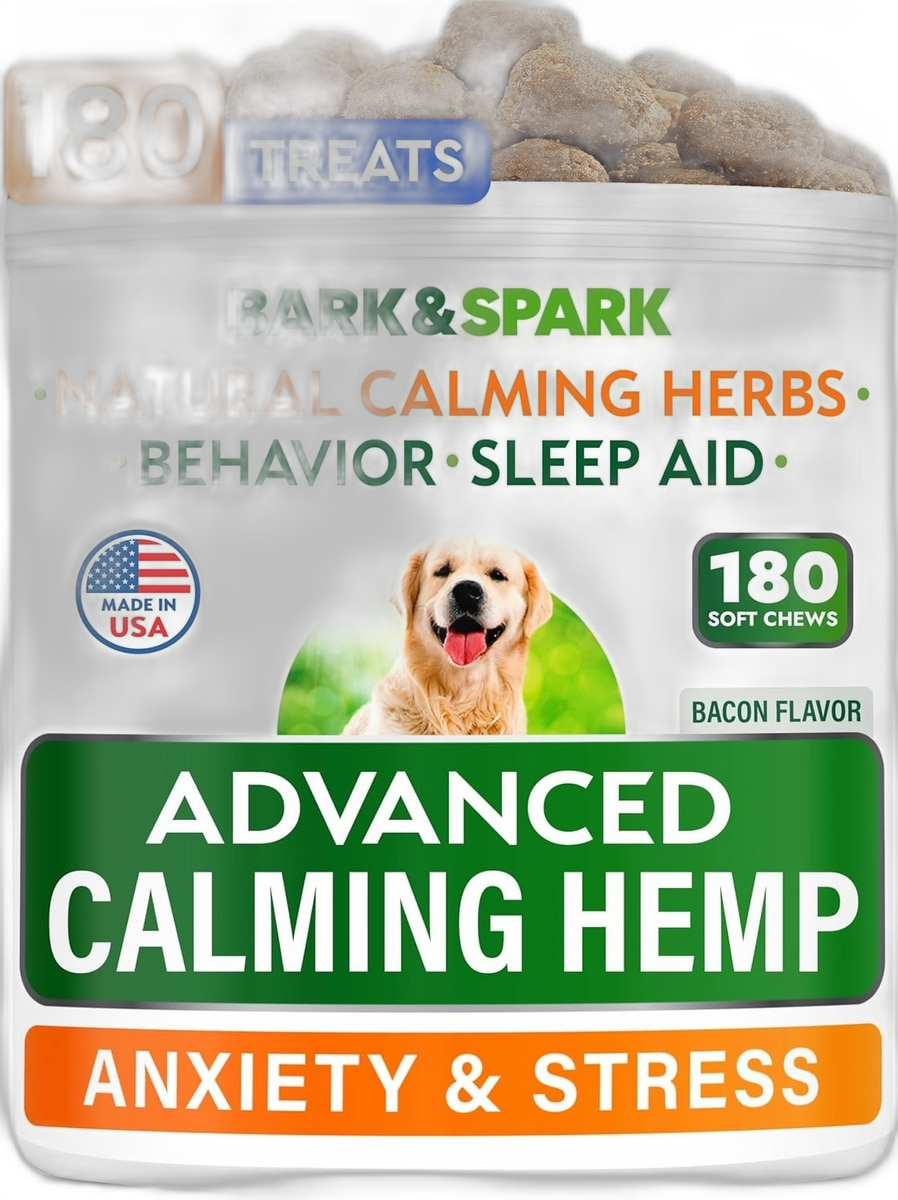
Bark&Spark Hemp Bacon Flavored Soft Chew Anxiety & Stress Relief Treats Calming Support Supplement for Dogs
Bark & Spark