Ginger Root
digestive aid
Ginger root has a long history in human traditional medicine, particularly for its digestive benefits. As pet owners increasingly seek natural approaches to animal wellness, questions about incorporating ingredients like ginger into pet diets and supplements naturally arise. This guide explores the use of ginger root for dogs and cats, examining its potential benefits, safety considerations, and practical applications based on available information.
Can Dogs Eat Ginger? A Guide to Safety
Yes, in appropriate amounts, dogs can consume ginger. However, the term "safety" is nuanced and depends heavily on factors like dosage, preparation, and the individual pet's health status. Ginger contains bioactive compounds, primarily gingerols and shogaols, which contribute to its anti-inflammatory and antiemetic (anti-nausea) properties. While beneficial, these compounds can also cause irritation if given in excessive quantities.
For dogs, the primary safety concerns revolve around potential gastrointestinal upset if too much is consumed. This could manifest as mild diarrhea, gas, or stomach discomfort. It's also crucial to consider the form of ginger. Fresh ginger root, when finely grated, is generally preferred over powdered forms, which can be more concentrated. Candied ginger, ginger snaps, or other human-grade ginger products often contain sugars, artificial sweeteners (like xylitol, which is highly toxic to dogs), and other ingredients unsuitable for pets. Therefore, plain, unadulterated ginger root is the only form truly safe for consideration.
Furthermore, dogs with pre-existing health conditions, particularly bleeding disorders, diabetes, or those on certain medications (e.g., blood thinners, NSAIDs), should not be given ginger without veterinary consultation. Ginger might interact with these conditions or medications, potentially exacerbating issues or altering drug efficacy. Always introduce any new dietary component, including ginger, slowly and in very small amounts to monitor for adverse reactions.
Can Dogs Eat Ginger?
To reiterate, dogs can indeed consume ginger, but it's not a food item to be offered freely or in large quantities. The potential benefits, primarily related to digestive support and anti-inflammatory effects, stem from ginger's active compounds. These compounds work by influencing serotonin receptors in the gut and brain, which can help reduce feelings of nausea, and by inhibiting inflammatory pathways.
Practical implications involve sourcing and preparation. If considering fresh ginger, choose organic roots to minimize pesticide exposure. Peel the skin, as it can be tough to digest and may contain concentrated residues. Grate or finely mince the ginger to make it easier for your dog to digest and to ensure even distribution if mixing with food.
Consider a scenario: your dog experiences car sickness on long drives. A veterinarian might suggest a small, appropriate dose of ginger administered 30 minutes before travel. This isn't a cure for motion sickness but might help alleviate some of the associated nausea. Conversely, if your dog is prone to pancreatitis, a condition where dietary fat intake is critical, adding ginger (or any new ingredient) without veterinary guidance would be ill-advised. The goal is to use ginger as a supportive measure, not as a primary treatment or a substitute for professional veterinary care.
Ginger for Dogs
When exploring ginger for dogs, the focus often broadens to specific applications. Beyond motion sickness, ginger is sometimes considered for dogs experiencing mild, occasional stomach upset, such as after eating something new or during periods of stress. Its anti-inflammatory properties are also of interest for supporting joint health, particularly in older dogs with mild arthritis, though definitive large-scale studies specifically on canine joint health are limited.
The mechanism by which ginger helps with nausea involves its ability to block serotonin receptors in the gastrointestinal tract and brain, which are often implicated in the sensation of nausea and vomiting. For inflammation, gingerols and shogaols interfere with the production of pro-inflammatory cytokines and enzymes, offering a natural pathway to reduce discomfort.
It's important to distinguish between using fresh ginger root and commercial ginger root supplements. While fresh ginger allows for precise control over the amount and avoids additives, supplements offer standardized dosages, which can be advantageous for consistent application. However, supplement quality varies significantly. Look for products specifically formulated for pets, ideally with third-party testing for purity and potency. The label should clearly state the active ingredients and their concentrations. Avoid human supplements unless explicitly directed by a veterinarian, as concentrations and inactive ingredients might not be suitable for pets.
5 Pawsitively Amazing Benefits of Ginger for Pets
While the term "amazing" might be strong, ginger does offer several potential advantages for pets, primarily centered around its well-documented properties. These benefits are generally observed with proper dosing and under veterinary guidance.
It's critical to remember that these benefits are often observed in studies using specific concentrations of ginger extracts, and individual pet responses can vary. Always prioritize a diagnosis from a veterinarian for any pet health concern before attempting home remedies.
Ginger for Dogs
Delving deeper into ginger for dogs, let's consider practical aspects of its inclusion in their diet or supplement regimen. The key takeaway is moderation and careful observation.
Forms of Ginger:
- Fresh Ginger Root: Peel and finely grate a small piece. Can be mixed directly into food. Offers the most natural form without additives.
- Dried Powdered Ginger: More concentrated than fresh. Use sparingly. Ensure it's pure ginger powder without added spices or sugar.
- Ginger Supplements (Pet-Specific): Available as capsules, tinctures, or chews. These often provide standardized doses. Crucially, choose products specifically formulated for pets to avoid harmful ingredients and ensure appropriate concentrations.
Dosage Considerations for Dogs:
Establishing a precise, universally applicable ginger root dosage for dogs is challenging due to variations in dog size, individual sensitivity, and the concentration of the ginger product. General guidelines often suggest very small amounts.
| Dog Weight (Approx.) | Fresh Grated Ginger (Daily) | Dried Powdered Ginger (Daily) |
|---|---|---|
| Small (under 10 lbs) | 1/8 to 1/4 teaspoon | Pinch (1/16 tsp) |
| Medium (10-30 lbs) | 1/4 to 1/2 teaspoon | 1/8 teaspoon |
| Large (30-60 lbs) | 1/2 to 3/4 teaspoon | 1/4 teaspoon |
| Giant (over 60 lbs) | 3/4 to 1 teaspoon | 1/2 teaspoon |
Important Notes on Dosage:
- Start Low, Go Slow: Always begin with the absolute lowest dose and observe your dog for 24-48 hours. If no adverse effects are seen, you can gradually increase to the recommended range.
- Not for Daily Long-Term Use (unless vet advised): Ginger is generally best used for acute issues (e.g., car sickness) or as a short-term supportive measure. Long-term daily use should only be under veterinary direction.
- Consult Your Vet: This cannot be stressed enough. Before introducing ginger, especially if your dog has any health conditions, is pregnant, or on medication, speak with your veterinarian. They can provide guidance tailored to your dog's specific needs.
Potential Side Effects in Dogs:
Even at appropriate doses, some dogs might be sensitive to ginger. Watch for:
- Gastrointestinal Upset: Diarrhea, vomiting, gas, stomach pain. This is the most common side effect, often indicating too high a dose.
- Heartburn/Reflux: Ginger can increase stomach acid in some individuals, potentially leading to discomfort.
- Sedation: While rare, some dogs might appear lethargic.
- Bleeding Risk: In theory, high doses of ginger could interfere with blood clotting. This is a significant concern for dogs with clotting disorders or those on anticoagulant medications.
Cats and Ginger Root:
While this article focuses heavily on dogs, ginger can also be given to cats, albeit in even smaller quantities. Cats are generally more sensitive to many substances than dogs. For cats, a tiny pinch of grated fresh ginger (e.g., 1/16 to 1/8 teaspoon for an average-sized cat) might be considered for motion sickness or mild nausea, but only under strict veterinary guidance. Never give powdered ginger to cats unless specifically instructed by a vet, as it's more concentrated and easier to overdose. The potential benefits and risks are similar to those in dogs, but the margin for error is smaller. Digestive wellness in cats is a complex topic, and ginger should be approached with extreme caution.
Comparison of Ginger Forms for Pet Use
When considering how to administer ginger to your pet, the form matters significantly. Here's a comparison to help guide your decision:
| Feature | Fresh Ginger Root | Dried Powdered Ginger | Pet-Specific Ginger Supplements |
|---|---|---|---|
| Pros | Natural, no additives, easy to control amount. | Convenient, longer shelf life. | Standardized dosage, often palatable, formulated for pets. |
| Cons | Shorter shelf life, requires preparation. | More concentrated, easier to overdose, potential for adulterants if not pure. | Variable quality, can be more expensive, may contain inactive ingredients. |
| Preparation | Peel, finely grate or mince. | Mix directly into food (very small amount). | Follow manufacturer's instructions, often given as chew or mixed in. |
| Control | High (you control the exact piece and size). | Moderate (requires precise measuring, easy to over-measure a "pinch"). | Moderate (fixed doses, but you choose the supplement). |
| Safety Note | Generally safest form when raw and properly prepared. | Higher risk of overdose due to concentration. | Choose reputable brands with third-party testing. Avoid human supplements. |
| Best For | Occasional use, immediate needs (e.g., before car ride). | Short-term mild issues, when fresh isn't available. | Consistent, targeted support under vet supervision. |
FAQ
Is raw ginger root good for dogs?
Raw ginger root, when peeled and finely grated, can be good for dogs in small, appropriate amounts. It's often preferred over powdered forms due to its less concentrated nature and lack of additives. Its benefits include potential relief from nausea, anti-inflammatory effects, and digestive support. However, it's crucial to start with tiny quantities and consult a veterinarian, especially if your dog has existing health conditions or is on medication.
Can dogs hear you?
Yes, dogs can hear you. Their sense of hearing is significantly more acute than humans', capable of detecting a wider range of frequencies and sounds from much greater distances. They often pick up on subtle cues in your voice, including tone and inflection, which they associate with commands, emotions, or intentions.
What annoys dogs the most?
What annoys dogs can vary greatly by individual, but common annoyances include loud noises (fireworks, thunder), being disturbed while sleeping or eating, excessive or inappropriate touching (especially from unfamiliar children), inconsistent training, being left alone for long periods (leading to boredom or separation anxiety), and having their personal space invaded by other dogs or humans without proper introduction.
Conclusion
Ginger root presents a natural option for pet owners seeking supportive care for their dogs and, with extreme caution, cats. Its established anti-nausea and anti-inflammatory properties make it an ingredient of interest for conditions like motion sickness, mild digestive upset, and general inflammatory support. However, the efficacy and safety of ginger are dose-dependent and highly individual. The key to incorporating ginger root for dogs or cats lies in moderation, careful preparation, choosing appropriate forms, and, most importantly, consulting with a veterinarian. While pet-specific supplements offer convenience, a thorough understanding of their quality and ingredients is essential. Ultimately, ginger should be viewed as a complementary aid, not a primary treatment, always used in conjunction with professional veterinary advice.
Products Containing Ginger Root
Top-rated supplements featuring this ingredient, ranked by our PSI+ score.
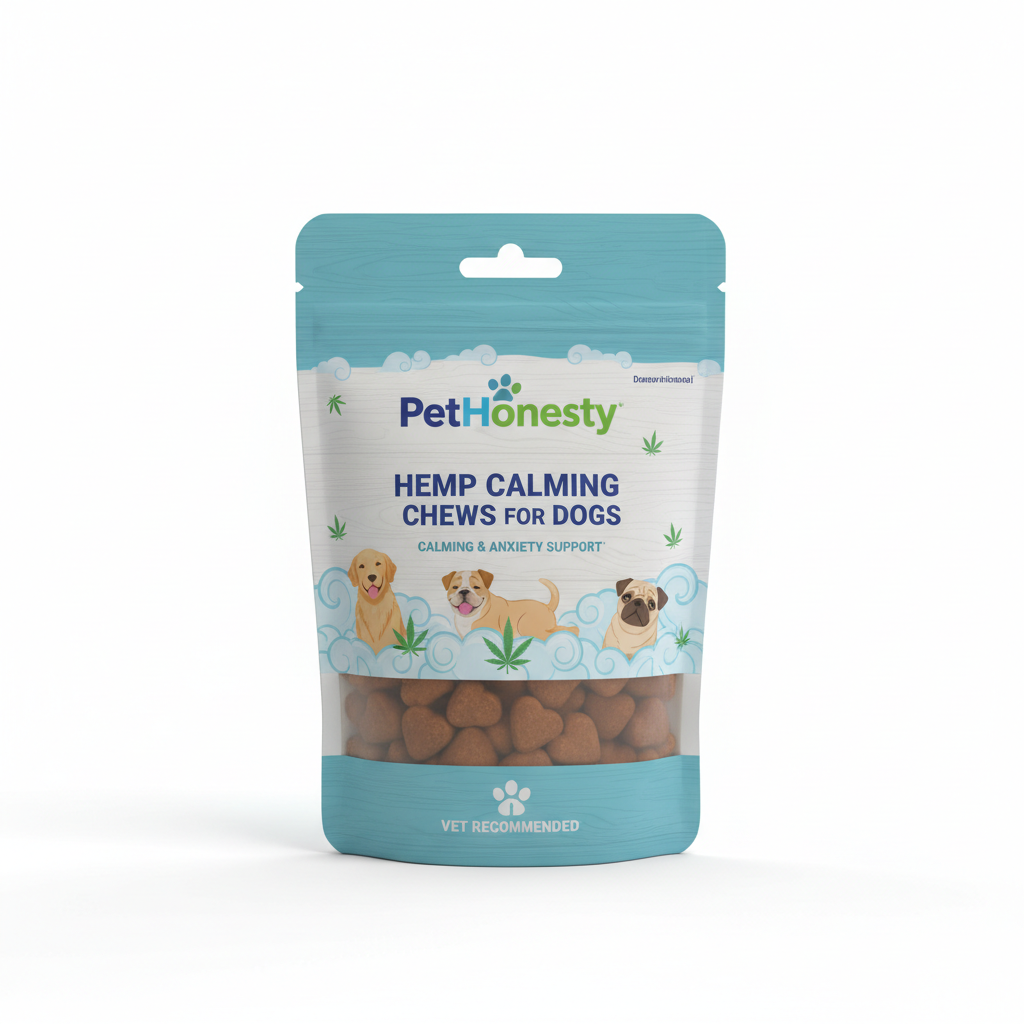
PetHonesty Hemp Calming Chews for Dogs
PetHonesty
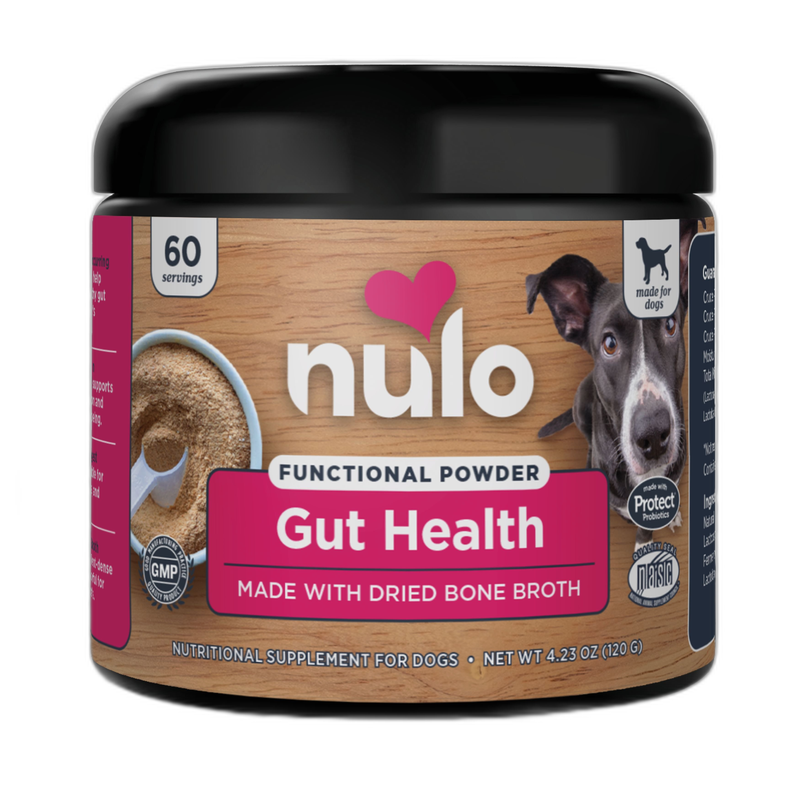
Nulo Functional Powder Digestive Health for Dogs
Nulo
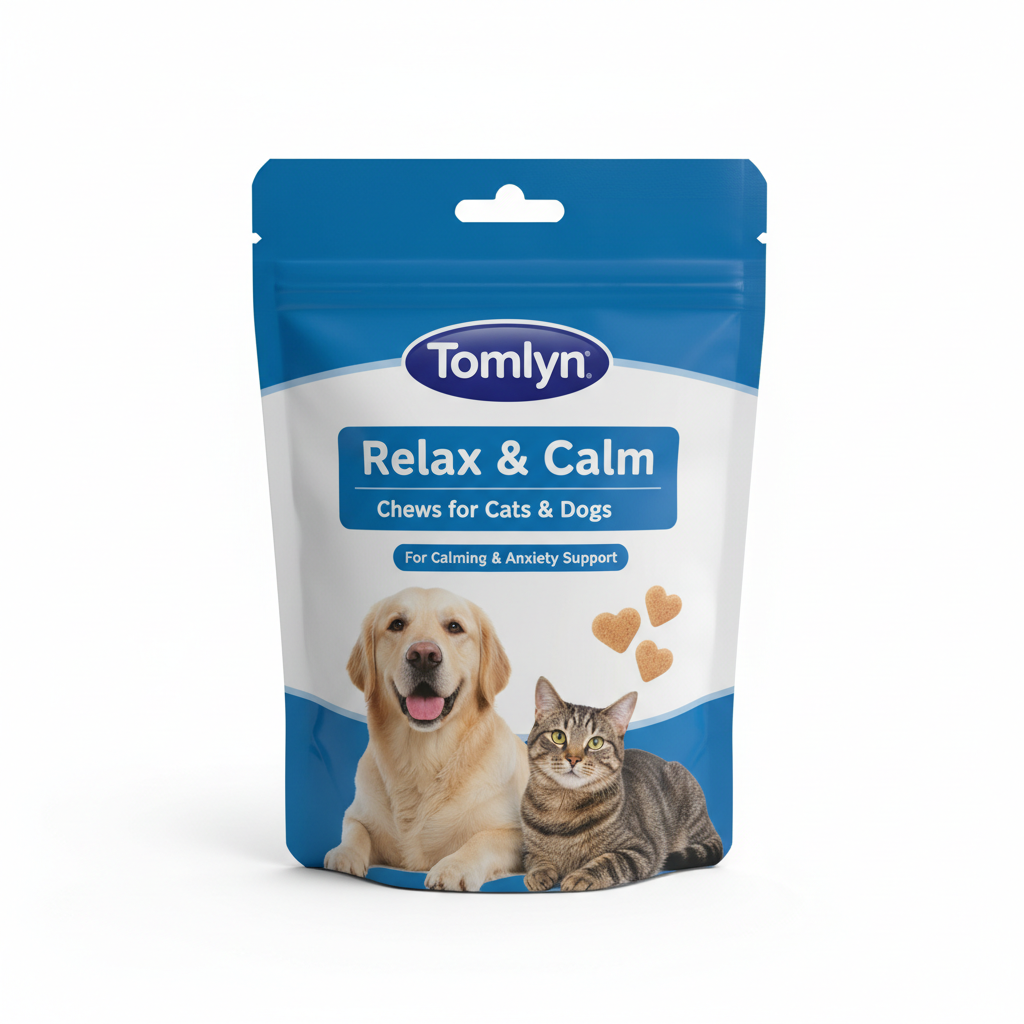
Tomlyn Relax & Calm Chews for Cats & Dogs
Tomlyn
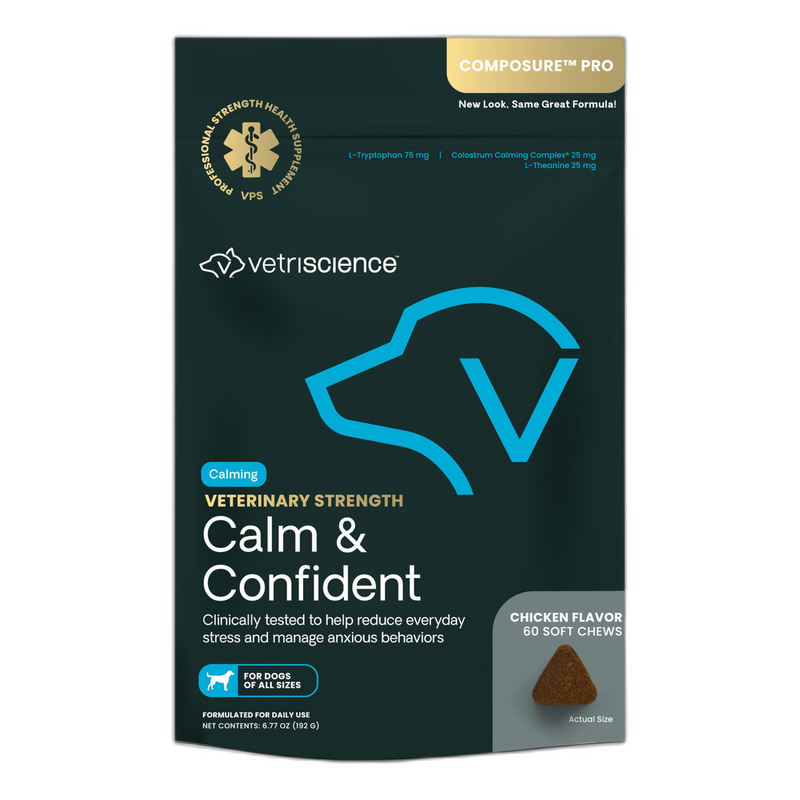
PetLab Co. Digestive Support Chews for Dogs
PetLab Co.
Native Pet Calming Chews for Dogs
Native Pet
Solid Gold Digestive Probiotic Supplement for Dogs
Solid Gold
NaturVet Emotional Support Calming Aid for Dogs
NaturVet
Particular Paws Calming Treats for Dogs
Particular Paws