Hyaluronic Acid
joint support
Effective Dose Range (dog)
Min Effective
1 mg/kg body weight
Optimal Low
2 mg/kg body weight
Optimal High
5 mg/kg body weight
Upper Limit
10 mg/kg body weight
Research Evidence
Safety Data
Well-tolerated orally. Molecular weight affects absorption — low molecular weight forms have better bioavailability. Injectable forms require veterinary administration.
Mechanism of Action
Provides viscoelastic properties to synovial fluid reducing friction. Binds water molecules hydrating cartilage matrix. Interacts with CD44 receptors modulating inflammatory response in joints.
Hyaluronic acid (HA) for dogs is a substance naturally found in the body, recognized for its role in joint lubrication and tissue hydration. As a supplement, it’s explored for its potential to support joint health, particularly in older dogs or those prone to joint issues. This guide examines how hyaluronic acid supplements work, their common applications, dosing considerations, and what current understanding suggests about their effectiveness in canine companions.
Understanding Hyaluronic Acid in Canine Health
Hyaluronic acid is a glycosaminoglycan, a type of complex carbohydrate, found throughout the body. In dogs, it's a key component of synovial fluid, the viscous liquid that lubricates joints and acts as a shock absorber. It's also present in cartilage, skin, and connective tissues. Its primary function is to retain water, which contributes to tissue hydration and elasticity.
When considering hyaluronic acid for dogs, the focus is often on its potential to improve joint function. As dogs age, or due to certain breeds and activity levels, the natural production of HA can decline, potentially leading to reduced joint lubrication and increased friction within joints. Supplementation aims to replenish these levels, theoretically supporting joint comfort and mobility.
For example, a senior Labrador Retriever beginning to show stiffness after walks might benefit from HA. The idea is that by supporting the quality and quantity of synovial fluid, the supplement could help maintain smoother joint movement and potentially reduce discomfort associated with conditions like osteoarthritis. It’s not a cure, but rather a supportive measure to enhance the body's natural mechanisms.
Hyaluronic Acid Supplement Forms and Considerations
Hyaluronic acid for dogs comes in various forms, each with its own practical implications. The most common are oral supplements (liquids, powders, chews, or capsules) and injectable forms.
Oral supplements are generally preferred for ease of administration at home. Liquid forms, such as those often seen in products like HyaFlex, can be mixed into food, which can be convenient for picky eaters. Powders or chews offer similar ease of use. The challenge with oral administration involves absorption. The molecular weight of HA can influence how well it's absorbed through the digestive tract. Some manufacturers focus on lower molecular weight HA, believing it allows for better systemic absorption. Others argue that higher molecular weight HA can still exert beneficial effects, potentially by interacting with the gut microbiome or local tissues.
Injectable HA, typically administered by a veterinarian directly into the joint (intra-articular injection) or subcutaneously, is a more direct approach. This method bypasses the digestive system, delivering HA directly to the target area. While potentially more effective for acute or severe joint issues, it requires veterinary intervention, carries a higher cost, and has a small risk of injection-site complications.
When choosing a supplement, consider the dog's temperament and existing health conditions. A dog with a sensitive stomach might react differently to various oral formulations. For dogs with advanced joint degeneration, a veterinarian might recommend a combination approach or initially suggest injectables for more immediate impact, followed by oral supplements for ongoing support.
Oral Hyaluronic Acid Administration in Dogs: Efficacy and Research
The effectiveness of oral hyaluronic acid administration in dogs is an area of ongoing research. While anecdotal evidence and some preliminary studies suggest benefits, a definitive consensus across all situations is still developing. The primary challenge lies in the complex process of absorption and utilization of HA when taken orally.
When a dog ingests HA, it must pass through the digestive system. The stomach's acidic environment and digestive enzymes can break down some of the HA. What remains then needs to be absorbed through the intestinal wall into the bloodstream. Once in the bloodstream, it's transported to various tissues, including the joints. The efficiency of this process is influenced by factors such as the molecular weight of the HA, the specific formulation of the supplement, and the individual dog's digestive health.
Some studies have explored the effects of oral HA on markers of joint health and observed improvements in lameness scores or general activity levels in dogs with osteoarthritis. For instance, research might involve a group of dogs receiving oral HA daily for several weeks, with veterinarians assessing their mobility and pain levels before and after the trial. These studies often compare the HA group to a placebo group to determine if any observed benefits are attributable to the supplement itself.
However, not all studies yield the same results, and the magnitude of perceived benefits can vary. This variability might be due to differences in study design, the specific HA product used, the duration of supplementation, or the underlying severity of the dogs' joint conditions. It's often difficult to isolate the effect of HA when many joint supplements contain multiple active ingredients (e.g., glucosamine, chondroitin).
For pet owners, this means approaching oral HA with realistic expectations. It's generally considered a supportive therapy rather than a standalone treatment. Its most likely role is in contributing to overall joint health and comfort, particularly in conjunction with other management strategies like weight control, appropriate exercise, and veterinary-prescribed medications if needed.
Benefits of Hyaluronic Acid for Dogs: A Comprehensive Look
Hyaluronic acid offers several potential benefits for canine health, primarily centered around joint function and tissue hydration.
The most recognized benefit is its role in joint lubrication and shock absorption. As a major component of synovial fluid, HA helps reduce friction between joint surfaces, allowing for smoother movement. It also contributes to the fluid's viscosity, which helps absorb impact during activity. This can be particularly beneficial for active dogs, working dogs, or those with early signs of joint stiffness.
Beyond lubrication, HA is thought to support cartilage health. While it doesn't directly rebuild cartilage, it can contribute to a healthier joint environment. Healthy synovial fluid provides nutrients to the cartilage and helps remove waste products, both crucial for maintaining cartilage integrity. Some research suggests HA may also have anti-inflammatory properties, potentially reducing inflammation within the joint.
HA's ability to retain water also extends to other tissues, contributing to skin hydration and elasticity. While less commonly cited for pet supplements than joint health, a healthy skin barrier is important for overall well-being.
Consider a middle-aged dog that's still active but starting to show some reluctance to jump or play as vigorously as before. Introducing a hyaluronic acid supplement might help maintain the quality of their joint fluid, potentially delaying the progression of age-related stiffness and supporting their continued enjoyment of activities. It's about supporting the body's natural resources to maintain comfort and mobility.
Canine Hyaluronic Acid: Unlocking the Secrets to Dosage and Safety
Determining the correct dosage of hyaluronic acid for dogs is crucial for both efficacy and safety. Unfortunately, there isn't a single universal dosage because it can vary significantly based on the product's concentration, the dog's size, the specific condition being addressed, and the form of HA.
Most oral HA supplements for dogs will provide dosage instructions based on the dog's weight. For example, a common recommendation might be a certain milligram amount per day for small dogs, increasing for medium and large breeds. It's important to always follow the specific dosing guidelines provided by the manufacturer of the chosen supplement, or better yet, consult with a veterinarian. They can provide tailored advice based on the dog's individual needs, health status, and any other medications or supplements being given.
For injectable HA, the dosage and frequency are strictly determined by a veterinarian. These are typically administered in a clinical setting and are not intended for at-home use.
In terms of safety, hyaluronic acid is generally considered safe for dogs. Since it's a naturally occurring substance in the body, adverse reactions are uncommon. When they do occur, they are typically mild and might include:
- Mild gastrointestinal upset: Diarrhea or vomiting, especially with oral forms if introduced too quickly or in excessive amounts.
- Allergic reactions: Though rare, any supplement can potentially trigger an allergic response. Symptoms might include itching, hives, or swelling.
- Injection site reactions (for injectables): Pain, swelling, or infection at the injection site, though these are rare when administered by a professional.
There are no known significant drug interactions with hyaluronic acid, but it's always prudent to inform your veterinarian about all supplements and medications your dog is taking. This is particularly important for dogs with pre-existing conditions or those on long-term medications. For instance, a dog with kidney disease might process supplements differently, requiring veterinary oversight.
A responsible approach involves starting with the recommended dose, observing the dog for any changes, and consulting a vet if any concerns arise or if the desired effects are not observed.
Comparing Common Joint Supplement Ingredients
To provide context for hyaluronic acid, it's helpful to compare it with other common ingredients found in dog joint supplements. Many products combine several of these for a .
| Ingredient | Primary Function | Mechanism of Action | Common Use Cases |
|---|---|---|---|
| Hyaluronic Acid (HA) | Joint lubrication, shock absorption, tissue hydration | Increases viscosity of synovial fluid, retains water, may have anti-inflammatory effects | Osteoarthritis, age-related stiffness, support for active/working dogs, post-injury recovery |
| Glucosamine | Cartilage repair, joint structure | Provides building blocks for cartilage and synovial fluid | Osteoarthritis, preventative care for large/active breeds, post-surgical support |
| Chondroitin | Cartilage elasticity, anti-inflammatory | Inhibits enzymes that break down cartilage, attracts water to cartilage | Osteoarthritis, often combined with glucosamine, general joint health |
| MSM (Methylsulfonylmethane) | Anti-inflammatory, pain relief | Provides sulfur for connective tissue, reduces inflammation | Joint pain, inflammation, muscle recovery, allergies |
| Omega-3 Fatty Acids (EPA/DHA) | Anti-inflammatory | Modulates inflammatory pathways in the body | Arthritis, skin conditions, heart health, cognitive function |
This table illustrates that while HA focuses on the fluid environment and lubrication, ingredients like glucosamine and chondroitin are more directly involved in the structural integrity of cartilage. MSM and Omega-3s primarily target inflammation. Often, a multi-ingredient supplement is chosen to address various aspects of joint health simultaneously.
Conclusion
Hyaluronic acid for dogs serves as a supportive supplement primarily aimed at enhancing joint comfort and mobility through its role in lubrication and tissue hydration. While generally safe and well-tolerated, its effectiveness can vary depending on the individual dog, the specific product, and the underlying condition. It is not a cure for joint diseases but rather a component of a comprehensive approach to managing canine joint health, often used in conjunction with veterinary advice, appropriate exercise, and weight management. Pet owners considering HA should consult their veterinarian to determine if it's a suitable option for their dog and to establish the correct dosage and form.
Products Containing Hyaluronic Acid
Top-rated supplements featuring this ingredient, ranked by our PSI+ score.
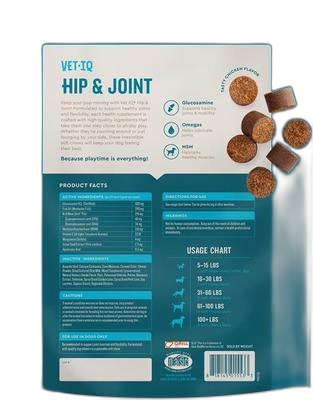
VetIQ Hip & Joint Soft Chew Joint Supplement for Dogs
VetIQ
petnc Hip & Joint Soft Chews Joint Supplement for Dogs
PetNC
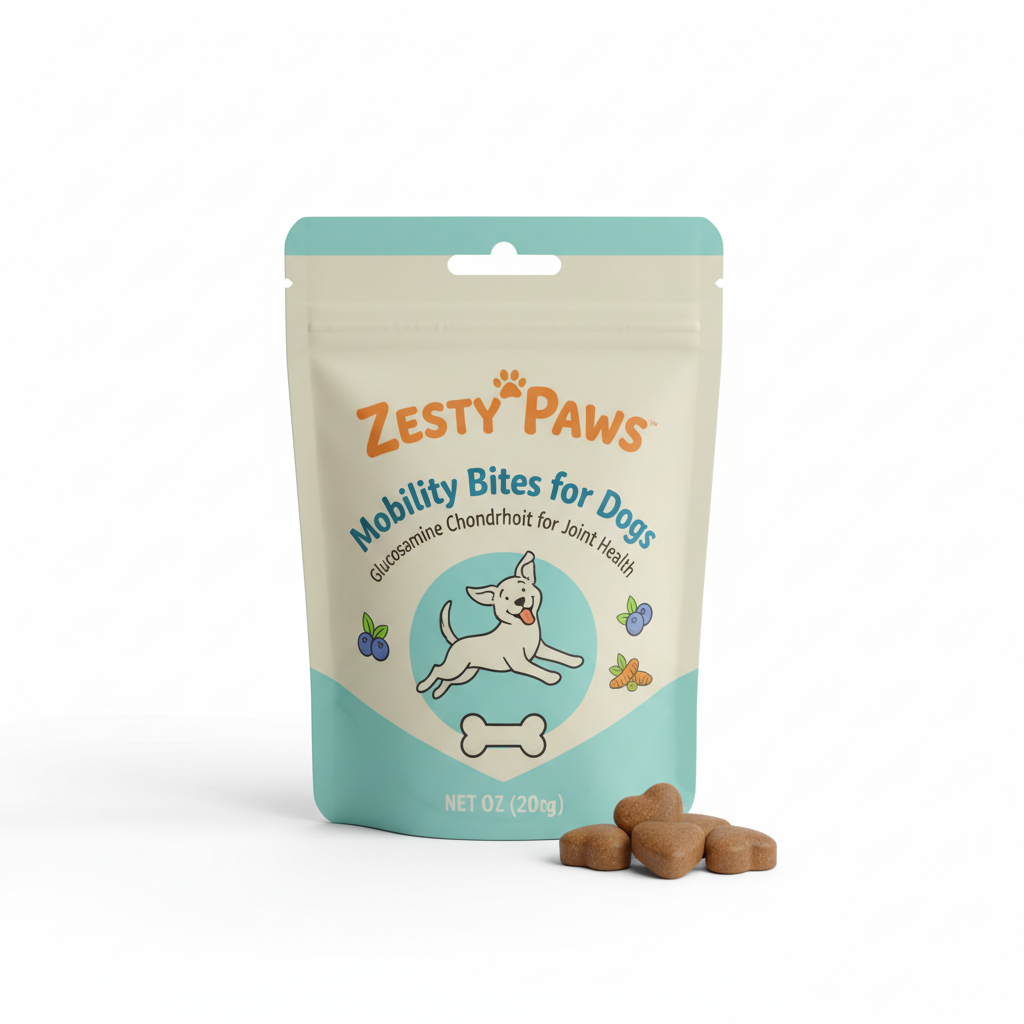
Zesty Paws Mobility Bites for Dogs - Glucosamine Chondroitin for Joint Health
Zesty Paws
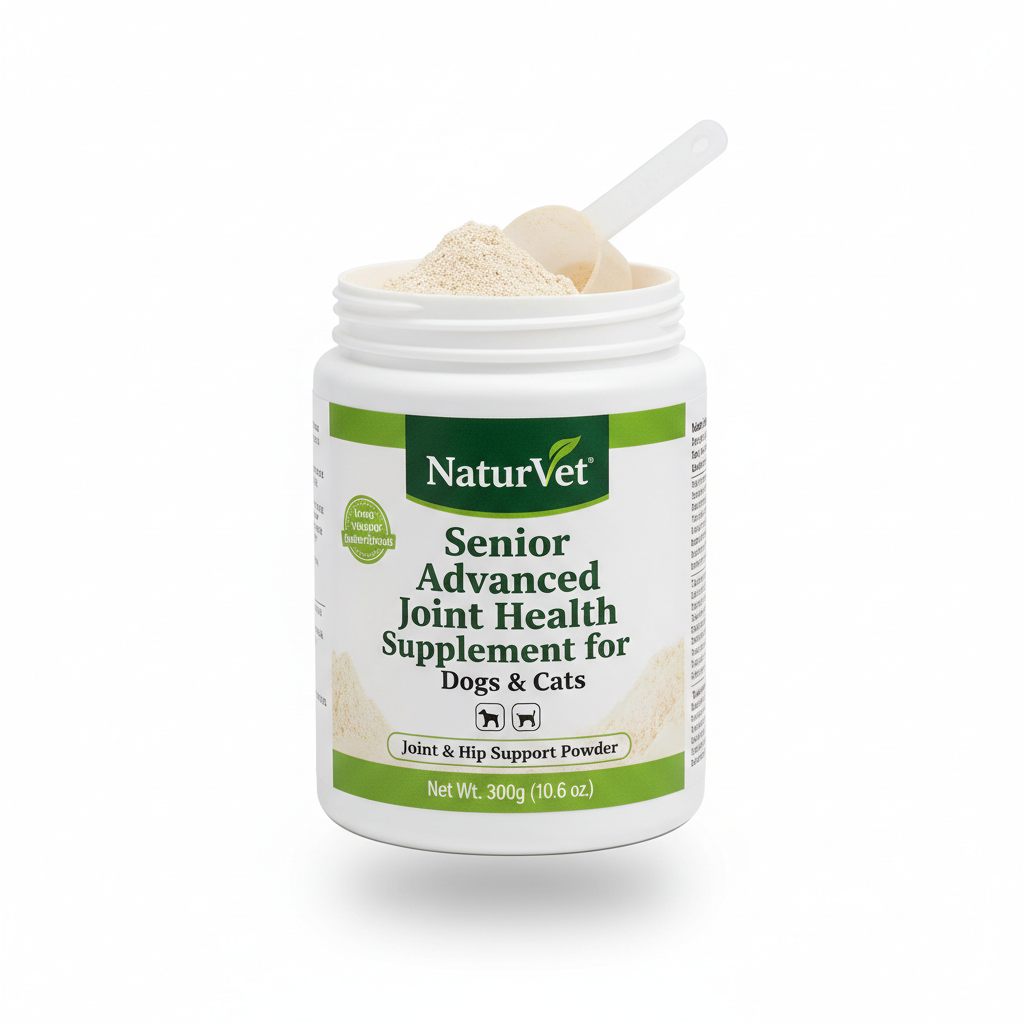
NaturVet Senior Advanced Joint Health Supplement for Dogs & Cats
NaturVet
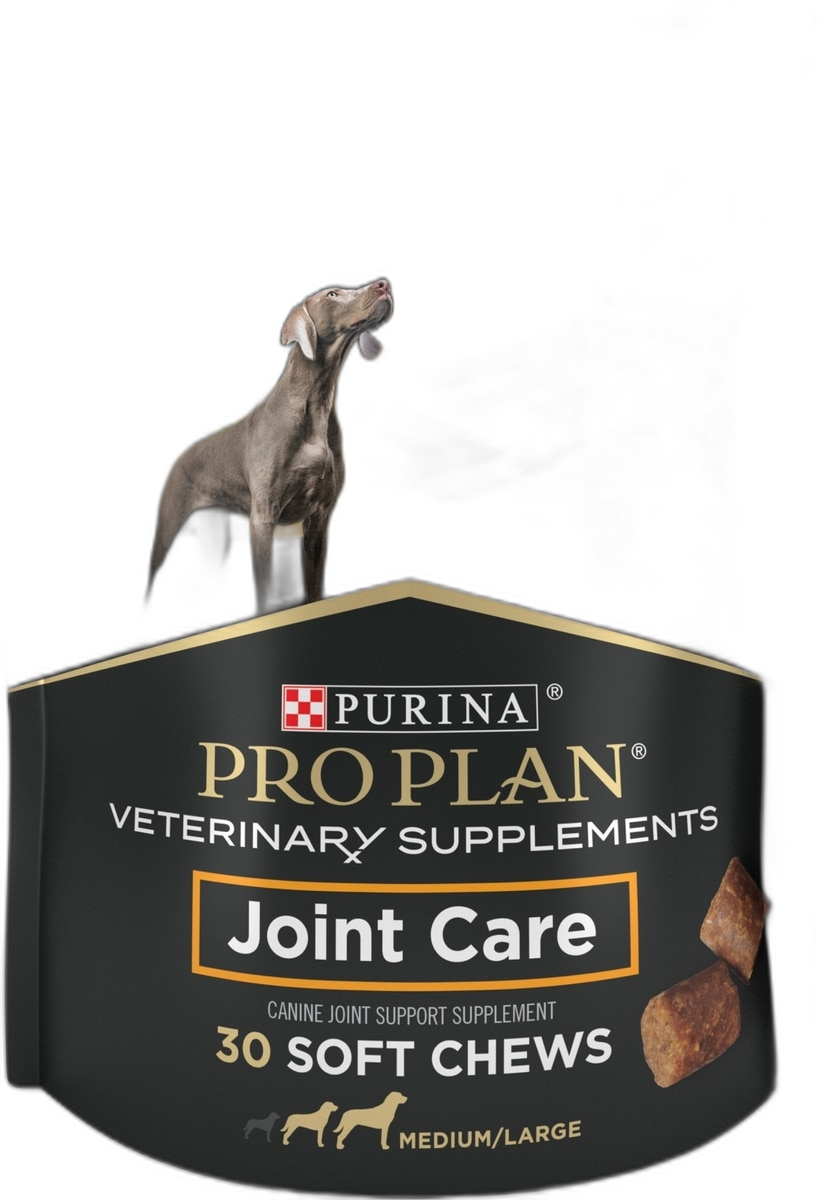
Purina Pro Plan Veterinary Diets Joint Supplement for Dogs, Hip & Joint Soft Chews for Large Dogs
Purina Pro Plan Veterinary Diets
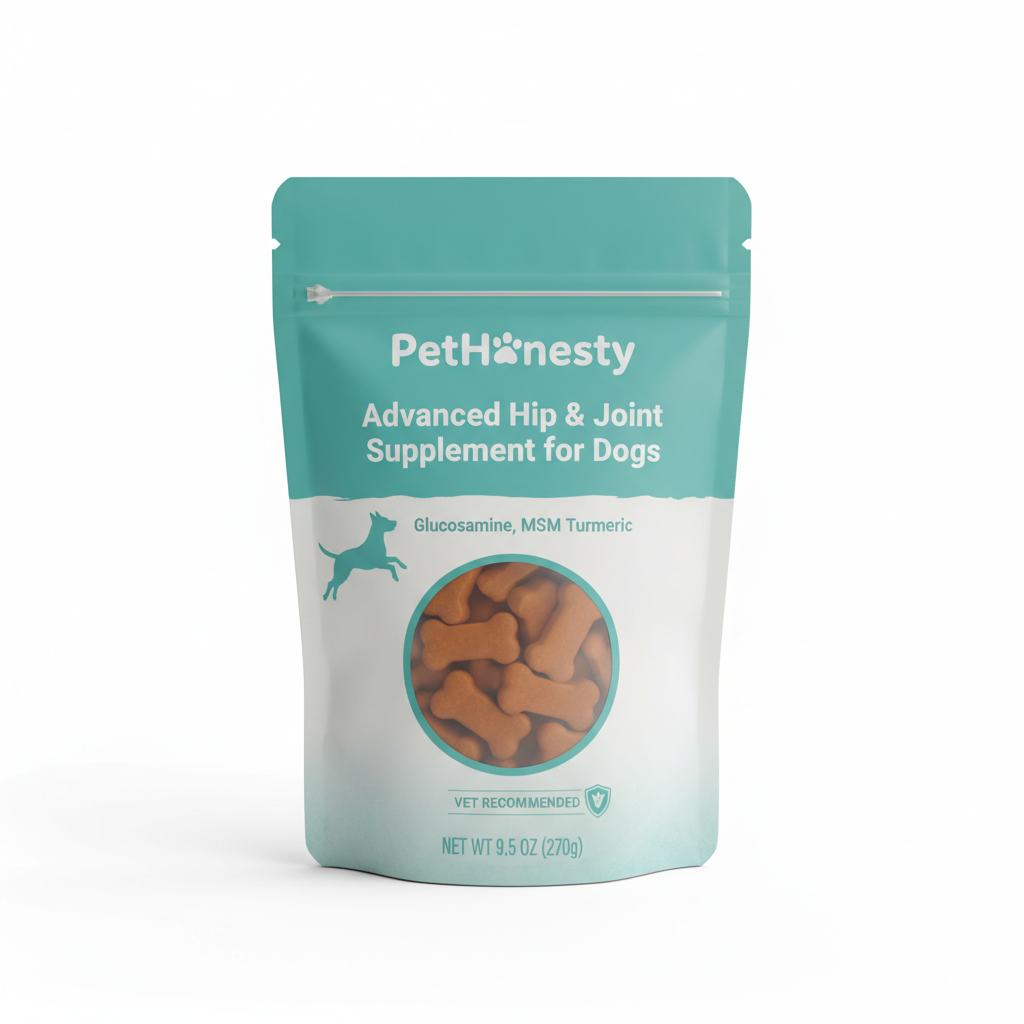
PetHonesty Advanced Hip & Joint Supplement for Dogs - Glucosamine, MSM, Turmeric
PetHonesty
Movoflex Joint Support Soft Chews for Dogs
Virbac
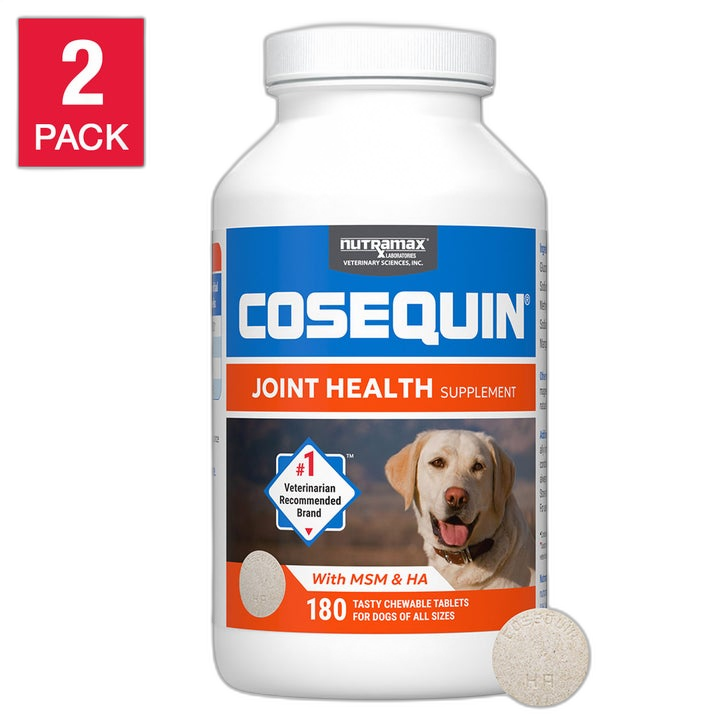
Nutramax Cosequin Joint Health Plus MSM & HA for Dogs
Nutramax Laboratories