OptiMSM
joint support
Many pet owners seek ways to support their animal companions' health, particularly as they age or face mobility challenges. One ingredient that frequently appears in pet supplements is OptiMSM. This guide explores what OptiMSM is, how it differs from generic MSM, its potential benefits for dogs and other pets, appropriate dosages, and safety considerations. Understanding these aspects can help pet owners make informed decisions about their pets' supplemental care.
What is OptiMSM? Understanding the Foundation
OptiMSM refers to a specific brand of methylsulfonylmethane (MSM), a naturally occurring sulfur compound found in plants, animals, and humans. MSM is recognized for its role in supporting various bodily functions, particularly those related to connective tissues. OptiMSM distinguishes itself through its manufacturing process, purity standards, and consistent quality.
Generic MSM can vary significantly in its origin, processing, and resulting purity. Some MSM products might contain heavy metals, residual solvents, or other contaminants from less rigorous manufacturing. OptiMSM, on the other hand, is produced by Bergstrom Nutrition, a company that pioneered the distillation purification process for MSM. This multi-stage distillation aims to remove impurities and ensure a high-quality, consistent product. For pet owners, this can translate to a more reliable and potentially safer supplement for their animals.
The core idea behind using MSM, and specifically OptiMSM for dogs, is to provide a bioavailable source of sulfur. Sulfur is crucial for the formation of disulfide bonds, which are integral to the structure of proteins like collagen and keratin. These proteins are fundamental to healthy joints, skin, coat, and nails. When considering a supplement for a dog with joint stiffness or skin issues, the purity and consistency offered by a product like OptiMSM can be a significant factor. For example, a dog with sensitive digestion might react poorly to impurities present in a lower-grade MSM, whereas a purer form might be better tolerated.
MSM For Dogs: General Applications
Methylsulfonylmethane (MSM) is widely used in canine supplements primarily for its potential to support joint health and reduce inflammation. As dogs age, or if they are highly active, their joints can experience wear and tear, leading to discomfort and reduced mobility. MSM is thought to help by providing sulfur, a key component of cartilage, which cushions joints.
Beyond joint support, MSM is also explored for its antioxidant properties. Oxidative stress can contribute to cellular damage and inflammation throughout the body. By potentially scavenging free radicals, MSM might help mitigate some of these effects. Some pet owners also report improvements in their dog's skin and coat quality, possibly due to MSM's role in keratin production.
Practical implications for using MSM in dogs often revolve around managing conditions like osteoarthritis, hip or elbow dysplasia, or general age-related stiffness. For instance, a Labrador retriever struggling to get up after resting might benefit from MSM as part of a broader joint care regimen that includes diet, exercise, and potentially other supplements like glucosamine and chondroitin. While MSM is generally considered safe, it's not a standalone cure and should be integrated into a comprehensive health plan under veterinary guidance. Edge cases might include very young puppies, pregnant or lactating dogs, or dogs with specific metabolic conditions, where veterinary consultation is particularly important before starting any new supplement.
OptiMSM – Pure Methylsulfonylmethane MSM Supplement: The Purity Advantage
When a product is marketed as "Pure Methylsulfonylmethane MSM Supplement," especially when specifying "OptiMSM," it emphasizes the quality and manufacturing process. The purity of OptiMSM is a key differentiator from generic MSM. The proprietary multi-stage distillation process used by Bergstrom Nutrition aims to remove heavy metals and other contaminants that can be present in less refined MSM products.
This focus on purity has direct implications for pet owners. Contaminants, even in small amounts, could potentially accumulate over time or trigger adverse reactions in sensitive animals. For a dog with a compromised immune system or pre-existing health conditions, a purer supplement might reduce the risk of unintended side effects. The consistency in quality also means that each dose of OptiMSM should deliver the same amount of active ingredient, leading to more predictable outcomes.
Consider a scenario where a dog requires long-term supplementation for chronic joint issues. Using a consistently pure product ensures that the pet is receiving the intended benefits without exposure to variable impurities that could be found in cheaper, less regulated MSM. This consistency is particularly valuable when monitoring a pet's response to the supplement and adjusting dosages. The "pure" aspect isn't just a marketing term; it speaks to a commitment to quality control that can be crucial for animal health.
MSM vs. OptiMSM®: What's the Difference for Your Dog?
The distinction between generic MSM and OptiMSM® is primarily one of quality control, manufacturing process, and resulting purity. While both are methylsulfonylmethane, the path they take from raw material to finished product differs significantly.
Generic MSM can be produced through various methods, including crystallization, which may not remove all impurities. The source of the raw material also varies widely, and some manufacturers may not adhere to strict quality standards. This can result in products with inconsistent purity levels, potentially containing heavy metals, solvents, or other unwanted substances.
OptiMSM®, on the other hand, is produced by Bergstrom Nutrition using a proprietary four-stage distillation process. This method is designed to isolate and purify the MSM, ensuring a high level of purity and consistency. Bergstrom Nutrition also maintains rigorous testing and quality assurance protocols, often exceeding industry standards.
For your dog, these differences can matter. A purer product like OptiMSM® means:
- Reduced risk of contaminants: Less chance of exposing your dog to heavy metals or other manufacturing residues.
- Consistent dosage: The active ingredient concentration is reliable, allowing for more accurate dosing and predictable results.
- Better absorption and tolerability: A purer substance may be better absorbed and less likely to cause digestive upset or other sensitivities in some dogs.
Comparison Table: Generic MSM vs. OptiMSM® for Dogs
| Feature | Generic MSM | OptiMSM® |
|---|---|---|
| Purity | Varies widely; may contain impurities | High purity, multi-stage distillation process |
| Manufacturing | Various methods, often crystallization | Proprietary four-stage distillation |
| Quality Control | Varies; often less stringent | Rigorous testing, often exceeding standards |
| Source | Variable raw material sources | Specific, controlled raw material sources |
| Contaminants | Higher potential for heavy metals, solvents | Minimized risk of contaminants |
| Consistency | Can be inconsistent in potency and purity | Highly consistent in potency and purity |
| Cost | Generally lower | Typically higher |
| Traceability | Often limited | High degree of traceability |
| Pet Safety | Potential for unknown contaminants | Enhanced safety profile due to purity |
Choosing between generic MSM and OptiMSM® for your dog often comes down to prioritizing purity and consistency, especially for long-term use or for pets with sensitivities. While generic MSM might be a more budget-friendly option, the added assurance of quality with OptiMSM® can be a worthwhile consideration for many pet owners.
The Benefits of OptiMSM®: Caring for Aging Pets
Aging pets, particularly dogs, often face a range of health challenges, with joint discomfort and reduced mobility being among the most common. OptiMSM® is frequently included in supplements aimed at supporting the health and comfort of these animals. Its potential benefits stem from its role as a sulfur donor and its anti-inflammatory and antioxidant properties.
For aging dogs, the primary benefits often center around:
- Joint Health and Mobility: As cartilage wears down with age, joints become less cushioned and more prone to inflammation. OptiMSM® provides sulfur, a critical building block for connective tissues, including cartilage, ligaments, and tendons. By supporting the structural integrity of these tissues, it may help maintain joint flexibility and reduce stiffness, making it easier for older dogs to move, stand up, and navigate stairs.
- Reduced Discomfort: The anti-inflammatory effects attributed to MSM can help alleviate discomfort associated with conditions like osteoarthritis. While not a painkiller, it may reduce the inflammatory response that contributes to pain, thereby improving an aging pet's overall comfort levels.
- Antioxidant Support: Aging is often accompanied by increased oxidative stress, which can damage cells and tissues throughout the body. OptiMSM® may act as an antioxidant, helping to neutralize free radicals and protect cells from this damage, contributing to overall cellular health.
- Skin and Coat Health: Older dogs can sometimes experience dull coats or dry, flaky skin. Sulfur is vital for keratin production, a protein essential for healthy skin, hair, and nails. Supplementing with OptiMSM® might contribute to a healthier, shinier coat and more resilient skin.
Consider an older Golden Retriever who used to love long walks but now struggles after just a short stroll. Supplementing with OptiMSM®, potentially alongside other joint-support ingredients, could help improve their comfort levels, allowing them to enjoy moderate activity for longer. The goal isn't to reverse aging, but to enhance the quality of life by supporting the body's natural functions and mitigating some of the common age-related discomforts. It’s about helping them maintain a level of activity and comfort that allows them to enjoy their golden years.
PetShure OptiMSM from Balchem Animal Nutrition & Health
PetShure OptiMSM is a specific product offered by Balchem Animal Nutrition & Health, highlighting the use of OptiMSM as a key ingredient in their pet supplements. This example underscores how manufacturers leverage the OptiMSM brand to assure pet owners of the quality and purity of the MSM included in their formulations.
When a company like Balchem specifies "PetShure OptiMSM," they are indicating that the MSM in their product meets the high standards set by Bergstrom Nutrition. This means the MSM has undergone the rigorous multi-stage distillation process, has been tested for purity, and is free from many common contaminants found in lesser-quality MSM.
For pet owners, seeing "OptiMSM" on a product label can serve as a quality indicator, particularly when evaluating a dog joint supplement. It suggests that the manufacturer has opted for a premium, well-researched form of MSM rather than a generic, potentially less pure alternative. This choice reflects a commitment to ingredient quality that can influence the overall efficacy and safety of the supplement.
For instance, if you are comparing two different dog joint supplements, and one specifically lists "OptiMSM" while the other simply states "MSM," the former might offer greater peace of mind regarding the purity and consistency of the sulfur compound. This level of detail in ingredient sourcing is especially important for dogs with sensitive systems or those on long-term supplementation. It allows pet owners to make more informed decisions, knowing that the core ingredient has a verifiable standard of quality.
OptiMSM Dosage for Dogs and Cats
Determining the correct dosage of OptiMSM for dogs and cats requires careful consideration of several factors, including the animal's weight, age, specific health condition, and the concentration of the supplement. While general guidelines exist, it's always best to consult with a veterinarian to establish a tailored regimen.
MSM is generally well-tolerated by pets, but starting with a lower dose and gradually increasing it can help assess individual tolerance.
General Dosage Guidelines (Consult Vet for Specifics):
| Pet Weight (Dogs) | Initial Daily Dose (OptiMSM) | Maintenance Daily Dose (OptiMSM) | Comments |
|---|---|---|---|
| < 15 lbs | 125 mg | 250 mg | Often for small breeds, toy breeds. |
| 15-30 lbs | 250 mg | 500 mg | Small to medium dogs. |
| 30-60 lbs | 500 mg | 1000 mg (1 g) | Medium to large dogs. |
| 60-100 lbs | 750 mg | 1500 mg (1.5 g) | Large to giant breeds. |
| > 100 lbs | 1000 mg (1 g) | 2000 mg (2 g) | Giant breeds or those with significant mobility issues. May be split into two daily doses. |
For Cats:
Cats typically require much smaller doses than dogs. A common starting point might be around 50-100 mg per day for an average adult cat, with a maintenance dose potentially reaching up to 250 mg per day for larger cats or those with more pronounced issues. Due to their smaller size and different metabolism, precise dosing for cats is even more critical, and veterinary guidance is highly recommended.
Important Considerations for Dosage:
- Formulation: OptiMSM can come in powder, capsule, or chewable forms. Always check the concentration per serving.
- Severity of Condition: Pets with more severe joint issues might benefit from a slightly higher maintenance dose, but this should be determined by a vet.
- Individual Response: Observe your pet for any changes in mobility, demeanor, or adverse reactions. If improvements are not seen after a few weeks, or if side effects occur, consult your vet.
- Splitting Doses: For larger daily doses, splitting the amount into two smaller doses (morning and evening) can sometimes improve absorption and minimize potential digestive upset.
- With Food: Administering OptiMSM with food can also help reduce the chance of gastrointestinal irritation.
A practical example: A 70-pound senior dog with early signs of hip stiffness might start with 750 mg of OptiMSM daily for a week or two, then transition to a maintenance dose of 1500 mg daily, split into two 750 mg servings with meals. This gradual approach allows the pet's system to adjust and helps the owner observe any responses or sensitivities.
OptiMSM Safety for Pets: What to Know
The safety profile of OptiMSM for pets is generally considered good, particularly due to its high purity. However, like any supplement, it's important to be aware of potential side effects and situations where caution is advised.
Potential Side Effects:
Most pets tolerate OptiMSM without issues. When side effects do occur, they are typically mild and often related to the digestive system. These can include:
- Mild Gastrointestinal Upset: Diarrhea, loose stools, or stomach discomfort can occur, especially when starting with a high dose or if the pet has a sensitive stomach. This is often mitigated by starting with a lower dose and gradually increasing, or by administering the supplement with food.
- Allergic Reactions: While rare, any pet can have an allergic reaction to any substance. Symptoms might include itching, hives, swelling, or difficulty breathing. Discontinue use immediately and seek veterinary care if these occur.
Contraindications and Precautions:
- Pregnant or Lactating Animals: The safety of OptiMSM during pregnancy or lactation has not been extensively studied in pets. It's generally advised to avoid use or consult a veterinarian before administering.
- Puppies and Kittens: While some joint supplements are formulated for younger animals, the need for MSM in very young pets should be discussed with a vet.
- Pets with Bleeding Disorders or on Blood Thinners: MSM contains sulfur, which some sources suggest might have mild blood-thinning properties. While not definitively proven to cause clinically significant issues in pets, caution is warranted for animals with bleeding disorders or those on anticoagulant medications. Always consult your veterinarian in such cases.
- Pets with Specific Medical Conditions: If your pet has a serious illness, kidney disease, liver disease, or any other chronic condition, always discuss supplement use with your veterinarian.
- Interactions with Medications: While MSM is not known to have significant drug interactions, it's prudent to inform your vet about all supplements and medications your pet is taking to avoid any unforeseen interactions.
Overdosing:
While MSM has a wide margin of safety, excessively high doses could potentially exacerbate gastrointestinal upset. Sticking to recommended dosages and consulting with a vet is key to preventing overdose. There is no established "toxic" dose readily available for pets, but exceeding recommended amounts without veterinary guidance is not advisable.
In summary, OptiMSM is generally safe for pets when used appropriately. Its high purity profile contributes to this safety. However, responsible pet ownership dictates that any new supplement introduced into a pet's diet should be discussed with a veterinarian, especially for animals with pre-existing conditions or those on other medications. Monitoring your pet for any adverse reactions and adjusting the dose as needed, under veterinary guidance, will help ensure safe and effective use.
FAQ
What is OptiMSM for dogs?
OptiMSM for dogs is a specific, high-purity brand of methylsulfonylmethane (MSM), a sulfur compound used as a dietary supplement. It's manufactured through a multi-stage distillation process to ensure consistent quality and to remove impurities. For dogs, it's primarily used to support joint health, reduce inflammation, and may contribute to healthier skin and coat.
What is the difference between OptiMSM and MSM?
The primary difference lies in the manufacturing process and resulting purity. OptiMSM is a branded form of MSM produced by Bergstrom Nutrition using a proprietary four-stage distillation process, which aims to remove contaminants and ensure a high level of purity and consistency. Generic MSM, in contrast, can be produced through various methods (often crystallization) and may have varying levels of purity, potentially containing heavy metals, solvents, or other impurities. OptiMSM offers a higher assurance of quality and consistency.
What are the negative side effects of MSM?
While MSM is generally well-tolerated by pets, potential negative side effects are typically mild and often related to the digestive system. These can include mild gastrointestinal upset such as diarrhea, loose stools, or stomach discomfort. These effects are often temporary and can be minimized by starting with a low dose, gradually increasing it, and administering the supplement with food. Allergic reactions are rare but possible. It's always recommended to consult a veterinarian before starting any new supplement, especially for pets with pre-existing conditions or those on other medications.
Conclusion
OptiMSM offers a refined and reliable option for pet owners considering a methylsulfonylmethane supplement for their dogs or cats. Its distinction from generic MSM lies in its rigorous manufacturing process and resulting purity, which can translate to a more consistent and potentially safer product for animal consumption. For pets grappling with age-related joint stiffness, recovering from injuries, or simply needing support for overall connective tissue health, OptiMSM can be a valuable addition to their regimen.
While the benefits for joint health, mobility, and potentially skin and coat are promising, it's crucial to approach supplementation with informed caution. Consulting a veterinarian is paramount to determine appropriate dosages, identify potential interactions with existing medications, and ensure it aligns with your pet's overall health profile. Goal is to enhance your pet's quality of life, and choosing high-quality, well-researched supplements like OptiMSM, under professional guidance, is a step in that direction.
Products Containing OptiMSM
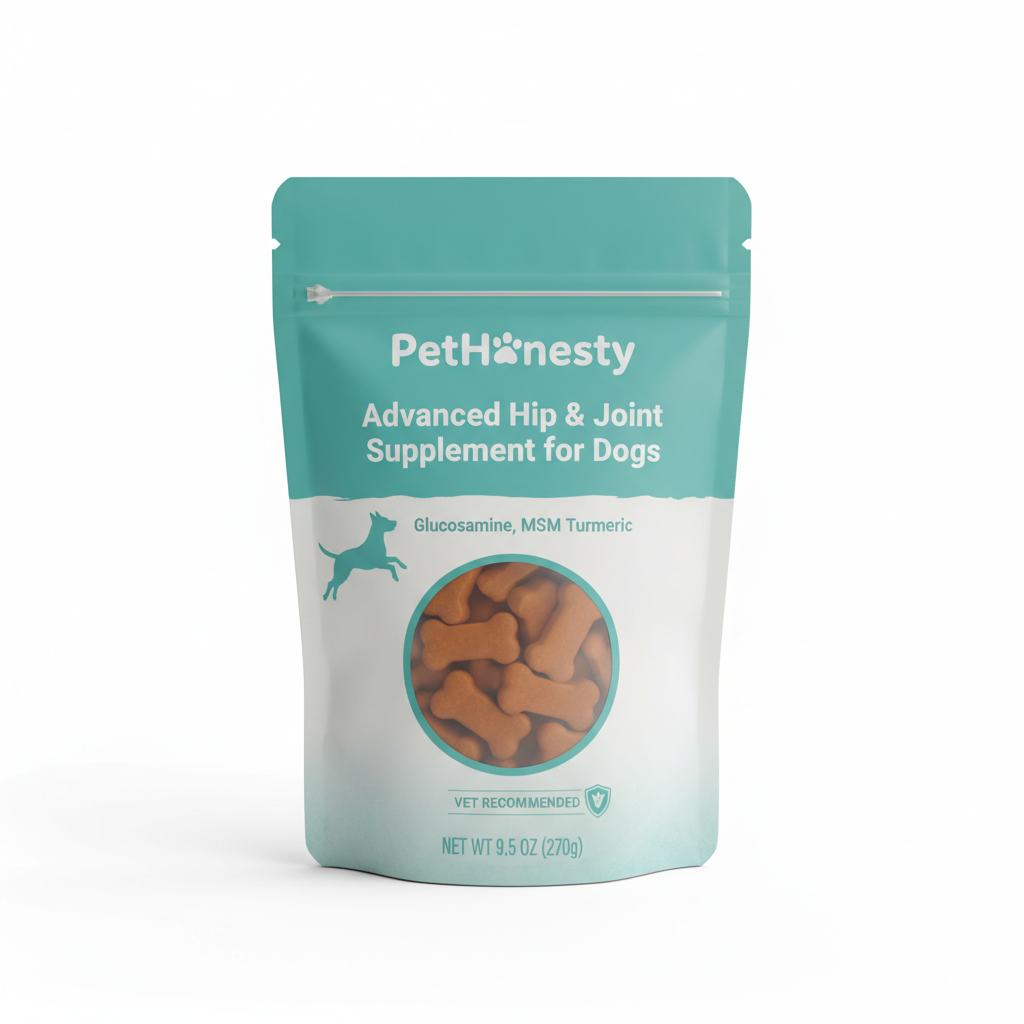
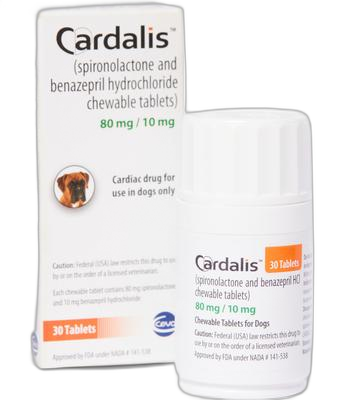
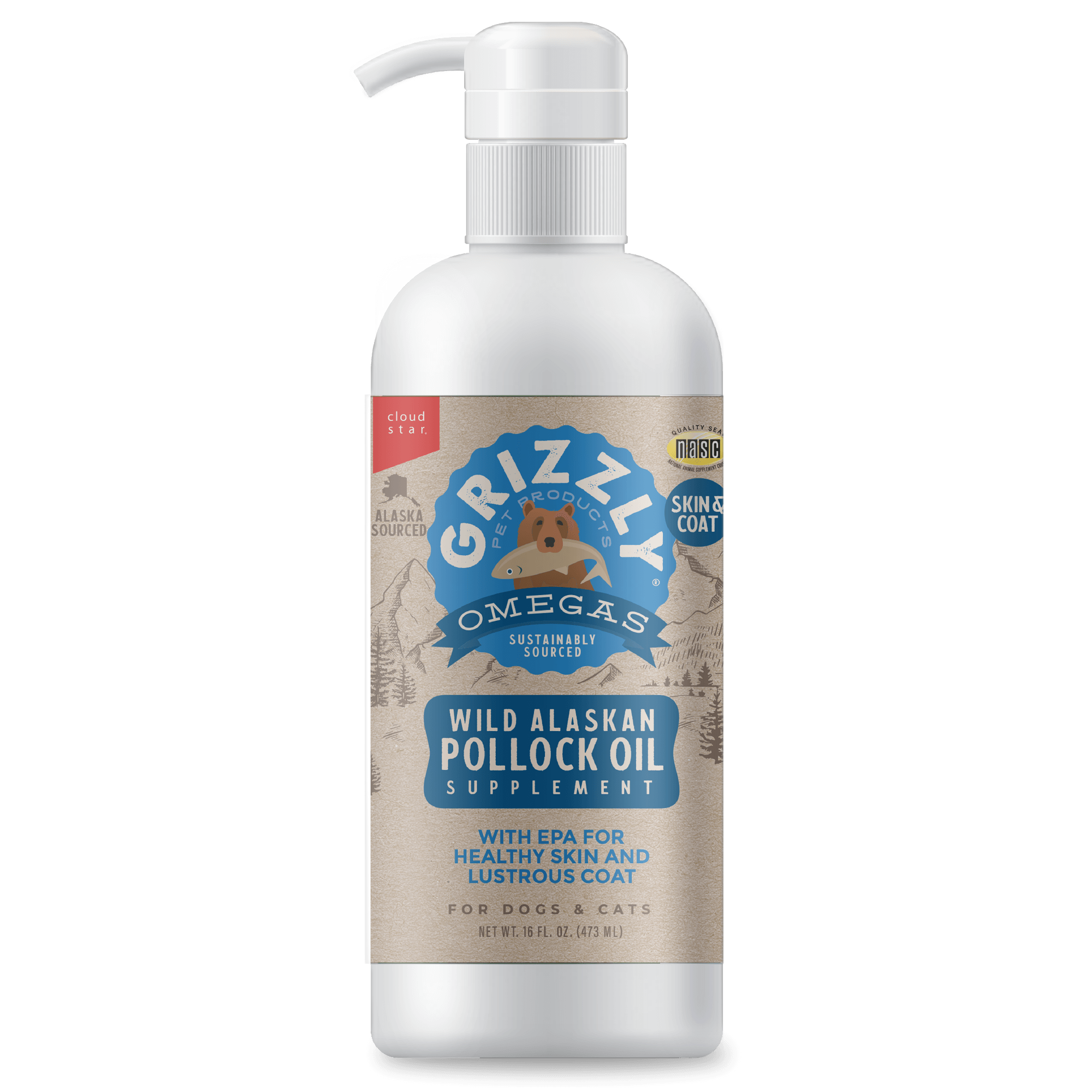
Top-rated supplements featuring this ingredient, ranked by our PSI+ score.