L-Tryptophan
amino acid
Many pet owners seek ways to support their animals' well-being, especially when faced with behavioral challenges or specific health needs. L-tryptophan, an essential amino acid, frequently appears in discussions about nutritional support for pets, particularly dogs. This guide explores the role of L-tryptophan as a supplement for dogs and other pets, examining its proposed uses, how it functions, considerations for dosage, and its overall efficacy based on current understanding.
Tryptophan for Dogs
L-tryptophan is an essential amino acid, which means dogs must get it from their diet as they cannot produce it themselves. It acts as a precursor to serotonin, a neurotransmitter linked to feelings of well-being and calmness. For dogs, L-tryptophan is primarily of interest for its potential effects on mood and behavior.
The practical implications of supplementing a dog's diet with L-tryptophan typically center on addressing anxiety, stress, or certain behavioral issues. For instance, a dog prone to separation anxiety might exhibit fewer destructive behaviors or vocalizations if their serotonin levels are subtly modulated. However, it's not a universal cure. A dog with severe behavioral issues rooted in fear or aggression may require a multi-faceted approach, including behavioral modification training, in addition to or instead of nutritional supplements.
Consider a dog named Buster who becomes highly agitated during thunderstorms. His owner might explore L-tryptophan in hopes of reducing his panic. The supplement wouldn't eliminate his fear of thunder, but it might help him cope more calmly, perhaps by reducing his overall reactivity. Conversely, a dog with a simple lack of exercise or an inadequate diet would likely benefit more from addressing those core issues than from L-tryptophan supplementation alone. The trade-off often involves understanding that while L-tryptophan can be a supportive tool, it rarely replaces professional veterinary advice or comprehensive behavioral strategies.
L-Tryptophan for Dogs: A Deeper Look
As an essential amino acid, L-tryptophan plays a fundamental role in protein synthesis within a dog's body. Beyond its structural contributions, its metabolic pathway to serotonin is what captures attention in the context of behavioral support. Once ingested, L-tryptophan crosses the blood-brain barrier and is converted into 5-hydroxytryptophan (5-HTP), which then converts into serotonin. Serotonin, in turn, can be further metabolized into melatonin, a hormone involved in regulating sleep cycles. This biochemical cascade underpins the proposed "calming" effects often attributed to L-tryptophan.
The practical implications for dogs involve careful consideration of their individual needs. For example, a dog recovering from surgery might benefit from L-tryptophan's potential to support a more relaxed state, which could aid in recovery by reducing restlessness. However, the exact impact can be subtle and difficult to quantify without controlled observation.
Edge cases might include dogs with pre-existing medical conditions. A dog on certain medications, particularly those affecting serotonin levels (like some antidepressants), might experience adverse interactions with L-tryptophan supplementation. Therefore, veterinary consultation is crucial before introducing any new supplement. A scenario where L-tryptophan might be less effective or even inappropriate could be a dog exhibiting aggression due to pain. In such a case, addressing the underlying pain would be paramount, and L-tryptophan would be, at best, a minor adjunct. It's not a sedative, and its effects are generally considered to be subtle modulations of mood rather than profound alterations.
Thiamine, Colostrum, L-Theanine, L-Tryptophan: A Comparison of Calming Ingredients
When pet owners look for calming supplements, L-tryptophan often appears alongside other ingredients like thiamine (Vitamin B1), colostrum, and L-theanine. Each of these compounds interacts with a dog's physiology differently, offering distinct, though sometimes overlapping, potential benefits. Understanding these differences helps in making informed decisions about which supplement, if any, might be most appropriate for a specific situation.
- L-Tryptophan: As discussed, L-tryptophan is a precursor to serotonin, aiming to support balanced mood and reduce anxiety via this neurotransmitter pathway. Its effects are generally considered indirect and gradual.
- Thiamine (Vitamin B1): Thiamine is essential for carbohydrate metabolism and nerve function. While not directly a "calming" agent in the same way L-tryptophan is, a deficiency can lead to neurological issues and anxiety. Supplementation might help if a deficiency is present, but it's not typically used as a primary calming agent for behavioral issues in otherwise healthy dogs.
- Colostrum: Derived from mammary glands, colostrum contains bioactive compounds like proline-rich polypeptides (PRPs) that may have immunomodulatory and neuroactive properties. Some research suggests it might help manage stress and support cognitive function. Its calming effects are often attributed to its general health-supporting properties rather than a direct impact on neurotransmitters like serotonin.
- L-Theanine: An amino acid found primarily in green tea, L-theanine is known for its ability to promote relaxation without sedation. It's thought to increase alpha brain waves, which are associated with a relaxed but alert state, and may influence neurotransmitters like GABA and dopamine. L-theanine is often considered to have a more direct and noticeable calming effect than L-tryptophan for acute stress.
The practical implications of this comparison are significant. For a dog with chronic, low-grade anxiety, L-tryptophan might be considered for its long-term serotonin support. For a dog experiencing acute stress from fireworks, L-theanine might be preferred for its more immediate, non-sedating relaxation. Colostrum might be chosen for overall health and stress resilience, while thiamine would be considered if a nutritional deficiency is suspected.
Consider a dog that gets mildly anxious during car rides. L-theanine might be a suitable choice for its relatively quick and mild anxiolytic effect. If the same dog also exhibits general nervousness and reactivity throughout the day, a daily L-tryptophan supplement might be considered for broader mood support. A dog with gastrointestinal upset and general malaise, potentially stemming from stress, might benefit from colostrum for gut health and immune support, which could indirectly improve their overall demeanor.
The choice often depends on the specific nature, severity, and chronicity of the behavioral issue, as well as the desired onset and type of effect.
| Feature | L-Tryptophan | L-Theanine | Colostrum | Thiamine (Vitamin B1) |
|---|---|---|---|---|
| Primary Action | Serotonin precursor (mood, calmness) | Promotes relaxation (alpha brain waves, GABA) | Immune support, general well-being, neuroactive | Nerve function, metabolism (deficiency causes issues) |
| Onset of Effect | Gradual, long-term support | Relatively quicker, acute stress | Gradual, general health benefits | Addresses deficiency, not direct calming |
| Best For | Chronic anxiety, general mood support | Acute stress, situational anxiety | Overall stress resilience, gut health | Nutritional deficiency, nerve health |
| Sedation Risk | Minimal | Minimal | None | None |
| Mechanism | Neurotransmitter synthesis (serotonin) | Brain wave modulation, neurotransmitter balance | Bioactive peptides | Essential cofactor for enzyme function |
The Effect of Graded Concentrations of Dietary Tryptophan on Canine Behavior and Physiology
Research into the impact of varying dietary L-tryptophan concentrations on canine behavior and physiology provides valuable insights into its potential efficacy. Studies often involve feeding groups of dogs diets with different L-tryptophan levels and then monitoring behavioral responses (e.g., activity levels, vocalization, reactivity) and sometimes physiological markers (e.g., cortisol levels, heart rate variability).
These studies investigate whether increasing dietary L-tryptophan beyond typical levels measurably alters a dog's stress response or demeanor. The practical implication is that an optimal range for L-tryptophan supplementation likely exists, and simply adding more may not yield greater benefits. Some research suggests higher concentrations can decrease anxiety-related behaviors or aggression, especially in stress-prone dogs.
However, the findings are not universally conclusive, and the effects can be subtle. For instance, a study might show a statistically significant reduction in barking in a kennel environment, but this might not translate to a dramatic change in a domestic setting for a dog with deeply ingrained behavioral patterns. Edge cases often include the individual variability among dogs; what works for one dog might not work for another due to genetic factors, temperament, or the specific nature of their anxiety.
Consider a scenario where a group of shelter dogs is fed a diet enriched with L-tryptophan. Researchers might observe a reduction in pacing or excessive vocalization compared to a control group. This gives practical insight into how L-tryptophan might support welfare in high-stress environments. Conversely, if a study involves dogs with mild, intermittent anxiety, the effects of graded L-tryptophan concentrations might be too subtle to discern without very sensitive behavioral metrics. It's also crucial to distinguish between a dog responding to L-tryptophan as a dietary component versus a dog responding to a dedicated supplement. Dietary inclusion might be a long-term, subtle intervention, whereas a concentrated supplement might aim for a more targeted, acute effect.
L-Tryptophan for Dogs: The Calming Benefits
The phrase "calming benefits" often accompanies discussions about L-tryptophan for dogs. This refers to the potential for L-tryptophan to help dogs manage stress, anxiety, and related behavioral issues by supporting healthy serotonin levels in the brain. Serotonin is a key neurotransmitter involved in regulating mood, sleep, appetite, and social behavior.
The core idea is that by increasing the availability of L-tryptophan, the body has more raw material to produce serotonin, which in turn might lead to a more balanced and relaxed state for the dog. This isn't about sedating the animal but rather about modulating their internal chemistry to help them cope better with stressors.
Practical implications include considering L-tryptophan for dogs exhibiting specific anxiety-related behaviors. Examples include:
- Separation anxiety: Reducing distress when left alone.
- Noise phobias: Helping to manage fear responses to thunderstorms or fireworks.
- Travel anxiety: Making car rides or other forms of transport less stressful.
- Generalized anxiety: Supporting overall calmness in dogs prone to nervousness.
- Reactivity: Potentially lowering reactivity to stimuli in some cases.
However, it's essential to set realistic expectations. L-tryptophan is not a magic bullet. For a dog with severe separation anxiety that results in destructive behavior and self-harm, L-tryptophan alone is unlikely to resolve the issue. It might, however, be a useful component of a broader treatment plan that includes behavioral modification, environmental enrichment, and potentially other interventions prescribed by a veterinarian or certified veterinary behaviorist.
An edge case might be a dog that becomes hyperactive or agitated in response to L-tryptophan. While uncommon, individual responses can vary. Another scenario is a dog whose anxiety stems purely from a lack of exercise or mental stimulation. In such a case, L-tryptophan would be largely ineffective, as the root cause is environmental, not primarily neurochemical. The "calming benefits" are best understood as supportive in nature, helping the dog's own physiological systems function optimally to manage stress, rather than forcing a state of calm.
ProQuiet® L-Tryptophan Calming Supplement for Cats and Dogs: Product Example
Examining a specific product like ProQuiet® helps illustrate how L-tryptophan is marketed and formulated for pets. ProQuiet® is an example of an L-tryptophan-based calming supplement designed for both cats and dogs. Analyzing such a product provides concrete examples of dosage recommendations, ingredient combinations, and the targeted conditions.
The core idea behind products like ProQuiet® is to deliver a concentrated, palatable dose of L-tryptophan, often alongside other calming ingredients, to address a range of anxiety and stress-related behaviors in pets. These products aim to provide a convenient way for pet owners to supplement their animal's diet with L-tryptophan, rather than relying solely on dietary sources.
Practical implications for using such a product involve adhering to the manufacturer's dosage instructions, which are typically based on the pet's weight. For ProQuiet®, common usage scenarios might include:
- Pre-event anxiety: Administering the supplement before a vet visit, grooming session, or car trip.
- Situational stress: Providing it during periods of known stress, like moving to a new home or during holidays with visitors.
- Daily support: For pets with chronic anxiety, it might be given daily as part of a long-term management plan.
One common dosage recommendation for L-tryptophan in dogs is often around 10-20 mg per kilogram of body weight, administered one to two times daily, but product-specific instructions should always take precedence. For example, a supplement might suggest 250mg for a small dog (under 25 lbs) and up to 1000mg for a large dog (over 75 lbs), administered 30-60 minutes before a stressful event or twice daily for ongoing support. These are general figures; specific product labels and veterinary advice are paramount.
An edge case might be a pet that refuses to take the supplement due to taste or texture. Another could be a pet that experiences mild gastrointestinal upset, which, while rare, is a possibility with any new dietary addition. It's also important to note that while products like ProQuiet® are readily available, veterinary consultation is still recommended, especially if the pet is on other medications or has underlying health conditions. The efficacy of such products can also vary widely among individual animals, highlighting the need for careful observation by the pet owner.
What Does L-Tryptophan Do to Dogs?
L-tryptophan is an essential amino acid that serves as a precursor to serotonin in the dog's brain. Serotonin is a neurotransmitter known for its role in regulating mood, sleep, appetite, and social behavior. By providing the body with L-tryptophan, the aim is to support the natural production of serotonin, potentially leading to a more balanced and calm emotional state. It does not act as a sedative but rather as a neurochemical modulator, helping the dog's own systems manage stress and anxiety more effectively.
Which is Better, L-Theanine or L-Tryptophan?
Neither L-theanine nor L-tryptophan is inherently "better"; they serve different purposes and mechanisms, making one more suitable than the other depending on the specific situation.
- L-Tryptophan: Works by increasing serotonin production over time. It's generally considered for long-term mood support and chronic anxiety or stress. Its effects are often more subtle and gradual.
- L-Theanine: Promotes relaxation and reduces anxiety by increasing alpha brain waves and influencing other neurotransmitters like GABA. It tends to have a quicker, more noticeable calming effect without causing drowsiness, making it suitable for acute, situational stress (e.g., fireworks, vet visits).
For chronic, ongoing anxiety, L-tryptophan might be a better choice for sustained support. For acute, predictable stressful events, L-theanine might be more effective due to its faster action. Some supplements combine both for a broader spectrum of effect. Always consult with a veterinarian to determine the most appropriate option for your dog.
What Is the Best Calming Supplement for Dogs?
There isn't a single "best" calming supplement for all dogs, as efficacy depends heavily on the individual dog, the specific type and severity of anxiety, and underlying causes. What works well for one dog might have little effect on another.
Commonly used calming supplements, often available individually or in combination, include:
- L-Tryptophan: For long-term mood support and chronic anxiety.
- L-Theanine: For acute or situational stress, promoting relaxation without sedation.
- Zylkene (hydrolyzed milk protein/alpha-casozepine): Mimics the calming effect of a nursing puppy.
- Colostrum: For general stress resilience and immune support.
- Herbal blends: Ingredients like chamomile, valerian root, or passionflower, though efficacy can vary and potential interactions exist.
- Pheromone products: Such as Adaptil, which are not ingested but release synthetic dog-appeasing pheromones to create a comforting environment.
The "best" approach often involves a combination of strategies:
A veterinarian can help diagnose the cause of anxiety and recommend the most suitable and safest calming solution, which may or may not include a supplement.
Conclusion
L-tryptophan for dogs represents a nutritional approach to supporting emotional well-being, primarily through its role as a precursor to serotonin. While not a sedative or a standalone cure for severe behavioral issues, it can be a valuable component in a broader strategy to manage stress and anxiety in pets. Its efficacy is generally considered subtle and supportive, working best when integrated with appropriate behavioral training and environmental adjustments.
This topic is most relevant for pet owners dealing with dogs exhibiting mild to moderate anxiety, situational stress, or those seeking general mood support as part of a holistic wellness plan. Before introducing L-tryptophan or any other supplement, consulting with a veterinarian is crucial to ensure safety, appropriate dosage, and to rule out underlying medical conditions that might be contributing to behavioral concerns. Understanding the nuances of L-tryptophan, its mechanism, and its comparison to other calming agents empowers pet owners to make more informed decisions for their animal companions.
Products Containing L-Tryptophan
Top-rated supplements featuring this ingredient, ranked by our PSI+ score.
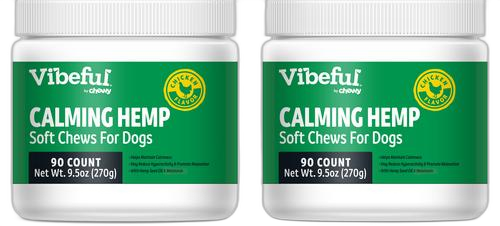
Vibeful Calming Hemp Chicken Flavored Soft Chews Calming Supplement for Dogs
Vibeful
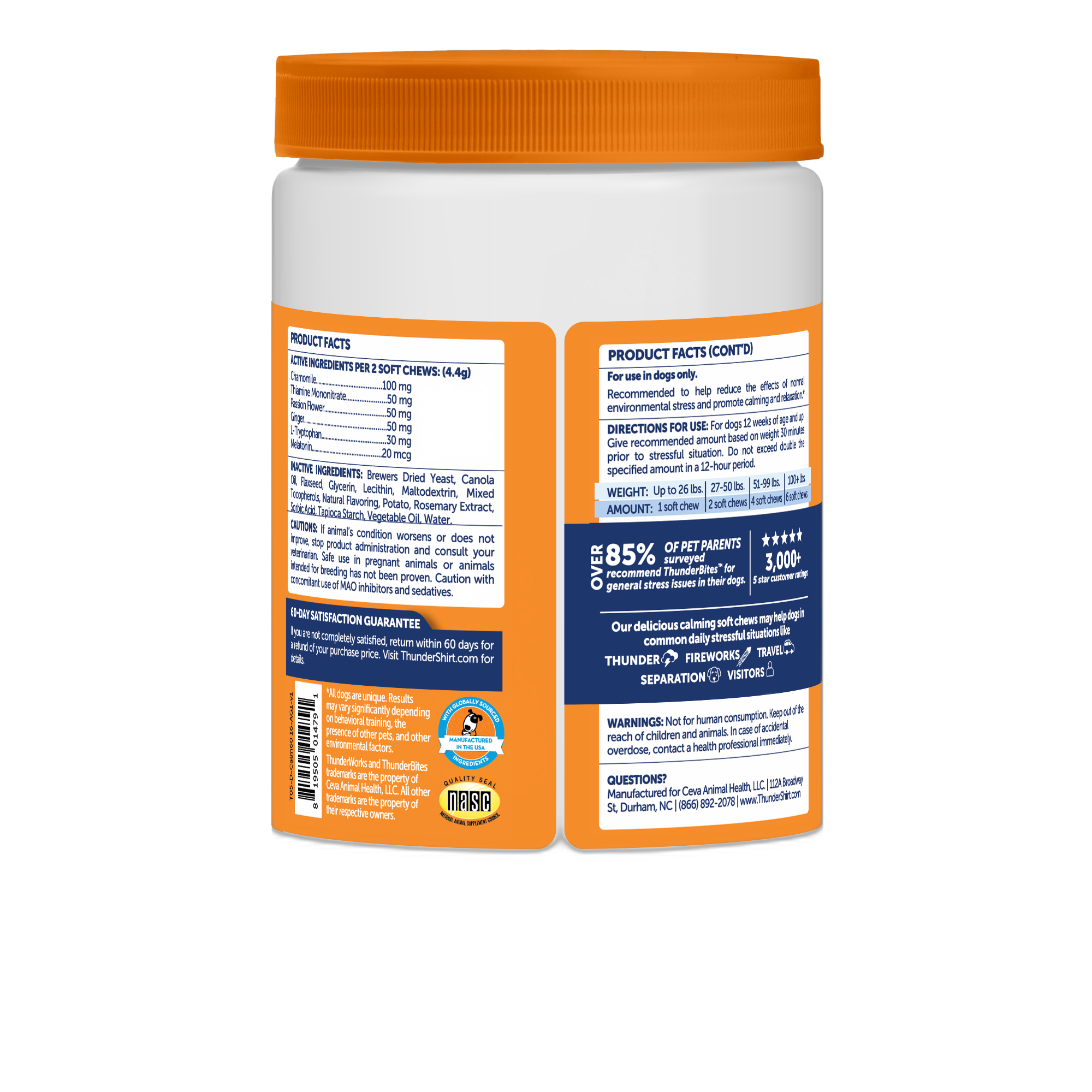
ThunderWunders Dog Calming Chews
ThunderWorks
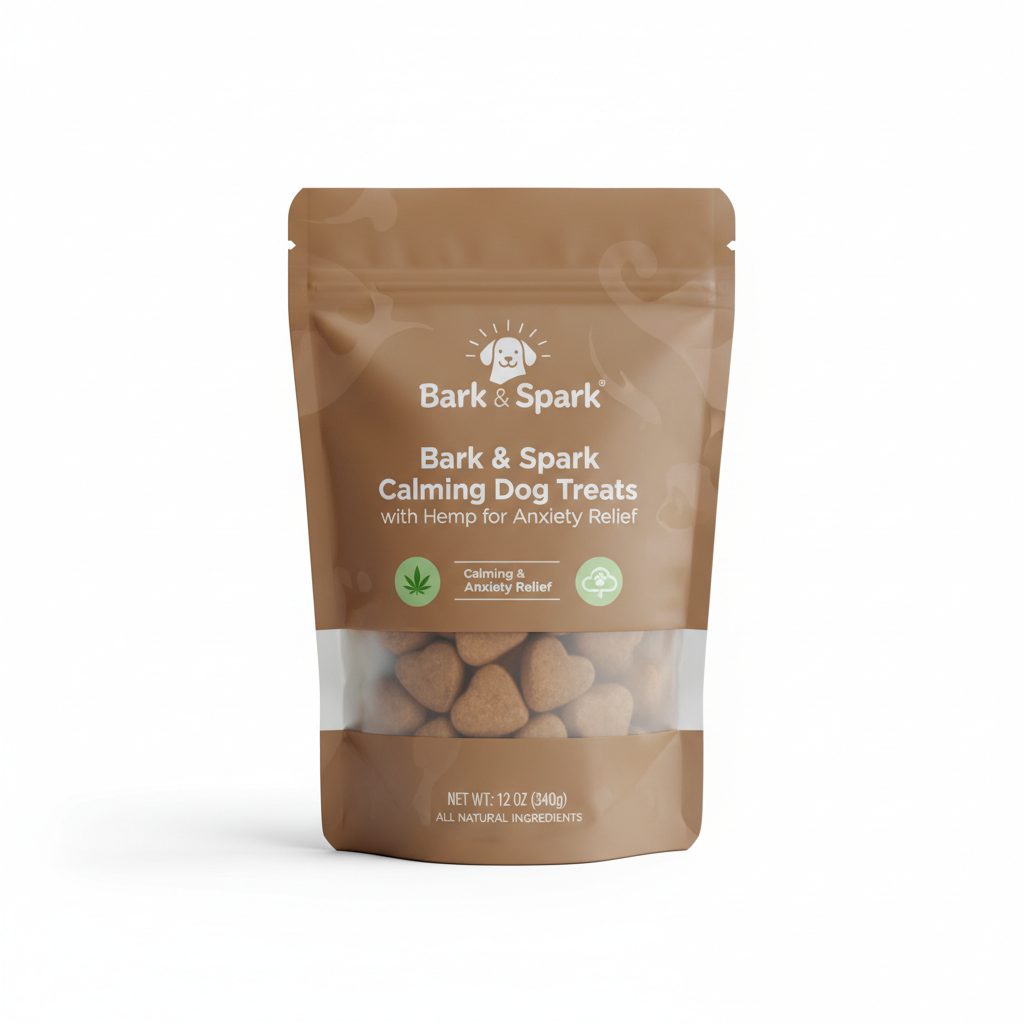
Bark & Spark Calming Dog Treats with Hemp for Anxiety Relief
Bark & Spark
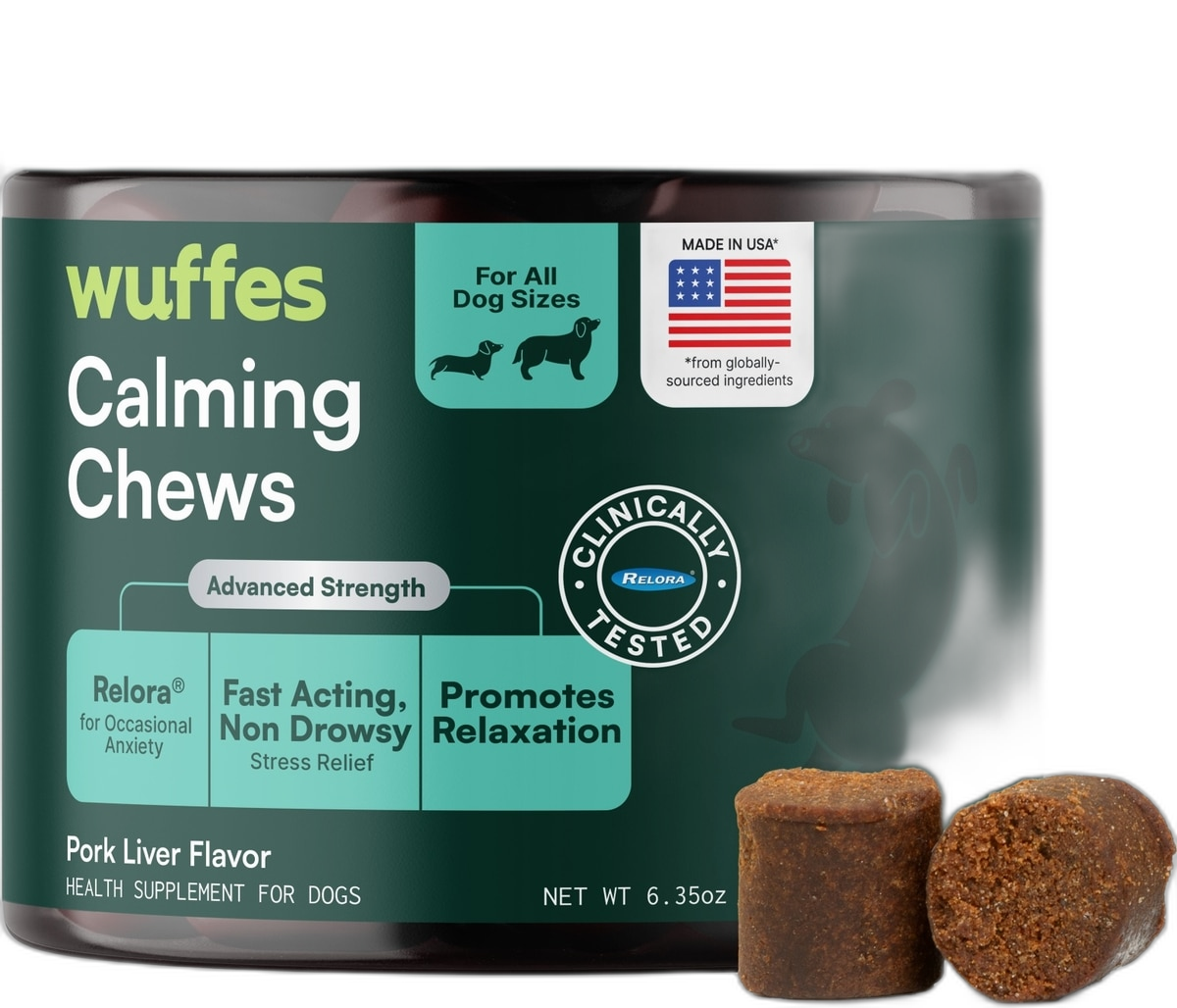
Wuffes Calming Stress Support with Relora, L-Tryptophan & Chamomile Pork Liver Flavored Soft Chew Supplement for Dogs
Wuffes
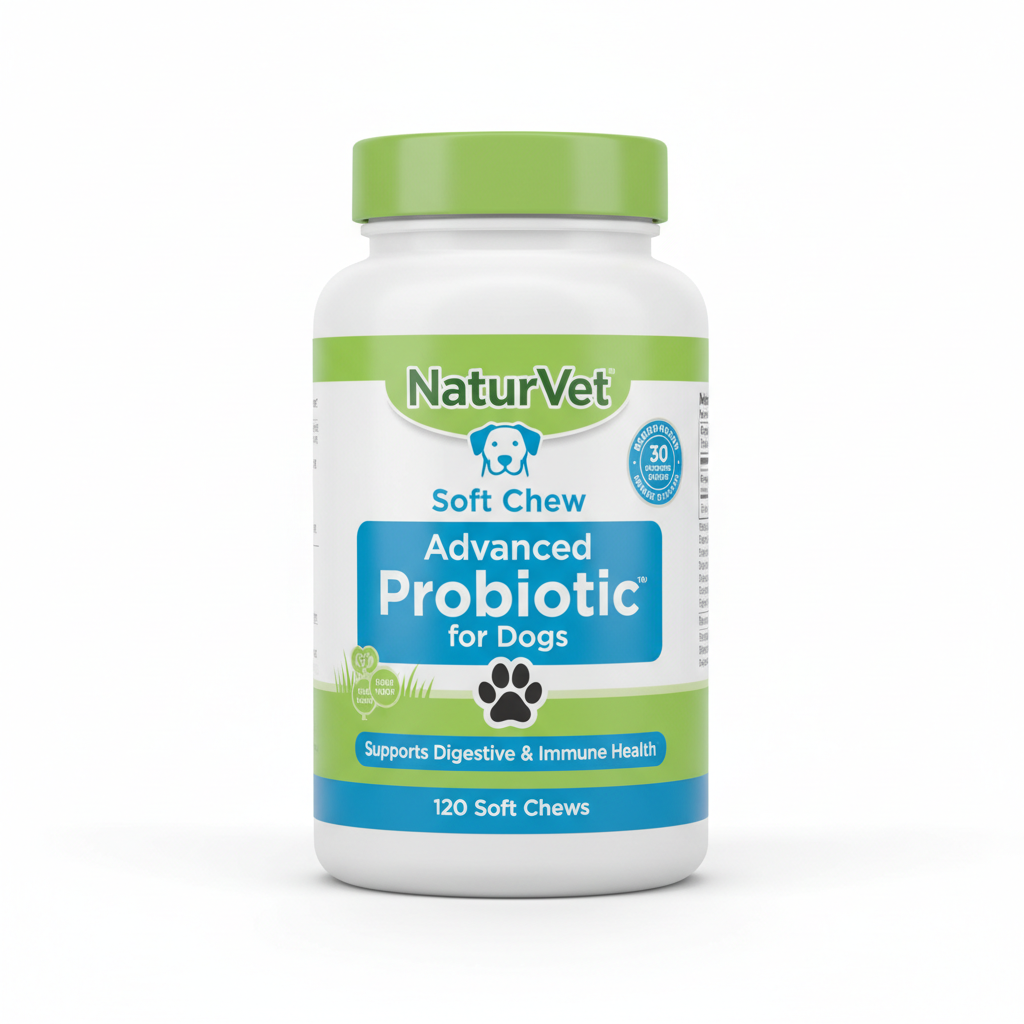
Quiet Moments Calming Aid for Dogs
NaturVet
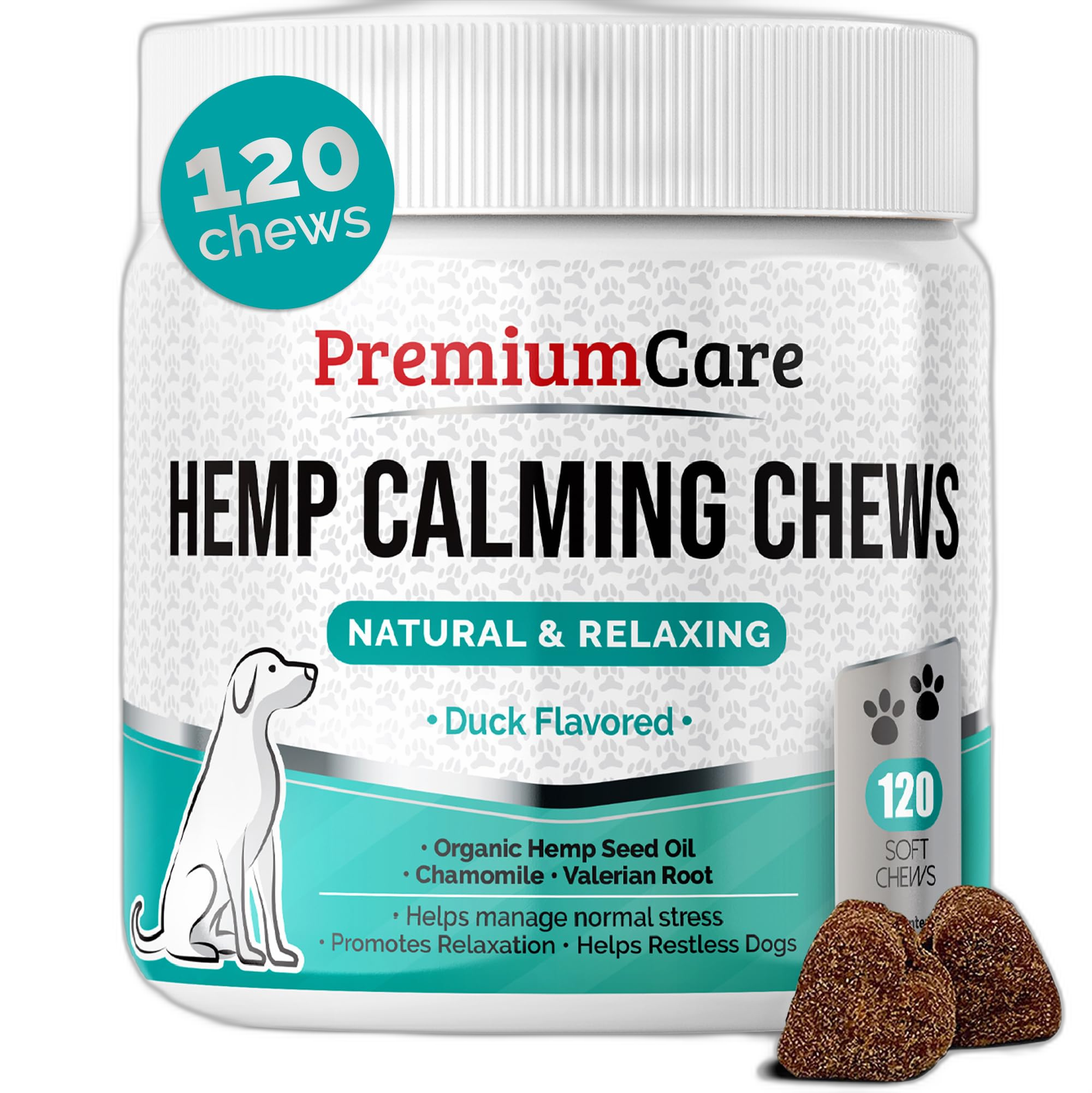
Premium Care Calming Chews for Dogs
PREMIUM CARE
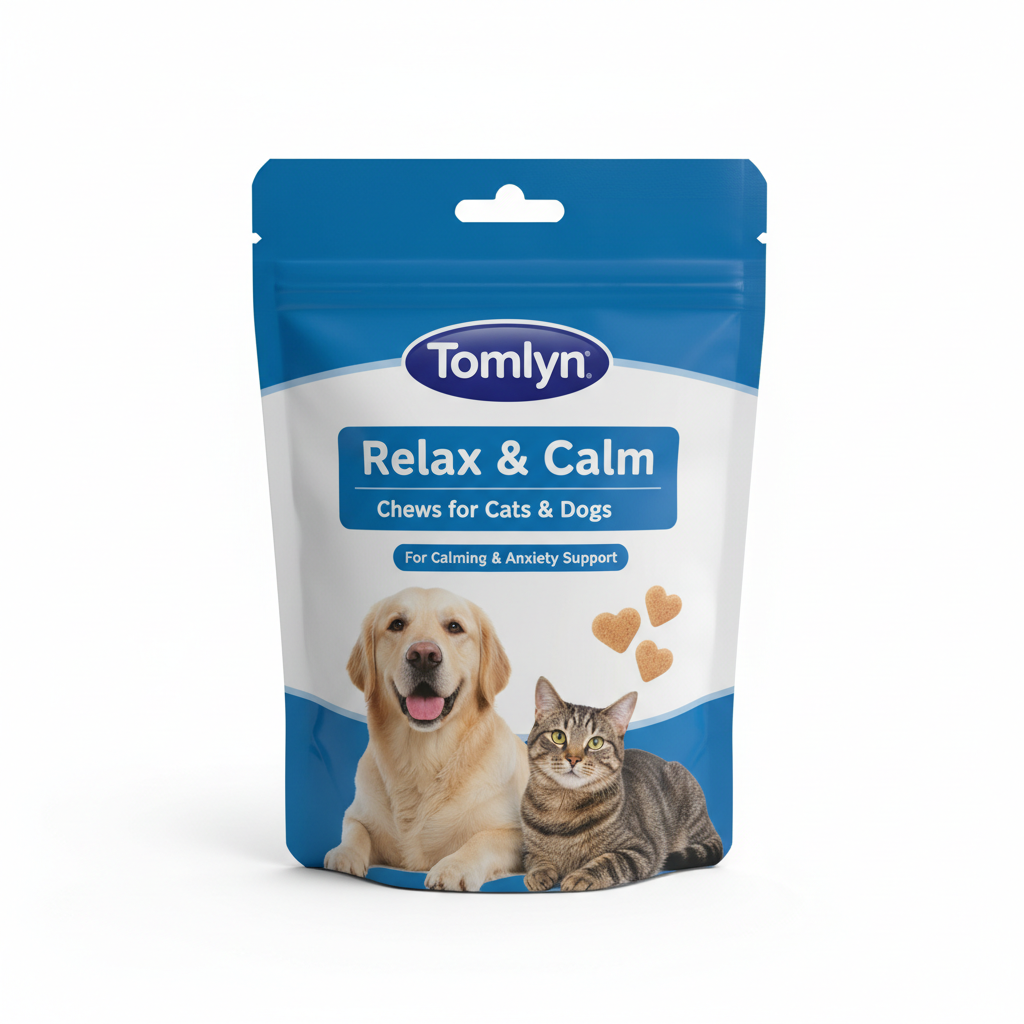
Tomlyn Relax & Calm Chews for Cats & Dogs
Tomlyn
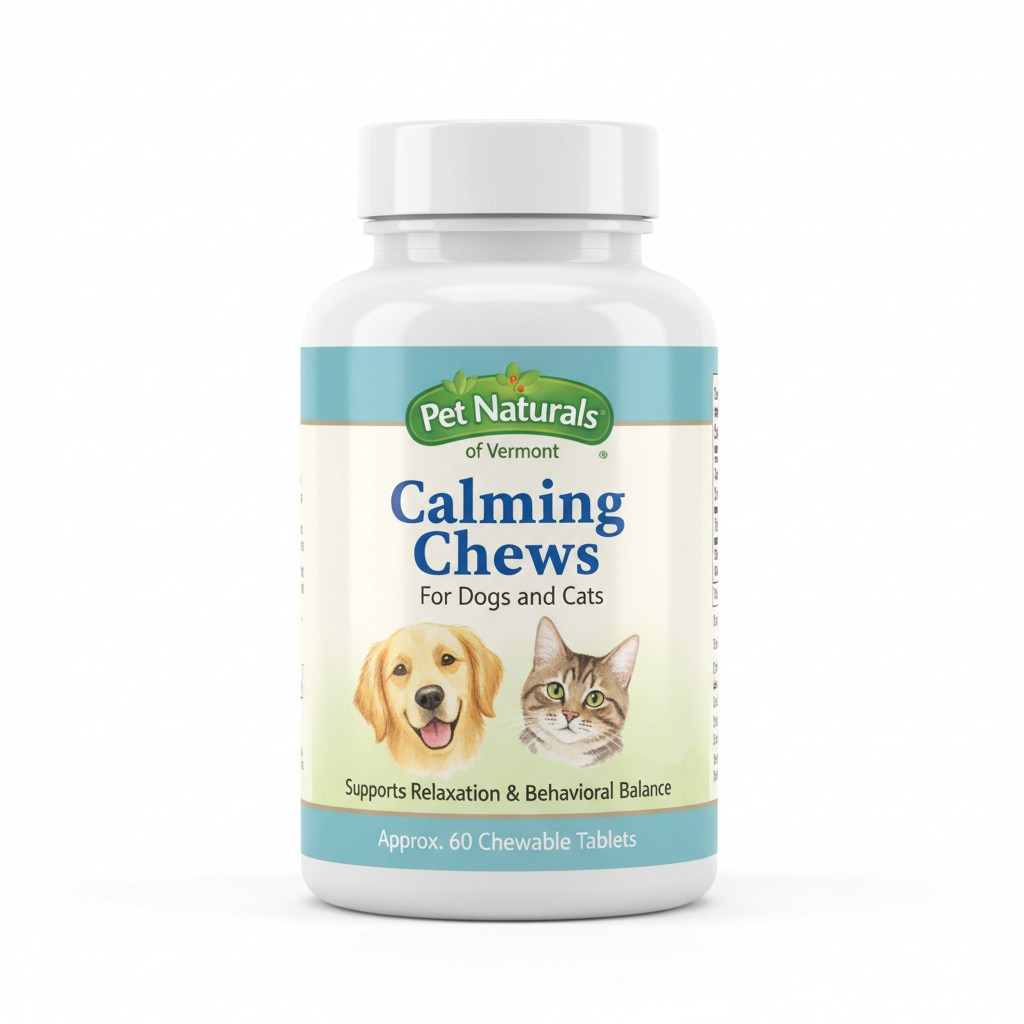
Pet Naturals of Vermont Calming Chews for Dogs and Cats
Pet Naturals