Chondroitin Sulfate
joint support
Effective Dose Range (dog)
Min Effective
10 mg/kg body weight
Optimal Low
10 mg/kg body weight
Optimal High
20 mg/kg body weight
Upper Limit
30 mg/kg body weight
Research Evidence
Safety Data
Well-tolerated in most dogs. Rare reports of mild diarrhea. Derived from animal cartilage sources (bovine, shark, porcine).
Mechanism of Action
Inhibits destructive enzymes (MMPs) in joint fluid. Attracts water into cartilage matrix providing shock absorption. Provides substrate for cartilage repair.
Chondroitin sulfate is a widely discussed ingredient in pet joint supplements, particularly for dogs and cats experiencing mobility issues or diagnosed with osteoarthritis. It's a naturally occurring compound found in the connective tissues of animals, including cartilage. As a supplement, it's often derived from animal sources like bovine or shark cartilage. The primary interest in chondroitin sulfate stems from its proposed role in maintaining cartilage structure and function, potentially slowing its degradation, and supporting joint health in aging or arthritic pets. This guide will explore its use, recommended dosages, safety considerations, and overall efficacy based on current understanding.
Understanding Chondroitin Sulfate and Its Role in Pet Joint Health
Chondroitin sulfate is a major component of articular cartilage, the smooth, elastic tissue that covers the ends of bones in joints. This cartilage acts as a shock absorber and allows bones to glide smoothly over each other. It's composed of cells called chondrocytes, which produce and maintain the extracellular matrix, a complex network of collagen fibers and proteoglycans. Chondroitin sulfate is a type of glycosaminoglycan (GAG), a long chain of sugar molecules that are a key part of these proteoglycans.
The proposed mechanisms of action for chondroitin sulfate in joint health include:
- Maintaining cartilage elasticity and hydration: Chondroitin sulfate attracts and retains water within the cartilage matrix, contributing to its resilience and ability to absorb impact.
- Inhibiting cartilage-degrading enzymes: Some research suggests that chondroitin sulfate may help block the activity of enzymes that break down cartilage, thereby potentially slowing the progression of joint damage.
- Promoting cartilage repair: It may stimulate the production of new cartilage components by chondrocytes.
- Reducing inflammation: Chondroitin sulfate has been observed to have mild anti-inflammatory effects in some studies, which could contribute to pain reduction in arthritic joints.
For pets, particularly dogs and cats, these mechanisms are relevant because conditions like osteoarthritis involve the progressive breakdown of articular cartilage. As cartilage wears away, bones can rub against each other, leading to pain, inflammation, and reduced mobility. Supplementing with chondroitin sulfate aims to support the remaining cartilage and potentially mitigate further damage.
The practical implications of these proposed actions are varied. For a young, healthy pet, the benefits might be preventative, though evidence for this is less robust. For an older pet with early signs of stiffness, a supplement might help maintain comfort and mobility. In advanced cases of osteoarthritis, it's typically considered part of a multi-modal management plan, alongside pain medication, weight management, and controlled exercise, rather than a standalone cure.
Dog Supplements with Chondroitin Sulfate
The market for dog joint supplements containing chondroitin sulfate is extensive. These supplements come in various forms, including chewable tablets, soft chews, powders, and liquids, designed to be palatable for dogs. The primary goal of these products is to support joint health, often targeting conditions like osteoarthritis, hip and elbow dysplasia, or general age-related stiffness.
Most chondroitin sulfate dog supplements are not standalone products. They are commonly formulated with other ingredients, the most frequent being glucosamine. Other complementary ingredients can include:
- MSM (Methylsulfonylmethane): An organic sulfur compound believed to have anti-inflammatory and pain-relieving properties.
- Hyaluronic Acid (HA): A component of synovial fluid, which lubricates joints.
- Omega-3 Fatty Acids: Known for their anti-inflammatory effects.
- Vitamin C: An antioxidant that supports collagen production.
- Herbal extracts: Such as turmeric or Boswellia, also used for their anti-inflammatory potential.
When considering a chondroitin sulfate supplement for your dog, it's important to look beyond just the presence of chondroitin. The quality and source of the ingredients matter. Reputable manufacturers often provide third-party testing to verify ingredient purity and potency. The source of chondroitin sulfate can vary, with bovine (cow) and porcine (pig) cartilage being common. Some products use shark cartilage, which raises ethical and sustainability concerns for some pet owners.
Trade-offs exist between different supplement forms. Chewable tablets or soft chews can be convenient for direct administration or mixing with food, but some dogs might pick them out. Powders or liquids can be easily mixed into wet food, which might be better for picky eaters. The cost also varies significantly, and often, higher-quality ingredients and formulations come with a higher price tag.
For example, a dog with mild stiffness might benefit from a basic glucosamine/chondroitin supplement. A dog with more advanced osteoarthritis might require a more comprehensive formula that includes MSM and omega-3s, in addition to prescribed pain medication from a veterinarian. The "best" supplement is highly individual and depends on the dog's specific needs, existing health conditions, and veterinary recommendations.
A Complete Guide to Chondroitin for Dogs
chondroitin supplements for dogs requires understanding several key aspects: sourcing, quality control, combination with other ingredients, and realistic expectations.
Sourcing and Quality: Chondroitin sulfate is typically derived from animal cartilage. Bovine (cow) trachea and porcine (pig) cartilage are common sources. Shark cartilage is also used but is controversial due to sustainability concerns. The efficacy of chondroitin can depend on its molecular weight and purity. High-quality supplements will specify the source and often provide a guaranteed analysis of the active ingredients. Look for products manufactured in facilities that adhere to good manufacturing practices (GMP).
Combination with Glucosamine: Chondroitin sulfate is almost universally combined with glucosamine in pet joint supplements. The reasoning behind this combination is that they are thought to work synergistically. Glucosamine provides the building blocks for cartilage repair, while chondroitin helps retain water and inhibit cartilage breakdown. While some studies have focused on individual ingredients, many clinical trials evaluating joint supplements for pets have assessed the combination.
Dosage Considerations: Determining the correct chondroitin sulfate dosage for dogs is crucial for both efficacy and safety. Dosage recommendations are usually based on the dog's weight. However, these are general guidelines, and a veterinarian's advice is paramount.
General Chondroitin Sulfate Dosage Guidelines for Dogs (Initial Loading Phase)
| Dog Weight (lbs) | Chondroitin Sulfate (mg/day) |
|---|---|
| Up to 25 | 200 - 300 |
| 26 - 50 | 400 - 500 |
| 51 - 100 | 800 - 1000 |
| Over 100 | 1000 - 1200 |
Note: These are general guidelines for an initial 4-6 week loading phase. Maintenance doses are typically lower. Always consult your veterinarian for specific recommendations.
The concept of a "loading phase" is common with these supplements. This involves administering a higher dose for the first 4-6 weeks to build up levels in the body, followed by a lower "maintenance dose." It's important to be patient, as the effects of chondroitin sulfate are not immediate. It can take several weeks to months to observe noticeable improvements in a dog's mobility or comfort.
Realistic Expectations: Chondroitin sulfate is a supplement, not a drug. It is not intended to cure arthritis or regenerate severely damaged cartilage. Instead, it aims to support joint health, potentially reduce inflammation, and improve comfort. Its effectiveness can vary significantly between individual dogs. Some dogs show remarkable improvement, while others may show little to no change. It's crucial to manage expectations and understand that it's often one component of a broader management strategy for joint issues.
Cosequin Joint Health Supplement for Dogs
Cosequin is one of the most recognized and widely used brands of joint supplements for dogs, often considered a benchmark in the veterinary field. Its prominence stems from its long history, extensive marketing, and the fact that its formulations, particularly Cosequin DS (Double Strength), have been used in various studies.
Cosequin's primary active ingredients are typically FCHG49® Glucosamine Hydrochloride, TRH122® Sodium Chondroitin Sulfate, and often Manganese Ascorbate (a form of Vitamin C). The "DS" in Cosequin DS indicates a higher concentration of glucosamine and chondroitin compared to their standard formulation. The brand emphasizes the use of proprietary, research-backed ingredients, suggesting a higher standard of quality and consistency in their active components.
Key features and considerations for Cosequin:
- Proprietary Ingredients: Cosequin highlights its specific FCHG49® Glucosamine and TRH122® Chondroitin Sulfate. This means the specific forms and purity of these ingredients are consistent across their products, which can be a factor in their purported efficacy.
- Veterinarian Recommended: Cosequin is frequently recommended by veterinarians due to its established reputation and the company's commitment to research.
- Formulations: Cosequin offers various formulations tailored for different needs, including Cosequin DS, Cosequin Maximum Strength (which may include MSM), and formulations for cats. This allows for some customization based on the pet's condition.
- Cost: Cosequin products tend to be on the higher end of the price spectrum for joint supplements. This is often attributed to the proprietary ingredients and the brand's investment in research and quality control.
- Palatability: Like other chewable supplements, palatability can be an issue for some dogs, though many find Cosequin chews acceptable.
Comparing Cosequin to other chondroitin sulfate supplements often comes down to the perceived value of its proprietary ingredients and the supporting research versus more generic brands. While a generic brand might contain the same milligrams of glucosamine and chondroitin, the specific molecular structure, purity, and bioavailability of those compounds can theoretically differ. For a pet owner, this often translates into a decision between a well-established, premium brand and a more budget-friendly alternative.
For example, a veterinarian might recommend Cosequin for a dog with a confirmed osteoarthritis diagnosis due to the confidence in its consistent formulation and track record. However, for a pet owner on a tighter budget or whose dog has only mild stiffness, a less expensive, but still reputable, generic brand might be a reasonable starting point, provided it meets quality standards.
Glucosamine and Chondroitin Use in Canines for Osteoarthritis
Osteoarthritis (OA), also known as degenerative joint disease, is a common and progressive condition in dogs, particularly as they age or if they have certain genetic predispositions (e.g., hip/elbow dysplasia). It involves the gradual breakdown of articular cartilage, leading to pain, stiffness, reduced range of motion, and decreased quality of life. Glucosamine and chondroitin sulfate are frequently recommended as nutraceuticals to help manage OA symptoms.
How they are believed to help in OA:
- Glucosamine: Thought to provide the basic building blocks (glycosaminoglycans and proteoglycans) for cartilage repair and maintenance. It may also have mild anti-inflammatory properties.
- Chondroitin Sulfate: As discussed, it helps maintain cartilage elasticity, inhibits degrading enzymes, and may reduce inflammation.
Evidence and Efficacy: The scientific evidence supporting the use of glucosamine and chondroitin for canine OA is mixed but generally leans towards some benefit, particularly when used in combination. Some studies have shown improvements in pain scores, lameness, and overall mobility in dogs receiving these supplements, while others have found no significant difference compared to placebo.
Factors influencing efficacy and study outcomes:
- Quality of Ingredients: As mentioned, the purity, bioavailability, and molecular weight of the glucosamine and chondroitin used in studies (and commercial products) can vary widely.
- Study Design: Differences in animal populations (age, breed, severity of OA), dosages, duration of treatment, and outcome measures can affect results.
- Individual Variation: Just like in humans, individual dogs respond differently to supplements. Genetic factors, metabolism, and the specific pathology of their OA can play a role.
- Multimodal Approach: These supplements are rarely used in isolation for OA. They are typically part of a comprehensive management plan that includes:
- Weight Management: Crucial for reducing stress on joints.
- Controlled Exercise: Low-impact activities like swimming or short walks.
- Pain Medications: NSAIDs (Non-Steroidal Anti-Inflammatory Drugs) for acute pain and inflammation.
- Physical Rehabilitation: Therapeutic exercises, massage, hydrotherapy.
- Environmental Modifications: Ramps, orthopedic beds, non-slip flooring.
The practical implication for a dog owner is that while glucosamine and chondroitin are generally safe and may offer some relief, they are not a substitute for veterinary diagnosis and a comprehensive treatment plan. For a dog with mild OA, they might be a first-line intervention. For a dog with moderate to severe OA, they are usually an adjunctive therapy alongside stronger medications.
A common scenario is a middle-aged dog starting to show stiffness after exercise. A veterinarian might suggest a trial of a glucosamine/chondroitin supplement for 6-8 weeks. If improvement is noted, the supplement can be continued. If no improvement, other interventions would be explored. It's a tool in the toolbox, not the only tool.
Chondroitin Sulfate for Dogs: Safety and Side Effects
The safety profile of chondroitin sulfate for dogs is generally considered good, especially when administered within recommended dosages. Side effects are relatively uncommon and, when they do occur, are usually mild and gastrointestinal in nature.
Common (but rare) side effects:
- Gastrointestinal Upset: Vomiting, diarrhea, or soft stools are the most frequently reported side effects. This can sometimes be mitigated by giving the supplement with food or dividing the daily dose.
- Allergic Reactions: Though rare, some dogs may have an allergic reaction to specific ingredients in the supplement. Symptoms might include itching, hives, or swelling.
Serious side effects are exceedingly rare. Chondroitin sulfate is not known to cause kidney or liver damage at therapeutic doses.
Drug Interactions: While chondroitin sulfate is generally safe, potential interactions with other medications are a consideration, though significant interactions are not well-documented.
- Anticoagulants (Blood Thinners): There is a theoretical concern that chondroitin sulfate, particularly at very high doses, could have a mild anticoagulant effect. This could potentially increase the risk of bleeding in dogs already on blood thinners like warfarin. However, this interaction is not consistently observed in veterinary practice nor well-supported by robust studies in dogs. Nevertheless, caution is advised, and veterinary consultation is essential if your dog is on blood thinners.
- NSAIDs (Non-Steroidal Anti-Inflammatory Drugs): There is no known direct negative interaction. In fact, some veterinarians hope that long-term use of glucosamine/chondroitin might allow for a reduction in NSAID dosage, though this should only be done under veterinary guidance.
Considerations for Specific Health Conditions:
- Diabetes: Chondroitin sulfate (and glucosamine) are sugars. While the amount of sugar in a typical dose is usually negligible and unlikely to significantly impact blood glucose levels in most diabetic dogs, it's a theoretical concern. Diabetic dogs on these supplements should have their blood glucose monitored closely, and the supplement should only be given under veterinary supervision.
- Allergies: If your dog has known allergies to specific animal proteins (e.g., beef, pork, fish/shellfish), it's important to check the source of the chondroitin sulfate, as it's derived from animal cartilage.
Overdosing: While serious toxicity from an overdose of chondroitin sulfate is unlikely, giving excessively high doses can increase the likelihood of gastrointestinal upset. Always adhere to the recommended dosage provided by the manufacturer or, more importantly, your veterinarian. If an accidental overdose occurs, contact your veterinarian or a pet poison control center immediately.
Overall, chondroitin sulfate for dogs is considered a relatively safe supplement with a low risk of adverse effects. However, due to individual variations and potential interactions, it is always best to consult with a veterinarian before starting any new supplement, especially for pets with pre-existing health conditions or those on other medications.
Frequently Asked Questions (FAQ)
Is chondroitin sulfate safe for dogs?
Yes, chondroitin sulfate is generally considered safe for dogs when administered at appropriate dosages. Side effects are rare and typically mild, usually involving gastrointestinal upset like vomiting or diarrhea. Serious adverse effects are uncommon. However, always consult your veterinarian before starting any new supplement, especially if your dog has pre-existing conditions or is on other medications.
Which is better for dogs, glucosamine or chondroitin?
Glucosamine and chondroitin are often used together in canine joint supplements because they are believed to work synergistically. Glucosamine provides building blocks for cartilage, while chondroitin helps maintain cartilage elasticity and inhibits its breakdown. Many studies evaluating their effectiveness for canine osteoarthritis have focused on the combination. It's generally recommended to use a supplement that contains both, rather than choosing one over the other, for a more comprehensive approach to joint health.
What are the side effects of chondroitin for dogs?
The most common side effects of chondroitin sulfate in dogs are mild gastrointestinal disturbances, such as soft stools, diarrhea, or vomiting. These can often be alleviated by giving the supplement with food or reducing the dose. Allergic reactions are rare. While theoretical concerns exist regarding interactions with blood thinners or effects on diabetic dogs, these are not consistently observed, and veterinary guidance is always recommended for such cases.
Conclusion
Chondroitin sulfate, often in combination with glucosamine, represents a widely used approach to support joint health in pets, particularly dogs and cats facing conditions like osteoarthritis. While not a cure, it offers a generally safe option that may help maintain cartilage structure, reduce inflammation, and improve comfort and mobility. The efficacy can vary between individual animals, and it's most effectively utilized as part of a broader, veterinarian-guided management plan that considers diet, exercise, and potentially other medications. For pet owners seeking to provide additional support for their pet's aching joints, understanding the nuances of sourcing, dosage, and realistic expectations is key to making an informed decision. Always consult with your veterinarian to determine if chondroitin sulfate is an appropriate addition to your pet's health regimen.
Products Containing Chondroitin Sulfate
Top-rated supplements featuring this ingredient, ranked by our PSI+ score.
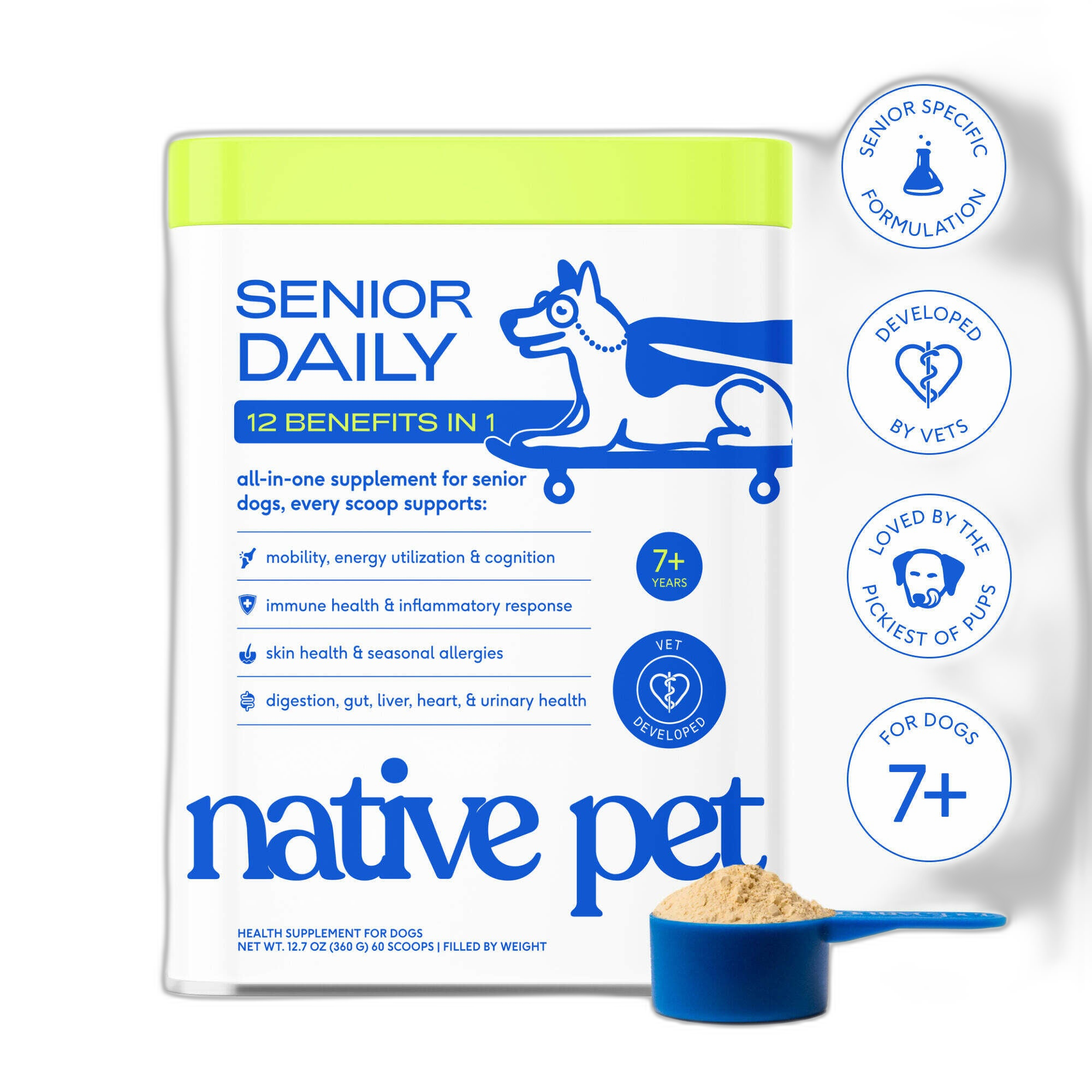
Native Pet Senior Daily Powder 12-in-1 Supplement for Senior Dogs
Native Pet
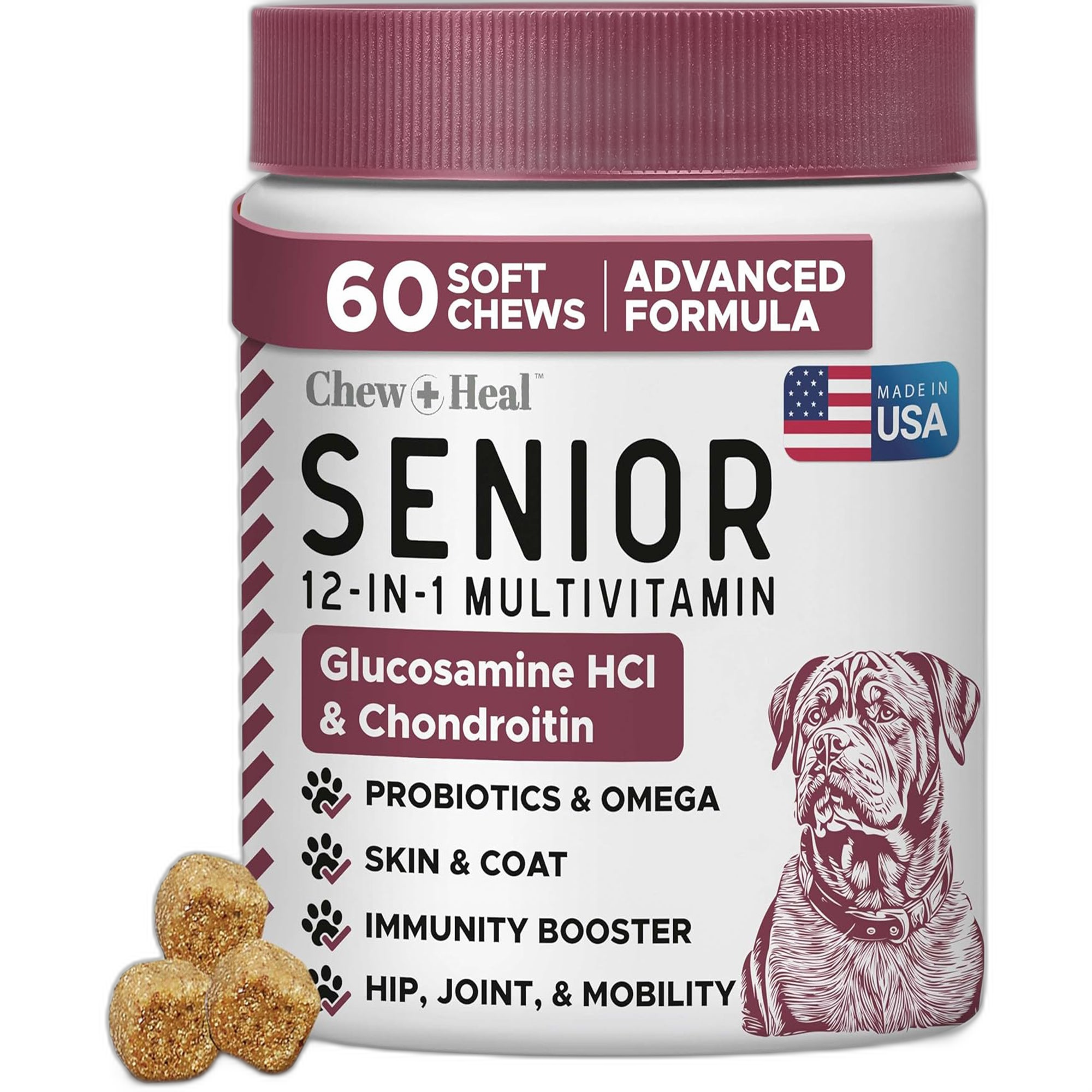
Chew + Heal Senior 12-In-1 Advanced Multivitamin Soft Chews Supplement for Senior Dogs
Chew + Heal
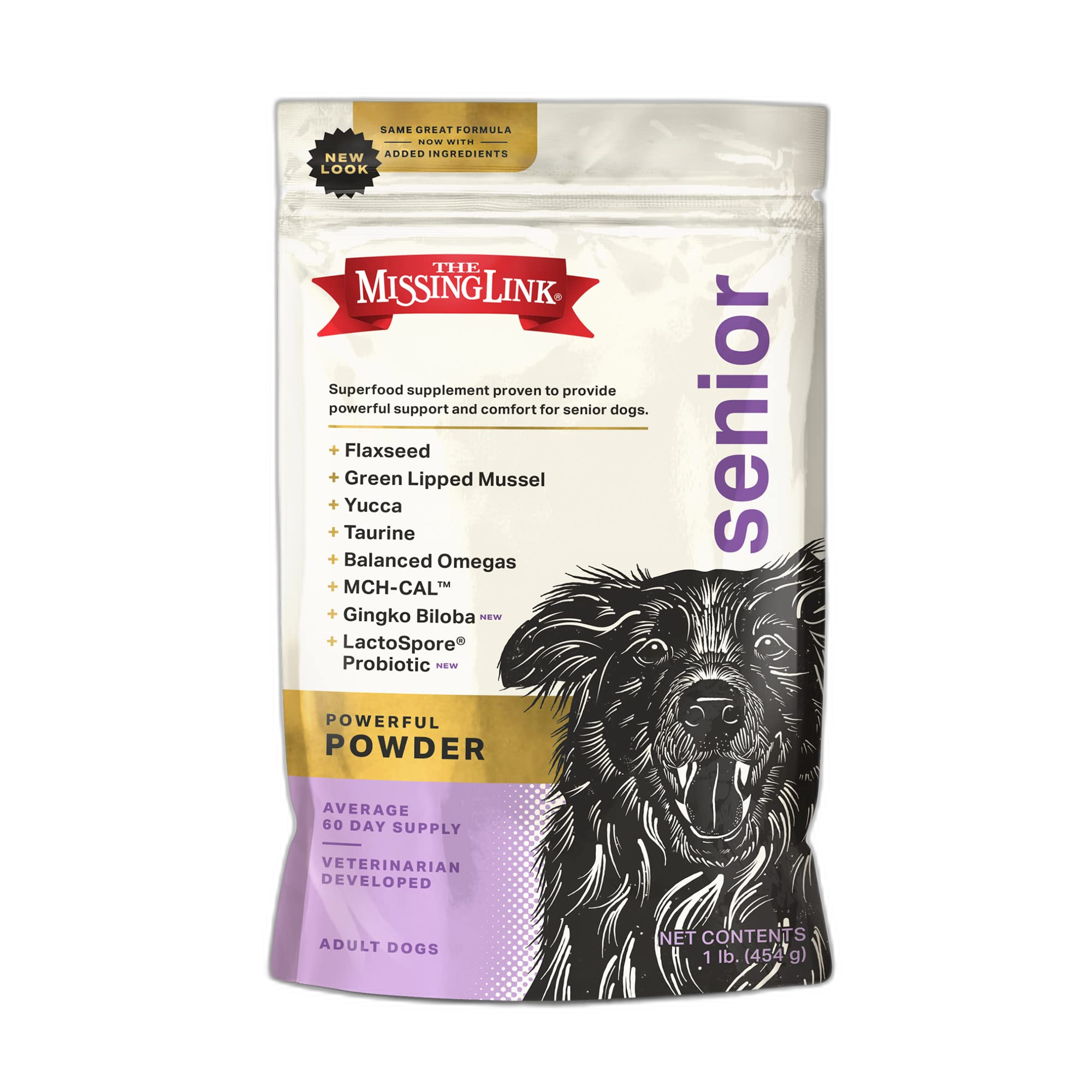
The Missing Link Ultimate Canine Senior Health Formula Dog Supplement
The Missing Link
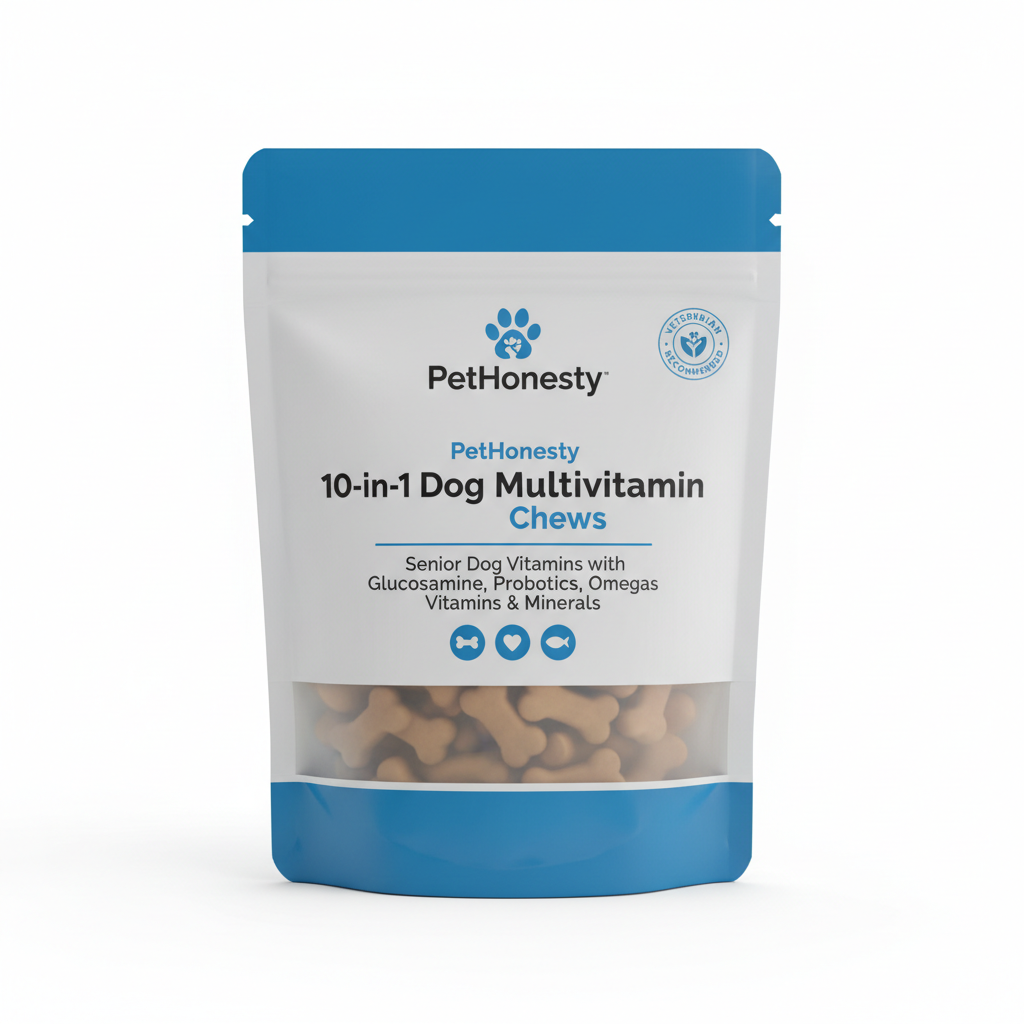
PetHonesty 10-in-1 Dog Multivitamin Chews - Senior Dog Vitamins with Glucosamine, Probiotics, Omegas, Vitamins & Minerals
PetHonesty
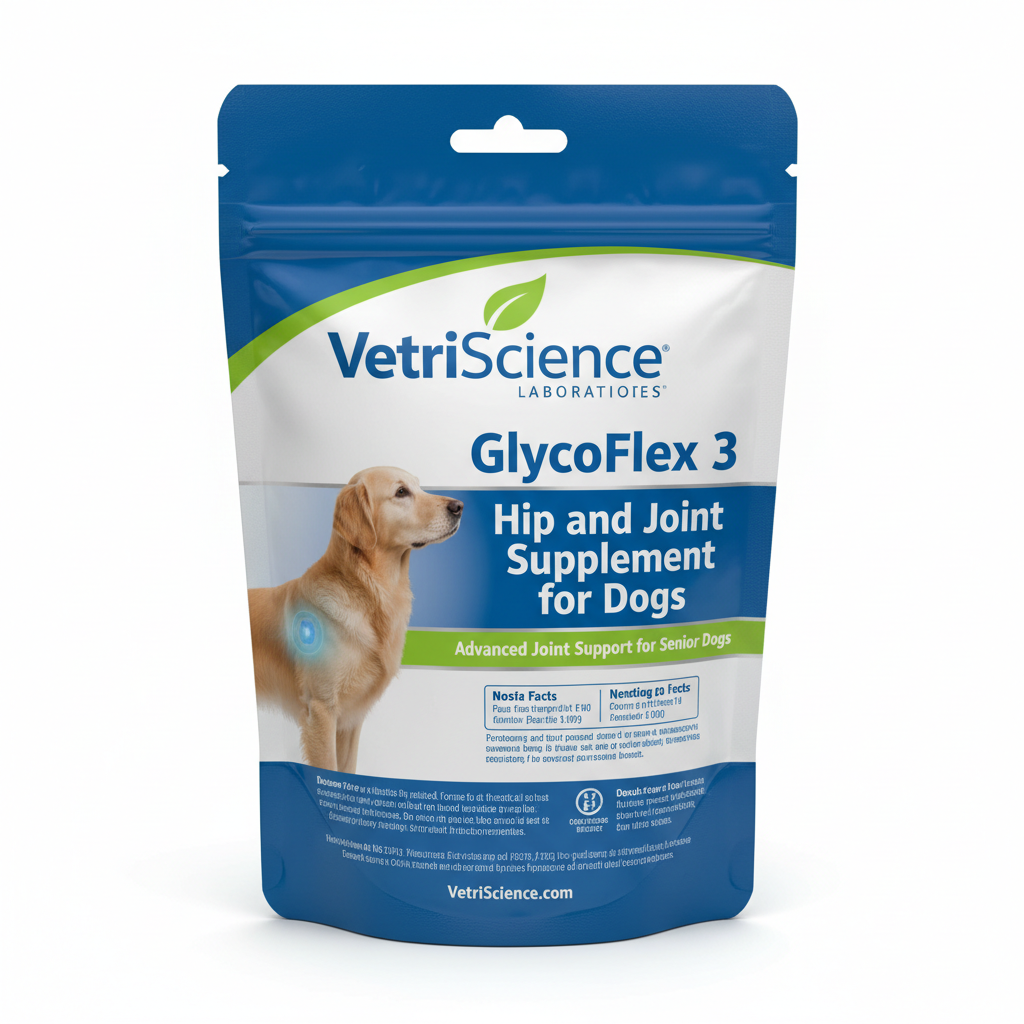
VetriScience Laboratories - GlycoFlex 3 Hip and Joint Supplement for Dogs - Advanced Joint Support for Senior Dogs
VetriScience
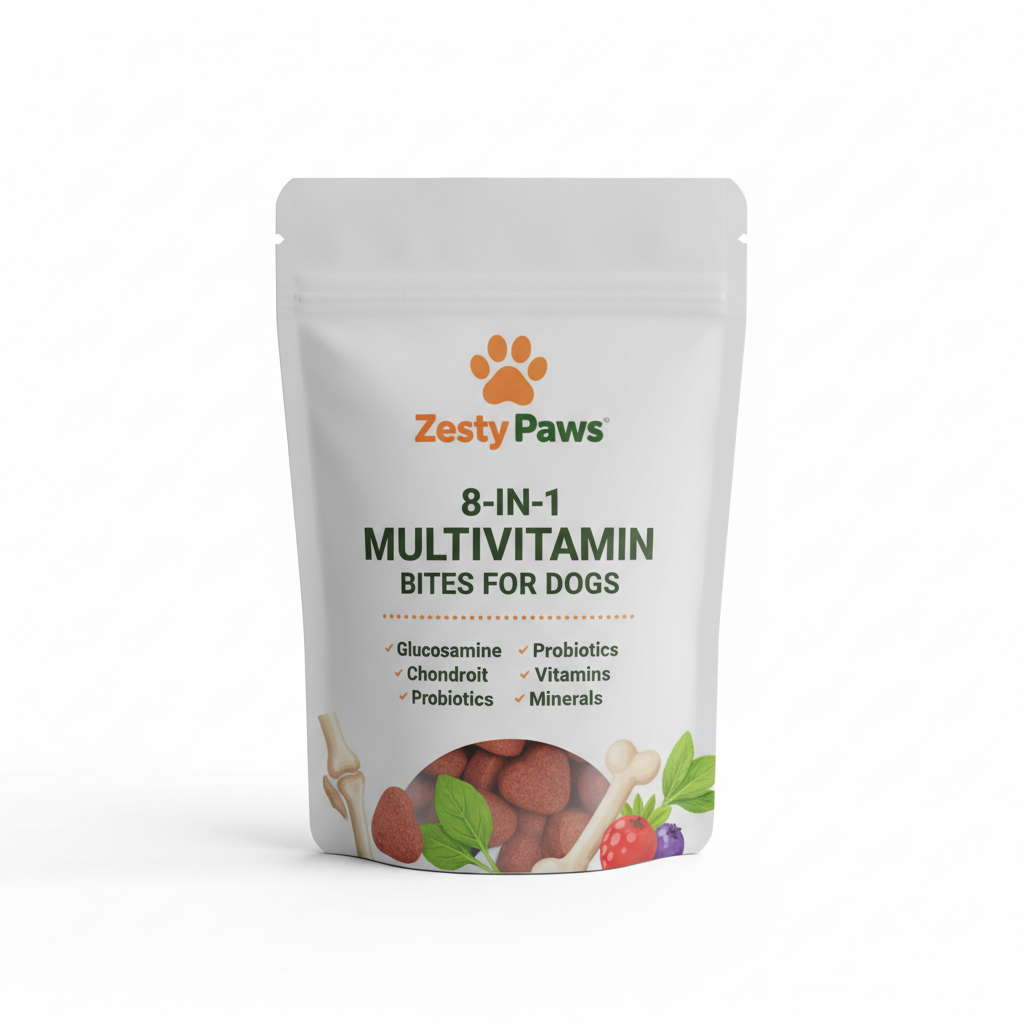
Zesty Paws 8-in-1 Multivitamin Bites for Dogs - Glucosamine, Chondroitin, Probiotics, Vitamins & Minerals
Zesty Paws
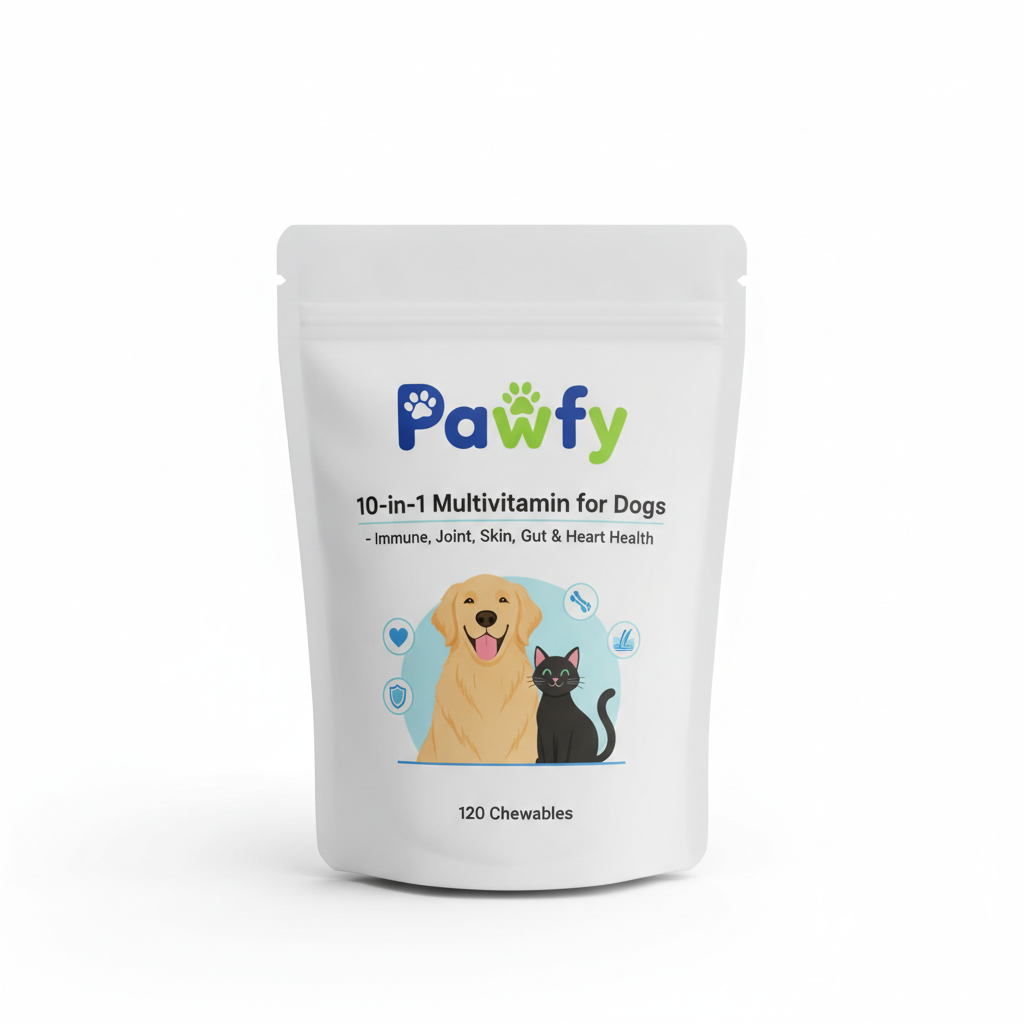
Pawfy 10-in-1 Multivitamin for Dogs - Immune, Joint, Skin, Gut & Heart Health
Pawfy
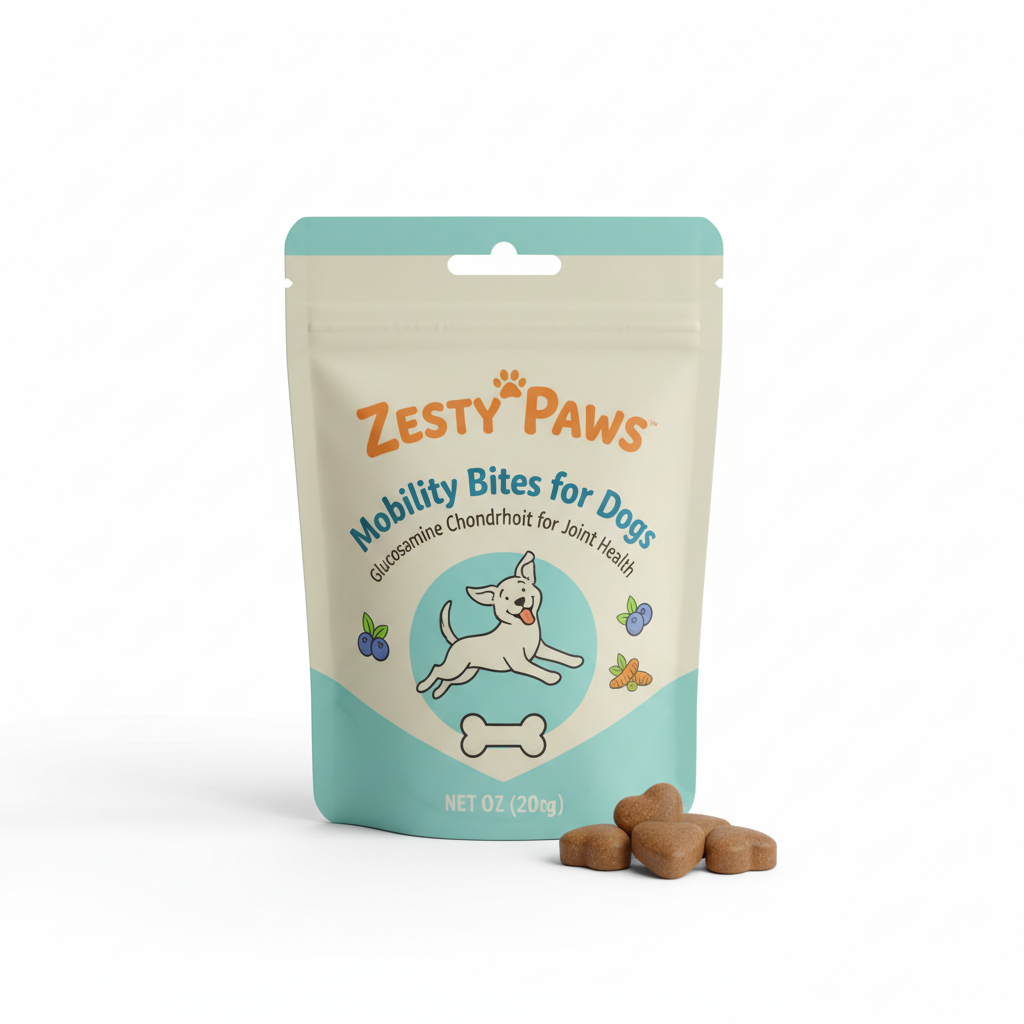
Zesty Paws Mobility Bites for Dogs - Glucosamine Chondroitin for Joint Health
Zesty Paws