L-Lysine
amino acid
L-lysine is an essential amino acid, meaning the body cannot produce it on its own and must obtain it through diet or supplementation. For dogs, and pets in general, L-lysine plays various roles in the body, primarily related to protein synthesis, calcium absorption, and immune function. While it's a common supplement for specific conditions in cats, its applications and understanding for dogs are sometimes less clear-cut. This article explains the current veterinary perspectives, research, appropriate dosing considerations, and what pet owners should look for when considering an L-lysine supplement for their canine companions.
Understanding L-Lysine and its Role in Dogs
L-lysine is one of the 20 amino acids that make up proteins. For dogs, it's crucial for the development and maintenance of healthy muscles, bones, and connective tissues. It also plays a role in the production of enzymes, hormones, and antibodies, all of which are vital for overall health and immune system function.
Unlike some amino acids that the body can synthesize from other compounds, L-lysine must be supplied through the diet. High-quality animal proteins, such as chicken, beef, fish, and eggs, are natural sources of L-lysine. Most commercial dog foods formulated to meet AAFCO (Association of American Feed Control Officials) standards contain adequate levels of essential amino acids, including L-lysine, to support a healthy adult dog. However, specific health conditions or dietary restrictions might lead veterinarians to recommend supplementary L-lysine.
The primary area where L-lysine supplementation has gained traction in veterinary medicine is in feline herpesvirus (FHV-1) management in cats. The theory is that L-lysine competes with arginine, another amino acid, for absorption. Arginine is necessary for the replication of the herpesvirus. By increasing L-lysine levels, the aim is to reduce the availability of arginine to the virus, thereby potentially lessening the severity or frequency of outbreaks. While this mechanism is well-studied in cats, its direct applicability and effectiveness for viral conditions in dogs are not as extensively documented or universally accepted within the veterinary community.
For dogs, the conversation around L-lysine often shifts to its general role as a protein building block and its potential, though less defined, immune-supportive properties. It's sometimes considered for dogs with compromised immune systems, recovering from illness, or those with specific nutritional deficiencies, though these applications are typically explored under veterinary guidance.
L-Lysine in Veterinary Practice: Beyond the Basics
While L-lysine is well-established as a tool in managing feline herpesvirus, its use in canine medicine is more nuanced and often less directly targeted at viral suppression. Veterinarians consider L-lysine for dogs in several contexts, though often as part of a broader nutritional or supportive care plan rather than a standalone treatment for a specific disease.
One area of interest is its role in general immune support. As L-lysine is integral to antibody production, some veterinarians might suggest it for dogs with chronic infections or those undergoing periods of stress that could impact their immune system. However, direct, robust clinical trials demonstrating L-lysine's efficacy as a primary immune booster for dogs are limited.
Another consideration is its contribution to muscle and tissue repair. For dogs recovering from injuries, surgery, or those with conditions leading to muscle wasting, ensuring adequate L-lysine intake is important. While a balanced, protein-rich diet is usually sufficient, supplementation might be considered in specific cases where dietary intake is compromised or needs to be significantly increased.
It's also important to differentiate between L-lysine as a dietary essential and as a therapeutic supplement. Most healthy dogs consuming a complete and balanced diet will receive sufficient L-lysine. The decision to supplement usually arises when there's a suspected deficiency, a specific health challenge, or a veterinarian is exploring its potential off-label benefits.
For example, a dog with a history of recurrent skin infections might be evaluated for underlying immune issues. While L-lysine alone isn't a cure, a veterinarian might include it as part of a multi-faceted approach to support overall immune function, alongside other immune modulators, antibiotics, or anti-fungals. In such cases, the L-lysine is seen as a supportive nutrient rather than a direct therapeutic agent.
Lysine for Dogs: Benefits, Dosage, & Safety
When considering L-lysine for dogs, understanding the potential benefits, appropriate dosing, and safety profile is crucial.
Potential Benefits
The primary benefits attributed to L-lysine for dogs are largely extrapolated from its fundamental biological roles and, in some cases, from research in other species.
- Protein Synthesis and Muscle Maintenance: As an essential amino acid, L-lysine is a building block for all proteins in the body. This makes it vital for muscle growth, repair, and maintenance, which is particularly relevant for active dogs, growing puppies, or those recovering from muscle-related injuries.
- Bone Health: L-lysine aids in calcium absorption and its proper utilization in the body, contributing to strong bones and teeth. This is important for puppies during development and for older dogs to maintain bone density.
- Immune System Support: L-lysine is involved in the production of antibodies and enzymes that are part of the immune response. While not a direct immune booster in the same way as some other compounds, its foundational role in protein synthesis means it supports the overall function of the immune system.
- Collagen Formation: L-lysine is a precursor to collagen, a major structural protein in connective tissues, skin, and cartilage. This can be beneficial for joint health and skin integrity.
It's important to reiterate that while L-lysine supports these functions, robust, dog-specific clinical trials demonstrating dramatic therapeutic effects of supplemental L-lysine for these conditions are generally limited. Most healthy dogs receive adequate L-lysine from their diet. Supplementation is typically considered when there's a specific dietary concern or a veterinarian believes there's a potential benefit for a particular health challenge.
Dosage Considerations
Determining the correct L-lysine dosage for dogs is not as standardized as for some medications, largely because its use as a therapeutic agent is less defined. Dosing recommendations often come from general nutritional guidelines or extrapolations from feline studies, adjusted for canine physiology.
A common recommendation, when L-lysine is suggested, is often in the range of 250 mg to 500 mg per day for an average-sized dog, often divided into two doses. Smaller dogs might receive less, while larger dogs might receive more, potentially up to 1000 mg daily, but these are general guidelines.
Always consult a veterinarian before starting any supplement, including L-lysine. They can assess your dog's specific needs, current health status, and diet to determine if supplementation is appropriate and, if so, the correct dosage. Over-supplementation of any nutrient can be detrimental.
Safety and Side Effects
L-lysine is generally considered safe for dogs when given at appropriate dosages. It is a naturally occurring amino acid, and the canine body is equipped to process it.
Potential side effects are rare but can include:
- Gastrointestinal Upset: Loose stools, diarrhea, or vomiting can occur, especially with higher doses or if introduced too quickly. Starting with a lower dose and gradually increasing it can help mitigate this.
- Allergic Reactions: While uncommon, any supplement can potentially trigger an allergic reaction in sensitive individuals.
- Interactions with other Amino Acids: As mentioned with arginine in cats, L-lysine can compete with other amino acids for absorption. While not typically a concern in healthy dogs on a balanced diet, it's a consideration in specific metabolic conditions.
There is no strong evidence to suggest severe toxicity with L-lysine in dogs at commonly recommended dosages. However, long-term effects of very high doses are not well-studied. It's crucial to adhere to veterinary recommendations and monitor your dog for any adverse changes. If you notice any unusual symptoms after starting L-lysine, discontinue use and contact your veterinarian.
L-lysine Hydrochloride in Dog Food
L-lysine hydrochloride (HCl) is the most common form of L-lysine found in supplements and as an additive in animal feed. The "hydrochloride" simply refers to the salt form of L-lysine, which makes it more stable and easier to incorporate into products.
In dog food, L-lysine HCl is sometimes added to ensure the product meets the minimum requirements for essential amino acids, especially if the primary protein sources are not naturally rich enough, or if the food is formulated for specific life stages (like growth or lactation) with higher protein demands. It's a common practice in the pet food industry to fortify foods with individual amino acids to balance the nutritional profile. This ensures that even if the protein sources vary, the essential amino acid requirements are consistently met.
For pet owners, seeing "L-lysine Hydrochloride" on an ingredient list generally indicates that the food is nutritionally complete and balanced. It doesn't necessarily mean the food is deficient in other areas; rather, it's a standard practice to guarantee specific nutrient levels.
When considering a separate L-lysine supplement, it's important to check the form. L-lysine HCl is typically what's used in these products for its stability and bioavailability.
Choosing an L-Lysine Supplement for Your Dog
If your veterinarian recommends an L-lysine supplement for your dog, navigating the various options can be overwhelming. Here's what to look for to ensure you're selecting a high-quality and appropriate product:
1. Veterinary Recommendation and Form
- Always start with your vet: Do not self-diagnose or self-prescribe. Your veterinarian will determine if L-lysine is appropriate and recommend a suitable form (powder, chew, tablet).
- Formulation: L-lysine supplements come in various forms:
- Powder: Often the most economical and versatile, as it can be mixed directly into food. Dosing can be precise.
- Chewable tablets/treats: These are often palatable and easy to administer, but the exact dosage per chew can vary, and some contain additional ingredients that may or may not be necessary.
- Capsules/Tablets: Can be given directly or opened and sprinkled on food, similar to powder.
2. Ingredient Quality and Purity
- Active Ingredient: Look for "L-lysine Hydrochloride" as the primary active ingredient.
- Minimal Fillers: Opt for products with minimal inactive ingredients, artificial colors, flavors, or preservatives. Some chews might contain a longer list of ingredients, so review them carefully.
- Third-Party Testing: Reputable brands often engage in third-party testing to verify the purity and potency of their products. Look for seals or statements indicating this.
- Sourcing: While not always disclosed, some brands provide information about their ingredient sourcing, which can be an indicator of quality.
3. Dosage and Concentration
- Clear Dosing Instructions: The product label should clearly state the amount of L-lysine per scoop, tablet, or chew. This makes it easier to administer the dose recommended by your veterinarian.
- Match Vet's Recommendation: Ensure the product's concentration allows you to easily meet your vet's prescribed dosage without over- or under-dosing.
4. Brand Reputation and Reviews
- Established Brands: Consider products from well-known and reputable pet supplement manufacturers.
- Veterinarian Trust: Ask your vet if they have specific brands they trust or recommend.
- Customer Reviews: While not a substitute for professional advice, reviews can offer insights into palatability and ease of administration.
Comparison Table: L-Lysine Supplement Forms
| Feature | Powder | Chewable Tablets/Treats | Capsules/Tablets |
|---|---|---|---|
| Pros | Precise dosing, economical, easy to mix | Palatable, easy to administer, dog thinks it's a treat | Can be precise, often fewer inactive ingredients |
| Cons | Some dogs may dislike taste/texture, can be messy | Dosing can be less precise, often more expensive, added ingredients | Some dogs resist pills, may need to be disguised |
| Typical Use | Long-term daily supplementation, picky eaters | Daily supplementation, dogs that take treats well | Precise dosing, can be opened for mixing |
| Cost (approx.) | Low to Moderate | Moderate to High | Moderate |
| Control | High (you measure) | Moderate (pre-measured, but can vary) | High (pre-measured) |
best L-lysine supplement is one that is effective, safe, and that your dog will readily take at the recommended dosage. Always prioritize your veterinarian's guidance.
FAQ
What does L-lysine do for dogs?
L-lysine is an essential amino acid for dogs, meaning they must get it from their diet. It plays crucial roles in protein synthesis, which is vital for building and repairing muscles, bones, and connective tissues. It also supports the immune system by aiding in the production of antibodies and enzymes, and it helps with calcium absorption. While most healthy dogs get enough L-lysine from a balanced diet, supplementation might be considered by a veterinarian for specific health concerns, such as immune support or recovery from injury.
What is a silent killer for dogs?
The term "silent killer" for dogs typically refers to diseases that progress without obvious symptoms until they reach an advanced stage, making early detection difficult. Common examples include:
- Kidney Disease: Often doesn't show clear signs until 75% of kidney function is lost.
- Heart Disease: Can progress slowly with subtle symptoms like reduced energy or coughing.
- Certain Cancers: Some cancers grow internally without external signs for a long time.
- Dental Disease: Chronic infections can silently impact organ health.
These conditions highlight the importance of regular veterinary check-ups, even for seemingly healthy pets.
What is the downside of L-lysine?
While L-lysine is generally considered safe for dogs, potential downsides are typically mild and rare. These can include gastrointestinal upset such as loose stools, diarrhea, or vomiting, especially if large doses are given or if introduced too quickly. Allergic reactions are possible but uncommon. The main "downside" for most healthy dogs is that supplementation might be unnecessary if they are already on a balanced diet, as their bodies are likely already receiving adequate amounts. Always consult a veterinarian to determine if L-lysine supplementation is appropriate for your dog to avoid unnecessary costs or potential, albeit rare, side effects.
Conclusion
L-lysine is an essential amino acid with fundamental roles in canine health, including protein synthesis, immune function, and calcium absorption. For most dogs on a complete and balanced diet, dietary L-lysine intake is sufficient. However, under veterinary guidance, L-lysine supplementation may be considered for specific supportive roles, such as general immune support, aid in recovery from injury, or for dogs with particular nutritional needs. While its efficacy in dogs is not as extensively documented as in cats for viral conditions, its broad safety profile and foundational biological importance make it a supplement that veterinarians may explore as part of a comprehensive care plan. When considering an L-lysine supplement, prioritize products recommended by your veterinarian, focusing on quality, purity, and clear dosing instructions to ensure the best outcome for your canine companion.
Products Containing L-Lysine
Top-rated supplements featuring this ingredient, ranked by our PSI+ score.
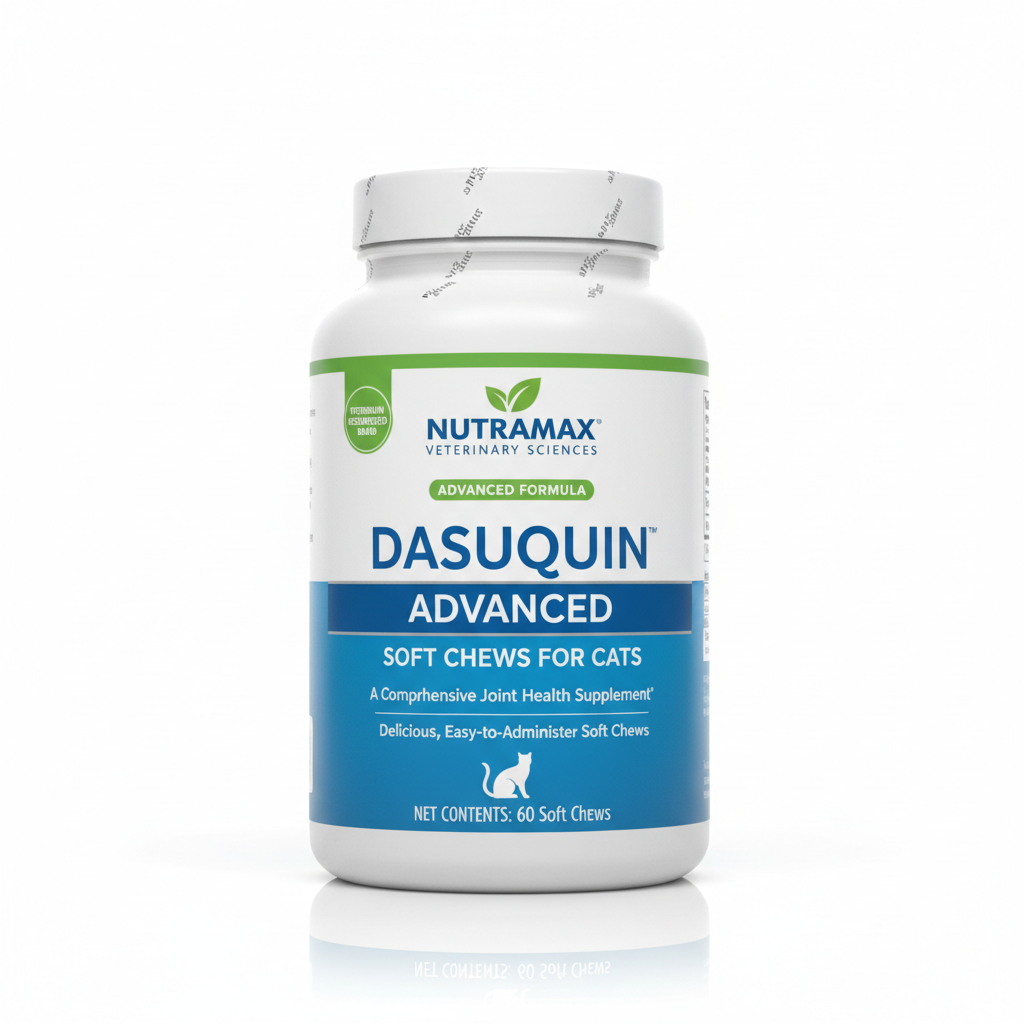
Daily Multivitamin for Cats
Nutramax Laboratories Veterinary Sciences
Made by Nacho Immune Support Chicken Topper
Made by Nacho
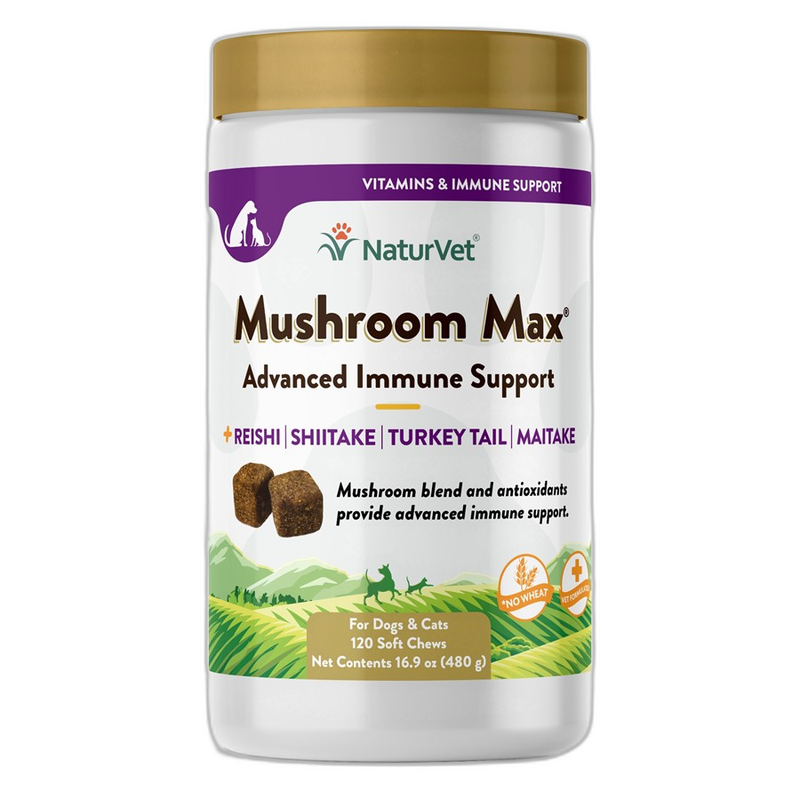
Pet Naturals L-Lysine Chews for Cats
Pet Naturals
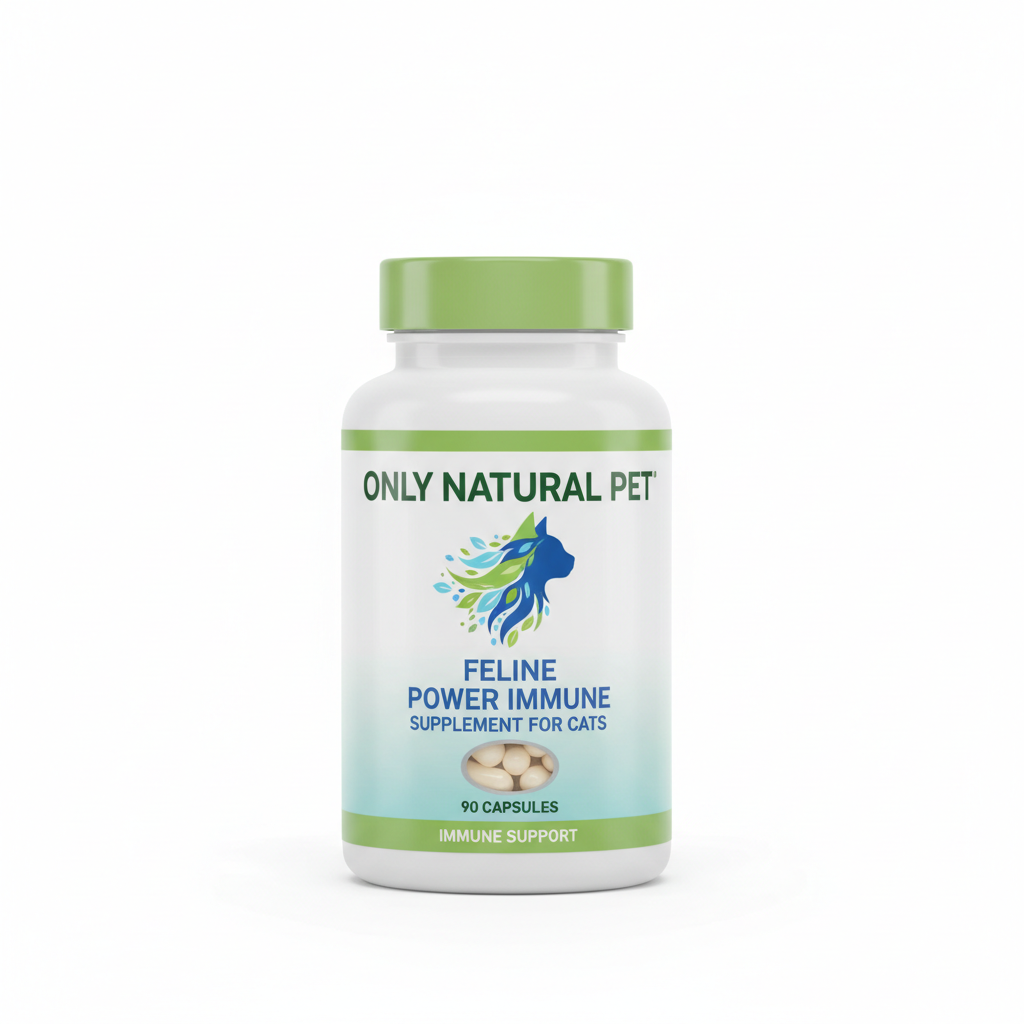
Only Natural Pet Feline Power Immune Supplement for Cats, 90 Capsules
Only Natural Pet
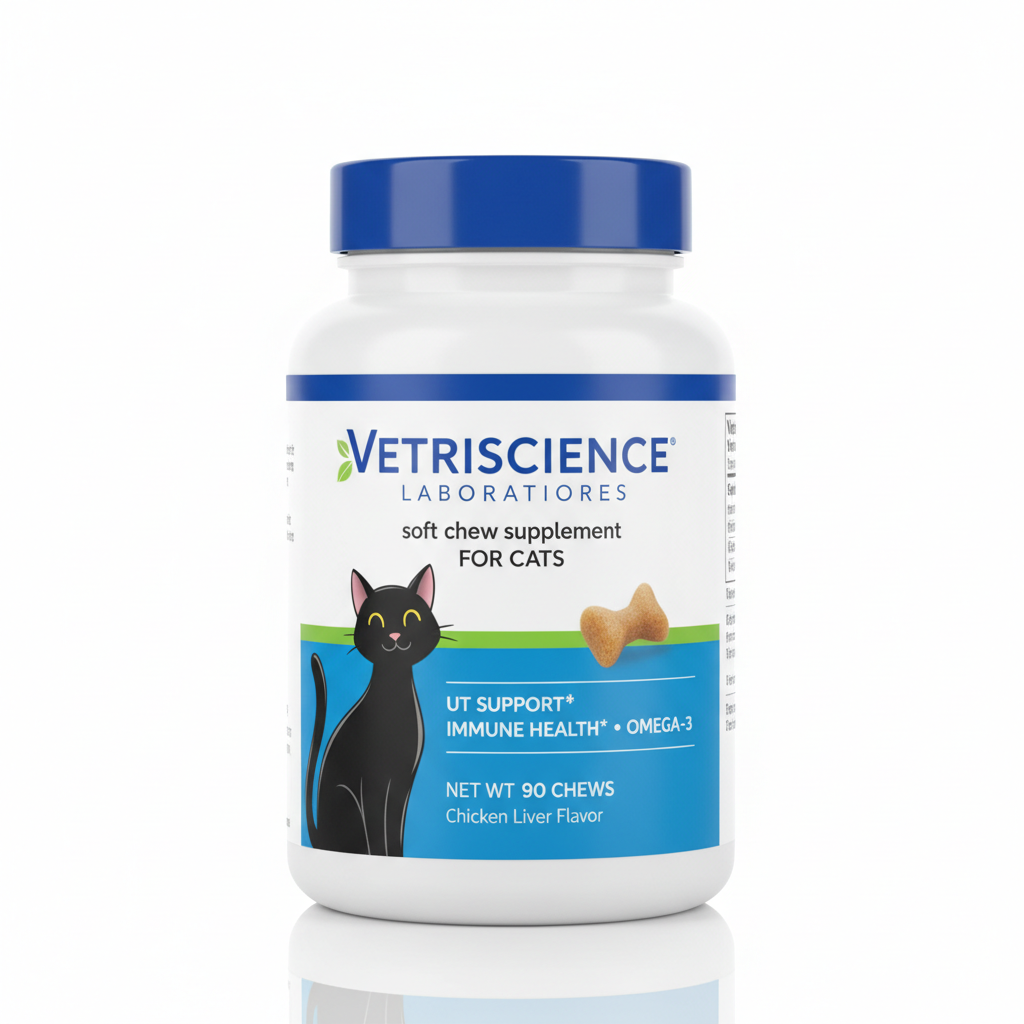
VetriScience Laboratories Vetri Lysine Plus Immune Support Chews for Cats
VetriScience Laboratories
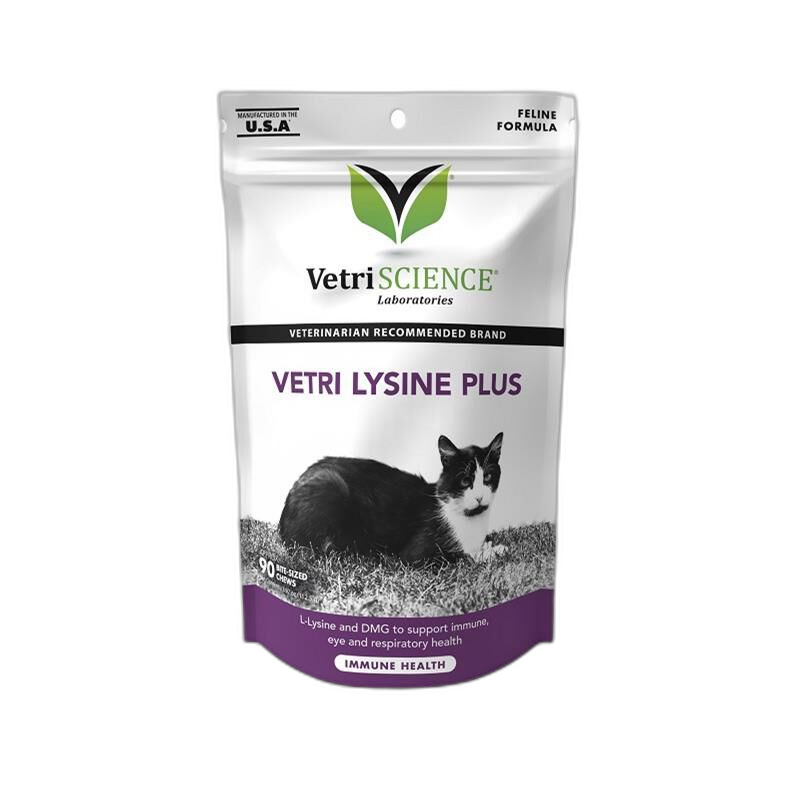
VetriScience Vetri Lysine Plus for Cats
VetriScience
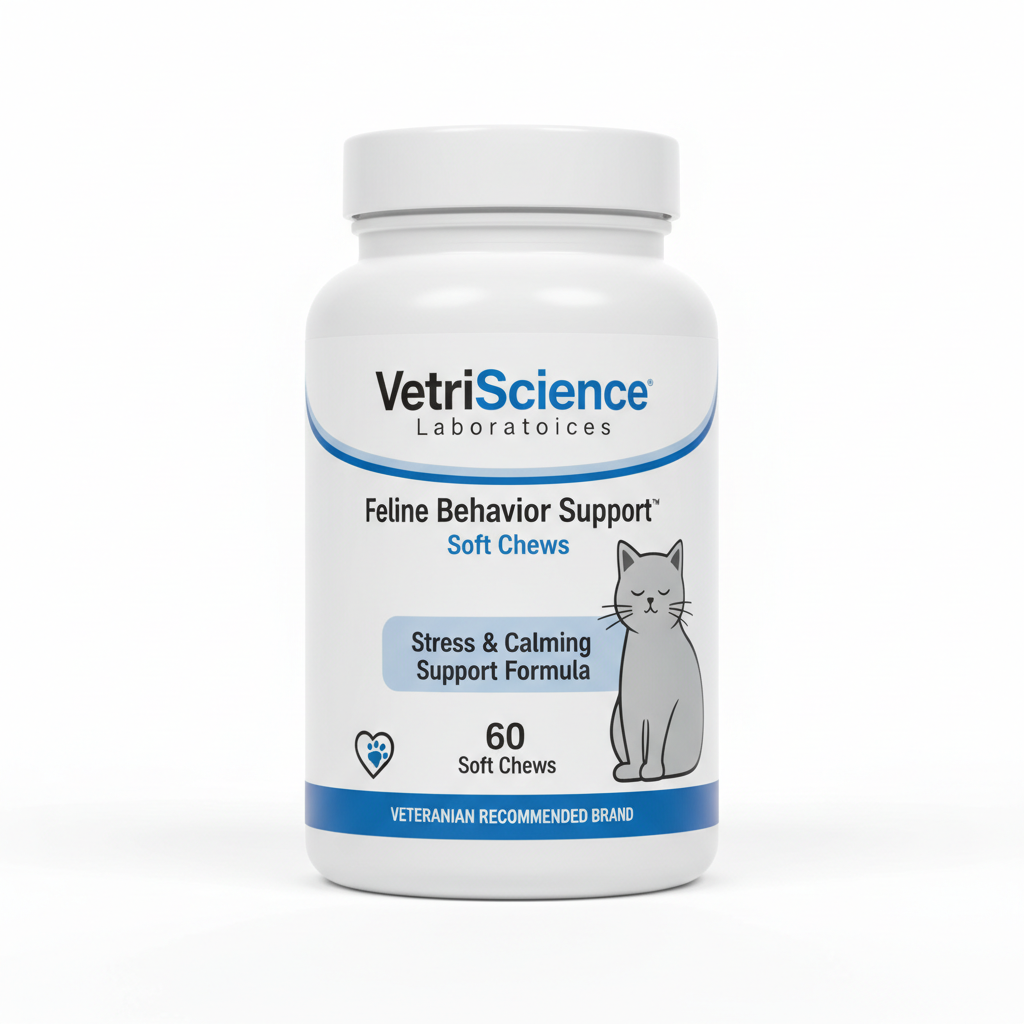
Immune System Support Chews for Cats
VetriScience Laboratories