Magnolia Officinalis Extract
calming
Magnolia officinalis extract, sourced from the bark of the Houpo magnolia tree, is increasingly found in pet supplements, often marketed for its calming effects. As pet owners look for ways to support their animals' well-being, they may encounter this ingredient in different products. This guide will explore the current understanding of Magnolia officinalis extract for dogs and cats, including its potential uses, safety aspects, and limitations, drawing on available evidence.
Magnolia officinalis (part of RELORA®) for Dogs and Cats
Magnolia officinalis extract is often discussed in conjunction with "RELORA®," a proprietary blend that combines extracts of Magnolia officinalis bark and Phellodendron amurense bark. While Magnolia officinalis is the focus here, understanding its common pairing helps contextualize its use in supplements. The primary bioactive compounds in Magnolia officinalis are magnolol and honokiol. These compounds are believed to interact with various neurological pathways, including those related to gamma-aminobutyric acid (GABA) receptors, which play a role in regulating anxiety and promoting relaxation.
For dogs and cats, the theoretical application of Magnolia officinalis extract centers on its potential anxiolytic (anxiety-reducing) and stress-modulating effects. This could translate to support for pets exhibiting signs of mild stress or anxiety in specific situations, such as during thunderstorms, fireworks, car travel, or veterinary visits. Some research, primarily in human and laboratory animal models, suggests these compounds may influence cortisol levels, a hormone associated with stress.
However, it's crucial to distinguish between research on the isolated compounds or human applications and direct, species-specific studies in dogs and cats. While the general mechanisms might be similar across mammals, metabolic differences, sensitivities, and optimal dosages can vary significantly. For instance, a dog's liver processes substances differently than a human's, potentially affecting how magnolol and honokiol are absorbed, metabolized, and eliminated.
Practical Implications: If considering a supplement containing Magnolia officinalis or RELORA® for a pet, owners should look for products that specify the concentration of magnolol and honokiol, if possible. The presence of other ingredients in a blend might also influence overall effectiveness and safety. Edge cases include pets with pre-existing liver conditions, as the liver is involved in metabolizing these compounds. Always consult a veterinarian before introducing any new supplement, especially for pets on other medications or with underlying health issues.
Dog Calming Aids | Canine Cognitive Health Supplements
Magnolia officinalis extract can be found in a category of pet products broadly labeled as "calming aids" or "canine cognitive health supplements." These products aim to support neurological function and emotional balance. While some calming aids focus solely on acute stress, others, particularly those advertised for cognitive health, might target long-term brain function and age-related cognitive decline.
The rationale for including Magnolia officinalis in calming aids stems from its perceived ability to reduce anxiety and promote relaxation without heavy sedation. This contrasts with some prescription anxiolytics which might have more pronounced sedative effects. For cognitive health, the antioxidant properties of magnolol and honokiol are sometimes highlighted, as oxidative stress is implicated in neurodegenerative processes.
However, the efficacy of Magnolia officinalis specifically for canine cognitive decline is less established than for acute stress. Cognitive health in aging dogs often involves a complex interplay of factors, and while antioxidants can be beneficial, they are typically part of a multi-modal approach that includes diet, environmental enrichment, and other targeted supplements or medications.
Trade-offs: The primary trade-off with Magnolia officinalis as a calming aid is that its effects tend to be milder compared to pharmaceutical interventions. For severe anxiety, aggression, or phobias, a veterinarian might recommend prescription medications or behavioral therapy, which may offer more robust or immediate relief. For cognitive support, relying solely on Magnolia officinalis might not address the full spectrum of needs for an aging pet.
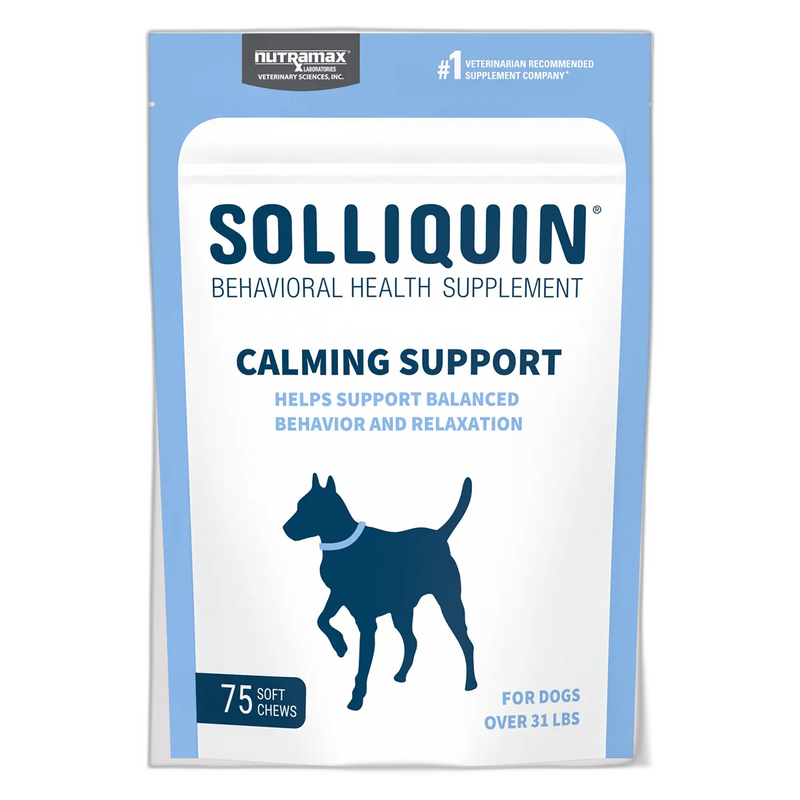
Calming Support Chewable Supplement 6-Pack Bundle for Dogs
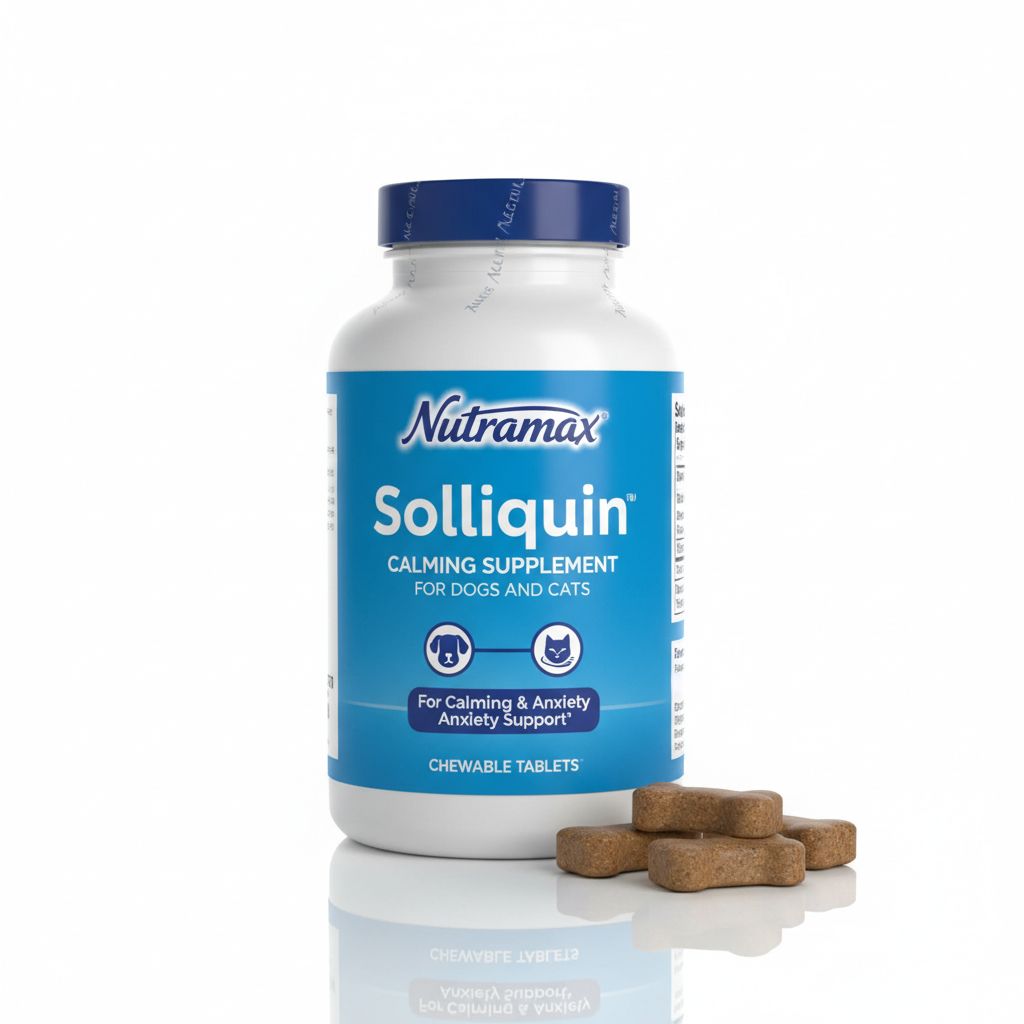
Many Magnolia officinalis supplements for pets come in palatable forms like chewable tablets or treats, often bundled for convenience. This format is designed to make administration easier for pet owners and more acceptable for pets. The appeal of such bundles often lies in the promise of a natural, non-pharmaceutical approach to managing stress or anxiety.
When evaluating these bundles, it's important to look beyond the marketing. The "6-pack bundle" aspect is a commercial consideration, not necessarily an indicator of efficacy or safety. The key factors remain the specific ingredients, their concentrations, the manufacturer's reputation, and any available scientific backing for the specific formulation in pets.
Often, Magnolia officinalis is combined with other calming ingredients in these chewables, such as L-theanine, tryptophan, valerian root, or chamomile. While are sometimes claimed, the effectiveness of such combinations can be difficult to ascertain without dedicated research. An individual pet's response to these blends can also vary widely.
Concrete Example: Imagine a bundle of calming chews containing Magnolia officinalis extract, L-theanine, and a probiotic. The Magnolia officinalis is theoretically for general calming, L-theanine for focus and relaxation, and the probiotic for gut-brain axis support. A pet owner might administer these chews before a car trip. If the dog exhibits reduced panting and pacing, the owner might attribute it to the chews. However, isolating which ingredient, or combination of ingredients, was most effective, or if it was simply a placebo effect or a mild reduction in perceived stress, is challenging. It underscores the importance of observing your pet's individual response and discussing it with your vet.
Relax! 3 Behavior Supplements for Pets
The landscape of pet behavior supplements is broad, and Magnolia officinalis extract is one of many ingredients marketed for its calming properties. When a product advertises "3 behavior supplements," it often refers to a combination of ingredients or a multi-pronged approach to address anxiety, stress, or other behavioral issues.
This approach acknowledges that pet behavior problems are complex and rarely have a single cause or a single solution. Supplements containing Magnolia officinalis are typically positioned as complementary tools, not standalone cures. They might be used alongside behavioral modification training, environmental enrichment, or in some cases, in conjunction with veterinary-prescribed medications.
Comparison Table: Common Calming Ingredients vs. Magnolia officinalis
To help contextualize Magnolia officinalis, here's a brief comparison with other frequently used calming ingredients in pet supplements:
| Ingredient | Primary Proposed Mechanism | Typical Use Cases | Potential Benefits | Considerations |
|---|---|---|---|---|
| Magnolia officinalis Extract (Magnolol/Honokiol) | GABAergic system modulation, stress hormone regulation. | Mild anxiety, situational stress (e.g., noise phobias, travel), general calming. | Non-sedating calming, potential antioxidant effects. | Limited direct pet-specific research, potential for interactions with sedatives. |
| L-Theanine | Increases alpha brain waves, modulates neurotransmitters (GABA, dopamine, serotonin). | Mild anxiety, focus, relaxation without drowsiness, storm phobia. | Generally well-tolerated, promotes relaxed alertness. | May not be sufficient for severe anxiety, dosage can vary widely. |
| Tryptophan (Precursor to Serotonin) | Increases serotonin production, a neurotransmitter associated with mood and well-being. | Mild anxiety, stress-related behaviors (e.g., urine marking, aggression), sleep support. | Natural pathway for mood regulation. | Can take time to show effects, potential interactions with other serotonin-modulating drugs. |
| Valerian Root | Interacts with GABA receptors. | Acute stress, mild anxiety, sleep aid. | Can be effective for short-term calming. | Strong odor, some pets dislike it; can cause drowsiness or gastrointestinal upset in some animals. |
| Chamomile | Contains compounds (e.g., apigenin) with mild sedative and anxiolytic properties. | Mild anxiety, digestive upset, relaxation. | Gentle, often used in conjunction with other ingredients. | Allergic reactions possible, especially in individuals sensitive to ragweed. |
| Alpha-Casozepine (Hydrolyzed milk protein) | Binds to GABA-A receptors, similar to benzodiazepines but milder. | General anxiety, stress, fear, separation anxiety. | Specific to milk protein, generally well-tolerated, non-sedating. | May not be effective for all forms of anxiety, can be more costly. |
This table illustrates that Magnolia officinalis is one option among several, each with its own proposed mechanisms and applications. The choice often depends on the specific behavioral issue, the pet's individual response, and veterinary guidance.
Biological activity and toxicity of the Chinese herb Magnolia... For Dogs
The use of Magnolia officinalis extract in pet supplements draws from its long history in Traditional Chinese Medicine (TCM). In TCM, Magnolia bark (Houpo) has been used for gastrointestinal issues, anxiety, and inflammation. Modern scientific investigation has focused on identifying the specific compounds responsible for these traditional uses, primarily magnolol and honokiol.
Research into the biological activity of these compounds, often conducted in in vitro (test tube) or laboratory animal studies, suggests various effects:
- Anxiolytic: Interaction with GABA receptors.
- Anti-inflammatory: Inhibition of pro-inflammatory mediators.
- Antioxidant: Scavenging free radicals.
- Neuroprotective: Potential to protect nerve cells from damage.
- Anticancer: Some studies explore its effects on cancer cell lines, though this is a very different application.
Regarding toxicity, studies in laboratory animals (e.g., rats, mice) generally indicate that magnolol and honokiol have a relatively low acute toxicity profile. However, "low acute toxicity" does not equate to "zero risk" in all circumstances, especially for chronic use or in sensitive individuals.
Considerations for Pets: The leap from laboratory animal studies (which may use very high doses or different administration routes) to safe and effective use in companion animals like dogs and cats requires careful interpretation.
- Dose-dependent effects: What is therapeutic at one dose might be ineffective or toxic at another.
- Species-specific metabolism: Dogs and cats metabolize compounds differently than rodents or humans, which can alter their sensitivity to a substance.
- Purity and standardization: The quality of the extract can vary. Reputable manufacturers will standardize their extracts to contain a specific percentage of magnolol and honokiol.
Drug interactions: Magnolia officinalis* components might interact with other medications, particularly sedatives, anxiolytics, or drugs metabolized by the liver.
Specific Toxicity Concerns: While generally considered safe at appropriate doses, potential side effects observed in human or lab animal studies include mild gastrointestinal upset (e.g., diarrhea, stomach discomfort). For pets, signs of overdose or adverse reactions could include lethargy, vomiting, diarrhea, or unusual behavioral changes. It is paramount that pet owners adhere strictly to recommended dosages and consult their veterinarian immediately if adverse effects are observed.
Dog Behavior Problem Treatment | Fort Street Vet In Omaha
When addressing dog behavior problems, veterinarians typically take a comprehensive approach. This often involves a thorough physical examination to rule out underlying medical conditions (as pain or illness can manifest as behavioral changes), followed by a discussion of the dog's history, environment, and specific behaviors.
For issues like anxiety, fear, or stress, treatment plans might include:
Magnolia officinalis extract, as a supplement, fits into this framework as a potential adjunctive therapy, particularly under the "Nutritional Support" category. It's often considered for pets with mild to moderate anxiety or situational stress where a veterinarian believes a natural, non-sedating option might be beneficial.
Scenario: A client at "Fort Street Vet In Omaha" might bring in a dog that becomes anxious during car rides. After ruling out motion sickness or other medical issues, the vet might suggest a multi-pronged approach:
- Training: Gradual desensitization to the car, starting with short, positive experiences.
- Environmental: Using a comfortable crate in the car, or a seatbelt harness.
Supplement: A veterinarian might suggest trying a calming supplement containing Magnolia officinalis* extract, perhaps in combination with L-theanine, to help the dog feel more relaxed during the process.
- Re-evaluation: The vet would schedule a follow-up to assess the dog's response and adjust the plan as needed. If the anxiety is severe, or the supplement is ineffective, prescription medication might be considered.
This example highlights that Magnolia officinalis is rarely a sole solution but rather one tool in a broader strategy for managing pet behavior. The effectiveness of any supplement is highly individual, and professional guidance is essential for proper diagnosis and treatment planning.
FAQ
Is magnolia bark extract safe for dogs?
Generally, magnolia bark extract (containing magnolol and honokiol) is considered safe for dogs when administered at appropriate doses under veterinary guidance. Studies in laboratory animals suggest a low acute toxicity. However, species-specific data for dogs and cats is still limited. Potential side effects are usually mild and gastrointestinal, such as diarrhea or stomach upset. Overdosing or interactions with other medications are potential concerns. Always consult your veterinarian before giving your dog any supplement containing magnolia bark extract.
What is the strongest natural anti-inflammatory for dogs?
Identifying a single "strongest" natural anti-inflammatory for dogs is difficult as efficacy can vary depending on the specific inflammatory condition, the dog's individual response, and the quality of the supplement. Ingredients often cited for their anti-inflammatory properties include:
- Omega-3 Fatty Acids (EPA and DHA): Found in fish oil, these are well-researched for reducing inflammation, particularly in joints and skin.
- Curcumin (from Turmeric): Has potent anti-inflammatory and antioxidant effects, though bioavailability can be an issue without specific formulations.
- Boswellia Serrata: An herb with anti-inflammatory compounds often used for joint support.
- Green-Lipped Mussel: Contains a unique combination of omega-3s, glycosaminoglycans, and antioxidants.
- Magnolia Officinalis Extract: Magnolol and honokiol do possess anti-inflammatory properties, but its primary use in pet supplements is often for calming, with anti-inflammatory effects considered secondary.
The "strongest" option for your dog depends on the specific inflammatory issue. A veterinarian can help determine the most appropriate natural or pharmaceutical approach.
What are the side effects of Magnolia officinalis?
Side effects of Magnolia officinalis extract are generally mild and uncommon, especially at recommended doses. The most frequently reported side effects, primarily from human studies or high-dose animal studies, include:
- Gastrointestinal upset: Diarrhea, stomach discomfort, nausea.
- Drowsiness or sedation: While generally considered non-sedating at typical doses, higher doses could potentially cause mild drowsiness.
- Allergic reactions: Though rare, any natural product can potentially trigger an allergic response in susceptible individuals.
It is important to monitor your pet closely after starting any new supplement. If you notice any adverse changes in behavior, appetite, or physical condition, discontinue use and contact your veterinarian immediately. Magnolia officinalis may also interact with other medications, particularly sedatives or anxiolytics, so vet consultation is crucial.
Conclusion
Magnolia officinalis extract, with its active compounds magnolol and honokiol, presents a promising natural option for supporting stress and anxiety relief in dogs and cats. While its use is grounded in traditional medicine and supported by some laboratory research on its anxiolytic and anti-inflammatory properties, direct, extensive research specifically in companion animals is still developing.
For pet owners considering Magnolia officinalis extract, it is important to approach it as a potential complementary aid, not a standalone solution for complex behavioral issues. Its effectiveness can vary between individual animals, and it is most relevant for those seeking a non-sedating option for mild to moderate situational stress or general calming. Always prioritize consultation with a veterinarian to ensure proper diagnosis, rule out underlying medical conditions, determine appropriate dosage, and monitor for any potential interactions or adverse effects.
Products Containing Magnolia Officinalis Extract
Top-rated supplements featuring this ingredient, ranked by our PSI+ score.