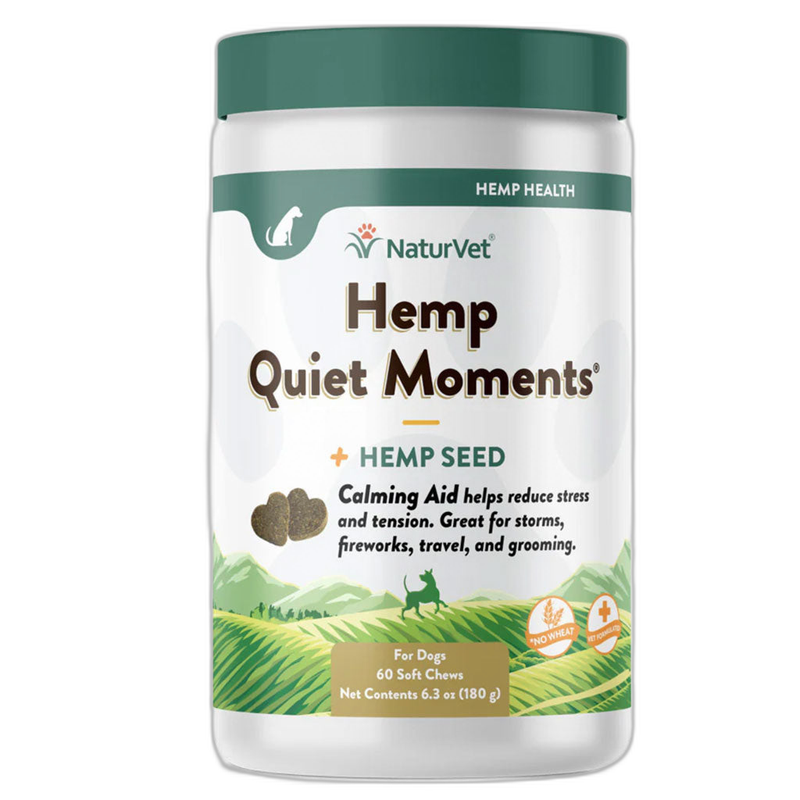
Thiamine (B1)
calming
Thiamine, also known as Vitamin B1, is an essential nutrient for dogs and cats, playing a critical role in their metabolic processes. While often included in general pet supplements, understanding when and why a dedicated thiamine (B1) supplement might be beneficial, or even necessary, requires a look at its function, deficiency symptoms, and appropriate use. This guide will clarify the role of thiamine in pet health, discuss its implications for conditions like anxiety, and provide practical insights for pet owners.
The Role of Thiamine (B1) in Canine and Feline Health
Thiamine is a water-soluble vitamin vital for converting carbohydrates into energy. This energy conversion is fundamental for the proper functioning of the brain, nerves, and muscles. Without sufficient thiamine, these critical systems cannot operate effectively, leading to a cascade of health issues.
For dogs and cats, thiamine acts as a coenzyme in several metabolic pathways, particularly those involving glucose metabolism. This means it helps enzymes do their job in breaking down glucose (sugar) to produce adenosine triphosphate (ATP), the primary energy currency of cells. Beyond energy production, thiamine also plays a role in nerve impulse transmission and the synthesis of neurotransmitters, which are chemical messengers in the brain.
Consider a scenario where a dog is highly active, burning a lot of calories. Their body relies heavily on efficient energy conversion. If their thiamine levels are low, even with adequate food intake, their cells struggle to extract the necessary energy, potentially leading to lethargy and poor performance. Similarly, a cat experiencing gastrointestinal issues might not absorb nutrients efficiently, including thiamine, making them vulnerable to deficiency.
It's important to recognize that while thiamine is essential, the body cannot produce it on its own, nor can it store large amounts due to its water-soluble nature. This means a continuous dietary supply is necessary. Most commercial pet foods are fortified with thiamine to meet basic requirements, but certain circumstances can increase the need or impair absorption, making a thiamine (B1) supplement a consideration.
Vitamin B1 for Dogs: Beyond Basic Nutrition
While foundational for energy metabolism, the conversation around vitamin B1 for dogs often extends to its potential role in managing stress and anxiety. The connection lies in its influence on the nervous system. As mentioned, thiamine contributes to nerve function and neurotransmitter synthesis. When the nervous system is under stress, its demands for energy and efficient communication increase.
Some pet owners and veterinarians explore thiamine supplementation as a component of a broader strategy for calming anxious dogs or providing stress support. The rationale is that by ensuring optimal nervous system function, thiamine might help the body cope better with stressors. For instance, a dog prone to car sickness or separation anxiety might exhibit improved demeanor if their nervous system is functioning optimally, supported by adequate thiamine levels.
However, it's important to understand that thiamine isn't a sedative or an anti-anxiety medication in the usual sense. Its impact is more indirect, supporting the physiological processes essential for a healthy nervous system. If a dog's anxiety is due to a thiamine deficiency, then supplementation could make a significant difference. If the anxiety has other causes, thiamine might offer supportive benefits, but it won't be a complete solution on its own.
A practical implication is that for dogs exhibiting signs of anxiety, especially those with other vague symptoms like unexplained lethargy or appetite changes, a veterinarian might consider thiamine levels as part of a diagnostic workup. For healthy dogs exhibiting behavioral anxiety, thiamine might be included in a multi-modal calming supplement alongside ingredients like L-theanine or tryptophan, aiming for a . The trade-off here is that while generally safe, adding supplements without veterinary guidance can mask underlying issues.
The Role of Thiamine and Effects of Deficiency in Dogs and Cats
Thiamine deficiency, though less common with modern commercial pet diets, can have significant and severe consequences for both dogs and cats. Understanding its effects helps explain why supplementation is critical in specific situations.
The most prominent effects of thiamine deficiency center on neurological and cardiovascular systems. Since the brain and nervous system rely heavily on glucose for energy, a lack of thiamine impairs their ability to utilize this energy, leading to neurological dysfunction.
Common signs of thiamine deficiency in pets include:
- Anorexia and weight loss: Early signs often involve a reduced appetite.
- Vomiting: Gastrointestinal upset can be an initial symptom.
- Lethargy and weakness: General lack of energy and muscle weakness.
- Neurological signs: These are often the most striking and severe.
- Ataxia: Incoordination or unsteady gait.
- Paresis/Paralysis: Partial or complete loss of movement, particularly in the hind limbs.
- Vestibular signs: Head tilt, circling, nystagmus (involuntary eye movement).
- Seizures: In severe cases.
- Ventriflexion of the neck (cats): A classic sign in cats where the head is held low, often resting on the chest, due to muscle weakness.
- Pupil dilation: Can be observed in some cases.
- Cardiovascular issues: In very severe or chronic cases, heart problems can arise.
Causes of Thiamine Deficiency:
- Dietary insufficiency: While rare with complete commercial diets, homemade diets prepared without careful nutritional balance, or diets composed primarily of raw fish containing thiaminase (an enzyme that breaks down thiamine), can lead to deficiency. Certain plant-based ingredients can also contain thiaminase.
- Gastrointestinal malabsorption: Conditions affecting the gut lining (e.g., inflammatory bowel disease) can impair thiamine absorption.
- Increased demand: Conditions that increase metabolic rate or glucose utilization, such as severe illness, hyperthyroidism, or prolonged strenuous exercise, might increase thiamine requirements.
- Drug interactions: Some medications can interfere with thiamine metabolism or absorption.
- Heat processing of food: Over-processing or excessive heating of pet food during manufacturing can destroy thiamine, though manufacturers typically account for this by adding extra thiamine.
A concrete example is a cat fed a diet primarily consisting of raw fish. Thiaminase in the fish would systematically destroy the thiamine, leading to a gradual onset of neurological signs, eventually culminating in classic ventriflexion of the neck and severe ataxia. Without prompt diagnosis and supplementation, such a condition can be fatal. This highlights the importance of feeding balanced, species-appropriate diets and being aware of specific dietary components that can negatively impact nutrient availability.
Vitamin B1 (Thiamine) Deficiency in Dogs: Diagnosis and Treatment
Diagnosing thiamine (B1) deficiency in dogs often involves a combination of clinical signs, dietary history, and response to treatment. Blood tests can measure thiamine levels, but these tests are not always readily available or rapidly processed in all veterinary settings. Therefore, a therapeutic trial, where thiamine is administered and the pet's response is observed, is often a practical diagnostic approach.
Diagnostic Process:
Treatment of Thiamine Deficiency:
Treatment involves administering thiamine, typically through injection in acute or severe cases, followed by oral supplementation.
- Injectable Thiamine: For dogs exhibiting severe neurological symptoms, injectable thiamine (often intramuscularly or intravenously) is preferred because it ensures rapid absorption and bypasses any potential gastrointestinal malabsorption issues. Improvement can sometimes be seen within hours to days.
- Oral Thiamine (B1) Supplement: Once the acute crisis is managed, or for less severe deficiencies, oral thiamine (B1) supplements are used. These are readily available and can be given long-term if the underlying cause of the deficiency cannot be fully resolved (e.g., chronic malabsorption).
Thiamine (B1) Dosage for Dogs: The specific dosage of thiamine (B1) for dogs depends on the severity of the deficiency and the route of administration.
- For acute, severe deficiency: Veterinarians might administer doses ranging from 50 mg to 200 mg or more, sometimes several times a day, particularly in the initial stages.
- For maintenance or mild deficiency: Oral doses typically range from 1 mg to 10 mg per kg of body weight daily, but this can vary.
It's paramount to emphasize that any thiamine (B1) dosage for dogs, especially for therapeutic purposes, should be determined and supervised by a veterinarian. While thiamine has a wide margin of safety due to its water-soluble nature (excess is excreted), self-dosing can delay proper diagnosis and treatment of other serious conditions.
The Essential Role of Thiamine (Vitamin B1) in Canine and Feline Metabolism
To reiterate, thiamine's essential role in canine and feline health boils down to its function as a coenzyme in critical metabolic pathways. Without it, the body's ability to generate energy from carbohydrates is severely compromised.
Key Metabolic Functions:
- Carbohydrate Metabolism: Thiamine pyrophosphate (TPP), the active form of thiamine, is a coenzyme for several enzymes involved in carbohydrate metabolism, particularly in the Krebs cycle (also known as the citric acid cycle), which is central to aerobic respiration. This process generates ATP.
- Nervous System Function: The brain and peripheral nerves have high metabolic rates and depend almost exclusively on glucose for energy. Thiamine is crucial for glucose utilization in these tissues. It's also involved in the synthesis of neurotransmitters like acetylcholine, which is vital for nerve impulse transmission.
- Muscle Contraction: Muscles, including the heart muscle, require a steady supply of energy. Thiamine supports the metabolic processes that provide this energy, ensuring proper muscle function.
Consider the analogy of an engine. Carbohydrates are the fuel. Thiamine is like the spark plug that ignites the fuel, allowing the engine to run efficiently and power the vehicle (the body). Without a functioning spark plug, even with a full tank of gas, the engine sputters or fails entirely.
The practical implication here is that any pet, regardless of age or breed, that is not receiving adequate thiamine will eventually show signs of dysfunction, starting with the most metabolically active tissues. For a growing puppy or kitten, deficiency can impair development. For an older pet, it can exacerbate existing conditions or lead to new neurological issues.
This understanding underscores why thiamine is included in virtually all complete and balanced pet foods. The standard fortification levels are designed to prevent deficiency in healthy animals consuming these diets. Supplementation becomes a targeted intervention when there's a suspected deficiency, increased need, or a specific therapeutic goal under veterinary guidance.
Thiamine Deficiency in Dogs and Cats: A Veterinary Perspective from AVMA Journals
Veterinary literature, such as that found in AVMA (American Veterinary Medical Association) journals, consistently highlights thiamine deficiency as a serious, though often treatable, condition in dogs and cats. These publications provide case studies, research findings, and diagnostic guidelines that inform veterinary practice.
From a veterinary perspective, the key takeaways regarding thiamine deficiency are:
Comparison of Thiamine Needs and Deficiency Symptoms in Dogs vs. Cats:
| Feature | Dogs | Cats |
|---|---|---|
| Dietary Sensitivity | Generally less sensitive to thiaminase in food. | Highly sensitive to thiaminase (e.g., in raw fish). |
| Classic Deficiency Sign | Ataxia, weakness, seizures, anorexia, vomiting. | Ventriflexion of the neck, ataxia, pupil dilation, anorexia. |
| Metabolic Rate | Varies with breed, size, activity level. | Generally higher relative to body size, specific metabolic needs. |
| Typical Requirement | ~0.5-0.6 mg/kg dry matter food (AAFCO minimum). | ~5 mg/kg dry matter food (AAFCO minimum). |
| Response to Supplementation | Often rapid improvement with appropriate dosage. | Often rapid and dramatic improvement, especially with injectables. |
| Risk Factors | Homemade diets, some raw food diets, gastrointestinal disease. | Raw fish diets, homemade diets, gastrointestinal disease. |
This table illustrates that while both species require thiamine, cats have a higher dietary requirement and a more distinct clinical presentation of deficiency. This underscores why veterinary guidance is essential when considering any dietary changes or supplements.
Frequently Asked Questions
Is thiamine B1 good for dogs?
Yes, thiamine (Vitamin B1) is essential for dogs. It plays a crucial role in converting carbohydrates into energy, which is vital for the proper function of the brain, nerves, and muscles. A deficiency can lead to severe neurological and other health problems. For healthy dogs on a complete and balanced diet, their food typically provides sufficient thiamine. Supplementation is generally considered when there's a diagnosed deficiency, increased metabolic demand, or as part of a veterinary-guided approach to support the nervous system, potentially for stress or anxiety relief.
What is the one meat to never feed a dog?
While many meats are safe and beneficial for dogs, when specifically discussing thiamine, raw freshwater fish is the primary concern. Certain types of raw fish (e.g., carp, catfish, herring, smelt, tuna) contain an enzyme called thiaminase, which breaks down thiamine (Vitamin B1). Feeding large amounts of these raw fish can lead to thiamine deficiency over time. Cooking the fish deactivates thiaminase, making it safe. Other meats, like raw chicken or pork, carry risks of bacterial contamination (e.g., Salmonella, Trichinella) but do not inherently destroy thiamine in the same way.
Does thiamine lower cortisol?
Direct evidence showing that thiamine (B1) directly lowers cortisol levels in healthy dogs or cats is limited. Cortisol is a stress hormone, and while thiamine supports overall nervous system health and energy metabolism, which could indirectly help a pet cope better with stress, it is not a primary cortisol-reducing agent like certain medications or specific adaptogens. If a pet's stress response is exacerbated by an underlying thiamine deficiency, then correcting that deficiency might lead to an improvement in their overall stress coping mechanisms, potentially impacting cortisol levels. However, thiamine is not prescribed as a direct cortisol blocker.
Conclusion
Thiamine (Vitamin B1) is essential for dogs and cats, playing a key role in energy metabolism and nervous system function. Although most commercial pet foods are fortified to prevent deficiency, certain diets, gastrointestinal problems, or higher metabolic needs can sometimes require a thiamine supplement. If considering thiamine for conditions like anxiety or stress in pets, it's important to remember it provides physiological support rather than acting as a direct treatment. Always consult a veterinarian to determine if thiamine supplementation is appropriate, to establish the correct dosage, and to rule out other health issues, ensuring safe and effective use for your pet's well-being.
Products Containing Thiamine (B1)
Top-rated supplements featuring this ingredient, ranked by our PSI+ score.