Passion Flower
calming
Many pet owners seek natural alternatives to support their animals' well-being, particularly stress or anxiety. Among these, passion flower (Passiflora incarnata) has gained attention for its potential calming properties. This guide explores the use of passion flower in pet supplements for dogs and cats, examining its reported benefits, safety considerations, and current understanding of its efficacy.
Understanding Passion Flower and Its Potential in Pets
Passion flower, a perennial vine native to the southeastern U.S. And Central and South America, has a long history of use in traditional medicine as a sedative and anxiolytic. Its calming effects are primarily attributed to compounds like flavonoids and alkaloids, which are thought to influence neurotransmitters in the brain, particularly gamma-aminobutyric acid (GABA). GABA is an inhibitory neurotransmitter that helps reduce brain activity, leading to feelings of relaxation.
For pets, the interest in passion flower stems from its potential to address various forms of stress and anxiety, such as:
- Situational Anxiety: Fear of thunderstorms, fireworks, car travel, vet visits, or grooming.
- Separation-Related Behaviors: Destructive chewing, excessive barking/meowing, or inappropriate urination/defecation when left alone.
- General Nervousness: Restlessness, pacing, or an inability to settle in new environments.
- Hyperactivity: Though not a primary sedative, some anecdotal reports suggest it might help temper excessive energy linked to anxiety.
It's important to differentiate between true anxiety disorders, which may require veterinary diagnosis and intervention, and temporary stress responses where a natural aid might be considered. Passion flower is typically explored as a supportive measure, not a cure for underlying behavioral issues.
Is Passion Flower Safe for Dogs and Cats? Benefits, Risks, and Tips
The question of safety is paramount when considering any supplement for pets. While passion flower is generally regarded as safe for human consumption in appropriate doses, its application in animals requires careful consideration.
Reported Benefits
The primary benefit attributed to passion flower for pets is its potential to induce a calming effect without significant sedation. This can be particularly appealing for owners who want to help their pets relax without making them drowsy or lethargic. Specific areas where it might offer support include:
- Reduced Restlessness: Helping pets settle during stressful events.
- Milder Reactions to Stimuli: Potentially lessening the intensity of fear responses to loud noises or unfamiliar situations.
- Improved Sleep Quality: For animals whose sleep is disrupted by anxiety.
- Support for Behavioral Training: When used in conjunction with positive reinforcement, a calmer pet may be more receptive to learning.
Potential Risks and Side Effects
While considered relatively safe, no supplement is without potential risks. For passion flower, these can include:
- Gastrointestinal Upset: Vomiting, diarrhea, or constipation, especially with higher doses or sensitive animals.
- Drowsiness/Lethargy: While often desired, excessive sedation can occur.
- Hypotension (Low Blood Pressure): Though rare, this is a theoretical concern based on human data.
- Allergic Reactions: As with any plant-based product, an individual pet could have an allergic response.
- Drug Interactions: Passion flower can potentially interact with other medications, particularly sedatives, anti-anxiety drugs, blood thinners, or medications metabolized by the liver.
Tips for Safe Use
- Consult Your Veterinarian: This is the most crucial step. Before introducing any new supplement, discuss it with your vet. They can help determine if passion flower is appropriate for your pet, considering their health history, existing medications, and the nature of their anxiety.
- Source Reputable Products: Choose supplements specifically formulated for pets from brands that provide third-party testing for purity and potency. Human supplements may contain ingredients or concentrations unsuitable for animals.
- Start Low, Go Slow: Begin with the lowest recommended dose and observe your pet's reaction. Gradually increase if needed and tolerated, under veterinary guidance.
- Monitor for Side Effects: Watch for any changes in appetite, energy levels, digestive issues, or unusual behavior. Discontinue use and contact your vet if adverse effects occur.
- Understand Limitations: Passion flower is a supportive aid, not a substitute for veterinary care, behavioral modification, or prescription medications for severe anxiety disorders.
Passion Flower for Dogs and Cats: Effects and Useful Information
The effects of passion flower can vary significantly between individual animals, influenced by factors such as breed, age, weight, sensitivity, and the underlying cause of their stress.
How it Works (Proposed Mechanism)
The primary proposed mechanism involves the enhancement of GABAergic activity in the brain. GABA acts as a natural tranquilizer, reducing neuronal excitability. Passion flower is believed to interact with GABA receptors, leading to a calming effect. Some research also suggests it may influence serotonin and dopamine pathways, though this is less established in animal models.
Comparison with Other Calming Aids
To better understand where passion flower fits, it's useful to compare it with other common calming aids for pets:
| Calming Aid | Key Mechanism/Action | Typical Use Case | Pros | Cons |
|---|---|---|---|---|
| Passion Flower | Enhances GABA activity, mild anxiolytic. | Mild to moderate situational stress, general nervousness. | Natural, generally non-sedating, available over-the-counter. | Efficacy varies, potential drug interactions, limited research in pets. |
| L-Theanine | Increases alpha brain waves, enhances GABA, serotonin. | Mild anxiety, focus, relaxation without drowsiness. | Well-researched, generally safe, often combined with other aids. | Can be expensive, some pets don't respond. |
| Tryptophan | Precursor to serotonin, promoting mood and relaxation. | Mild anxiety, aggression, sleep issues. | Natural amino acid, can be found in food. | Requires conversion, efficacy can be inconsistent, dosage critical. |
| Pheromone Sprays/Diffusers | Mimic natural calming pheromones (e.g., DAP for dogs). | Separation anxiety, fear of new environments, travel. | Species-specific, no systemic side effects, easy to use. | Only works for specific types of anxiety, not effective for all pets. |
| Prescription Medications | Target specific neurotransmitter pathways (e.g., SSRIs, benzodiazepines). | Moderate to severe anxiety disorders, panic attacks. | Highly effective, fast-acting when appropriate. | Side effects (sedation, GI upset), requires vet prescription, cost. |
| CBD (Cannabidiol) | Interacts with endocannabinoid system, anti-inflammatory. | Anxiety, pain, seizures, general well-being. | Growing popularity, anecdotal evidence of broad benefits. | Research still emerging, quality control issues, legal complexities. |
This table illustrates that passion flower typically falls into the category of mild, natural support, best suited for less severe or situational anxiety.
Passionflower for Dogs as a Natural and Safe Calming Aid
The appeal of passion flower as a "natural and safe calming aid" lies in its plant-derived origin and its reputation for a gentler effect compared to pharmaceuticals. For many pet owners, the goal is to ease their pet's distress without resorting to stronger medications that might carry more significant side effects or require a prescription.
Scenarios for Consideration
- Travel Anxiety: A dog that gets car sick or becomes highly stressed during car rides. A small dose of passion flower might help them relax sufficiently to tolerate the journey.
- Grooming or Vet Visits: A cat that becomes aggressive or extremely fearful at the groomer or vet. Administering a supplement an hour or two before the appointment could take the edge off their anxiety.
- Noise Phobias: Pets fearful of fireworks or thunderstorms. While unlikely to completely eliminate the fear, it might reduce the intensity of their reaction, making them less prone to destructive behaviors or hiding.
- New Environment Adjustment: A newly adopted pet or one moving to a new home might benefit from a calming aid during the initial adjustment period.
Limitations of "Natural and Safe"
It's important to recognize that "natural" doesn't automatically mean "safe" or "effective." Many poisonous plants are natural, and even beneficial botanicals can be harmful if given in incorrect doses or to sensitive individuals. The concept of "safe" is always relative, depending on proper use, dosage, and the individual pet's health. For passion flower specifically, the absence of extensive, peer-reviewed clinical trials for dogs and cats means claims of it being "safe and natural" largely stem from extrapolations from human use, anecdotal reports, or its presence in multi-ingredient calming products.
Efficacy of Nutraceutical Supplements Containing Passiflora
The efficacy of nutraceutical supplements containing Passiflora incarnata for pets is an area with growing interest but limited robust scientific evidence. Most studies on passion flower's anxiolytic properties have been conducted in humans or rodent models. Research directly assessing its effects in dogs and cats is less common and often involves multi-ingredient formulations, making it challenging to isolate the impact of passion flower alone.
Current Research Landscape
- Human Studies: In humans, passion flower has shown some promise in treating generalized anxiety disorder, insomnia, and pre-operative anxiety, often comparable to benzodiazepines in mild cases but with fewer side effects.
- Animal Models (Non-Pet): Rodent studies have demonstrated anxiolytic and sedative effects, supporting the proposed GABAergic mechanism.
Pet-Specific Studies: A few studies have looked at multi-ingredient calming supplements for pets that include passion flower. For example, a 2020 study, "Efficacy of nutraceutical supplements containing Passiflora incarnata and other ingredients on anxiety-related behaviors in dogs," might report positive outcomes, but attributing these solely to passion flower is difficult due to the presence of other active compounds (e.g., L-theanine, valerian, magnesium). These studies often suggest an overall calming effect of the combination* of ingredients rather than isolate passion flower's contribution.
Challenges in Assessing Efficacy
- Variability in Formulations: The concentration and standardization of passion flower extracts can differ significantly between products.
- Multi-Ingredient Supplements: Most pet calming products are blends. If a pet shows improvement, it's hard to know which ingredient, or combination, is responsible.
- Subjective Assessment: Owners often report behavioral changes, which can be subjective. While valuable, objective physiological measures (e.g., heart rate, cortisol levels) are less frequently studied in pet supplement trials.
- Lack of Placebo-Controlled Trials: Many studies are open-label or observational, making it difficult to rule out placebo effects.
- Individual Response: As with any supplement, individual pets respond differently. What works for one may not work for another.
What to Look for in a Supplement
Given the current research landscape, when considering a passion flower supplement for your pet, look for:
- Specific Pet Formulations: Products designed for dogs or cats, not human supplements.
- Transparent Ingredient List: Clear indication of all active ingredients and their concentrations.
Standardized Extracts: If possible, look for products that specify a standardized extract of Passiflora incarnata* to ensure consistent potency.
- Manufacturer Reputation: Choose brands with a history of quality control and positive veterinary reviews.
- Veterinary Endorsement: While not a guarantee, supplements recommended by your vet or commonly found in vet clinics often have a higher standard.
FAQ
Is passionflower safe for dogs?
Passion flower is generally considered safe for dogs when given in appropriate doses and under veterinary guidance. Potential side effects are usually mild and include gastrointestinal upset or drowsiness. However, it's crucial to consult your veterinarian before use, especially if your dog has underlying health conditions or is on other medications, as interactions are possible.
What do vets recommend for calming dogs?
Vets recommend a range of approaches for calming dogs, depending on the severity and cause of anxiety. These can include:
- Behavioral Modification: Training, desensitization, and counter-conditioning.
- Environmental Management: Creating a safe space, reducing triggers.
- Pheromone Therapy: Such as Adaptil collars or diffusers.
- Nutraceuticals: Supplements like L-theanine, tryptophan, passion flower, or CBD, often used for mild to moderate anxiety.
- Prescription Medications: For severe anxiety or panic disorders, medications like SSRIs, tricyclic antidepressants, or benzodiazepines may be prescribed by a vet.
- Dietary Changes: Some specialized calming diets exist.
The best approach is always individualized and determined in consultation with a veterinarian or veterinary behaviorist.
Do dogs have a favorite person?
Yes, many dogs do appear to have a favorite person. This preference often develops based on who provides the most positive interactions, such as feeding, playing, training, and affection. The dog's breed, early socialization, and personality can also influence this bond. While a dog may love its entire family, it's common for them to form a particularly strong attachment to one individual.
Conclusion
Passion flower offers a potential natural option for pet owners seeking to support their dogs and cats through periods of mild stress or anxiety. While anecdotal evidence and extrapolation from human studies suggest calming properties, direct, robust scientific evidence in pets remains limited, particularly for passion flower as a standalone ingredient. Its efficacy is often observed within multi-ingredient formulations.
For those considering passion flower for their pets, the key takeaways are careful veterinary consultation, diligent product selection from reputable sources, and cautious monitoring for individual responses. It serves as a supportive aid rather than a primary treatment for severe behavioral issues, offering a gentle approach to promoting relaxation in appropriate circumstances.
Products Containing Passion Flower
Top-rated supplements featuring this ingredient, ranked by our PSI+ score.
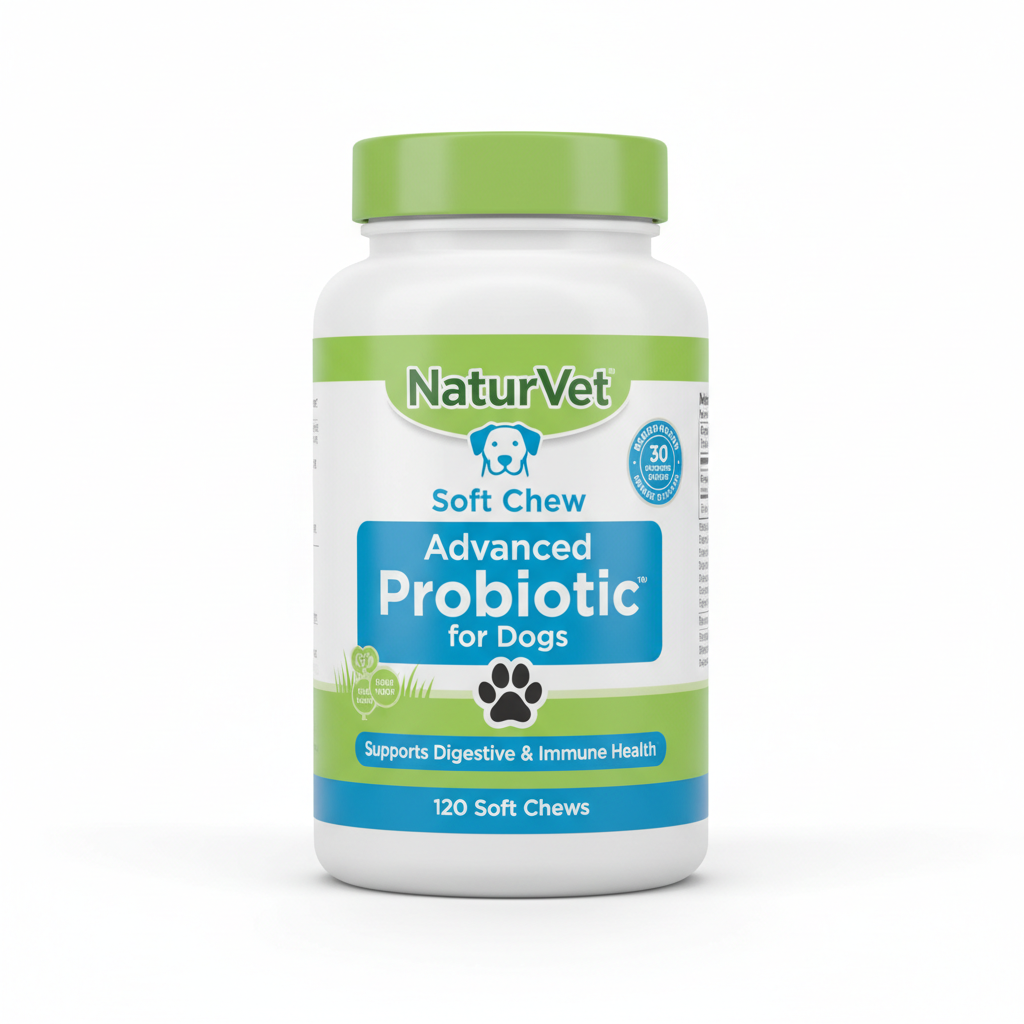
Quiet Moments Calming Aid for Dogs
NaturVet
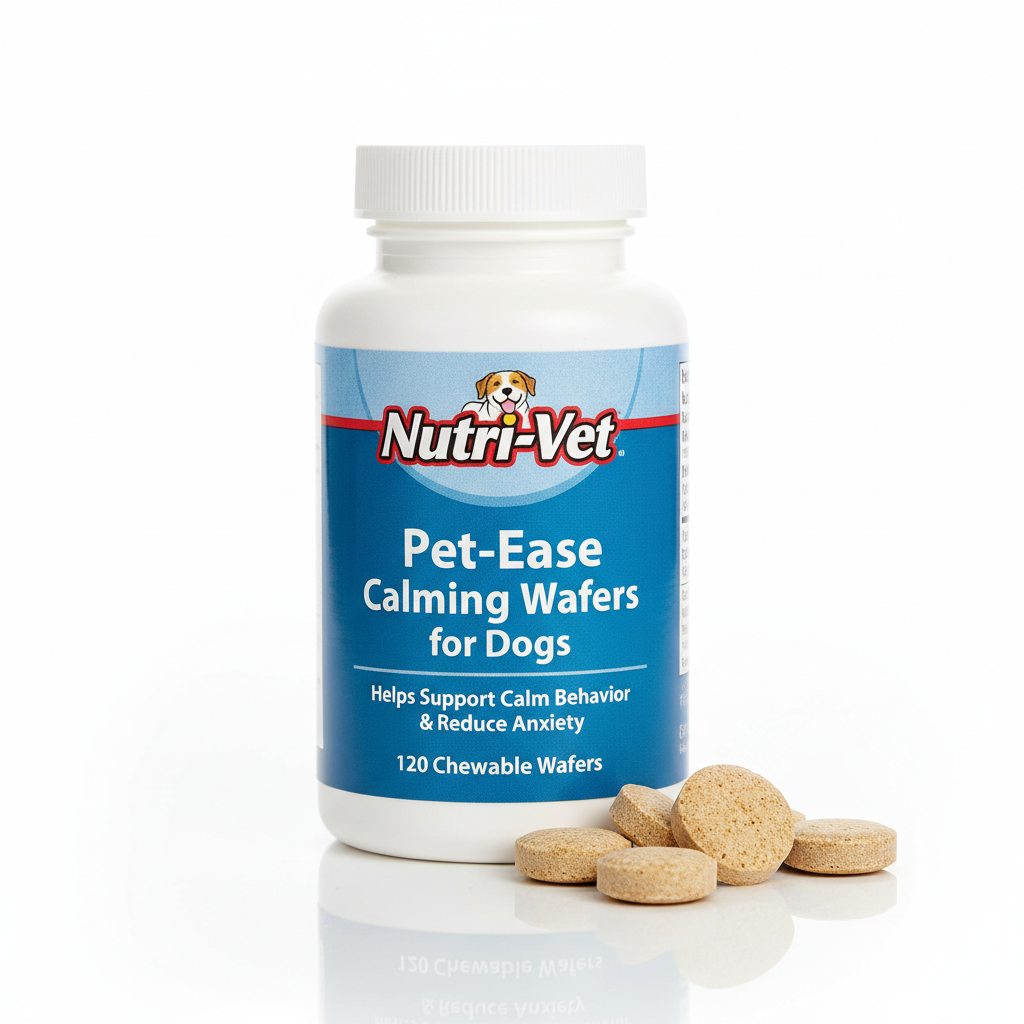
Nutri-Vet Pet-Ease Calming Wafers for Dogs
Nutri-Vet
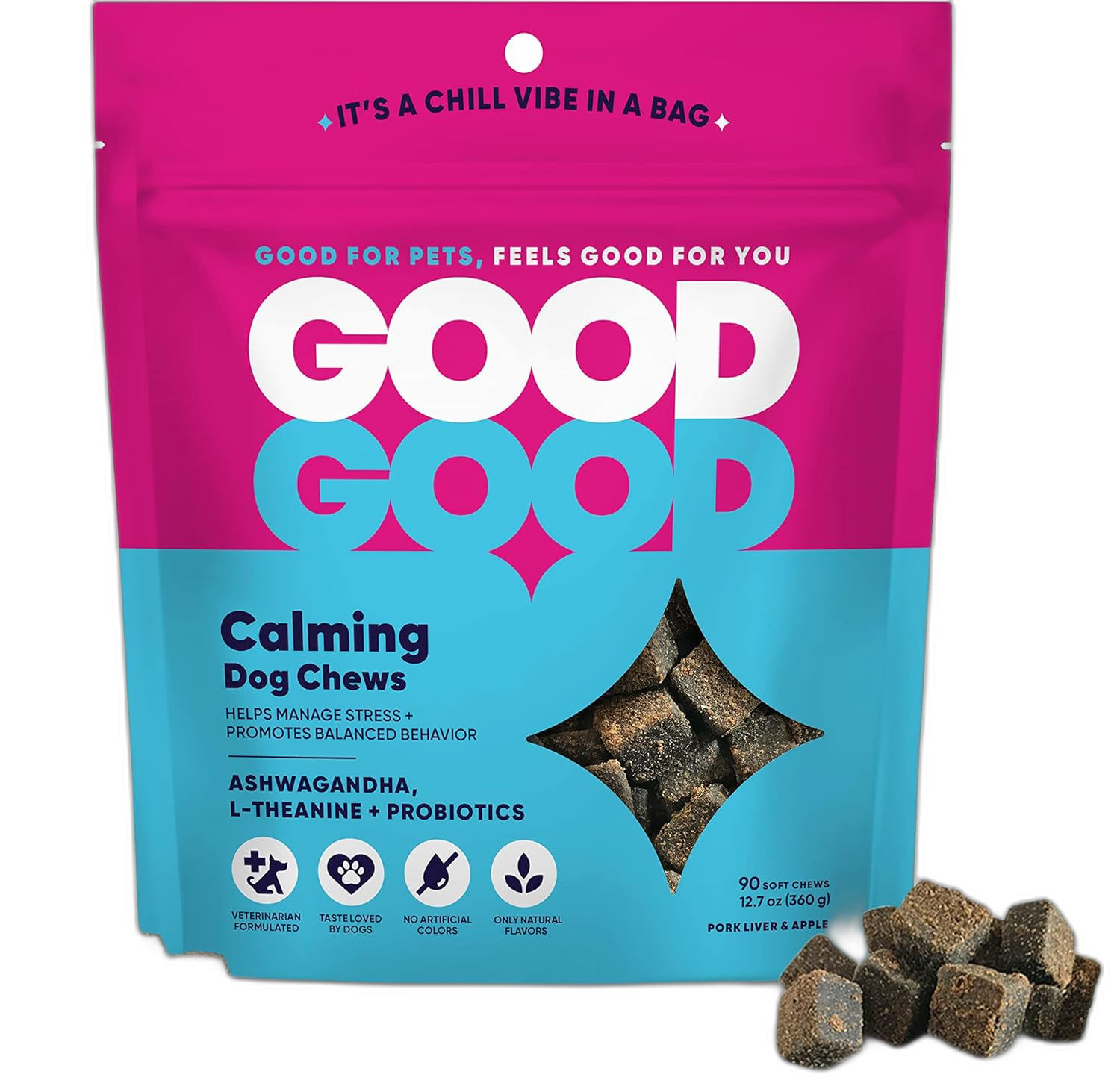
GoodGood Calming Chews for Dogs
GoodGood
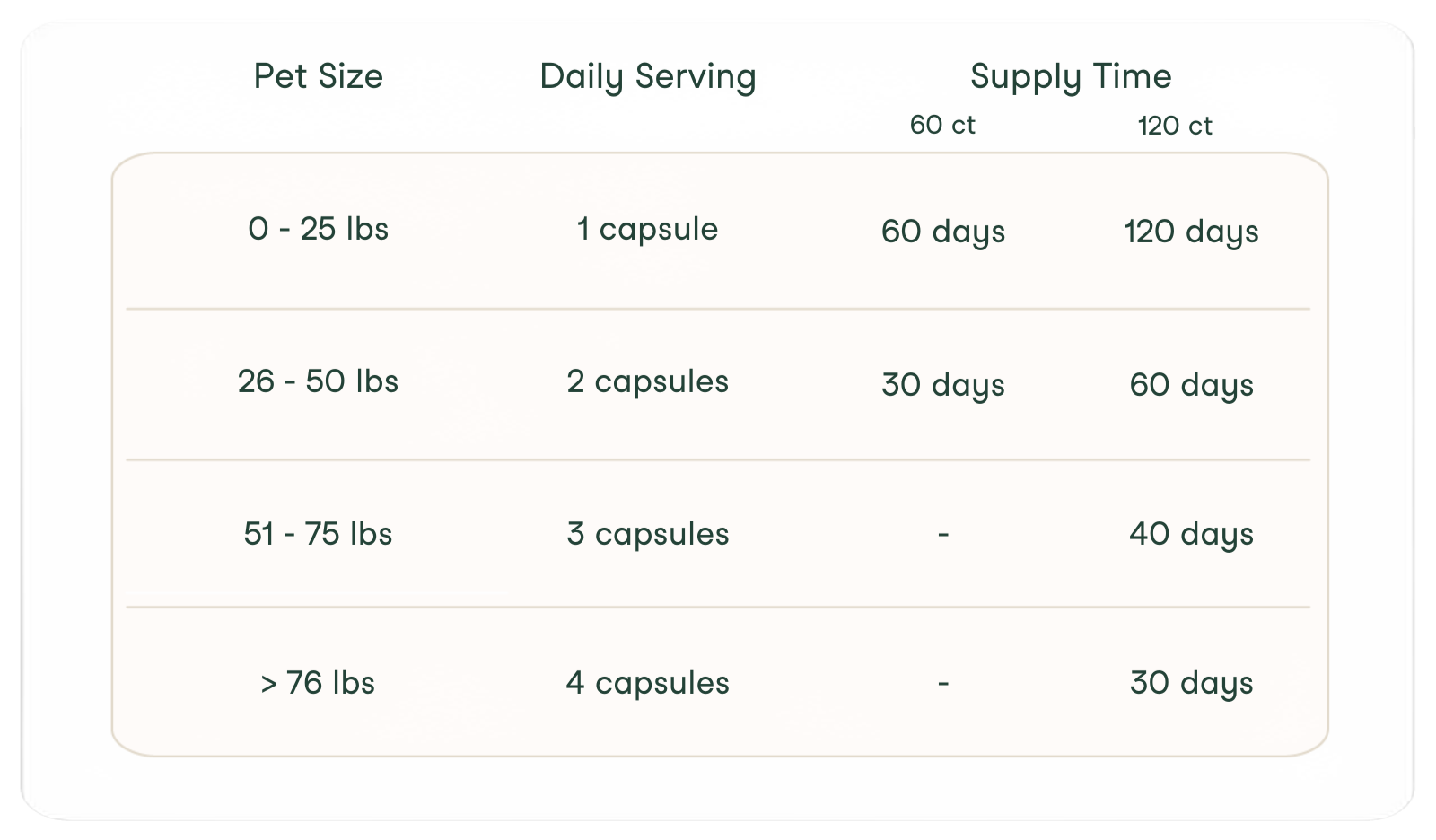
Zesty Paws Hemp Elements Calming OraStix for Dogs
Zesty Paws
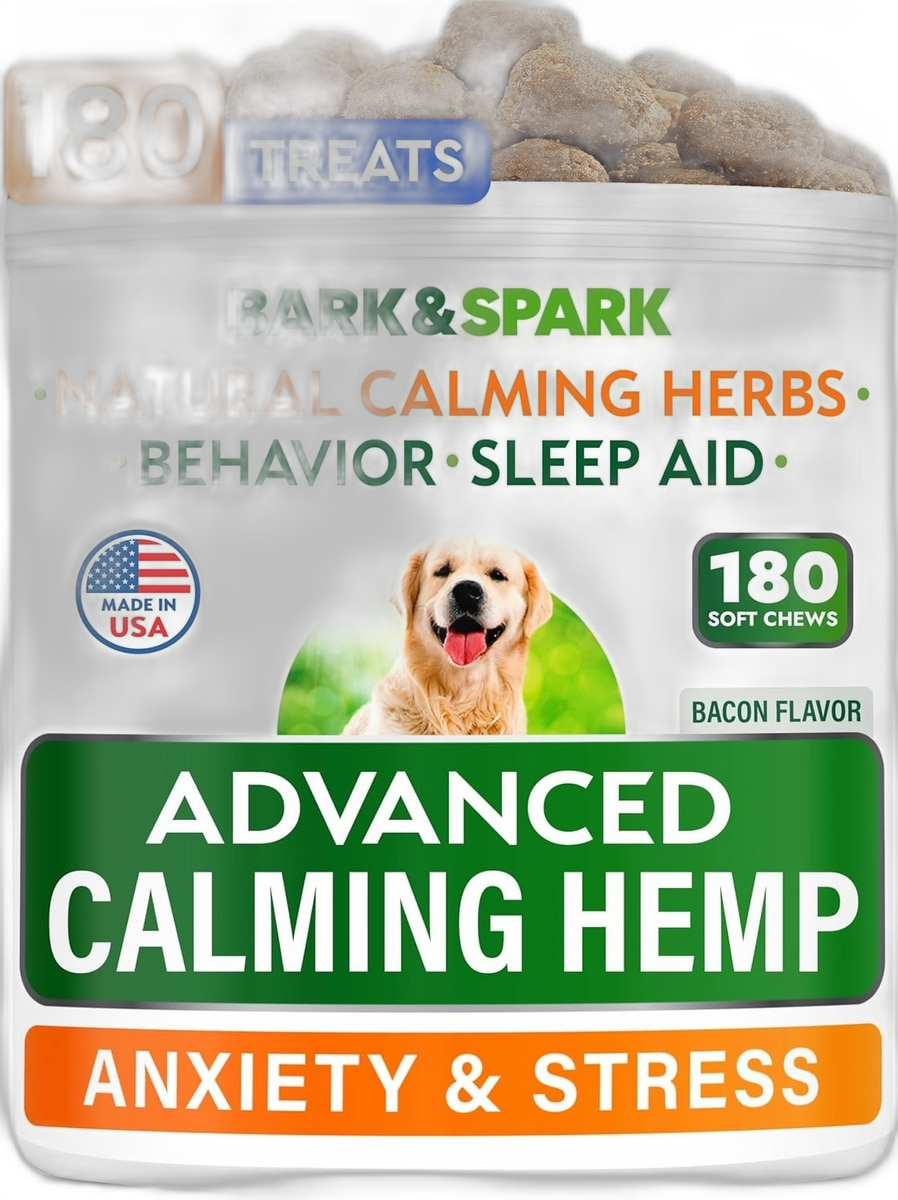
Bark&Spark Hemp Bacon Flavored Soft Chew Anxiety & Stress Relief Treats Calming Support Supplement for Dogs
Bark & Spark