MSM (Methylsulfonylmethane)
joint support
Effective Dose Range (dog)
Min Effective
50 mg/kg body weight
Optimal Low
50 mg/kg body weight
Optimal High
100 mg/kg body weight
Upper Limit
150 mg/kg body weight
Research Evidence
Safety Data
Very well-tolerated with wide safety margin. Occasional mild GI effects at high doses. No known drug interactions.
Mechanism of Action
Provides bioavailable sulfur for collagen and keratin synthesis. Reduces inflammatory cytokines (IL-6, TNF-α). Acts as antioxidant protecting joint tissues.
Methylsulfonylmethane, commonly known as MSM, is a sulfur-containing organic compound often found in pet supplements, particularly those marketed for joint health. For dog and cat owners exploring options to support their pets' mobility and well-being, understanding what MSM is, how it functions, and its evidence-based applications is essential. This guide aims to provide clear, trustworthy information about MSM for both dogs and cats, drawing on available research and practical considerations.
What is Methylsulfonylmethane (MSM)?
MSM is a naturally occurring sulfur compound found in small amounts in plants, animals, and humans. It's an oxidized derivative of dimethyl sulfoxide (DMSO), a well-known solvent also recognized for its anti-inflammatory properties. In the context of supplements, MSM is typically synthesized.
Sulfur is a crucial element in the body, playing a role in numerous biological processes. It's a component of amino acids (like methionine and cysteine), which are the building blocks of proteins. These proteins are vital for forming connective tissues, enzymes, and hormones. Sulfur is also involved in detoxification pathways and the synthesis of antioxidants like glutathione.
When considering MSM for dogs, the primary interest lies in its potential to support joint health and manage discomfort. The theory is that by providing a bioavailable source of sulfur, MSM can contribute to the maintenance and repair of cartilage, reduce inflammation, and alleviate pain associated with conditions like osteoarthritis. While often discussed in canine contexts, these principles generally apply to felines as well, though specific research on cats is less extensive.
Dog Supplements with MSM (Methylsulfonylmethane)
The market for dog supplements containing MSM is extensive. These products often combine MSM with other ingredients like glucosamine, chondroitin, and hyaluronic acid, which are also aimed at supporting joint health. The rationale behind these combinations is that they may offer , addressing different aspects of joint degradation and inflammation.
MSM supplements for dogs come in various forms:
- Powders: These can be mixed directly into food. They often provide flexibility in dosing, especially for larger dogs or when a veterinarian recommends specific adjustments.
- Chewable Tablets or Soft Chews: These are often palatable and can be given as a treat, making administration easier for many owners.
- Liquids: Some formulations offer liquid MSM, which can also be added to food or administered directly.
When selecting a supplement, it's important to look for products from reputable manufacturers that adhere to quality control standards. Certifications from organizations like the National Animal Supplement Council (NASC) can indicate a commitment to quality and safety. The label should clearly list all active ingredients, their concentrations, and recommended dosages based on the pet's weight.
For example, a common joint supplement for a medium-sized dog might contain 500-1000 mg of MSM per dose, alongside similar amounts of glucosamine and chondroitin. The specific blend and concentrations will vary by product and intended use.
The Pros & Cons of MSM for Dogs
Evaluating MSM for dogs involves looking at both its potential benefits and any associated drawbacks or uncertainties.
Potential Pros of MSM for Dogs
Potential Cons and Considerations of MSM for Dogs
Understanding Methylsulfonylmethane (MSM) and Its Role in Pet Health
To fully grasp the role of MSM in pet health, it's useful to look at its mechanism of action and its place within a broader approach to joint care.
MSM's influence on joint health is multifaceted. Its sulfur content is critical because sulfur is a vital component of connective tissues. Collagen and keratin, key structural proteins in skin, hair, nails, and joints, rely on sulfur bonds for their stability and integrity. In cartilage, sulfur helps form the disulfide bonds that give molecules like chondroitin sulfate and glucosamine sulfate their structural rigidity and elasticity. Supplementing with MSM is thought to provide the body with readily available sulfur to support these structures.
Beyond structural support, MSM's anti-inflammatory and antioxidant properties are central to its reputed benefits. Chronic inflammation in joints, often seen in conditions like osteoarthritis, leads to the degradation of cartilage. By potentially reducing the production of inflammatory mediators and neutralizing free radicals, MSM may help slow this destructive process and alleviate the associated pain and stiffness.
How MSM Compares to Other Joint Support Ingredients
MSM is rarely used alone in pet supplements for joint health. It's most often found in combination with other ingredients. Understanding how it complements these ingredients helps in making informed choices.
| Ingredient | Primary Mechanism of Action | How it Combines with MSM |
|---|---|---|
| MSM | Anti-inflammatory, antioxidant, sulfur source for connective tissue | Synergistic with others; helps reduce pain and inflammation while providing raw material for cartilage. |
| Glucosamine | Provides building blocks for cartilage repair (glycosaminoglycans) | Addresses structural repair, while MSM handles inflammation and pain. Often considered a foundational joint support ingredient. |
| Chondroitin Sulfate | Inhibits enzymes that break down cartilage, attracts fluid to cartilage for lubrication and shock absorption | Works with glucosamine to protect and rebuild cartilage. MSM adds anti-inflammatory support. |
| Hyaluronic Acid (HA) | Lubricates joints, improves synovial fluid viscosity, reduces friction | Focuses on joint lubrication and cushioning. MSM complements by reducing underlying inflammation. |
| Omega-3 Fatty Acids (EPA/DHA) | Potent anti-inflammatory properties, modulates immune response | Addresses systemic inflammation, supporting joint health from a broader perspective. MSM offers more direct joint-specific anti-inflammatory action. |
This table illustrates that MSM plays a critical role in addressing inflammation and pain, while also providing essential sulfur for tissue integrity. When combined with ingredients like glucosamine and chondroitin, which focus more on cartilage building and protection, a more comprehensive approach to joint health is achieved.
Dosage and Safety for Dogs and Cats
Determining the appropriate msm (methylsulfonylmethane) dosage dogs and cats is crucial. There's no single, universally agreed-upon standard, as dosages can vary based on the pet's size, condition, and the specific product formulation. However, general guidelines exist.
Typical Dosage Ranges:
- Dogs: Doses often range from 50 mg to 500 mg per 10 pounds of body weight per day, usually divided into two doses. A common starting point for a medium-sized dog (e.g., 50 lbs) might be around 1000 mg to 2000 mg per day.
- Cats: Due to their smaller size, cat dosages are considerably lower, often ranging from 50 mg to 250 mg per day, depending on weight.
Important Considerations for Dosage:
- Veterinarian Consultation: Always consult with a veterinarian before starting any new supplement, especially for pets with existing health conditions or those on other medications. Your vet can recommend an appropriate dosage based on your pet's specific needs and health status.
- Start Low, Go Slow: It's often recommended to start with a lower dose and gradually increase it over a week or two. This allows the pet's system to adjust and helps identify any potential sensitivities.
- Follow Product Instructions: Adhere to the dosage recommendations provided by the supplement manufacturer, unless otherwise directed by your vet.
- Weight-Based Dosing: Most MSM supplements are dosed according to the pet's body weight. Accurate weighing of your pet is important.
MSM (Methylsulfonylmethane) Safety Pets:
MSM is generally considered safe for both dogs and cats when administered at appropriate dosages. Toxicity studies have shown a high margin of safety. However, as with any supplement, potential side effects can occur:
- Gastrointestinal Upset: The most common side effects are mild digestive issues such as soft stools, diarrhea, or gas. These are usually transient and can often be alleviated by reducing the dose or administering MSM with food.
- Allergic Reactions: While rare, some pets may experience an allergic reaction. Signs might include itching, hives, swelling, or difficulty breathing. Discontinue use immediately and contact your vet if you suspect an allergic reaction.
- Drug Interactions: There are no widely reported significant drug interactions with MSM, but it's always prudent to inform your veterinarian about all supplements your pet is taking to avoid potential issues.
In summary, MSM can be a valuable component of a joint health regimen for dogs and cats, particularly when dealing with age-related stiffness, arthritis, or recovery from orthopedic injuries. Its anti-inflammatory and antioxidant properties, coupled with its role as a sulfur donor for connective tissue, offer a multi-pronged approach to supporting mobility and comfort. However, responsible use involves careful selection of products, adherence to dosage guidelines, and, most importantly, professional veterinary guidance.
FAQ
What does methylsulfonylmethane (MSM) do for dogs?
MSM for dogs primarily works to support joint health and reduce discomfort. It is believed to act as an anti-inflammatory agent, helping to alleviate pain and stiffness associated with conditions like osteoarthritis. It also provides a bioavailable source of sulfur, which is crucial for maintaining the integrity of cartilage and other connective tissues. Additionally, MSM has antioxidant properties that can help protect joint cells from damage.
What are the side effects of MSM for dogs?
MSM is generally well-tolerated by dogs. The most common side effects are mild gastrointestinal disturbances, such as soft stools, diarrhea, or gas, especially when first starting the supplement or if the dosage is too high. These effects are usually temporary and can often be managed by reducing the dose or giving MSM with food. Serious side effects are rare, but it's always best to consult a veterinarian if you notice any concerning symptoms after administering MSM.
Conclusion
Methylsulfonylmethane (MSM) holds a significant place pet supplements, particularly for its role in supporting joint health in dogs and cats. Its proposed benefits, stemming from its anti-inflammatory, antioxidant, and sulfur-donating properties, offer a compelling reason for pet owners to consider it for their companions struggling with mobility issues, arthritis, or general age-related stiffness.
While the body of scientific evidence specifically for pets continues to grow, existing research and widespread anecdotal reports suggest a positive impact on comfort and quality of life for many animals. However, MSM is not a standalone solution but rather a component of a to pet wellness.
For any pet owner considering an MSM supplement, the key takeaways are: always consult with a veterinarian to ensure it's appropriate for your pet's specific health needs, choose reputable brands that prioritize quality and accurate labeling, and adhere strictly to recommended dosages. By taking these steps, you can make an informed decision about incorporating MSM into your pet's care regimen, potentially contributing to their comfort and mobility for years to come.
Products Containing MSM (Methylsulfonylmethane)
Top-rated supplements featuring this ingredient, ranked by our PSI+ score.
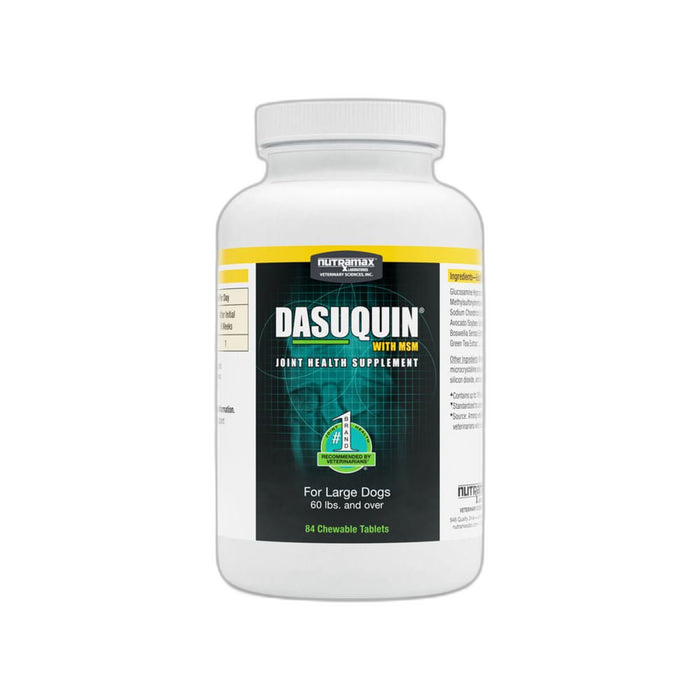
Nutramax Dasuquin with MSM Joint Health Supplement for Large Dogs
Nutramax Laboratories
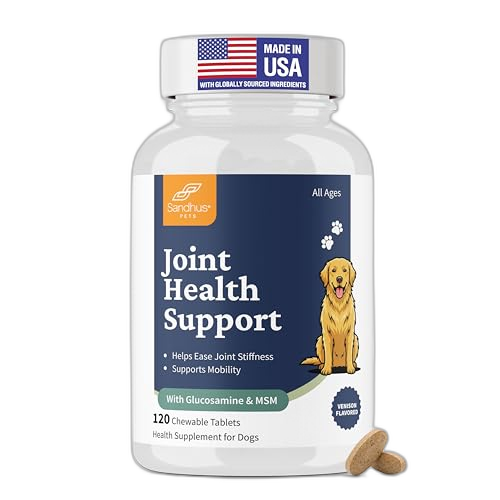
Advanced Hip & Joint Supplement for Dogs
Nutramax Dasuquin
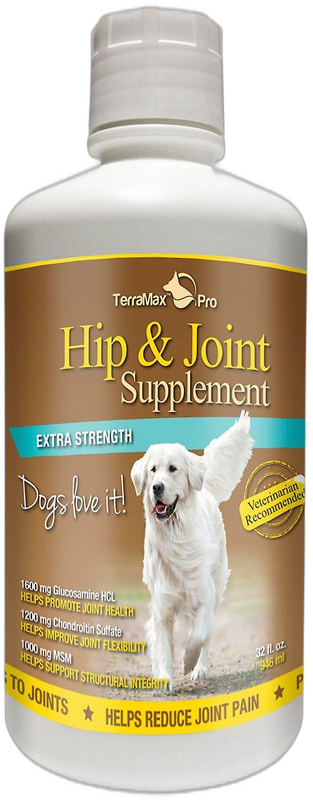
TerraMax Pro Hip and Joint Supplement for Dogs
TerraMax Pro
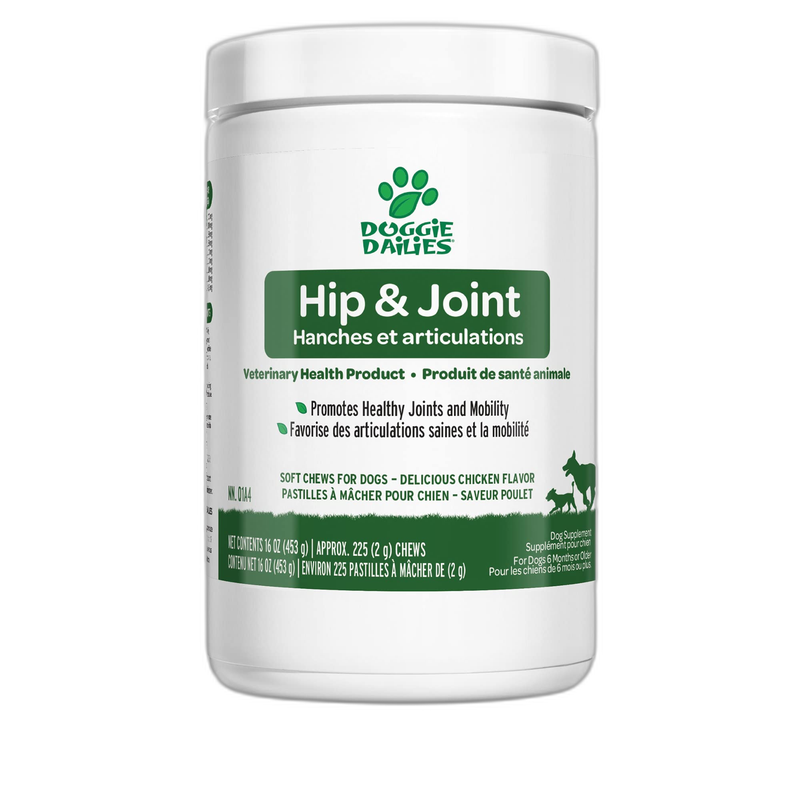
Doggie Dailies Glucosamine for Dogs Advanced Hip & Joint Supplement
Doggie Dailies
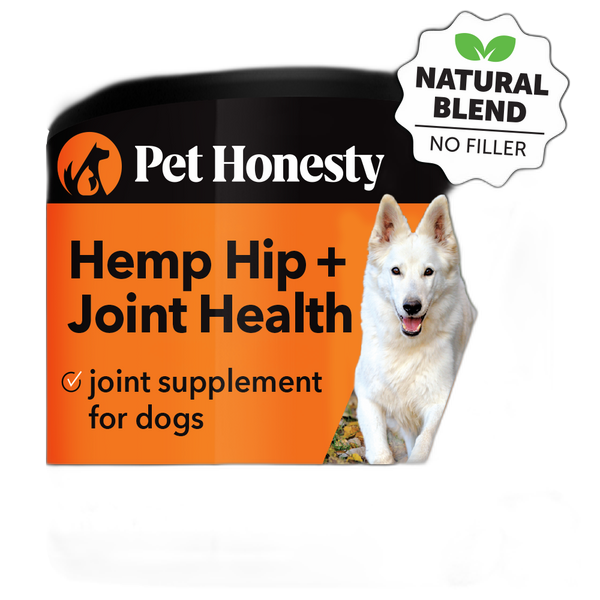
PetHonesty Hemp Hip + Joint Health Soft Chews
PetHonesty