Sodium Chondroitin Sulfate
joint support
Sodium chondroitin sulfate is a common ingredient in pet joint supplements, particularly those marketed for dogs and cats experiencing mobility issues or arthritis. It's a naturally occurring compound found in the connective tissues of animals, including cartilage. In supplements, it is typically derived from animal sources like bovine (cow) or porcine (pig) cartilage, or sometimes from marine sources. The "sodium" part refers to the salt form of chondroitin sulfate, which is the most common and stable form used in supplements, aiding in its absorption and bioavailability.
The primary role of chondroitin sulfate in the body is to give cartilage its elasticity and resistance to compression. It helps maintain the structural integrity of cartilage and is believed to support its natural repair processes. For pets with conditions like osteoarthritis, where cartilage breaks down over time, supplementing with sodium chondroitin sulfate aims to mitigate this degradation, support remaining cartilage, and potentially improve joint function and reduce discomfort. This guide explores the evidence surrounding its use, practical considerations, and what pet owners should know when considering these supplements for their companions.
Glucosamine and Chondroitin Use in Canines for Osteoarthritis
Osteoarthritis (OA) is a progressive and often debilitating joint disease affecting millions of dogs. It involves the breakdown of cartilage, leading to pain, inflammation, and reduced mobility. Glucosamine and chondroitin sulfate are often discussed together in the context of canine OA because they are frequently combined in supplements, and their mechanisms of action are believed to be complementary.
Glucosamine, an amino sugar, is a precursor to glycosaminoglycans, which are major components of cartilage. It's thought to help stimulate cartilage repair and reduce inflammation. Chondroitin sulfate, as discussed, provides structural support and elasticity to cartilage. When used together, the hypothesis is that they offer a , providing the building blocks for cartilage and protecting existing cartilage from further breakdown.
While many anecdotal reports and some veterinary recommendations support their use, the scientific evidence for their efficacy in dogs with OA is not always clear-cut. Studies have yielded mixed results, with some showing significant improvement in pain and mobility scores, while others demonstrate minimal to no benefit compared to a placebo. This variability can be attributed to several factors, including the quality and purity of the supplements used in studies, the dosage, the duration of treatment, the severity of the dogs' OA, and the methods used to assess improvement.
For pet owners considering these supplements, it's important to understand that they are not a cure for OA. They are generally considered complementary therapies, meaning they work alongside other treatments like pain medication, weight management, and controlled exercise. The practical implication is that while some dogs may experience noticeable improvement in comfort and mobility, others might not. It's not a one-size-fits-all solution, and managing expectations is key. Edge cases might include dogs with very advanced OA where cartilage is almost entirely gone; in such scenarios, the benefits of cartilage-building supplements may be limited, and other interventions like surgery might be more appropriate.
A concrete example: a veterinarian might recommend a glucosamine and chondroitin supplement for a 7-year-old Labrador Retriever showing early signs of stiffness after walks. The owner observes a subtle improvement in the dog's willingness to play fetch and less difficulty getting up after lying down for extended periods. In contrast, a 12-year-old German Shepherd with severe, chronic OA might see little change from the same supplement, indicating the need for additional therapies like NSAIDs (non-steroidal anti-inflammatory drugs) or even physical therapy.
A Complete Guide to Chondroitin for Dogs
Chondroitin sulfate for dogs, specifically sodium chondroitin sulfate, is a complex carbohydrate molecule that serves as a vital component of cartilage. Its primary function is to attract and hold water within the cartilage matrix, providing cushioning and elasticity to the joints. It also plays a role in inhibiting enzymes that break down cartilage and in stimulating the production of new cartilage components.
When administered as a supplement, the goal is for the ingested chondroitin sulfate to be absorbed into the bloodstream and then incorporated into the joint cartilage. However, the exact bioavailability and direct incorporation of supplemental chondroitin into joint cartilage are subjects of ongoing research and debate. Some studies suggest good absorption and distribution to joint tissues, while others point to challenges in its delivery to the target site in sufficient concentrations.
For dogs, chondroitin supplements are most commonly recommended for:
- Osteoarthritis: To help slow the progression of cartilage degeneration and alleviate associated pain and stiffness.
- Preventative care: For breeds predisposed to joint issues (e.g., large breeds, active working dogs) or older dogs without overt symptoms, as a proactive measure to support joint health.
- Post-operative recovery: Following joint surgeries (e.g., for cruciate ligament tears, hip dysplasia) to support healing and cartilage regeneration.
The trade-offs involve the cost of ongoing supplementation, the potential for variable efficacy among individual dogs, and the fact that results are rarely immediate. Owners typically need to administer supplements for several weeks or even months before observing any noticeable changes. If no improvement is seen after a reasonable trial period (e.g., 8-12 weeks), it might indicate that the supplement isn't working for that particular dog or that a different approach is needed.
Edge cases include dogs with inflammatory joint conditions not primarily characterized by cartilage degradation (e.g., immune-mediated arthritis), where chondroitin's benefits might be less pronounced compared to its role in degenerative conditions. Also, the quality of chondroitin sulfate can vary significantly between products. High-quality supplements often use pharmaceutical-grade chondroitin, which has a specific molecular weight and purity, potentially leading to better absorption and effectiveness compared to lower-grade alternatives. Pet owners should look for products with clear labeling regarding the source and purity of their ingredients.
Joint Health Supplement for Dogs
Joint health supplements for dogs are a broad category, and sodium chondroitin sulfate is often a cornerstone ingredient within many of these formulations. Beyond chondroitin and glucosamine, other common ingredients found in dog joint supplements include:
- MSM (Methylsulfonylmethane): An organic sulfur compound believed to have anti-inflammatory and pain-relieving properties.
- Omega-3 Fatty Acids (EPA and DHA): Derived from fish oil, these are known for their anti-inflammatory effects, which can help reduce joint pain and improve mobility.
- Hyaluronic Acid (HA): A component of synovial fluid, which lubricates joints. Supplemental HA aims to improve joint fluid quality and cushioning.
- Green-lipped Mussel (GLM): A marine extract rich in omega-3s, glucosamine, chondroitin, and other nutrients, often touted for its comprehensive joint support.
- Antioxidants: Such as Vitamin C and E, which help combat oxidative stress in the joints.
The choice of a joint supplement for dogs often depends on the specific needs of the animal, the severity of their joint issues, and the advice of a veterinarian. A supplement purely containing sodium chondroitin sulfate might be chosen for targeted cartilage support, while a multi-ingredient formula might be preferred for a more to joint health, addressing inflammation, lubrication, and cartilage integrity simultaneously.
Practical implications for choosing a joint supplement involve considering the form (chewable tablets, powders, liquids), palatability, and cost. Some dogs are picky eaters, making a palatable chew a better choice than a powder that needs to be mixed into food. The cost can also be a significant factor, as these supplements are typically given long-term.
A key trade-off is the potential for "over-supplementation" or relying too heavily on supplements when other, more impactful interventions are needed. For instance, a dog that is significantly overweight will benefit far more from weight loss than from any joint supplement alone. Supplements should augment a comprehensive joint care plan, not replace it.
Consider a scenario: an active border collie mix develops a slight limp after intense exercise. A veterinarian might suggest a supplement combining glucosamine, chondroitin, and MSM, along with a recommendation to moderate exercise intensity and ensure proper warm-up/cool-down routines. This multi-faceted approach addresses both potential cartilage support and inflammation. For an older, less active dog with chronic, mild arthritis, a supplement featuring omega-3s alongside chondroitin might be chosen to maximize anti-inflammatory benefits.
Glucosamine for Dogs: Does It Help Dogs With Arthritis?
As mentioned, glucosamine is frequently paired with chondroitin sulfate in dog joint supplements. Its primary proposed mechanism of action is to provide the raw materials for the synthesis of glycosaminoglycans and proteoglycans, which are essential components of healthy cartilage. It's also thought to have mild anti-inflammatory effects, potentially by inhibiting certain enzymes involved in the inflammatory cascade.
The question of whether glucosamine "helps" dogs with arthritis is complex. Similar to chondroitin, research results are inconsistent. Some studies indicate a positive impact on pain reduction and improved function, particularly when used long-term and in adequate dosages. Other studies show no statistically significant difference between glucosamine-treated dogs and placebo groups.
Factors influencing efficacy include:
- Type of Glucosamine: Glucosamine hydrochloride (HCl) and glucosamine sulfate are the two common forms. Glucosamine HCl is often preferred as it contains a higher percentage of pure glucosamine compared to the sulfate form, which is bound to a salt. However, some argue the sulfate component of glucosamine sulfate might also contribute to its effects.
- Dosage: Insufficient dosing may lead to a lack of observed benefit.
- Severity of Arthritis: Dogs with early to moderate arthritis might respond better than those with severe, end-stage disease.
- Individual Variation: Just like people, dogs respond differently to various treatments.
The practical implication for owners is that a trial period is often necessary. If a dog shows improvement, continuing the supplement is reasonable. If no change is observed after a consistent trial (e.g., 2-3 months), it might be more beneficial to explore other options or re-evaluate the diagnosis and overall management plan with your vet.
A common trade-off is the "wait and see" approach. Unlike NSAIDs, which can provide relatively rapid pain relief, glucosamine (and chondroitin) work slowly and cumulatively, aiming for long-term cartilage support rather than immediate symptom suppression. This means owners need patience and realistic expectations.
For example, a veterinarian might suggest a glucosamine supplement for a young dog diagnosed with mild hip dysplasia, aiming to support joint health before significant arthritic changes occur. The goal here isn't to fix the dysplasia, but to potentially slow the onset and severity of secondary arthritis. For an older dog with chronic arthritis, glucosamine might be part of a multi-modal pain management strategy, alongside prescription pain medications and physical therapy, to enhance overall comfort and mobility.
Glucosamine/Chondroitin Sulfate
The combination of glucosamine and chondroitin sulfate is perhaps the most widely recognized and utilized joint supplement for pets. The rationale behind this pairing is based on the idea of synergy. Glucosamine provides the building blocks, while chondroitin helps protect the existing structure and contributes to cartilage resilience.
Many commercial pet joint supplements feature both ingredients, often alongside other compounds like MSM or omega-3 fatty acids. When considering a product containing both, pet owners should scrutinize the label for:
- Amounts of each ingredient: Ensure the dosages are appropriate for your pet's size and condition, as recommended by your veterinarian.
- Source and purity: Reputable manufacturers will often specify the source (e.g., bovine, porcine, shellfish) and indicate quality standards.
- Third-party testing: Some brands voluntarily submit their products for independent testing to verify ingredient content and purity, which can offer an extra layer of assurance.
A useful comparison for pet owners is to think of joint health like building and maintaining a house. Glucosamine might be seen as the raw materials for construction (lumber, bricks), while chondroitin sulfate is like the waterproofing and insulation, protecting the structure and making it resilient. You need both for a sturdy, durable home.
| Feature | Glucosamine HCl | Sodium Chondroitin Sulfate | Combined Supplement |
|---|---|---|---|
| Primary Role | Cartilage building block, anti-inflammatory | Cartilage protection, elasticity, water retention | , |
| Mechanism | Stimulates GAGs & proteoglycan synthesis | Inhibits cartilage-degrading enzymes, structural support | Both, potentially amplifying benefits |
| Onset of Effect | Gradual (weeks to months) | Gradual (weeks to months) | Gradual (weeks to months) |
| Common Uses | Early arthritis, preventative, post-injury | Established arthritis, cartilage degeneration | All stages of OA, preventative, comprehensive joint support |
| Cost | Moderate | Moderate | Generally higher (due to multiple ingredients) |
| Side Effects | Mild GI upset (rare) | Mild GI upset (rare) | Mild GI upset (rare) |
| Key Advantage | Provides essential building blocks for repair | Protects existing cartilage from breakdown | Addresses multiple aspects of joint health simultaneously |
The trade-off with combination supplements is that while they offer a broad approach, it can be harder to pinpoint which specific ingredient is responsible for any observed improvements. If a pet has an adverse reaction, identifying the culprit ingredient might also be more challenging. However, for most pets with general joint health concerns, a well-formulated combination product is a common starting point.
For instance, a veterinarian might recommend a glucosamine/chondroitin supplement for a senior cat who is showing reduced jumping ability and stiffness, even if the cat doesn't have a formal arthritis diagnosis. The broad-spectrum support from the combination aims to address potential underlying issues and improve overall comfort.
Joint Supplements for Sodium Chondroitin Sulfate for Dogs
When considering joint supplements containing sodium chondroitin sulfate for dogs, it's essential to look beyond just the presence of the ingredient. The effectiveness of any supplement hinges on several factors, including the quality of the ingredients, the formulation, and appropriate dosing.
Quality and Purity: Not all chondroitin sulfate is created equal. Look for supplements that specify pharmaceutical-grade chondroitin or those that adhere to quality control standards like those set by the National Animal Supplement Council (NASC) in the United States. These standards help ensure products are consistently manufactured and contain the ingredients listed on the label. Low-quality chondroitin may have poor absorption or contain impurities.
Formulation: Supplements come in various forms: chewable tablets, soft chews, powders, and liquids. The best form is one that your dog will readily consume. Palatability is crucial for long-term compliance. Powders can be mixed into food, while soft chews often mimic treats.
Dosage: The appropriate dosage of sodium chondroitin sulfate for dogs varies based on their weight and the severity of their condition. Most manufacturers provide dosage guidelines on their labels, but it's always best to consult with your veterinarian. They can recommend an initial loading dose (a higher dose for the first few weeks to build up levels in the body) followed by a maintenance dose. Under-dosing may lead to no perceived benefit, while excessive dosing, though generally considered safe for chondroitin, is unnecessary and costly.
Veterinary Consultation: This is perhaps the most critical step. Before starting any joint supplement, discuss it with your veterinarian. They can:
- Confirm a diagnosis of arthritis or other joint conditions.
- Rule out other medical issues that might be causing similar symptoms.
- Recommend specific brands or formulations based on your pet's needs and their clinical experience.
- Integrate the supplement into a comprehensive treatment plan, which might include diet changes, exercise modification, pain medication, or physical therapy.
Trade-offs and Edge Cases:
- Cost vs. Benefit: High-quality joint supplements can be expensive, especially for large dogs requiring higher doses. Pet owners must weigh the potential benefits against the financial commitment.
- Variable Response: As discussed, not every dog will respond to chondroitin sulfate. It's a trial-and-error process, and patience is required.
- Interaction with Medications: While chondroitin is generally safe, it's crucial to inform your vet about all medications and supplements your pet is taking to avoid potential interactions. For example, there have been theoretical concerns about chondroitin's potential to thin blood, so caution might be advised if a dog is on anticoagulant medications, although this risk is generally considered low.
An example: An owner of a senior Golden Retriever notices the dog struggling to climb stairs. After a vet visit confirms mild hip arthritis, the vet recommends a specific brand of soft chews containing sodium chondroitin sulfate, glucosamine, and MSM, with a clear dosage schedule. The owner observes a gradual improvement in the dog's mobility over 6-8 weeks, making stair climbing easier and increasing the dog's willingness to go for short walks. This illustrates a successful integration of a supplement into a broader management strategy, guided by professional advice.
FAQ
Is sodium chondroitin sulfate safe for dogs?
Sodium chondroitin sulfate is generally considered safe for dogs when administered at appropriate dosages. Side effects are rare and typically mild, often involving gastrointestinal upset such as diarrhea or vomiting. These usually subside when the supplement is discontinued or the dose is reduced. However, as with any supplement, it's crucial to consult your veterinarian before starting treatment, especially if your dog has pre-existing health conditions or is on other medications.
Which is better for dogs, glucosamine or chondroitin?
Neither glucosamine nor chondroitin is definitively "better" than the other; they are often considered complementary. Glucosamine provides building blocks for cartilage repair, while chondroitin helps protect existing cartilage and maintain its elasticity. Many veterinarians and studies suggest that combining glucosamine and chondroitin may offer , potentially being more effective than either ingredient alone. The choice often depends on the specific needs of the dog and the veterinarian's recommendation.
What are the side effects of chondroitin for dogs?
Side effects of chondroitin sulfate in dogs are uncommon and generally mild. The most frequently reported issues are gastrointestinal disturbances, including:
- Diarrhea
- Vomiting
- Constipation
- Loss of appetite
These effects are usually temporary and may be mitigated by giving the supplement with food or reducing the dose. Serious side effects are rare. If you observe any concerning symptoms after starting chondroitin, discontinue use and contact your veterinarian.
Conclusion
Sodium chondroitin sulfate, often in conjunction with glucosamine, represents a significant component of joint support strategies for dogs and cats experiencing or at risk of osteoarthritis and other mobility issues. While the scientific evidence for its efficacy can be variable, many pet owners and veterinarians report positive outcomes, particularly in terms of improved comfort and mobility.
For curious pet owners seeking clear, trustworthy information, the key takeaway is that these supplements are not a magic bullet but rather a potential adjunct to a comprehensive joint health plan. Success often hinges on selecting high-quality products, administering appropriate dosages, and, most importantly, consulting with a veterinarian to integrate the supplement into a tailored approach that may also include weight management, controlled exercise, and prescription medications. Realistic expectations and patience are essential, as benefits tend to accrue gradually over weeks or months. By taking an informed, evidence-based approach, pet owners can make thoughtful decisions about supporting their companions' joint health and overall quality of life.
Products Containing Sodium Chondroitin Sulfate
Top-rated supplements featuring this ingredient, ranked by our PSI+ score.
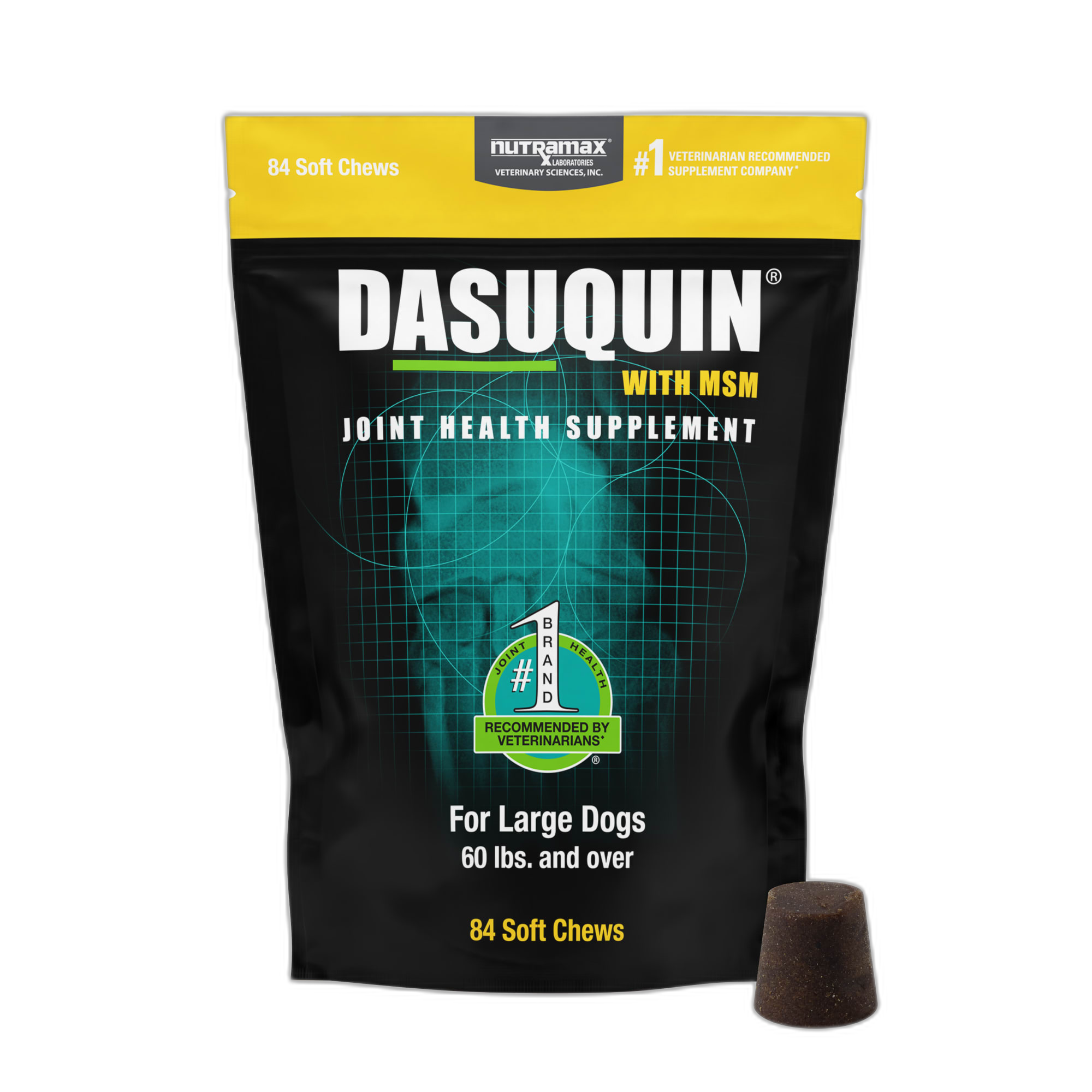
Nutramax Dasuquin with MSM Hip & Joint Soft Chews Joint Supplement for Large Dogs
Nutramax

Nutramax Cosequin Joint Health Supplement with Glucosamine, Chondroitin, MSM, Omega-3s & Beta-Glucan Soft Chews for Senior Dogs
Nutramax
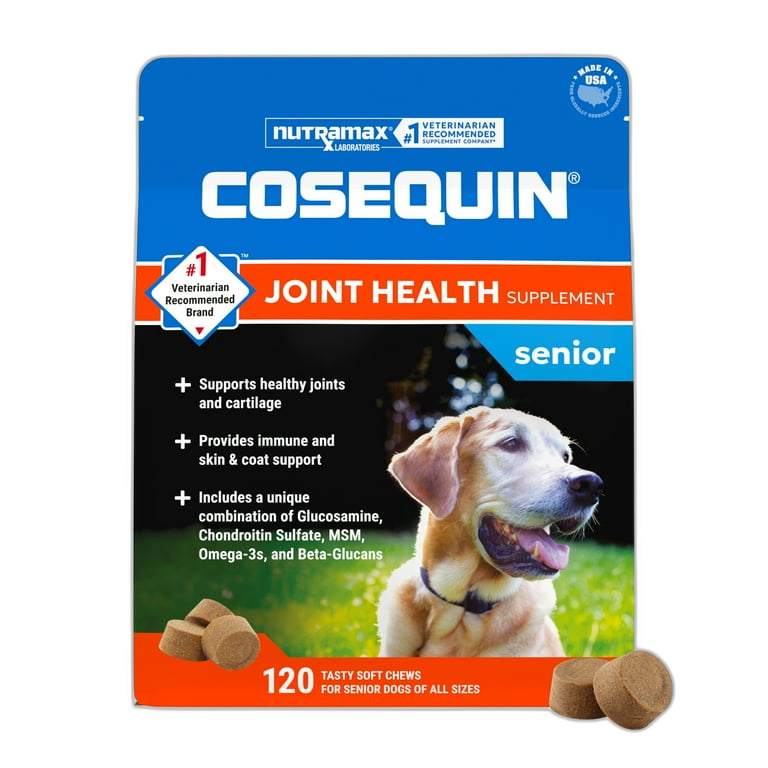
Nutramax Cosequin Senior Joint Health Supplement
Nutramax Laboratories
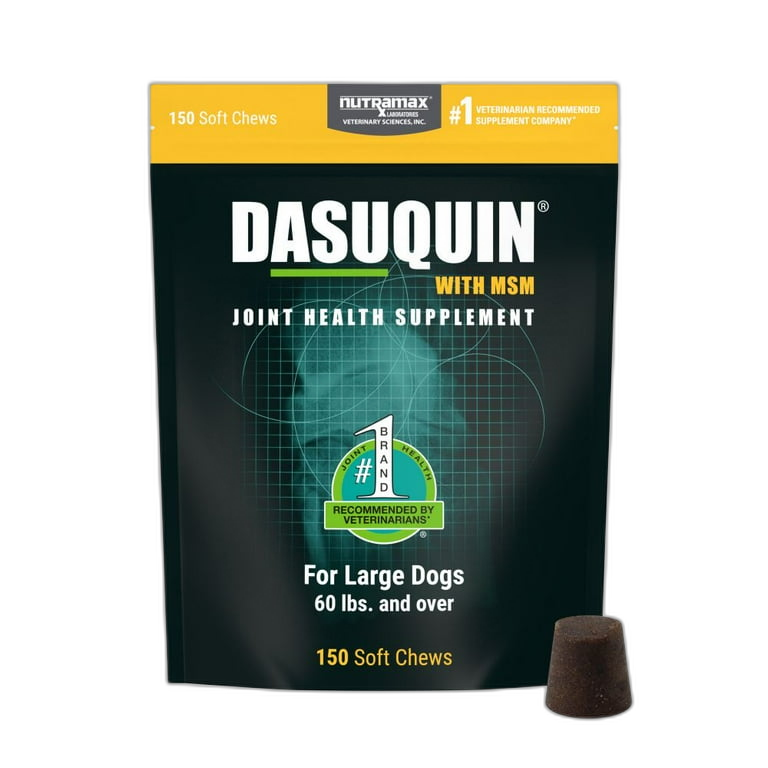
Nutramax Dasuquin with MSM Soft Chews for Large Dogs
Nutramax Laboratories
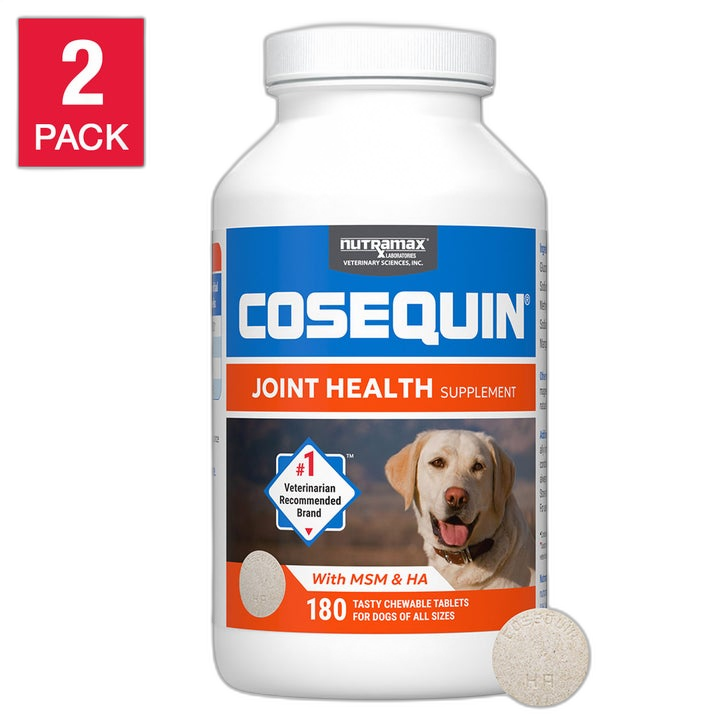
Nutramax Cosequin Joint Health Plus MSM & HA for Dogs
Nutramax Laboratories
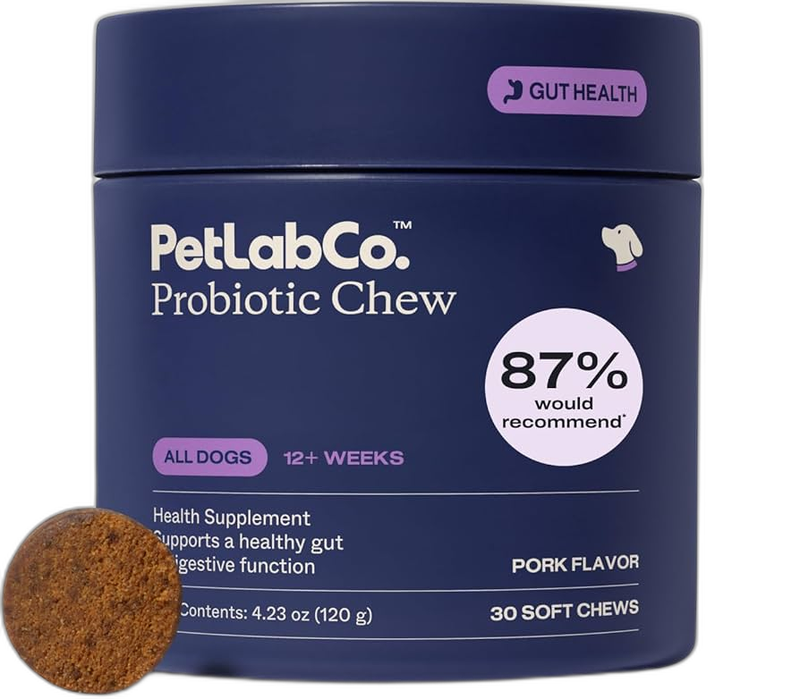
Nutramax Dasuquin Advanced Joint Health for Small/Medium Dogs
Nutramax Laboratories
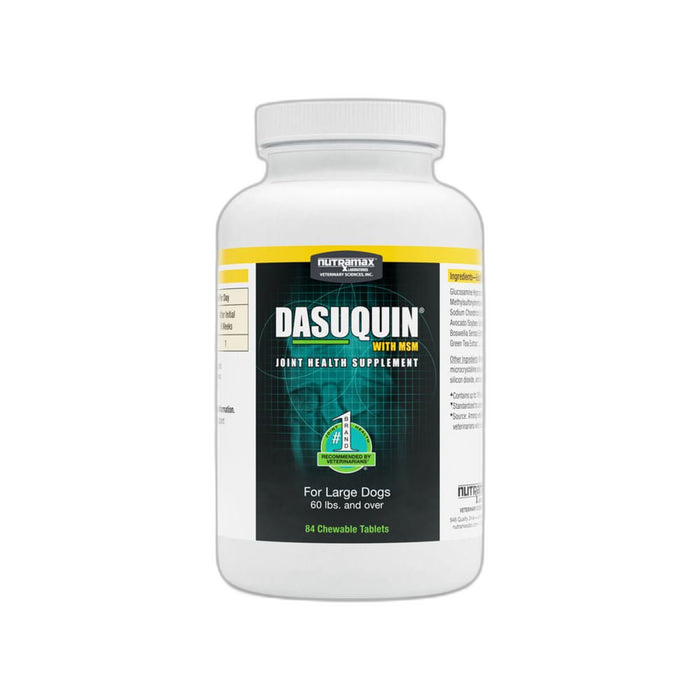
Nutramax Dasuquin with MSM Joint Health Supplement for Large Dogs
Nutramax Laboratories
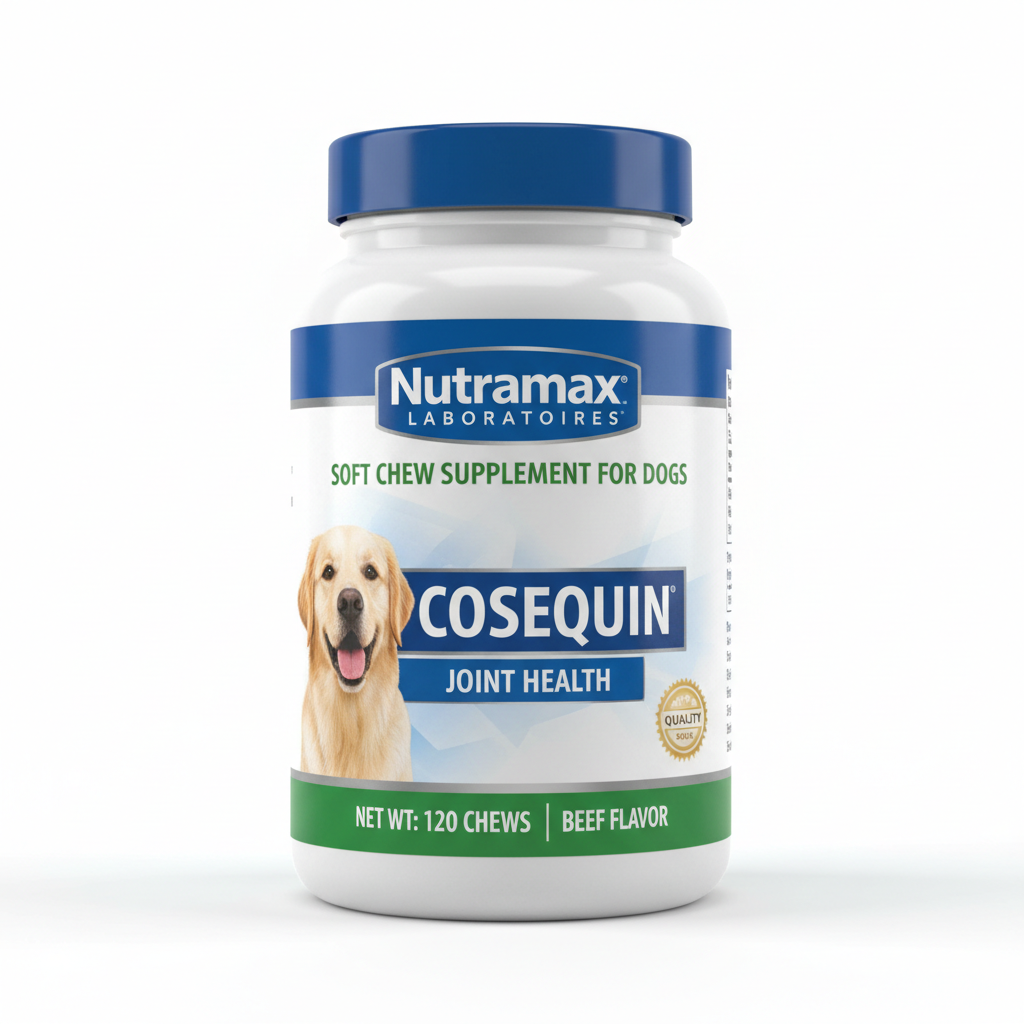
Nutramax Laboratories Dasuquin with MSM Soft Chews for Small to Medium Dogs
Nutramax Laboratories