N-Acetyl Cysteine
antioxidant
N-Acetyl Cysteine (NAC) is a compound that has garnered attention in both human and veterinary medicine for its role as a precursor to glutathione, a powerful antioxidant. For dog owners exploring ways to support their pet's health, understanding the potential benefits, appropriate use, and safety considerations of N-Acetyl Cysteine for dogs is crucial. This guide provides an overview of NAC, its mechanisms, and practical considerations for its application in canine health.
Acetylcysteine for Dogs: The Basics
Acetylcysteine, commonly known as NAC, is a modified form of the amino acid cysteine. Its primary function in the body is to replenish intracellular glutathione levels. Glutathione is often referred to as the "master antioxidant" because of its critical role in protecting cells from oxidative damage caused by free radicals, supporting immune function, and aiding in detoxification processes.
In dogs, as in humans, oxidative stress can contribute to a range of health issues, including liver disease, respiratory problems, certain neurological conditions, and general aging processes. By boosting glutathione, NAC helps the body combat this oxidative stress.
For example, in cases of acetaminophen (Tylenol) toxicity in dogs, which can lead to severe liver damage, NAC is a standard treatment. It works by replenishing glutathione, which helps detoxify the harmful metabolites of acetaminophen. This isn't a situation for at-home treatment, but it illustrates NAC's active role in mitigating acute cellular damage. Beyond emergencies, veterinarians may consider NAC for chronic conditions where oxidative stress is a contributing factor.
The practical implications for dog owners are that NAC is not a general preventative for all ailments, but rather a targeted supplement that can be useful in specific contexts identified by a veterinarian. Its use moves beyond general "health boosting" into more specific physiological support.
NOW | N-Acetyl Cysteine (NAC) for Dogs: Understanding Supplement Formulations
When considering N-Acetyl Cysteine for dogs, the specific formulation of the supplement matters. Products like "NOW | N-Acetyl Cysteine (NAC)" are typically human-grade supplements. While human supplements can sometimes be used for pets, there are important distinctions to consider.
Human NAC supplements often come in capsules or tablets, containing a specific dosage designed for human body weight and metabolism. For dogs, especially smaller breeds, achieving an accurate and safe dose from a human product can be challenging. For instance, a 600 mg capsule might be too high a dose for a small dog, requiring careful division or dilution, which can compromise accuracy.
Veterinary-specific NAC supplements, on the other hand, are formulated with dogs in mind. They may come in different strengths, chewable forms, or flavored powders that are easier to administer and dose precisely for various canine weights. The excipients (inactive ingredients) in pet-specific formulations are also generally chosen to be safe and palatable for animals, whereas human supplements might contain ingredients not suitable for dogs (e.g., xylitol, artificial sweeteners).
The trade-off lies between accessibility and precision. Human-grade NAC is widely available, but requires careful calculation and administration. Veterinary-formulated products offer convenience and tailored dosing, but might be less readily available or more expensive. Always consult with a veterinarian before administering any human supplement to a dog. They can advise on appropriate dosing or recommend a veterinary-specific product if necessary.
N-Acetylcysteine and Its Immunomodulatory Properties in Dogs
Beyond its antioxidant capabilities, N-Acetylcysteine also possesses immunomodulatory properties, meaning it can influence the immune system. This aspect is particularly relevant for dogs dealing with chronic inflammatory conditions or compromised immune function.
NAC's immunomodulatory effects stem from several mechanisms:
For a dog with, for example, chronic bronchitis or certain autoimmune conditions, the immunomodulatory effects of NAC could be beneficial. It's not about "boosting" the immune system indiscriminately, but rather helping to balance and optimize its function. A dog with a chronic cough due to airway inflammation might benefit from NAC's ability to help thin mucus and reduce inflammation, thereby supporting respiratory immune defenses. Similarly, in older dogs, where immune function can decline, NAC might help maintain cellular resilience.
However, it's important to understand that NAC is not a cure-all. Its role is supportive. For specific immune-mediated diseases, a veterinarian would consider NAC as part of a broader treatment plan, potentially alongside conventional medications. The nuance is in understanding that NAC helps the body's natural defense mechanisms rather than acting as a direct immune stimulant or suppressant.
Integrative Therapeutics NAC for Dogs - 60 Capsules: Product Selection Considerations
When evaluating specific products like "Integrative Therapeutics NAC for Dogs - 60 Capsules," several factors come into play for dog owners. The existence of a product explicitly marketed for dogs suggests that the manufacturer has considered canine physiology and needs.
Key considerations for product selection include:
- Formulation: Is it a capsule, chewable, powder, or liquid? Capsules might be easy for some dogs to swallow whole or can be opened and sprinkled on food. Chewables offer palatability. Powders or liquids allow for precise dosing and mixing with food.
- Dosage per unit: How much NAC is in each capsule or dose? This impacts how many units are needed for your dog's weight and how easy it is to administer. For example, if a dog needs 100 mg, and each capsule is 200 mg, you might need to divide it, which can be imprecise.
- Inactive Ingredients: Check for fillers, binders, flavorings, and preservatives. Avoid artificial colors, flavors, and ingredients known to be toxic to dogs (e.g., xylitol). Natural flavorings or minimal ingredients are generally preferred.
- Quality and Purity: Reputable brands typically adhere to good manufacturing practices (GMP) and may provide certificates of analysis (COAs) to verify ingredient purity and absence of contaminants.
- Veterinary Endorsement: While not always mandatory, products explicitly recommended or formulated by veterinarians often carry an extra layer of trust.
Let's compare a hypothetical human-grade NAC versus a veterinary-specific NAC product:
| Feature | Human-Grade NAC (e.g., 600mg capsule) | Veterinary-Specific NAC (e.g., Integrative Therapeutics for Dogs) |
|---|---|---|
| Dose per unit | High (e.g., 600 mg, 1000 mg) | Varied, often lower (e.g., 100 mg, 250 mg) for easier canine dosing |
| Form | Capsules, tablets | Capsules, chewables, powders, liquids |
| Flavoring | None or human-palatable (e.g., artificial sweeteners) | Often unflavored or pet-palatable (e.g., liver, bacon, chicken flavor) |
| Excipients | May contain ingredients not ideal for dogs (e.g., lubricants, binders) | Generally chosen to be safe and digestible for dogs |
| Dosing Ease | Often requires division for smaller dogs, potentially imprecise | Designed for easy and accurate dosing across various canine weights |
| Cost | Can be lower per milligram of NAC, but waste/imprecision possible | Potentially higher initial cost, but better tailored for pet use |
| Veterinary Review | Requires vet consultation for dosing and safety | Often formulated with veterinary input, potentially clearer guidelines |
The choice often comes down to balancing cost, convenience, and the specific needs of your dog under veterinary guidance.
How to Give Your Dog N-Acetyl Cysteine (NAC): Administration and Dosage
Administering N-Acetyl Cysteine to your dog requires careful attention to dosage and method. The "how-to" is as important as the "why."
Dosage:
There is no single universally agreed-upon dosage for NAC in dogs for all conditions. Dosing is highly dependent on the dog's weight, the specific condition being addressed, and veterinary recommendation. Typically, dosages can range from 50 mg to 100 mg per kilogram of body weight per day, often divided into two doses. However, this is a general guideline, and a veterinarian will provide the precise dosage tailored to your dog.
For acute toxicity cases (e.g., acetaminophen), much higher, aggressive doses are used under strict veterinary supervision. For chronic supportive care, doses are generally lower.
Administration Methods:
- Direct Administration: For some dogs, capsules or tablets can be given directly by placing them at the back of the tongue and encouraging swallowing. Follow with a treat or water.
- Pill Pockets/Treats: Many dogs will readily take a capsule or tablet hidden in a soft treat designed for pilling, or a small piece of cheese, peanut butter (xylitol-free), or cooked meat.
- Opened Capsules: If the capsule can be opened, the powder can sometimes be sprinkled onto food. Be aware that NAC has a distinct sulfurous smell and taste that some dogs may object to. Mixing it thoroughly with a strong-smelling, palatable food can help.
- Mixed with Food: This is often the easiest method for flavored powders or liquids. Mix thoroughly with a small amount of wet food, broth, or plain yogurt to ensure the entire dose is consumed.
- Oral Syringe: For liquids, an oral syringe can be used to administer the dose directly into the side of the dog's mouth, between the cheek and gums. Administer slowly to prevent aspiration.
Important Considerations:
- Consistency: For chronic conditions, consistent daily administration is key to realizing potential benefits.
- With Food: Giving NAC with food can help minimize potential gastrointestinal upset, though NAC is generally well-tolerated.
- Storage: Follow the manufacturer's storage instructions. Some NAC formulations may be sensitive to light or moisture.
- Veterinary Guidance: Never initiate NAC supplementation without consulting your veterinarian. They will determine if it's appropriate, the correct dosage, and monitor for any side effects or interactions with other medications.
A common scenario might involve a veterinarian recommending NAC for an older dog with early signs of liver compromise. They might suggest starting with a lower dose and gradually increasing it, while also monitoring liver enzyme levels through blood tests. This iterative approach ensures safety and efficacy.
Acetylcysteine for Dogs, Cats, and Horses: Species-Specific Nuances
While Acetylcysteine (NAC) functions similarly across many mammalian species, including dogs, cats, and horses, there are crucial species-specific nuances in its application, metabolism, and typical conditions for which it's used.
Dogs:
- Primary Uses: Most commonly used for acetaminophen toxicity, liver support (e.g., chronic hepatitis, drug-induced liver injury), respiratory conditions (e.g., chronic bronchitis, kennel cough), and as an adjunctive antioxidant for various inflammatory or degenerative conditions.
- Metabolism: Dogs metabolize NAC relatively efficiently, converting it to glutathione.
- Administration: Oral administration is common for chronic use; intravenous (IV) for acute, severe conditions like toxicity.
- Toxicity: Generally well-tolerated at appropriate doses, but GI upset (vomiting, diarrhea) can occur, especially with high doses or rapid administration.
Cats:
- Primary Uses: Similar to dogs, NAC is critical for acetaminophen toxicity in cats, which are highly sensitive to this drug. It's also used for liver support (e.g., hepatic lipidosis, cholangiohepatitis) and sometimes for respiratory issues.
- Metabolism: Cats have unique metabolic pathways, particularly regarding glucuronidation, which impacts how they process many drugs and toxins. This makes them especially vulnerable to acetaminophen toxicity, and NAC's role in glutathione replenishment is even more vital.
- Administration: Oral or IV. Oral administration can be challenging due to taste aversion.
- Toxicity: Similar side effects to dogs. Careful dosing is paramount due to cats' smaller size and metabolic sensitivities.
Horses:
- Primary Uses: In horses, NAC is often used for respiratory conditions like recurrent airway obstruction (RAO, "heaves") due to its mucolytic properties and antioxidant effects. It's also explored for laminitis, endotoxemia, and liver support.
- Metabolism: Horses are large animals, requiring significantly larger doses compared to dogs and cats.
- Administration: Oral (often mixed with feed), nebulized (for respiratory conditions), or IV.
- Toxicity: Generally considered safe, but large oral doses might cause mild GI upset. Nebulized NAC can sometimes cause coughing or bronchoconstriction in sensitive horses, though this is rare.
Key Differences and Takeaways:
| Feature | Dogs | Cats | Horses |
|---|---|---|---|
| Common Uses | Liver, respiratory, acetaminophen toxicity | Liver, acetaminophen toxicity, respiratory | Respiratory (RAO), liver, anti-inflammatory |
| Acetaminophen Sensitivity | High | Extremely High | Low |
| Dose per kg | Moderate | Moderate (but precise due to size) | Higher (due to body mass) |
| Administration | Oral, IV | Oral, IV (oral often challenging) | Oral, IV, Nebulized |
| Metabolic Peculiarities | Standard mammalian | Impaired glucuronidation (drug processing) | Large body mass, specific GI microbiota |
| Mucolytic Effect | Yes | Yes | Pronounced and useful for respiratory issues |
The fundamental mechanism of NAC (glutathione precursor, antioxidant, mucolytic) remains consistent across these species. However, the specific diseases, typical dosages, and preferred administration routes vary, reflecting each animal's unique physiology and common health challenges. This underscores the critical importance of species-specific veterinary advice rather than extrapolating from one animal to another.
FAQ
Is n-acetyl cysteine good for dogs?
N-Acetyl Cysteine (NAC) can be beneficial for dogs, particularly when prescribed by a veterinarian for specific conditions. Its primary benefit comes from its role as a precursor to glutathione, a powerful antioxidant and detoxifier. It is commonly used to support liver function, especially in cases of acetaminophen toxicity, and can also be helpful for certain respiratory conditions due to its mucolytic (mucus-thinning) properties. Additionally, its antioxidant and immunomodulatory effects may offer support for cellular health and immune function, especially in older dogs or those with chronic inflammatory conditions. It is not a general preventative or a substitute for veterinary care.
What are the negative side effects of NAC?
While generally considered safe when administered at appropriate doses, N-Acetyl Cysteine (NAC) can have side effects in dogs. The most common side effects are gastrointestinal upset, including vomiting, diarrhea, and nausea. These are often dose-dependent and can sometimes be mitigated by giving NAC with food or reducing the dose. In rare cases, more severe reactions, such as allergic reactions, might occur. Intravenous administration, especially if too rapid, can sometimes lead to transient hypotension (low blood pressure) or anaphylactoid reactions. It's crucial to observe your dog closely after starting NAC and to report any adverse effects to your veterinarian.
What words do dogs hear best?
Dogs generally hear high-frequency sounds better than humans. They respond well to short, sharp, and distinct words, especially those with hard consonants. Words like "sit," "stay," "come," "no," "good," and "fetch" are often effective. The tone of voice and consistency in training are often more important than the specific words themselves. Dogs also respond strongly to body language and hand signals. This question, while interesting, is not directly related to N-Acetyl Cysteine for dogs.
Conclusion
N-Acetyl Cysteine (NAC) offers a documented pathway to bolstering a dog's natural defenses against oxidative stress and supporting detoxification, primarily through its role in glutathione production. Its utility spans from critical interventions in acetaminophen toxicity to supportive care for liver, respiratory, and immune challenges. However, NAC is not a universal solution. Its effective and safe application in canine health relies on careful consideration of product formulation, precise, veterinarian-determined dosages, and an understanding of species-specific metabolic nuances. For any dog owner considering this supplement, consulting with a veterinarian is the essential first step to ensure it aligns with their pet's specific health needs and treatment plan.
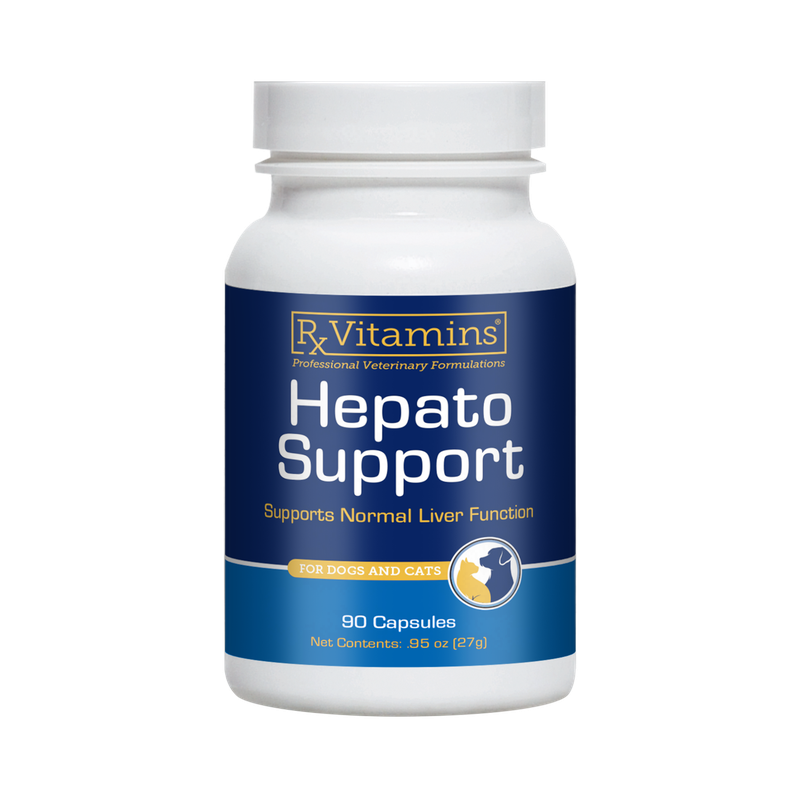
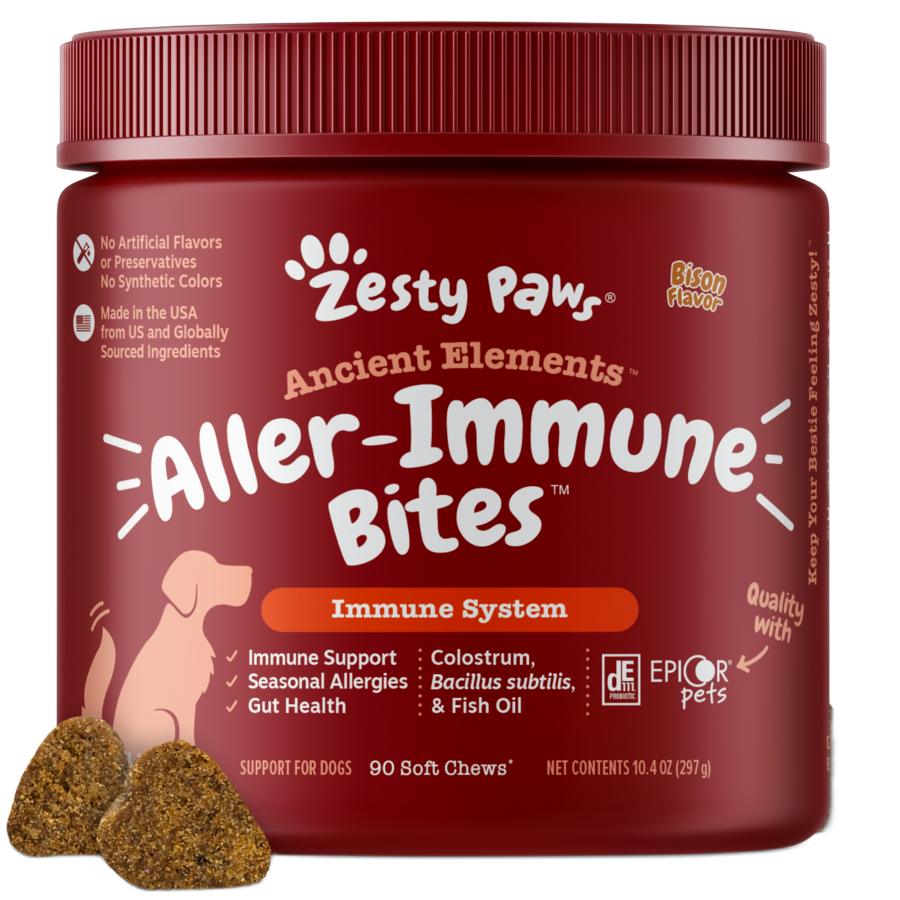
Products Containing N-Acetyl Cysteine
Top-rated supplements featuring this ingredient, ranked by our PSI+ score.