Protease
digestive enzyme
Protease is an enzyme that breaks down proteins into smaller peptides and amino acids. In the context of pet health, particularly for dogs and cats, protease supplements are often discussed as a way to support digestion and nutrient absorption. This guide examines the role of protease, its application in pet supplements and food, and what current evidence suggests for pet owners considering these products.
Enzymes for Pets: Understanding Protease
Enzymes are biological catalysts, meaning they speed up chemical reactions without being consumed in the process. In digestion, specific enzymes break down different macronutrients: amylase handles carbohydrates, lipase breaks down fats, and protease targets proteins. For dogs and cats, whose diets are typically rich in protein, efficient protein digestion is crucial for overall health, muscle maintenance, and immune function.
A dog or cat's body naturally produces proteases in the stomach (e.g., pepsin) and pancreas (e.g., trypsin, chymotrypsin). These endogenous enzymes are usually sufficient for healthy animals. However, in certain situations, such as pancreatic insufficiency or during periods of stress on the digestive system, supplemental protease might be considered. The practical implication is that while most healthy pets won't necessarily benefit from additional protease, those with specific digestive challenges might. For example, a dog with Exocrine Pancreatic Insufficiency (EPI) lacks sufficient pancreatic enzymes, including proteases, and requires supplementation to digest food properly. Without it, they can suffer from malabsorption, weight loss, and chronic diarrhea.
The trade-off with protease supplementation lies in determining genuine need versus unnecessary addition. Over-supplementation in healthy animals typically doesn't cause harm, as excess enzymes are usually excreted. However, it represents an unnecessary expense and can sometimes mask underlying issues that a veterinarian should address.
Dog Supplements with Protease
Many pet supplements marketed for digestive health include protease as a key ingredient. These supplements aim to support digestion, particularly protein breakdown, and potentially improve nutrient absorption. They come in various forms, including powders, chewable tablets, and liquids, often combined with other digestive enzymes (amylase, lipase), prebiotics, and probiotics.
The rationale behind these supplements is that some dogs, especially those with sensitive stomachs, older dogs, or those recovering from illness, might have compromised natural enzyme production. By providing exogenous proteases, these supplements theoretically ease the burden on the pet's digestive system, leading to better digestion and reduced symptoms like gas, bloating, or loose stools.
Consider a scenario where a dog frequently experiences mild digestive upset after meals, despite being on a high-quality diet. A veterinarian might suggest a trial of a digestive enzyme supplement containing protease. If the dog's symptoms improve, it could indicate that their natural protease production was marginally insufficient. Conversely, if no improvement is observed, the issue likely stems from another cause, such as food sensitivities or an imbalance in gut microbiota, and further investigation would be warranted.
It's important to note that the efficacy of these supplements can vary widely depending on the specific enzymes used, their concentration, and their stability in the digestive tract. Some enzymes are sensitive to stomach acid and may be denatured before reaching the small intestine where most digestion occurs. Products with enteric coatings or those derived from fungal sources (which tend to be more acid-stable) might offer better delivery.
Protease in Dog Food
Beyond supplements, some commercially prepared dog foods incorporate proteases and other digestive enzymes directly into their formulations. This approach aims to make the food itself more digestible, potentially improving nutrient utilization for all dogs, not just those with specific digestive issues.
The inclusion of enzymes in dog food is often highlighted as a benefit, suggesting that it can lead to better nutrient absorption and reduced waste. Proponents argue that processing kibble at high temperatures can destroy some natural enzymes present in raw ingredients, and adding them back can compensate for this loss.
However, the effectiveness of proteases added directly to kibble is a subject of ongoing discussion. Similar to supplements, the stability of these enzymes during food processing (e.g., extrusion) and subsequent storage is a significant concern. High heat and moisture during manufacturing can denature enzymes, rendering them inactive. Even if they survive processing, their activity once ingested must be considered. Stomach acid can still degrade them.
For example, a bag of kibble claiming "added digestive enzymes" might contain proteases that were active at the point of manufacture but have since become inactive due to shelf life, storage conditions, or the acidic environment of the dog's stomach. Therefore, while the concept sounds appealing, the actual benefit might be limited. Pet owners relying solely on enzyme-fortified kibble should monitor their pet's digestive health closely and not assume complete digestive support from the food alone.
Digestive Enzymes For Dogs: A Broader View
Protease is one component of a larger category: digestive enzymes. A comprehensive digestive enzyme supplement for dogs typically includes amylase (for carbohydrates), lipase (for fats), and various proteases (for proteins). Some formulations also include cellulase to help break down plant fibers, though dogs and cats naturally produce very little of this enzyme.
The primary use case for comprehensive digestive enzyme supplements is in conditions where the pancreas is not producing enough enzymes, most notably Exocrine Pancreatic Insufficiency (EPI). In EPI, the pancreas fails to produce sufficient amounts of digestive enzymes, leading to severe maldigestion and malabsorption. Dogs with EPI cannot properly digest their food, resulting in chronic diarrhea, weight loss despite a ravenous appetite, and poor coat quality. For these dogs, enzyme replacement therapy, usually in the form of pancreatic enzyme extracts containing high levels of protease, amylase, and lipase, is life-saving.
Beyond EPI, digestive enzymes are sometimes used for dogs experiencing non-specific digestive upset, such as intermittent vomiting, diarrhea, or excessive gas, especially if other causes have been ruled out. The idea is to provide general digestive support, potentially improving the breakdown of food and reducing gastrointestinal irritation.
Consider the difference in application:
| Condition/Goal | Primary Enzyme Focus | Expected Outcome |
|---|---|---|
| Exocrine Pancreatic Insufficiency (EPI) | High-potency pancreatic enzymes (protease, amylase, lipase) | Essential for survival; complete digestion, weight gain, resolution of diarrhea |
| Non-specific Digestive Upset | Broad-spectrum digestive enzymes (protease, amylase, lipase, cellulase) | May alleviate symptoms like gas, bloating, mild diarrhea; improved nutrient absorption |
| General Wellness/Aging | Low-dose digestive enzymes (protease, amylase, lipase) | Unclear benefit for healthy pets; might offer marginal support for older animals |
The efficacy for non-EPI conditions is less definitively established. While many anecdotal reports suggest improvement, robust scientific studies consistently demonstrating benefits across a broad healthy pet population are less common. This doesn't mean they are ineffective, but rather that their benefits might be specific to certain individuals or conditions that are not yet fully understood.
Addition of Protease Enzyme to Dog and Cat Feed and Its Impact
The strategic addition of protease enzymes to dog and cat feed, often referred to as "feed enzymes," is a practice explored in animal agriculture and, increasingly, in pet food manufacturing. The goal is to improve the digestibility of feed ingredients, particularly protein sources, leading to better nutrient utilization, reduced feed costs, and potentially lower environmental impact due to less undigested waste.
For instance, certain plant-based protein sources, like soybean meal, contain anti-nutritional factors and complex protein structures that can be challenging for pets to digest efficiently. Adding specific proteases can help break down these complex proteins, making amino acids more accessible for absorption. This is particularly relevant in commercial formulations striving for optimal nutrient profiles and cost-effectiveness.
Research in this area often focuses on the "apparent digestibility" of nutrients. A study might compare two groups of animals, one fed a standard diet and another fed the same diet supplemented with protease. Researchers then analyze the animals' feces to determine how much protein was absorbed versus excreted. If the protease-supplemented group excretes less protein, it suggests improved digestibility.
One practical implication is that pet food manufacturers might use proteases to formulate diets with a wider range of protein sources, potentially including more plant-based ingredients, while still ensuring adequate protein digestion for dogs and cats, who are carnivores and omnivores respectively. This can be beneficial for sustainability and ingredient sourcing flexibility.
However, the impact of such additions is highly dependent on several factors: the type and source of protease (e.g., bacterial, fungal, or animal origin), its stability during feed processing and storage, the specific protein ingredients in the diet, and the physiological state of the animal. A protease effective at breaking down one type of protein might be less effective against another. Furthermore, the overall health of the animal's digestive system plays a role; a pet with a compromised gut microbiome might not fully utilize even well-digested nutrients.
Enzyme Use for Cats and Dogs: Safety and Considerations
The concept of an "enzyme miracle" for pets often refers to the significant improvements seen in animals with severe digestive disorders, particularly EPI. For these pets, enzyme replacement therapy is miraculous, transforming them from emaciated, sickly animals into healthy, thriving companions. However, it's crucial to distinguish between genuine therapeutic need and the broad application of enzymes for general wellness.
For the average healthy dog or cat, the "miracle" is less clear-cut. Their bodies are well-equipped to digest food. While some proponents suggest that modern diets or aging can diminish natural enzyme production, leading to sub-optimal digestion, the evidence supporting widespread benefits for healthy pets remains largely anecdotal or limited to specific scenarios.
Safety of Protease for Dogs and Cats:
Generally, protease enzymes are considered safe for dogs and cats when used appropriately.
- Oral Administration: When taken orally, enzymes primarily act within the digestive tract. They are proteins themselves and are typically digested and absorbed like other dietary proteins.
- Side Effects: The most common side effects are mild gastrointestinal upset, such as diarrhea or vomiting, especially if too high a dose is given initially or if the pet is sensitive to a specific ingredient in the supplement.
- Pancreatic Extracts: For pets with EPI, high-potency pancreatic enzyme extracts can sometimes cause irritation around the mouth if they come into contact with the skin. This is due to the potent digestive action of the enzymes. Mixing them thoroughly with food and allowing a short soaking time can mitigate this.
- Allergies: As with any supplement or food, an allergic reaction to a specific ingredient (e.g., a filler or a specific enzyme source) is possible but rare.
Considerations for Pet Owners:
In summary, while protease enzymes can indeed be "miraculous" for pets with diagnosed pancreatic insufficiency, their role in the general wellness of healthy pets is more nuanced. They are generally safe, but their benefits for non-specific digestive issues might be subtle and individual.
FAQ
Is protease safe for dogs?
Yes, protease enzymes are generally considered safe for dogs when administered orally and according to recommended dosages. They are naturally occurring in the digestive system and are broken down like other proteins. Rare side effects might include mild gastrointestinal upset, such as diarrhea, especially if given in excessive amounts.
What are the side effects of digestive enzymes for dogs?
The most common side effects of digestive enzymes for dogs are mild gastrointestinal disturbances, such as diarrhea, vomiting, or gas, particularly when starting supplementation or if the dose is too high. For pets with Exocrine Pancreatic Insufficiency (EPI) receiving high-potency pancreatic extracts, skin irritation around the mouth can occur if the enzymes come into direct contact with the skin. Allergic reactions to specific ingredients in a supplement are also possible but uncommon.
Conclusion
Protease enzymes play a fundamental role in protein digestion for both dogs and cats. While their bodies naturally produce these enzymes, supplementation can be a critical intervention for pets with conditions like Exocrine Pancreatic Insufficiency (EPI), where natural production is severely compromised. For these animals, protease, alongside other digestive enzymes, is life-sustaining.
For otherwise healthy pets experiencing non-specific digestive upsets, or as a general wellness measure, the benefits of protease supplements are less definitively established. While many pet owners report positive outcomes, robust scientific evidence supporting widespread benefits for healthy animals is less prevalent. Similarly, the inclusion of proteases in commercial pet foods, while appealing in theory, faces challenges regarding enzyme stability during processing and storage.
Pet owners considering protease or other digestive enzyme supplements should consult their veterinarian to determine true necessity, rule out underlying medical conditions, and discuss appropriate product selection and dosage. Quality, source, and stability are key factors to consider when choosing a supplement for your pet.
Products Containing Protease
Top-rated supplements featuring this ingredient, ranked by our PSI+ score.
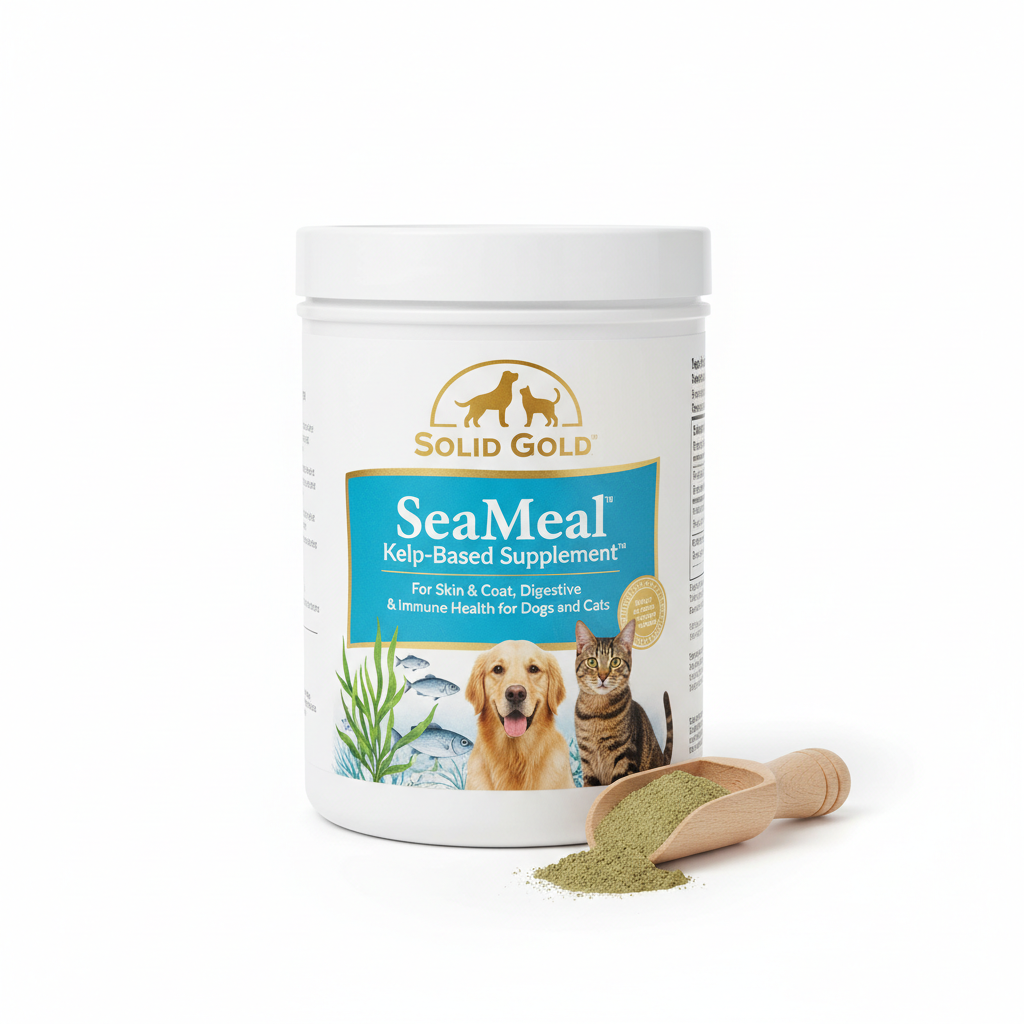
Solid Gold SeaMeal Kelp-Based Supplement for Skin & Coat, Digestive & Immune Health for Dogs & Cats
Solid Gold
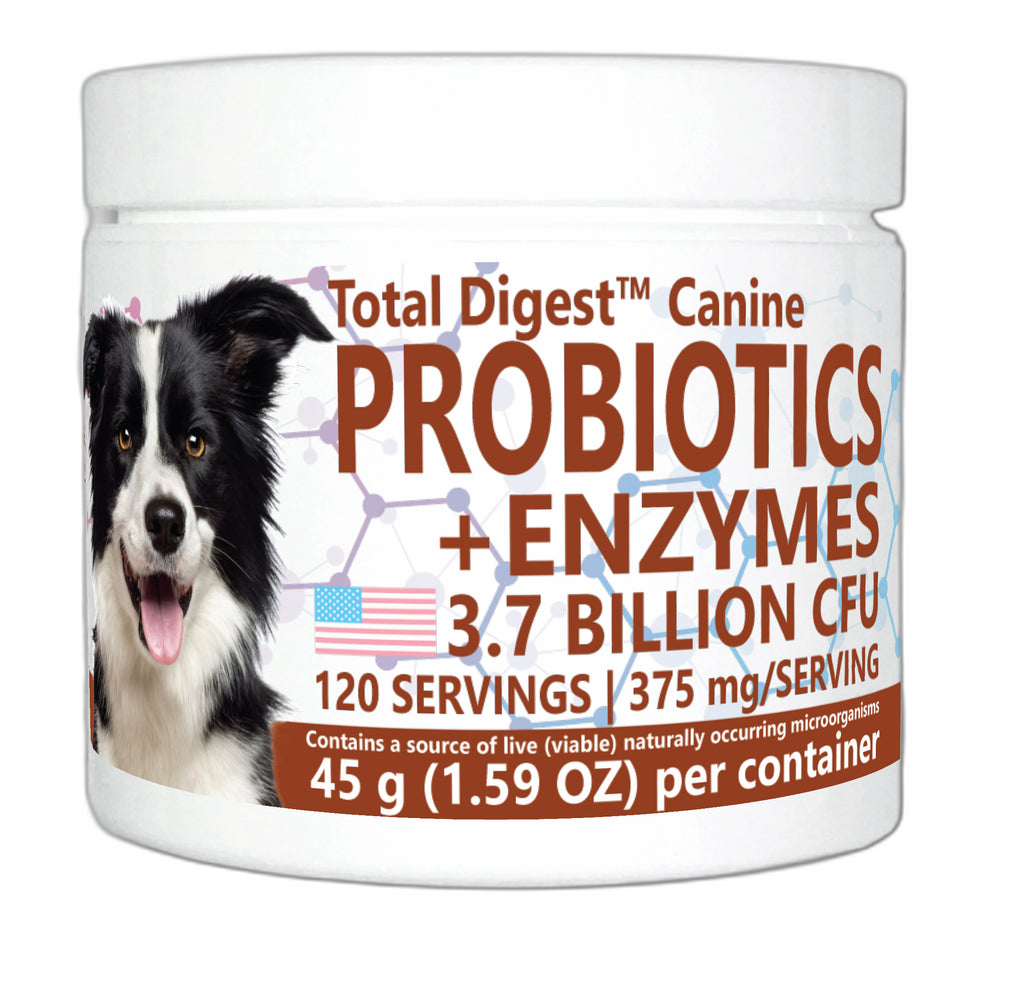
Equa Holistics Total Digest Canine Probiotics & Enzymes
Equa Holistics
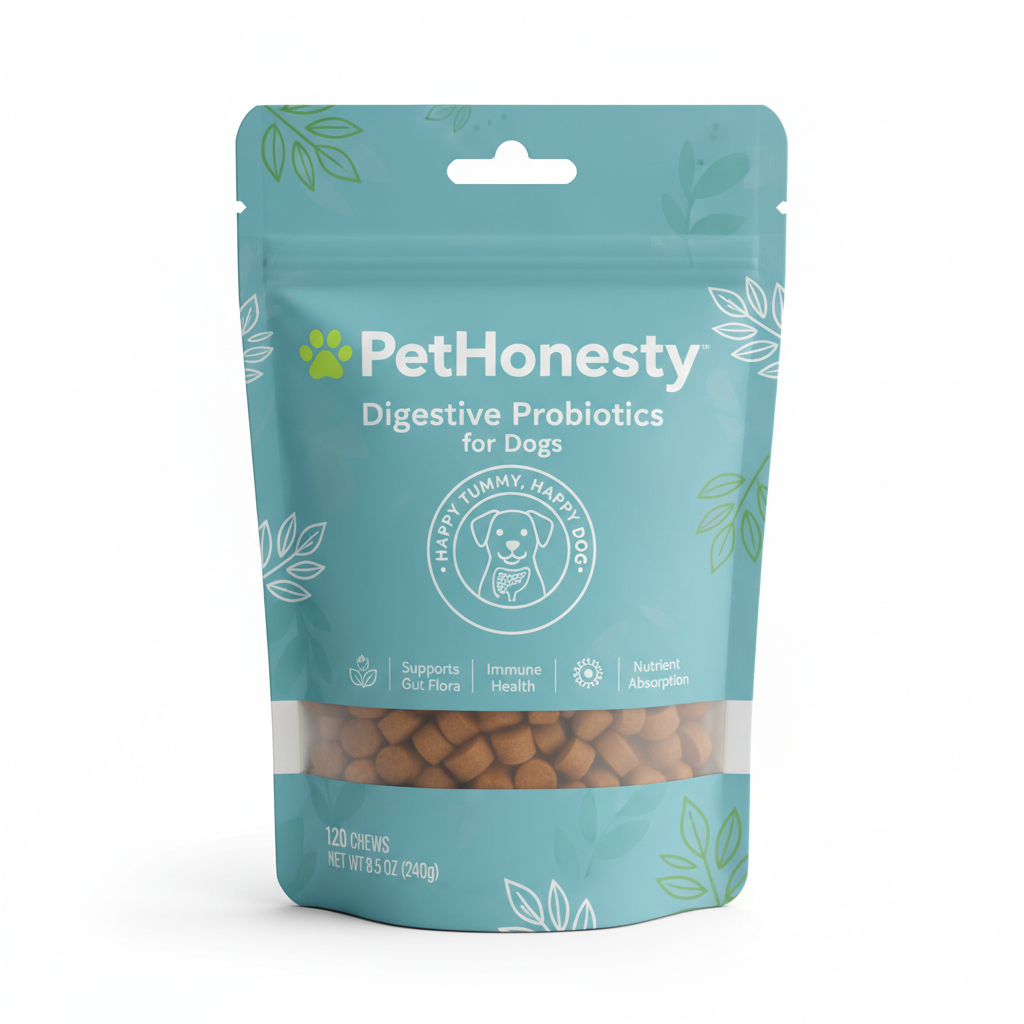
PetHonesty Digestive Probiotics for Dogs
PetHonesty
Wholistic Pet Organics Digest-All Plus Enzyme and Probiotic Supplement
Wholistic Pet Organics
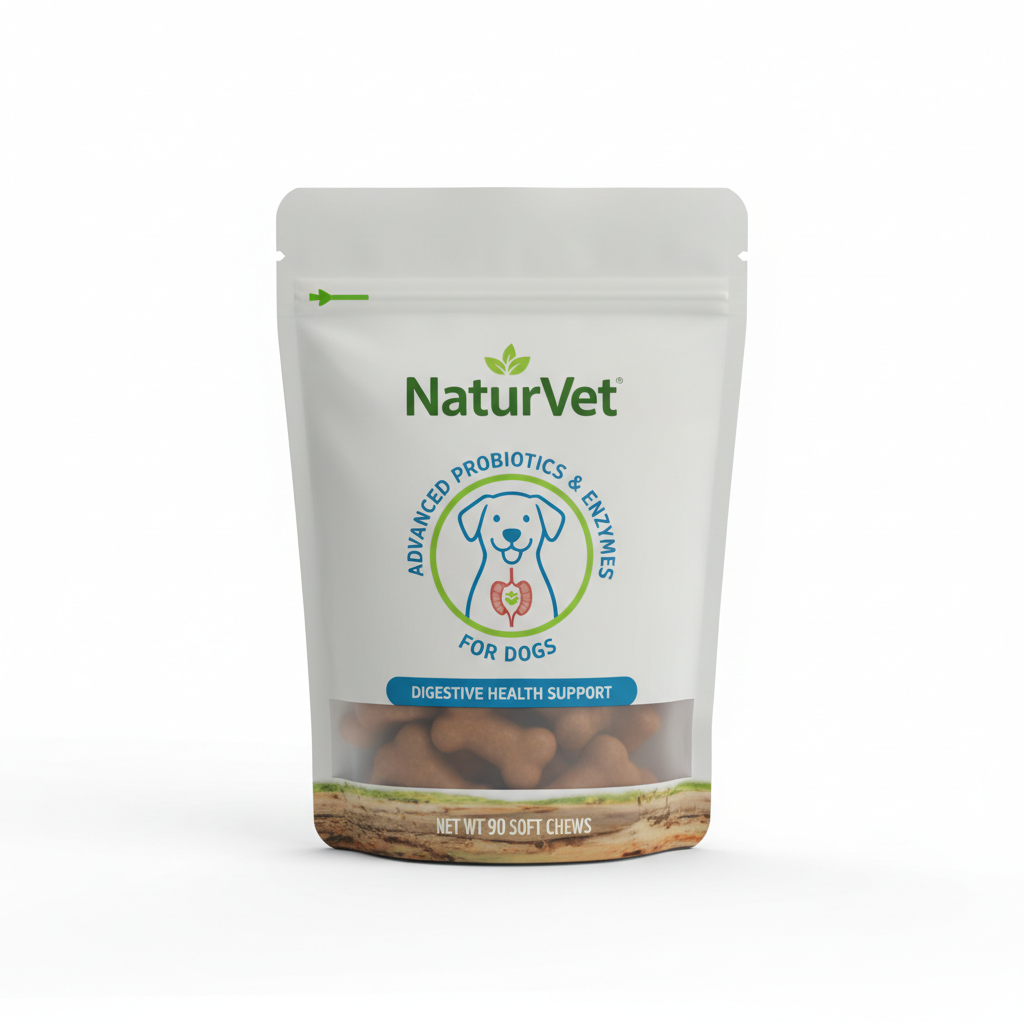
NaturVet Advanced Probiotics & Enzymes for Dogs
NaturVet
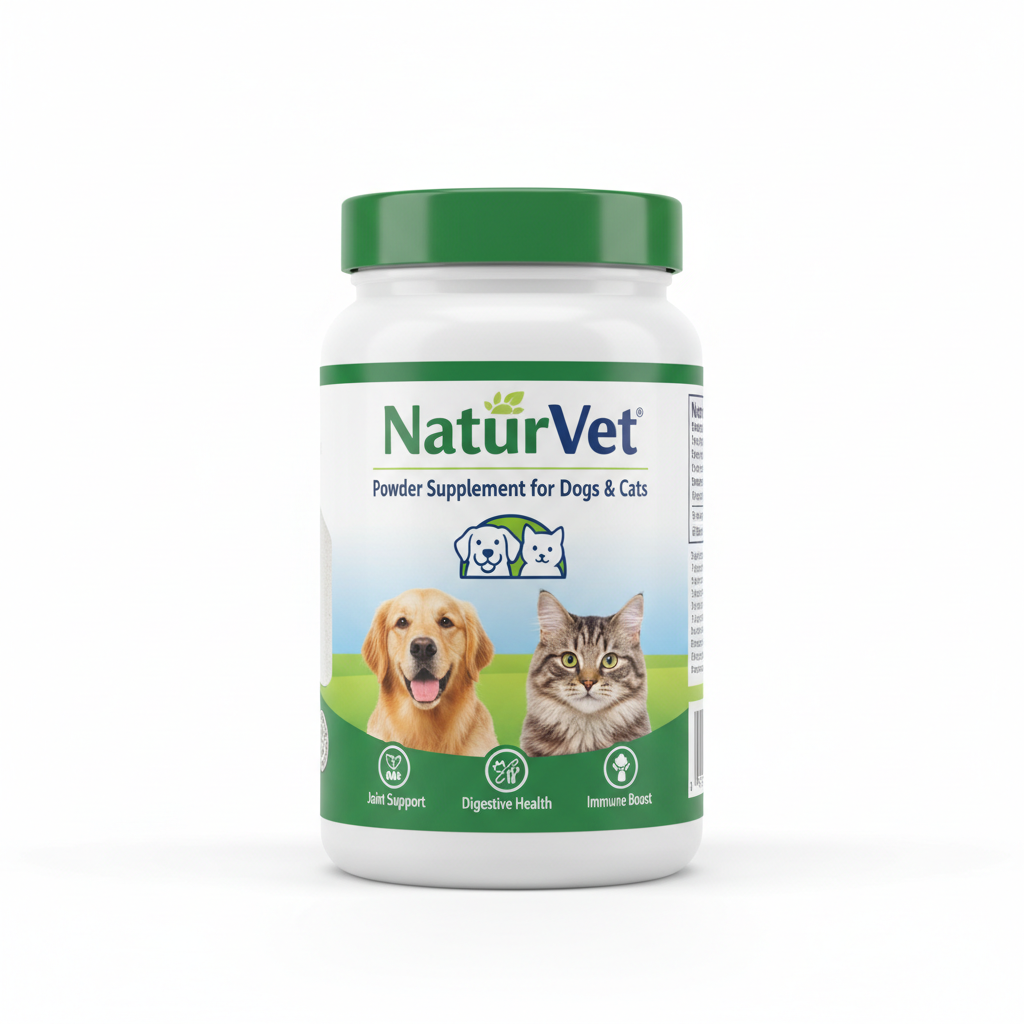
Digestive Support for Dogs & Cats
NaturVet
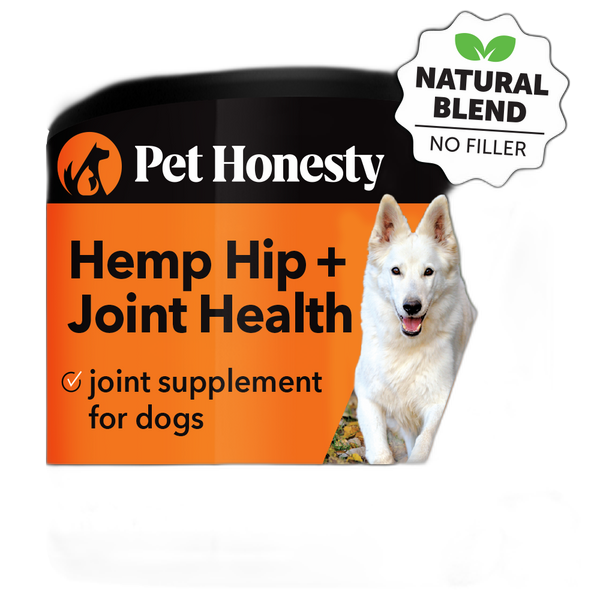
NaturVet Digestive Enzymes Plus Probiotics Soft Chews for Dogs
NaturVet