Pumpkin
fiber
Pumpkin is a common recommendation for pet owners dealing with mild digestive upset in their dogs and cats. Its appeal lies in its perceived naturalness and accessibility. However, understanding the specific components of pumpkin, its potential benefits, appropriate dosing, and what forms are safe is crucial for responsible pet care. This guide explores the veterinary perspective on using pumpkin for pets, drawing on available information regarding its nutritional profile and effects on gut health.
Is Pumpkin Good for Dogs? What Our Vets Want You to Know
For many veterinarians, pumpkin often serves as a first-line, at-home intervention for minor digestive issues in dogs, such as mild diarrhea or constipation. The primary reason for its utility is its fiber content. Pumpkin contains both soluble and insoluble fiber, which work together to regulate bowel movements.
Soluble fiber, like that found in pumpkin, absorbs water and forms a gel-like substance. This can help to firm up loose stools by absorbing excess water in the digestive tract. Conversely, for constipation, this same soluble fiber can help soften hard stools, making them easier to pass. Insoluble fiber, on the other hand, adds bulk to the stool and stimulates gut motility, helping things move along more efficiently.
Veterinarians generally view pumpkin as a supportive measure, not a cure for underlying conditions. If a dog experiences persistent vomiting, severe diarrhea, lethargy, or other concerning symptoms, a vet visit is essential. Pumpkin should not replace professional medical advice or treatment for serious illnesses. Its role is typically for temporary, mild gastrointestinal disturbances where a dietary adjustment might help.
One practical consideration is the type of pumpkin used. Plain, canned pumpkin puree is the standard recommendation. Pumpkin pie filling, which often contains spices, sugar, and other additives, is not suitable and can be harmful to pets. Likewise, raw pumpkin or pumpkin skin and stems are generally not advised due to potential choking hazards or digestive upset from tough fibers.
Can Dogs Eat Pumpkin? Benefits, Risks, and Feeding Tips
Yes, dogs can eat plain pumpkin, and it offers several potential benefits, primarily related to digestive health. However, there are also considerations and risks if not fed appropriately.
Potential Benefits of Pumpkin for Dogs:
- Digestive Regulation: As mentioned, the fiber content helps with both diarrhea and constipation. For diarrhea, soluble fiber absorbs water to firm stools. For constipation, the fiber adds bulk and moisture, aiding passage.
- Weight Management: Pumpkin is low in calories and high in fiber, which can help dogs feel full. This can be beneficial for dogs on a weight loss program, as a small amount mixed into their food can increase satiety without adding significant calories.
- Nutrient Boost: Pumpkin contains vitamins and minerals, including Vitamin A (from beta-carotene), Vitamin C, Vitamin E, iron, and potassium. While not a complete nutritional supplement, it adds some beneficial micronutrients to the diet.
- Anal Gland Health: For some dogs, the added fiber can contribute to firmer stools, which naturally express the anal glands during defecation. This can be helpful for dogs prone to anal gland issues.
Potential Risks and Considerations:
- Overfeeding: Too much pumpkin can lead to excessive fiber intake, potentially causing gas, bloating, or even worsening diarrhea or constipation. It can also displace other essential nutrients if it makes up too much of the diet.
- Vitamin A Toxicity: While rare, excessive consumption of beta-carotene (which converts to Vitamin A) over long periods could theoretically lead to hypervitaminosis A, particularly with highly concentrated forms. However, this is unlikely with typical pumpkin feeding.
- Additives in Pumpkin Products: As noted, pumpkin pie filling is dangerous due to added sugars, spices (like nutmeg, which is toxic to dogs in large amounts), and artificial sweeteners like xylitol. Always use plain, 100% pumpkin puree.
- Allergies: Though uncommon, some dogs may have an allergy or sensitivity to pumpkin. Introduce it slowly and monitor for any adverse reactions.
Feeding Tips:
- Start Small: Begin with a small amount and gradually increase to the recommended dose.
- Plain Pumpkin Only: Use plain, canned pumpkin puree. Check the label to ensure no added spices, sugar, or salt.
- Fresh vs. Canned: While fresh pumpkin is fine (cooked and pureed), canned is often more convenient and consistent. Avoid raw pumpkin, as it can be hard to digest.
- Storage: Once opened, canned pumpkin should be refrigerated and used within a few days or frozen in small portions for later use.
Is Pumpkin Safe for Dogs and Cats?
Yes, plain pumpkin is generally considered safe for both dogs and cats when fed in appropriate amounts. The digestive benefits observed in dogs often extend to cats as well, particularly for issues like constipation or mild diarrhea.
Safety for Cats:
Cats, like dogs, can benefit from the fiber in pumpkin. It's often recommended by veterinarians for cats experiencing:
- Constipation: The fiber helps soften stools and promote regularity. This is particularly common in older cats or those with hairball issues.
- Hairballs: The added fiber can help ingested hair pass through the digestive tract more easily, potentially reducing the frequency or severity of hairballs.
- Mild Diarrhea: Similar to dogs, the soluble fiber can help absorb excess water and firm up loose stools.
Important Considerations for Cats:
- Palatability: Some cats can be very finicky eaters. While some will readily eat pumpkin mixed into their food, others may refuse it.
- Dosing: Cats are significantly smaller than most dogs, so their appropriate dosage is much smaller. Overfeeding can lead to digestive upset.
- Hydration: For constipated cats, ensuring adequate water intake alongside pumpkin is crucial.
General Safety Guidelines for Both Species:
- Source: Always use 100% plain, canned pumpkin puree. Avoid pumpkin pie filling, raw pumpkin, or any part of the pumpkin plant other than the cooked flesh.
- Moderation: Pumpkin is a supplement, not a primary food source. It should only make up a small portion of their daily caloric intake.
- Observe: Monitor your pet for any changes in appetite, stool quality, or behavior after introducing pumpkin. Discontinue use if adverse reactions occur.
- Veterinary Consultation: If digestive issues persist or worsen, or if your pet has underlying health conditions (like diabetes), consult your veterinarian before incorporating pumpkin into their diet.
Has Anyone Ever Given Their Dog Pumpkin To...?
Many pet owners have successfully used pumpkin to address a range of mild digestive concerns in their dogs. Anecdotal evidence, supported by veterinary recommendations, points to its efficacy for:
- Firming up loose stools: This is perhaps the most common reason pet owners turn to pumpkin. The soluble fiber absorbs excess water, helping to resolve mild, non-infectious diarrhea. For example, a dog might have a temporary bout of loose stool after eating something new or experiencing mild stress. A tablespoon or two of pumpkin can often help.
- Relieving mild constipation: When a dog is straining to defecate or producing very hard, dry stools, the fiber and moisture in pumpkin can help soften the stool and promote easier passage. This is often seen in dogs who may not be drinking enough water or those consuming a diet low in fiber.
- Managing anal gland issues: Some owners report that regular, small additions of pumpkin to their dog's diet help their dog naturally express their anal glands due to firmer, bulkier stools. This can reduce the need for manual expression by a vet or groomer.
- Adding fiber for weight management: For dogs on a diet, adding a small amount of pumpkin can help them feel more full without adding many calories. Owners often mix it into their regular food.
- Introducing new foods: Some owners use a small dollop of pumpkin to make a new food more palatable or to mask the taste of medication.
It's important to differentiate between these common, mild scenarios and more serious conditions. While pumpkin can be helpful for temporary, self-limiting issues, owners who report success with pumpkin are generally describing situations where the underlying problem wasn't severe or chronic. For persistent or severe symptoms, veterinary intervention is always necessary. The collective experience of pet owners highlights pumpkin's role as a gentle, supportive dietary aid.
Can Pumpkin Help With Dog Diarrhea?
Yes, pumpkin can often help with mild cases of dog diarrhea, and this is one of its most common and well-regarded uses. The mechanism behind this benefit is primarily its fiber content.
How Pumpkin Addresses Diarrhea:
When Pumpkin Is Most Effective for Diarrhea:
Pumpkin is most effective for mild, uncomplicated diarrhea. This might include:
- Dietary indiscretion: Your dog ate something they shouldn't have, leading to a temporary upset stomach.
- Stress-induced diarrhea: Some dogs get loose stools when anxious or experiencing a change in routine.
- Transitioning food: When switching to a new food, some dogs can experience temporary digestive upset.
When Pumpkin Is NOT Enough for Diarrhea:
Pumpkin isn't a cure-all and shouldn't replace veterinary care for serious conditions. Seek immediate veterinary attention if your dog's diarrhea is accompanied by:
- Vomiting (especially persistent or severe)
- Lethargy or weakness
- Loss of appetite for more than 24 hours
- Blood in the stool (red or black/tarry)
- Fever
- Pain or abdominal discomfort
- Diarrhea lasting more than 24-48 hours
- Known ingestion of toxins or foreign objects
- Puppies or senior dogs: They are more susceptible to rapid dehydration and complications.
In these situations, diarrhea could be a symptom of a more serious underlying issue like parasites, bacterial infections, viral diseases (e.g., parvovirus), pancreatitis, organ disease, or inflammatory bowel disease. Pumpkin will not address these root causes and could delay appropriate treatment.
Canned Pumpkin For Dogs: A Veterinarian's Guide
When considering canned pumpkin for your dog, veterinary guidance often centers on product selection, appropriate dosing, and awareness of its limitations.
Choosing the Right Product:
- Plain Canned Pumpkin Puree: This is the only acceptable form. The label should explicitly state "100% pumpkin" or "pure pumpkin."
- Avoid Pumpkin Pie Filling: This product is distinctly different. It contains added sugars, spices (like nutmeg, which can be toxic), and sometimes artificial sweeteners (like xylitol, which is highly toxic to dogs). Always double-check the ingredient list.
- Organic vs. Conventional: While organic might appeal to some owners, from a pet health perspective, the primary concern is the absence of harmful additives, not necessarily the organic certification.
- Fresh vs. Canned: Cooked fresh pumpkin (pureed) is also acceptable, but canned puree offers consistent texture and year-round availability. Raw pumpkin is generally not recommended due to difficulty digesting and potential for choking.
Dosing Guidelines (General Recommendations):
Dosing can vary based on the dog's size and the severity of the issue, but here are general starting points. It's always best to consult your veterinarian for specific advice tailored to your pet.
| Dog Weight (Approx.) | Starting Dose (Plain Canned Pumpkin Puree) | Frequency |
|---|---|---|
| Small (under 10 lbs) | 1/2 - 1 teaspoon | 1-2 times daily |
| Medium (10-25 lbs) | 1-2 tablespoons | 1-2 times daily |
| Large (25-50 lbs) | 2-3 tablespoons | 1-2 times daily |
| Giant (over 50 lbs) | 3-4 tablespoons | 1-2 times daily |
- Start Low, Go Slow: Begin with the lower end of the recommended dose and monitor your dog's response. Increase gradually if needed, but do not exceed the maximum suggested amount without veterinary approval.
- Mix with Food: Most dogs accept pumpkin readily when mixed into their regular wet or dry food.
- Duration: For acute, mild issues, pumpkin can often show results within 12-24 hours. If symptoms don't improve or worsen within 24-48 hours, discontinue use and contact your vet. For chronic issues like constipation, it might be used long-term under veterinary guidance.
Storage:
Once opened, canned pumpkin should be refrigerated and used within 5-7 days. For longer storage, freeze pumpkin in ice cube trays or small freezer-safe containers. This allows you to thaw small, single-serving portions as needed.
Veterinary Perspective on Limitations:
While beneficial for mild issues, veterinarians emphasize that pumpkin is a supportive measure, not a diagnostic tool or a primary treatment for serious conditions.
- Not a Replacement for Medical Care: If symptoms are severe, persistent, or accompanied by other signs of illness, a vet visit is paramount. Delaying proper diagnosis and treatment can worsen outcomes.
- Potential for Imbalance: Excessive pumpkin can lead to too much fiber, potentially hindering the absorption of other nutrients or causing further digestive upset.
- Individual Variability: Not all dogs respond to pumpkin in the same way. Some may experience no change, while others might have an adverse reaction.
In summary, canned pumpkin can be a useful tool in a pet owner's arsenal for managing minor digestive complaints, but responsible use, adherence to proper product selection, and knowing when to seek professional veterinary care are essential.
FAQ
How much canned pumpkin should I give my dog?
For mild digestive upset, a general guideline is 1/2 to 1 teaspoon for small dogs, 1-2 tablespoons for medium dogs, and 2-4 tablespoons for large dogs, given once or twice daily. Always start with a smaller amount and observe your dog's response. Consult your veterinarian for precise dosing, especially for puppies, senior dogs, or those with underlying health conditions.
Is pumpkin a laxative for dogs?
Pumpkin acts as a mild dietary aid for both constipation and diarrhea due to its fiber content. For constipation, the fiber adds bulk and moisture, which can help soften stools and promote easier passage, similar to a bulking laxative. However, it's not a pharmaceutical laxative and works more gently by normalizing stool consistency. For diarrhea, the soluble fiber absorbs excess water, helping to firm up loose stools.
Do vets recommend pumpkin for dogs?
Many veterinarians do recommend plain, canned pumpkin puree for dogs experiencing mild, uncomplicated digestive issues like temporary diarrhea or constipation. They view it as a safe, natural, and accessible first-line intervention for minor gastrointestinal upset. However, veterinarians also stress that pumpkin is not a substitute for professional medical care for severe, persistent, or unexplained symptoms, and proper dosing is crucial to avoid adverse effects.
Conclusion
Pumpkin, specifically plain, canned pumpkin puree, can be a valuable and often recommended dietary addition for pets experiencing mild digestive disturbances. Its balanced soluble and insoluble fiber content offers a natural way to help regulate bowel movements, addressing both mild diarrhea and constipation. While generally safe and beneficial, responsible use involves selecting the correct product (avoiding pie filling), adhering to appropriate dosing guidelines, and understanding its limitations. Pumpkin serves as a supportive measure for temporary, minor issues, but it is not a substitute for veterinary diagnosis and treatment when symptoms are severe, persistent, or indicative of a more serious underlying health problem. Always prioritize consultation with your veterinarian for any significant or ongoing pet health concerns.
Products Containing Pumpkin
Top-rated supplements featuring this ingredient, ranked by our PSI+ score.
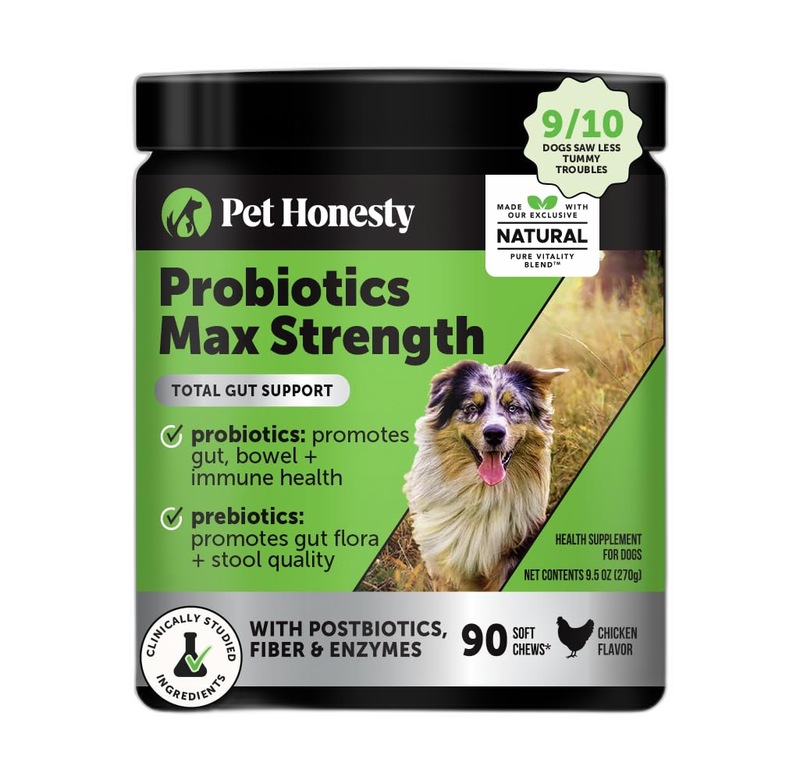
PetHonesty Digestive Probiotics MAX Strength for Dogs
PetHonesty
Zesty Paws Gut Health Bites for Dogs
Zesty Paws
Solid Gold Digestive Probiotic Supplement for Dogs
Solid Gold
iHeartDogs Probiotics for Dogs with Prebiotics
iHeartDogs
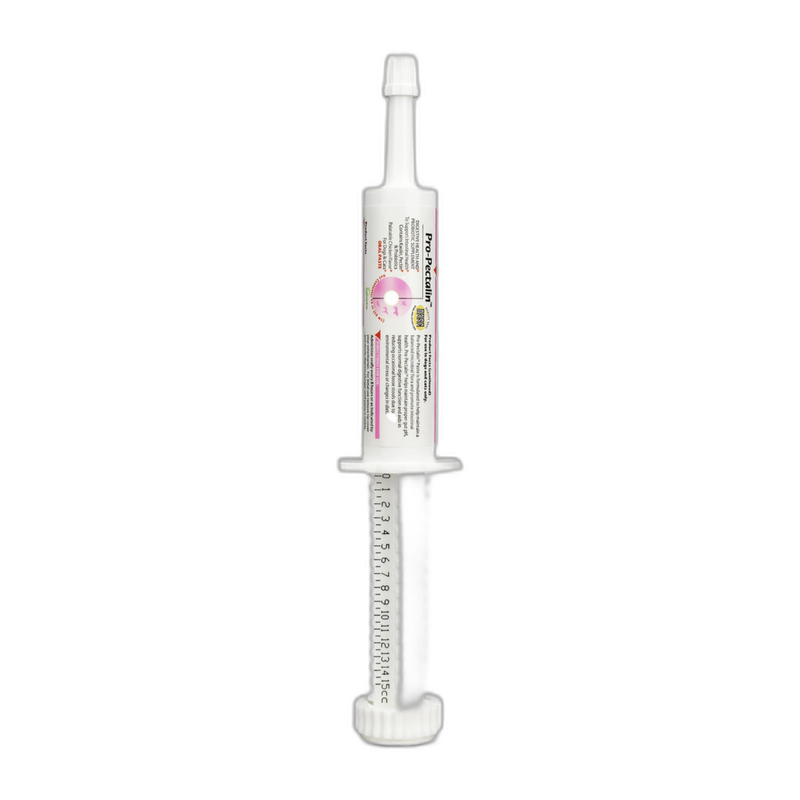
Doggie Dailies Probiotics for Dogs
Doggie Dailies
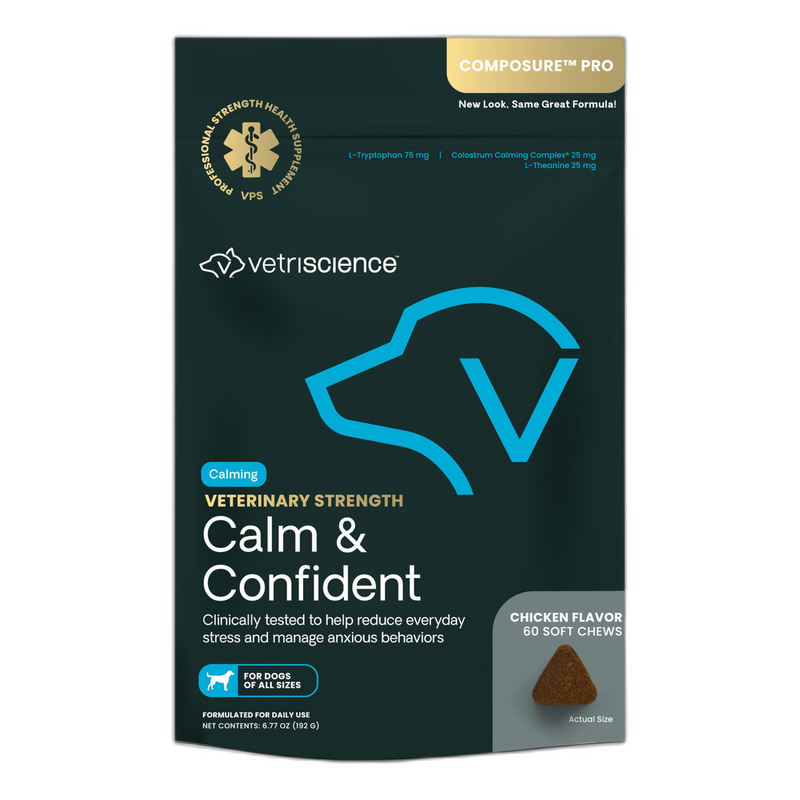
PetLab Co. Digestive Support Chews for Dogs
PetLab Co.
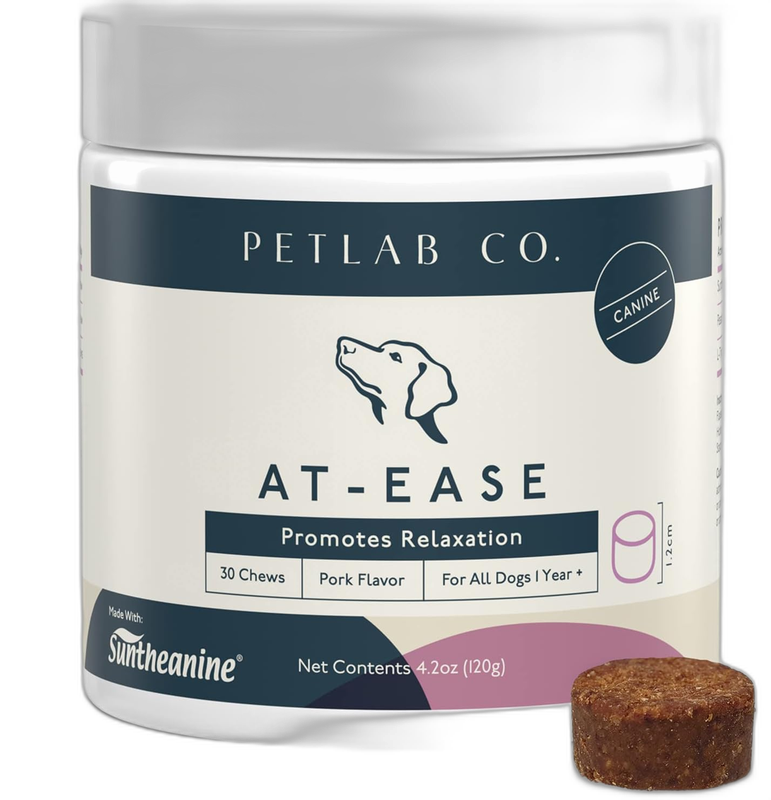
PetHonesty Super Pooper Max Strength Digestive Support
PetHonesty
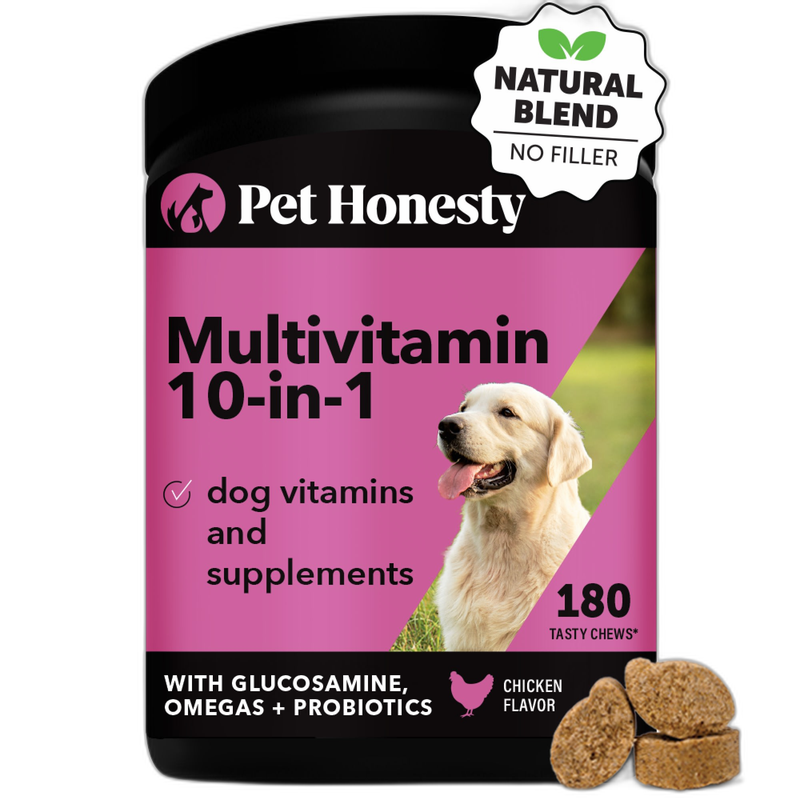
PetHonesty 10-for-1 Multivitamin with Glucosamine
PetHonesty