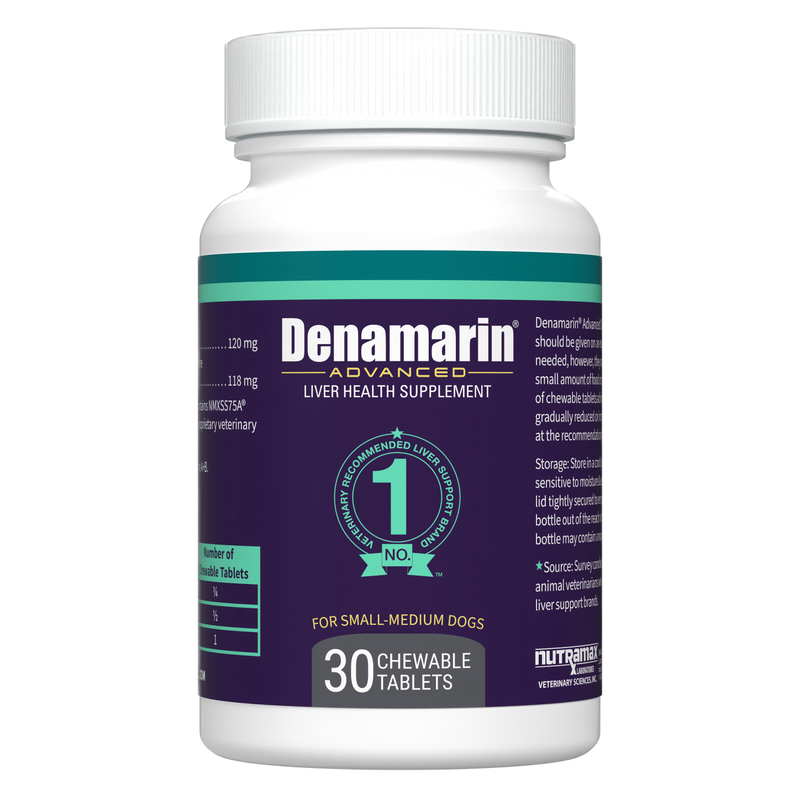
Silybin A+B (Milk Thistle)
liver support
Silybin A+B, often simply referred to as silybin, is a key component found in milk thistle (Silybum marianum), a plant recognized for its potential benefits, particularly concerning liver health. For pet owners exploring options for their dogs and cats, understanding silybin A+B (milk thistle) can be a step towards informed care. This guide delves into what silybin A+B is, its reported benefits for pets, practical considerations for dosage, and important safety aspects.
Milk Thistle or Silymarin for Liver Support in Pets
Milk thistle is a flowering plant whose seeds contain a group of active compounds collectively known as silymarin. Silymarin itself is a complex mixture, and silybin is the most biologically active and abundant component within silymarin. More specifically, silybin exists as two diastereomers, silybin A and silybin B, which are often grouped together as "silybin A+B." When discussing milk thistle for pets, the focus is almost always on the silymarin content, and more precisely, its silybin A+B concentration, due to its significant role in the plant's therapeutic properties.
The practical implication for pet owners is that not all milk thistle products are created equal. A product standardized for its silymarin content, and ideally, its silybin A+B concentration, offers a more consistent and predictable approach to supplementation. This standardization helps ensure that the active compounds are present in a measurable amount, rather than relying on a general "milk thistle extract" that may vary widely in potency.
For instance, if a supplement claims to contain 100mg of milk thistle extract, it's more informative to know if that extract is standardized to, say, 80% silymarin, and within that silymarin, what percentage is silybin A+B. This level of detail allows for a more accurate assessment of the potential benefits and appropriate dosing for a dog or cat. Without standardization, the actual amount of active compounds can be highly variable, making it difficult to gauge effectiveness or potential side effects.
Liver Support Supplement for Large Dogs with Silymarin
Large dogs, due to their sheer body mass and often longer lifespans, can experience liver challenges that may benefit from supportive therapies. When considering a liver support supplement for a large dog, the presence of silymarin, and specifically silybin A+B, is a common factor.
The liver in large dogs faces the same metabolic demands as in smaller dogs, but on a larger scale. It processes more food, filters more blood, and metabolizes more medications. This increased workload can sometimes lead to stress on the liver, making supportive measures appealing. Supplements containing silybin A+B are often chosen for their purported hepatoprotective (liver-protecting) and antioxidant properties.
For a large dog, the sheer volume of supplement required can be a practical consideration. Capsules or chewable tablets formulated with higher concentrations of silybin A+B can be more convenient than administering multiple smaller doses. For example, a supplement designed for a 100-pound dog might contain 200mg of standardized silymarin per chew, whereas a supplement for a 20-pound dog might contain 50mg. This difference in concentration helps simplify administration and ensures the dog receives an appropriate amount without excessive pill burden.
Furthermore, some liver conditions in large breeds, such as certain genetic predispositions to copper storage disease or chronic hepatitis, might lead veterinarians to recommend adjunctive therapies like silybin A+B. It's crucial, however, that such supplementation is part of a broader veterinary-supervised treatment plan, especially for diagnosed liver conditions. Self-diagnosing and treating liver issues in large dogs with supplements alone can delay appropriate medical intervention.
Liver Support for Dogs & Cats | Milk Thistle Capsules
The use of milk thistle capsules for liver support extends to both dogs and cats, though there are nuanced differences in their metabolic processes and typical dosages. While the underlying mechanism of action of silybin A+B is generally consistent across species – involving antioxidant activity, anti-inflammatory effects, and potentially aiding liver cell regeneration – the practical application differs.
Dogs: For dogs, milk thistle capsules are a common form of administration. They can often be given whole, hidden in food, or opened and sprinkled onto a meal, depending on the dog's temperament and the capsule type. The dosage for dogs typically scales with body weight, making it relatively straightforward to adjust based on the individual animal.
Cats: Cats can be more challenging to medicate, and their specific physiology requires careful consideration. While milk thistle can be beneficial for feline liver health, especially in cases of hepatic lipidosis (fatty liver disease) or cholangiohepatitis, the dosage must be precise. Cats are also more sensitive to certain compounds, and any supplement should be introduced cautiously. Liquid forms or very small capsules might be preferred for cats to ensure accurate dosing and easier administration.
Here's a comparison of considerations for administering silybin A+B (milk thistle) capsules to dogs and cats:
| Feature | Dogs | Cats |
|---|---|---|
| Administration | Often accept capsules whole, in treats, or mixed with food. | May resist pills; liquid forms or tiny capsules often preferred. |
| Dosage Scaling | Generally scales proportionally with body weight. | Requires more precise dosing; often lower per kg than dogs. |
| Palatability | Many flavored chewables available; less finicky with taste. | Highly sensitive to taste and texture; unflavored or palatable forms essential. |
| Metabolism | Generally metabolize silybin A+B well; wider therapeutic window. | More sensitive to certain compounds; slower drug metabolism can occur. |
| Specific Uses | Chronic liver conditions, toxin exposure, general liver support. | Hepatic lipidosis, cholangiohepatitis, pancreatitis with liver involvement. |
| Veterinary Input | Always recommended, especially for diagnosed conditions. | Crucial due to feline sensitivities and unique liver diseases. |
The key takeaway is that while the ingredient is the same, the approach to supplementation, particularly regarding dosage and form, needs to be tailored to the species.
Milk Thistle for Dogs: Benefits, Safety, and How to Use It
Milk thistle, or more specifically its active component silybin A+B, has garnered attention for its potential to support canine liver health. Understanding its purported benefits, how to administer it, and crucial safety considerations is vital for responsible pet ownership.
Benefits of Silybin A+B (Milk Thistle) for Dogs
The primary benefits attributed to silybin A+B for dogs revolve around its impact on the liver:
- Antioxidant Properties: Silybin A+B is a potent antioxidant. It helps neutralize free radicals, which are unstable molecules that can damage liver cells. This oxidative stress can contribute to various liver diseases. By reducing free radical damage, silybin A+B may help protect liver cells from injury.
- Anti-inflammatory Effects: Inflammation is a common component of many liver conditions. Silybin A+B has shown anti-inflammatory properties, potentially helping to reduce liver inflammation and associated damage.
- Liver Cell Regeneration: Some research suggests that silybin A+B may stimulate the synthesis of proteins in the liver, which could aid in the regeneration of damaged liver cells. This regenerative capacity is particularly valuable in cases of liver injury or chronic disease.
- Detoxification Support: The liver is the body's primary detoxification organ. Silybin A+B may support the liver's natural detoxification pathways, helping it process and eliminate toxins more efficiently. This can be beneficial in cases of exposure to environmental toxins or certain medications.
Protection Against Toxins: Silybin A+B has been studied for its potential to protect the liver from various toxins, including certain mushroom poisons (like Amanita phalloides*) and some medications that can be hepatotoxic. While not a substitute for immediate veterinary care in poisoning cases, it may offer supportive protection.
How to Use Silybin A+B (Milk Thistle) for Dogs
Administering silybin A+B to dogs typically involves supplements available in various forms:
The "how to use it" also critically includes the "how much." Dosage should always be discussed with a veterinarian. Factors like the dog's weight, the specific liver condition, and the concentration of silybin A+B in the supplement will all influence the appropriate dose.
Safety Considerations for Silybin A+B (Milk Thistle) in Dogs
While generally considered safe for most dogs when used appropriately, there are safety aspects to keep in mind:
- Gastrointestinal Upset: The most commonly reported side effects are mild gastrointestinal disturbances, including diarrhea, soft stools, or nausea. This is often dose-dependent and can sometimes be mitigated by giving the supplement with food or reducing the dose.
- Interactions with Medications: Silybin A+B can potentially interact with certain medications, particularly those metabolized by the liver's cytochrome P450 enzyme system. This includes some antibiotics, antifungals, chemotherapy drugs, and sedatives. Always inform your veterinarian about all supplements your dog is receiving to avoid adverse interactions.
- Allergic Reactions: Though rare, an allergic reaction is possible, manifesting as itching, hives, swelling, or difficulty breathing. Discontinue use and seek veterinary attention if these signs appear.
- Purity and Quality: The quality of supplements varies. Choose reputable brands that conduct third-party testing to ensure purity, potency, and absence of contaminants. Look for products specifically formulated for pets.
- Underlying Conditions: Silybin A+B is a supportive therapy, not a cure. It should not replace veterinary diagnosis and treatment for liver disease. In some acute or severe liver conditions, immediate medical intervention is paramount.
- Pregnancy and Lactation: The safety of silybin A+B in pregnant or lactating dogs has not been extensively studied, so it's generally advised to avoid use unless specifically recommended by a veterinarian.
How Milk Thistle For Dogs Protects The Liver
The protective mechanisms of milk thistle, specifically through its silybin A+B components, are multifaceted and contribute to its role in canine liver health. These mechanisms primarily involve cellular-level interactions within the liver.
In essence, silybin A+B provides a multi-pronged approach to liver protection by fighting oxidative stress, reducing inflammation, stabilizing and regenerating liver cells, and potentially mitigating fibrosis. This comprehensive action profile is why it's often considered a valuable supportive agent in managing various canine liver conditions.
Effects of Silybin Supplementation on Nutrient Digestibility
While the primary focus of silybin A+B (milk thistle) supplementation is liver health, there's a less commonly discussed aspect related to its potential influence on nutrient digestibility. The liver plays a central role in metabolism and the production of bile, which is essential for fat digestion and absorption. Therefore, factors that impact liver function could indirectly affect how well an animal processes its food.
Research into the direct effects of silybin supplementation on nutrient digestibility in healthy dogs and cats is not as extensive as studies on its hepatoprotective effects. However, some studies, particularly in livestock and poultry, have explored this connection, often with mixed results.
Indirect Mechanisms:
- Improved Liver Function: If a pet has compromised liver function, the liver's ability to produce and secrete bile might be impaired. Bile emulsifies fats in the small intestine, allowing digestive enzymes (lipases) to break them down more effectively. If silybin A+B improves overall liver health, it could theoretically enhance bile production and flow, thereby indirectly improving fat digestion and absorption. This would be particularly relevant in conditions like cholestasis (impaired bile flow).
- Reduced Inflammation: Chronic inflammation in the gastrointestinal tract or liver can impact nutrient absorption. If silybin A+B exerts anti-inflammatory effects in these areas, it might contribute to a healthier gut environment, which is conducive to better nutrient utilization.
- Antioxidant Protection of Gut Lining: The gut lining is also susceptible to oxidative stress. By providing antioxidant support, silybin A+B might help maintain the integrity of the intestinal barrier, which is crucial for efficient nutrient absorption.
Direct vs. Indirect Impact:
It's important to distinguish between a direct effect on digestive enzymes or gut motility and an indirect effect mediated through improved liver health. Most evidence points towards an indirect impact. For a pet with a healthy liver and digestive system, silybin A+B supplementation is unlikely to dramatically alter nutrient digestibility. However, in animals with existing liver disease or conditions that compromise bile flow, the liver-supportive actions of silybin A+B could lead to secondary improvements in fat digestion and the absorption of fat-soluble vitamins (A, D, E, K).
For example, a dog with chronic hepatitis might experience poor appetite and weight loss due to impaired liver function affecting metabolism and digestion. If silybin A+B helps stabilize liver enzymes and improves liver cell function, it could contribute to a better overall metabolic state, potentially leading to improved appetite and nutrient utilization over time.
Practical Implications:
For pet owners, this means that while silybin A+B is unlikely to be prescribed solely for digestive issues in an otherwise healthy pet, it might be a beneficial component of a broader treatment plan for pets with liver disease who are also experiencing maldigestion or malabsorption. Monitoring the pet's weight, appetite, and stool quality during supplementation can provide clues about whether such indirect benefits are being observed. Always consult with a veterinarian, especially when addressing complex issues involving both liver health and nutrient absorption.
FAQ
Do vets recommend milk thistle for dogs?
Many veterinarians do recommend milk thistle (silybin A+B) for dogs, particularly as a supportive therapy for various liver conditions. It's often used in conjunction with conventional treatments for chronic hepatitis, liver injury from toxins or medications, and other forms of liver disease. However, it's typically recommended as part of a comprehensive treatment plan and not as a standalone cure. The decision to recommend it depends on the specific diagnosis, the dog's overall health, and the veterinarian's clinical judgment.
Is it safe to give my dog milk thistle every day?
For many dogs, particularly those with chronic liver conditions, milk thistle (silybin A+B) can be given daily under veterinary guidance. Clinical studies and anecdotal evidence suggest it is generally well-tolerated with long-term use. However, daily administration should always be based on a veterinarian's recommendation, who will consider the appropriate dosage, monitor for any potential side effects or interactions with other medications, and assess its ongoing efficacy for your specific pet. Mild gastrointestinal upset is the most common side effect with daily use.
What does silybin do for dogs?
Silybin, the primary active component of milk thistle, provides several benefits for dogs, mainly focused on liver health. It acts as a potent antioxidant, neutralizing harmful free radicals that can damage liver cells. It also exhibits anti-inflammatory properties, helping to reduce liver inflammation. Furthermore, silybin may support the regeneration of damaged liver cells and enhance the liver's natural detoxification processes, protecting it from various toxins. In essence, it helps maintain and improve the overall function and health of the canine liver.
Conclusion
Silybin A+B, derived from milk thistle, presents a compelling option for supporting liver health in both dogs and cats. Its multifaceted actions, including antioxidant, anti-inflammatory, and potentially regenerative properties, make it a valuable adjunctive therapy for various liver conditions. While generally considered safe, responsible use necessitates careful attention to dosage, potential drug interactions, and the quality of the supplement. Ultimately, any decision to incorporate silybin A+B (milk thistle) into a pet's health regimen should be made in consultation with a veterinarian, ensuring it aligns with the pet's specific health needs and comprehensive veterinary care plan.
Products Containing Silybin A+B (Milk Thistle)
Top-rated supplements featuring this ingredient, ranked by our PSI+ score.