Sunflower Seeds
fatty acid
Many pet owners consider supplementing their animal's diet with whole foods, and sunflower seeds often come up as an option. While generally safe in moderation, there are specific considerations regarding preparation, quantity, and potential benefits or risks for dogs and cats. This article explores the current understanding of sunflower seeds in pet diets, drawing on available veterinary insights, practical dosing guidelines, and what to prioritize when selecting these seeds.
Can Dogs Eat Sunflower Seeds?
Yes, dogs can eat sunflower seeds, but with important caveats. The primary concern revolves around the form and quantity. Plain, unsalted, shelled sunflower seeds are typically considered safe for canine consumption in small amounts. The shell itself presents a choking hazard and can cause gastrointestinal irritation or obstruction due to its fibrous, indigestible nature. Salted seeds introduce excessive sodium, which is detrimental to a dog's health, particularly for those with underlying cardiac or kidney conditions. Flavored or seasoned seeds often contain ingredients like onion or garlic powder, which are toxic to dogs.
The nutritional profile of sunflower seeds offers potential benefits. They are a good source of vitamin E, an antioxidant that supports immune function and skin health. They also contain magnesium, selenium, and fiber. However, their fat content is relatively high, primarily in the form of polyunsaturated fatty acids, specifically omega-6 linoleic acid. While omega-6 is an essential fatty acid, an imbalance with omega-3 fatty acids can sometimes contribute to inflammation. This is a crucial point when considering them as a regular supplement.
For instance, a small dog might safely consume a few shelled, unsalted sunflower seeds as an occasional treat without issues. A larger dog could handle slightly more. The key is moderation and ensuring the seeds are prepared correctly. Offering a handful of shelled, unsalted seeds to a Labrador retriever is different from giving the same amount to a Chihuahua; the relative intake and potential for digestive upset vary significantly.
My dog eats sunflower seeds. Is this bad for him?
Whether a dog eating sunflower seeds is "bad" depends entirely on the context: how many, how often, and in what form. If your dog occasionally ingests a few dropped, unsalted, shelled sunflower seeds, it's unlikely to cause harm. However, a dog routinely consuming large quantities, salted seeds, or seeds still in their shells could face several health issues.
One of the most common problems is gastrointestinal upset. The high fat content can lead to diarrhea, vomiting, or even pancreatitis in susceptible dogs, especially if consumed in large amounts. Pancreatitis is a serious inflammation of the pancreas that can cause severe abdominal pain, lethargy, and dehydration, requiring veterinary intervention.
The shells pose a different set of risks. Small pieces can irritate the digestive tract, leading to discomfort or mild bleeding. Larger quantities of shells can form a blockage, a life-threatening condition that often requires surgical removal. Even for dogs that chew thoroughly, the sharp edges of shell fragments can cause microscopic abrasions in the mouth or esophagus.
Consider a scenario where a dog raids a bird feeder or gets into a bag of trail mix. In these cases, the dog is likely consuming seeds with shells, potentially salted, and in larger quantities than recommended. This situation warrants closer observation for symptoms like vomiting, diarrhea, abdominal pain, or straining to defecate. Contacting a veterinarian is advisable if any such symptoms appear or if the quantity consumed was substantial.
Can Dogs Eat Sunflower Seeds? What You Should Know
Understanding the 'what you should know' about sunflower seeds for dogs involves a deeper dive into their nutritional profile, potential benefits, and the specific risks. While often touted for their "healthy fats," it's important to differentiate between types of fats and their dietary roles.
Sunflower seeds are rich in linoleic acid (LA), an omega-6 fatty acid. Omega-6s are essential, meaning the body cannot produce them and they must be obtained through diet. They play roles in skin barrier function, immune response, and cell growth. However, the balance between omega-6 and omega-3 fatty acids is crucial. Modern pet diets, particularly those containing common vegetable oils, tend to be high in omega-6s, and adding more without a corresponding increase in omega-3s can skew this ratio further. An imbalanced omega-6 to omega-3 ratio is sometimes linked to increased inflammatory responses in the body.
For skin and coat health, while vitamin E and essential fatty acids are beneficial, directly adding sunflower seeds might not be the most efficient or balanced approach. Many commercial skin and coat supplements focus on providing omega-3 fatty acids, specifically EPA (eicosapentaenoic acid) and DHA (docosahexaenoic acid), which are known for their anti-inflammatory properties and direct benefits to skin, coat, and joint health. These are primarily found in marine sources like fish oil.
Nutritional Breakdown and Comparison
To illustrate the nutritional context, let's compare sunflower seeds to other common fatty acid sources for pets.
| Nutrient/Component | Sunflower Seeds (Shelled, unsalted, per 1 oz / 28g) | Fish Oil (e.g., Salmon Oil, per 1 tsp / 5g) | Coconut Oil (per 1 tbsp / 14g) |
|---|---|---|---|
| Calories | ~164 kcal | ~40 kcal | ~120 kcal |
| Total Fat | ~14g | ~4.5g | ~14g |
| Saturated Fat | ~1.5g | ~1g | ~12g |
| Monounsaturated Fat | ~3g | ~1.5g | ~0.8g |
| Omega-6 (Linoleic Acid) | ~9g | ~0.1g | ~0.2g |
| Omega-3 (ALA) | ~0.02g (trace) | N/A (Fish oil primarily EPA/DHA) | N/A |
| Omega-3 (EPA/DHA) | 0g | ~1000-1500mg (varies by product) | 0g |
| Vitamin E | High (~7.4mg) | Low | Low |
| Fiber | ~3g | 0g | 0g |
| Protein | ~5.8g | 0g | 0g |
Note: Nutritional values are approximate and can vary by product and source.
This table highlights a crucial difference: while sunflower seeds are a good source of total fat and vitamin E, they are very low in the highly beneficial omega-3 fatty acids EPA and DHA, which are the primary reason many pet owners seek out fatty acid supplements. They contribute significantly to the omega-6 intake, which might already be sufficient or high in many commercial pet foods.
Dosing Considerations for Dogs
If you choose to offer sunflower seeds, strict moderation is key. The high caloric and fat content means even a small amount contributes significantly to a dog's daily intake.
- Small Dogs (under 20 lbs): 1-2 shelled, unsalted seeds, no more than 2-3 times per week. Equivalent to a negligible portion of a human thumbnail.
- Medium Dogs (20-50 lbs): 3-5 shelled, unsalted seeds, no more than 2-3 times per week. Equivalent to a small pinch.
- Large Dogs (over 50 lbs): Up to 10 shelled, unsalted seeds, no more than 2-3 times per week. Equivalent to a small spoonful.
These are general guidelines. Always introduce new foods slowly and observe your pet for any adverse reactions. If your dog has a sensitive stomach, pancreatitis history, or is on a restricted diet, it's best to consult your veterinarian before introducing sunflower seeds.
Dog friendly sunflower seeds for homemade dog food?
Incorporating sunflower seeds into homemade dog food requires the same precautions as offering them as treats. The primary goal of a homemade diet is often to provide fresh, whole ingredients, and sunflower seeds can technically fit this description if prepared correctly.
When considering sunflower seeds for homemade dog food, the focus should be on their contribution to the overall nutritional balance, particularly regarding essential fatty acids. Given their high omega-6 content and negligible omega-3 EPA/DHA, they are more suitable as a minor component for texture or a small boost of vitamin E, rather than a primary fatty acid supplement.
What to Look For and How to Prepare:
- Raw or Lightly Roasted (Unsalted): Both are acceptable. If roasting, do so without oil or salt, and ensure they are not burnt.
- Grinding: For easier digestion and to reduce any potential choking hazard, especially for smaller dogs or those with dental issues, you can grind the seeds into a fine meal or powder. This also helps release the oils for better nutrient absorption.
- Soaking (Optional): Some proponents of whole foods for pets suggest soaking seeds to improve digestibility and nutrient availability by reducing phytic acid. If soaking, ensure they are thoroughly dried afterward to prevent mold growth, especially if storing.
Integrating into Homemade Diets:
When formulating a homemade diet, balance is paramount. Consulting with a veterinary nutritionist is highly recommended to ensure all essential nutrients are provided in appropriate ratios. If adding sunflower seeds:
- As a Minor Ingredient: Use them as a very small percentage of the overall meal. For example, a teaspoon of ground, shelled, unsalted sunflower seeds per pound of food might be suitable, depending on the dog's size and caloric needs.
- For Texture or Vitamin E: They can add a bit of crunch or an additional source of vitamin E.
- Complement, Not Sole Source: Do not rely on sunflower seeds as the sole source of essential fatty acids, especially omega-3s. A homemade diet often benefits from a high-quality fish oil supplement to provide adequate EPA and DHA.
Alternative and Complementary Supplements:
For optimal skin and coat health, and to ensure a balanced fatty acid profile, consider these alternatives or complements:
- Fish Oil (Omega-3 Supplement): High-quality fish oil (salmon, sardine, anchovy) provides EPA and DHA, which are potent anti-inflammatory omega-3s. These are often recommended by veterinarians for joint health, skin conditions, and cognitive function.
- Flaxseed Oil: Contains alpha-linolenic acid (ALA), another omega-3 fatty acid. While beneficial, ALA needs to be converted by the body into EPA and DHA, a process that is often inefficient in dogs and even more so in cats.
- Vitamin E Supplement: If the goal is specifically to boost vitamin E, a dedicated supplement might be more controlled and efficient, especially if your dog has a diagnosed deficiency or a condition that benefits from extra antioxidants.
FAQ
Are sunflower seeds safe for a dog to eat?
Yes, in moderation and under specific conditions. They must be shelled, unsalted, and plain. The shells pose a choking hazard and can cause internal irritation or obstruction. Salted seeds can lead to sodium toxicity. Large quantities of even plain, shelled seeds can cause digestive upset due to their high fat content.
What seeds are good for dogs?
In addition to properly prepared sunflower seeds, some other seeds can be given to dogs in small amounts:
- Flaxseeds (ground): A good source of fiber and omega-3 alpha-linolenic acid (ALA). Must be ground to be digestible.
- Chia Seeds: Similar to flaxseeds, rich in fiber and ALA. Can be given whole or ground.
- Pumpkin Seeds (shelled, unsalted, roasted): Contain zinc, magnesium, and antioxidants. Often used as a natural dewormer, though scientific evidence for this is limited.
- Sesame Seeds (unhulled, unsalted): Offer calcium and healthy fats.
Always ensure any seeds are plain, unsalted, and ideally shelled or ground for optimal safety and digestibility. Introduce any new seed slowly and in very small quantities.
What seeds can dogs not eat?
Several seeds are toxic or harmful to dogs and should be avoided:
- Apple Seeds: Contain cyanide. While a few are unlikely to cause harm, large quantities can be dangerous. The core and seeds should be removed before feeding apples.
- Cherry Pits/Seeds: Also contain cyanide. The pits are a choking hazard as well.
- Apricot, Peach, Plum Pits/Seeds: Similar to cherry pits, these contain cyanide and are choking hazards.
- Pear Seeds: Contain small amounts of arsenic.
- Mustard Seeds: Can be toxic and cause gastroenteritis.
- Nutmeg: The seed of the nutmeg fruit is toxic to dogs, causing neurological symptoms.
- Castor Beans/Seeds: Highly toxic and can cause severe symptoms including abdominal pain, vomiting, diarrhea, and potentially death.
- Unripe Tomato Seeds: While ripe tomatoes are generally safe, the green parts and unripe seeds contain solanine, which can be toxic.
- Any seeds still in their hard shells: Even if the kernel itself is safe, the shell can cause choking, internal injury, or obstruction (e.g., sunflower seeds in shells, corn kernels, popcorn kernels).
When in doubt about a specific seed, it's safest to err on the side of caution and avoid feeding it to your dog.
Conclusion
Sunflower seeds can be a safe, albeit minor, addition to a dog's diet when prepared correctly. The most critical factors are ensuring they are shelled, unsalted, and offered in very small quantities to avoid gastrointestinal upset or sodium toxicity. While they provide vitamin E and omega-6 fatty acids, they are not a primary source of the anti-inflammatory omega-3s (EPA and DHA) commonly sought for skin, coat, and joint health. For targeted fatty acid supplementation, a high-quality fish oil remains a more effective choice. Pet owners considering regular inclusion of sunflower seeds or any new supplement should consult their veterinarian to ensure it aligns with their pet's overall health needs and dietary balance.
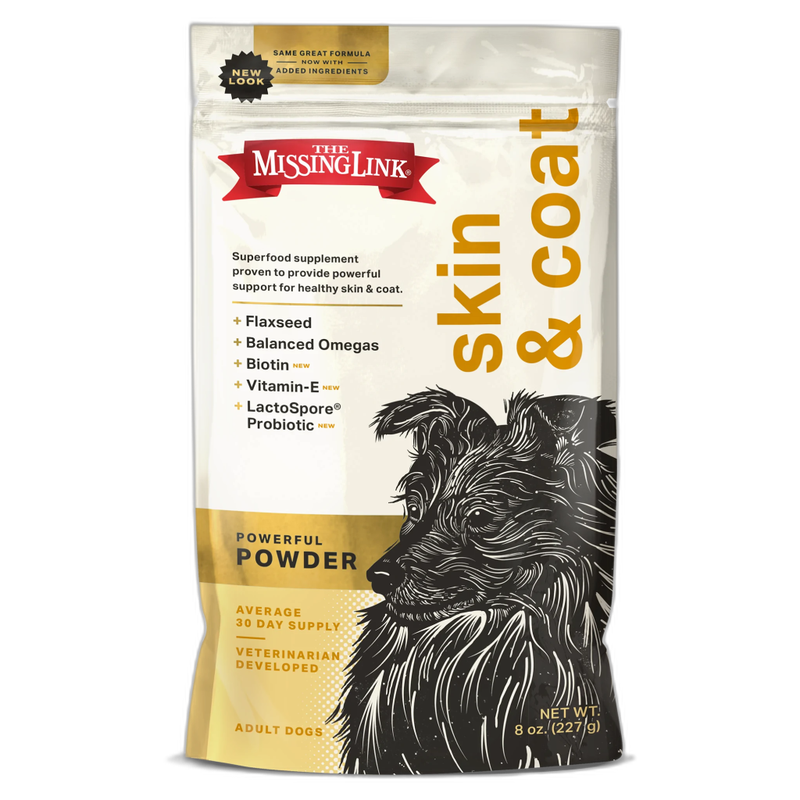
Products Containing Sunflower Seeds
Top-rated supplements featuring this ingredient, ranked by our PSI+ score.