Thiamine (Vitamin B1)
vitamin
Thiamine, commonly known as Vitamin B1, is an essential nutrient for dogs and cats, playing a critical role in their metabolic health. While often included in pet supplements, understanding its function, the circumstances under which supplementation might be beneficial, and appropriate dosages is key for responsible pet ownership. This guide provides an evidence-based overview of thiamine for dogs and cats, addressing common questions and outlining practical considerations for owners.
Thiamine in Pet Nutrition
Thiamine is a water-soluble vitamin vital for various bodily functions in both dogs and cats. Its primary role involves carbohydrate metabolism, converting glucose into energy. This process is fundamental for the proper functioning of the brain, nerves, and muscles. Without sufficient thiamine, these critical systems cannot operate efficiently, leading to a range of potential health issues.
Unlike fat-soluble vitamins, water-soluble vitamins like thiamine are not stored in significant amounts in the body. This means a continuous dietary supply is necessary. While a balanced commercial pet food formulated to meet AAFCO (Association of American Feed Control Officials) guidelines generally provides adequate thiamine, certain factors can increase an animal's requirement or lead to deficiency. These include specific diets, certain medical conditions, and even the processing methods of pet food.
For instance, raw fish contains an enzyme called thiaminase, which can break down thiamine, making it unavailable for absorption. Pets consuming large quantities of raw fish, or diets rich in ingredients containing thiaminase, could be at risk of deficiency. Similarly, prolonged gastrointestinal issues affecting nutrient absorption might also necessitate a closer look at thiamine intake. The decision to supplement should always involve a veterinarian, as indiscriminate use of supplements is rarely beneficial and can, in some cases, be counterproductive.
Vitamin B1 For Dogs
For dogs, thiamine's role extends beyond basic energy metabolism. It also supports cognitive function and nerve impulse transmission. A healthy nervous system relies on the efficient conversion of carbohydrates into glucose, a process heavily dependent on thiamine. When thiamine levels are suboptimal, neurological symptoms can emerge, ranging from mild behavioral changes to more severe conditions.
The thiamine content in dog food is regulated, and commercially prepared diets typically contain sufficient amounts. However, certain situations can create a need for extra thiamine. Dogs undergoing significant stress, those with chronic illnesses, or animals on highly restricted diets might benefit from a veterinarian's assessment of their thiamine status. For example, some working dogs or those with high energy demands might theoretically benefit from optimized B-vitamin levels, although this is usually addressed through a high-quality, performance-oriented diet rather than direct supplementation unless a deficiency is identified.
It's important to distinguish between a healthy dog receiving adequate nutrition and a dog with a diagnosed thiamine deficiency. For the former, additional thiamine is unlikely to provide significant benefits and may simply be excreted. For the latter, targeted supplementation under veterinary guidance is crucial for recovery.
The Role of Thiamine and Effects of Deficiency in Dogs and Cats
Thiamine's role is critical across species, but the clinical manifestations of deficiency can vary slightly between dogs and cats, though the underlying metabolic issues are similar. Both species require thiamine for:
- Carbohydrate Metabolism: Converting glucose into usable energy for cells.
- Nerve Function: Essential for the synthesis of neurotransmitters and maintaining nerve sheath integrity.
- Muscle Contraction: Supporting the energy demands of muscle tissue.
- Cardiac Function: The heart, being a muscle, also relies on adequate energy supply.
When thiamine deficiency occurs, the body's energy production falters, particularly in tissues with high metabolic rates like the brain and nervous system.
Effects of Thiamine Deficiency
The symptoms of thiamine deficiency, often referred to as "thiamine-responsive encephalopathy" or "polyneuritis," can be severe and progress rapidly if untreated.
In Dogs:
- Anorexia and weight loss: Early signs due to decreased appetite.
- Vomiting: Can be intermittent or persistent.
- Weakness and ataxia: Difficulty walking, incoordination, stumbling.
- Neurological signs: Tremors, seizures, head pressing, muscle rigidity, dilated pupils.
- Cardiovascular issues: In severe, chronic cases, heart problems can arise.
In Cats:
Cats are often considered more susceptible to thiamine deficiency, particularly if fed diets high in thiaminase or improperly processed foods.
- Anorexia and weight loss: Similar to dogs, often an early indicator.
- Vomiting: Common.
- Ventriflexion of the neck: A classic sign where the cat's head is bent down towards its chest due to muscle weakness.
- Ataxia and incoordination: Difficulty walking, stumbling.
- Dilated pupils: Often unresponsive to light.
- Seizures: Can occur in advanced stages.
- Blindness: Due to neurological damage.
The rapid onset and severity of these symptoms underscore the importance of prompt veterinary intervention if thiamine deficiency is suspected. Diagnosis typically involves a combination of clinical signs, dietary history, and sometimes laboratory tests, though a rapid response to thiamine supplementation can also be diagnostic.
Vitamin B1 (Thiamine) Deficiency in Dogs
Thiamine deficiency in dogs is less common in pets fed complete and balanced commercial diets in Western countries. However, it's not unheard of and usually stems from specific dietary practices or underlying health conditions.
Causes of Deficiency in Dogs:
- Thiaminase-containing foods: Raw fish (e.g., carp, herring, salmon, tuna, mackerel) and some shellfish contain thiaminase. Feeding these in large quantities without proper cooking can destroy thiamine.
- Improperly processed pet foods: Historically, some commercial pet foods have been implicated in thiamine deficiencies due to over-processing (heat destroys thiamine) or inadequate fortification. While regulations are stricter now, it's still crucial to choose reputable brands.
- Gastrointestinal diseases: Conditions that cause chronic vomiting, diarrhea, or malabsorption can interfere with thiamine absorption.
- Liver disease: The liver plays a role in thiamine metabolism.
- Chronic anorexia: Prolonged periods of not eating or eating very little.
- Certain medications: Some drugs might interfere with thiamine absorption or utilization.
Diagnosis and Treatment:
If a veterinarian suspects thiamine deficiency, they will typically begin with a thorough examination and gather a detailed history of the dog's diet and any existing medical conditions. Blood tests can measure thiamine levels, but results can take time. Often, if clinical signs are suggestive, a therapeutic trial with thiamine supplementation is initiated.
Treatment for thiamine deficiency usually involves parenteral (injectable) thiamine, especially in severe cases, to ensure rapid absorption and bypass any potential gastrointestinal issues. Once initial symptoms resolve, oral supplementation may continue. The prognosis is generally good if treatment is started early; however, prolonged or severe deficiency can lead to irreversible neurological damage.
The Essential Role of Thiamine (Vitamin B1) in Canine Health
Beyond addressing deficiency, understanding the fundamental role of thiamine helps explain why it's considered an essential vitamin for dogs. It's not just about preventing illness but supporting optimal health.
Thiamine contributes to:
Given these wide-ranging roles, it's clear why thiamine is non-negotiable for a dog's well-being. The focus for most healthy dogs should be on providing a high-quality, balanced diet that meets their thiamine requirements rather than assuming a supplement is always necessary.
Why Thiamine for Dogs Is Essential & Where to Find It
Thiamine's essentiality for dogs stems from its fundamental involvement in energy metabolism and nervous system integrity. Without it, the cascade of biochemical reactions necessary for life cannot proceed efficiently.
Sources of Thiamine for Dogs:
For most dogs, the primary source of thiamine should be their regular diet.
- Commercial Dog Foods: Reputable commercial dog foods are formulated to meet or exceed AAFCO nutrient profiles, which include specific requirements for thiamine. These foods typically contain thiamine hydrochloride or thiamine mononitrate as a supplement to ensure adequate levels, especially after processing.
- Whole Food Ingredients: Natural sources of thiamine include:
- Meats: Pork, beef, and poultry livers are good sources.
- Fish: While raw fish can be problematic due to thiaminase, cooked fish can provide thiamine.
- Legumes: Peas, lentils.
- Grains: Whole grains like brown rice, oats, and barley (though their bioavailability can vary).
- Yeast: Brewer's yeast is a common source of B vitamins.
Thiamine Supplementation: When and How
Thiamine supplementation for dogs should generally be reserved for cases of diagnosed deficiency or when a veterinarian identifies specific risk factors.
When Supplementation Might Be Considered (Under Veterinary Guidance):
- Diagnosed Thiamine Deficiency: The most common and critical reason.
- Specific Medical Conditions: Dogs with chronic gastrointestinal issues, liver disease, or prolonged anorexia.
- Diets High in Thiaminase: If a dog's diet includes raw fish or other thiaminase-containing ingredients, a veterinarian might recommend supplementation or dietary changes.
- Certain Neurological Conditions: In some cases, thiamine may be used supportively, though this is less common than for direct deficiency.
Forms of Thiamine Supplements:
- Oral Supplements: Available in tablets, capsules, or liquid forms, often as part of a B-complex vitamin. These are suitable for maintenance or mild deficiencies.
- Injectable Thiamine: Used for acute, severe deficiencies where rapid absorption is needed, or if the pet is vomiting and unable to take oral medication. This is typically administered by a veterinarian.
Thiamine (Vitamin B1) Dosage for Dogs and Cats:
Determining the correct thiamine dosage is crucial and should always be done by a veterinarian. The appropriate dose varies significantly based on the animal's weight, the severity of the deficiency, and the route of administration.
For reference, the AAFCO nutrient profiles for dog and cat food specify minimum dietary thiamine levels:
- Dogs: Minimum of 1.0 mg thiamine per kg of dry matter food.
- Cats: Minimum of 5.6 mg thiamine per kg of dry matter food. (Cats have a higher requirement than dogs).
These are daily dietary minimums. Therapeutic doses for treating deficiency are significantly higher and are prescribed by a vet. For example, a common therapeutic dose for deficiency might be in the range of 10-100 mg per day, or even higher, depending on the severity and the veterinarian's assessment.
Thiamine (Vitamin B1) Safety for Pets:
Thiamine is considered very safe, even at relatively high doses, due to its water-soluble nature. Excess thiamine is readily excreted in the urine. Toxicity is exceedingly rare.
- Oral Doses: There is a wide margin of safety for oral thiamine. Adverse effects from overdose are virtually unheard of.
- Injectable Doses: While still very safe, extremely rapid intravenous administration in some species has rarely been associated with transient side effects like weakness or allergic reactions, though this is uncommon in veterinary practice when administered appropriately.
Despite its safety, indiscriminate supplementation is not recommended. The primary concern isn't toxicity, but rather masking an underlying health issue or wasting money on a supplement that isn't needed. A balanced diet remains the best approach, with targeted supplementation only when indicated by a veterinarian.
Comparison of Thiamine Needs and Considerations
To further clarify, here's a comparison of thiamine considerations for healthy pets versus those with potential deficiencies:
| Feature | Healthy Pet (Fed Commercial Diet) | Pet with Suspected/Diagnosed Thiamine Deficiency |
|---|---|---|
| Dietary Source | Complete and balanced commercial pet food. | Diet low in thiamine, high in thiaminase, or malabsorption issues. |
| Supplementation Need | Generally none, sufficient through diet. | Often crucial; therapeutic doses required. |
| Symptoms | None related to thiamine. | Anorexia, vomiting, neurological signs (ataxia, ventriflexion, seizures). |
| Veterinary Consultation | Routine wellness checks. | Immediate consultation for diagnosis and treatment plan. |
| Dosage | AAFCO minimums met by diet. | Higher, therapeutic doses prescribed by vet (oral or injectable). |
| Safety of Supplementation | Very safe, but likely unnecessary; excess excreted. | Essential for recovery; high safety profile. |
| Outcome without Treatment | Continued good health. | Severe neurological damage, potential fatality. |
Frequently Asked Questions
Is thiamine B1 good for dogs?
Yes, thiamine (Vitamin B1) is essential for dogs. It plays a critical role in converting food into energy, especially for the brain and nervous system. Adequate thiamine is necessary for proper neurological function, muscle coordination, and overall metabolic health. For healthy dogs on a balanced diet, their food typically provides sufficient thiamine. It becomes particularly "good" and even life-saving for dogs with a diagnosed thiamine deficiency.
Can vitamin B1 help with neuropathy?
Thiamine, particularly in its active forms, is crucial for nerve health. Thiamine deficiency can cause a form of neuropathy (nerve damage) characterized by weakness, incoordination, and other neurological symptoms. In such cases, thiamine supplementation is highly effective in treating and reversing these symptoms. For neuropathies caused by other factors, thiamine might be used supportively, but its direct efficacy depends on the underlying cause of the neuropathy. It's not a universal cure for all types of nerve damage.
Does thiamine lower cortisol?
There is limited direct evidence in veterinary medicine to suggest that thiamine directly lowers cortisol levels in dogs or cats. Cortisol is a stress hormone, and while thiamine supports overall metabolic and nervous system health, which could indirectly contribute to a more balanced physiological state, it is not primarily used as a cortisol-reducing agent. Stress management in pets typically involves addressing environmental factors, behavioral modification, and sometimes specific medications, rather than thiamine supplementation.
Conclusion
Thiamine (Vitamin B1) is an indispensable nutrient for the health of both dogs and cats, particularly for their metabolic and neurological functions. While a well-formulated commercial pet food typically provides adequate thiamine, specific circumstances such as certain diets, underlying health conditions, or improper food processing can lead to a deficiency. Recognizing the signs of thiamine deficiency, which can include anorexia, vomiting, and severe neurological symptoms, is crucial for prompt veterinary intervention. When a deficiency is diagnosed, thiamine supplementation is highly effective and generally very safe. For pet owners, the key takeaway is that while thiamine is essential, indiscriminate supplementation for healthy pets is rarely necessary. Always consult with your veterinarian to determine if thiamine supplementation is appropriate for your dog or cat, ensuring decisions are based on their individual health needs and evidence-based guidance.
Products Containing Thiamine (Vitamin B1)
Top-rated supplements featuring this ingredient, ranked by our PSI+ score.
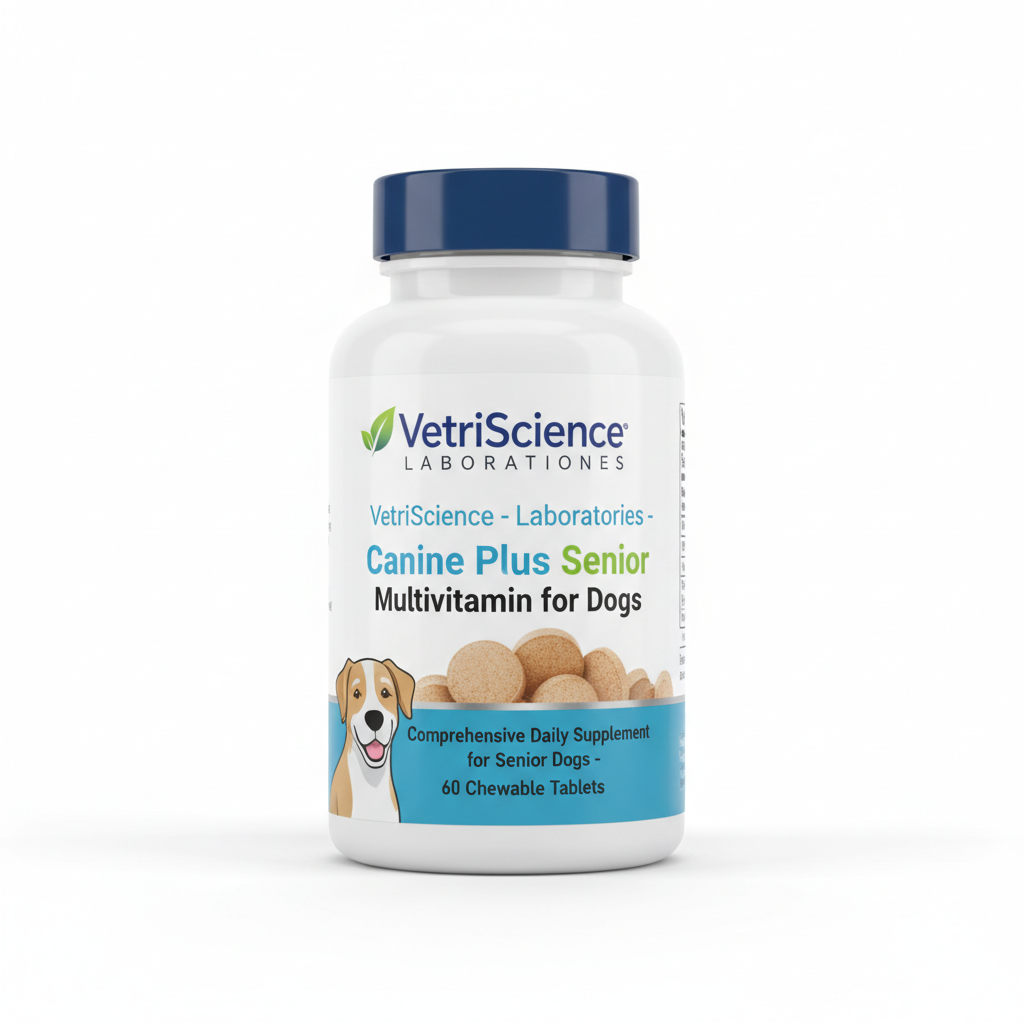
VetriScience Laboratories - Canine Plus Senior Multivitamin for Dogs - Comprehensive Daily Supplement for Senior Dogs - 60 Chewable Tablets
VetriScience
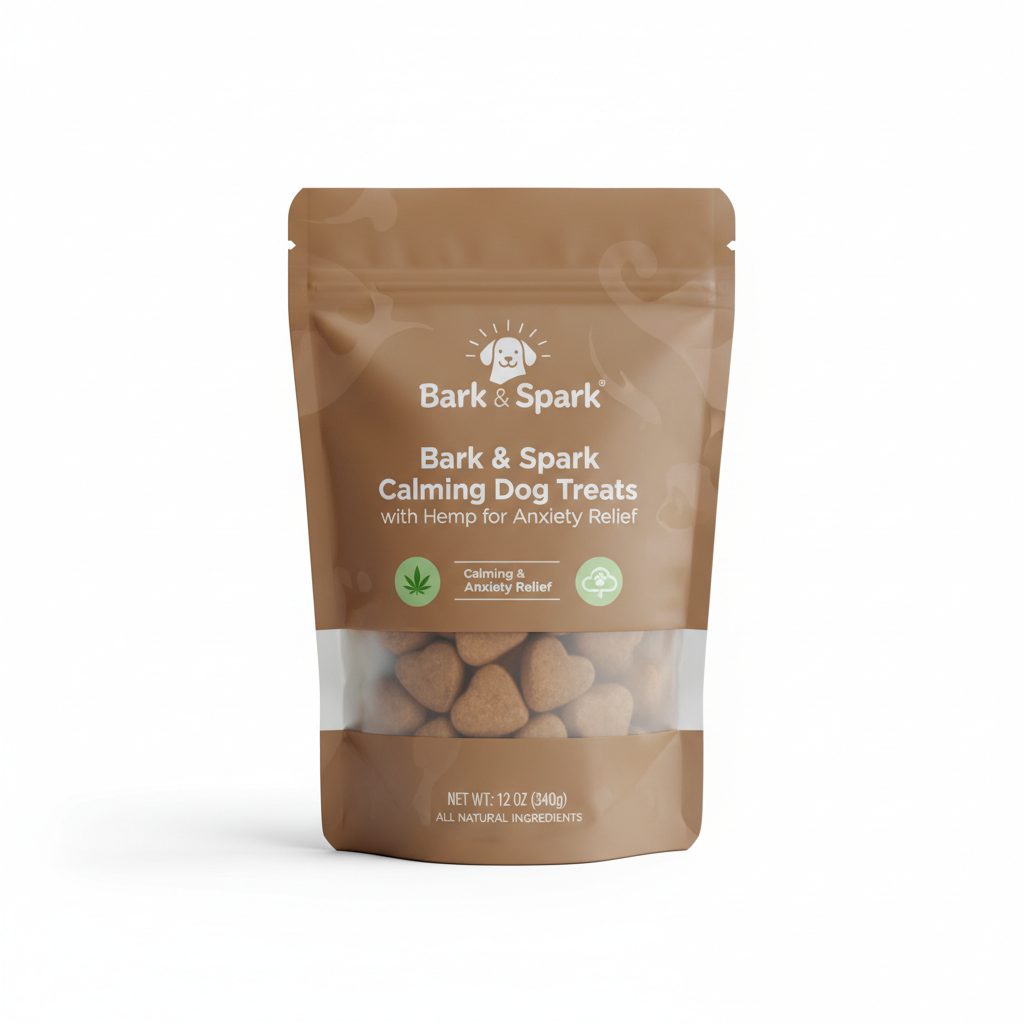
Bark & Spark Calming Dog Treats with Hemp for Anxiety Relief
Bark & Spark
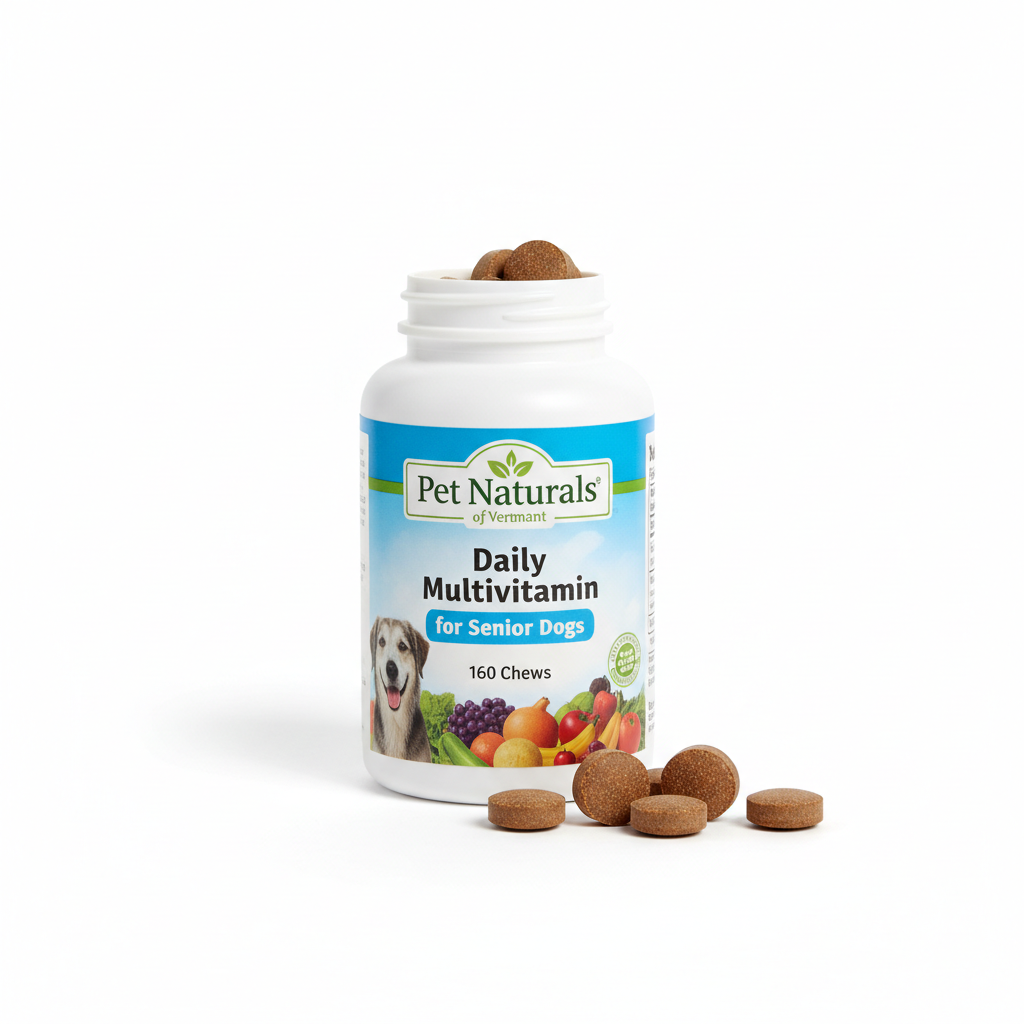
Pet Naturals of Vermont - Daily Multivitamin for Senior Dogs, 160 Chews
Pet Naturals
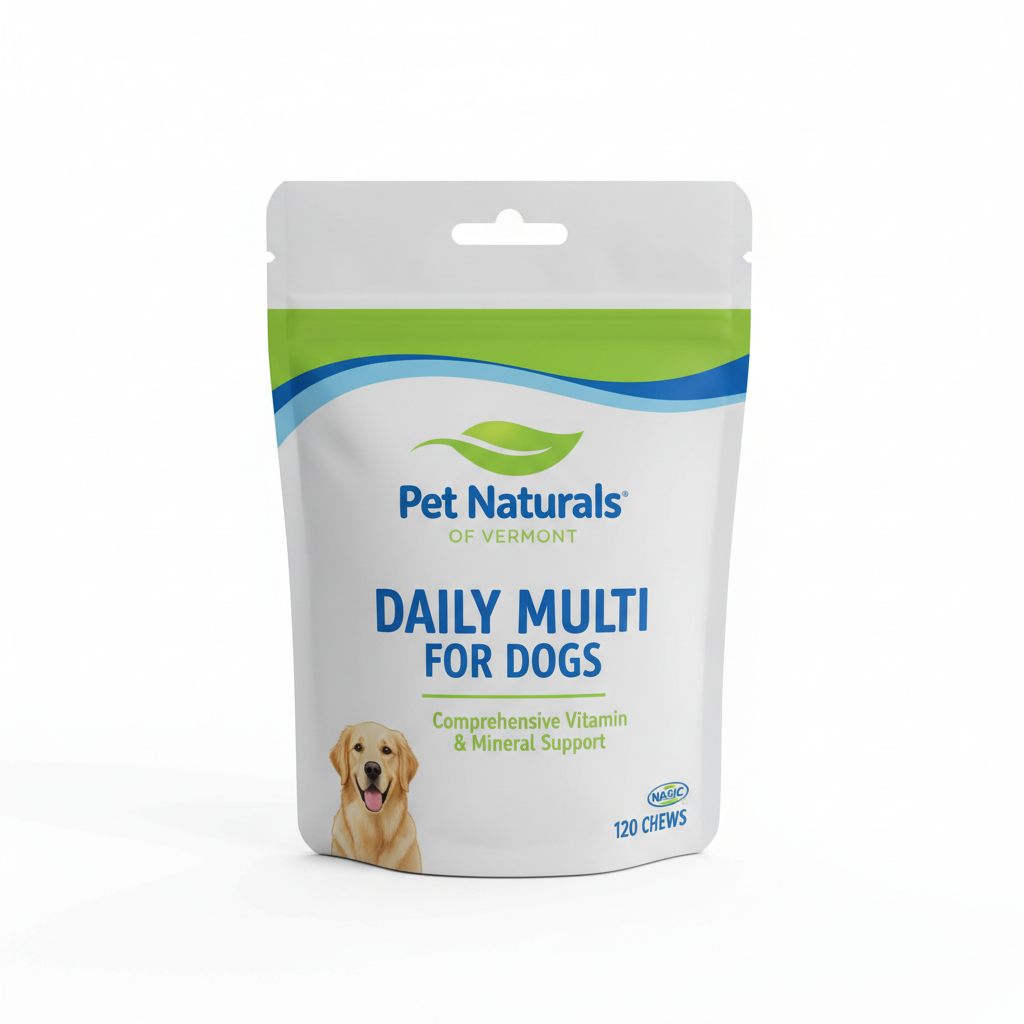
Pet Naturals of Vermont Daily Multi for Dogs - Comprehensive Vitamin & Mineral Support
Pet Naturals
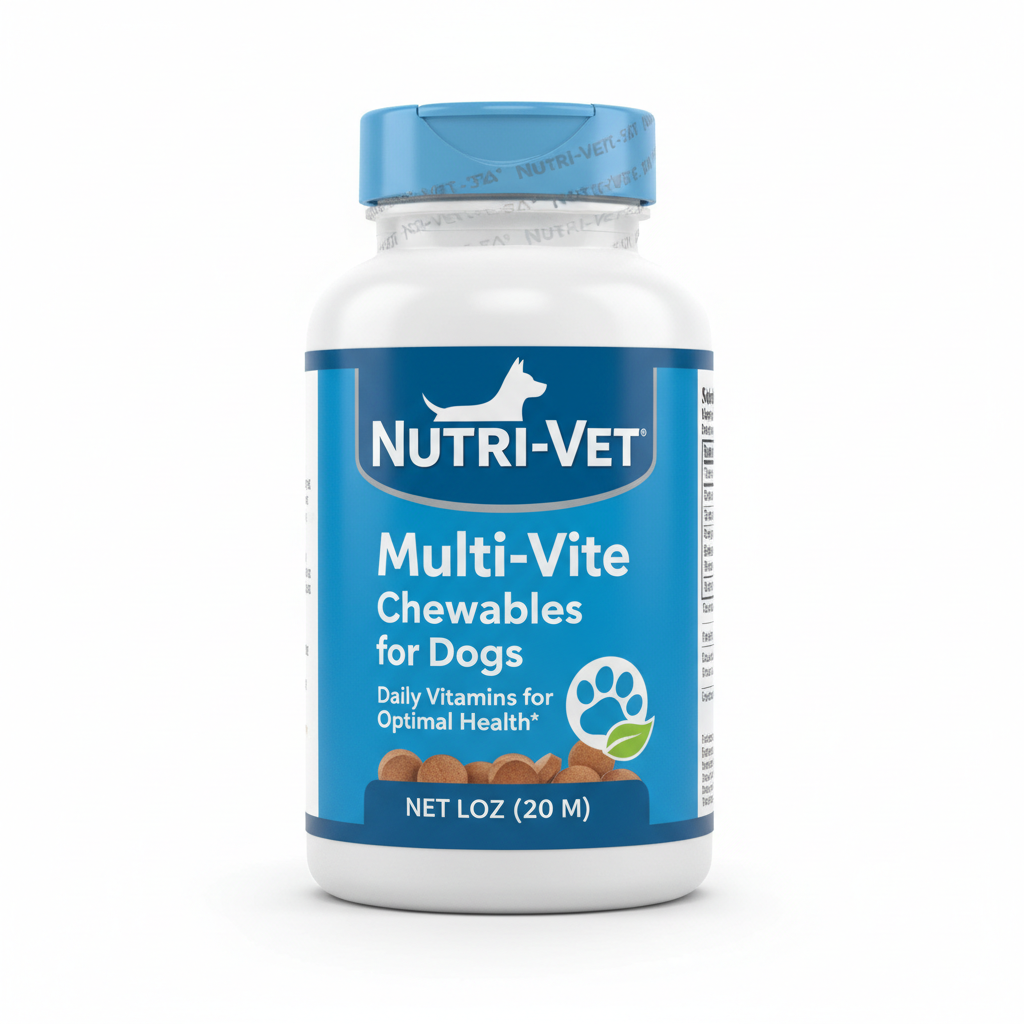
Nutri-Vet Multi-Vite Chewables for Dogs - Daily Vitamins for Optimal Health
Nutri-Vet
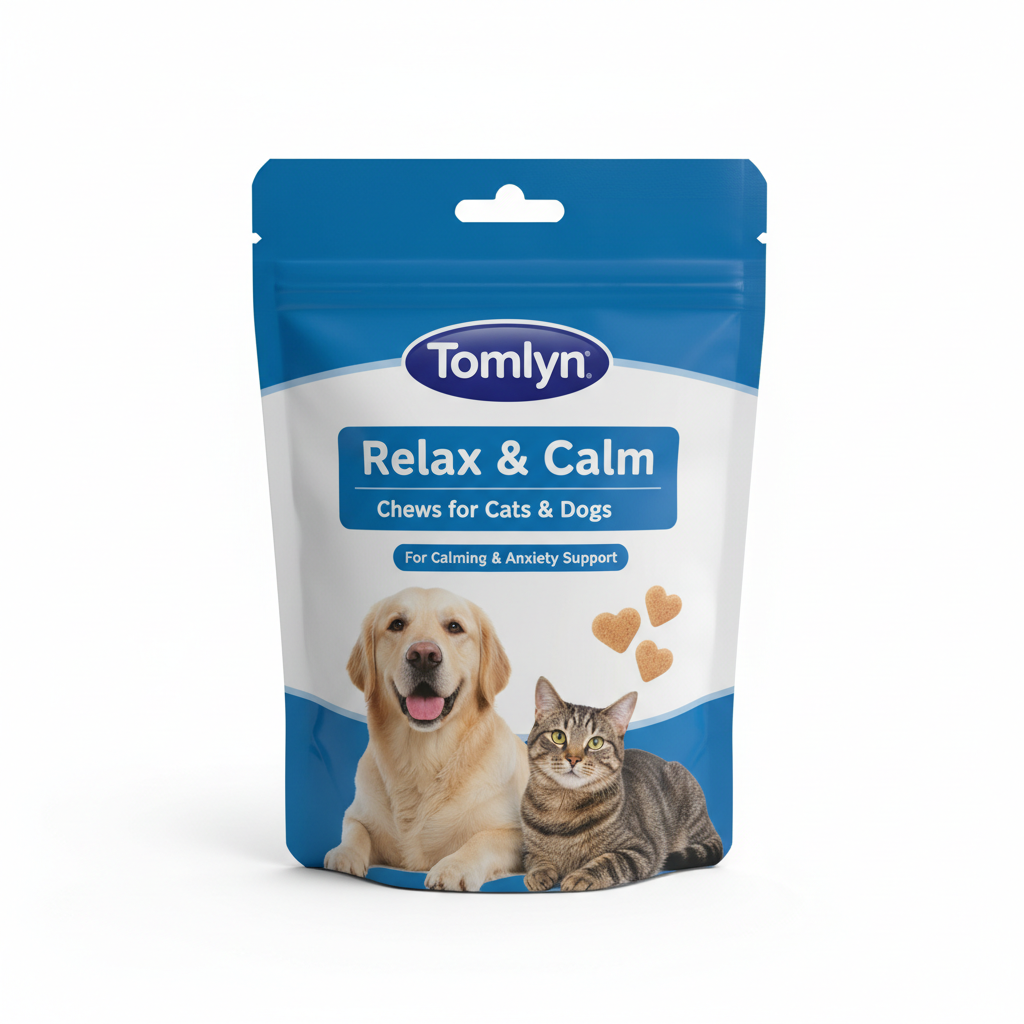
Tomlyn Relax & Calm Chews for Cats & Dogs
Tomlyn
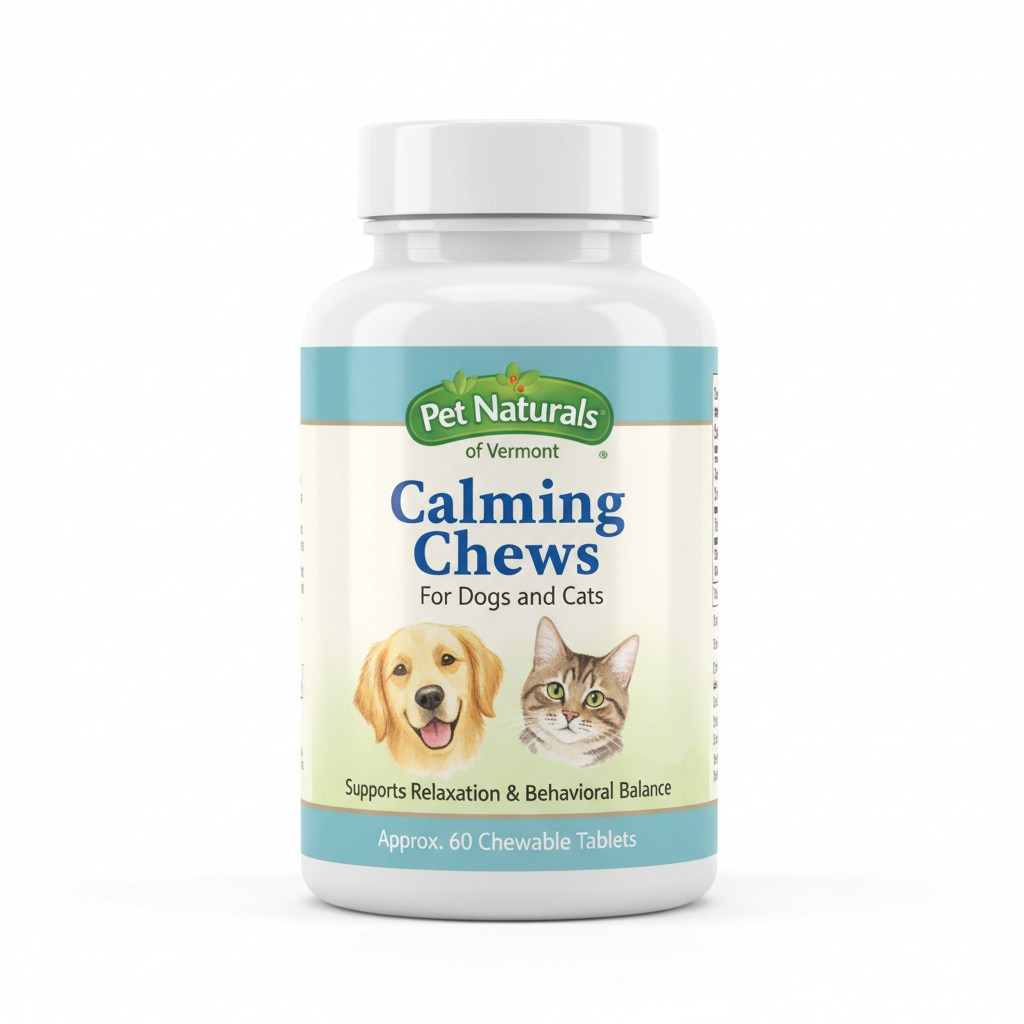
Pet Naturals of Vermont Calming Chews for Dogs and Cats
Pet Naturals
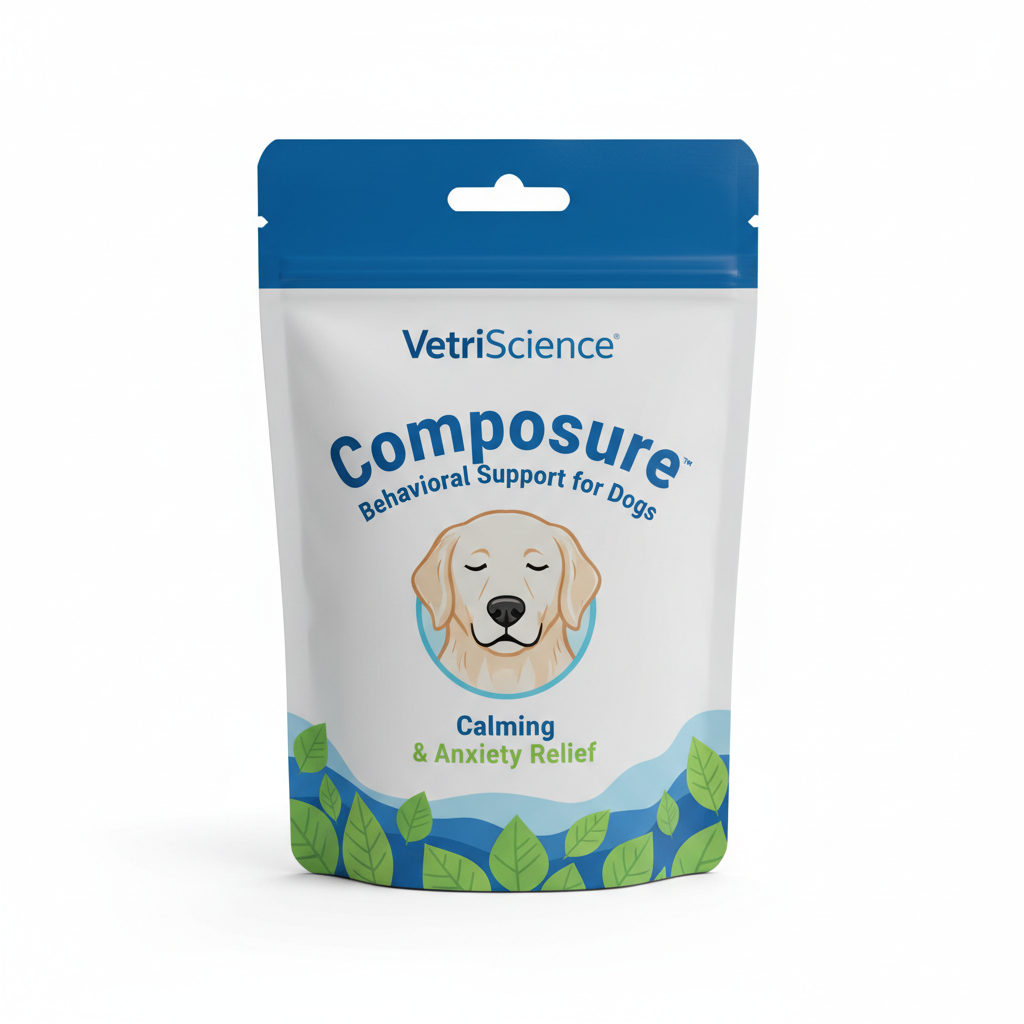
VetriScience Composure Behavioral Support for Dogs
VetriScience