Vitamin B12
vitamin
Vitamin B12, also known as cobalamin, is an essential water-soluble vitamin vital for numerous physiological processes in both dogs and cats. Unlike some other vitamins, B12 cannot be synthesized by the animal's body and must be obtained through diet or supplementation. For pet owners, understanding the role of vitamin B12, recognizing potential deficiencies, and navigating supplementation options is key to supporting their pet's health. This guide explores the specifics of vitamin B12 for dogs and cats, drawing on current veterinary understanding to help owners make informed decisions.
What Is Vitamin B12 for Dogs and Cats?
Vitamin B12 is a cofactor in critical enzymatic reactions, meaning it helps enzymes perform their functions. Its primary roles include:
- Red Blood Cell Formation: B12 is crucial for the production of healthy red blood cells in the bone marrow. A deficiency can lead to anemia.
- Nervous System Function: It plays a significant role in maintaining the myelin sheath, the protective covering around nerves, which is essential for proper nerve signal transmission.
- DNA Synthesis: B12 is involved in the synthesis of DNA, the genetic material in all cells, making it fundamental for cell growth and repair.
- Metabolism of Fats, Carbohydrates, and Proteins: It assists in converting food into energy, supporting overall metabolic health.
Dogs and cats typically obtain vitamin B12 from animal-based proteins in their diet, such as meat, fish, and dairy. Plant-based sources do not naturally contain B12, which is why vegan diets for pets require careful supplementation.
The form of B12 commonly used in supplements and injections for pets is cyanocobalamin, a synthetic form that the body converts into active forms like methylcobalamin and adenosylcobalamin. Another form, hydroxocobalamin, is also used, particularly in some injectable formulations.
B12 for Dogs: Understanding Its Role
While the general functions of vitamin B12 are consistent across species, specific considerations apply to dogs. The canine digestive system is generally efficient at absorbing B12, provided there are no underlying conditions affecting absorption.
A common scenario where vitamin B12 for dogs becomes a focus is in cases of gastrointestinal disease. Conditions like inflammatory bowel disease (IBD), exocrine pancreatic insufficiency (EPI), and chronic enteropathies can impair the absorption of dietary B12, even if the diet itself contains adequate amounts. In these instances, supplementation is often necessary to correct or prevent deficiency.
For healthy dogs on a balanced commercial diet, a B12 supplement is generally not required. Reputable commercial dog foods are formulated to meet the nutritional requirements, including B12, as established by organizations like the Association of American Feed Control Officials (AAFCO). However, if a dog is on a home-prepared diet, especially one that is not expertly balanced, or if a veterinary professional identifies specific health concerns, B12 status might be evaluated.
Vitamin B12 and Dogs: Is Your Dog Deficient?
Recognizing a B12 deficiency in dogs can be challenging as the signs are often vague and can overlap with other conditions. A definitive diagnosis typically requires a blood test to measure serum cobalamin levels.
Signs of B12 Deficiency in Dogs:
- Lethargy and Weakness: Reduced energy levels and general malaise.
- Weight Loss: Despite adequate food intake, dogs may struggle to maintain weight.
- Poor Appetite: A noticeable decrease in desire to eat.
- Vomiting and Diarrhea: Chronic gastrointestinal upset is a common symptom, often linked to the underlying malabsorption issue.
- Anemia: Pale gums, increased heart rate, and rapid breathing can indicate a lack of red blood cells.
- Neurological Signs (Rare): In very severe or prolonged deficiencies, neurological issues might manifest, though this is less common than gastrointestinal or hematological signs.
Causes of Deficiency:
The most common cause of B12 deficiency in dogs is malabsorption in the small intestine. This can be due to:
- Gastrointestinal Diseases: As mentioned, IBD, EPI, and chronic enteropathies interfere with the absorption process. The ileum, the final section of the small intestine, is primarily responsible for B12 absorption, and damage to this area is particularly impactful.
- Genetic Predisposition: Certain breeds, such as Border Collies, Giant Schnauzers, and Australian Shepherds, have a known genetic defect that impairs B12 absorption, leading to a condition called Imerslund-Gräsbeck Syndrome (IGS) or selective cobalamin malabsorption. These dogs require lifelong supplementation.
- Pancreatic Issues: The pancreas produces intrinsic factor, a protein necessary for B12 absorption. In EPI, the pancreas doesn't produce enough digestive enzymes, including intrinsic factor, leading to B12 deficiency.
If a B12 deficiency is suspected, a veterinarian will typically recommend a serum cobalamin test. This test measures the amount of B12 in the dog's blood. Low levels indicate a deficiency and warrant further investigation into the underlying cause.
What Is Vitamin B12 for Dogs? More Than Just a Nutrient
Beyond its basic metabolic functions, vitamin B12's role in canine health extends to supporting the body's resilience against various stressors, particularly those affecting the digestive system. When a dog's gut health is compromised, and B12 levels drop, a cascade of negative effects can occur, impacting everything from energy levels to immune response.
For dogs with chronic gastrointestinal issues, maintaining adequate B12 levels is not just about correcting a deficiency; it's about supporting the overall health and function of their digestive tract. B12 contributes to the health of the intestinal lining and supports the metabolism of cells that are constantly turning over in the gut. This makes it an integral part of managing conditions that cause chronic inflammation or damage to the intestinal mucosa.
Consider a dog with chronic IBD. The ongoing inflammation can damage the cells responsible for absorbing B12. Even if the diet is rich in B12, the dog's body can't effectively utilize it. Supplementation, often via injection, bypasses the compromised digestive tract, allowing the vitamin to directly enter the bloodstream and support cellular functions throughout the body, including those in the gut. This can lead to improved appetite, reduced vomiting and diarrhea, and an overall better quality of life.
Rx B12 - Oral Cyanocobalamin for Pets
When a B12 deficiency is diagnosed, supplementation becomes necessary. The route of administration often depends on the severity of the deficiency, the underlying cause, and the pet's compliance.
Historically, injectable B12 (cyanocobalamin) has been the gold standard, particularly for malabsorption issues, as it bypasses the digestive tract entirely. Injections are typically given subcutaneously (under the skin) and can be administered by a veterinarian or, with proper training, by the pet owner at home. The frequency varies depending on the individual case, ranging from once a week initially to once a month for maintenance.
However, oral cyanocobalamin supplements have gained traction and are proving effective in many cases, especially for long-term maintenance or in situations where injections are not feasible or preferred. The efficacy of oral B12 relies on some residual B12 absorption capacity in the gut, even if compromised. High-dose oral supplements can sometimes overcome absorption challenges by saturating the limited absorption pathways.
Oral vs. Injectable B12:
| Feature | Injectable B12 (e.g., Cyanocobalamin) | Oral B12 (e.g., Cyanocobalamin tablets/liquids) |
|---|---|---|
| Administration | Subcutaneous injection, typically by vet or trained owner. | Given by mouth, mixed with food or directly. |
| Absorption | Bypasses digestive tract; direct entry into bloodstream. Highly efficient. | Absorbed through the digestive tract; relies on some gut function. |
| Indications | Severe deficiency, confirmed malabsorption (e.g., IBD, EPI, IGS). | Mild to moderate deficiency, maintenance after injection course, owner preference. |
| Dosing | Less frequent (e.g., weekly, then monthly). Often higher single dose. | Daily or every other day, typically higher doses than human equivalents. |
| Cost | Initial veterinary visits for diagnosis and training, then cost of vials. | Variable, generally more accessible for long-term home use. |
| Convenience | Requires needles, can be stressful for some pets/owners. | Easier to administer at home, less stress. |
| Efficacy | Generally considered more reliable for severe malabsorption. | Effective for many cases, especially with high doses. |
The choice between oral and injectable B12 should always be made in consultation with a veterinarian. They will consider the dog's specific diagnosis, the severity of the deficiency, and the owner's ability to administer the medication. Some veterinarians may start with injections to rapidly normalize B12 levels, then transition to oral supplementation for long-term management.
Using B12 Supplementation to Improve Quality of Life
The ultimate goal of B12 supplementation in pets is to improve their health and quality of life. For animals suffering from chronic conditions that impact B12 levels, addressing this deficiency can lead to noticeable improvements.
Consider a cat with chronic pancreatitis, a condition that can affect the intrinsic factor needed for B12 absorption. This cat might be lethargic, have a poor appetite, and experience intermittent vomiting. Identifying and correcting a B12 deficiency through regular supplementation can lead to:
- Increased Energy Levels: With improved red blood cell production and metabolic function, the cat may become more active and playful.
- Better Appetite and Weight Maintenance: A healthy appetite is crucial for managing chronic illness. B12 supplementation can help stimulate appetite and allow the cat to absorb nutrients more effectively, leading to better weight management.
- Reduced Gastrointestinal Symptoms: While B12 doesn't directly treat the underlying pancreatitis, correcting the deficiency supports the overall health of the digestive system, potentially reducing the frequency or severity of vomiting and diarrhea related to poor gut function.
- Improved Coat Quality and Skin Health: Indirectly, better overall nutrition and metabolic function can reflect in a healthier coat and skin.
It's important to remember that B12 supplementation is often part of a broader treatment plan for underlying diseases. It addresses a specific deficiency that can exacerbate other health issues, but it's not a standalone cure for conditions like IBD or EPI. Regular veterinary check-ups and monitoring of B12 levels are crucial to ensure the supplementation regimen is effective and adjusted as needed.
Vitamin B12 Dosage for Dogs and Cats
Determining the appropriate vitamin B12 dosage for dogs and cats is complex and should always be guided by a veterinarian. There isn't a single "standard" dose, as it depends on several factors:
- Species: Dogs and cats have different metabolic rates and absorption capacities.
- Weight: Larger animals generally require higher doses.
- Severity of Deficiency: A severely deficient animal will need a higher initial dose to replenish stores.
- Underlying Condition: The cause of the deficiency (e.g., IBD, EPI, genetic malabsorption) influences the long-term dosing strategy.
- Route of Administration: Injectable doses are typically higher but given less frequently than oral doses.
For illustrative purposes, a common starting dose for injectable B12 in dogs might be 250-1200 mcg per week, depending on size and severity, gradually decreasing to monthly maintenance. For cats, it might be 250 mcg per week, then monthly. Oral dosages are often much higher (e.g., 1000-2000 mcg daily) to compensate for potentially poor absorption.
Crucially, do not attempt to self-diagnose or self-medicate your pet with vitamin B12. Over-the-counter human B12 supplements are not always appropriate for pets, especially regarding dosage and inactive ingredients. Always consult your veterinarian for an accurate diagnosis and a tailored treatment plan.
Vitamin B12 Safety in Pets
Vitamin B12 is considered very safe in pets. As a water-soluble vitamin, excess amounts are generally excreted in the urine, making toxicity rare. There is no established upper limit for B12 in dogs and cats, as even very high doses have not been shown to cause adverse effects.
However, "safe" does not mean "unnecessary." While toxicity is not a concern, giving B12 when it's not needed is generally pointless and may delay the diagnosis of a different underlying problem. If a pet owner suspects a deficiency or is considering a general pet vitamin supplement, a conversation with a veterinarian is the best first step.
The primary risks associated with B12 supplementation are related to the method of administration:
- Injections: Minor pain or bruising at the injection site, or in rare cases, an allergic reaction. Proper sterile technique is essential to prevent infection.
- Oral Supplements: Some pets may object to the taste or texture, making administration difficult. Very rarely, gastrointestinal upset might occur.
when administered under veterinary guidance, vitamin B12 supplementation is a low-risk intervention with significant potential benefits for pets with diagnosed deficiencies.
Pet Vitamin Deficiency: Beyond B12
While this article focuses on vitamin B12 for dogs and cats, it's important to recognize that pets can experience deficiencies in other essential vitamins and minerals. A balanced diet is the cornerstone of preventing most nutritional deficiencies.
Common Scenarios for Pet Vitamin Deficiency:
- Unbalanced Home-Prepared Diets: Owners preparing meals for their pets without veterinary nutritionist guidance often miss essential nutrients or provide them in incorrect ratios.
- Restrictive Diets: Pets on limited ingredient diets for allergies or other medical reasons might inadvertently miss out on certain nutrients if the diet is not carefully formulated.
- Malabsorption Issues: Just as with B12, underlying gastrointestinal diseases can impair the absorption of other fat-soluble vitamins (A, D, E, K) and various minerals.
- Increased Nutritional Needs: Pregnant or lactating animals, growing puppies and kittens, or pets recovering from severe illness may have higher nutritional demands that require careful monitoring.
General Vitamins for Dogs and Cats:
For healthy pets on complete and balanced commercial diets, general vitamin supplementation is usually unnecessary and potentially harmful if it leads to an overdose of fat-soluble vitamins. However, in specific situations, a veterinarian might recommend a broader multivitamin or specific nutrient supplements.
When considering any dog nutritional supplement or essential vitamins for cats, always prioritize veterinary consultation. A veterinarian can assess your pet's diet, health status, and medical history to determine if supplementation is truly warranted and, if so, recommend appropriate products and dosages. Avoid "shotgun" approaches to supplementation, where multiple vitamins are given without a clear indication, as this can mask underlying issues or even lead to imbalances.
FAQ
What are signs of B12 deficiency in dogs?
Common signs of B12 deficiency in dogs include lethargy, weakness, weight loss, poor appetite, chronic vomiting and diarrhea, and anemia (pale gums). In rare, severe cases, neurological symptoms might occur. These signs are often non-specific and can indicate various health issues, so veterinary diagnosis through a blood test is essential.
What does vitamin B12 do for a dog?
Vitamin B12 is crucial for several vital functions in dogs. It plays a key role in the production of red blood cells, supports the health and function of the nervous system, aids in DNA synthesis for cell growth and repair, and is essential for the metabolism of fats, carbohydrates, and proteins, helping convert food into energy.
What foods are high in B12 for dogs?
Foods high in vitamin B12 for dogs are primarily animal-based. These include meats (especially liver and kidney), fish (like salmon and tuna), poultry, eggs, and dairy products. Commercial dog foods formulated to AAFCO standards typically contain adequate amounts of B12 from these sources. Plant-based foods do not naturally contain B12.
Conclusion
Vitamin B12 is an indispensable nutrient for the health of dogs and cats, particularly for maintaining red blood cell production, nervous system function, and metabolic processes. While most healthy pets on balanced diets receive adequate B12, those with underlying gastrointestinal diseases, pancreatic issues, or specific genetic predispositions are at risk of deficiency. Recognizing the subtle signs of B12 deficiency and seeking veterinary diagnosis is crucial. Supplementation, whether through injections or oral forms, can significantly improve the quality of life for deficient pets, but it should always be administered under professional veterinary guidance. For pet owners, understanding the role of vitamin B12 underscores the importance of a well-balanced diet and proactive veterinary care in maintaining their companions' well-being.
Products Containing Vitamin B12
Top-rated supplements featuring this ingredient, ranked by our PSI+ score.
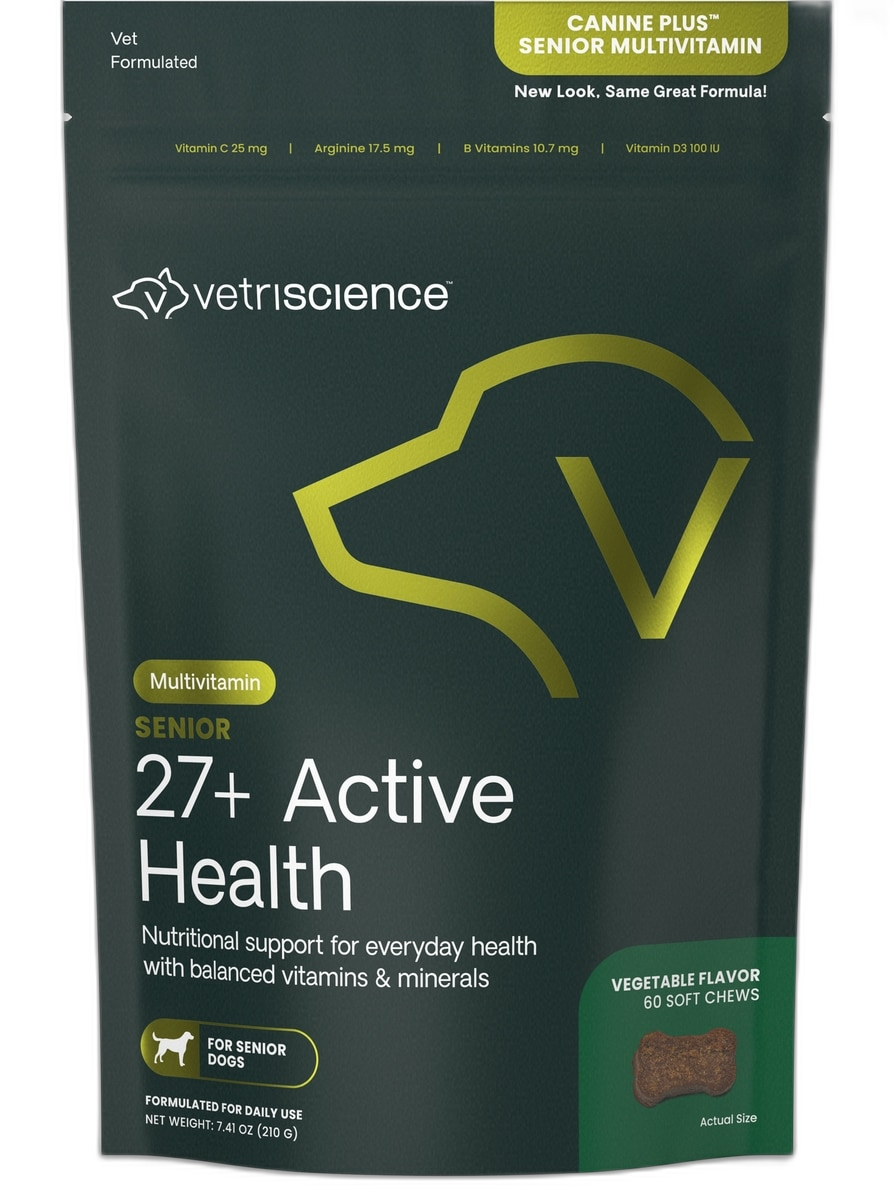
VetriScience Canine Plus Senior 27+ Active Health Veggie Flavored Soft Chews Multivitamin for Senior Dogs
VetriScience
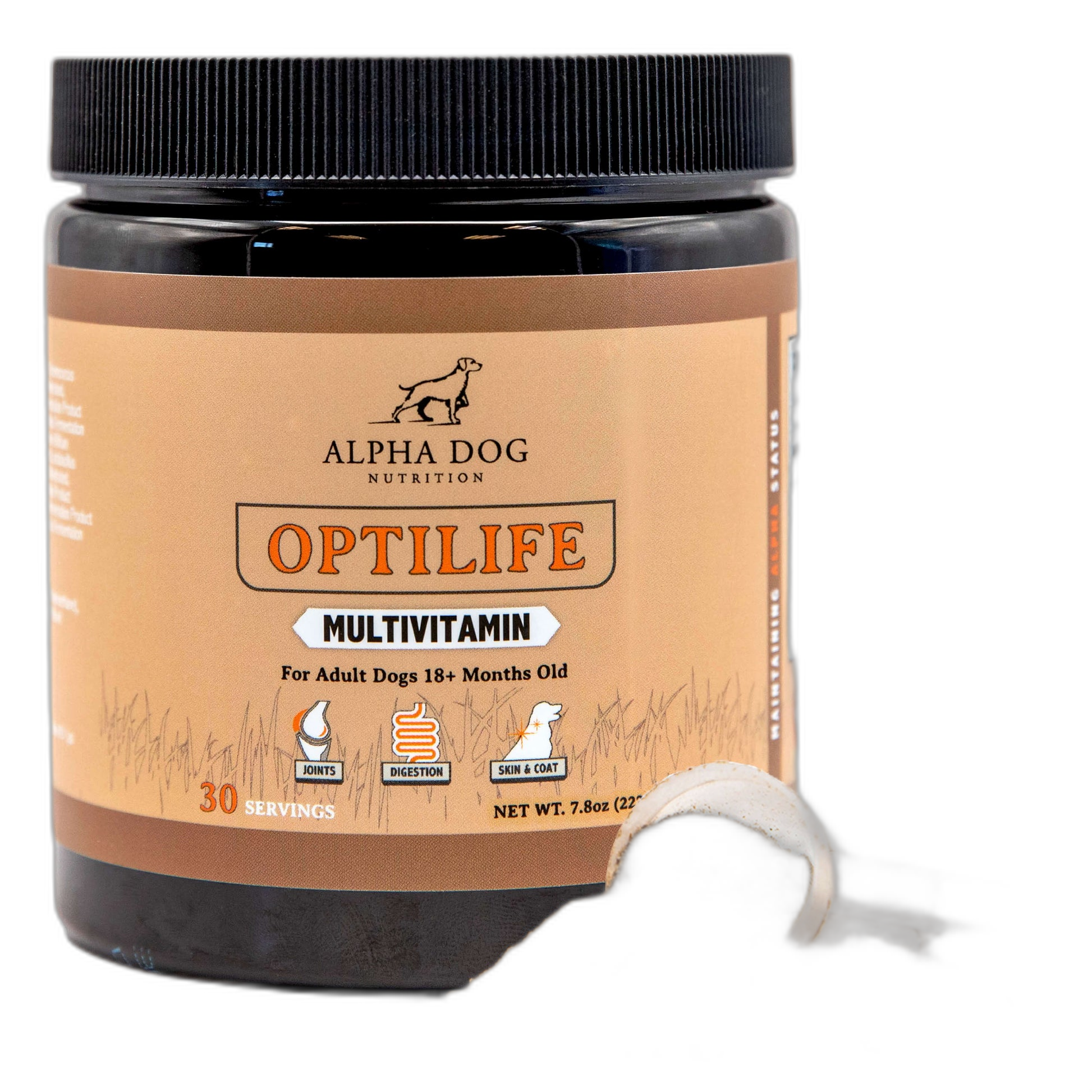
Alpha Dog Nutrition Vitality Multivitamin Powder
Alpha Dog Nutrition
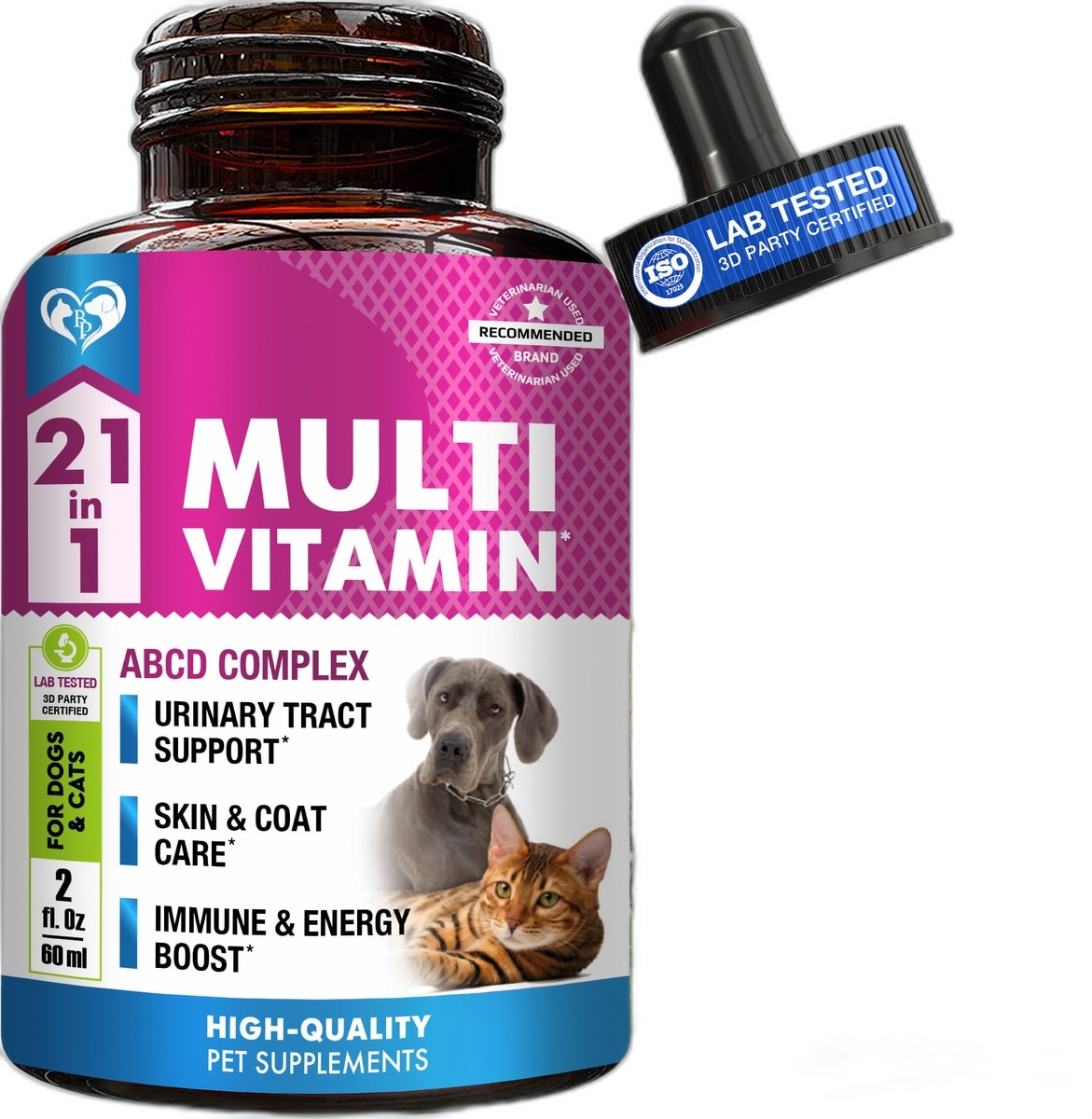
Beloved Pets 21-in-1 Multivitamin Liquid with Glucosamine & Cranberry
Beloved Pets
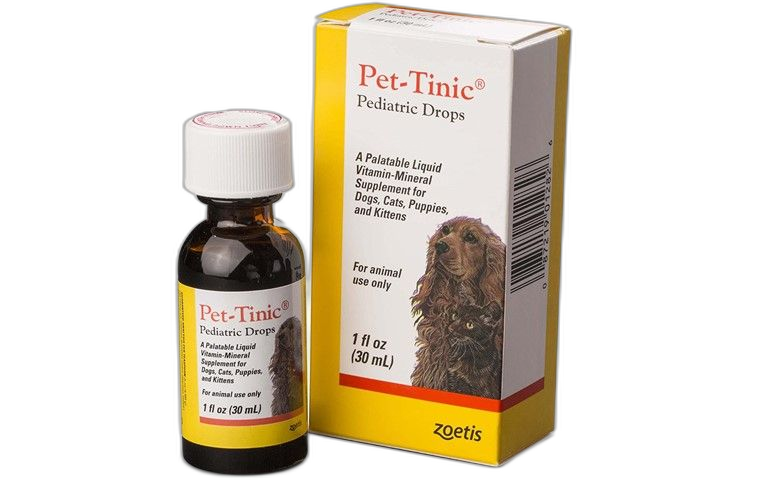
Zoetis Pet-Tinic Pediatric Drops
Zoetis
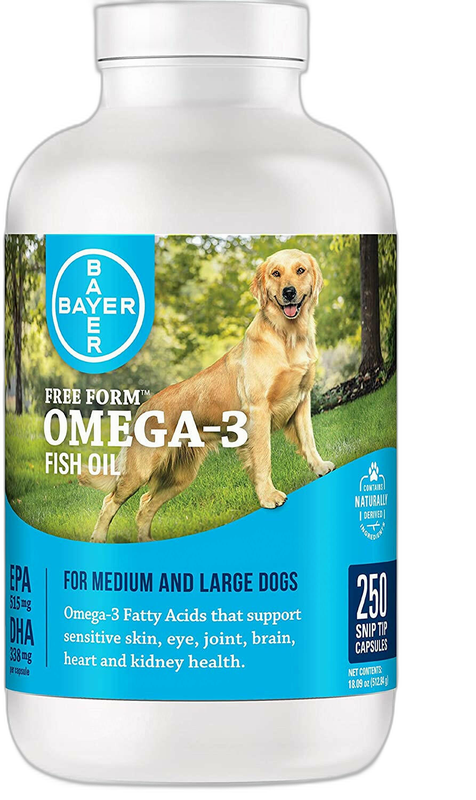
Nutri-Vet Senior-Vite Daily Vitamins for Dogs
Nutri-Vet
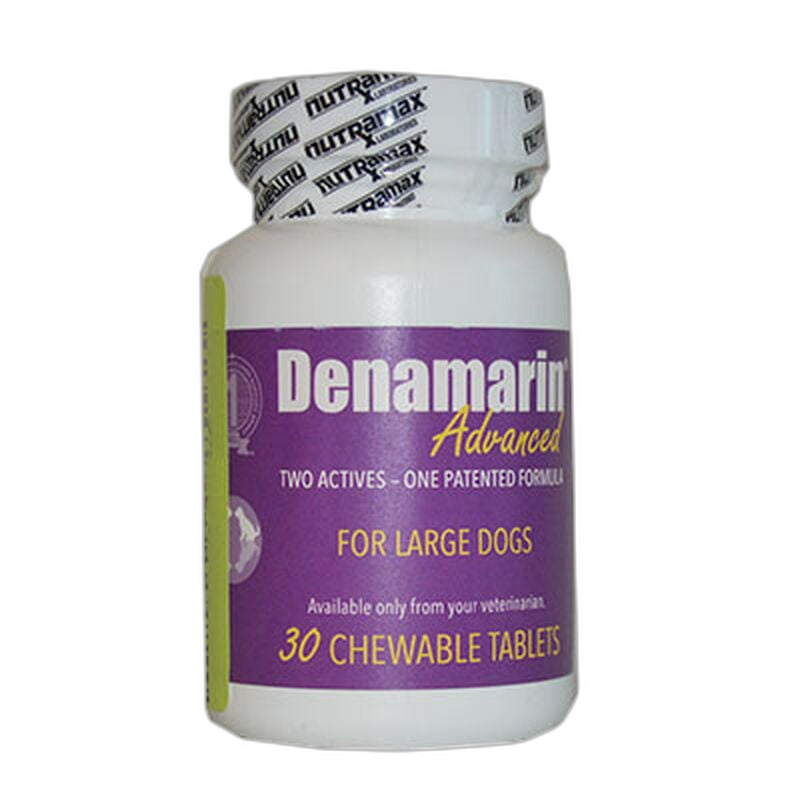
PetLab Co. Multivitamin Chews for Dogs
PetLab Co.
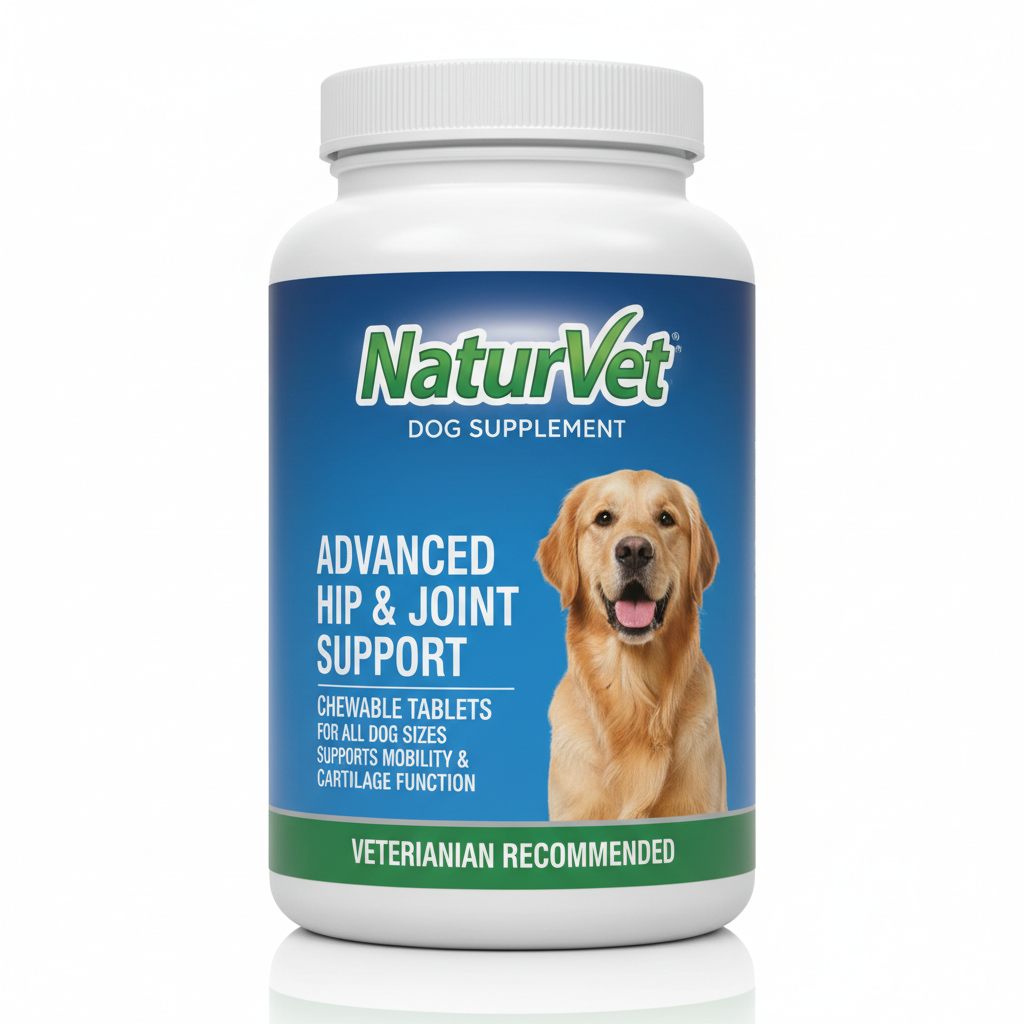
Multi-Vitamin & Mineral for Dogs
NaturVet
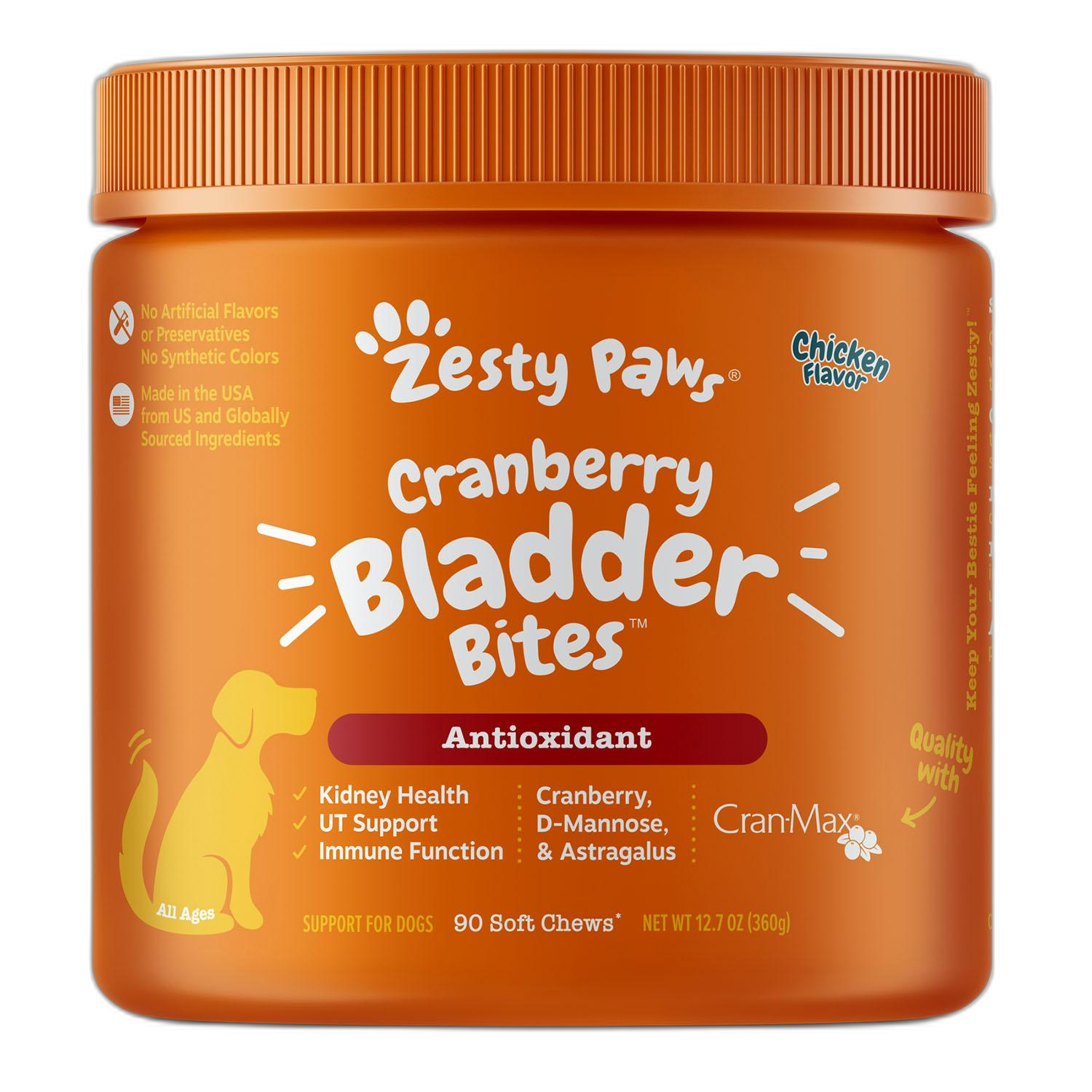
Vet's Best Multi-Vitamin Soft Chews for Dogs
Vet's Best