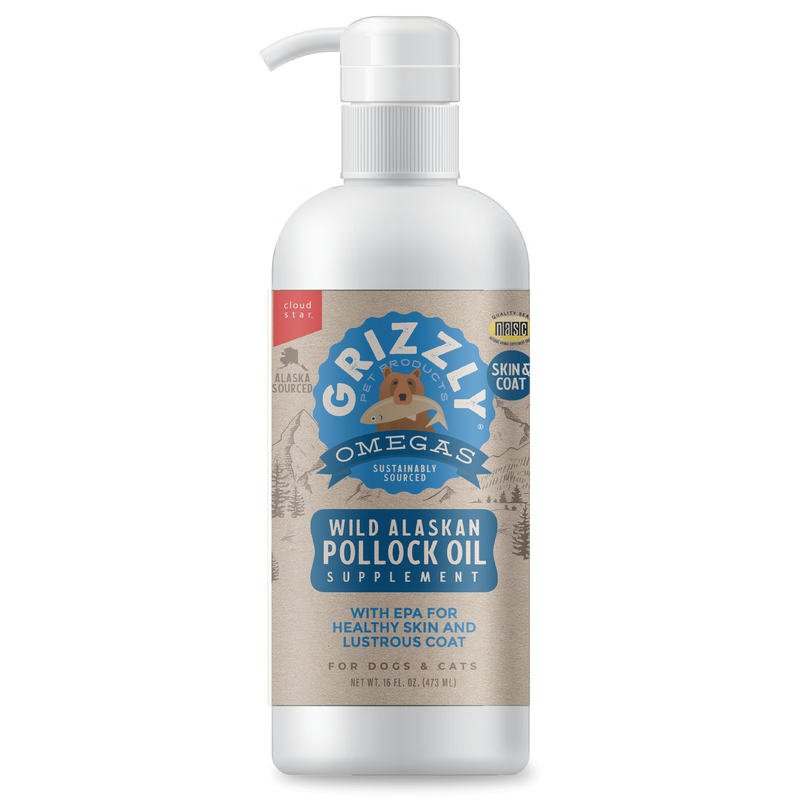
Vitamin E (preservative)
vitamin
Vitamin E, often encountered as a preservative in pet foods and supplements, plays a dual role in canine and feline health. Beyond its function in maintaining product freshness, it is an essential nutrient with significant physiological importance for dogs and cats. This guide explores the various forms of vitamin E, its applications as a preservative, its nutritional benefits, and considerations for its use in pet supplements. Understanding these aspects can help pet owners make informed decisions about their companions' diets and nutritional support.
Mixed Tocopherols for Dogs–What Are They?
When you see "mixed tocopherols" on a pet food or supplement label, it refers to a group of fat-soluble compounds that collectively make up vitamin E. These compounds are naturally occurring antioxidants derived from vegetable oils, such as soybean, corn, sunflower, and rapeseed oil. The primary tocopherols found in nature and used in pet products are alpha-, beta-, delta-, and gamma-tocopherol.
Their main function in pet food and supplements is to act as a natural preservative. Fats and oils in these products are susceptible to oxidation, a chemical process that causes them to become rancid. Rancidity not only leads to an unpleasant smell and taste but also destroys essential fatty acids and can produce harmful free radicals. Mixed tocopherols combat this by neutralizing these free radicals, thereby protecting the product's nutritional integrity and extending its shelf life.
From a practical standpoint, the inclusion of mixed tocopherols means that a product is likely using a natural approach to preservation rather than synthetic antioxidants like BHA, BHT, or ethoxyquin. For pet owners concerned about artificial additives, this is often viewed as a positive trade-off. However, it's important to recognize that while natural, their primary role in this context is as a processing aid to keep the product stable, not necessarily to provide a significant dose of dietary vitamin E to the animal. The amount used for preservation is typically much lower than what would be considered a therapeutic dose for nutritional supplementation.
For example, a pet food might contain mixed tocopherols to prevent the chicken fat from oxidizing. Without them, the fat would quickly degrade, making the food unpalatable and potentially unhealthy. This preservation extends to supplements containing omega-3 fatty acids, which are particularly vulnerable to oxidation.
Are Mixed Tocopherols Safe in Dog & Cat Food?
Yes, mixed tocopherols are widely considered safe for dogs and cats when used as preservatives in their food and supplements. Regulatory bodies, such as the Association of American Feed Control Officials (AAFCO) in the United States, recognize mixed tocopherols as safe and effective natural preservatives.
The safety stems from their natural origin and their role as essential nutrients. Unlike some synthetic preservatives, which have faced scrutiny regarding potential health impacts at higher concentrations, tocopherols are metabolically processed by the animal's body as vitamin E.
However, "safe" doesn't mean "unlimited." While adverse effects from mixed tocopherols at preservative levels are rare, excessive intake of any nutrient, including vitamin E, can potentially lead to issues. The concentrations used for preservation are typically low enough to avoid toxicity, even in sensitive individuals.
Consider a cat with a pre-existing liver condition. While mixed tocopherols are generally safe, a significant overdose of any fat-soluble vitamin (which vitamin E is) could theoretically put additional strain on the liver. This is an extreme edge case, as the amount encountered from preservation alone would likely not reach such levels.
The practical implication for pet owners is that seeing "mixed tocopherols" on an ingredient list is generally a positive indicator, suggesting a preference for natural stabilization. It's a common and accepted practice within the pet food industry to maintain product quality and safety.
Understanding Mixed Tocopherols in Pet Food
Mixed tocopherols in pet food serve primarily as antioxidants to prevent spoilage. This is crucial for maintaining the quality and safety of dry kibble, wet food, and treats, especially those containing fats and oils. Without effective preservation, these products would have a very short shelf life, quickly becoming rancid and unappetizing.
The "understanding" comes from recognizing the distinction between vitamin E as a nutrient and mixed tocopherols as a preservative. While mixed tocopherols are vitamin E, the quantity added for preservation purposes is usually minimal and may not be sufficient to meet an animal's daily dietary requirements for the vitamin. Pet food manufacturers formulate diets to meet nutritional standards, and the vitamin E content from the preservative contribution might be a small fraction of the total vitamin E listed in the guaranteed analysis.
For instance, a bag of dry dog food might list "mixed tocopherols (a preservative)" alongside other ingredients. This indicates its role in preventing fat oxidation. Separately, the food might be fortified with additional vitamin E (often as alpha-tocopherol acetate) to ensure it meets the AAFCO nutrient profile for canine or feline diets. Therefore, the mixed tocopherols are doing a job for the food itself, while other vitamin E sources are ensuring the animal gets adequate nutrition.
This distinction is important for pet owners considering supplemental vitamin E. Relying solely on the "mixed tocopherols" listed as a preservative on a food label for an animal's vitamin E needs would likely be insufficient, especially if a veterinarian has recommended higher intake for specific health reasons.
Vitamin E for Dogs
Beyond its role as a preservative, vitamin E is an essential fat-soluble vitamin with several critical functions in dogs. It acts as a powerful antioxidant, protecting cells from damage caused by free radicals, which are unstable molecules that can contribute to aging and various diseases.
Key roles of vitamin E in dogs include:
- Immune System Support: It helps maintain a healthy immune system, allowing the body to fight off infections and diseases more effectively.
- Skin and Coat Health: Vitamin E contributes to healthy skin and a shiny coat by protecting skin cells from oxidative stress and supporting cell regeneration.
- Muscle Function: It plays a role in muscle development and repair, which is particularly important for active dogs or those recovering from injury.
- Reproductive Health: Adequate vitamin E levels are important for reproductive function in both male and female dogs.
- Cellular Health: As a primary lipid-soluble antioxidant, it protects cell membranes from damage.
Dogs cannot synthesize vitamin E on their own, so they must obtain it through their diet or supplements. A deficiency can lead to various health issues, though it is relatively uncommon in dogs fed complete and balanced commercial diets. Symptoms of severe vitamin E deficiency can include muscle degeneration, reproductive failure, and impaired immune response.
When considering vitamin E as a nutritional supplement for dogs, the focus is typically on providing a specific form and dosage to achieve a therapeutic effect, rather than its preservative properties.
Forms of Vitamin E
Vitamin E exists in several forms, but the most biologically active form for dogs (and humans) is alpha-tocopherol.
| Form of Vitamin E | Common Usage/Source | Biological Activity in Dogs | Notes |
|---|---|---|---|
| d-alpha-tocopherol | Natural source, often from vegetable oils | Highest | Considered the most potent form for nutritional benefit. "d" indicates natural origin. |
| dl-alpha-tocopherol | Synthetic form | Lower (approx. 74% of d-form) | "dl" indicates synthetic origin. Less bioavailable than the natural form. |
| Mixed Tocopherols | Natural preservative; blend of alpha, beta, gamma, delta | Variable/Context-dependent | Primarily used for antioxidant preservation; nutritional contribution depends on the alpha-tocopherol content. |
| Tocopheryl Acetate | Esterified form (d-alpha or dl-alpha) | Similar to parent tocopherol | More stable, less prone to oxidation, often used in supplements and fortified foods. Converted to tocopherol in the body. |
For targeted supplementation, d-alpha-tocopherol or d-alpha-tocopheryl acetate are generally preferred due to their higher bioavailability.
Vitamin E (Preservative) Dosage Dogs
When discussing "vitamin E (preservative) dosage dogs," it's crucial to differentiate between the amount acting as a preservative and the amount needed for nutritional supplementation.
As a preservative, the amount of mixed tocopherols added to pet food is typically very small, measured in parts per million (ppm) or as a very low percentage of the total product. This quantity is not intended to provide a significant nutritional dose of vitamin E to the dog. It's simply enough to protect the fats in the food from rancidity. There isn't a "dosage" for preservative vitamin E for dogs in the same way there is for a nutritional supplement, as its function is external to the animal's direct intake needs.
For nutritional supplementation, the dosage of vitamin E for dogs varies significantly based on factors such as:
- Size and Weight: Larger dogs generally require more.
- Age: Growing puppies, senior dogs, or dogs with specific health conditions may have different needs.
- Health Status: Dogs with certain chronic conditions (e.g., pancreatitis, skin conditions, immune disorders, certain neurological issues) might benefit from higher doses, as recommended by a veterinarian.
- Diet: The amount of vitamin E already present in their regular diet.
- Form of Vitamin E: As mentioned, natural forms (d-alpha-tocopherol) are more potent than synthetic forms (dl-alpha-tocopherol).
General guidelines for vitamin E supplementation, when recommended by a veterinarian, often range from 100 IU to 400 IU per day for an average adult dog, though higher doses may be prescribed for specific therapeutic purposes. It's important to note that "IU" (International Units) is a common measurement for vitamin E, reflecting its biological activity.
Is 400 IU of vitamin E safe for dogs? For many adult dogs, 400 IU of vitamin E per day is generally considered safe and is a common supplementary dose. However, this is not a universal recommendation for all dogs. Very small dogs might require less, and dogs with specific health conditions or those already receiving high levels of vitamin E in their food might not need additional supplementation, or could even be at risk of excessive intake.
Before administering any vitamin E supplement, especially at higher doses, consult with a veterinarian. They can assess your dog's individual needs, potential deficiencies, and any interactions with existing medications or health conditions. Excessive intake of fat-soluble vitamins like E can accumulate in the body and potentially lead to adverse effects, though vitamin E has a relatively wide margin of safety compared to vitamins A or D.
Mixed Tocopherols (Preservative) and Pet Safety
The safety of mixed tocopherols as a preservative in pet food and supplements is well-established. They are considered a "natural" alternative to synthetic preservatives and are generally preferred by pet owners seeking to reduce artificial ingredients in their pets' diets.
The primary concern with any preservative is its potential for toxicity or adverse reactions. In the case of mixed tocopherols, these concerns are minimal. As discussed, they are forms of vitamin E, an essential nutrient. The amounts used for preservation are typically far below any level that would cause hypervitaminosis E (vitamin E toxicity).
Comparison of Preservatives in Pet Food
| Preservative Type | Examples | Primary Function | Safety Profile | Consumer Perception |
|---|---|---|---|---|
| Natural Antioxidants | Mixed Tocopherols (Vitamin E), Rosemary Extract, Ascorbic Acid (Vitamin C) | Prevent fat oxidation, extend shelf life | Generally regarded as safe (GRAS). Low risk of adverse effects at preservative levels. | Highly favored; seen as healthier, less processed option. |
| Synthetic Antioxidants | BHA (Butylated Hydroxyanisole), BHT (Butylated Hydroxytoluene), Ethoxyquin | Highly effective at preventing fat oxidation | Approved for use, but some studies have raised questions about long-term effects at high doses. Regulatory limits in place. | Often viewed with suspicion; consumers frequently seek products "free from BHA/BHT/ethoxyquin." |
The choice of mixed tocopherols as a preservative aligns with a growing consumer preference for more "natural" ingredients. Pet food manufacturers often highlight their use of mixed tocopherols as a selling point, signaling a commitment to avoiding synthetic additives. While this is a valid marketing strategy, it's essential for pet owners to understand that the primary benefit of mixed tocopherols in this context is product stability, not necessarily a significant nutritional boost for their pet.
Incorporating Vitamin E into Your Dog's Diet
Incorporating vitamin E into your dog's diet should be approached thoughtfully, considering their current food, any existing health conditions, and veterinary advice.
Most commercially prepared, complete, and balanced dog foods already contain sufficient vitamin E to meet the average dog's requirements, as mandated by AAFCO or similar regulatory bodies. The vitamin E in these foods is added as a nutrient, often in a stable form like d-alpha-tocopheryl acetate, in addition to any mixed tocopherols used as a preservative.
However, there are situations where additional vitamin E might be beneficial or necessary:
- Homemade Diets: If you feed a homemade diet, it's challenging to ensure nutritional completeness, and vitamin E is often a nutrient that needs careful consideration. A qualified veterinary nutritionist should formulate homemade diets.
- Specific Health Conditions: As mentioned, certain conditions like skin allergies, immune deficiencies, or neurological disorders may warrant higher therapeutic doses of vitamin E, as prescribed by a veterinarian.
- High-Fat Diets: Dogs on very high-fat diets, especially those rich in polyunsaturated fatty acids (like fish oil), may have an increased need for vitamin E because these fats are more prone to oxidation, both in the food and in the body. Vitamin E helps protect them.
- Working or Athletic Dogs: Dogs with high metabolic rates due to intense activity might benefit from the antioxidant support of additional vitamin E.
Sources of Vitamin E for Dogs
- Vegetable Oils: Wheat germ oil, sunflower oil, safflower oil (use sparingly due to high fat content).
- Leafy Green Vegetables: Spinach, kale (can be given in small, cooked portions).
- Nuts and Seeds: Almonds, sunflower seeds (very high in fat; offer sparingly and ensure they are unsalted and unflavored).
- Liver: Contains some vitamin E, but should be fed in moderation due to high vitamin A content.
Important Considerations for Supplementation:
- Veterinary Consultation: Always consult your veterinarian before starting any new supplement, including vitamin E. They can help determine if it's necessary, the appropriate form, and the correct dosage for your specific pet.
- Quality of Supplements: Choose reputable brands that conduct third-party testing for purity and potency.
- Fat-Soluble Nature: Vitamin E is fat-soluble, meaning it's stored in the body's fatty tissues. This means it can accumulate, and excessive long-term intake could potentially lead to issues, although vitamin E has a relatively high safety margin compared to other fat-soluble vitamins.
- Interaction with Other Supplements: Vitamin E can interact with other nutrients, such as selenium. Your veterinarian can advise on potential interactions.
While mixed tocopherols serve a valuable role in preserving the freshness of your pet's food and supplements, understanding their limited nutritional contribution is key. When considering vitamin E for its health benefits, focus on dedicated supplements or ensuring your dog's diet is appropriately formulated and, if needed, fortified.
FAQ
Is tocopherol preservative safe for dogs?
Yes, tocopherol (mixed tocopherols) used as a preservative in pet food is generally considered safe for dogs. It is a natural antioxidant derived from vitamin E and is widely accepted for its role in preventing fat oxidation and rancidity without posing a significant health risk at preservative levels.
What is the best form of vitamin E for dogs?
For nutritional supplementation, the natural form, d-alpha-tocopherol, or its esterified, more stable form, d-alpha-tocopheryl acetate, is generally considered the best for dogs due to its higher bioavailability and biological activity compared to synthetic forms (dl-alpha-tocopherol).
Conclusion
Vitamin E, whether as mixed tocopherols acting as a preservative or as a direct nutritional supplement, plays a vital role in the health and well-being of dogs and cats. As a preservative, mixed tocopherols are a safe and effective natural antioxidant, crucial for maintaining the freshness and nutritional integrity of pet foods and supplements. As an essential nutrient, vitamin E supports immune function, skin health, muscle integrity, and provides critical antioxidant protection against cellular damage.
For pet owners, understanding the distinction between vitamin E's role as a preservative versus its role as a nutrient is important. While mixed tocopherols in pet food contribute to product stability, they may not provide a significant therapeutic dose of vitamin E for the animal. Any decision to supplement with vitamin E should be made in consultation with a veterinarian, who can assess individual needs, recommend appropriate dosages, and ensure it complements the pet's existing diet and health status.
Products Containing Vitamin E (preservative)
Top-rated supplements featuring this ingredient, ranked by our PSI+ score.