Vitamin B Complex
vitamin
Vitamin B complex refers to a group of eight water-soluble vitamins that play crucial roles in cellular metabolism. For dogs, these vitamins are essential for maintaining various bodily functions, including energy production, nervous system health, red blood cell formation, and skin and coat condition. Unlike fat-soluble vitamins, B vitamins are not stored in the body to a significant extent, meaning a consistent dietary intake or supplementation, when necessary, is important. Understanding the specific needs, appropriate dosages, and potential benefits or risks of vitamin B complex for dogs is key for pet owners considering such supplements.
The Role of B Vitamins in Canine Health
The B vitamins, though often discussed as a single entity, are a collection of distinct compounds, each with specific functions.
- Thiamine (B1): Critical for carbohydrate metabolism and nerve function. Deficiency can lead to neurological issues.
- Riboflavin (B2): Involved in energy production and cell growth. Important for healthy skin and eyes.
- Niacin (B3): Essential for energy metabolism, DNA repair, and antioxidant activity.
- Pantothenic Acid (B5): Plays a role in hormone production, energy metabolism, and fatty acid synthesis.
- Pyridoxine (B6): Involved in protein and amino acid metabolism, red blood cell formation, and nervous system function.
- Biotin (B7): Supports healthy skin, coat, and metabolism of fats, carbohydrates, and proteins.
- Folic Acid (B9): Crucial for DNA synthesis, cell division, and red blood cell production. Important during growth and pregnancy.
- Cobalamin (B12): Essential for nerve function, red blood cell formation, and DNA synthesis. Unique among B vitamins, it requires intrinsic factor for absorption.
Deficiencies in these individual vitamins can manifest in various symptoms, from lethargy and poor coat quality to more severe neurological or gastrointestinal problems. While a balanced commercial dog food typically provides adequate B vitamins, certain situations like illness, stress, advanced age, or specific dietary restrictions might warrant a vitamin B complex supplement.
When to Consider a Vitamin B Complex Supplement for Dogs
The decision to give a dog a vitamin B complex supplement should ideally be made in consultation with a veterinarian. Not all dogs require supplementation, and excessive intake of some vitamins can have adverse effects, though B vitamins are generally considered safe due to their water-soluble nature.
Potential scenarios where a vitamin B complex might be beneficial include:
- Gastrointestinal Issues: Conditions like chronic diarrhea, inflammatory bowel disease (IBD), or exocrine pancreatic insufficiency (EPI) can impair nutrient absorption, including B vitamins. Dogs undergoing antibiotic treatment might also benefit, as antibiotics can alter gut flora responsible for some B vitamin synthesis.
- Anemia: Vitamin B12 and folate are vital for red blood cell production. Deficiencies can contribute to certain types of anemia.
- Neurological Conditions: Thiamine and B12 are critical for nerve health. Some neurological disorders or nerve damage might be supported by supplementation.
- Stress or High Energy Demands: Working dogs, highly active dogs, or those experiencing significant stress (e.g., after surgery, during recovery from illness) may have increased metabolic demands, potentially requiring more B vitamins.
- Poor Appetite/Malnutrition: Dogs with a reduced appetite or those on restrictive diets might not be getting a full spectrum of nutrients.
- Certain Medications: Some drugs can interfere with B vitamin absorption or increase their excretion.
- Aging Dogs: Older dogs may have less efficient digestive systems and nutrient absorption.
It's important to distinguish between a general "tonic" use of B vitamins and targeted supplementation for a diagnosed deficiency or specific health concern. Generic claims of "boosting energy" or "improving coat" without an underlying need might not yield significant results if the dog is already receiving adequate nutrition.
Forms and Formulations of Vitamin B Complex for Dogs
Vitamin B complex supplements for dogs come in various forms, each with its own considerations regarding administration, absorption, and concentration.
Oral Supplements: Tablets, Chews, and Powders
Oral forms are the most common and convenient for home use.
- Tablets/Capsules: Often contain concentrated doses. Can be given directly or hidden in food/treats. Some dogs may resist swallowing pills.
- Chewable Tablets/Soft Chews: Palatable options designed to be given like a treat. Often flavored to mask the vitamin taste. Can be a good choice for dogs who are picky about pills.
- Powders: Can be mixed directly into food. Offers flexibility in dosing, especially for smaller dogs or those requiring precise adjustments. Ensure even distribution in food to prevent selective eating.
Considerations for Oral Supplements:
- Absorption: Oral absorption can be affected by the dog's digestive health.
- Palatability: Some dogs are sensitive to the taste of vitamins.
- Ingredient Quality: Look for reputable brands that list all ingredients and their concentrations.
- Fillers/Additives: Be aware of potential allergens or unnecessary ingredients in flavored chews or tablets.
Injectable Vitamin B Complex
Injectable forms are typically reserved for specific medical situations and are administered by or under the direct supervision of a veterinarian.
- Indications: Often used in cases of severe malabsorption (e.g., advanced GI disease), acute deficiencies, or when rapid systemic delivery is required. Examples include severe B12 deficiency (often seen in certain breeds like Giant Schnauzers or Border Collies) or severe neurological symptoms related to thiamine deficiency.
- Administration: Intramuscular (IM) or subcutaneous (SC) injections. Requires veterinary expertise.
- Advantages: Bypasses the digestive system, ensuring direct and rapid absorption into the bloodstream. Useful for dogs that refuse oral medication or have compromised gut function.
- Disadvantages: Less convenient, requires veterinary visits, and can be more stressful for some dogs.
Specific Injectable Examples:
- Vitamin B12 Injections (Cobalamin): Commonly used for dogs diagnosed with B12 malabsorption or deficiency, especially in breeds predisposed to genetic B12 deficiency.
- General B-Complex Injections: Used for broader B vitamin deficiencies, often in debilitated animals or those recovering from severe illness.
Comparison Table: Oral vs. Injectable B Complex
| Feature | Oral Vitamin B Complex (Tablets, Chews, Powders) | Injectable Vitamin B Complex |
|---|---|---|
| Administration | Easy for pet owners at home; mixed with food or given as treat. | Administered by veterinarian (IM or SC); less common for routine home use. |
| Absorption Rate | Varies depending on digestive health; generally slower than injectables. | Rapid and direct systemic absorption; bypasses digestive system. |
| Primary Use | General supplementation, mild deficiencies, ongoing support. | Severe deficiencies, malabsorption, acute conditions, rapid therapeutic effect. |
| Convenience | High; can be part of daily feeding routine. | Low; requires veterinary visits or professional administration. |
| Cost | Generally lower per dose. | Higher per dose, plus veterinary consultation fees. |
| Stress to Pet | Minimal, especially with palatable forms. | Can be stressful due to needle injection. |
| Veterinary Oversight | Recommended for initial decision; ongoing monitoring if health issues present. | Essential for diagnosis, administration, and monitoring. |
Dosage Guidelines and Safety for Vitamin B Complex in Dogs
Determining the correct dosage for vitamin B complex for dogs is not a one-size-fits-all matter. It depends on several factors, including the dog's size, age, underlying health conditions, and the specific B vitamins being supplemented.
General Dosage Considerations
- Veterinary Consultation is Key: Always consult with a veterinarian before starting any supplement, especially to determine the appropriate dosage. They can assess your dog's individual needs and rule out other underlying issues.
- Product-Specific Dosing: Follow the dosage instructions provided on the specific product label. These are generally formulated based on the concentration of vitamins in that particular supplement. Do not exceed recommended doses without veterinary guidance.
- Individual B Vitamins vs. Complex: If a specific B vitamin deficiency (e.g., B12) is diagnosed, a targeted supplement for that vitamin might be prescribed, often at higher therapeutic doses than found in a general complex.
- Water-Soluble Nature: B vitamins are water-soluble, meaning excess amounts are typically excreted in urine. This makes them generally safer than fat-soluble vitamins (A, D, E, K), which can build up to toxic levels. However, "generally safe" does not mean "without risk."
Potential Side Effects and Overdosing
While B vitamins are largely considered safe, very high doses, especially over extended periods, can potentially lead to some issues, though these are rare:
- Gastrointestinal Upset: Nausea, vomiting, or diarrhea can occur, particularly with initial high doses or sensitive stomachs.
- Allergic Reactions: Rare, but possible, especially with injectable forms.
- Urine Discoloration: High doses of B vitamins, particularly Riboflavin (B2), can turn urine a bright yellow or orange color. This is typically harmless and reflects the excretion of excess vitamins.
- Drug Interactions: Some B vitamins can interact with medications. For instance, high doses of pyridoxine (B6) can interfere with certain seizure medications.
- Masking Deficiencies: Supplementing broadly without a diagnosis might mask a specific deficiency, delaying proper treatment. For example, high folate or B12 can sometimes mask the symptoms of a B12 deficiency, making diagnosis more difficult.
Important Note on Human Supplements: It is generally not recommended to give dogs human vitamin B complex supplements without veterinary approval. The concentrations and ratios of vitamins in human products may not be appropriate for dogs, and some human formulations might contain ingredients (e.g., artificial sweeteners like xylitol) that are toxic to dogs.
Efficacy and Evidence: Does Vitamin B Complex Work for Dogs?
The efficacy of vitamin B complex for dogs is well-established when addressing diagnosed deficiencies or supporting specific health conditions where malabsorption or increased demand is present. For otherwise healthy dogs on a balanced diet, the benefits of routine supplementation are less clear.
Evidence-Based Applications
- B12 for Chronic GI Disease: Numerous studies and clinical observations support the use of injectable B12 (cobalamin) for dogs with chronic enteropathies (e.g., IBD, EPI) that lead to malabsorption. Supplementation often significantly improves clinical signs and blood parameters.
- Thiamine for Neurological Issues: Thiamine deficiency, though uncommon in dogs on commercial diets, can lead to severe neurological signs. Rapid improvement is often seen with thiamine supplementation.
- General Support for Debilitated Animals: In veterinary critical care, B complex injections are frequently used to support animals recovering from severe illness, trauma, or surgery due to their role in metabolism and energy production.
When Evidence is Less Conclusive
For healthy dogs consuming a complete and balanced commercial diet, routine vitamin B complex supplementation is generally not considered necessary. Commercial dog foods are formulated to meet the nutritional requirements established by organizations like AAFCO (Association of American Feed Control Officials), which include adequate levels of B vitamins.
Claims of "boosting energy" or "improving coat quality" without an identified deficiency or underlying health issue might be anecdotal or represent a placebo effect. While B vitamins are fundamental for energy metabolism and skin health, adding more to an already sufficient intake may not produce noticeable improvements.
Considerations for "ThorneVet B ComplexVET - Vitamin B Complex for Pets" and similar specialized pet formulations: These products are often formulated with canine physiology in mind, using appropriate ratios and concentrations of B vitamins suitable for pets. They may also include additional ingredients like probiotics, prebiotics, or other supportive nutrients. When considering such a product, review the ingredient list, the manufacturer's reputation, and any third-party testing information available. A veterinarian can help determine if a specific formulation is appropriate for your dog's needs.
Making an Informed Decision: Is Vitamin B Complex Right for Your Dog?
Deciding whether to give your dog a vitamin B complex supplement involves weighing potential benefits against the lack of necessity in many cases and the importance of veterinary guidance.
Key Questions to Ask Your Veterinarian:
It's tempting to think that "more is better" vitamins, but this isn't always the case, even with water-soluble ones. A thoughtful, evidence-based approach, guided by professional veterinary advice, is the most responsible way to manage your dog's nutritional health.
Frequently Asked Questions
Is vitamin B complex good for dogs?
Vitamin B complex is essential for dogs' health, playing critical roles in energy metabolism, nervous system function, and red blood cell production. It is "good for dogs" when there is a diagnosed deficiency, a specific health condition leading to malabsorption, or increased metabolic demand. For healthy dogs on a complete and balanced diet, routine supplementation may not provide additional benefits.
Can I give my dog human vitamin B complex?
Generally, it is not recommended to give your dog human vitamin B complex without specific veterinary guidance. Human supplements can contain different concentrations and ratios of B vitamins that may not be appropriate for canine physiology. Furthermore, some human formulations may include ingredients (like xylitol in chewable tablets) that are toxic to dogs. Always consult your veterinarian before administering any human supplement to your pet.
Will vitamin B12 help with neuropathy?
Vitamin B12 (cobalamin) plays a crucial role in nerve function and the maintenance of the myelin sheath that protects nerve fibers. In cases where neuropathy (nerve damage) is caused or exacerbated by a B12 deficiency, supplementation can be highly beneficial and may lead to improvement in symptoms. However, not all types of neuropathy are related to B12 deficiency, so it's essential to have a veterinarian diagnose the specific cause of neuropathy before relying on B12 as a treatment. For other causes of neuropathy, B12 may not be effective.
Conclusion
Vitamin B complex is a vital group of nutrients for canine health, supporting a wide array of bodily functions. While essential, the need for supplementation in dogs varies significantly. For healthy dogs consuming a complete and balanced diet, additional vitamin B complex is often unnecessary. However, for dogs with specific health conditions, malabsorption issues, or increased metabolic demands, targeted supplementation, particularly for individual B vitamins like B12, can be genuinely beneficial and even life-changing. Always approach pet supplementation with careful consideration and, most importantly, under the guidance of a veterinarian to ensure it aligns with your dog's specific health needs and avoids any potential risks.
Products Containing Vitamin B Complex
Top-rated supplements featuring this ingredient, ranked by our PSI+ score.
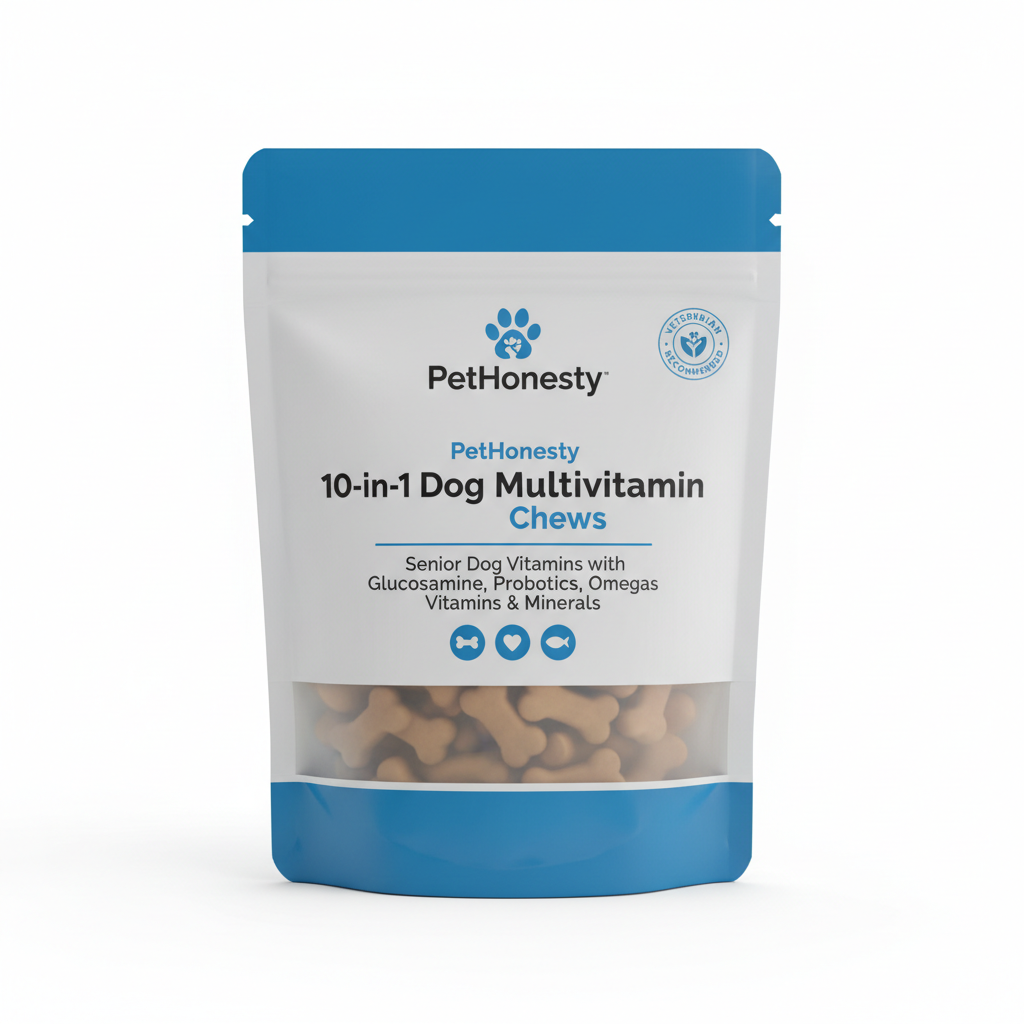
PetHonesty 10-in-1 Dog Multivitamin Chews - Senior Dog Vitamins with Glucosamine, Probiotics, Omegas, Vitamins & Minerals
PetHonesty
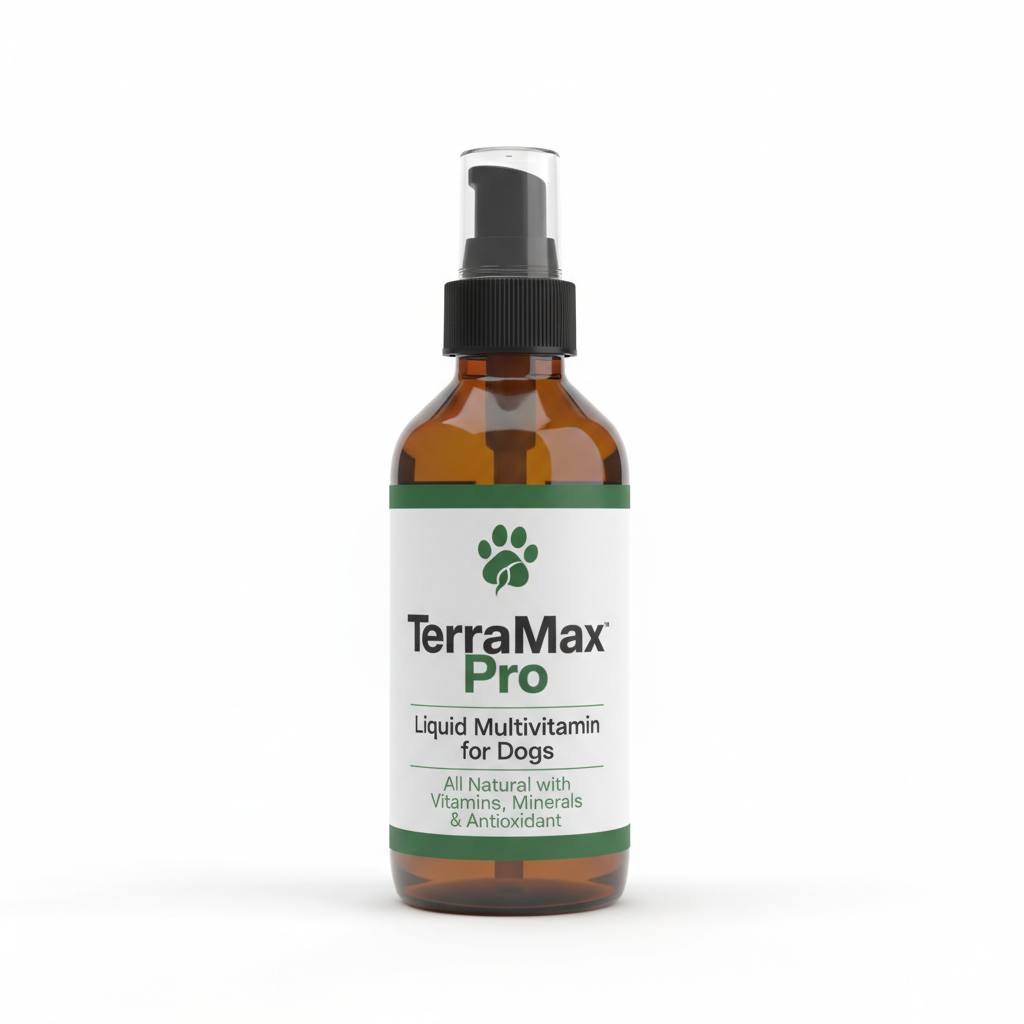
TerraMax Pro Liquid Multivitamin for Dogs - All Natural with Vitamins, Minerals & Antioxidants
TerraMax Pro

Purina Pro Plan Veterinary Supplements Hydra Care for Cats
Purina Pro Plan Veterinary

Zesty Paws Multivitamin Bites for Dogs - 8-in-1
Zesty Paws

GNC Pets Ultra Mega Multivitamin Plus for Senior Dogs
GNC Pets

VetriScience Laboratories NuCat Multivitamin Chews
VetriScience Laboratories