Vitamin C
vitamin
Many pet owners consider supplementing their dog's diet with vitamins, and vitamin C often comes up in these discussions. Unlike humans, dogs produce vitamin C naturally in their bodies. This fundamental difference shapes how we approach vitamin C supplementation for canines. This guide explores the role of vitamin C for dogs, its potential benefits, appropriate dosages, safety considerations, and overall efficacy. Understanding these aspects can help pet owners make informed decisions about their dog's nutritional needs.
Vitamin C for Dogs: Understanding its Role and Relevance
Vitamin C, also known as ascorbic acid, is an essential nutrient for many species, including humans. Its primary functions involve antioxidant activity, collagen synthesis, immune system support, and iron absorption. For most mammals, including dogs, the body can synthesize vitamin C from glucose in the liver. This internal production generally means that a healthy dog on a balanced diet doesn't require external vitamin C supplementation to prevent a deficiency.
This self-sufficiency is a key distinction when considering vitamin C for dogs compared to humans. Humans must obtain vitamin C from their diet, as they lack the enzyme L-gulonolactone oxidase, which is crucial for its synthesis. Dogs, however, possess this enzyme.
Despite their ability to produce vitamin C, some situations might lead pet owners or veterinarians to consider supplementation. These often involve stress, illness, or specific health conditions where the body's natural production might not keep up with increased demand. For instance, dogs experiencing significant physical or psychological stress, recovering from surgery, or battling certain diseases might benefit from additional vitamin C. The underlying premise is that while healthy dogs produce enough, compromised dogs might not.
It's important to note that "vitamin C deficiency" in the human sense (scurvy) is extremely rare in dogs due to their endogenous production. Therefore, the focus of supplementation shifts from preventing a deficiency to potentially supporting specific physiological processes under duress.
Potential Benefits of Vitamin C for Your Dog
While healthy dogs typically produce sufficient vitamin C, certain situations may warrant considering supplementation. The perceived benefits often stem from vitamin C's well-established roles in human health, extrapolated to canine physiology.
These potential benefits are often discussed in the context of specific health challenges rather than as a routine daily supplement for all healthy dogs.
Dog Vitamin C: Forms and Considerations
When considering vitamin C for dogs, it's important to understand the different forms available and their implications. The most common form is ascorbic acid, but buffered forms and mineral ascorbates also exist.
- Ascorbic Acid: This is the most basic and common form of vitamin C. It's highly acidic, which can sometimes cause gastrointestinal upset in sensitive dogs, especially at higher doses. While effective, its acidity can be a drawback for some pets.
- Sodium Ascorbate: This is a buffered form of vitamin C, created by combining ascorbic acid with sodium. It is less acidic than pure ascorbic acid, making it gentler on the stomach. However, it introduces additional sodium, which might be a concern for dogs on sodium-restricted diets due to heart or kidney issues.
- Calcium Ascorbate: Similar to sodium ascorbate, this is a buffered form made with calcium. It's also less acidic and may be better tolerated by dogs with sensitive stomachs. Pet owners should consider the total calcium intake, especially for puppies of large breeds, to avoid potential mineral imbalances.
- Ester-C®: This is a branded form of vitamin C that contains calcium ascorbate and natural metabolites of vitamin C. It's often marketed as being non-acidic and having improved bioavailability and retention in the body. While popular in human supplements, specific research on its superior efficacy or bioavailability in dogs compared to other forms is limited.
When choosing a vitamin C supplement, consider:
- Purity and Quality: Look for supplements from reputable manufacturers that provide third-party testing or quality assurance seals.
- Formulation: Powders, chewable tablets, and liquids are available. Choose a form that is easy to administer to your dog.
- Added Ingredients: Some supplements may contain other vitamins, minerals, or herbs. Ensure these are appropriate and safe for your dog.
- Palatability: A supplement is only effective if your dog will consume it.
It's also crucial to remember that while these forms vary in acidity and potential absorption, the underlying principle remains: dogs produce their own vitamin C. Any supplementation should be carefully considered and ideally discussed with a veterinarian.
Dog Supplements with Ascorbic Acid (Vitamin C)
Many dog nutritional supplements include ascorbic acid, whether as a standalone vitamin C supplement or as part of a multivitamin blend. These supplements are marketed for various purposes, often targeting specific health concerns rather than general wellness.
When evaluating dog nutritional supplement products containing vitamin C, consider the following:
- Purpose-Driven Formulas: Many joint supplements, immune boosters, and senior dog formulas incorporate vitamin C alongside other active ingredients like glucosamine, chondroitin, MSM, or probiotics. In these cases, vitamin C is often included for its antioxidant properties and its role in collagen synthesis, complementing the primary ingredients.
- Dosage per Serving: Pay close attention to the amount of vitamin C (ascorbic acid or its derivatives) per serving. This allows for accurate dosing and helps prevent over-supplementation.
- Ingredient Synergies: Some ingredients are thought to work synergistically. For example, vitamin E and vitamin C are both antioxidants that can regenerate each other, potentially enhancing their overall effect.
- Regulatory Status: In the United States, pet supplements are regulated differently than human pharmaceuticals. They fall under the purview of the FDA as food items, and claims of efficacy are not always strictly reviewed. Look for products that adhere to quality standards set by organizations like the National Animal Supplement Council (NASC).
- Veterinary Orthopedic Foundation (VOF) Recommendations: For joint health, some veterinarians may refer to guidelines from organizations like the VOF, which sometimes include vitamin C in their recommendations for certain conditions, particularly in younger, fast-growing large breed dogs.
An example of how vitamin C is often integrated into a broader supplement strategy can be seen in products aimed at supporting hip and joint health.
| Supplement Type | Primary Ingredients | Role of Vitamin C (if included) |
|---|---|---|
| Joint Support | Glucosamine, Chondroitin, MSM, Hyaluronic Acid | Antioxidant, collagen synthesis for cartilage and connective tissue repair |
| Immune Support | Probiotics, Prebiotics, Echinacea, Mushrooms | Antioxidant, supports white blood cell function |
| Senior Dog Formulas | Omega-3 fatty acids, B vitamins, Antioxidant blend | Antioxidant to combat oxidative stress, general cellular health support |
| Multivitamins | Broad spectrum of vitamins and minerals | General health support, antioxidant |
| Skin & Coat Supplements | Omega-3, Biotin, Zinc | Antioxidant, general skin health |
When selecting a dog nutritional supplement, always read the label carefully and consult with your veterinarian to ensure it aligns with your dog's specific health needs and existing diet. Over-supplementation of any nutrient can lead to adverse effects.
The Effect of Vitamin C Supplementation in Healthy Dogs
The common understanding is that healthy dogs produce all the vitamin C they need. This raises the question: what is the effect of vitamin C supplementation in healthy dogs? Research on this topic suggests that for dogs not experiencing specific stressors or illnesses, the impact of additional vitamin C may be minimal, and in some cases, excessive amounts can even be detrimental.
Studies investigating vitamin C supplementation in healthy dogs often focus on parameters such as immune response, antioxidant status, and general well-being. The findings are not always clear-cut:
- No Preventative Benefit: There is generally no evidence to suggest that supplementing healthy dogs with vitamin C prevents common illnesses or improves their overall health beyond what their natural production already provides. The body has a regulatory mechanism for vitamin C, and excess is typically excreted.
- Potential for Oxalate Formation: A primary concern with high doses of vitamin C in dogs is its metabolism into oxalates. While a normal process, excessive oxalate can contribute to the formation of calcium oxalate bladder stones in susceptible dogs. This is a significant consideration, especially for breeds predisposed to stone formation.
- Gastrointestinal Upset: As mentioned, the acidity of ascorbic acid can cause stomach upset, diarrhea, or vomiting in some dogs, particularly if given in large quantities or on an empty stomach. Buffered forms can mitigate this, but the risk of digestive issues remains with high doses.
- Limited Impact on Endogenous Production: Some theories suggest that chronic, high-dose supplementation might signal the body to reduce its natural vitamin C production. However, definitive research on this specific feedback loop in dogs is not robust. It remains a theoretical concern rather than a firmly established physiological effect.
- Antioxidant Status: While vitamin C is an antioxidant, simply adding more to a healthy dog's diet doesn't necessarily translate to a measurable improvement in overall antioxidant status if their existing diet and physiology are already sufficient. The body maintains a delicate balance.
In essence, for a healthy dog consuming a complete and balanced diet, routine vitamin C supplementation is generally not recommended by veterinary professionals. The body is well-equipped to manage its vitamin C needs. Resources are better directed towards ensuring a high-quality diet, regular exercise, and appropriate veterinary care.
Ascorbic Acid Vitamin C: Dosage and Safety for Pets
Determining the appropriate vitamin C dosage for dogs is complex due to their natural production. There are no universally established daily recommended allowances for supplemental vitamin C for healthy dogs, precisely because they synthesize it. When supplementation is considered, it's typically for therapeutic purposes under veterinary guidance, and dosages vary widely based on the dog's size, condition, and the specific reason for supplementation.
General Guidelines (Consult a Veterinarian First):
If a veterinarian recommends vitamin C, the dosage often falls within these broad ranges, but these are not prescriptive and must be individualized:
- Small Dogs (under 20 lbs): 100-250 mg per day
- Medium Dogs (20-50 lbs): 250-500 mg per day
- Large Dogs (50-100 lbs): 500-1000 mg per day
- Giant Breeds (over 100 lbs): 1000-2000 mg per day
These ranges are often cited for conditions like joint support or immune modulation. It's common to start at the lower end and gradually increase if needed, always observing for adverse effects.
Safety Considerations for Pet Vitamin C Supplementation:
Essential Vitamins Cats:
While this article focuses on vitamin C for dogs, it's worth briefly touching on cats. Like dogs, cats also synthesize their own vitamin C. Therefore, routine vitamin C supplementation is generally not necessary for healthy cats and carries similar risks of oxalate formation and GI upset if over-supplemented. Any consideration of vitamin C for cats should also be made in consultation with a veterinarian.
The takeaway regarding vitamin C dosage and safety is clear: it's not a benign supplement for dogs. While it has therapeutic potential in specific circumstances, it carries risks, particularly concerning kidney stone formation. Always consult with a veterinarian before initiating any vitamin C supplementation for your pet.
Conclusion
Vitamin C holds a unique place in canine nutrition. Unlike humans, dogs possess the ability to synthesize their own vitamin C, meaning that for most healthy dogs on a balanced diet, external supplementation is not a necessity. The primary rationale for considering vitamin C for dogs stems from its antioxidant properties and its role in immune function and collagen synthesis, particularly during periods of stress, illness, or recovery.
However, the decision to supplement should not be taken lightly. While potential benefits exist for specific conditions, notably joint health support or immune modulation during challenging times, there are also significant safety considerations. The risk of calcium oxalate bladder stone formation, particularly in susceptible breeds, and the potential for gastrointestinal upset, underscore the importance of careful dosage and veterinary oversight.
Ultimately, for curious pet owners seeking clear, trustworthy information, the message is one of caution and informed decision-making. Before adding any dog nutritional supplement, including vitamin C, to your pet's regimen, a thorough discussion with your veterinarian is crucial. They can assess your dog's individual health status, dietary needs, and any existing conditions to determine if vitamin C supplementation is appropriate, what form and dosage would be safest, and whether the potential benefits outweigh the risks. Prioritizing a high-quality, complete, and balanced diet remains the cornerstone of good canine health.
Products Containing Vitamin C
Top-rated supplements featuring this ingredient, ranked by our PSI+ score.
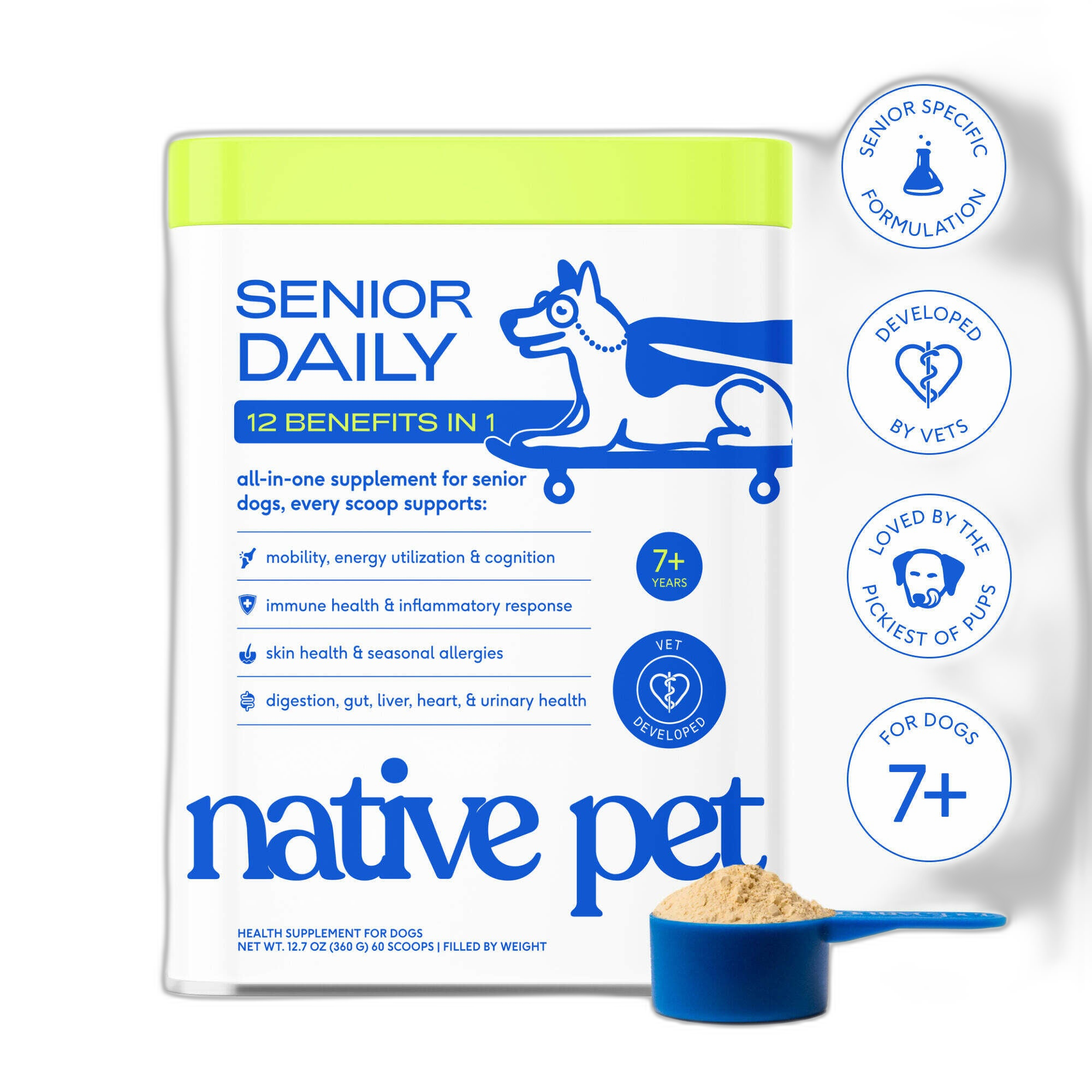
Native Pet Senior Daily Powder 12-in-1 Supplement for Senior Dogs
Native Pet
ThorneVET Canine Geriatric Basics Chew Supplement for Senior Dogs
ThorneVet
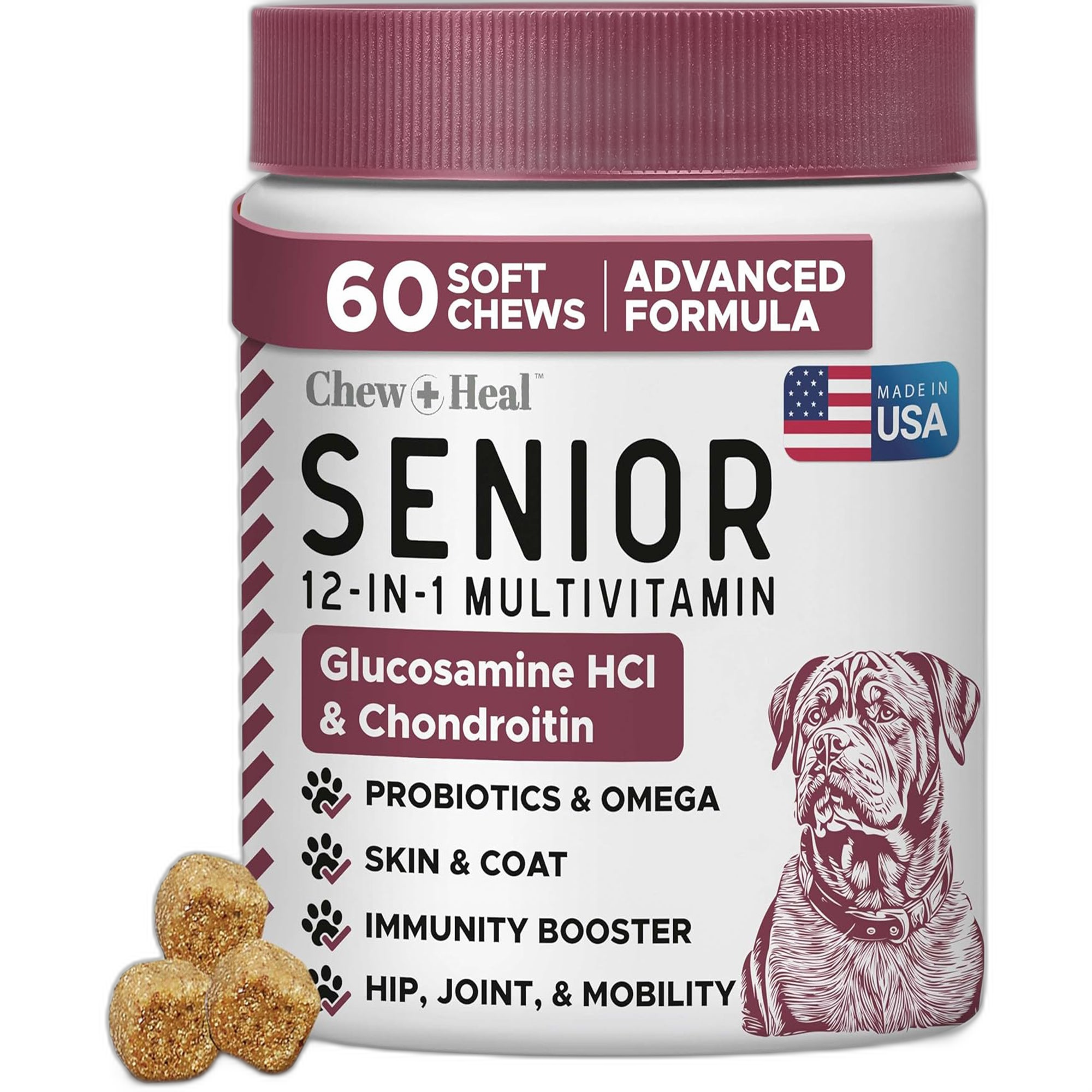
Chew + Heal Senior 12-In-1 Advanced Multivitamin Soft Chews Supplement for Senior Dogs
Chew + Heal
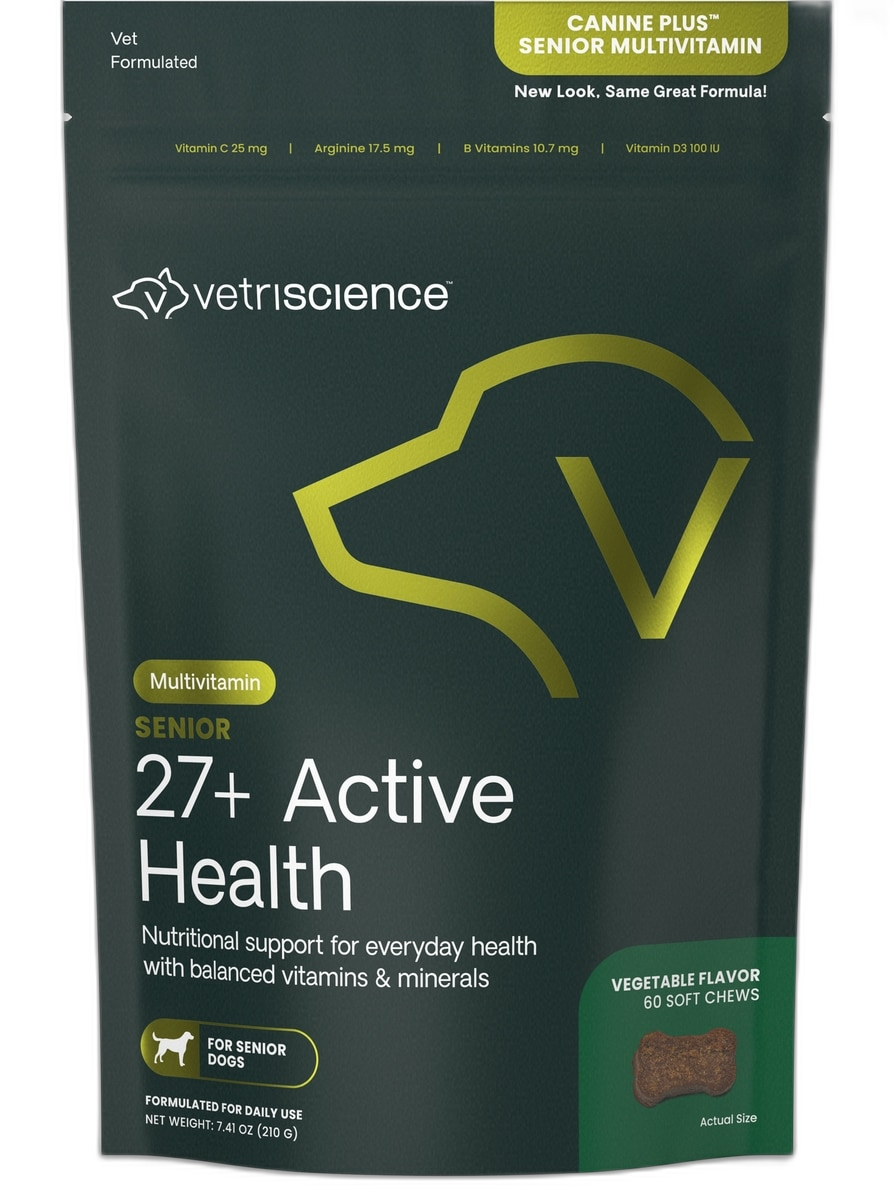
VetriScience Canine Plus Senior 27+ Active Health Veggie Flavored Soft Chews Multivitamin for Senior Dogs
VetriScience
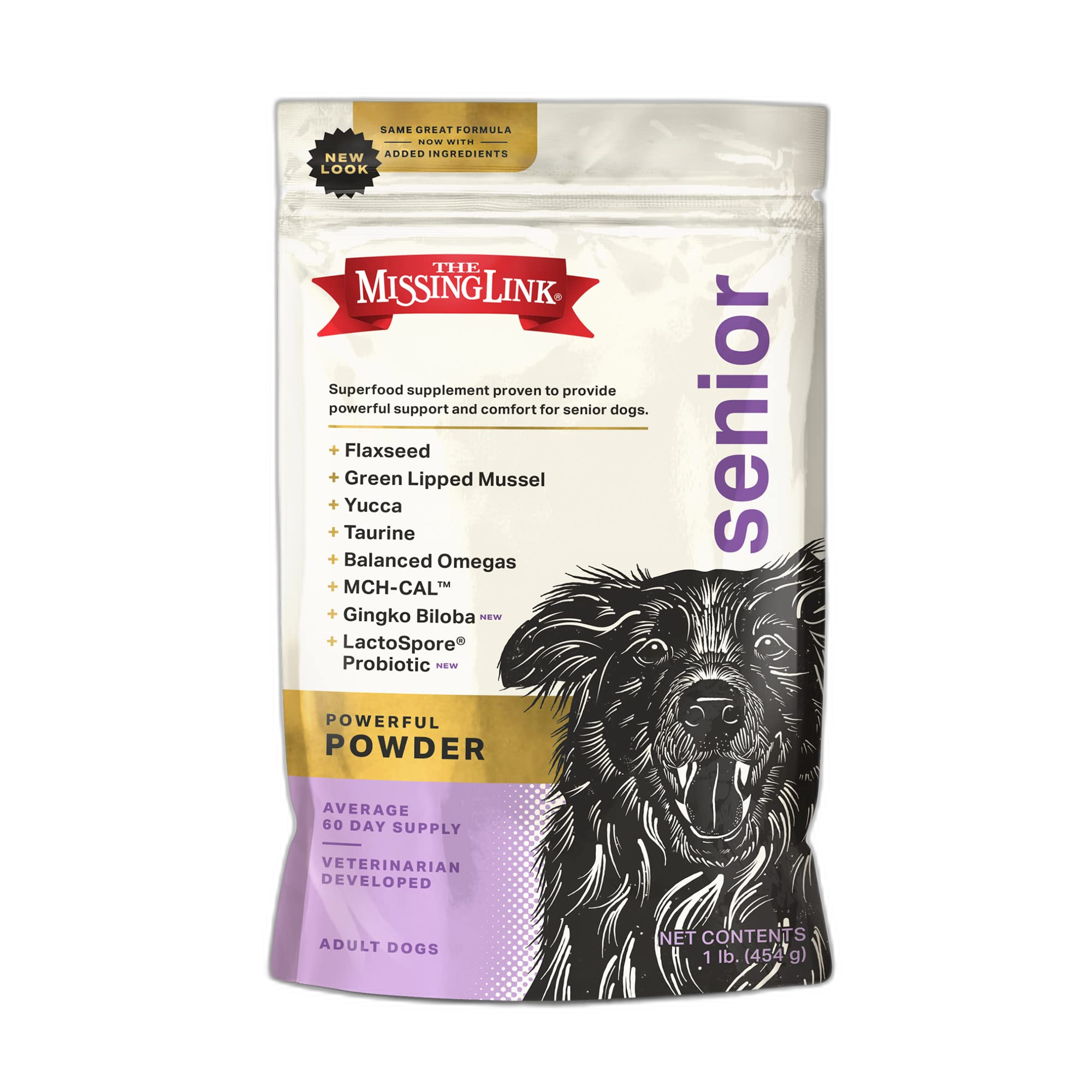
The Missing Link Ultimate Canine Senior Health Formula Dog Supplement
The Missing Link
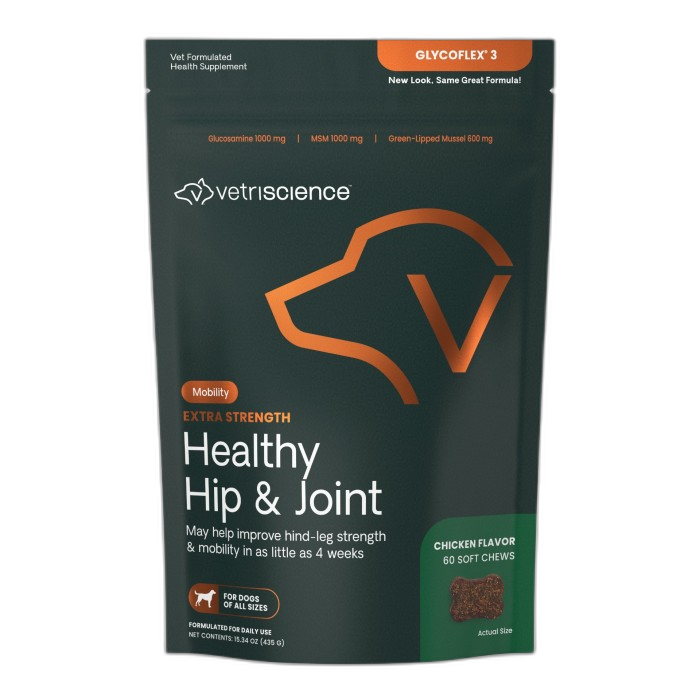
VetriScience GlycoFlex 3 Extra Strength Healthy Hip & Joint Chicken-Flavored Chews with Glucosamine & Green-Lipped Mussel Supplement for Dogs
VetriScience
40 in 1 Dog Vitamins and Supplements Chewable
40 in 1
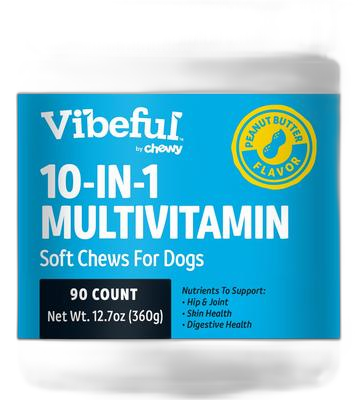
Vibeful 10-in-1 Multivitamin Bites Peanut Butter Flavored Soft Chews Supplement for Dogs
Vibeful