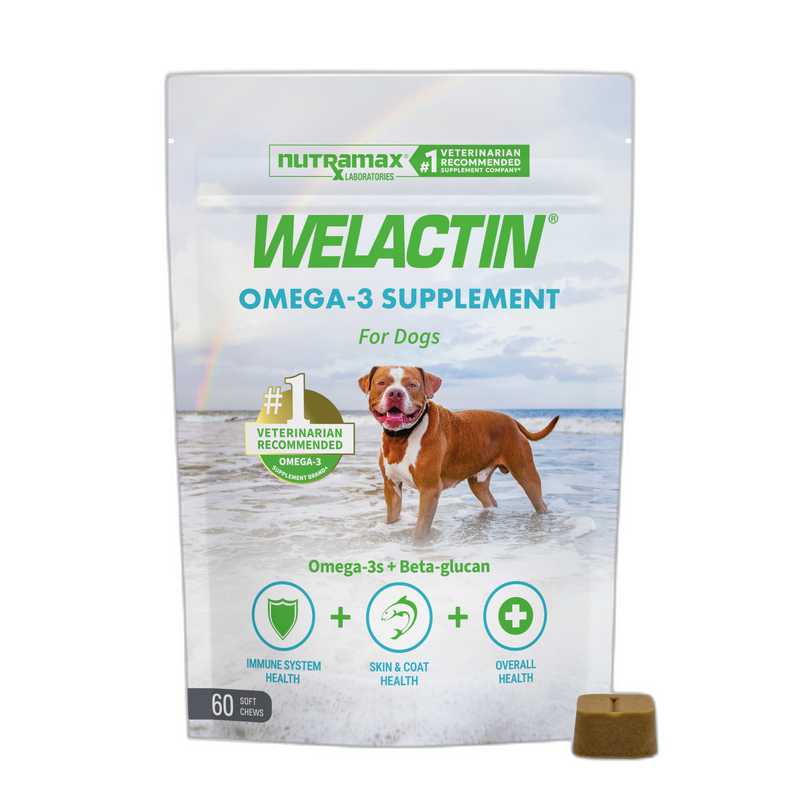
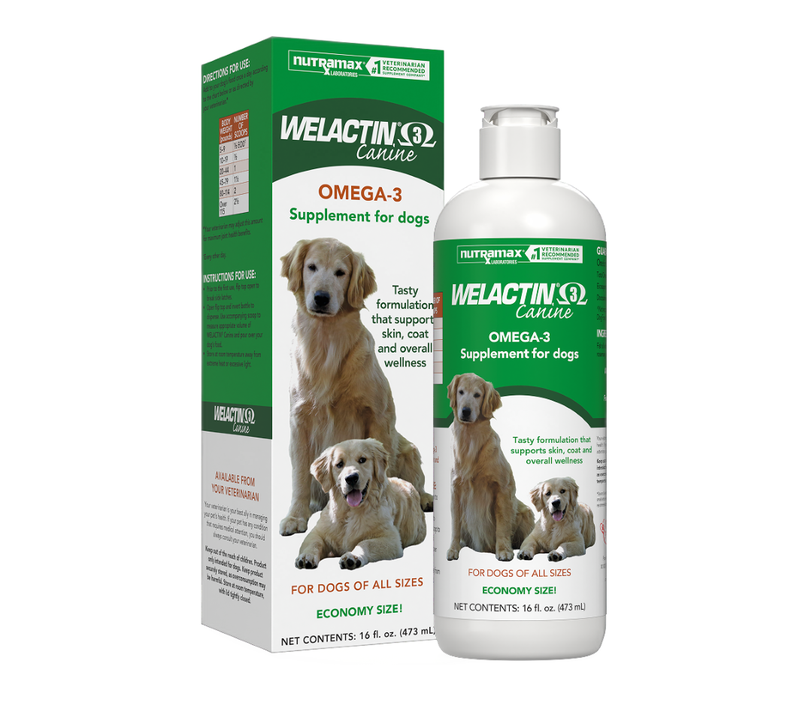
Vitamin E (as preservative)
vitamin
Vitamin E is a broad term encompassing a group of fat-soluble compounds with distinct antioxidant properties. In the context of pet food and supplements, it serves a dual role: as an essential nutrient vital for canine and feline health, and as a natural preservative, primarily in the form of mixed tocopherols. Understanding this dual functionality is key for pet owners evaluating commercial pet foods and considering supplementation. While its nutritional benefits are well-established, its role as a preservative directly impacts food quality and shelf life, which in turn can influence nutrient availability for pets. This guide explores both aspects, providing practical insights into its use, appropriate dosages, and overall efficacy for pets.
Health Benefits of Vitamin E for Dogs
Vitamin E, specifically the tocopherol and tocotrienol compounds, is a powerful antioxidant. For dogs, this means it actively combats oxidative stress, a process involving free radicals that can damage cells and contribute to various health issues. This antioxidant function is fundamental to its health benefits.
One primary benefit is its role in supporting the immune system. By protecting immune cells from oxidative damage, Vitamin E helps maintain their ability to fight off infections and diseases. This is particularly important for puppies with developing immune systems and older dogs whose immune function may naturally decline.
Skin and coat health also benefit significantly from adequate Vitamin E levels. Its antioxidant properties help protect skin cells from environmental damage, which can lead to healthier skin, reduced irritation, and a shinier coat. Some dermatological conditions in dogs, such as certain types of dermatitis, may see improvement with Vitamin E supplementation, though it's not a standalone cure.
Furthermore, Vitamin E contributes to muscle function and neurological health. It plays a part in maintaining cell membrane integrity, which is crucial for nerve signal transmission and muscle contraction. Dogs experiencing muscle weakness or certain neurological conditions might benefit from its supportive role, though specific therapeutic applications require veterinary guidance.
Reproductive health is another area where Vitamin E shows promise. In some studies, adequate Vitamin E intake has been linked to improved reproductive performance in both male and female dogs, potentially by protecting reproductive cells from oxidative damage.
It's important to differentiate between general health support and specific therapeutic uses. While Vitamin E is a beneficial nutrient for overall canine well-being, using it to treat specific medical conditions should always be done under the direction of a veterinarian. For instance, a dog with a diagnosed Vitamin E deficiency might require higher, medically supervised doses, whereas a healthy dog typically receives sufficient amounts from a balanced diet.
Vitamin E for Dogs
When considering vitamin E for dogs, it's important to understand its different forms and how they work. Alpha-tocopherol is the most biologically active type. However, many commercial pet foods and supplements use "mixed tocopherols," which contain alpha, beta, gamma, and delta-tocopherols. These mixed forms act as both nutrients and natural preservatives.
As a nutrient, Vitamin E is fat-soluble, meaning it's absorbed with fats and stored in the body's fatty tissues and liver. This characteristic influences its dosage and potential for accumulation. Unlike water-soluble vitamins that are readily excreted, fat-soluble vitamins can build up, making appropriate dosing important to avoid toxicity, though Vitamin E has a relatively wide safety margin compared to other fat-soluble vitamins like A or D.
The primary function of Vitamin E in a dog's body is its antioxidant activity. It protects cell membranes, particularly those rich in polyunsaturated fatty acids (PUFAs), from damage by free radicals. This protection is vital for the health of red blood cells, muscle cells, and nerve cells. Without sufficient Vitamin E, dogs can experience muscle degeneration, reproductive issues, and certain neurological problems.
Sources of Vitamin E for dogs include natural dietary components and supplements. Good natural sources are certain vegetable oils (like sunflower or safflower oil), nuts, seeds, and green leafy vegetables, though dogs typically don't consume these in quantities sufficient to meet all their needs from whole foods alone. Consequently, many commercial dog foods are fortified with synthetic or natural Vitamin E to ensure adequate intake.
The efficacy of Vitamin E depends on its form and the dog's individual needs. Natural forms (d-alpha-tocopherol) are generally considered more bioavailable than synthetic forms (dl-alpha-tocopherol). However, both contribute to the dog's Vitamin E status. When selecting supplements or evaluating food labels, looking for "mixed tocopherols" or "d-alpha-tocopherol" indicates a natural source, often preferred for its broader antioxidant spectrum and higher biological activity.
For a healthy dog on a complete and balanced commercial diet, additional Vitamin E supplementation might not be necessary. However, dogs with specific health conditions, those on diets high in polyunsaturated fats (which increase Vitamin E requirements), or older dogs might benefit from targeted supplementation under veterinary guidance.
Are Mixed Tocopherols Safe in Dog & Cat Food?
Mixed tocopherols are a common ingredient in many commercial dog and cat foods, primarily functioning as natural preservatives. They are a blend of different forms of Vitamin E (alpha, beta, gamma, and delta tocopherols) and are generally considered safe and beneficial for pets.
Their main role as a preservative is to prevent the oxidation of fats and oils in pet food. Fats, especially polyunsaturated fats, are prone to becoming rancid when exposed to air, light, and heat. This oxidation not only degrades the nutritional quality of the food but can also produce harmful byproducts and make the food unpalatable. Mixed tocopherols act as antioxidants, scavenging free radicals and slowing down this spoilage process, thereby extending the shelf life of the food. This is a significant advantage over synthetic preservatives like BHA, BHT, or ethoxyquin, which some pet owners prefer to avoid.
The safety of mixed tocopherols stems from their natural origin and their role as an essential nutrient. Unlike some synthetic preservatives that have raised concerns regarding long-term health effects in pets, mixed tocopherols are simply different forms of Vitamin E, which is a vital vitamin. When included in pet food at appropriate levels, they contribute to the animal's overall Vitamin E intake while simultaneously protecting the food's integrity.
For both dogs and cats, the levels of mixed tocopherols typically used as preservatives in commercial pet foods are well within safe limits. These levels are usually much lower than those that would be considered therapeutic or supplemental doses. The Association of American Feed Control Officials (AAFCO) provides guidelines for nutrient levels in pet food, including Vitamin E, ensuring that commercial diets are formulated to meet these nutritional requirements without posing a risk of toxicity.
Concerns about mixed tocopherols are rare and usually arise from a general apprehension about "additives" in pet food. However, in this case, the additive is a beneficial nutrient that serves a critical functional purpose. Pet owners can generally feel confident about the safety of mixed tocopherols in their pet's food. For pets with extremely rare sensitivities or specific dietary restrictions, consulting a veterinarian is always advisable, but for the vast majority, mixed tocopherols are a safe and effective component of a balanced diet.
Mixed Tocopherols for Dogs–What Are They?
Mixed tocopherols are essentially a natural form of Vitamin E, comprising a blend of its various isomers: alpha-tocopherol, beta-tocopherol, gamma-tocopherol, and delta-tocopherol. While alpha-tocopherol is the form with the highest biological activity in the body, the other tocopherols also possess significant antioxidant properties, making the mixed form highly effective in both nutritional and preservative capacities.
Their primary function in pet food is as a natural antioxidant preservative. Fats and oils in pet foods are highly susceptible to oxidation, which leads to rancidity, loss of nutritional value, and the formation of potentially harmful compounds. Mixed tocopherols work by donating hydrogen atoms to free radicals, thereby stabilizing these reactive molecules and preventing them from initiating or propagating oxidative chain reactions. This process extends the shelf life of pet food and protects the integrity of fat-soluble vitamins and essential fatty acids.
The source of mixed tocopherols is typically vegetable oils, such as soybean, sunflower, or corn oil. They are extracted and concentrated to be used as an ingredient. This natural origin is a key reason why many pet owners and manufacturers prefer them over synthetic preservatives like BHA (butylated hydroxyanisole), BHT (butylated hydroxytoluene), or ethoxyquin. These synthetic alternatives have faced scrutiny over potential health concerns, leading to a demand for more natural options in pet food preservation.
From a nutritional standpoint, when a dog consumes food containing mixed tocopherols, these compounds are absorbed and utilized by the body as Vitamin E. This contributes to the dog's overall Vitamin E status, supporting immune function, skin health, and acting as an internal antioxidant. The advantage of mixed tocopherols over pure alpha-tocopherol as a preservative is their broader spectrum of antioxidant activity, offering more comprehensive protection against various types of free radicals.
When you see "mixed tocopherols" listed on a pet food ingredient panel, it indicates that the manufacturer is using a natural, Vitamin E-based preservative system. This is generally considered a positive attribute, signifying a commitment to using natural ingredients and protecting the food's freshness without relying on synthetic chemicals. The exact ratio of tocopherols in a mixed tocopherol blend can vary, but all contribute to the overall antioxidant power.
Incorporating Vitamin E into Your Dog's Diet
Incorporating Vitamin E into a dog's diet involves understanding both its dietary sources and the scenarios where supplementation might be beneficial. Most commercially prepared complete and balanced dog foods are fortified with sufficient Vitamin E to meet an average dog's nutritional requirements, often in the form of mixed tocopherols. However, certain situations may warrant additional consideration.
Dietary Sources:
- Commercial Pet Foods: The most common and reliable source. Look for "mixed tocopherols" or "alpha-tocopherol" on the ingredient list.
- Natural Food Items (in moderation):
- Vegetable Oils: Small amounts of sunflower oil, safflower oil, or wheat germ oil can provide Vitamin E. These should be given sparingly due to their caloric density and potential to cause digestive upset in larger quantities.
- Green Leafy Vegetables: Spinach, kale (cooked and pureed) contain some Vitamin E, but dogs would need to consume large amounts to make a significant contribution.
- Certain Seeds/Nuts: Almonds (blanched, unsalted, in tiny pieces) contain Vitamin E, but nuts can be problematic for dogs due to choking hazards and high fat content. Avoid macadamia nuts, which are toxic.
When to Consider Supplementation:
Supplementation should always be discussed with a veterinarian, as excessive amounts of fat-soluble vitamins can accumulate in the body.
- Skin Conditions: Dogs with certain dermatological issues may benefit from Vitamin E's antioxidant and anti-inflammatory properties.
- Immune Support: Older dogs or those with compromised immune systems might benefit from additional antioxidant support.
- Muscle Disorders: Some muscle-related conditions may see improvement with Vitamin E.
- Pancreatitis/Fat Malabsorption: Dogs with conditions affecting fat digestion and absorption may struggle to absorb fat-soluble vitamins, potentially requiring specific forms or higher doses under veterinary supervision.
Forms of Supplementation:
- Capsules/Softgels: Often contain d-alpha-tocopherol (natural) or dl-alpha-tocopherol (synthetic). These can be pierced and mixed with food or given whole if the dog tolerates it.
- Liquid Forms: Can be easily added to food.
- Chewable Tablets/Treats: Formulated specifically for dogs, making administration easier.
Dosage Considerations:
The appropriate dosage varies significantly based on the dog's size, age, health status, and the specific reason for supplementation.
| Dog Weight (Approx.) | Typical Daily Maintenance Range (IU) * | Considerations for Higher Doses |
|---|---|---|
| Small (1-10 kg) | 50-100 IU | Skin issues, mild deficiencies |
| Medium (11-25 kg) | 100-200 IU | Immune support, moderate conditions |
| Large (>25 kg) | 200-400 IU | Arthritis, significant oxidative stress |
Note: These are general guidelines for supplemental use, in addition to dietary intake, and for healthy dogs. Therapeutic doses for specific medical conditions can be significantly higher and must be prescribed and monitored by a veterinarian.
Always start with a lower dose and observe your dog for any adverse reactions. The maximum safe upper limit for Vitamin E in dogs is not definitively established, but excessively high doses (e.g., over 1000 IU/day for smaller dogs or 2000 IU/day for larger dogs over prolonged periods) could theoretically interfere with Vitamin K absorption, potentially affecting blood clotting, though this is rare.
Preservatives Used in IAMS™ Dog Food
Understanding the types of preservatives used in commercial pet foods, such as those by IAMS™, offers insight into industry practices and helps pet owners make informed choices. Historically, and still in some products, synthetic preservatives like BHA (butylated hydroxyanisole), BHT (butylated hydroxytoluene), and ethoxyquin have been used. However, there's been a growing trend in the pet food industry, driven by consumer demand and a preference for natural ingredients, to switch to natural alternatives.
IAMS™, like many other major pet food brands, has evolved its approach to preservation. While specific formulations can change and vary by product line and region, a review of their common ingredient lists indicates a move towards natural preservatives.
Common Preservatives in Pet Food:
- Mixed Tocopherols (Vitamin E): This is the most prevalent natural preservative. As discussed, mixed tocopherols are a blend of Vitamin E compounds that act as antioxidants, preventing the oxidation of fats in the food and thus extending shelf life. Many IAMS™ products now list "Mixed Tocopherols" as a preservative or antioxidant. This choice aligns with consumer preference for natural ingredients and provides the added benefit of contributing to the pet's Vitamin E intake.
- Citric Acid: Often used in conjunction with mixed tocopherols. Citric acid, derived from citrus fruits, acts as a synergist, enhancing the effectiveness of other antioxidants. It also helps to chelate metal ions that can catalyze oxidation reactions.
- Rosemary Extract: Another natural antioxidant derived from the rosemary plant. It's increasingly used in pet foods for its ability to combat rancidity. While effective, some pets can be sensitive to strong herbal extracts, though this is uncommon at preservative levels.
Comparison of Preservative Types:
| Preservative Type | Examples | Pros | Cons |
|---|---|---|---|
| Natural | Mixed Tocopherols (Vitamin E), Citric Acid, Rosemary Extract | Generally perceived as safer, beneficial nutrient (Vitamin E), aligns with "natural" branding | Can be more expensive, potentially shorter shelf life than synthetic counterparts, subtle flavor changes |
| Synthetic | BHA, BHT, Ethoxyquin | Highly effective, cost-efficient, very long shelf life | Consumer concerns about long-term health effects, "chemical" perception |
IAMS™ Specifics:
When examining IAMS™ product packaging, you will typically find "Mixed Tocopherols" listed among the ingredients. For example, in many of their dry dog food formulas, it appears towards the end of the ingredient list, often alongside other natural compounds like citric acid or rosemary extract. This indicates their reliance on Vitamin E-based preservation for maintaining product freshness.
It's always recommended for pet owners to check the ingredient list on the specific IAMS™ product they are considering, as formulations can vary. This practice ensures awareness of all ingredients, including the type of preservatives used, allowing for an informed decision based on individual preferences and any specific dietary needs or sensitivities of their pet. The shift towards natural preservatives like mixed tocopherols reflects a broader industry trend to meet consumer demand for cleaner labels and perceived healthier options for pets.
FAQ
Is 400 IU of vitamin E safe for dogs?
For many medium to large breed dogs, 400 IU (International Units) of Vitamin E per day is generally considered a safe supplemental dose, especially when recommended by a veterinarian for specific health conditions like skin issues or immune support. For smaller dogs, this might be on the higher end of a maintenance dose but still often within safe limits. However, it's crucial to consider the dog's size, existing dietary intake of Vitamin E, and any underlying health conditions. Prolonged use of high doses without veterinary guidance could potentially interfere with Vitamin K absorption, though this is rare with Vitamin E alone. Always consult your veterinarian before starting any new supplement regimen, especially at doses like 400 IU.
Can I put vitamin E in my dog's food?
Yes, you can put Vitamin E in your dog's food, either by adding natural sources (like a tiny amount of sunflower oil or wheat germ oil) or by supplementing with a Vitamin E capsule or liquid. If using a capsule, you can pierce it and squeeze the oil onto their food. However, it's essential to ensure the form and dosage are appropriate for your dog. Many commercial dog foods already contain sufficient Vitamin E, so additional supplementation might not be necessary. Over-supplementation, particularly with fat-soluble vitamins, can potentially lead to adverse effects, although Vitamin E has a relatively high safety margin. Always discuss with your veterinarian first to determine if supplementation is needed and what the correct dosage should be.
What are the side effects of vitamin E in dogs?
Vitamin E is generally considered safe for dogs, and side effects are rare, especially at recommended doses. However, extremely high doses or prolonged over-supplementation can potentially lead to some issues:
- Gastrointestinal Upset: Nausea, vomiting, or diarrhea can occur, particularly if a dog receives a very large dose or is sensitive to the supplement’s carrier oil.
- Interference with Vitamin K Absorption: While uncommon, very high doses of Vitamin E (e.g., exceeding 1000 IU/day for smaller dogs or 2000 IU/day for larger dogs over extended periods) could theoretically interfere with the absorption and utilization of Vitamin K, which is essential for blood clotting. This could lead to an increased risk of bruising or bleeding, especially in dogs with pre-existing clotting disorders or those on anticoagulant medications.
- Lethargy or Weakness: In very rare cases of excessive intake, some dogs might show signs of lethargy.
These side effects are most likely to occur with unmonitored, high-dose supplementation. When Vitamin E is given at appropriate levels, either through diet or veterinary-guided supplementation, it is well-tolerated by most dogs.
Conclusion
Vitamin E, whether as an essential nutrient or a natural preservative, plays a significant role in the health and dietary quality for dogs. Its primary function as an antioxidant offers broad benefits, from bolstering the immune system and supporting skin health to protecting cellular integrity throughout the body. As a preservative, particularly in the form of mixed tocopherols, it safeguards pet food from spoilage, ensuring the nutritional value and palatability of commercial diets. For pet owners, understanding this dual role means recognizing that adequate Vitamin E intake is crucial, often provided sufficiently by quality commercial foods. When considering supplementation, however, the nuances of dosage, specific health needs, and potential interactions necessitate careful consideration and, most importantly, veterinary consultation to ensure safety and efficacy.
Products Containing Vitamin E (as preservative)
Top-rated supplements featuring this ingredient, ranked by our PSI+ score.