Vitamin B6
vitamin
Vitamin B6, also known as pyridoxine, is a water-soluble vitamin vital for many metabolic functions in dogs, cats, and other pets. It supports protein, fat, and carbohydrate metabolism, red blood cell formation, nervous system function, and immune response. Although often less discussed than other vitamins, understanding its importance, proper dosing, and signs of deficiency can be crucial for pet owners. This article explores veterinary research on vitamin B6 for pets, examines dosing considerations, and outlines what to look for regarding supplementation.
The Role of Vitamin B6 in Pet Health
Vitamin B6 is not a standalone nutrient; it's a coenzyme involved in over 100 enzymatic reactions. Its primary forms are pyridoxine, pyridoxal, and pyridoxamine, which are converted into the active form, pyridoxal 5'-phosphate (PLP), within the body. This active form is integral to amino acid metabolism, allowing the body to synthesize and break down proteins. Without sufficient PLP, processes like neurotransmitter synthesis and glucose regulation can be impaired.
For dogs, a well-balanced commercial pet food typically provides adequate vitamin B6. However, certain conditions or dietary choices might necessitate a closer look at their intake. For instance, dogs on homemade diets, those with specific health issues, or those undergoing certain medications might have different requirements or absorption rates.
Practical Implications and Scenarios
A deficiency in vitamin B6 can manifest in various ways, though it's relatively uncommon in pets fed complete and balanced diets. Symptoms can include anemia, neurological signs like seizures, skin lesions, and impaired growth in young animals. Conversely, excessive intake is also a concern, though less common due to its water-soluble nature, which allows the body to excrete excess amounts. However, extremely high doses over prolonged periods can lead to neurological issues.
Consider a scenario where a dog is experiencing unexplained seizures. While numerous factors contribute to seizure disorders, a veterinarian might investigate nutritional deficiencies, including vitamin B6, especially if other symptoms are present or if the dog's diet is unconventional. Another example could be a cat with persistent skin issues that don't respond to typical treatments; while less common, a B6 deficiency could be a contributing factor.
Why Your Dog Needs Vitamin B6
The necessity of vitamin B6 for dogs extends across several vital bodily systems. Its involvement in protein metabolism means it's essential for muscle development and repair, enzyme production, and hormone synthesis. For growing puppies, adequate B6 is crucial for proper development.
Beyond metabolism, vitamin B6 contributes significantly to nervous system health. It's a precursor for several neurotransmitters, including serotonin, dopamine, and gamma-aminobutyric acid (GABA). These chemicals regulate mood, sleep, and nerve impulses. A deficiency can therefore impact neurological function.
Furthermore, B6 plays a role in red blood cell formation and immune system function. It aids in the production of hemoglobin, the protein in red blood cells that carries oxygen. A compromised immune system due to B6 deficiency could leave pets more susceptible to infections.
Trade-offs and Considerations
While essential, the "more is better" approach does not apply to vitamin B6. Over-supplementation, particularly with pyridoxine hydrochloride (HCl), can lead to peripheral neuropathy, a condition affecting the nerves outside of the brain and spinal cord. Symptoms might include weakness, incoordination, and difficulty walking. This emphasizes the importance of veterinary guidance before administering any supplement.
For dogs with specific health conditions, such as certain types of anemia or seizure disorders, a veterinarian might recommend B6 supplementation as part of a broader treatment plan. However, this is always under professional supervision and tailored to the individual animal's needs.
Vitamin B6 Pyridoxine as a Vital Micronutrient for Dogs
Pyridoxine, the form of vitamin B6 most commonly found in supplements and fortified foods, is indeed a vital micronutrient. Its conversion to the active coenzyme PLP is what makes it biologically significant. This conversion process occurs primarily in the liver.
The availability of pyridoxine in various food sources makes a deficiency rare in pets consuming commercial diets. Excellent natural sources include organ meats (like liver), fish, poultry, eggs, and some vegetables and whole grains. For pets on raw or homemade diets, ensuring these ingredients are present in appropriate quantities is critical to prevent deficiencies.
Concrete Examples
Consider a dog being treated for tuberculosis with isoniazid. Isoniazid is known to interfere with vitamin B6 metabolism, potentially leading to a deficiency. In such cases, veterinarians often prescribe pyridoxine supplementation concurrently to prevent neurological side effects. This illustrates a specific medical scenario where targeted B6 supplementation is not just beneficial but necessary.
Another example involves older dogs or those with chronic gastrointestinal issues. Malabsorption can occur in these animals, meaning they might not absorb nutrients efficiently from their food, even if the food contains adequate levels. In such situations, a veterinarian might recommend a B-complex vitamin supplement, which includes B6, to address potential deficiencies.
Vitamin B6 (Pyridoxine HCl / Pyridoxal 5'-Phosphate) for Dogs and Cats
When discussing vitamin B6 for pets, it's important to differentiate between the forms: pyridoxine HCl and pyridoxal 5'-phosphate (PLP).
- Pyridoxine HCl: This is the most common and stable form of vitamin B6 used in supplements and fortified foods. Once ingested, it needs to be converted by the body into PLP to become biologically active. This conversion process is generally efficient in healthy animals.
- Pyridoxal 5'-Phosphate (PLP): This is the active coenzyme form of vitamin B6. Some advanced supplements offer PLP directly, bypassing the need for conversion. This might be beneficial for animals with impaired liver function or genetic variations that affect B6 metabolism, though such cases are typically diagnosed by a veterinarian.
For most healthy pets, pyridoxine HCl is perfectly adequate. The body efficiently converts it to the active form. The choice between these two forms usually comes down to specific veterinary recommendations based on an individual pet's health status.
Supplementation Considerations
When looking for a vitamin B6 supplement, or a multi-vitamin containing B6, key factors include:
- Veterinary Approval: Always consult with a veterinarian before starting any supplement. They can assess your pet's needs, potential interactions with medications, and appropriate dosage.
- Form: For general supplementation, pyridoxine HCl is common. If a veterinarian suspects impaired conversion, they might suggest PLP.
- Quality and Purity: Choose reputable brands that conduct third-party testing to ensure product quality, purity, and accurate labeling. Look for certifications if available.
- Dosage: Adhere strictly to veterinary-recommended dosages. Over-supplementation can be harmful.
Use of Pyridoxine Hydrochloride in the Interruption of Lactation in Dogs
An interesting, though less common, application of pyridoxine hydrochloride in veterinary medicine is its historical use in attempting to interrupt lactation in pseudopregnant or lactating dogs. Pseudopregnancy, or false pregnancy, is a common condition in unspayed female dogs where they exhibit physical and behavioral signs of pregnancy without actually being pregnant. This can include mammary gland development and milk production.
The rationale behind using pyridoxine in these cases was based on its involvement in neurotransmitter metabolism, particularly dopamine. Dopamine is known to inhibit prolactin secretion, and prolactin is the hormone primarily responsible for milk production. The hypothesis was that by influencing dopamine levels, pyridoxine might reduce prolactin and thus suppress lactation.
Current Veterinary Perspective
While some older studies and anecdotal reports might mention pyridoxine for lactation suppression, it's generally not considered a primary or highly effective treatment in modern veterinary practice. More targeted and effective medications are now available to manage pseudopregnancy and unwanted lactation, often involving dopamine agonists (drugs that mimic dopamine's effects).
Veterinarians typically opt for these more reliable pharmacological interventions, alongside managing the underlying hormonal imbalances. The use of pyridoxine for this specific purpose is largely outdated, and its efficacy was often inconsistent. This serves as an example of how veterinary medicine evolves, with newer research and pharmaceuticals providing more effective solutions.
Understanding Vitamin B and its Role in Your Dog's Health
Vitamin B6 is just one member of the larger B-vitamin complex. These water-soluble vitamins often work synergistically, meaning they function best when present together in appropriate ratios. The B-complex includes:
- B1 (Thiamine): Essential for carbohydrate metabolism and nerve function.
- B2 (Riboflavin): Involved in energy production and antioxidant functions.
- B3 (Niacin): Crucial for energy metabolism and DNA repair.
- B5 (Pantothenic Acid): Important for hormone synthesis and fat metabolism.
- B6 (Pyridoxine): Our focus, vital for protein metabolism, nervous system, and red blood cells.
- B7 (Biotin): Supports healthy skin, coat, and metabolism.
- B9 (Folate/Folic Acid): Essential for cell growth, DNA synthesis, and red blood cell formation.
- B12 (Cobalamin): Critical for nerve function, red blood cell production, and DNA synthesis.
Because they are water-soluble, B vitamins are not stored in significant amounts in the body and must be regularly replenished through diet.
When to Consider a B-Complex Supplement
While individual B-vitamin deficiencies can occur, a deficiency in one often indicates a potential deficiency in others, or a general malabsorption issue. This is why veterinarians sometimes recommend a B-complex supplement rather than just a single B vitamin.
Situations where a B-complex supplement (including B6) might be considered include:
- Gastrointestinal Disease: Conditions like inflammatory bowel disease (IBD) can impair nutrient absorption.
- Chronic Illness: Certain chronic diseases can increase metabolic demands or lead to nutrient loss.
- Elderly Pets: Older animals may have reduced digestive efficiency.
- Pets on Certain Medications: Some drugs can interfere with B-vitamin absorption or metabolism.
- Stress: High-stress situations (e.g., rehoming, prolonged illness) might increase B-vitamin requirements.
- Unconventional Diets: Homemade or raw diets, if not carefully balanced, can be deficient.
It's crucial to differentiate between general nutritional support and addressing a specific deficiency. A diagnosis of a deficiency is usually made through blood tests and clinical signs, guiding targeted supplementation.
Comparison: Dietary Intake vs. Supplementation
The decision to supplement vitamin B6 for dogs and cats should always be weighed against the benefits of a balanced diet.
| Feature | Dietary Intake (Commercial Pet Food) | Supplementation (Targeted or B-Complex) |
|---|---|---|
| Source | Complete & balanced commercial pet foods, natural whole foods | Pills, liquids, chews; often concentrated |
| Primary Goal | Prevent deficiency, support overall health | Address diagnosed deficiency, support specific health conditions |
| Risk of Excess | Very low, regulated by formulation | Moderate to high, depending on dosage and duration; potential for toxicity |
| Veterinary Input | General recommendation for a reputable diet | Essential for diagnosis, dosage, and monitoring |
| Cost | Incorporated into food cost | Additional expense |
| Convenience | Part of daily feeding routine | Requires consistent administration |
This table highlights that while diet is the foundation, supplementation serves as a precise tool for specific needs, always under professional guidance.
FAQ
Can you give a dog vitamin B6?
Yes, you can give a dog vitamin B6, but it should only be done under the guidance of a veterinarian. While essential, excessive amounts can be harmful, and a veterinarian can determine if your dog actually needs a supplement and at what dosage. Most dogs receiving a complete and balanced commercial diet do not require additional B6.
Does vitamin B6 increase GABA?
Yes, vitamin B6 (in its active form, pyridoxal 5'-phosphate or PLP) is a crucial coenzyme in the synthesis of gamma-aminobutyric acid (GABA) from glutamate. GABA is the primary inhibitory neurotransmitter in the central nervous system, meaning it helps calm nerve activity. Therefore, adequate vitamin B6 is necessary for proper GABA production and, consequently, for healthy nervous system function.
What words do dogs hear best?
Dogs generally respond best to short, clear, and consistent verbal cues. They tend to pick up on the tone and inflection of your voice more than the specific words themselves. High-frequency sounds are often more audible to dogs. While not directly related to vitamin B6, ensuring clear communication is vital for training and interaction with your pet.
Conclusion
Vitamin B6 is an indispensable nutrient for dogs and cats, supporting a wide array of physiological processes from metabolism to nervous system function. While typically supplied in adequate amounts by commercial pet foods, specific circumstances such as certain medical conditions, medications, or specialized diets may warrant veterinary-guided supplementation. Understanding the different forms of B6, potential risks of deficiency or toxicity, and the broader context of B-complex vitamins allows pet owners to make informed decisions. Always prioritize consultation with a veterinarian before introducing any new supplement to your pet's regimen to ensure safety and efficacy.
Products Containing Vitamin B6
Top-rated supplements featuring this ingredient, ranked by our PSI+ score.
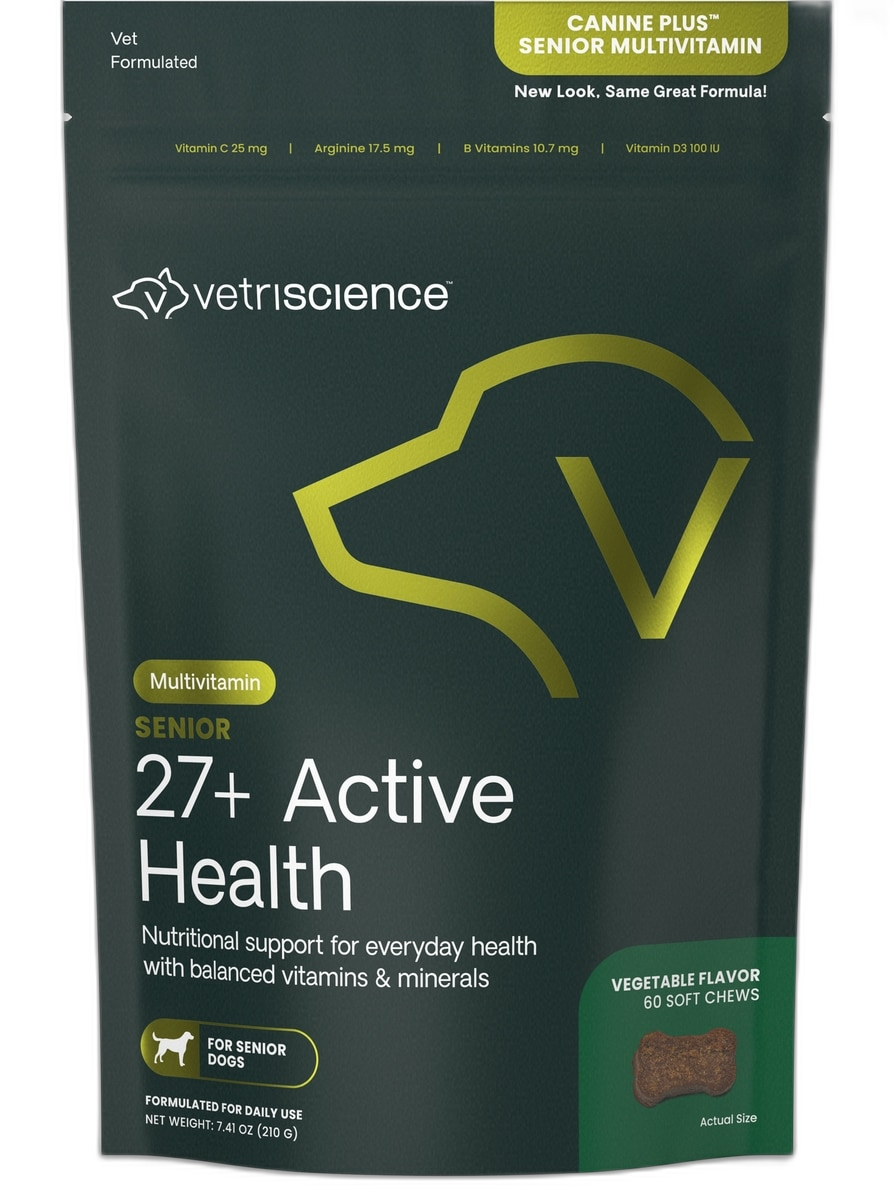
VetriScience Canine Plus Senior 27+ Active Health Veggie Flavored Soft Chews Multivitamin for Senior Dogs
VetriScience
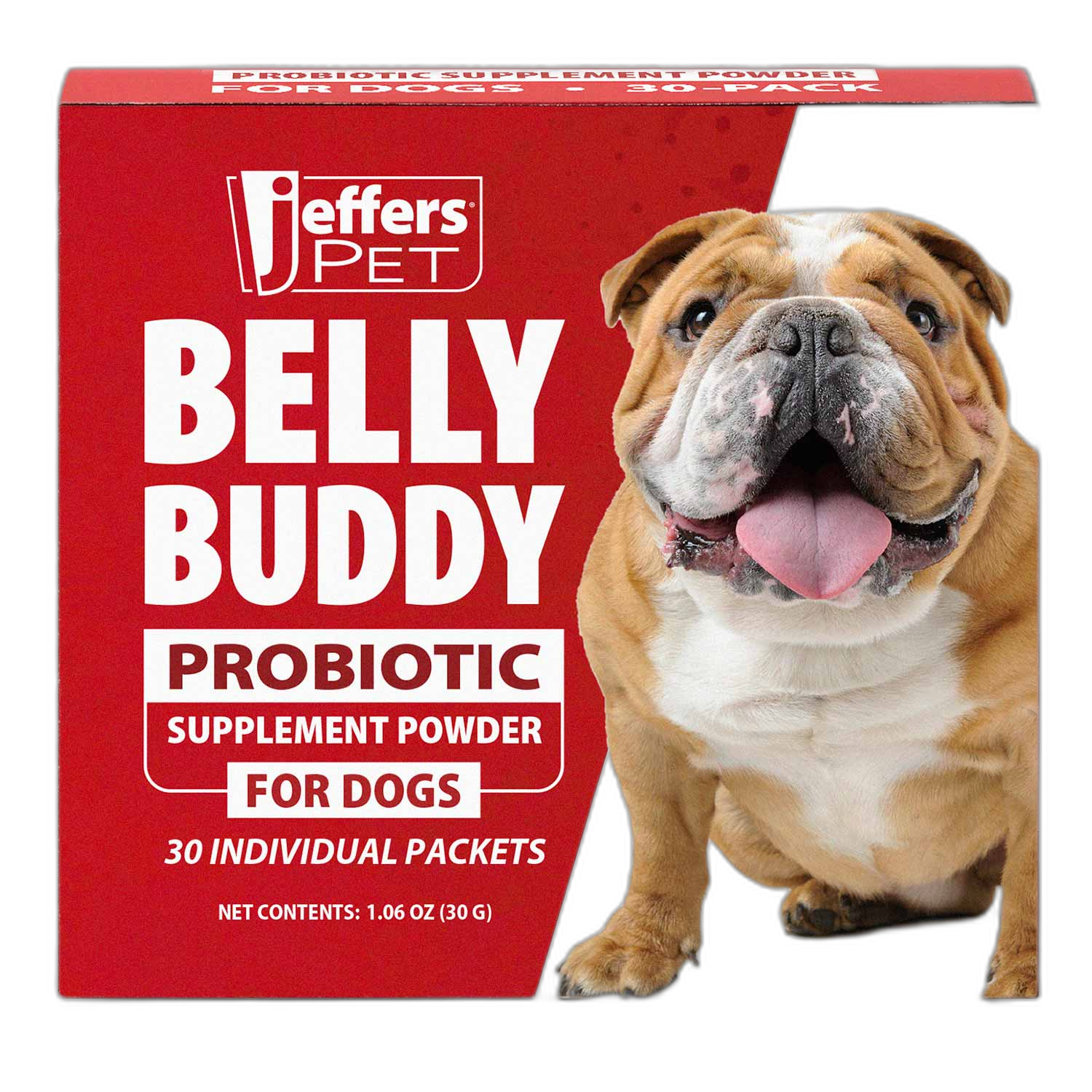
Jeffers Belly Buddy Probiotic Packets Digestive Aid Powder Supplement
Jeffers
Rx Vitamins for Pets NutriCalm for Dogs
Rx Vitamins for Pets
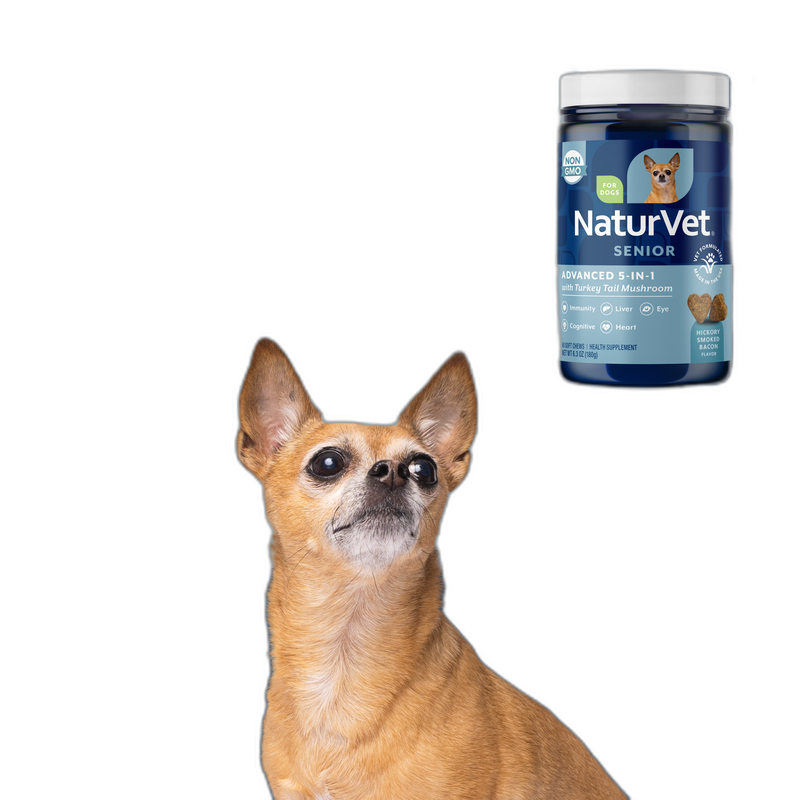
Senior Gold Cognitive Support for Aging Dogs
NaturVet