Vitamin E
vitamin
Vitamin E, a fat-soluble antioxidant, plays a role in the health of various species, including dogs and cats. While often discussed in the context of human nutrition, its application in veterinary medicine is also a subject of ongoing research and practical consideration. Understanding how vitamin E functions in pets, appropriate dosing, and what to look for in supplements requires a look at current veterinary understanding rather than simply extrapolating from human data.
What Is Vitamin E for Dogs?
Vitamin E refers to a group of eight fat-soluble compounds, primarily tocopherols and tocotrienols, with alpha-tocopherol being the most biologically active form recognized in animal nutrition. For dogs, vitamin E functions primarily as a potent antioxidant. This means it helps protect the body's cells from damage caused by free radicals, unstable molecules that can contribute to cellular aging and various diseases.
In practical terms, this antioxidant action underpins many of the proposed benefits of vitamin E for dogs. It's involved in maintaining cell membrane integrity, supporting immune function, and influencing inflammatory responses. Unlike some other vitamins, the body cannot readily synthesize vitamin E, making dietary intake essential. Commercial dog foods typically contain added vitamin E to meet basic nutritional requirements and help preserve the food itself as a natural antioxidant. However, specific health conditions or dietary choices might prompt a discussion about supplemental vitamin E.
A key distinction when considering vitamin E for dogs is between natural and synthetic forms. Natural vitamin E is usually denoted as "d-alpha-tocopherol," while synthetic forms are "dl-alpha-tocopherol." The "d" prefix indicates natural origin, while "dl" signifies synthetic. Research suggests that natural vitamin E is more bioavailable and potent than its synthetic counterpart. This means the canine body can utilize natural forms more effectively. When evaluating a vitamin E supplement for your dog, checking for the "d-alpha-tocopherol" form is generally recommended.
Health Benefits of Vitamin E for Dogs
The potential health benefits of vitamin E for dogs stem largely from its antioxidant properties and its role in various physiological processes. While not a cure-all, it may support health in several areas.
One of the most recognized benefits is its immune system support. By protecting immune cells from oxidative damage, vitamin E can help maintain a robust immune response, potentially aiding dogs in fending off infections and recovering from illness. This is particularly relevant for very young, elderly, or immunocompromised dogs.
Skin and coat health is another area where vitamin E is often discussed. Its antioxidant action can help protect skin cells from environmental stressors, and some anecdotal evidence suggests it can contribute to a healthier coat. For dogs with certain skin conditions or allergies, vitamin E, often in conjunction with other therapies, might be considered.
For joint health, particularly in older dogs or those with conditions like osteoarthritis, vitamin E's anti-inflammatory properties may offer some relief. While it's not a primary treatment for degenerative joint disease, its ability to mitigate inflammation and oxidative stress could play a supportive role in managing discomfort and slowing progression when combined with other treatments.
Finally, vitamin E is crucial for neurological function and muscle health. Deficiencies can sometimes manifest as neurological issues or muscle weakness. Ensuring adequate intake supports the integrity of nerve cells and muscle tissue. For working dogs or those undergoing intensive physical activity, maintaining optimal vitamin E levels might be particularly important for muscle recovery and overall performance.
It's important to remember that while these benefits are supported by veterinary understanding and some research, vitamin E is typically considered a supportive nutrient rather than a standalone treatment. Its efficacy often increases when combined with other antioxidants like vitamin C or selenium.
Vitamin E Oil for Dogs | Sunn-E K9 Formula for Vitamin E for Dogs
When exploring vitamin E for dogs, especially for topical application or specific oral formulations, you might encounter products like "Vitamin E Oil" or brand-specific formulas such as "Sunn-E K9 Formula." Understanding the differences and appropriate uses for these is key.
Vitamin E Oil for Dogs generally refers to liquid supplements where vitamin E (often d-alpha-tocopherol) is suspended in a carrier oil, such as sunflower oil, soybean oil, or olive oil. These oils are typically intended for oral administration, where the liquid form can be mixed directly into food. The appeal of oil formulations includes:
- Ease of Dosing: For small dogs or precise dosing, liquid drops can be easier to measure than cutting pills.
- Palatability: If the carrier oil is palatable, it can be easier to administer to picky eaters.
- Absorption: Being fat-soluble, vitamin E is best absorbed when consumed with fats, and oil formulations inherently provide this.
Some people also consider using vitamin E oil topically for skin issues. While vitamin E is known for its skin benefits, applying pure vitamin E oil directly to a dog's skin should be done with caution and ideally under veterinary guidance. Over-application can lead to greasy fur, and some dogs might lick it off, potentially leading to gastrointestinal upset if consumed in large quantities. The concentration in human-grade vitamin E oils can also be very high, making direct application without dilution potentially irritating or excessive for canine skin. For topical use, products specifically formulated for pets with appropriate concentrations are generally preferred.
Sunn-E K9 Formula (or similar branded products) represents a specific type of vitamin E supplement that may combine vitamin E with other beneficial ingredients. These proprietary blends are often formulated with a specific purpose in mind, such as joint support, immune enhancement, or skin health. They might include:
- Synergistic Antioxidants: Like vitamin C, selenium, or rosemary extract, which can enhance vitamin E's protective effects.
- Omega-3 Fatty Acids: Often included for their anti-inflammatory properties, complementing vitamin E's role.
- Other Vitamins or Minerals: Depending on the target health benefit.
When evaluating a branded formula, look beyond just the "vitamin E" claim. Examine the full ingredient list, the source and form of vitamin E (d-alpha-tocopherol is preferred), and the overall concentration of active ingredients. Research into specific brand claims and consulting with a veterinarian about suitability for your dog's needs is advisable.
Comparing generic vitamin E oil to a specialized formula like Sunn-E K9 often comes down to individual needs and budget. A simple vitamin E oil might suffice for general antioxidant support, while a multi-ingredient formula might be more appropriate for targeted health concerns.
Vitamin E Selenium for Vitamin E for Dogs
The combination of vitamin E and selenium is frequently encountered in veterinary nutrition, particularly in supplements aimed at supporting muscle health, immune function, and addressing certain deficiencies. This pairing is not coincidental; vitamin E and selenium work synergistically within the body as part of the antioxidant defense system.
Selenium is an essential trace mineral that is a crucial component of glutathione peroxidase, an enzyme that helps convert harmful hydrogen peroxide into water, thereby reducing oxidative stress. It also plays a role in thyroid hormone metabolism and immune function.
The Synergistic Relationship: While vitamin E directly scavenges free radicals in cell membranes, selenium, through its role in glutathione peroxidase, helps prevent the formation of these free radicals in the first place. Think of vitamin E as the direct combatant on the front lines, and selenium as the logistical support that prevents the enemy from reaching the battlefield. This combined action offers a more comprehensive approach to protecting cells from oxidative damage.
Why are they often paired in supplements for dogs?
- Enhanced Antioxidant Protection: Their combined action provides a broader and more potent antioxidant effect than either nutrient alone. This can be particularly beneficial for dogs exposed to higher levels of oxidative stress, such as those with chronic inflammatory conditions, older dogs, or highly active working dogs.
- Muscle Health: In some species, deficiencies in both vitamin E and selenium can lead to muscle degeneration (white muscle disease). While less common in domestic dogs fed commercial diets, supplementation may be considered for dogs with certain myopathies or those undergoing intense physical exertion.
- Immune Support: Both nutrients contribute to a healthy immune system. Their combined support can help dogs maintain a strong defense against pathogens.
- Reproductive Health: Adequate levels of both vitamin E and selenium are also important for reproductive health in both male and female dogs.
Considerations for Supplementation: While beneficial, selenium is a trace mineral that can be toxic in high doses. Therefore, any supplement containing selenium should be carefully dosed according to veterinary recommendations. The amount of selenium required is very small, and excessive intake can lead to selenosis, which can cause symptoms like hair loss, brittle nails, and neurological issues.
When looking at a "Vitamin E Selenium" supplement for your dog, ensure:
- Accurate Dosing: The product clearly states the amount of both vitamin E and selenium per dose, and these amounts align with veterinary guidelines for your dog's size and needs.
- Quality Ingredients: The vitamin E is preferably d-alpha-tocopherol, and the selenium source is bioavailable.
- Veterinary Consultation: Always discuss the need for a vitamin E and selenium supplement with your veterinarian, especially if your dog is already on other medications or has existing health conditions. They can assess your dog's diet and health status to determine if such a supplement is truly necessary and at what dosage.
Vitamin E for Dogs: Dosing and Safety
Determining the appropriate vitamin E dosage for dogs requires careful consideration, as it's not a one-size-fits-all answer. Factors like the dog's size, age, health condition, and the specific form of vitamin E (natural vs. Synthetic) all influence the recommended amount.
General Dosing Guidelines
Most commercial dog foods are formulated to meet the minimum daily requirements for vitamin E, typically ranging from 50 to 100 IU (International Units) per kilogram of food. However, therapeutic doses for specific conditions are often higher.
For supplemental vitamin E for dogs, a common starting point for adult dogs is often cited as:
- Small dogs (under 20 lbs): 100-200 IU per day
- Medium dogs (20-50 lbs): 200-400 IU per day
- Large dogs (over 50 lbs): 400-800 IU per day
These are general ranges, and individual needs can vary significantly. For instance, dogs with conditions like allergies, osteoarthritis, or certain neurological disorders might benefit from doses at the higher end of the spectrum, or even temporarily higher doses under strict veterinary supervision.
Important Note on Natural vs. Synthetic Vitamin E: Natural vitamin E (d-alpha-tocopherol) is roughly 1.36 times more potent than synthetic vitamin E (dl-alpha-tocopherol). So, if a veterinarian recommends 400 IU of natural vitamin E, you would need a higher IU amount of the synthetic form to achieve the same biological effect. Always clarify which form your veterinarian is recommending.
Factors Influencing Dosage
- Diet: If your dog is on a diet rich in polyunsaturated fatty acids (PUFAs), such as fish oil, their need for vitamin E might increase. PUFAs are prone to oxidation, and vitamin E helps protect against this.
- Health Conditions: Dogs with malabsorption issues, pancreatic insufficiency, or certain liver conditions may have difficulty absorbing fat-soluble vitamins and might require higher doses.
- Age: Growing puppies and senior dogs may have different needs.
- Activity Level: Highly active dogs may experience more oxidative stress and could benefit from additional antioxidant support.
Vitamin E Safety for Pets
Vitamin E is generally considered safe for dogs, even at relatively high doses, largely due to its fat-soluble nature and the body's ability to store it. Unlike water-soluble vitamins that are readily excreted, fat-soluble vitamins can accumulate. However, true toxicity from vitamin E alone is rare.
Potential Side Effects: While uncommon, very high doses of vitamin E can potentially interfere with vitamin K absorption and clotting mechanisms, though this is more of a theoretical concern than a frequently observed clinical issue in dogs. Mild gastrointestinal upset (diarrhea, vomiting) can occur in some sensitive dogs, especially with extremely high doses or when starting supplementation too quickly.
Key Safety Considerations:
- Consult Your Vet: Always discuss vitamin E supplementation with your veterinarian before starting. They can provide a tailored dosage recommendation based on your dog's specific health profile, diet, and any existing medications.
- Quality of Supplement: Choose reputable brands that provide clear labeling of ingredients, dosage, and purity. Look for products specifically formulated for pets.
- Avoid Self-Dosing: Do not simply give your dog human vitamin E supplements without veterinary guidance. The dosages can be vastly different, and human supplements may contain ingredients not suitable for dogs.
- Monitor for Changes: Observe your dog for any changes in appetite, energy levels, or stool consistency when introducing a new supplement.
Comparison of Vitamin E Forms and Considerations
| Feature | Natural Vitamin E (d-alpha-tocopherol) | Synthetic Vitamin E (dl-alpha-tocopherol) |
|---|---|---|
| Origin | Derived from plant oils (e.g., soy, corn, sunflower) | Chemically synthesized |
| Bioavailability | Higher; more readily absorbed and utilized by the body | Lower; approximately 50-70% as bioavailable as natural form |
| Potency (IU) | 1 IU of natural = 0.67 mg | 1 IU of synthetic = 0.91 mg (requires more mg for the same IU as natural) |
| Cost | Often more expensive | Generally less expensive |
| Preference | Generally preferred in veterinary and human nutrition due to higher efficacy | Still effective, but requires higher dosage (in terms of IU) for equivalent effect |
| Labeling Example | "d-alpha-tocopherol" | "dl-alpha-tocopherol" |
When selecting a vitamin E supplement for your dog, prioritizing natural d-alpha-tocopherol is often a good strategy to ensure optimal utilization.
How can I add vitamin E to my dog's diet?
While commercial dog foods are typically fortified with vitamin E, you can consider adding more through certain foods or supplements. Foods rich in vitamin E include leafy green vegetables (like spinach and kale), certain nuts and seeds (though these should be given sparingly to dogs due to calorie content and potential for GI upset), and some vegetable oils (like sunflower or wheat germ oil). However, relying solely on food sources for therapeutic doses can be challenging and might introduce other dietary imbalances. A more controlled way to add vitamin E is through a veterinary-approved supplement. These come in various forms like capsules, softgels, or liquid drops. Always consult your veterinarian before adding any significant amount of vitamin E to your dog's diet to ensure appropriate dosing and avoid potential interactions.
Does vitamin E help dogs with itchy skin?
Vitamin E, due to its antioxidant and anti-inflammatory properties, can play a supportive role in managing itchy skin in dogs, but it's rarely a standalone solution. It helps protect skin cells from damage and may reduce inflammation that contributes to itching. It's often used in conjunction with omega-3 fatty acids (like fish oil), which are known for their skin health benefits. If your dog has itchy skin, it's crucial to identify the underlying cause (allergies, parasites, infections, etc.) with your veterinarian first. They can then recommend a comprehensive treatment plan that might include vitamin E as an adjunctive therapy. Some topical vitamin E products are also available, but consult your vet before applying anything directly to your dog's skin, as some dogs may lick it off or experience irritation.
Conclusion
Vitamin E serves as an essential fat-soluble antioxidant for dogs, offering potential support for immune function, skin health, joint comfort, and neurological integrity. While commercial dog foods generally provide baseline levels, specific health conditions or dietary factors may warrant supplementation. When considering a vitamin E supplement for dogs, prioritizing natural d-alpha-tocopherol and understanding the synergistic relationship with selenium are important. Always consult with a veterinarian to determine the appropriate form and dosage, ensuring safety and efficacy tailored to your dog's individual needs.
Products Containing Vitamin E
Top-rated supplements featuring this ingredient, ranked by our PSI+ score.
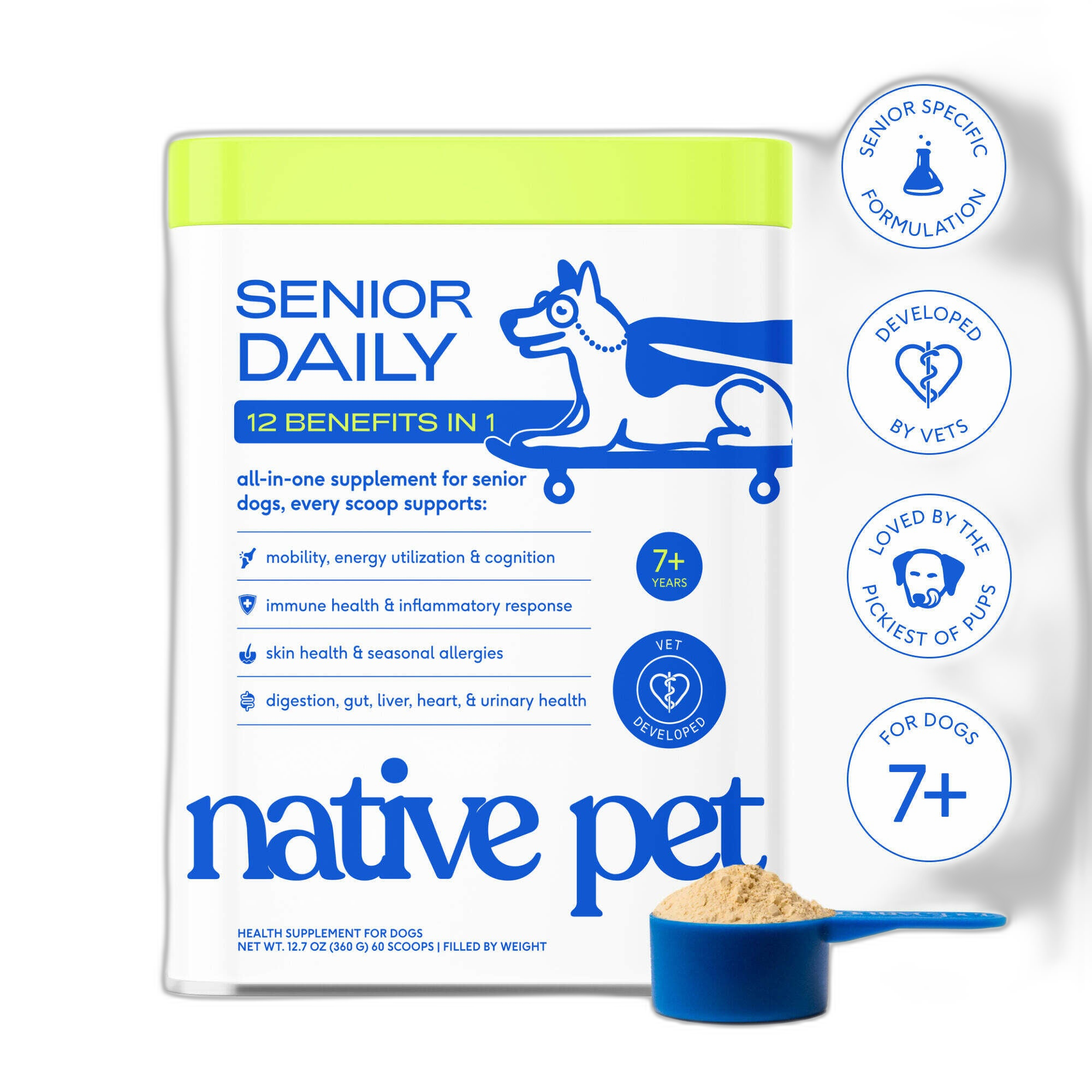
Native Pet Senior Daily Powder 12-in-1 Supplement for Senior Dogs
Native Pet
VetIQ Hip & Joint Soft Chew Joint Supplement for Dogs
VetIQ
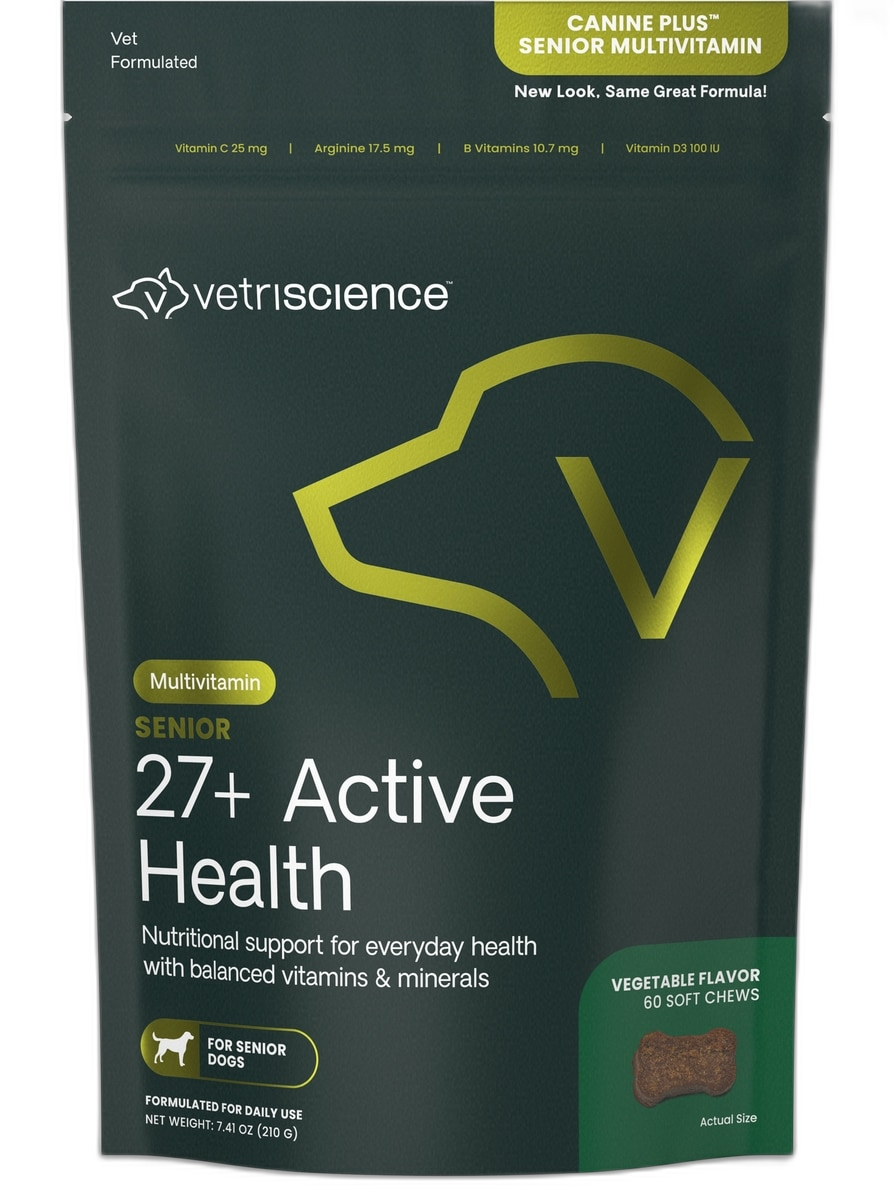
VetriScience Canine Plus Senior 27+ Active Health Veggie Flavored Soft Chews Multivitamin for Senior Dogs
VetriScience
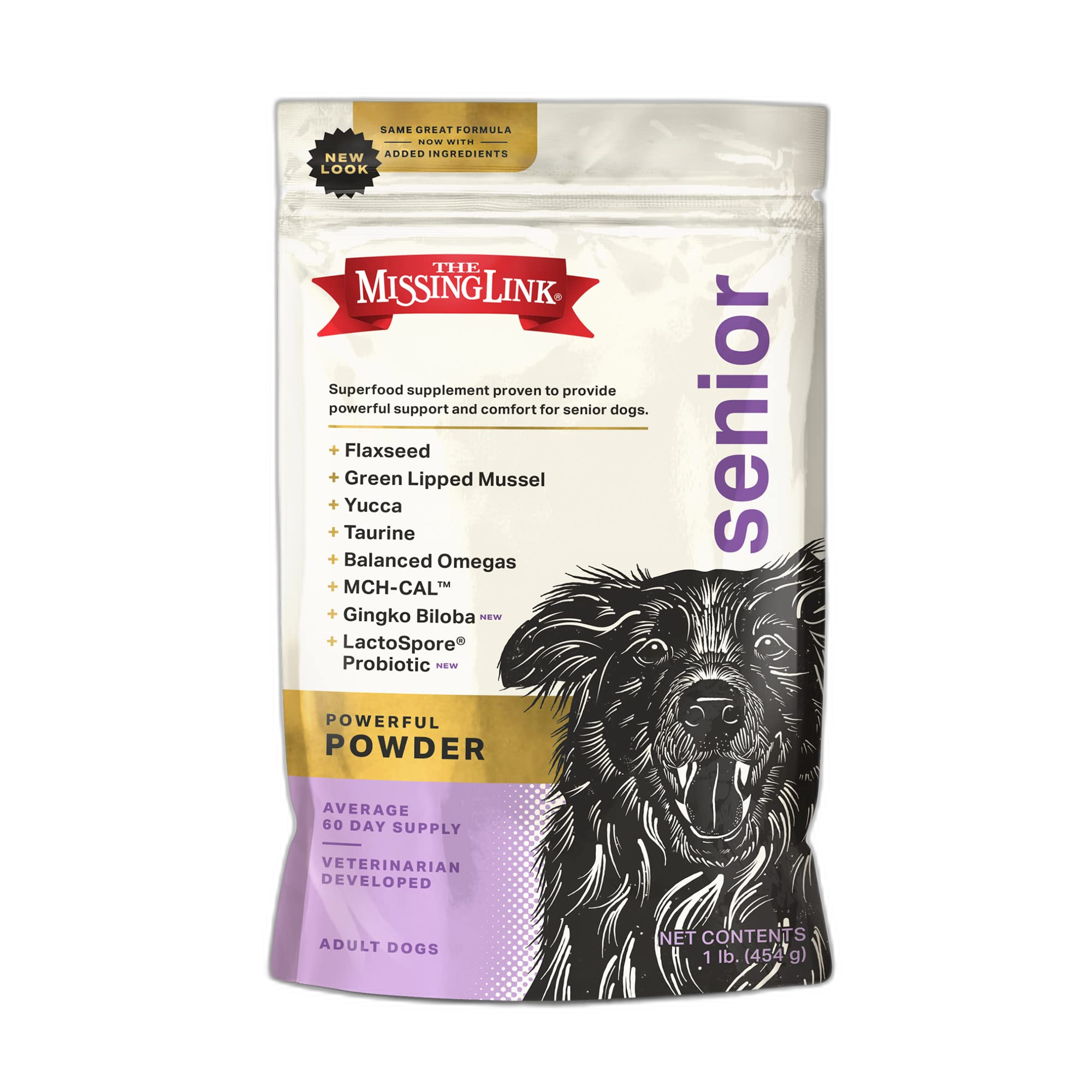
The Missing Link Ultimate Canine Senior Health Formula Dog Supplement
The Missing Link
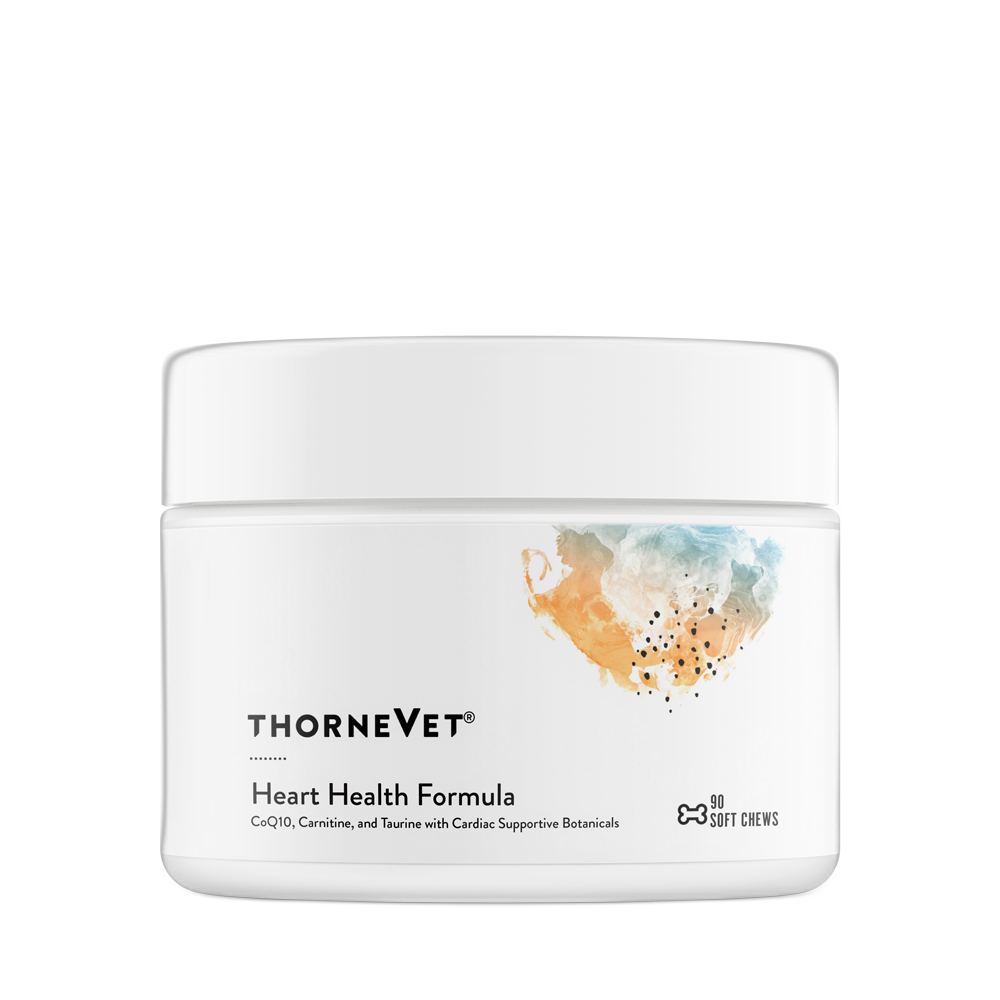
Heart Health Formula (formerly Bio-Cardio)
ThorneVet
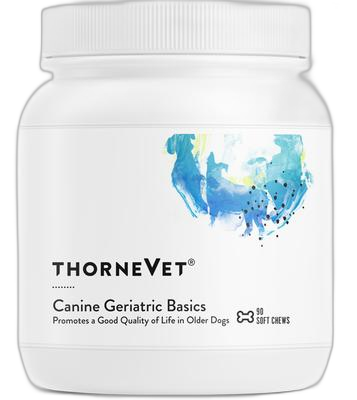
ThorneVET Canine Geriatric Basics Chew Supplement for Senior Dogs
ThorneVet
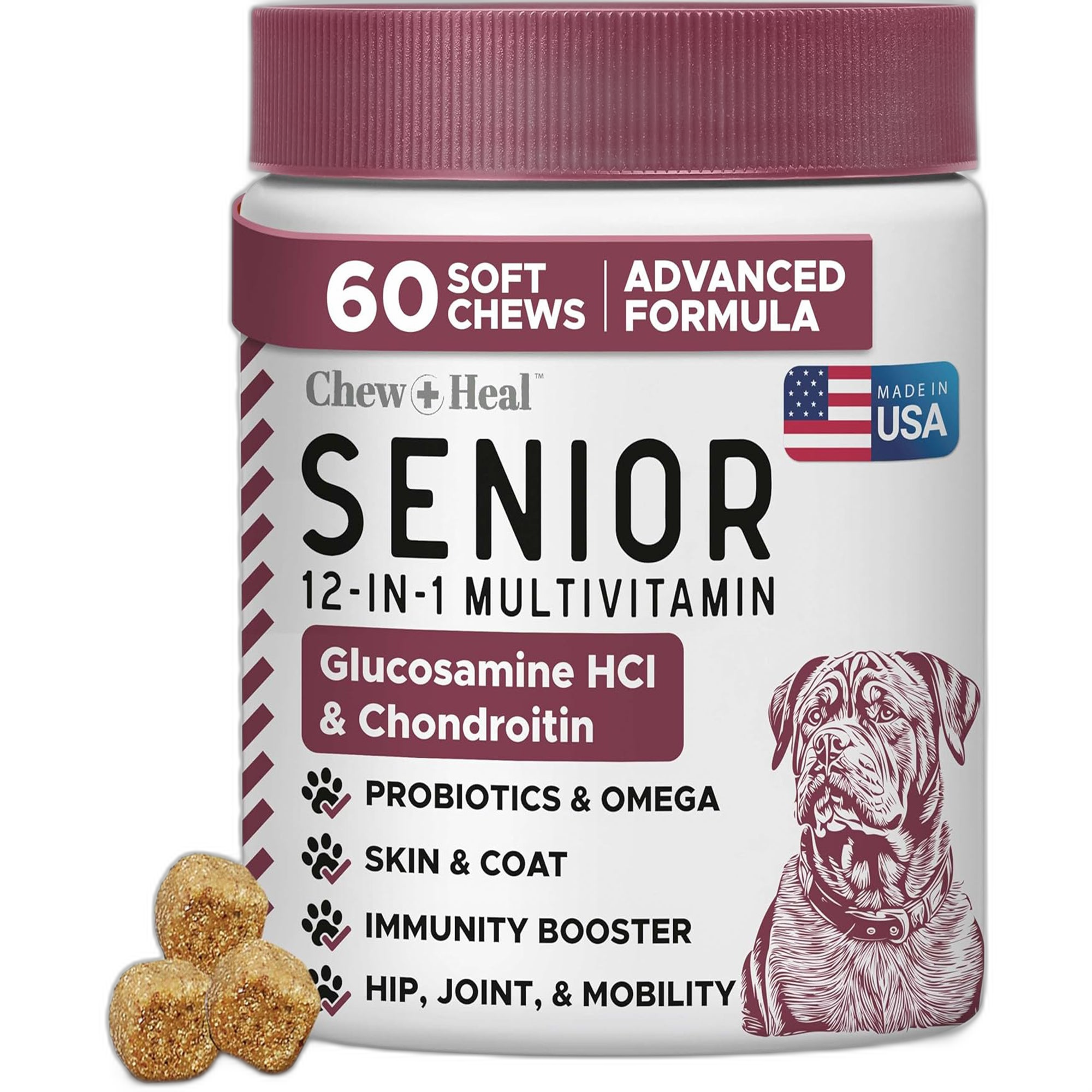
Chew + Heal Senior 12-In-1 Advanced Multivitamin Soft Chews Supplement for Senior Dogs
Chew + Heal
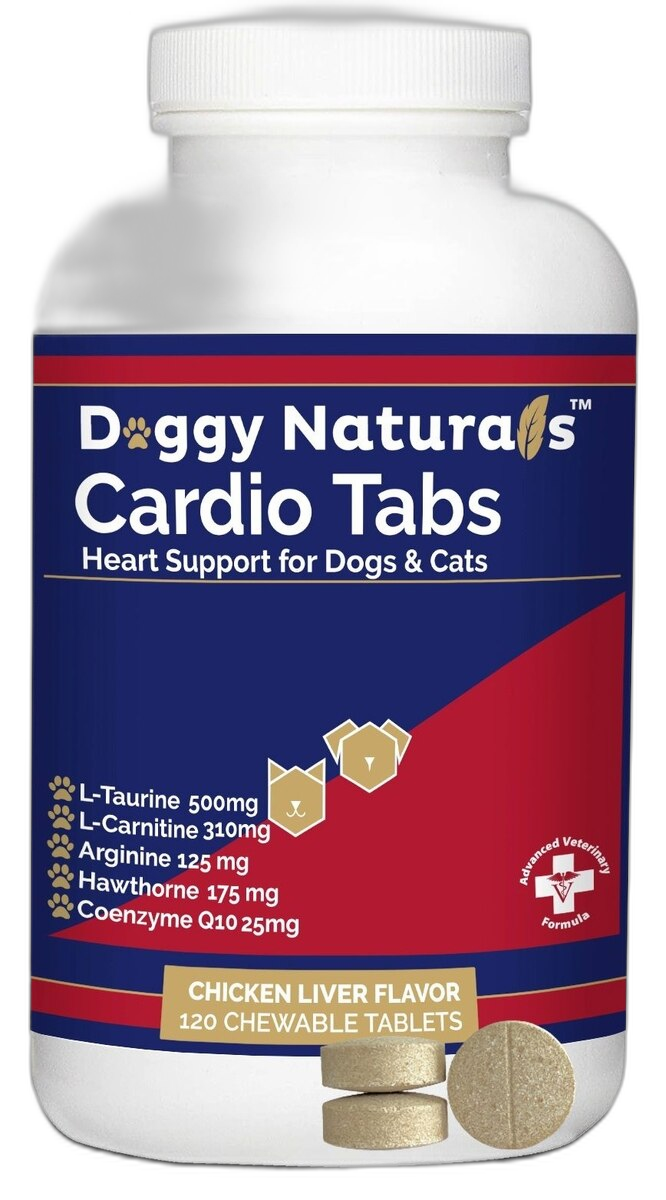
Cardio Heart Health Chicken Flavored Tablets Supplements for Cats & Dogs
Pet Health Pharma