Wild Alaskan Salmon Oil
fatty acid
Wild Alaskan salmon oil is a popular supplement for pets, primarily due to its rich content of omega-3 fatty acids, specifically eicosapentaenoic acid (EPA) and docosahexaenoic acid (DHA). These essential fatty acids are not produced efficiently by a dog's or cat's body and must be obtained through diet or supplementation. The wild-caught nature of Alaskan salmon is often highlighted because it typically implies a diet of natural prey, leading to a different fatty acid profile compared to farm-raised salmon. This guide explores the practical aspects of using wild Alaskan salmon oil for pets, covering its potential benefits, appropriate dosages, safety considerations, and how to choose a suitable product.
Wild Alaskan Salmon Oil for Dogs
The primary appeal of wild Alaskan salmon oil for dogs lies in its high concentration of omega-3s. These polyunsaturated fatty acids play a role in various physiological functions. For dogs, this often translates to visible improvements in skin and coat health, reduced inflammation, and support for joint mobility.
Consider a dog with a dull coat and occasional dry, flaky skin. Introducing a quality wild Alaskan salmon oil supplement might lead to a shinier coat and less irritation over several weeks. This isn't a quick fix for underlying medical conditions, but rather a dietary support that can contribute to overall dermal health. Similarly, an older dog experiencing stiffness might find some relief, not as a painkiller, but as a supplement that helps manage inflammatory responses associated with aging joints.
It's important to distinguish between wild Alaskan salmon oil and other fish oils or omega-3 sources. While many fish oils contain omega-3s, wild Alaskan salmon oil is often favored for its specific fatty acid profile and the perceived purity associated with wild-caught sources. Some products might blend salmon oil with other fish oils, such as pollock, which can alter the exact EPA and DHA ratios. When evaluating products, look for transparency in sourcing and the explicit declaration of EPA and DHA content per serving.
Potential Benefits of Wild Alaskan Salmon Oil for Dogs
- Skin and Coat Health: Omega-3s contribute to healthy cell membranes, which can lead to a more hydrated skin barrier and a shinier, less shedding coat. They can also help reduce dryness and flakiness.
- Joint Support: The anti-inflammatory properties of EPA and DHA can help alleviate discomfort associated with arthritis and other joint conditions, improving mobility and quality of life for aging dogs.
- Immune System Modulation: Omega-3s play a role in supporting a balanced immune response, potentially helping dogs better fend off illness.
- Cardiovascular Health: Some research suggests omega-3s can contribute to heart health by supporting normal blood pressure and reducing triglyceride levels.
- Cognitive Function: DHA is a major structural component of the brain and retina. Supplementation can support cognitive function in puppies for development and in senior dogs to help maintain mental acuity.
Best Salmon Oil For Dogs: Products, Benefits, Risks
When choosing the "best" salmon oil, several factors come into play beyond just the "wild Alaskan" label. The overall quality, purity, and concentration of omega-3s are crucial.
Key Considerations for Choosing a Salmon Oil Supplement:
- Source and Purity: Wild Alaskan salmon is generally preferred due to its natural diet and lower exposure to contaminants compared to some farm-raised fish. Look for products that are third-party tested for heavy metals (like mercury), PCBs, and other toxins. Certifications from organizations like the National Animal Supplement Council (NASC) can also indicate quality control.
- EPA and DHA Content: Don't just look at the total omega-3s. The specific amounts of EPA and DHA are what provide the primary benefits. Higher concentrations mean you can often give a smaller dose.
- Formulation: Liquid oils are common and easily mixed into food. Some products come in softgels, which can be convenient for travel or if your dog is picky about liquid supplements.
- Oxidation Prevention: Omega-3 fatty acids are susceptible to oxidation, which can reduce their efficacy and create harmful byproducts. Reputable brands often include natural antioxidants like vitamin E (tocopherols) to protect the oil. Dark, opaque bottles also help prevent light-induced oxidation.
- Transparency: A trustworthy brand will provide clear information about sourcing, testing, and ingredient lists.
Potential Risks and Side Effects:
While generally safe, salmon oil can have some side effects, especially if given in excessive amounts:
- Gastrointestinal Upset: Diarrhea, vomiting, or loose stools are the most common side effects, often due to too high a dose or a sudden introduction.
- Weight Gain: Fish oil is calorie-dense. If not accounted for in the diet, it can contribute to weight gain.
- Blood Thinning: Omega-3s can have a mild blood-thinning effect. This is usually not an issue for healthy dogs but should be discussed with a vet before surgery or if your dog is on other blood-thinning medications.
- Vitamin E Deficiency: Long-term, high-dose omega-3 supplementation can sometimes increase the body's need for vitamin E. Many quality supplements include vitamin E to counteract this.
- Allergies: Though rare, some dogs can be allergic to fish.
Only Natural Pet® Wild Alaskan Salmon Oil
Brands like Only Natural Pet often emphasize their commitment to natural ingredients and sustainable sourcing. Their Wild Alaskan Salmon Oil products typically highlight:
- Sustainability: Sourced from wild-caught Alaskan salmon, often with certifications from organizations like the Marine Stewardship Council (MSC). This appeals to consumers concerned about environmental impact.
- Purity Testing: Often tested for heavy metals, PCBs, and other contaminants to ensure safety.
- High Omega-3 Concentration: Clearly labeled EPA and DHA content per serving.
- Added Antioxidants: Includes natural tocopherols (Vitamin E) to maintain freshness and prevent oxidation.
For example, a typical Only Natural Pet product might list 800mg of EPA and 500mg of DHA per teaspoon. This level of detail allows pet owners to accurately calculate dosages based on their veterinarian's recommendations and compare it to other brands. The convenience of a pump dispenser is also a common feature, making daily dosing easier and less messy.
Wild Alaskan Omega-3 Blend Pollock + Salmon Oil
Some manufacturers opt for blends, combining wild Alaskan salmon oil with other fish oils, such as pollock oil. This approach can offer a few advantages and considerations:
- Cost-Effectiveness: Pollock is often a more abundant and less expensive fish than salmon, making blended products potentially more affordable while still delivering significant omega-3s.
- Broader Nutrient Profile (sometimes): While salmon is dominant for omega-3s, other fish oils might offer slightly different fatty acid ratios or trace nutrients. However, the primary benefit still comes from the EPA and DHA.
- Sustainability: Pollock is also a wild-caught fish, often from sustainable fisheries in the Bering Sea, aligning with the "wild Alaskan" ethos.
A product like a Wild Alaskan Omega-3 Blend Pollock + Salmon Oil might provide a similar overall omega-3 content to pure salmon oil but with a slightly different ratio of EPA to DHA, or a different balance of other omega fatty acids. For instance, a blend might have a total of 1000mg omega-3s per teaspoon, with 400mg EPA and 300mg DHA, compared to a pure salmon oil with 800mg EPA and 500mg DHA. The key is to look at the specific EPA and DHA numbers, as these are the most impactful components.
When considering a blend, ensure the primary source of the omega-3s is clearly stated and that the product is still rigorously tested for purity and freshness, just as you would with a pure salmon oil. The term "Wild Alaskan" should apply to all fish sources in the blend if that's the claim being made.
Salmon Oil For Dogs: Dosage Guidelines
Determining the correct dosage of salmon oil for dogs is crucial for efficacy and safety. There isn't a universal "one-size-fits-all" answer, as dosage depends on the dog's weight, health status, and the concentration of EPA and DHA in the specific product. Always consult your veterinarian before starting any new supplement, especially if your dog has existing health conditions or is on medication.
A common general guideline for omega-3 supplementation is to aim for roughly 20-50 mg of combined EPA and DHA per pound of body weight per day. However, this is a broad range, and individual needs can vary.
Example Dosage Table (General Guidelines - Always Consult Your Vet)
| Dog Weight (lbs) | Estimated EPA + DHA (mg/day) | Example Product (e.g., 800mg EPA + 500mg DHA/tsp) | Approximate Daily Dose |
|---|---|---|---|
| 10 | 200 - 500 | 1/4 - 1/2 tsp | 1/4 - 1/2 tsp |
| 25 | 500 - 1250 | 1/2 - 1 tsp | 1/2 - 1 tsp |
| 50 | 1000 - 2500 | 1 - 2 tsp | 1 - 2 tsp |
| 75 | 1500 - 3750 | 1.5 - 3 tsp | 1.5 - 3 tsp |
| 100 | 2000 - 5000 | 2 - 4 tsp | 2 - 4 tsp |
Important Notes on Dosage:
- Start Low, Go Slow: Begin with a lower dose and gradually increase over a week or two to allow your dog's digestive system to adjust. This can help prevent gastrointestinal upset.
- Product Concentration Varies: Always check the label of your specific salmon oil product for its EPA and DHA content per serving (e.g., per pump, per teaspoon, per softgel). This is critical for accurate dosing.
- Therapeutic vs. Maintenance Doses: Doses for specific therapeutic purposes (e.g., severe arthritis, certain skin conditions) might be higher than general maintenance doses for overall wellness. These higher doses should only be administered under veterinary supervision.
- Administration: Most liquid salmon oils are easily added directly to your dog's food. Softgels can sometimes be given directly or punctured and squeezed onto food.
Wild Alaskan Salmon Oil for Dogs and Cats
While the focus is often on dogs, wild Alaskan salmon oil is also beneficial for cats. The underlying physiological needs for omega-3 fatty acids are similar across species, though dosages and specific applications might vary. Cats, like dogs, can benefit from improved skin and coat health, joint support, and immune system modulation.
For cats, particular attention is often paid to:
- Coat Luster: Many cat owners notice a significant improvement in their cat's coat quality, making it softer and shinier.
- Reduced Shedding and Hairballs: A healthier coat can mean less excessive shedding, which in turn can reduce the incidence of hairballs.
- Support for Inflammatory Conditions: Omega-3s can be helpful for cats with inflammatory bowel disease (IBD) or certain kidney conditions, though this requires careful veterinary guidance.
Considerations for Cats:
- Palatability: Cats can be notoriously picky. While many cats enjoy the fishy taste of salmon oil, some may refuse food mixed with it. Start with very small amounts to test acceptance.
- Dosage: Cats require much smaller doses than dogs. A common recommendation for cats is often around 75-100 mg of combined EPA and DHA per day, depending on their weight and health status. Again, consult a veterinarian for precise recommendations.
- Formulation: Liquid oil is usually the most practical form for cats, as it can be mixed into wet food.
For products marketed for "Dogs and Cats," check the dosage instructions specifically for felines. A product like a 16-ounce bottle of wild Alaskan salmon oil will typically provide dosage charts for both species, making it a convenient choice for multi-pet households.
FAQ
Is wild Alaskan salmon oil good for dogs?
Yes, wild Alaskan salmon oil is generally considered good for dogs due to its high concentration of omega-3 fatty acids, specifically EPA and DHA. These fatty acids support skin and coat health, joint function, immune system, and cognitive development. However, its effectiveness depends on the quality of the oil and appropriate dosing.
Does salmon oil help with itching?
Salmon oil can help with itching, particularly if the itching is related to dry skin, allergies, or inflammatory skin conditions. The anti-inflammatory properties of omega-3s can help reduce skin irritation, and improved skin barrier function can make the skin less prone to dryness and flakiness, which often cause itching. It's not a cure for all types of itching, and severe or persistent itching should always be evaluated by a veterinarian.
Can I give my dog salmon oil every day?
Yes, salmon oil is typically given daily as a continuous supplement. Consistent daily administration is usually required to see and maintain the benefits. However, it's crucial to adhere to the recommended dosage based on your dog's weight and the product's EPA/DHA concentration, and to consult your veterinarian to ensure it's appropriate for your dog's individual health needs. Over-supplementation can lead to adverse effects.
Conclusion
Wild Alaskan salmon oil offers a natural source of omega-3 fatty acids that can provide various health benefits for both dogs and cats, ranging from improved skin and coat health to support for joint mobility and cognitive function. The emphasis on "wild Alaskan" often points to a purer product with a naturally beneficial fatty acid profile. However, the efficacy and safety of using this supplement hinge on selecting a high-quality, third-party tested product, understanding the specific EPA and DHA concentrations, and administering it according to appropriate dosage guidelines, ideally under veterinary guidance. For pet owners seeking to support their animal's overall wellness, incorporating a well-chosen wild Alaskan salmon oil can be a valuable addition to their diet.
Products Containing Wild Alaskan Salmon Oil
Top-rated supplements featuring this ingredient, ranked by our PSI+ score.
iHeartDogs Allergy & Itch Relief Chews for Dogs
iHeartDogs
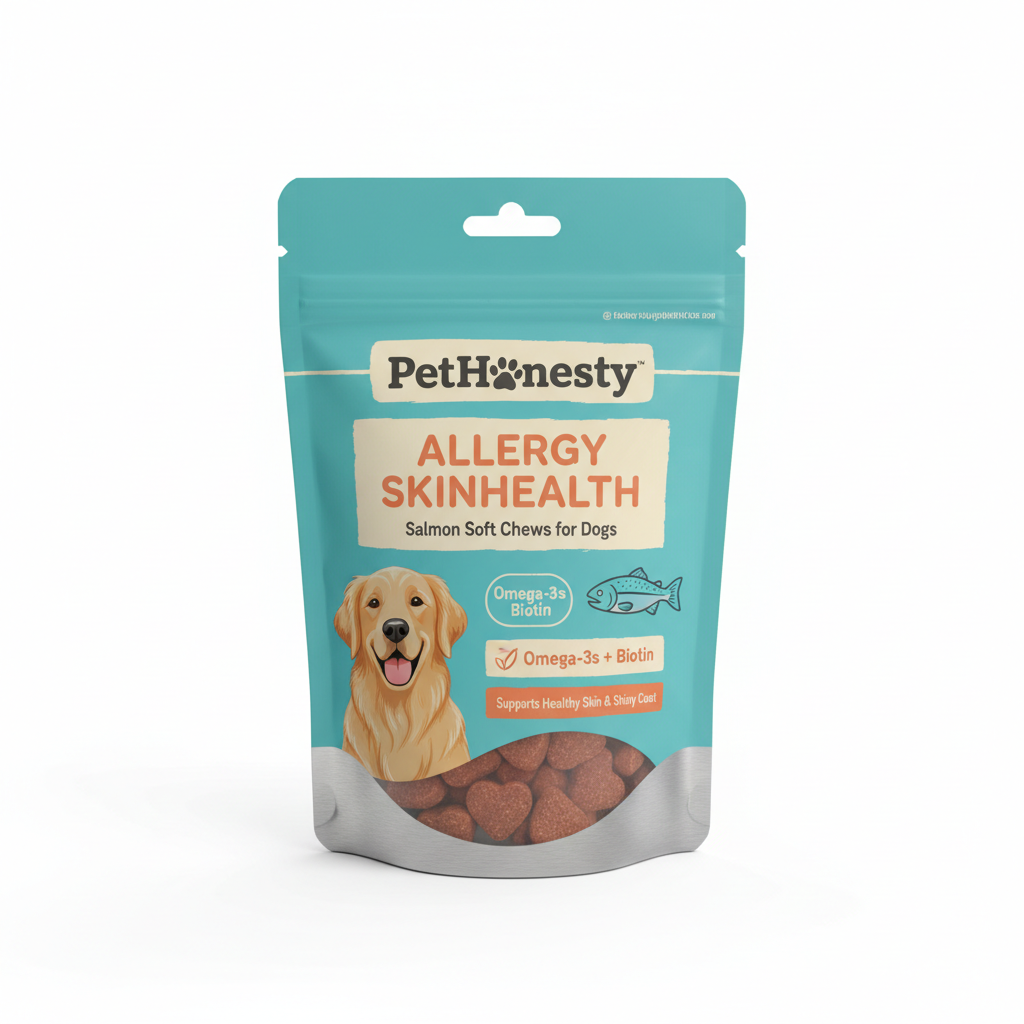
PetHonesty Allergy SkinHealth Salmon Soft Chews for Dogs
PetHonesty
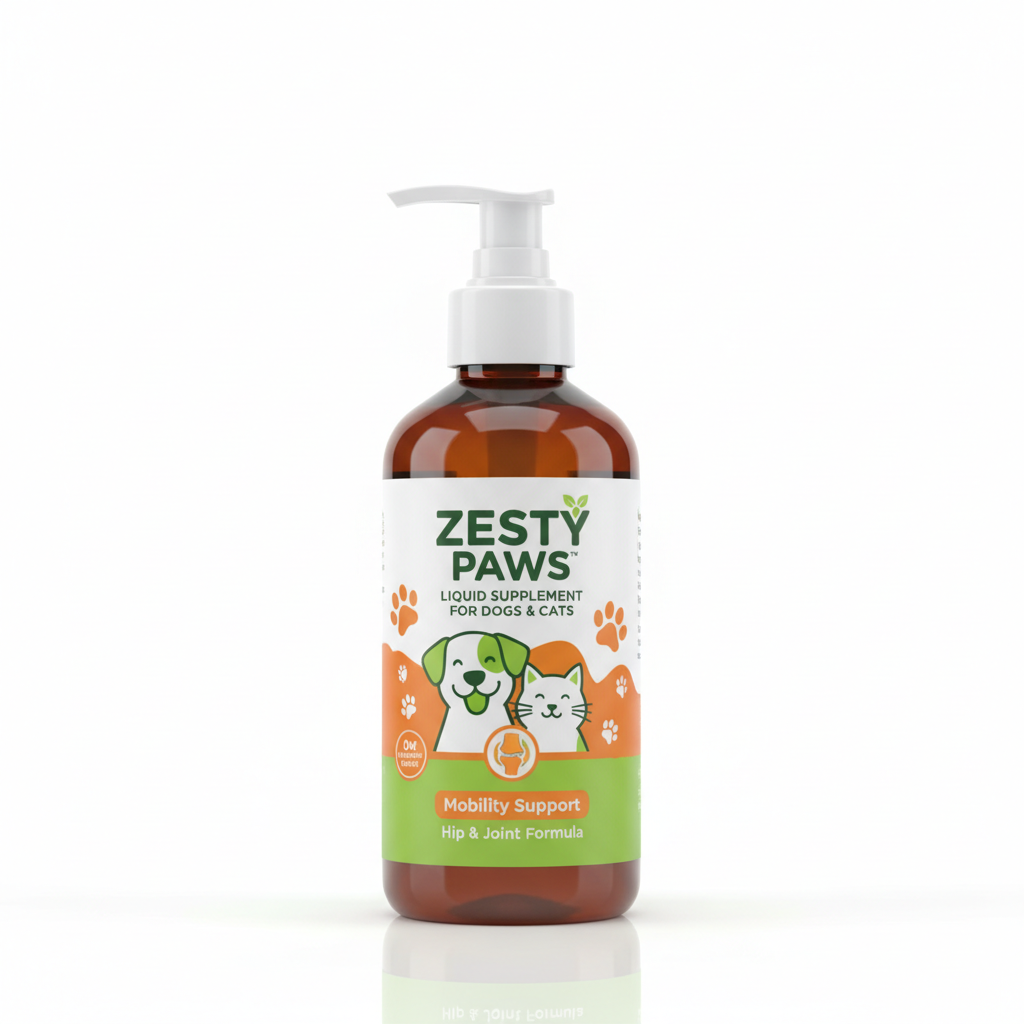
Omega 3 Fish Oil for Dogs & Cats
Zesty Paws
Zesty Paws Pure Wild Alaskan Salmon Oil Soft Chews
Zesty Paws
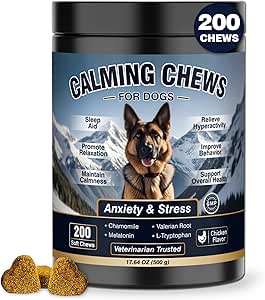
Belly Champ Omega 3 Alaskan Fish Oil for Dogs & Cats
Belly Champ
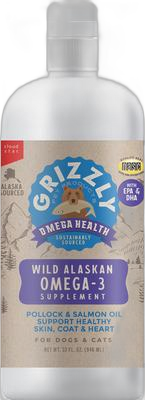
Grizzly Omega Health Omega-3's Dog Supplement
Grizzly