Lipase
digestive enzyme
Lipase is an enzyme crucial for the digestion of fats. In dogs and cats, adequate lipase levels are essential for breaking down dietary fats into smaller molecules that can be absorbed and utilized by the body. When a pet's pancreas, the primary source of digestive enzymes, doesn't produce enough lipase, it can lead to a condition known as exocrine pancreatic insufficiency (EPI) or contribute to the severity of pancreatitis. Understanding lipase's role, how it's measured, and when supplementation might be beneficial can significantly impact a pet's health and quality of life.
This guide explores the many roles of lipase, from its diagnostic importance in conditions like pancreatitis to its therapeutic use as a supplement. We'll cover how to interpret test results, appropriate dosages, and key safety considerations for both dogs and cats.
Pancreatitis in Dogs - Pancreas-Specific Lipase
Pancreatitis, inflammation of the pancreas, is a common and often serious condition in dogs. The pancreas, a small gland located near the stomach and small intestine, has two main functions: producing hormones like insulin to regulate blood sugar and producing digestive enzymes, including lipase, amylase, and protease, to aid in digestion. When the pancreas becomes inflamed, these digestive enzymes can activate prematurely within the organ itself, leading to self-digestion and damage.
Pancreas-specific lipase (PL) is an enzyme produced only by the pancreas. This specificity makes it a valuable diagnostic marker for pancreatitis in dogs. Unlike general lipase assays, which can detect lipase from other sources (like the stomach or intestines), PL tests are designed to measure only the lipase originating from the pancreas. Elevated levels of canine pancreas-specific lipase (cPL) in a dog's blood strongly suggest pancreatic inflammation.
The clinical presentation of pancreatitis in dogs can vary widely, from mild gastrointestinal upset (vomiting, diarrhea, abdominal pain) to severe, life-threatening systemic illness. Because the symptoms are often non-specific and can mimic other conditions, accurate diagnosis is critical. A cPL test, often performed as part of a broader diagnostic workup, helps veterinarians confirm or rule out pancreatitis.
The implications of a pancreatitis diagnosis are significant. It often requires dietary changes (low-fat diets are typically recommended), pain management, anti-nausea medications, and sometimes hospitalization for intravenous fluids and supportive care. In chronic cases, ongoing management is necessary to prevent recurrent episodes and manage complications. For dogs with recurrent pancreatitis, understanding their lipase levels can be key to managing flare-ups and assessing treatment efficacy.
Interpreting Pancreatic Lipase (PL) Results in Dogs
Interpreting pancreatic lipase (PL) results requires careful consideration of the specific test used and the overall clinical picture of the dog. There are two primary types of PL tests commonly used in veterinary medicine:
Practical Implications and Edge Cases:
- Elevated cPL doesn't always mean severe pancreatitis: A high cPL indicates pancreatic inflammation, but the severity of the clinical signs doesn't always correlate directly with the cPL value. Some dogs with very high cPL may have mild symptoms, while others with moderately elevated cPL can be severely ill.
- Normal cPL doesn't always rule out pancreatitis: While less common, some dogs with mild pancreatitis may have cPL levels within the normal range. This is why the cPL test is just one piece of the diagnostic puzzle, alongside a thorough physical examination, other blood tests (e.g., complete blood count, biochemistry panel), and imaging (ultrasound).
- False positives/negatives: While the cPL test is highly specific for pancreatitis, no diagnostic test is perfect. Other conditions, such as kidney disease or certain gastrointestinal issues, might sometimes cause mild cPL elevations, though typically not to the levels seen in acute pancreatitis.
- Monitoring response to treatment: For dogs diagnosed with pancreatitis, repeat cPL testing can be useful to monitor their response to treatment. A decreasing cPL level suggests the inflammation is resolving, while persistently high or increasing levels might indicate ongoing issues or a need to adjust therapy.
Scenario Example:
Imagine two dogs, both presenting with vomiting and abdominal pain.
- Dog A: SNAP cPL is abnormal. Quantitative Spec cPL comes back at 650 µg/L. This strongly supports a diagnosis of pancreatitis, and the veterinarian initiates appropriate treatment.
- Dog B: SNAP cPL is normal. Quantitative Spec cPL is 150 µg/L. While pancreatitis is less likely, the veterinarian might still perform an abdominal ultrasound to check for other causes of the symptoms, such as foreign bodies or other gastrointestinal diseases, as mild pancreatitis cannot be entirely ruled out by a single normal cPL.
Understanding these nuances helps veterinarians make informed decisions about diagnosis and treatment strategies for dogs suspected of having pancreatitis.
Canine Pancreatic-Specific Lipase Concentrations in Dogs
Canine pancreatic-specific lipase (cPL) concentrations provide crucial insights into the health of a dog's pancreas. As mentioned, cPL is a highly specific biomarker, meaning it primarily reflects the activity of the pancreatic acinar cells.
The interpretation of cPL concentrations typically falls into three categories:
Factors Influencing cPL Concentrations:
- Acute Pancreatitis: In acute episodes, cPL concentrations can rise dramatically, often several times above the diagnostic threshold. These elevations typically correlate with the severity of the inflammatory process.
- Chronic Pancreatitis: Dogs with chronic pancreatitis might have persistently elevated cPL levels, or their levels might fluctuate, rising during flare-ups and decreasing during quiescent periods.
- Other Diseases: While cPL is highly specific, some non-pancreatic conditions can sometimes cause mild elevations. These might include severe kidney disease, certain liver diseases, or other inflammatory conditions within the abdominal cavity that indirectly affect the pancreas. However, these elevations are usually not as pronounced as those seen in true pancreatitis.
- Medications: Certain medications might potentially influence cPL levels, though this is less common and usually not a significant factor in diagnosis.
- Breed Predisposition: Some breeds, like Miniature Schnauzers, are genetically predisposed to pancreatitis, and their cPL levels might be monitored more closely if they exhibit even subtle gastrointestinal signs.
Practical Considerations:
- Serial Monitoring: For dogs with a history of pancreatitis, or those in the gray zone, serial cPL measurements (e.g., every few days or weeks) can be more informative than a single reading. A trend of increasing or decreasing values provides a clearer picture of the disease progression or response to treatment.
- Correlation with Clinical Signs: Always interpret cPL concentrations in conjunction with the dog's clinical signs, physical examination findings, and other diagnostic tests. A high cPL in an asymptomatic dog might be less concerning than a moderately elevated cPL in a dog with severe vomiting and pain.
Understanding the nuances of cPL concentrations allows veterinarians to make more accurate diagnoses, tailor treatment plans, and monitor the effectiveness of interventions for dogs with pancreatic issues.
Best Digestive Enzymes for Dogs with Pancreatitis | Lipase
When a dog suffers from pancreatitis, especially chronic pancreatitis or exocrine pancreatic insufficiency (EPI) which can sometimes follow severe pancreatitis, their ability to produce sufficient digestive enzymes, including lipase, can be compromised. This leads to maldigestion, where fats, proteins, and carbohydrates are not properly broken down and absorbed. For these dogs, digestive enzyme supplementation becomes a critical part of management.
Lipase is a key component of these supplements because fat digestion is often the most severely affected. Undigested fats can lead to greasy, voluminous stools (steatorrhea), weight loss despite adequate food intake, and sometimes even worsen gastrointestinal upset.
Types of Digestive Enzyme Supplements:
Digestive enzyme supplements for pets typically contain a combination of enzymes, including:
- Lipase: Breaks down fats into fatty acids and glycerol.
- Amylase: Breaks down carbohydrates (starches) into simpler sugars.
- Protease: Breaks down proteins into amino acids.
These enzymes are usually derived from porcine (pig) or fungal sources. Porcine-derived enzymes are often preferred because their composition is very similar to the enzymes naturally produced by a dog's pancreas. Fungal-derived enzymes are an alternative for pets with sensitivities to animal products.
Considerations for Choosing a Supplement:
| Feature | Porcine-Derived Enzymes | Fungal-Derived Enzymes |
|---|---|---|
| Source | Pancreas of pigs (often from slaughterhouses) | Cultivated from fungi (e.g., Aspergillus oryzae) |
| Potency/Activity | Generally high activity; very similar to canine enzymes. | Variable activity; can be effective but may need higher doses. |
| pH Stability | Can be denatured by stomach acid; enteric coating helps. | Generally more stable across a wider pH range. |
| Allergies/Sensitivities | Potential for allergy in rare, highly sensitive pets. | Lower allergenicity; suitable for pets with animal protein sensitivities. |
| Cost | Can be more expensive due to processing. | Often more cost-effective. |
| Common Use | Gold standard for severe EPI and pancreatitis support. | Alternative for mild cases or specific sensitivities. |
Important Notes for Pancreatitis:
- Low-Fat Diet: Enzyme supplements are most effective when combined with a low-fat diet. Reducing the fat content in the diet lessens the burden on the already compromised pancreas and the supplemented lipase.
- Administer with Food: Digestive enzymes should always be mixed directly into food and allowed to sit for 10-20 minutes before feeding. This allows the enzymes to begin predigesting the food.
- Dosage: Dosage is highly individual and should be determined by a veterinarian. It's often based on the pet's weight, the severity of their condition, and the enzyme activity units listed on the product.
- Monitor Effectiveness: Owners should monitor their pet's stool quality, weight, and overall energy levels to assess the supplement's effectiveness.
- Caution with Powdered Forms: Some pets can develop irritation around the mouth or esophagus if powdered enzymes are not thoroughly mixed into food.
- Not a Cure: Enzyme supplements manage the symptoms of maldigestion; they do not cure the underlying pancreatic disease.
For dogs with pancreatitis, digestive enzyme support, particularly with adequate lipase, can significantly improve nutrient absorption, reduce gastrointestinal symptoms, and enhance their overall well-being. However, it's crucial to work with a veterinarian to select the appropriate supplement and determine the correct dosage.
Managing the Spectrum of Canine Pancreatitis
Managing canine pancreatitis is not a one-size-fits-all approach; it involves addressing a spectrum of disease severity, from mild, self-limiting cases to severe, life-threatening forms. The treatment strategy depends heavily on the individual dog's clinical signs, diagnostic findings (including cPL concentrations), and the presence of any complications.
Acute Pancreatitis Management:
Acute pancreatitis often presents suddenly and can range from mild to severe.
- Fluid Therapy: Intravenous (IV) fluids are the cornerstone of treatment for moderate to severe cases. They help combat dehydration, maintain electrolyte balance, improve pancreatic blood flow, and flush out inflammatory mediators.
- Pain Management: Pancreatitis is extremely painful. Opioid analgesics (e.g., buprenorphine, fentanyl) are frequently used to alleviate discomfort. Non-steroidal anti-inflammatory drugs (NSAIDs) are generally avoided in acute cases due to potential kidney and gastrointestinal side effects.
- Anti-Emetics: Medications to control vomiting (e.g., maropitant, ondansetron) are crucial to prevent further dehydration and discomfort.
- Nutritional Support: Historically, dogs with pancreatitis were fasted. However, current veterinary understanding emphasizes early nutritional support, often through a low-fat, highly digestible diet, as soon as vomiting is controlled. In severe cases, a feeding tube (nasogastric, esophageal, or gastrostomy) may be placed to provide nutrition if the dog is unwilling or unable to eat.
- Antibiotics: Generally not indicated unless there is evidence of bacterial infection (e.g., sepsis, pancreatic abscess).
- Monitoring: Close monitoring of vital signs, pain levels, appetite, and hydration status is essential. Repeat blood work, including cPL, may be performed to track improvement or worsening.
Chronic Pancreatitis Management:
Chronic pancreatitis involves ongoing or recurrent inflammation and often requires long-term management.
- Dietary Modification: A lifelong low-fat, highly digestible diet is paramount. This reduces the pancreatic workload and helps prevent flare-ups. Prescription diets specifically formulated for gastrointestinal issues are often recommended.
- Weight Management: Obesity is a risk factor for pancreatitis. Maintaining a healthy weight is crucial.
- Pain Management: For dogs with chronic pain, a multimodal approach might be necessary, including gabapentin, tramadol, or other long-term pain relievers.
- Digestive Enzyme Supplementation: As discussed, if chronic pancreatitis leads to exocrine pancreatic insufficiency (EPI), enzyme supplements (containing lipase, amylase, and protease) are vital to aid digestion and nutrient absorption.
- Vitamin Supplementation: Dogs with chronic pancreatitis and malabsorption may become deficient in fat-soluble vitamins (A, D, E, K) and B vitamins (especially B12), requiring supplementation.
- Immunosuppressants: In some cases, if an immune-mediated component is suspected, low-dose corticosteroids might be considered, but this is less common.
- Regular Veterinary Check-ups: Ongoing monitoring is essential to catch flare-ups early and adjust treatment as needed.
Trade-offs and Edge Cases:
- Severity of Diet Restriction: The degree of fat restriction varies. Some dogs with mild chronic pancreatitis may tolerate slightly higher fat levels than those with severe, recurrent episodes.
- Concurrent Diseases: Pancreatitis can occur with other conditions (e.g., diabetes mellitus, inflammatory bowel disease), requiring a holistic treatment plan that addresses all issues.
- Refractory Cases: A small percentage of dogs may have pancreatitis that is difficult to control, requiring advanced diagnostics (e.g., surgical biopsy) and specialized treatments.
Effective management of canine pancreatitis requires a partnership between the owner and veterinarian, focusing on tailored treatment plans, diligent monitoring, and consistent dietary adherence.
Understanding Lipase Assays in the Diagnosis of Pancreatitis
Lipase assays are fundamental tools in the diagnosis of pancreatitis in dogs and cats. However, it's important to differentiate between various types of lipase measurements and understand their diagnostic value.
Traditional Lipase Assays (Total Lipase):
- What they measure: These tests measure the total concentration of lipase enzyme activity in the blood, regardless of its origin.
- Limitations: Lipase is produced by organs other than the pancreas, including the stomach, small intestine, and even some tumors. Therefore, an elevated total lipase level is not specific to pancreatitis. Conditions such as kidney disease, liver disease, certain gastrointestinal disorders, and even steroid administration can cause elevations in total lipase, leading to false positives for pancreatitis. This lack of specificity makes total lipase a less reliable indicator for pancreatitis diagnosis compared to pancreas-specific assays.
Pancreas-Specific Lipase Assays (cPL/fPL):
- What they measure: These assays, specifically canine pancreas-specific lipase (cPL) for dogs and feline pancreas-specific lipase (fPL) for cats, detect only the lipase isoenzyme produced by the pancreas.
- Advantages:
- High Specificity: Because they are pancreas-specific, elevations are highly indicative of pancreatic inflammation.
- High Sensitivity: They are generally sensitive enough to detect pancreatitis in a significant number of affected animals.
- Quantitative and Qualitative Options: Both rapid in-clinic (SNAP) and quantitative laboratory tests are available, offering flexibility in diagnosis.
- Limitations: While superior to total lipase, they are not perfect. As discussed, false negatives can occur in very mild cases, and false positives are rare but possible with severe systemic illness.
Amylase and Protease (Trypsin-Like Immunoreactivity - TLI):
While not lipase assays, these are other digestive enzyme tests that are sometimes used in conjunction with or in place of lipase, depending on the suspected condition.
- Amylase: Breaks down carbohydrates. Like total lipase, total amylase levels are not pancreas-specific and can be elevated in various conditions (e.g., kidney disease, intestinal disease), making it a poor sole indicator for pancreatitis.
Trypsin-Like Immunoreactivity (TLI): This test measures trypsinogen and trypsin, which are proteases. TLI is highly specific for exocrine pancreatic insufficiency (EPI) but is generally not* a good diagnostic marker for acute pancreatitis. In acute pancreatitis, TLI can sometimes be normal or even decreased due to the destruction of pancreatic tissue.
Comparison of Diagnostic Tests for Pancreatic Disease:
| Test Type | Primary Use | Specificity for Pancreas | Sensitivity for Pancreatitis | Notes |
|---|---|---|---|---|
| Total Lipase | General digestive enzyme activity | Low | Variable | Many non-pancreatic causes of elevation; not recommended for pancreatitis diagnosis. |
| cPL/fPL (SNAP) | Screening for pancreatitis | High | Good | Rapid, in-clinic; qualitative (normal/abnormal); good for initial assessment. |
| cPL/fPL (Quantitative) | Definitive diagnosis & monitoring | High | Excellent | Lab-based; quantitative result; gold standard for diagnosing pancreatitis. |
| Total Amylase | General digestive enzyme activity | Low | Low | Many non-pancreatic causes of elevation; not recommended for pancreatitis diagnosis. |
| TLI | Diagnosis of Exocrine Pancreatic Insufficiency (EPI) | High | Low (for pancreatitis) | Good for EPI, but often normal or low in acute pancreatitis due to tissue damage. |
| Abdominal Ultrasound | Imaging of the pancreas and surrounding structures | N/A (imaging) | Good | Visualizes inflammation, fluid, masses; complements blood tests. |
In summary, while several enzyme assays exist, pancreas-specific lipase (cPL for dogs, fPL for cats) is the most reliable blood test for diagnosing pancreatitis. It should always be interpreted in conjunction with a pet's clinical signs, physical examination, and other diagnostic findings to provide the most accurate assessment.
FAQ
Is lipase safe for dogs?
Yes, lipase itself is a natural enzyme produced by a dog's body and is essential for digestion. When administered as a supplement under veterinary guidance, lipase is generally safe for dogs. The primary safety considerations revolve around appropriate dosage and product quality. Overdosing can potentially lead to gastrointestinal upset, while poorly formulated supplements might not be effective or could contain undesirable ingredients. Always consult your veterinarian before starting any enzyme supplement to ensure it's appropriate for your dog's specific health needs and to determine the correct dosage.
What foods trigger pancreatitis in dogs?
High-fat foods are the most common trigger for pancreatitis in dogs. When a dog consumes a large amount of fat, especially if they are not accustomed to it, it can overstimulate the pancreas, leading to inflammation. Common examples include:
- Table scraps: Fatty meat trimmings, bacon grease, fried foods, gravies.
- Rich treats: High-fat dog treats, cheese, peanut butter (especially if given in large quantities).
- Dietary indiscretion: Getting into trash, consuming spoiled or very rich human food.
- Obesity: Obese dogs are more prone to pancreatitis.
- Certain breeds: Miniature Schnauzers, Yorkshire Terriers, and some other breeds have a genetic predisposition.
While fat is the primary trigger, some dogs may also be sensitive to sudden diet changes or certain types of protein. A low-fat, highly digestible diet is typically recommended for dogs prone to pancreatitis.
What does pancreatitis poop look like in dogs?
The appearance of stool in a dog with pancreatitis can vary depending on the severity and whether it has led to maldigestion or exocrine pancreatic insufficiency (EPI). Common characteristics include:
- Diarrhea: Often soft, loose, or watery.
- Steatorrhea (Fatty Stool): This is a hallmark sign of maldigestion, where fats are not properly absorbed. The stool may appear greasy, pale, voluminous, and have a strong, foul odor. It might have a yellowish or grayish color.
- Mucus: Slimy or gelatinous mucus can be present, indicating intestinal irritation.
- Blood: In severe cases, fresh red blood or digested black, tarry blood (melena) might be observed.
- Undigested food: Pieces of undigested food might be visible in the stool, especially if enzyme production is severely compromised.
It's important to note that these signs are not exclusive to pancreatitis and can be seen in various gastrointestinal issues. If you observe any of these changes in your dog's stool, especially if accompanied by vomiting, abdominal pain, or lethargy, veterinary attention is warranted.
Conclusion
Lipase plays a vital role in the health of dogs and cats, both as a critical digestive enzyme and as a key diagnostic marker for pancreatic disease. Understanding the nuances of pancreas-specific lipase (cPL/fPL) testing is essential for accurately diagnosing and monitoring conditions like pancreatitis. For pets with compromised pancreatic function, particularly those with exocrine pancreatic insufficiency, lipase-containing enzyme supplements can be life-changing, significantly improving nutrient absorption and overall well-being.
However, the use of lipase, whether for diagnosis or supplementation, always requires careful consideration and veterinary guidance. Self-diagnosis or self-treatment can lead to inappropriate care and potentially worsen a pet's condition. For any pet owner observing signs of digestive upset or suspected pancreatic issues, consulting a veterinarian is the most crucial next step to ensure a precise diagnosis, tailored treatment plan, and safe management of their animal's health.
Products Containing Lipase
Top-rated supplements featuring this ingredient, ranked by our PSI+ score.
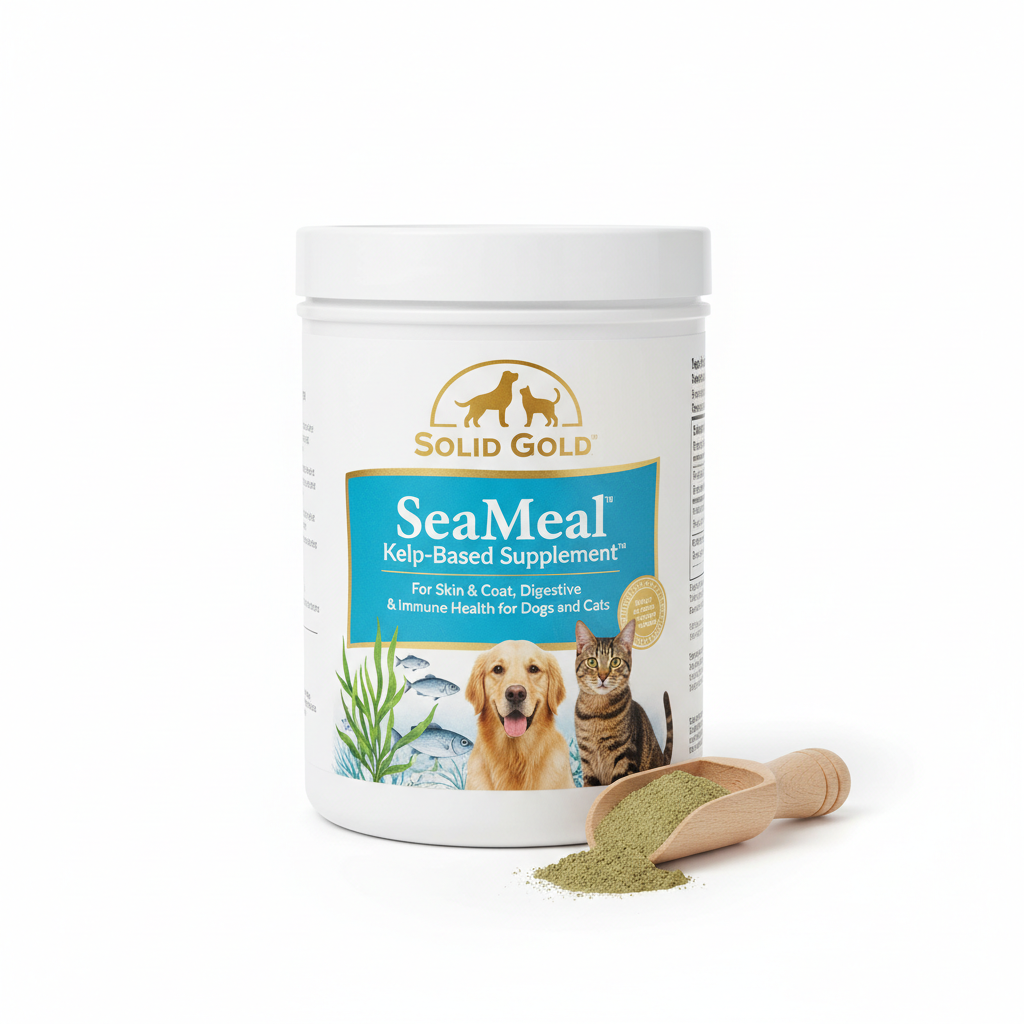
Solid Gold SeaMeal Kelp-Based Supplement for Skin & Coat, Digestive & Immune Health for Dogs & Cats
Solid Gold
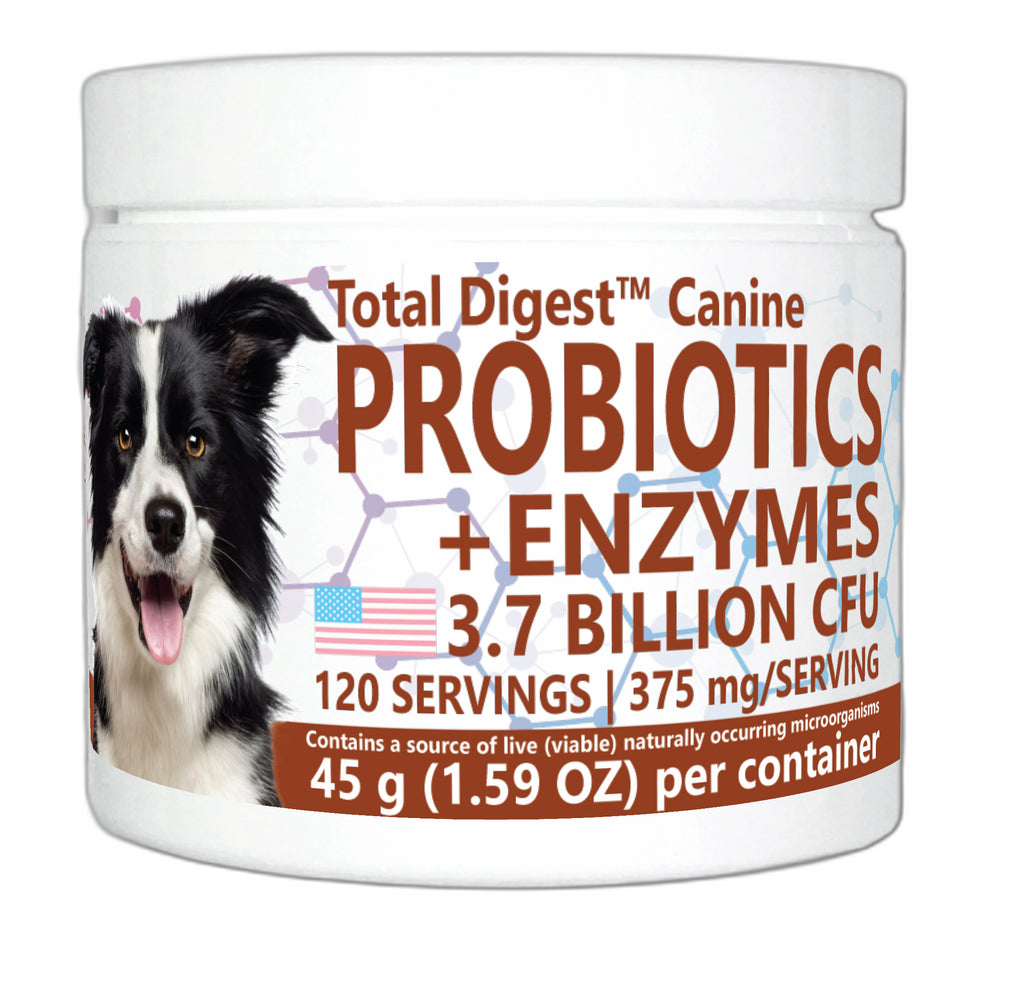
Equa Holistics Total Digest Canine Probiotics & Enzymes
Equa Holistics

PetHonesty Digestive Probiotics for Dogs
PetHonesty
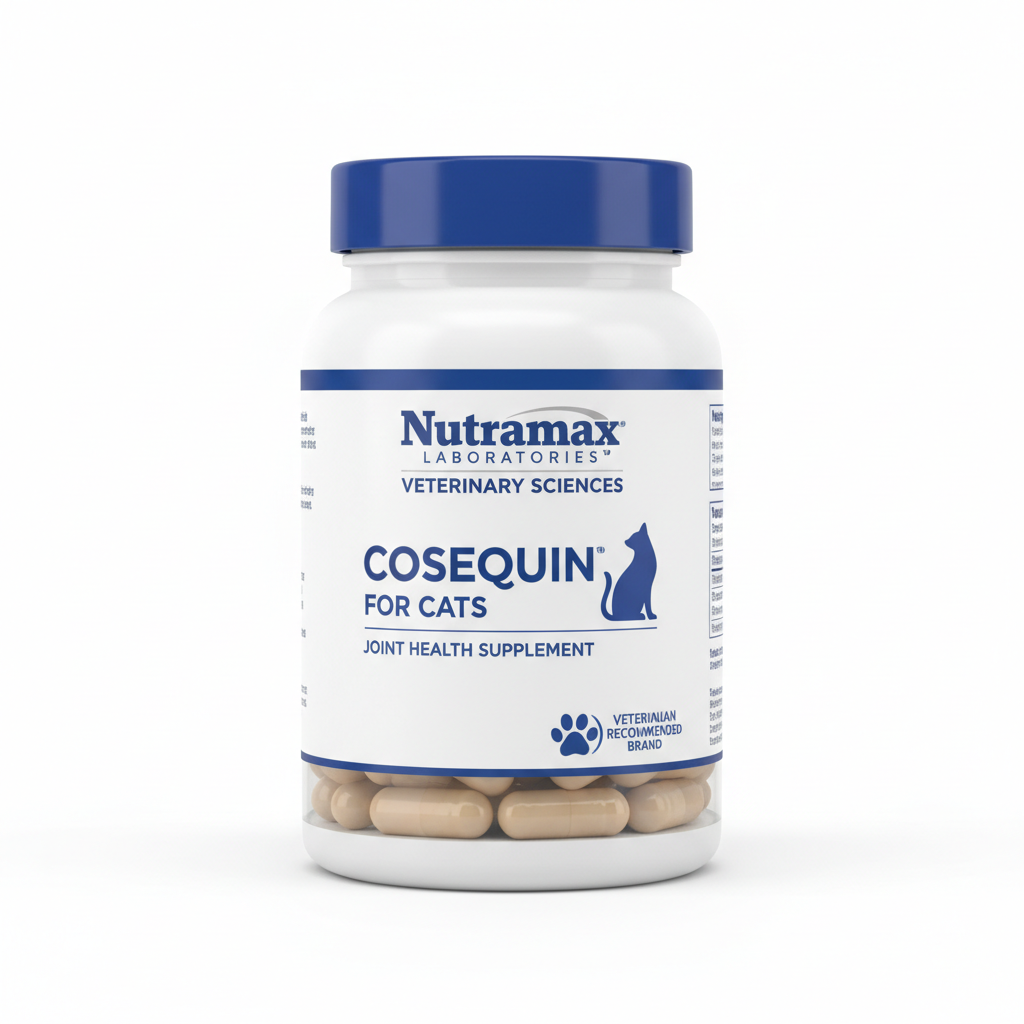
Digestive Support for Cats
Nutramax Laboratories Veterinary Sciences

Wholistic Pet Organics Digest-All Plus Enzyme and Probiotic Supplement
Wholistic Pet Organics

NaturVet Advanced Probiotics & Enzymes for Dogs
NaturVet
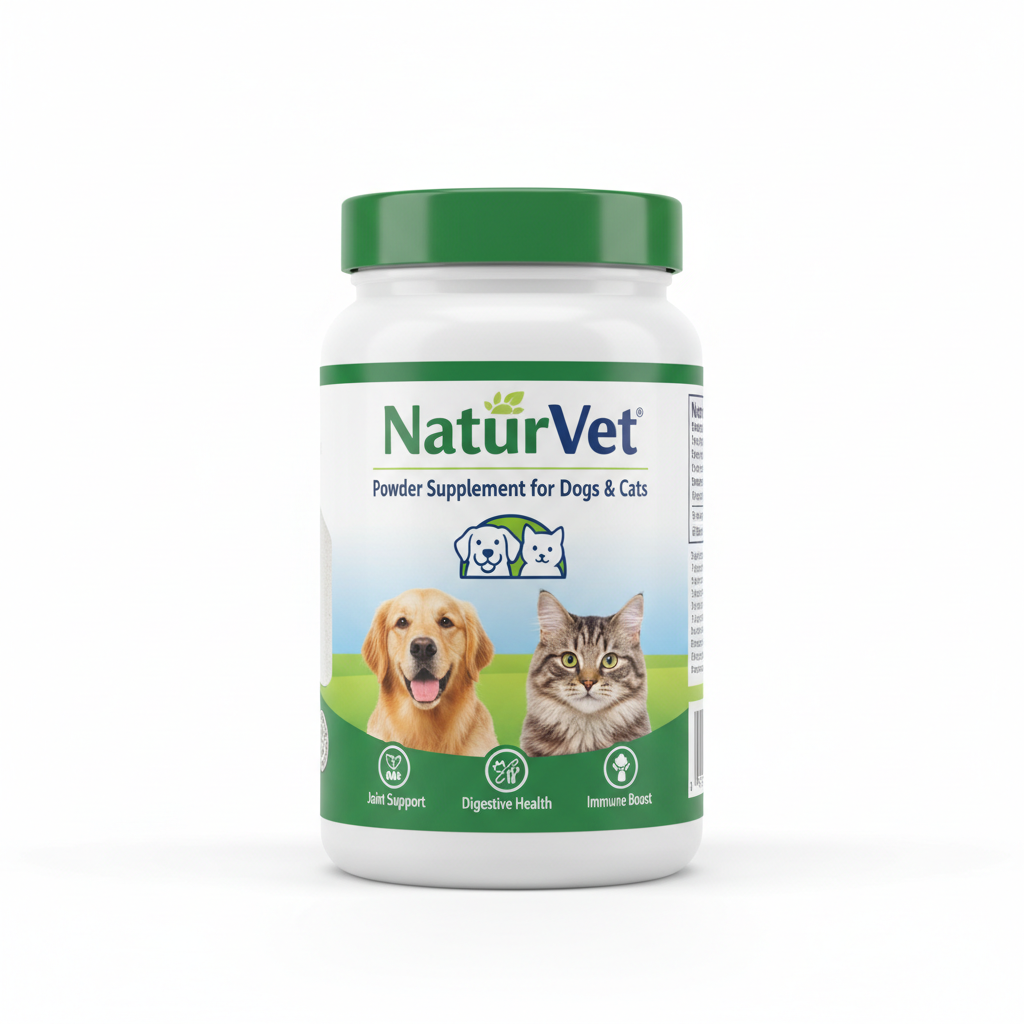
Digestive Support for Dogs & Cats
NaturVet

NaturVet Digestive Enzymes Plus Probiotics Soft Chews for Dogs
NaturVet