Biotin
vitamin
Biotin, often referred to as vitamin H or B7, is a water-soluble B vitamin essential for various metabolic processes in both humans and animals. For dogs and cats, biotin plays a crucial role in maintaining healthy skin, a lustrous coat, and strong nails. While a balanced commercial pet food typically provides sufficient biotin, some pets can benefit from supplementation, particularly those with specific dermatological conditions or nutritional deficiencies. Understanding biotin's benefits, appropriate dosages, and safety considerations is key for pet owners considering this supplement.
Biotin For Dogs
Biotin's primary function in dogs relates to its role in fat, carbohydrate, and protein metabolism. This metabolic support directly impacts the health and integrity of rapidly growing cells, such as those found in skin, hair follicles, and claws. A deficiency, though rare in dogs fed a complete and balanced diet, can manifest as dull coats, brittle nails, and various skin issues.
For example, a dog consistently scratching due to dry, flaky skin, despite adequate grooming and parasite control, might be experiencing a subtle biotin insufficiency. While not a cure-all, supplementing with biotin in such cases can support the body's natural processes to restore skin health. It's not about forcing a change, but rather providing the necessary building blocks for the body to function optimally. The effects are typically gradual, reflecting the natural cycle of skin and hair regeneration.
Dog Supplements with Biotin
The market offers a wide array of dog supplements containing biotin, ranging from standalone biotin products to multi-vitamin formulations. These come in various forms, including chewable tablets, soft chews, powders, and liquid drops. When considering a biotin supplement, the form can influence palatability and ease of administration.
For instance, a dog that easily takes pills might do well with a tablet, while a picky eater might prefer a flavored soft chew or a powder mixed into their food. Liquid forms can be convenient for very small dogs or those with dental issues. It's important to differentiate between supplements where biotin is the primary active ingredient and those where it's one of many. For targeted skin and coat support, a higher concentration of biotin might be more effective than a general multivitamin with a trace amount. Always check the ingredient list for fillers, artificial colors, and preservatives, opting for products with minimal additives to reduce potential sensitivities.
Biotin for Dogs: Key to a Shiny Coat and Healthy Skin
The connection between biotin and a shiny coat and healthy skin is well-established, though the exact mechanisms are complex. Biotin is a coenzyme for carboxylase enzymes, which are vital for fatty acid synthesis. Essential fatty acids, in turn, are crucial components of skin cell membranes and the natural oils that keep skin hydrated and fur lustrous.
Consider a scenario where a dog's coat appears dull, brittle, and sheds excessively. This could be due to a lack of sufficient fatty acids, which biotin helps the body produce and utilize. By supporting healthy skin cell turnover and the production of a protective lipid barrier, biotin can help reduce dryness, flakiness, and irritation. The result is often a softer, more pliable skin and a coat that reflects light more effectively, appearing shinier and healthier. This isn't just cosmetic; a healthy coat and skin barrier also provide better protection against environmental irritants and pathogens.
Clinical Study on the Effect of Biotin on Skin Conditions in Dogs
While anecdotal evidence abounds regarding biotin's benefits, scientific research provides a more objective perspective. Several clinical studies have investigated the efficacy of biotin in treating various dermatological conditions in dogs. These studies often focus on conditions like seborrhea, dry skin, excessive shedding, and generalized alopecia (hair loss).
For example, some studies have shown that dogs with certain skin conditions, when supplemented with high doses of biotin over several weeks or months, exhibited improvements in coat quality, reduced scaling, and decreased hair loss. These improvements are typically measured through veterinary assessments and owner observations. It's crucial to note that study designs and outcomes can vary. Some studies might demonstrate significant positive effects, while others might show more modest results, especially if the underlying cause of the skin condition isn't solely related to biotin deficiency. The takeaway is that while not a miracle cure, there's a scientific basis for biotin's role in supporting dermatological health, particularly in cases where a deficiency or increased demand for biotin exists.
Biotin 101: A Pet Parent's Guide to Biotin for Dogs
For pet parents considering biotin for their dogs, a foundational understanding is essential. Biotin is a water-soluble vitamin, meaning excess amounts are typically excreted through urine, reducing the risk of accumulation and toxicity. However, this also means consistent supplementation might be necessary to maintain adequate levels, as the body doesn't store large reserves.
A key consideration is the source of biotin in a dog's diet. High-quality commercial dog foods are formulated to meet AAFCO (Association of American Feed Control Officials) nutritional guidelines, which include sufficient biotin. However, factors like raw egg whites (which contain avidin, a protein that binds to biotin and prevents its absorption), certain medications, or underlying gastrointestinal issues can interfere with biotin absorption or increase its demand. If a dog is on a home-cooked diet, ensuring adequate biotin intake becomes even more critical, often requiring careful dietary planning or supplementation. Always consult with a veterinarian to rule out other causes of skin or coat issues before starting any supplement regimen.
From Skin to Joints: The Comprehensive Benefits of Biotin
While biotin is most celebrated for its impact on skin and coat, its metabolic functions extend to other areas of pet health, although less directly and with less scientific backing than its dermatological benefits. As a coenzyme, biotin is involved in cellular energy production, which is fundamental to the health of all tissues, including joints.
The connection between biotin and joint health is more indirect. Healthy cartilage and connective tissues rely on efficient cellular metabolism and the synthesis of various structural components. If a dog has a severe biotin deficiency impacting overall cellular function, it's conceivable that joint health could be indirectly compromised. However, biotin is not typically considered a primary supplement for joint conditions like arthritis, where glucosamine, chondroitin, and omega-3 fatty acids are more commonly recommended. The "comprehensive benefits" often refer to biotin's broad metabolic role, which underpins general health, rather than specific targeted effects on non-dermatological systems. For instance, strong nails, a lesser-known benefit, are a direct outcome of biotin's role in keratin formation, a key protein in claws.
Biotin for Cats: Similarities and Differences
Biotin's role in cats largely mirrors its function in dogs: supporting healthy skin, a glossy coat, and strong claws. Cats, being obligate carnivores, have slightly different metabolic demands, but the fundamental biochemical pathways involving biotin are conserved across species.
Similar to dogs, cats typically obtain sufficient biotin from their commercially prepared diets. However, certain conditions can necessitate supplementation. For example, some feline dermatological issues, such as dry, flaky skin, excessive shedding, or a dull coat, might respond positively to biotin. The challenge with cats often lies in administration; many cats are notoriously finicky about medications and supplements. Liquid forms or highly palatable soft chews designed specifically for felines might be more successful. As with dogs, it's crucial to consult a veterinarian to rule out underlying medical conditions before attributing symptoms to a potential biotin deficiency.
Identifying a Biotin Deficiency in Pets
Recognizing a biotin deficiency can be challenging because its symptoms often overlap with those of other conditions. Typical signs include:
- Dull, dry, or brittle coat: Lacking natural luster and feeling coarse.
- Excessive shedding: Beyond normal seasonal changes.
- Dry, flaky skin: Often accompanied by itching.
- Redness or inflammation of the skin.
- Hair loss (alopecia): Patchy or generalized, often on the flanks or belly.
- Brittle or soft claws: Prone to breaking, splitting, or peeling.
- Crusty lesions around the eyes, nose, or mouth.
- Lethargy or reduced appetite (in severe cases).
It's important to remember that these symptoms are not exclusive to biotin deficiency. Parasites, allergies, hormonal imbalances, fungal infections, and other nutritional deficiencies can present similarly. A veterinarian can conduct diagnostic tests, including skin scrapes, blood tests, and dietary analysis, to pinpoint the cause of the symptoms.
Biotin Dosage for Dogs and Cats
Determining the correct biotin dosage for pets is crucial for efficacy and safety. There is no universally established "official" therapeutic dose, as needs can vary based on species, size, existing health conditions, and the severity of any deficiency. However, general guidelines and dosages used in clinical studies can offer a starting point.
| Species | Condition | Typical Daily Dosage Range | Notes |
|---|---|---|---|
| Dogs | General skin & coat support | 1-5 mg (1,000-5,000 mcg) | Often given in divided doses. Larger breeds may require higher end of range. |
| Severe dermatological issues | 5-10 mg (5,000-10,000 mcg) | Use under veterinary supervision. | |
| Cats | General skin & coat support | 0.5-2 mg (500-2,000 mcg) | Often given in divided doses. |
| Severe dermatological issues | 2-5 mg (2,000-5,000 mcg) | Use under veterinary supervision. |
Disclaimer: These are general guidelines. Always consult your veterinarian before starting any new supplement, as they can recommend an appropriate dosage based on your pet's individual needs and health status.
It's generally recommended to start with a lower dose and gradually increase it, monitoring for any adverse reactions. Biotin is water-soluble, so excess is typically excreted, making overdose rare. However, extremely high doses could theoretically interfere with other B vitamins or laboratory test results.
Safety and Potential Side Effects of Biotin for Pets
Biotin is widely considered a safe supplement for dogs and cats, even at relatively high doses, due to its water-soluble nature. Serious side effects are uncommon.
Potential mild side effects, though rare, can include:
- Digestive Upset: Diarrhea, vomiting, or stomach upset, particularly if introduced too quickly or given on an empty stomach.
- Allergic Reaction: While rare, some pets may be sensitive to specific ingredients in a supplement formulation (e.g., fillers, flavorings), not the biotin itself.
It's important to note that biotin can interfere with certain laboratory tests, particularly those involving thyroid hormones. If your pet is undergoing diagnostic testing, inform your veterinarian about any biotin supplementation.
Precautions and Considerations:
- Veterinary Consultation: Always discuss biotin supplementation with your veterinarian, especially if your pet has pre-existing health conditions, is pregnant or nursing, or is taking other medications.
- Quality of Supplement: Choose reputable brands that undergo third-party testing to ensure product purity and potency. Look for certifications from organizations like the National Animal Supplement Council (NASC).
- Gradual Introduction: Introduce new supplements gradually to minimize the risk of digestive upset.
- Monitor for Changes: Observe your pet closely for any changes in behavior, appetite, or health after starting biotin.
Conclusion
Biotin serves as a foundational vitamin for maintaining the health and vitality of your pet's skin, coat, and nails. While most dogs and cats receive adequate amounts from a balanced diet, supplementation can offer significant benefits for those experiencing specific dermatological issues or subtle deficiencies. Understanding the appropriate dosage and ensuring safety through veterinary consultation are paramount. For pet owners seeking a natural approach to support their companion's epidermal health, biotin presents a well-researched and generally safe option to consider.
FAQ
Can I give my dog biotin?
Yes, you can give your dog biotin, and it is generally considered safe. Many dog supplements include biotin, particularly those aimed at improving skin and coat health. However, it's always best to consult with your veterinarian before starting any new supplement to ensure it's appropriate for your dog's specific needs and to determine the correct dosage.
What are the side effects of biotin for dogs?
Biotin is water-soluble, so excess amounts are typically excreted, making serious side effects rare. Mild side effects, though uncommon, can include digestive upset like diarrhea or vomiting, especially if large doses are introduced too quickly. It's also important to note that biotin can interfere with certain laboratory tests, particularly thyroid hormone tests, so inform your veterinarian if your dog is taking biotin before any diagnostic testing.
What are signs of biotin deficiency in dogs?
Signs of a biotin deficiency in dogs can include a dull, dry, or brittle coat, excessive shedding, dry and flaky skin, redness or inflammation of the skin, hair loss (alopecia), and brittle or soft claws that break easily. In severe cases, crusty lesions around the eyes, nose, or mouth, and even lethargy, might be observed. These symptoms can also indicate other health issues, so a veterinary diagnosis is crucial.
Products Containing Biotin
Top-rated supplements featuring this ingredient, ranked by our PSI+ score.
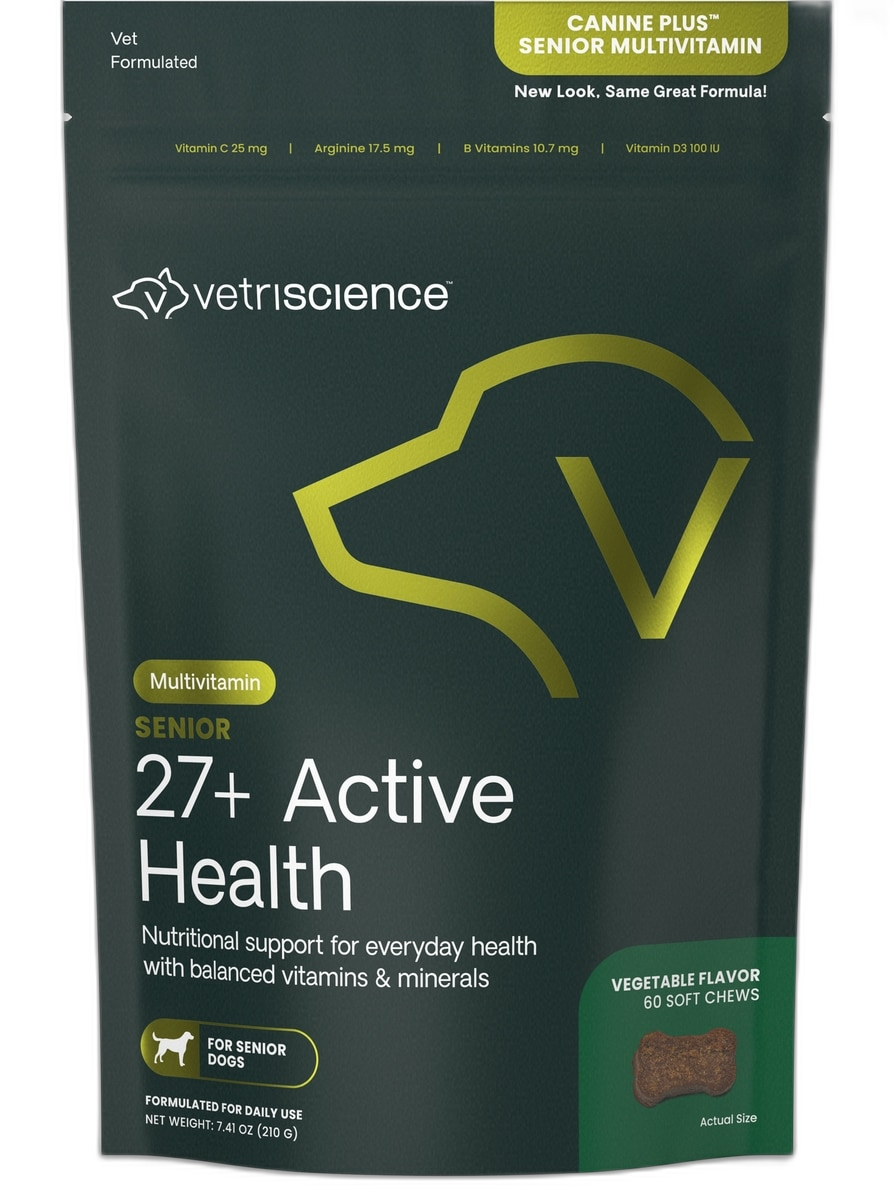
VetriScience Canine Plus Senior 27+ Active Health Veggie Flavored Soft Chews Multivitamin for Senior Dogs
VetriScience
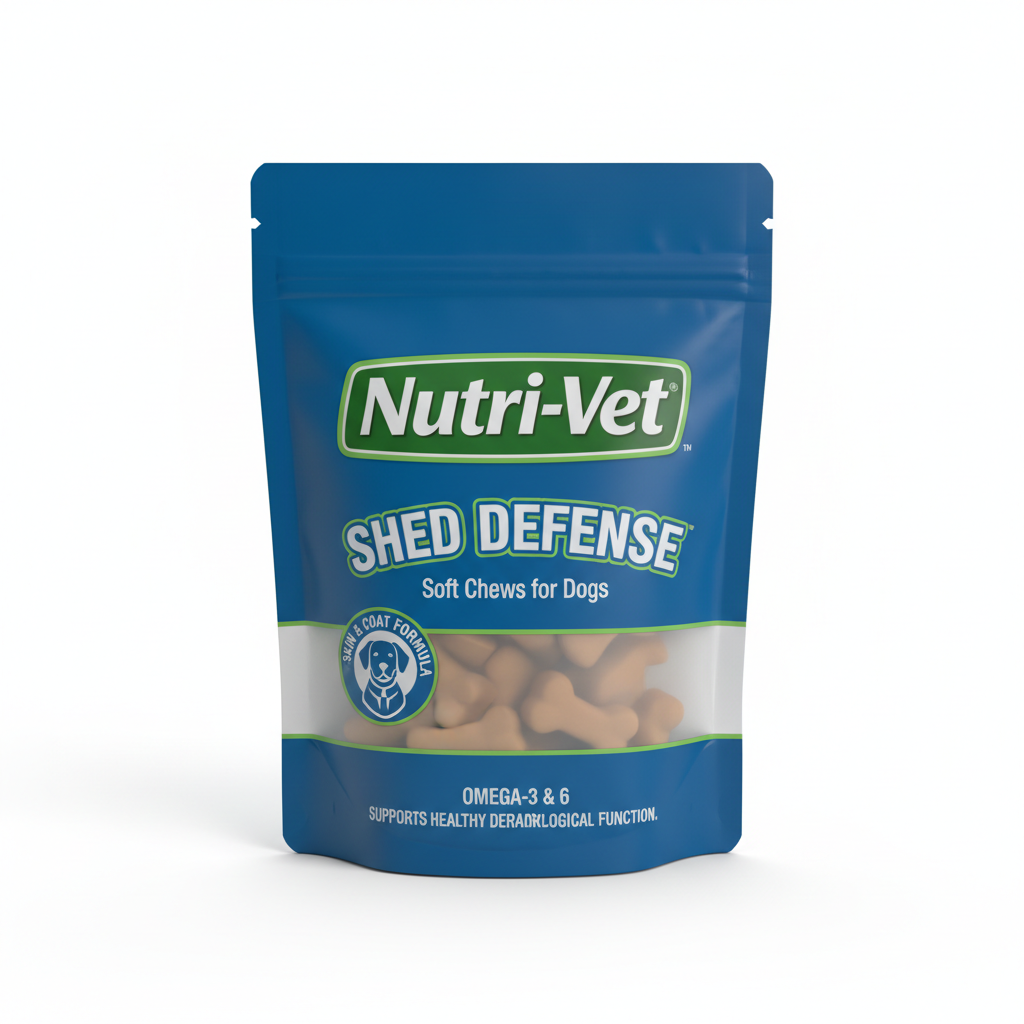
Nutri-Vet Shed Defense Soft Chews for Dogs
Nutri-Vet
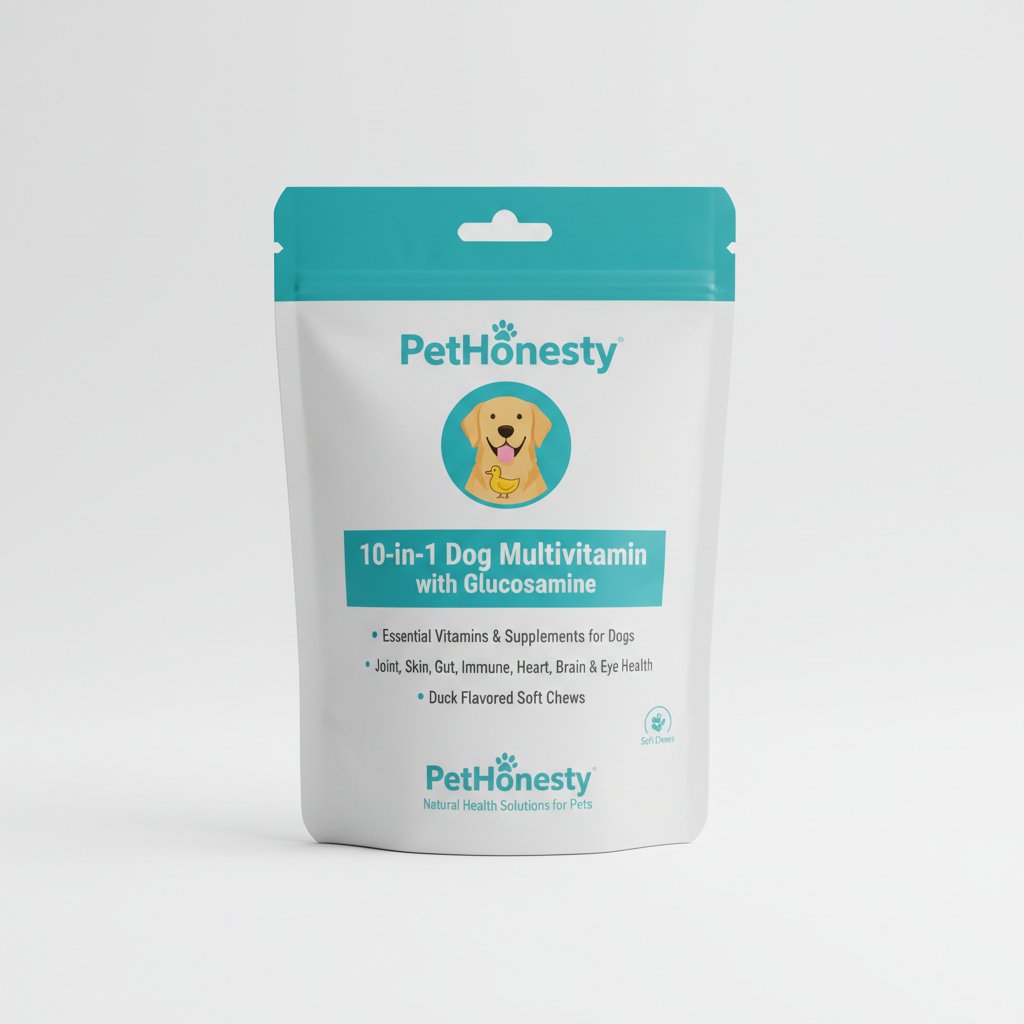
PetHonesty 10-in-1 Dog Multivitamin with Glucosamine - Essential Vitamins & Supplements for Dogs - Joint, Skin, Gut, Immune, Heart, Brain & Eye Health - Duck Flavored Soft Chews
PetHonesty
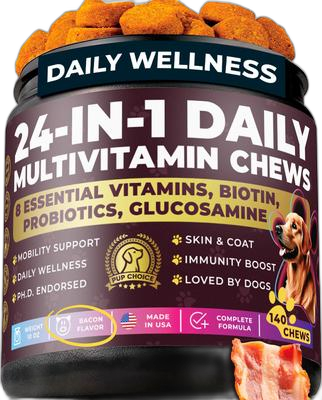
Pup Choice with Probiotics & Glucosamine, Bacon Flavor Soft & Chewy Multivitamin
Pup Choice
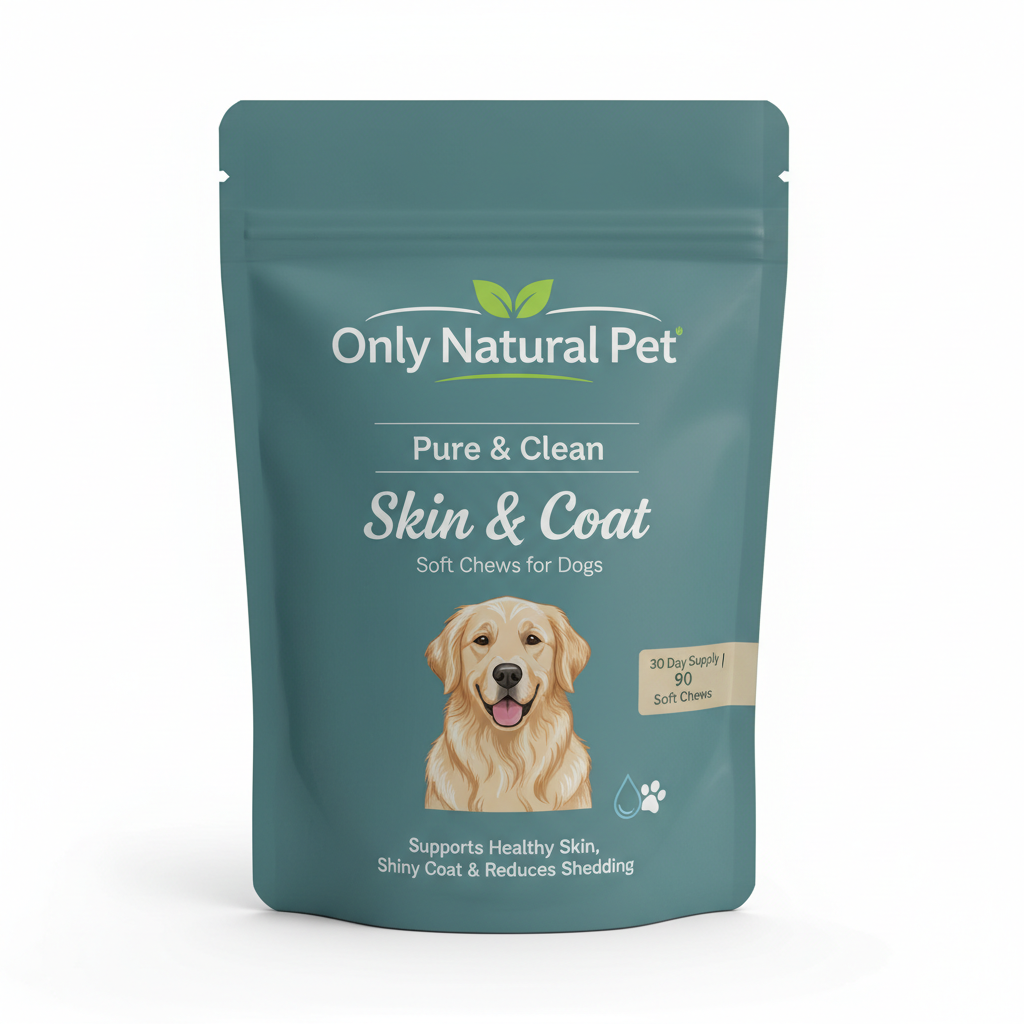
Only Natural Pet Pure & Clean Skin & Coat Soft Chews for Dogs
Only Natural Pet
PetHonesty Omega SkinHealth Fish Oil for Dogs
PetHonesty
Nulo Functional Skin & Coat Soft Chews for Dogs
Nulo
PetLab Co. Skin & Coat Chews for Dogs
PetLab Co.