Vitamin E (d-alpha tocopherol)
vitamin
Vitamin E, specifically the natural form known as d-alpha tocopherol, is an essential nutrient for both dogs and cats. It functions primarily as an antioxidant, playing a crucial role in protecting cells from damage caused by free radicals. Understanding its benefits, appropriate dosage, and safety considerations is key for pet owners considering this supplement. This guide explores the role of d-alpha tocopherol in pet health, distinguishing it from synthetic forms and outlining its practical applications.
Vitamin E for Dogs
For dogs, vitamin E is more than just a general health booster; it's a vital component of several bodily functions. As a fat-soluble vitamin, it's stored in the liver and fatty tissues, meaning the body can draw upon reserves when needed. However, consistent dietary intake or supplementation is often necessary, particularly for dogs with specific health conditions or dietary needs.
The primary role of vitamin E in dogs is its antioxidant activity. Free radicals, unstable molecules produced during normal metabolic processes or exposure to environmental toxins, can damage cell membranes, proteins, and DNA. This cellular damage contributes to aging, chronic diseases, and inflammation. Vitamin E neutralizes these free radicals, thereby protecting cells and tissues throughout the body, including the immune system, cardiovascular system, and skin.
Consider a senior dog experiencing age-related cognitive decline. While not a cure, adequate vitamin E levels might help mitigate some of the oxidative stress on brain cells, potentially supporting cognitive function. Similarly, for an active working dog, the increased metabolic rate and potential for muscle strain can lead to higher free radical production. Here, vitamin E can assist in cellular recovery and reduce exercise-induced oxidative damage.
It's important to distinguish between natural d-alpha tocopherol and synthetic dl-alpha tocopherol. Natural vitamin E (d-alpha tocopherol) is more bioavailable, meaning the dog's body can absorb and utilize it more efficiently than its synthetic counterpart. When looking at ingredient labels, the "d-" prefix indicates natural origin, while "dl-" signifies synthetic. This difference in bioavailability can impact the effectiveness of a supplement, as a higher dose of synthetic vitamin E might be needed to achieve the same physiological effect as a smaller dose of natural vitamin E.
Vitamin E Oil for Dogs | Sunn-E K9 Formula for vitamin e (d-alpha tocopherol) for dogs
While the SERP snippet mentions a specific product, the broader topic of vitamin E oil for dogs, especially in the context of d-alpha tocopherol, warrants discussion. Vitamin E oil, often derived from natural sources like sunflower or wheat germ, provides a concentrated form of d-alpha tocopherol. This oil can be administered orally or, in some cases, applied topically depending on the intended use.
Oral administration of vitamin E oil is common for systemic benefits. For instance, a dog with chronic skin allergies might benefit from the anti-inflammatory properties of vitamin E, which could help reduce itching and improve skin barrier function. In such a scenario, adding a measured amount of d-alpha tocopherol oil to their food could be a practical approach. The oil form can also be easier to administer to picky eaters compared to pills or capsules.
Topical application, while less common for systemic issues, might be considered for localized skin problems. For example, a dog with a dry, cracked paw pad might find relief from a small amount of vitamin E oil gently massaged into the affected area. The emollient properties of the oil can help moisturize and protect the skin, while the antioxidant benefits may aid in healing. However, it's crucial to ensure the product is safe for ingestion, as dogs will inevitably lick their paws. Always consult with a veterinarian before applying any oil or supplement topically, especially on broken skin.
When selecting a vitamin E oil, look for products that clearly state "d-alpha tocopherol" as the active ingredient. Purity and the absence of unnecessary additives or fillers are also important. Some products might combine vitamin E with other oils like omega-3 fatty acids, which can offer for skin and coat health. However, ensure that any additional ingredients are also safe and appropriate for your pet.
Anti-inflammatory response of dietary vitamin E and its effects
The anti-inflammatory effects of vitamin E are a significant area of interest in both human and veterinary medicine. Chronic inflammation is a hallmark of many diseases, including arthritis, allergies, and certain types of cancer. By mitigating oxidative stress, d-alpha tocopherol can indirectly reduce the inflammatory response in the body.
When cells are damaged by free radicals, they can release pro-inflammatory molecules. Vitamin E's ability to scavenge these free radicals helps prevent this cascade, thereby dampening the inflammatory process. This is particularly relevant for conditions like osteoarthritis in older dogs, where ongoing inflammation contributes to pain and joint degradation. While vitamin E is not a standalone treatment for arthritis, it can be a valuable supportive nutrient in a comprehensive management plan.
Consider a cat diagnosed with inflammatory bowel disease (IBD). While the causes of IBD are complex, inflammation plays a central role. Dietary vitamin E, as part of a tailored nutritional plan developed with a veterinarian, might contribute to reducing intestinal inflammation and supporting gut health. The goal isn't to replace medication but to provide nutritional support that complements other treatments.
It's also worth noting that vitamin E's anti-inflammatory properties extend to the immune system. A robust immune response is crucial for fighting off infections and diseases. By protecting immune cells from oxidative damage, vitamin E helps maintain their proper function, allowing them to respond effectively to threats. This can be particularly beneficial for puppies and kittens with developing immune systems, or immunocompromised adult pets.
Vitamin E For Dogs: What You Should Know
Beyond its antioxidant and anti-inflammatory roles, vitamin E contributes to several other aspects of canine and feline health. Understanding these broader functions helps contextualize its importance as a nutritional supplement.
Immune System Support: As mentioned, vitamin E protects immune cells, such as lymphocytes, from oxidative damage. This protection allows the immune system to function more effectively, enhancing the body's ability to fight off infections and diseases. For pets under stress or those with compromised immune systems, adequate vitamin E levels can be particularly beneficial.
Skin and Coat Health: Vitamin E is often lauded for its benefits to skin and coat. Its antioxidant properties help protect skin cells from environmental damage, such as UV radiation. It also plays a role in maintaining the integrity of cell membranes, which contributes to a healthy skin barrier. This can translate to a shinier coat, reduced dryness, and potentially less itching for pets prone to skin issues.
Muscle Health: Vitamin E is important for muscle integrity and function. It helps protect muscle cells from oxidative stress, which can occur during intense exercise or in conditions involving muscle degeneration. This is especially relevant for active dogs, working dogs, or those recovering from muscle injuries.
Reproductive Health: In some species, vitamin E has been linked to reproductive health. While research in pets is ongoing, it's believed to play a role in maintaining the health of reproductive tissues and supporting fertility.
Vision Health: While not as prominent as other vitamins for eye health, vitamin E's antioxidant properties can contribute to protecting the delicate cells of the eyes from oxidative damage, potentially supporting long-term vision health.
It's crucial to remember that while vitamin E is beneficial, more is not always better. Fat-soluble vitamins, including vitamin E, can accumulate in the body, and excessive amounts can lead to adverse effects. Therefore, careful consideration of dosage and veterinary consultation is paramount.
The Benefits of Vitamin E for Dogs - TotalVet for vitamin e (d-alpha tocopherol) for dogs
To summarize the key benefits of d-alpha tocopherol for dogs and cats, it's helpful to categorize them based on the primary physiological systems they impact. While the exact manifestation of these benefits can vary depending on the individual pet's health status, breed, and age, the underlying mechanisms remain consistent.
| Benefit Category | Specific Advantages of d-alpha tocopherol | Relevant Pet Conditions |
|---|---|---|
| Antioxidant Power | Protects cells from free radical damage | Aging, chronic illness, environmental toxin exposure |
| Anti-Inflammatory | Reduces systemic inflammation | Arthritis, allergies, inflammatory bowel disease (IBD) |
| Immune System | Supports immune cell function | Frequent infections, stress, post-surgical recovery |
| Skin & Coat Health | Improves skin barrier, reduces dryness | Dull coat, dry skin, certain dermatological conditions |
| Muscle Integrity | Protects muscle cells | Active dogs, working dogs, muscle strain or injury |
| Cardiovascular | Supports heart health (indirectly) | Older pets, pets with pre-existing heart conditions |
| Neurological | May support cognitive function | Senior pets with cognitive decline |
It's important to approach vitamin E supplementation as part of a holistic health strategy, not as a standalone solution for complex medical issues. For example, while vitamin E can help with the symptoms of arthritis, it will not address the underlying structural damage to joints. Similarly, for skin allergies, it might reduce itching, but identifying and managing the allergen remains crucial.
Dosage Considerations: Determining the correct d-alpha tocopherol dosage for dogs and cats is complex and should always be done in consultation with a veterinarian. Factors influencing dosage include:
- Weight and Size: Larger animals generally require more.
- Age: Puppies/kittens and senior pets might have different requirements.
- Health Status: Pets with specific conditions (e.g., pancreatitis, IBD, certain skin conditions) may benefit from higher or lower doses.
- Diet: The amount of vitamin E already present in their regular food.
- Other Medications/Supplements: Potential interactions need to be considered.
Typical maintenance dosages for d-alpha tocopherol in dogs can range from 100-400 IU per day, but therapeutic dosages for specific conditions might be higher. Cats generally require lower doses, often in the range of 5-50 IU per day. These are general guidelines; a veterinarian will provide precise, individualized recommendations.
Safety and Side Effects: D-alpha tocopherol is generally considered safe for pets when administered at appropriate doses. However, excessive intake, especially over long periods, can lead to issues. Since it's fat-soluble, it can accumulate in the body. While toxicity is rare, extremely high doses can interfere with vitamin K absorption, potentially leading to clotting problems. Other potential, though uncommon, side effects might include gastrointestinal upset (diarrhea, vomiting). Always start with a low dose and observe your pet for any adverse reactions.
Frequently Asked Questions
Is D-alpha tocopherol safe for dogs?
Yes, d-alpha tocopherol is generally considered safe for dogs when given in appropriate dosages. It is the natural and more bioavailable form of vitamin E. However, like any supplement, excessive amounts can potentially lead to adverse effects, and it's always best to consult a veterinarian before starting supplementation.
What is the one meat to never feed a dog?
While not directly related to vitamin E, a common concern for dog owners is which foods to avoid. Cooked bones, especially small or brittle ones, are generally advised against as they can splinter and cause internal injury. Raw pork can also be a concern due to potential parasites like Trichinella. Always research specific foods before feeding them to your dog.
Conclusion
Vitamin E, specifically d-alpha tocopherol, plays a multifaceted and beneficial role in the health of dogs and cats. From its prominent antioxidant and anti-inflammatory actions to supporting immune, skin, and muscle health, it's a vital nutrient. For pet owners considering supplementation, the distinction between natural d-alpha tocopherol and synthetic forms is crucial due to differences in bioavailability. While the benefits are clear, individualized dosage and safety precautions, always guided by a veterinarian, are paramount to ensure optimal outcomes and avoid potential risks. Understanding these nuances allows pet owners to make informed decisions for their companions' well-being.
Products Containing Vitamin E (d-alpha tocopherol)
Top-rated supplements featuring this ingredient, ranked by our PSI+ score.
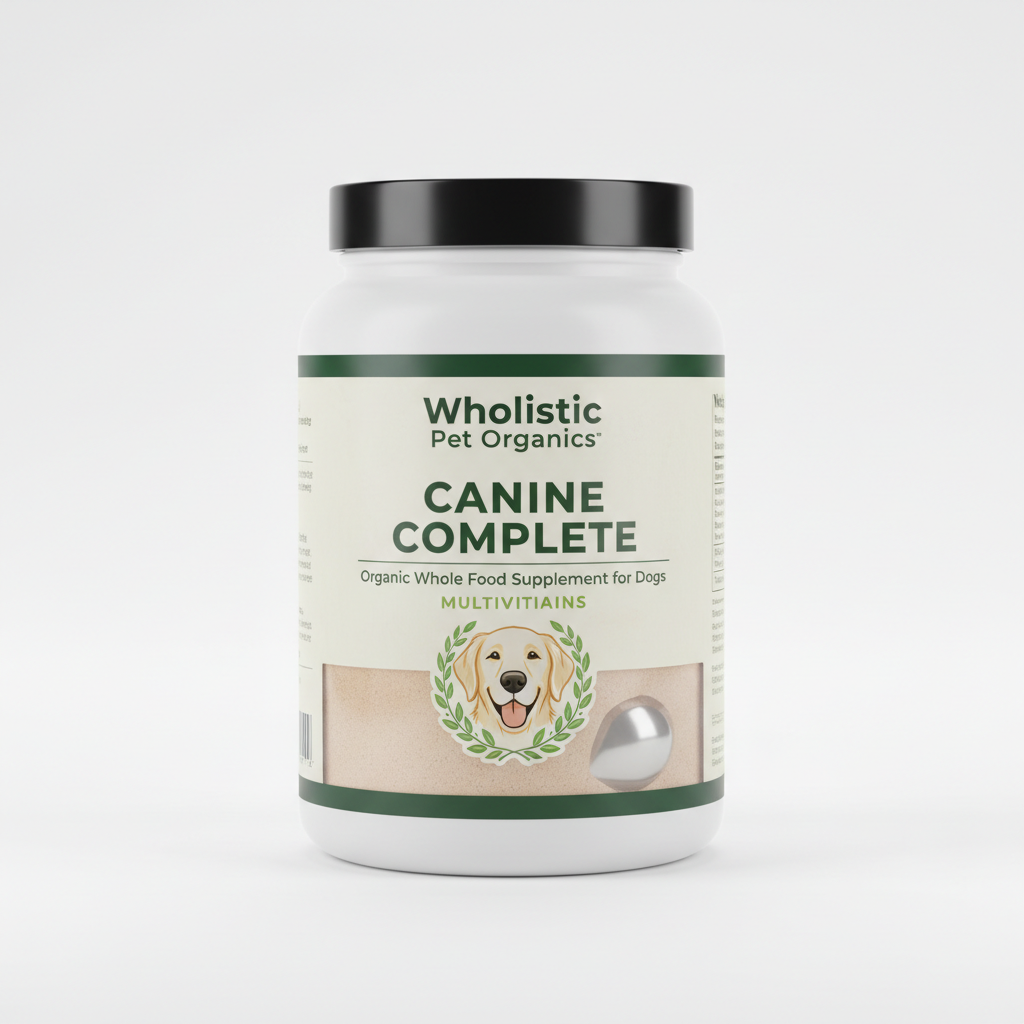
Wholistic Pet Organics Canine Complete - Organic Whole Food Supplement for Dogs
Wholistic Pet Organics
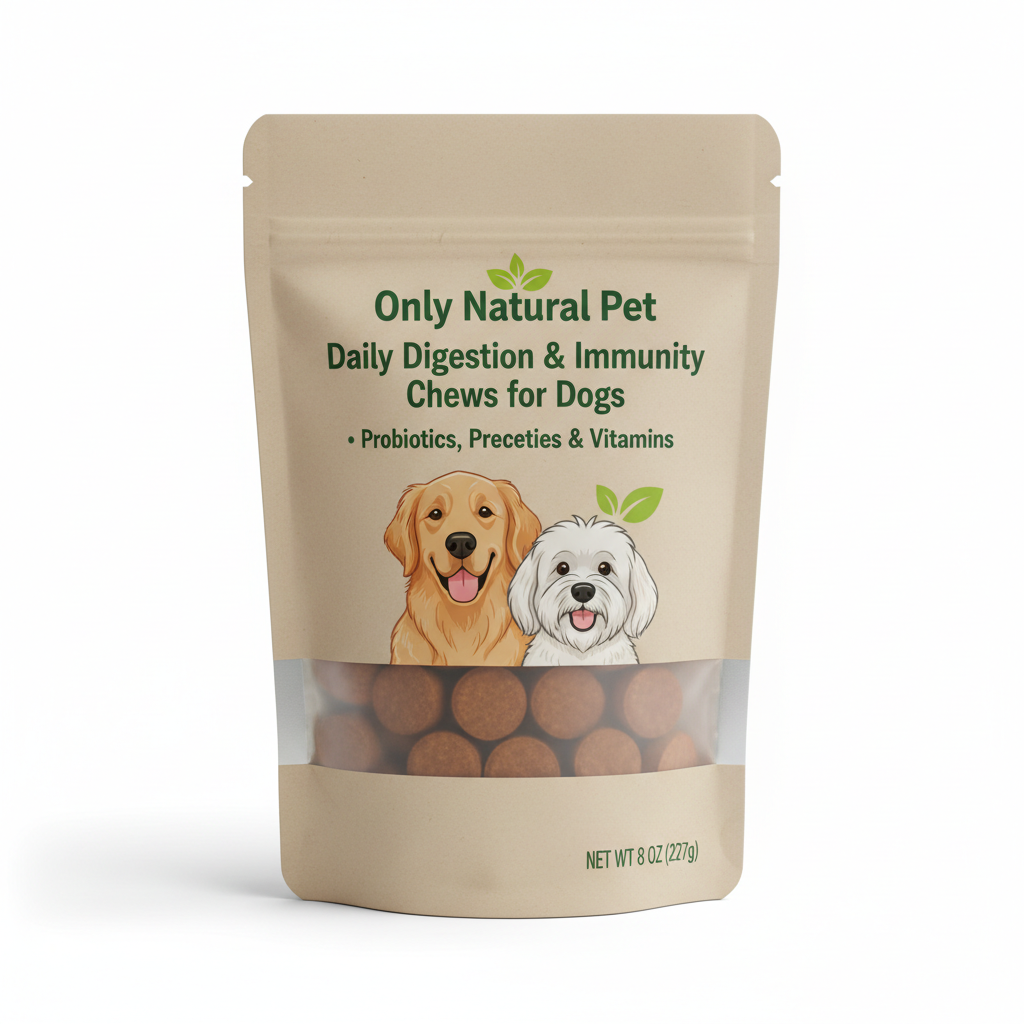
Only Natural Pet Daily Digestion & Immunity Chews for Dogs - Probiotics, Prebiotics & Vitamins
Only Natural Pet
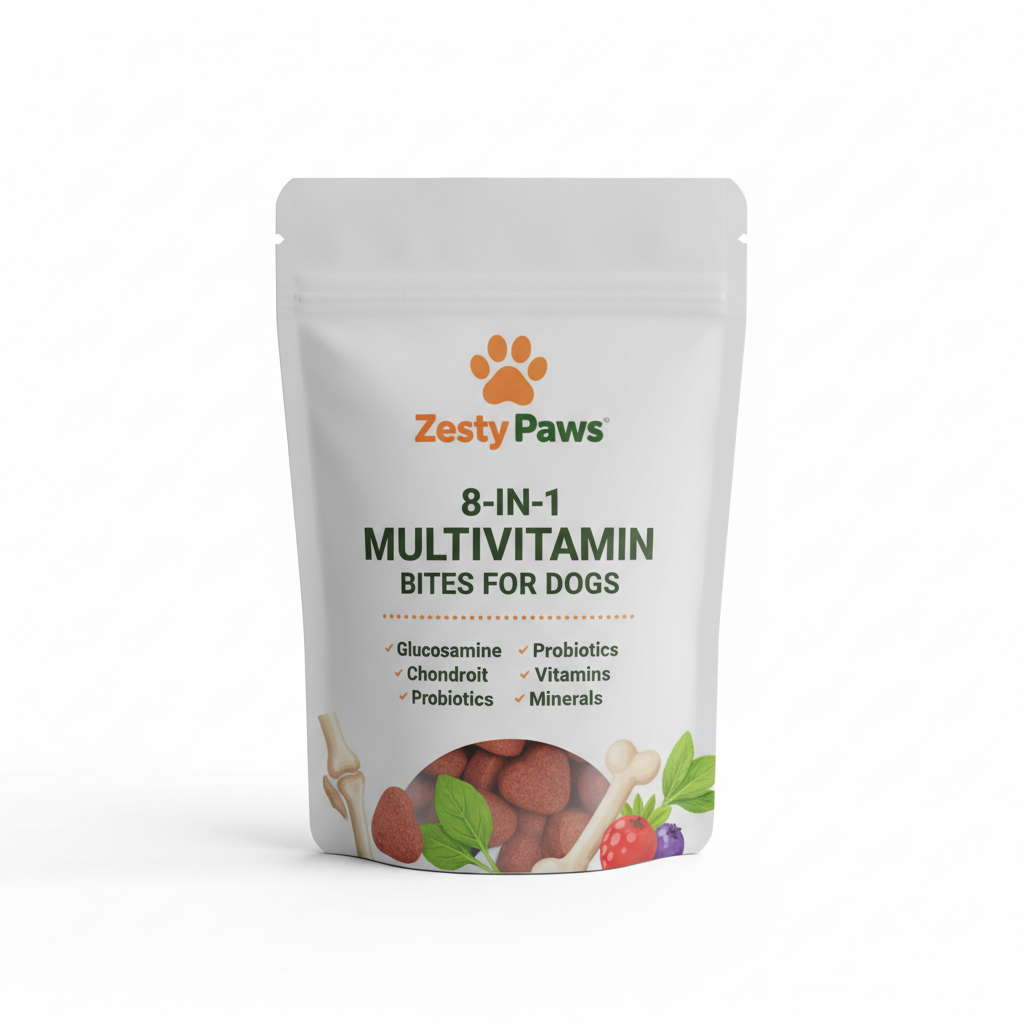
Zesty Paws 8-in-1 Multivitamin Bites for Dogs - Glucosamine, Chondroitin, Probiotics, Vitamins & Minerals
Zesty Paws
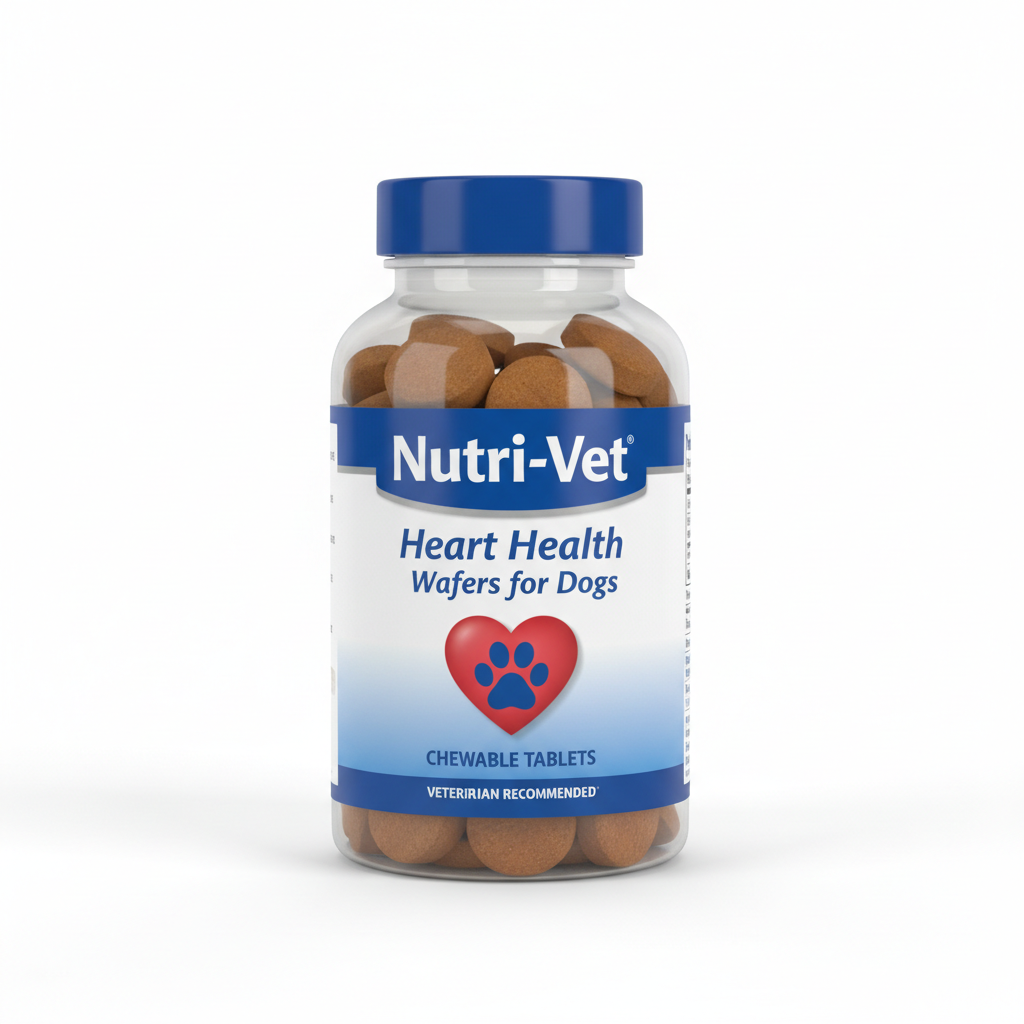
Nutri-Vet Heart Health Wafers for Dogs
Nutri-Vet
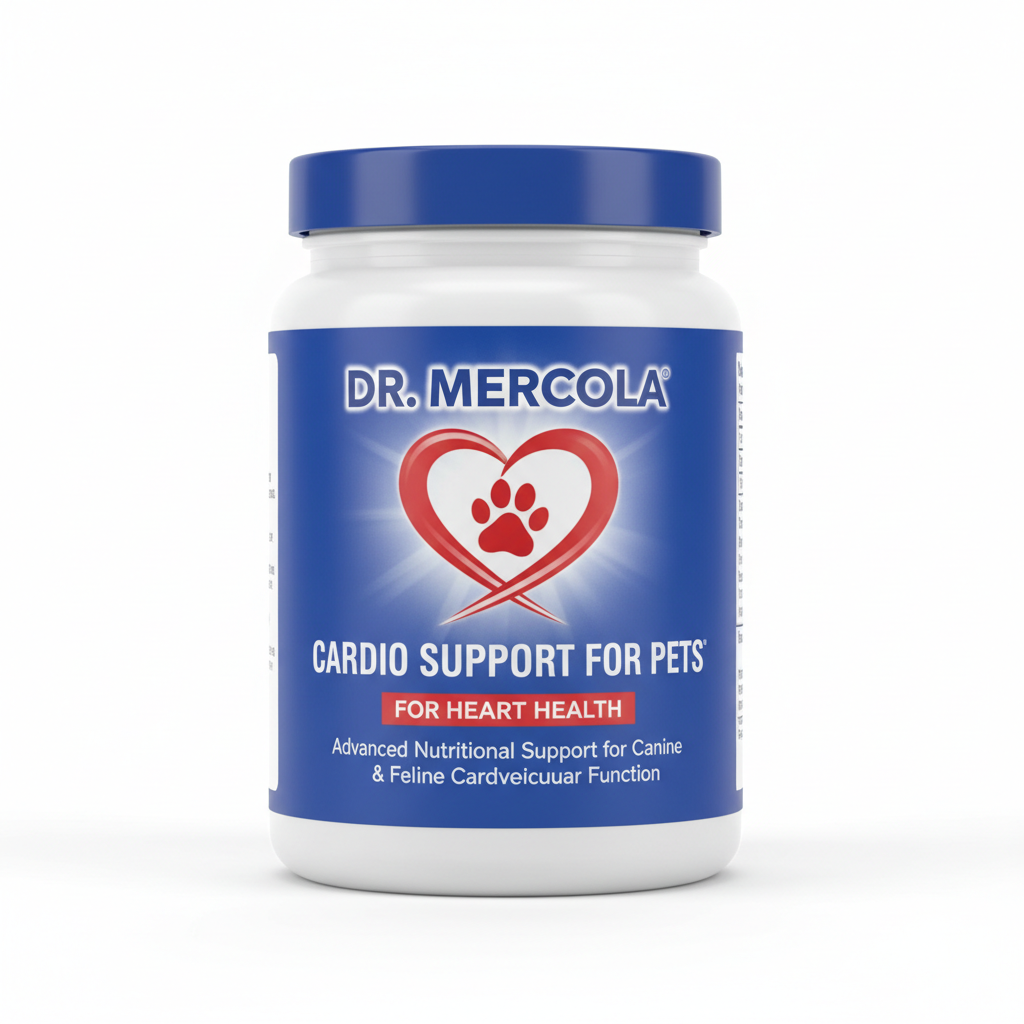
Dr. Mercola Cardio Support for Pets
Dr. Mercola
Nordic Naturals Omega-3 Pet Liquid for Dogs
Nordic Naturals
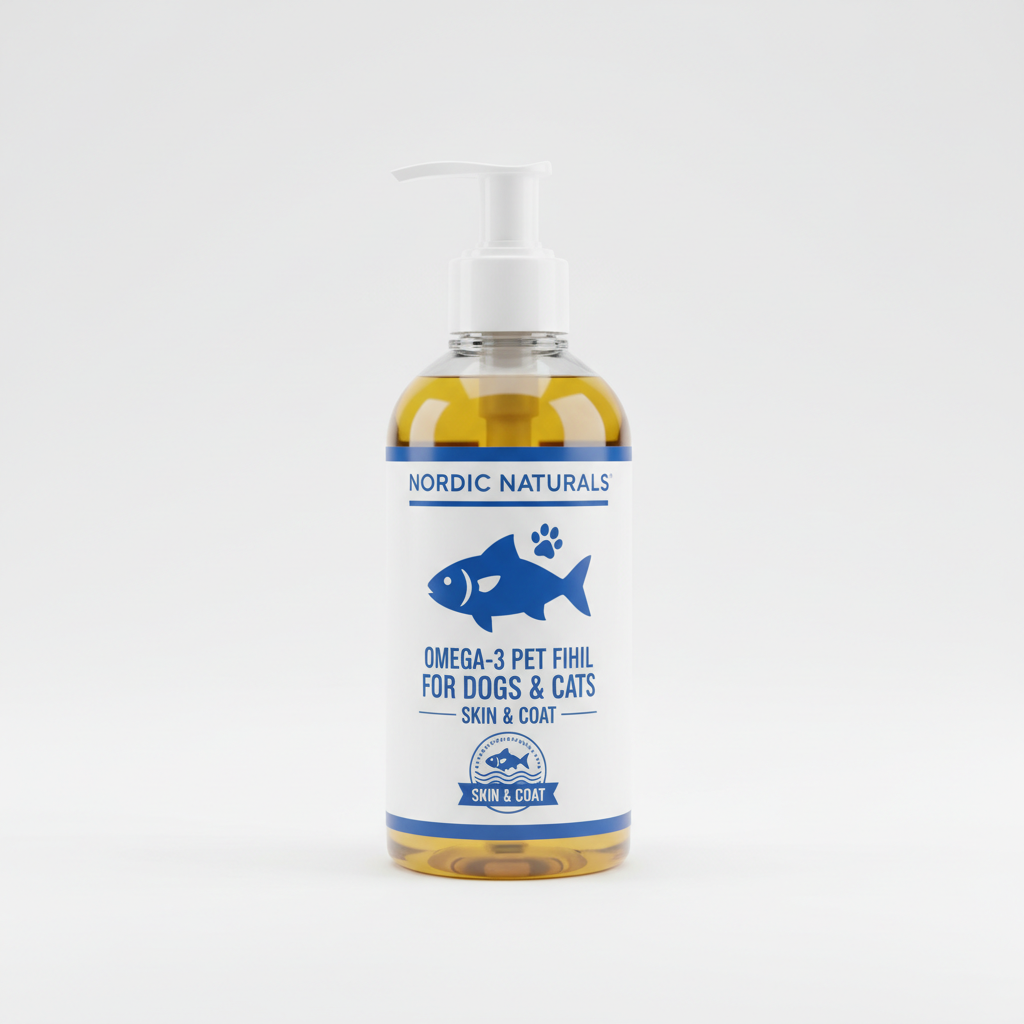
Nordic Naturals Omega-3 Pet Fish Oil for Dogs & Cats
Nordic Naturals
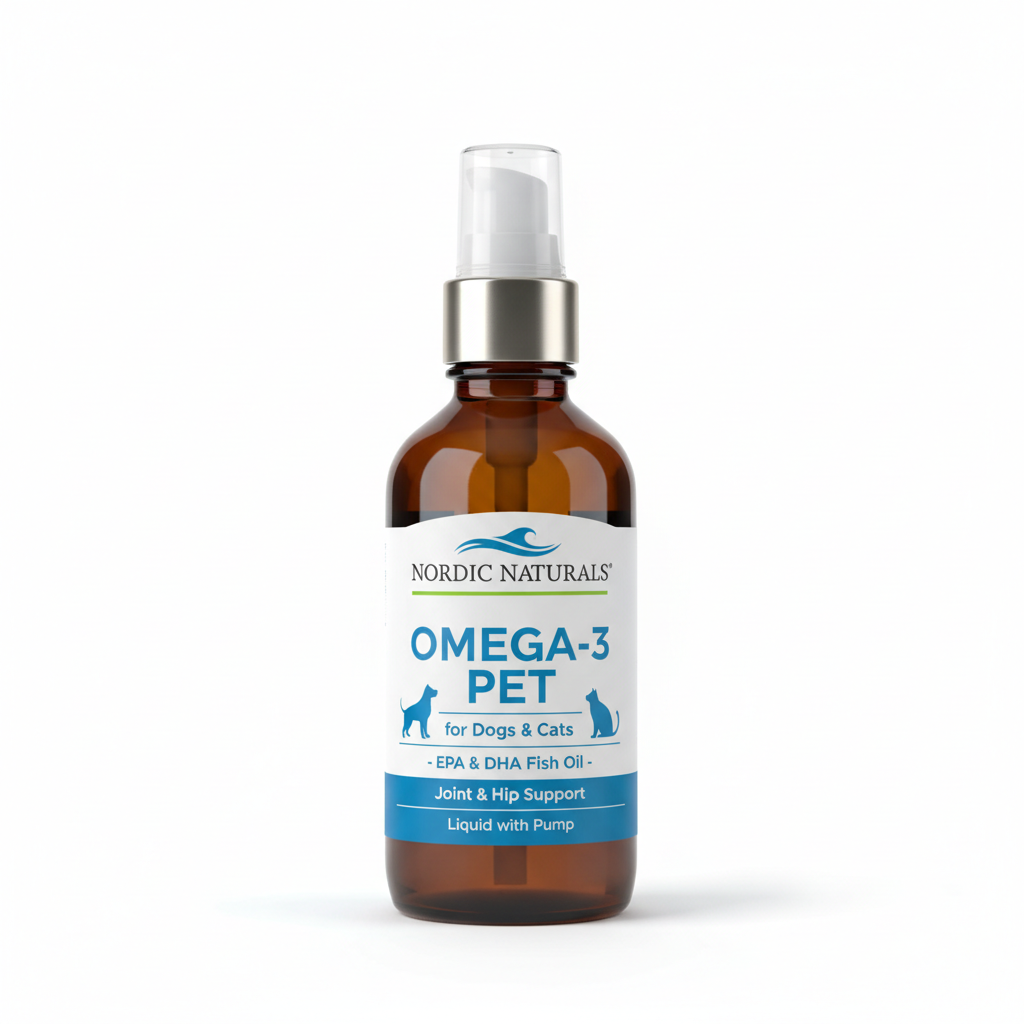
Nordic Naturals Omega-3 Pet for Dogs & Cats - EPA & DHA Fish Oil
Nordic Naturals