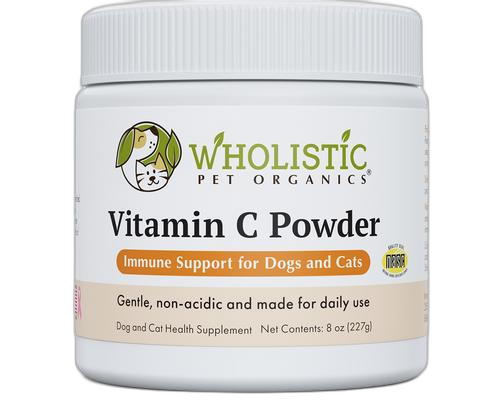
Vitamin C (Acerola Cherry)
vitamin
Many pet owners consider supplementing their furry companions' diets with various vitamins and minerals, often looking for natural sources. Vitamin C, particularly from sources like acerola cherry, frequently enters these discussions. While dogs and cats naturally produce their own vitamin C, there are specific situations where supplementation might be considered. This guide explores the role of vitamin C, the benefits and considerations of using acerola cherry, appropriate dosages, and essential safety information for both dogs and cats.
Acerola: A Nutrient-Packed Superfood for Pet Wellness
Acerola cherry (Malpighia emarginata) is a small, red fruit renowned for its exceptionally high vitamin C content. Often referred to as a "superfood," its nutritional profile extends beyond just ascorbic acid. It also contains a variety of other beneficial compounds, including carotenoids, flavonoids, anthocyanins, and other antioxidants. These components work synergistically, meaning their combined effect is greater than the sum of their individual parts.
For pets, incorporating a nutrient-dense ingredient like acerola can contribute to overall wellness. Unlike synthetic vitamin C, which is often just ascorbic acid, acerola provides vitamin C in a natural matrix alongside other phytonutrients. This natural form is sometimes considered more bioavailable, meaning the body can absorb and utilize it more effectively. While dogs and cats synthesize vitamin C in their livers, certain stressors, illnesses, or aging processes can potentially increase their need for this vitamin. Acerola offers a way to provide this support through a natural, food-based source rather than a purely isolated chemical compound.
The practical implications of using acerola in pet wellness often revolve around immune support, antioxidant benefits, and general vitality. For example, a dog recovering from an illness might benefit from the immune-boosting properties of vitamin C and the comprehensive antioxidant support acerola provides. However, it's important to recognize that while acerola is nutrient-rich, it's not a standalone cure for any condition. It functions best as part of a balanced diet and overall wellness plan, and its inclusion should always be discussed with a veterinarian.
Acerola for Dogs: Natural Vitamin C for a Strong Immune System
The immune system is a complex network that protects the body from disease. Vitamin C plays a role in various immune functions, including the production and function of white blood cells, which are crucial for fighting off infections. For dogs, while they produce their own vitamin C, certain circumstances can put a strain on their immune system, potentially increasing their need for additional support. These situations might include periods of stress, intense physical activity, recovery from surgery, or chronic illness.
Acerola cherry provides a natural source of vitamin C, which some argue is preferable to synthetic forms. The presence of bioflavonoids and other antioxidants in acerola may enhance the absorption and utilization of vitamin C, and these compounds themselves possess immune-modulating and anti-inflammatory properties. For instance, a working dog undergoing strenuous training might experience oxidative stress, and the antioxidants in acerola could help mitigate cellular damage. Similarly, an older dog with a less robust immune system might benefit from the added support.
While the primary benefit often highlighted is immune support, the antioxidant properties of acerola are also significant. Antioxidants help neutralize free radicals, unstable molecules that can damage cells and contribute to aging and various diseases. By reducing oxidative stress, acerola can contribute to overall cellular health, indirectly supporting a stronger immune response and potentially slowing down age-related decline.
However, simply adding acerola or vitamin C to your dog's diet won't magically prevent all illnesses; it's a supportive measure. Dogs with pre-existing medical conditions or active infections still require veterinary diagnosis and treatment. While acerola can be part of a holistic wellness approach, it's not a substitute for professional medical care.
Can Dogs Eat Acerola? A Vet's Perspective
From a veterinary perspective, the safety of dogs consuming acerola cherry is generally positive, provided it's given appropriately. Acerola is not considered toxic to dogs. In fact, many commercially available pet supplements include acerola as a natural source of vitamin C. However, "can dogs eat acerola?" isn't just about toxicity; it also involves considerations of overall diet, potential interactions, and appropriate forms and dosages.
When considering acerola for dogs, a veterinarian would typically evaluate several factors:
- The dog's current health status: Is the dog healthy, or does it have underlying conditions? For instance, dogs prone to urinary stones might need careful monitoring with any supplement that acidifies urine, though vitamin C's role here is often debated and depends on the specific stone type.
- Existing diet: Is the dog eating a complete and balanced commercial diet, or a homemade diet that might be deficient in certain nutrients? Most commercial diets are formulated to provide all necessary vitamins, including C, meaning additional supplementation might be redundant unless there's a specific need.
- Reason for supplementation: Is there a clear reason to add vitamin C? This might be for immune support during stress, recovery, or for its antioxidant properties in aging animals.
- Form of acerola: Is it fresh fruit, powder, extract, or part of a multi-vitamin? Fresh fruit, while safe in moderation, can introduce too much sugar if given in large quantities. Extracts and powders allow for more controlled dosing.
A veterinarian might recommend acerola cherry for specific cases, such as:
- Geriatric dogs: To support antioxidant defenses and overall vitality.
- Dogs under stress: Such as those in training, shelter environments, or recovering from trauma.
- Dogs with certain immune challenges: As an adjunct to conventional treatments, under veterinary guidance.
The key takeaway is that while acerola is safe, its use should be intentional and discussed with a veterinary professional. Self-prescribing supplements without understanding a dog's full health picture can lead to unintended consequences, even with generally safe ingredients.
Natural Pet Small Animal Natural Vitamin C Acerola Tablet for vitamin c (acerola cherry) for dogs
When considering supplementation for pets, the form in which the supplement is delivered is a practical concern. "Natural Pet Small Animal Natural Vitamin C Acerola Tablet" refers to a common product type available in the market. These tablets typically offer a standardized dose of acerola extract, providing a consistent amount of vitamin C and other beneficial compounds.
The benefits of using a tablet form, particularly one designed for small animals, include:
- Controlled Dosage: Tablets are formulated to contain a specific amount of the active ingredient, making it easier to administer a precise dose. This is crucial for avoiding under-dosing or over-dosing, which can be a concern with raw fruits or bulk powders.
- Convenience: Tablets are generally easy to administer, either directly, crushed and mixed with food, or hidden in a treat. This can be particularly helpful for owners who struggle with liquid supplements or powdered forms that might be refused by picky eaters.
- Stability: Reputable manufacturers formulate tablets to ensure the stability of the vitamin C, protecting it from degradation due to light, air, or moisture. This helps ensure the potency of the supplement over its shelf life.
- Ingredient Purity: Products from established brands often undergo quality control checks to ensure they are free from contaminants and accurately dosed.
However, there are also considerations with tablet forms:
- Palatability: Not all pets will readily accept a tablet. Some are flavored, but others may require creative methods of administration.
- Excipients: Tablets contain inactive ingredients (excipients) to bind them, provide bulk, or improve taste. While generally safe, some pets might have sensitivities to specific excipients.
- Cost: Processed supplements in tablet form can sometimes be more expensive than bulk powders or fresh ingredients.
When choosing a "Natural Pet Small Animal Natural Vitamin C Acerola Tablet," pet owners should look for products from reputable manufacturers, ideally those that provide third-party testing results. Checking the concentration of vitamin C per tablet, as well as any other active or inactive ingredients, is important for making an informed choice. Always compare the product's recommended dosage with your veterinarian's advice.
Is Acerola Cherry Safe for Pets? Find Out Here!
The question of acerola cherry safety for pets, specifically dogs and cats, is a common and important one. Generally, acerola cherry is considered safe for both species when administered appropriately and in moderation. Its safety profile largely stems from its natural, food-based origin and its high nutritional value.
Here's a breakdown of safety considerations:
For Dogs:
- Non-Toxic: Acerola cherry fruit and its extracts are not known to be toxic to dogs. Unlike some other fruits (e.g., grapes and raisins), acerola does not pose a specific poisoning risk.
- Pits: While the flesh is safe, the small pits (seeds) of acerola cherries should ideally be removed if feeding fresh fruit. While not acutely toxic like apricot pits, they can pose a choking hazard or, if consumed in large quantities, contribute to digestive upset.
- Digestive Upset: Excessive amounts of any new food, including acerola, can lead to digestive upset such as diarrhea or stomach discomfort. This is usually due to the sudden introduction of fiber or a change in diet rather than toxicity.
- Sugar Content (Fresh Fruit): Fresh acerola cherries do contain natural sugars. While beneficial in moderation, large quantities of sugary fruit are not advisable for dogs, particularly those with diabetes or weight management concerns.
For Cats:
- Non-Toxic: Similar to dogs, acerola cherry is generally considered non-toxic for cats.
- Pits: The same caution applies to cats regarding pits – they should be removed.
- Digestive Upset: Cats can also experience digestive upset from too much new food.
- Less Common Supplementation: While safe, vitamin C supplementation is less frequently recommended for cats compared to dogs, as their metabolic processes and common health issues differ. However, it can still be beneficial in certain situations, such as immune support during illness or stress.
General Safety Guidelines for Both Dogs and Cats:
- Source Quality: Always choose high-quality acerola products, whether fresh fruit or supplements. For supplements, look for reputable brands with transparent ingredient lists and quality control measures.
- Controlled Dosage: Adhere strictly to recommended dosages, whether from a product label or, ideally, from your veterinarian. Over-supplementation, even with generally safe vitamins, can sometimes lead to imbalances or adverse effects.
- Introduce Gradually: When introducing any new food or supplement, do so gradually over several days to allow the pet's digestive system to adjust and to monitor for any adverse reactions.
- Monitor for Reactions: Observe your pet for any signs of discomfort, allergies, or unusual behavior after introducing acerola. While rare, individual sensitivities can occur.
- Veterinary Consultation: The most crucial safety measure is to consult with a veterinarian before adding any new supplement to your pet's diet, especially if your pet has pre-existing health conditions or is on other medications. This ensures that acerola is appropriate for their specific needs and won't interact negatively with other treatments.
In summary, acerola cherry is a safe and beneficial ingredient for most pets when used thoughtfully. The primary safety concerns revolve around appropriate dosage, the removal of pits from fresh fruit, and the importance of veterinary guidance.
Acerola Cherry Extract (25% vitamin C) for vitamin c (acerola cherry) for dogs
When discussing vitamin C (acerola cherry) for dogs and cats, it's important to distinguish between the whole fruit and its extracts. Acerola cherry extract, particularly one standardized to a specific vitamin C content like "25% vitamin C," is a common form found in pet supplements. This standardization is a key aspect for consistency and precise dosing.
What is Acerola Cherry Extract?
An extract means that the beneficial compounds, primarily vitamin C, have been concentrated from the raw fruit. A "25% vitamin C" extract indicates that for every 100 units of the extract powder, 25 units are pure vitamin C (ascorbic acid). The remaining 75% would consist of other naturally occurring compounds from the acerola cherry, such as bioflavonoids, carotenoids, and other plant nutrients, which are believed to enhance the overall efficacy of the vitamin C.
Advantages of Using an Extract:
- Potency and Concentration: Extracts are significantly more potent than the whole fruit, meaning a smaller amount can deliver a substantial dose of vitamin C. This is practical for pets, as it avoids feeding large volumes of fruit.
- Standardized Dosing: The standardization to a specific vitamin C percentage allows for accurate and consistent dosing. Pet owners can easily calculate how much extract is needed to provide a desired amount of vitamin C, which is crucial for safety and effectiveness.
- Reduced Sugar Content: Unlike fresh fruit, extracts typically have a much lower sugar content, making them a better option for pets with dietary restrictions, diabetes, or weight concerns.
- Longer Shelf Life and Stability: Extracts are often processed to be more stable than fresh fruit, extending their shelf life and ensuring the vitamin C remains potent over time.
- Ease of Formulation: For supplement manufacturers, using a standardized extract simplifies the formulation process, allowing for consistent product quality.
Considerations for Extracts:
- Processing: The extraction process can vary, and some methods might use solvents or heat that could potentially affect the integrity of some delicate phytonutrients. However, reputable manufacturers typically use gentle, food-grade methods.
Lack of Whole Food Matrix: While extracts contain many beneficial compounds, they don't replicate the entire* complex matrix of a whole food. Some argue that the synergy of all compounds in a whole food is superior, but for targeted supplementation, extracts are highly effective.
- Cost: High-quality standardized extracts can be more expensive than bulk, unstandardized powders or fresh fruit.
Practical Application for Pets:
When using an acerola cherry extract for dogs or cats, it's essential to:
Acerola cherry extract offers a practical, potent, and stable way to supplement vitamin C and other beneficial compounds from acerola to pets, particularly when precise dosing is necessary.
Dosage Guidelines and Safety Summary for Dogs and Cats
Determining the appropriate dosage for any supplement, including vitamin C from acerola cherry, is crucial for both efficacy and safety. While dogs and cats produce their own vitamin C, supplemental amounts are sometimes considered for specific health goals.
General Dosage Considerations
The exact "optimal" dosage of supplemental vitamin C for pets is not universally agreed upon and can vary based on several factors:
- Body Weight: Larger animals generally require higher doses.
- Health Status: Animals under stress, recovering from illness, or with certain chronic conditions might benefit from different dosages.
- Reason for Supplementation: Whether for general wellness, immune support, or antioxidant benefits.
- Form of Vitamin C: Synthetic ascorbic acid vs. Whole-food acerola extract.
- Individual Tolerance: Some pets may be more sensitive to higher doses.
Important Note: The following are general guidelines and not veterinary advice. Always consult your veterinarian before starting any new supplement regimen.
Vitamin C (Acerola Cherry) Dosage Ranges
| Pet Type | Purpose | General Daily Range (Vitamin C content) | Considerations |
|---|---|---|---|
| Dogs | General Wellness / Antioxidant Support | 50 mg - 250 mg | Lower end for small dogs, higher for large. |
| Immune Support / Stress | 250 mg - 1000 mg (or more in acute cases) | Doses can be higher during acute stress or illness, strictly under vet supervision. | |
| Cats | General Wellness / Antioxidant Support | 25 mg - 100 mg | Less common, but can be considered for older or immune-compromised cats. |
| Immune Support / Stress | 100 mg - 250 mg | Only under veterinary guidance for specific conditions. |
- Converting from Acerola Extract: If using an acerola extract (e.g., 25% vitamin C), you'll need to calculate the amount of extract powder needed to reach the desired vitamin C dose. For example, to get 250 mg of vitamin C from a 25% extract, you would need 1000 mg (1 gram) of the extract powder.
- Divide Doses: For higher doses, it's often better to divide the daily amount into two separate administrations to maintain more consistent levels in the body and reduce the chance of digestive upset.
Potential Side Effects and Safety Concerns
While acerola cherry and vitamin C are generally safe, potential side effects, primarily related to digestive upset, can occur with excessive doses:
- Diarrhea: The most common side effect of too much vitamin C is loose stools or diarrhea. This is often the body's way of expelling excess.
- Stomach Upset: Nausea, vomiting, or abdominal discomfort can also occur.
- Urinary Tract Issues: While less common and often debated, very high doses of vitamin C can theoretically acidify urine, which might be a concern for pets prone to certain types of urinary stones (e.g., oxalate stones). However, this is usually a concern with much higher, sustained doses of synthetic ascorbic acid.
- Iron Overload: Vitamin C can enhance iron absorption. For pets with conditions like hemochromatosis (iron overload), high vitamin C supplementation could be problematic.
When to Exercise Caution
- Kidney Disease: Pets with compromised kidney function should use vitamin C supplements with extreme caution and only under strict veterinary guidance.
- Pre-existing Conditions: Any pet with a chronic illness, on medication, or undergoing treatment should have their veterinarian approve any new supplements.
- Pregnant or Lactating Animals: Supplementation during pregnancy or lactation should always be discussed with a vet.
- Very Young Animals: Puppies and kittens generally do not require vitamin C supplementation unless specifically indicated by a vet.
A Note on "Superdosing"
The concept of "superdosing" or giving very high doses of vitamin C (often referred to as "bowel tolerance" dosing) is sometimes discussed in human health circles. This practice is not recommended for pets without direct, close veterinary supervision. Pet physiology differs from humans, and the risks of severe digestive upset and other complications are higher.
goal is to provide beneficial support without causing harm. A balanced approach, starting with lower doses, monitoring your pet's response, and maintaining open communication with your veterinarian, is the safest path.
Frequently Asked Questions
Is acerola cherry safe for dogs?
Yes, acerola cherry is generally considered safe for dogs. It's a natural source of vitamin C and other antioxidants. However, moderation is key, and if feeding fresh fruit, the pits should be removed to prevent choking or digestive upset. For supplements, always follow recommended dosages and consult with your veterinarian, especially if your dog has any underlying health conditions.
How much vitamin C can I give my dog per day?
The appropriate daily amount of vitamin C for a dog can vary significantly based on their size, health status, and the reason for supplementation. As a general guideline for wellness or antioxidant support, doses might range from 50 mg to 250 mg of vitamin C content per day for most dogs. For immune support or during periods of stress, a veterinarian might recommend higher doses, sometimes up to 1000 mg or more, but this should only be done under direct veterinary supervision. Excessive amounts can lead to digestive upset (e.g., diarrhea). Always consult your veterinarian for a personalized recommendation.
Is acerola cherry the same as vitamin C?
No, acerola cherry is not the same as vitamin C, but it is an exceptionally rich natural source of vitamin C. Vitamin C (ascorbic acid) is a specific chemical compound. Acerola cherry is a fruit that contains a high concentration of this compound, along with other beneficial nutrients like bioflavonoids, carotenoids, and other antioxidants. When you use acerola cherry or its extract, you are providing vitamin C in a natural matrix, which some believe offers additional benefits due to the synergistic action of these co-factors. Synthetic vitamin C supplements often contain only ascorbic acid.
Conclusion
The use of vitamin C, particularly from natural sources like acerola cherry, for dogs and cats offers a potential avenue for supporting overall health, bolstering the immune system, and providing valuable antioxidant benefits. While these animals produce their own vitamin C, specific circumstances such as stress, illness, or aging might warrant supplemental support. Acerola cherry stands out for its high vitamin C content and accompanying phytonutrients, making it a popular choice for pet owners seeking natural ingredients.
However, informed decision-making is paramount. Understanding the differences between whole fruit and extracts, adhering to appropriate dosage guidelines, and being aware of potential side effects are crucial. The most vital step in considering any supplement, including acerola cherry, is to consult with a qualified veterinarian. They can assess your pet's individual health needs, current diet, and any pre-existing conditions to determine if supplementation is appropriate, recommend a suitable form and dosage, and monitor for any adverse reactions. Ultimately, acerola cherry can be a beneficial addition to a pet's wellness regimen when used thoughtfully and under professional guidance, contributing to a more robust and healthy life for your animal companion.
Products Containing Vitamin C (Acerola Cherry)
Top-rated supplements featuring this ingredient, ranked by our PSI+ score.