DMG (Dimethylglycine)
amino acid
Dimethylglycine, often shortened to DMG, is a derivative of the amino acid glycine. It's naturally found in some foods and is also produced in small amounts by the body. For pets, particularly dogs and cats, DMG is available as a nutritional supplement. The primary interest in DMG for companion animals centers on its potential role in supporting immune function, enhancing physical performance, and aiding in detoxification processes. Understanding its mechanisms, appropriate dosages, and safety considerations is key for pet owners considering this supplement.
Understanding DMG's Role in Pet Health
DMG is an intermediary metabolite, meaning it's a compound formed during the process of metabolism. It acts as a methyl donor, participating in various biochemical reactions within the body. This methyl donation is crucial for processes like the synthesis of neurotransmitters, hormones, and DNA. In the context of pet health, these actions are theorized to translate into several potential benefits.
For immune support, DMG is thought to enhance the production of antibodies and lymphocytes, which are vital components of the immune system. This could be particularly relevant for pets experiencing chronic stress, those recovering from illness, or senior animals with naturally declining immune responses. For athletic or working dogs, DMG's potential to improve oxygen utilization and reduce lactic acid buildup could translate to better stamina and faster recovery. Its involvement in liver detoxification pathways also suggests a role in supporting overall cellular health and waste elimination.
It's important to note that while the theoretical basis for DMG's benefits is sound, much of the research on its efficacy in pets is observational or derived from human and laboratory animal studies. Pet owners should consider DMG as a supportive supplement rather than a primary treatment for specific conditions.
Vetri DMG Formula | DMG Immunity Health for Dogs & Cats
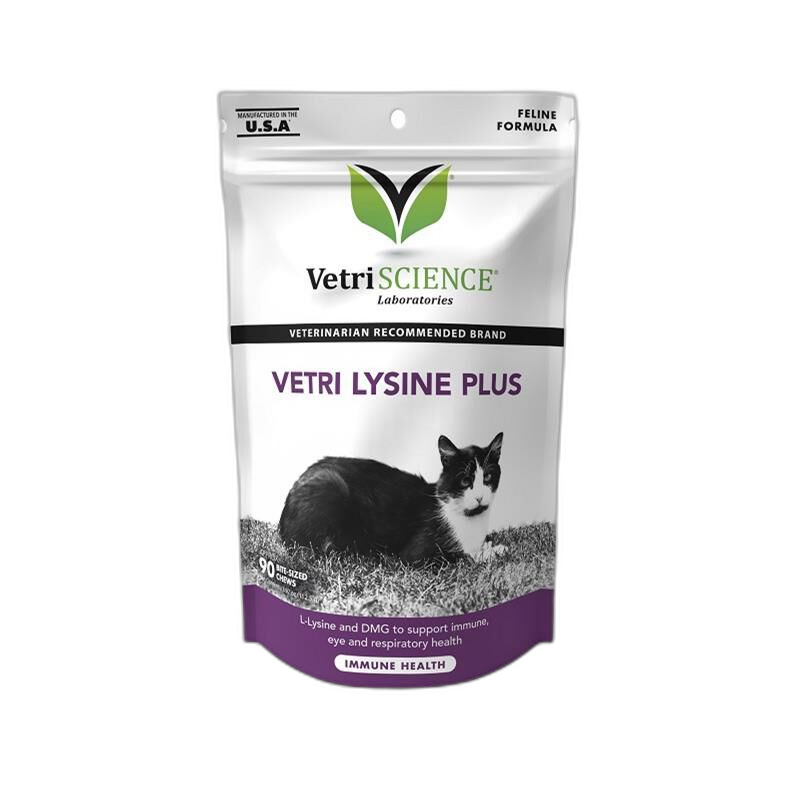
Among the various DMG supplements available, the Vetri DMG Formula is a prominent product specifically marketed for immune health in dogs and cats. This product typically comes in a liquid form, which can be appealing for pet owners as it allows for easy mixing with food or direct administration.
The core idea behind products like Vetri DMG is to provide a readily available source of Dimethylglycine to the pet's system. The liquid formulation often aims for quick absorption. For instance, a pet owner might choose this product if their cat is undergoing treatment for a chronic viral infection, or if their dog is experiencing seasonal allergies and they want to provide general immune system reinforcement. The practical implication is convenience and a potentially faster onset of action compared to solid forms. However, the exact bioavailability and absorption rates can vary between individual animals and formulations.
A trade-off with liquid supplements can sometimes be palatability; some pets might be finicky about the taste or texture. Edge cases might include pets with very sensitive stomachs, where even a small change in diet or supplement can cause digestive upset. In such scenarios, starting with a very small dose and gradually increasing it, or trying a different form (like a chewable tablet) might be necessary. The main benefit highlighted by manufacturers is the broad immune support, aiming to help pets maintain overall wellness and resilience.
Dimethylglycine (DMG) as a General Supplement
Beyond specific brand formulations, Dimethylglycine (DMG) itself is recognized as a general nutritional supplement. Its broad application stems from its fundamental role in methylation processes. When considering DMG for dogs or cats, pet owners are often looking for a multi-purpose supplement that can touch upon various aspects of health.
The core idea is that by supplying DMG, the body's natural biochemical pathways are better supported, leading to improved function across multiple systems. For example, a dog recovering from surgery might benefit from DMG's potential to support tissue repair and immune response. A cat with a dull coat might see improvements due to DMG's role in nutrient metabolism and cellular health.
Practical implications involve consistent daily administration. Because DMG is a nutrient, its effects are generally cumulative and require ongoing intake rather than episodic use. Trade-offs include the potential for minor digestive upset in sensitive animals, though this is relatively uncommon with DMG. Edge cases could involve pets on multiple medications or with pre-existing complex health conditions, where potential interactions or contraindications need to be discussed with a veterinarian. For instance, a pet with a known metabolic disorder might react differently to methyl donors, necessitating careful veterinary oversight. The general approach with DMG is often proactive — to maintain health rather than to treat acute illness.
VetriScience DMG Immunity Health for Dogs & Cats
VetriScience is another well-known brand offering DMG for pets, often emphasizing its role in immunity. Similar to other formulations, their DMG Immunity Health product aims to fortify a pet's natural defenses.
The core idea here is targeted immune system support. VetriScience, like other reputable brands, often conducts its own quality control and sometimes participates in studies to validate product claims. This can provide some reassurance to pet owners. For example, a pet owner might be considering this product for a senior cat who is more susceptible to infections, or for a dog that frequently attends doggy daycare and is exposed to various pathogens. The focus is on bolstering the immune system so the pet is better equipped to handle environmental stressors.
Practical implications include understanding the product's specific concentration and recommended serving size, as these can vary between brands and forms (liquid vs. Chew). The trade-off might be the price point, as specialized pet supplements can sometimes be more expensive than human-grade alternatives, though they are formulated with pet palatability and safety in mind. Edge cases might include pets with autoimmune conditions, where immune stimulation needs to be carefully managed under veterinary guidance. While DMG generally supports balanced immune function, any immune-modulating supplement should be used cautiously in such cases. The specific formulation from VetriScience often highlights its ease of use and palatability, aiming to make daily supplementation a stress-free experience for both pet and owner.
Dimethylglycine (DMG) for All Ages, Sizes & Breeds – 4oz
Many DMG products are marketed as suitable for "all ages, sizes & breeds," suggesting a broad applicability. A 4oz size often indicates a liquid formulation, providing a reasonable supply for consistent use.
The core idea behind this broad marketing is DMG's fundamental biochemical role, which is not typically breed-specific or age-restricted. It implies that from puppies and kittens to senior dogs and cats, the underlying need for methylation support and immune modulation could be beneficial. For example, a young, growing puppy might benefit from enhanced energy metabolism, while an older, arthritic cat might benefit from improved overall cellular function and immune resilience.
Practical implications involve adjusting the dosage based on the pet's weight, as larger animals will naturally require more. The packaging usually provides a clear dosing chart. A trade-off might be the perception that a single product can perfectly cater to every nuance of every pet's health, which isn't always the case. While universally applicable in a basic sense, individual pets may respond differently, and some might have specific needs that require more targeted intervention. Edge cases would include pets with severe allergies to specific inactive ingredients in the supplement, or those with very sensitive digestive systems that react to even minor changes. The "all ages, sizes & breeds" claim largely refers to the safety profile and the general biochemical relevance of DMG, rather than guaranteeing a specific outcome for every individual animal.
Dimethylglycine For Dogs
While DMG is often marketed for both dogs and cats, some products specifically highlight "Dimethylglycine For Dogs." This might indicate a formulation tailored to canine palatability or specific canine physiological needs, although the active ingredient remains the same.
The core idea is to address the specific health concerns and preferences of dog owners. Dogs, especially active breeds or those involved in competitive sports, might benefit more acutely from DMG's potential to enhance endurance and recovery. For example, a working dog might be given DMG to help maintain stamina during long training sessions, or a show dog might receive it to support overall vitality and a healthy coat.
Practical implications often revolve around the form of the supplement. Dogs might prefer chewable tablets or flavored liquids over unflavored powders. Trade-offs can include a potentially higher cost for dog-specific formulations if they contain additional ingredients or flavorings that increase manufacturing expense. Edge cases could involve dogs with very specific dietary restrictions or allergies, where checking the full ingredient list is crucial. While the benefits of DMG are similar across species, the presentation and marketing for dogs aim to resonate with canine-specific needs and owner preferences.
Benefits of DMG (Dimethylglycine) for Dogs and Cats
The potential benefits of DMG for dogs and cats span several physiological systems. These are largely attributed to its role as a methyl donor and its influence on metabolic pathways.
Immune System Support
DMG is perhaps best known for its purported immune-modulating properties. It's believed to enhance both humoral and cell-mediated immunity. This means it may help the body produce more antibodies to fight off infections and improve the function of immune cells like lymphocytes and macrophages. This can be particularly beneficial for:
- Puppies and kittens: Whose immune systems are still developing.
- Senior pets: Whose immune systems may be naturally declining.
- Pets under stress: Such as those in shelters, during travel, or after surgery, where immune function can be compromised.
- Pets with chronic infections: As an adjunct to veterinary treatment.
Enhanced Performance and Stamina
For active dogs and cats, DMG is theorized to improve oxygen utilization at the cellular level and reduce lactic acid buildup during exercise. This could lead to:
- Increased endurance: Allowing pets to sustain activity for longer periods.
- Faster recovery: Reducing muscle soreness and fatigue after exertion.
- Improved athletic performance: For working dogs, agility dogs, or even highly energetic companion animals.
Cardiovascular Health
Some research suggests DMG may play a role in supporting cardiovascular function. By assisting in various metabolic processes, it might contribute to the overall health of the heart and circulatory system. However, this area requires more specific research in companion animals.
Liver Support and Detoxification
DMG is involved in methylation, a critical process for liver detoxification. A healthy liver is essential for processing toxins and waste products from the body. Supporting these pathways can help maintain overall health, especially for:
- Pets exposed to environmental toxins: Or those on medications that stress the liver.
- Pets with liver conditions: Though always under veterinary guidance.
Neurological Function
As a methyl donor, DMG can contribute to the synthesis of neurotransmitters, which are chemicals that transmit signals in the brain. This might indirectly support cognitive function and mood balance. While not a primary claim for most pet supplements, it's an underlying biochemical effect.
Antioxidant Properties
DMG may also possess some antioxidant capabilities, helping to protect cells from damage caused by free radicals. This contributes to general cellular health and can slow down age-related cellular degeneration.
Dosage and Administration of DMG for Pets
Determining the correct dosage of DMG for dogs and cats is crucial for both efficacy and safety. Dosage recommendations vary based on the pet's weight, the specific product's concentration, and sometimes the individual animal's needs. Always follow the manufacturer's instructions on the product label and consult with a veterinarian.
General Dosage Guidelines (Illustrative, not prescriptive):
| Pet Weight Category | Typical Daily DMG Dosage Range (mg) | Example Product Serving (Liquid) | Example Product Serving (Chew) |
|---|---|---|---|
| Cats & Small Dogs (<10 lbs) | 15 - 30 mg | 0.5 - 1.0 ml | 0.5 chew |
| Medium Dogs (10-40 lbs) | 30 - 60 mg | 1.0 - 2.0 ml | 1 chew |
| Large Dogs (40-80 lbs) | 60 - 90 mg | 2.0 - 3.0 ml | 1.5 chews |
| Giant Dogs (>80 lbs) | 90 - 120 mg | 3.0 - 4.0 ml | 2 chews |
Note: These are general ranges for informational purposes only. ALWAYS refer to the specific product label and consult your veterinarian for precise dosing.
Administration Tips:
- Liquid Form: Can be given directly into the mouth using a dropper or syringe, or mixed with a small amount of food. This form is often preferred for cats and small dogs.
- Chewable Tablets/Soft Chews: Can be given as a treat. Ensure the pet consumes the entire chew.
- Powder Form: Usually mixed thoroughly into wet food.
Important Considerations:
- Start Low, Go Slow: If a pet has a sensitive stomach, begin with a lower dose and gradually increase to the recommended amount over several days.
- Consistency: For best results, DMG should be administered consistently every day.
- Veterinary Consultation: Before starting any new supplement, especially if your pet has pre-existing health conditions or is on other medications, consult your veterinarian. They can provide personalized advice and ensure there are no contraindications.
Safety Guide for DMG (Dimethylglycine) in Pets
DMG is generally considered safe for dogs and cats when administered at recommended dosages. It has a relatively low toxicity profile. However, like any supplement, potential side effects and safety considerations exist.
Potential Side Effects:
- Gastrointestinal Upset: The most common side effect, though rare, can include mild diarrhea, vomiting, or loss of appetite. This is often transient and can sometimes be mitigated by giving DMG with food or reducing the dose.
- Hyperactivity: In some very rare cases, pets might exhibit increased energy or restlessness. This could be due to the stimulating effects of improved metabolism.
- Allergic Reactions: As with any product, an individual pet could have an allergic reaction to DMG or other inactive ingredients in the supplement. Signs might include itching, hives, swelling, or difficulty breathing (though this is extremely rare).
Contraindications and Interactions:
- Pregnant or Lactating Animals: The safety of DMG in pregnant or lactating animals has not been extensively studied. It's generally advised to avoid its use or use only under strict veterinary supervision in these cases.
- Pets with Autoimmune Diseases: While DMG supports immune function, in pets with certain autoimmune conditions, immune stimulation might be contraindicated. Discussion with a veterinarian is essential.
- Medication Interactions: While no significant drug interactions with DMG have been widely reported, it's prudent to inform your veterinarian about all supplements and medications your pet is receiving to avoid potential issues.
- Kidney or Liver Disease: Pets with severe kidney or liver disease should only receive DMG under veterinary guidance, as their metabolic processes might be compromised.
Quality and Sourcing:
- Reputable Manufacturers: Choose DMG supplements from reputable manufacturers that adhere to good manufacturing practices (GMP). This helps ensure product purity, potency, and safety.
- Third-Party Testing: Some brands voluntarily submit their products for third-party testing, which can provide an additional layer of assurance regarding quality and ingredient accuracy.
- Ingredient List: Always review the full ingredient list to ensure there are no known allergens or undesirable additives for your pet.
In summary, DMG is a well-tolerated supplement for most dogs and cats. Adhering to recommended dosages and consulting with a veterinarian, especially for pets with underlying health conditions, are the primary steps to ensure its safe and beneficial use.
Frequently Asked Questions
What is Dimethylglycine used for?
Dimethylglycine (DMG) is used as a nutritional supplement primarily to support immune system function, enhance physical performance and stamina, aid in detoxification processes, and contribute to overall cellular health in animals and humans. It acts as a methyl donor, participating in various essential biochemical reactions in the body.
What is Metrogyl used for in dogs?
Metrogyl is a brand name for a medication containing Metronidazole. Metronidazole is an antibiotic and antiprotozoal drug commonly used in dogs to treat various conditions, including: Gastrointestinal infections: Such as those caused by Giardia* or other anaerobic bacteria.
- Inflammatory Bowel Disease (IBD): To help manage bacterial overgrowth.
- Diarrhea: Often effective for certain types of chronic or acute diarrhea.
- Dental infections: And other infections caused by anaerobic bacteria.
Metrogyl (Metronidazole) is a prescription medication and should only be used under the direction and supervision of a veterinarian. It is entirely different from Dimethylglycine (DMG).
Conclusion
DMG (Dimethylglycine) presents itself as a versatile nutritional supplement for dogs and cats, primarily valued for its potential to bolster immune function, enhance physical endurance, and support detoxification pathways. Its role as a methyl donor underpins these varied benefits, making it an appealing option for pet owners seeking to support their animals' overall health and resilience.
While generally considered safe and well-tolerated, responsible supplementation requires careful attention to dosage, product quality, and individual pet needs. Consulting with a veterinarian before introducing DMG, especially for pets with existing health conditions or those on other medications, is always recommended. For the curious pet owner looking to provide an additional layer of support for their companion's well-being, DMG offers a scientifically grounded approach to nutritional enhancement.
Products Containing DMG (Dimethylglycine)
Top-rated supplements featuring this ingredient, ranked by our PSI+ score.