Hawthorn Berry Extract
cardiovascular
Hawthorn berry extract has gained attention as a potential supplement for supporting cardiovascular health in both humans and animals. For dog and cat owners exploring natural ways to support their pets' well-being, understanding the current evidence surrounding hawthorn berry extract is crucial. This guide examines the properties of hawthorn, its proposed benefits, considerations for use in pets, and what the available information suggests about its role in pet supplements.
Understanding Hawthorn Berry Extract for Dogs and Cats
Hawthorn (Crataegus species) refers to a group of thorny shrubs and trees in the rose family. The berries, leaves, and flowers of certain hawthorn species have been used in traditional medicine for centuries, primarily for heart-related conditions. The extract is rich in bioactive compounds, including flavonoids (such as vitexin, rutin, and hyperoside) and proanthocyanidins, which are believed to be responsible for its therapeutic effects.
When considering hawthorn berry extract for dogs and cats, the core idea revolves around its potential to support the cardiovascular system. This support is generally thought to manifest through several mechanisms:
- Improved Cardiac Muscle Function: Some research suggests hawthorn may enhance the contractility of the heart muscle, leading to more efficient pumping of blood.
- Vasodilation: It might help relax blood vessels, which could reduce resistance to blood flow and lower blood pressure.
- Antioxidant Properties: The flavonoids in hawthorn act as antioxidants, helping to protect heart cells from oxidative damage.
- Anti-inflammatory Effects: Reduced inflammation can contribute to overall cardiovascular health.
For pet owners, the practical implications are that hawthorn is often considered for senior pets, breeds predisposed to heart conditions, or those with early signs of cardiac weakness. It's not typically presented as a cure for advanced heart disease but rather as a supportive agent.
A key trade-off is that while hawthorn is generally considered mild, it is not a substitute for conventional veterinary care or prescribed medications for diagnosed heart conditions. Its role is often complementary. For example, a dog with early-stage mitral valve disease might be a candidate for a hawthorn supplement under veterinary guidance, whereas a dog in congestive heart failure would require immediate and aggressive pharmaceutical intervention.
Hawthorn Berry Herbal Tonics: Supporting Cardiovascular Health
Herbal tonics containing hawthorn berry extract are formulated to offer cardiovascular support. These products often combine hawthorn with other botanicals or nutrients known for heart health benefits, such as L-carnitine, taurine, or coenzyme Q10. The rationale behind such combinations is to create a , where the ingredients work together to provide more comprehensive support than hawthorn alone.
The primary goal of a hawthorn berry herbal tonic is to maintain the normal function of the heart and circulatory system. This can be particularly relevant for:
- Aging pets: As pets age, their cardiovascular system can become less efficient.
- Pets under stress: Stress can impact heart health.
- Breeds prone to certain heart conditions: Some breeds, like Cavalier King Charles Spaniels, Doberman Pinschers, and Boxers, have a higher incidence of specific cardiac issues.
When evaluating these tonics, pet owners should look for transparency in ingredients and concentrations. A common issue with herbal supplements is variability in potency. A reputable product will specify the standardized extract content (e.g., guaranteed levels of vitexin or proanthocyanidins), indicating a consistent amount of the active compounds. Without standardization, the amount of beneficial compounds can vary significantly from batch to batch, making it difficult to predict efficacy or determine appropriate dosing.
For example, if a tonic lists "hawthorn berry extract" without further detail, it's less reliable than one stating "Hawthorn Berry Extract (standardized to 2% vitexin)." The latter provides a measurable benchmark for the active ingredient.
Hawthorn: A Closer Look at the Plant and Its Compounds
The term "hawthorn" encompasses several species, with Crataegus monogyna (common hawthorn) and Crataegus laevigata (midland hawthorn) being among the most studied for their medicinal properties. While the berries are the most recognized part, extracts can also be made from the leaves and flowers, which often contain higher concentrations of certain flavonoids.
The key compounds responsible for hawthorn's effects include:
- Flavonoids: These powerful antioxidants help reduce oxidative stress, which contributes to cellular damage, including in the heart. They also play a role in relaxing blood vessels.
- Proanthocyanidins (oligomeric procyanidins - OPCs): These compounds are thought to improve blood flow, strengthen blood vessel walls, and possess antioxidant properties.
The mechanism by which these compounds exert their effects on the heart is complex and involves multiple pathways. They are believed to:
- Increase coronary blood flow: By dilating coronary arteries, more oxygen-rich blood can reach the heart muscle.
- Improve cardiac contractility: They may enhance the heart's ability to pump blood more forcefully without increasing oxygen demand unnecessarily.
- Reduce peripheral vascular resistance: By relaxing blood vessels throughout the body, the heart doesn't have to work as hard to circulate blood.
It's important to differentiate between general hawthorn products and standardized extracts. A simple powder of dried hawthorn berries might offer some nutritional benefits, but a standardized extract ensures a consistent level of the active pharmacological compounds, crucial for any potential therapeutic effect. When choosing a supplement, look for evidence of standardization on the label.
Hawthorn For Dogs: Benefits And Uses
The potential benefits of hawthorn berry extract for dogs primarily center on cardiovascular health. These benefits are often discussed in the context of supporting an aging heart or providing proactive support for breeds prone to heart issues.
Specific benefits and uses often cited include:
- Support for mild to moderate congestive heart failure (CHF) stages: While not a primary treatment, some veterinarians might consider hawthorn as an adjunctive therapy in early stages of CHF, particularly when conventional medications are not yet fully indicated or as a complementary approach.
- Arrhythmia management: Hawthorn may help stabilize heart rhythm, though its effect is generally considered mild compared to pharmaceutical antiarrhythmics.
- Hypertension (high blood pressure) support: By promoting vasodilation, it could contribute to lowering blood pressure.
- General cardiac tonic: For older dogs without a specific diagnosis but showing signs of age-related cardiac decline (e.g., reduced stamina), hawthorn is sometimes used as a general heart tonic to support overall function.
- Post-operative cardiac support: In some cases, it might be used to aid recovery after cardiac procedures, though this would be strictly under veterinary supervision.
It's important to understand that these potential benefits come from human studies and traditional use, as large-scale, peer-reviewed veterinary clinical trials specifically on dogs and cats are limited. Therefore, recommendations are often extrapolated from other research or based on anecdotal evidence and smaller studies.
For example, a scenario where hawthorn might be considered is a 10-year-old Labrador Retriever with a newly detected heart murmur but no overt clinical signs of heart disease. In such a case, a veterinarian might discuss a hawthorn supplement as part of a proactive management plan, alongside regular monitoring. Conversely, a dog presenting with severe coughing, lethargy, and fluid in the lungs due to advanced CHF would require immediate diuresis, ACE inhibitors, and other aggressive medications, with hawthorn playing a minimal or no role in the acute crisis.
Hawthorn For Dogs: Heart Support And Other Benefits
Beyond direct cardiac support, hawthorn is sometimes discussed for other potential benefits, though the evidence for these in pets is even more limited.
Primary Heart Support Mechanisms:
- Improved blood flow: By relaxing and widening blood vessels, hawthorn can enhance circulation throughout the body, benefiting not just the heart but also other organs.
- Antioxidant protection: The robust antioxidant profile helps protect cells from damage caused by free radicals, which are implicated in various age-related diseases, including those affecting the heart.
- Reduced inflammation: Chronic inflammation is a known contributor to many diseases, including cardiovascular ones. Hawthorn's anti-inflammatory properties could offer a protective effect.
Other Potential (Less Substantiated) Benefits:
- Anxiety reduction: Some traditional uses suggest hawthorn has mild sedative properties, potentially aiding in calming anxious animals. However, this is largely anecdotal for pets.
- Digestive aid: Occasionally, it's mentioned for mild digestive support, but this is not its primary recognized benefit.
- Immune system modulation: Like many plant compounds, hawthorn may have some immune-modulating effects, but this is not a primary reason for its use in pet supplements.
When evaluating claims of "other benefits," pet owners should exercise caution. The primary scientific focus and traditional use of hawthorn remain firmly on cardiovascular health. Any other purported benefits should be viewed with skepticism until robust veterinary research supports them.
For instance, if a supplement claims hawthorn will cure your dog's arthritis and heart condition, it's a red flag. While general antioxidant and anti-inflammatory properties might indirectly support overall health, attributing specific cures for conditions outside its primary cardiac focus is an overstatement.
Hawthorn Berry For Dogs: Dosage, Safety, and Considerations
Administering hawthorn berry extract to dogs requires careful consideration of dosage, potential side effects, and interactions with other medications. This section compares different forms of hawthorn and provides a framework for safe use.
Dosage Considerations
There is no universally established, FDA-approved dosage for hawthorn berry extract in dogs and cats. Dosages are typically extrapolated from human studies, traditional veterinary herbalism, or manufacturer recommendations. These can vary significantly based on:
- Concentration of the extract: A 1:2 tincture will require a different dose than a 1:5 tincture or a standardized powdered extract.
- Formulation: Liquid extracts, capsules, or chewable tablets will have different concentrations.
- Pet's weight and condition: Larger dogs will require more than smaller dogs, and the specific cardiac condition might influence the suggested dose.
A common starting point for liquid hawthorn extracts (e.g., tinctures) often falls in the range of 0.25 ml to 0.5 ml per 20-25 lbs (9-11 kg) of body weight, given 1-2 times daily. For powdered extracts or capsules, doses might range from 50 mg to 200 mg per 20-25 lbs (9-11 kg) of body weight, 1-2 times daily. These are general guidelines only and must be discussed with a veterinarian.
Safety and Side Effects
Hawthorn is generally considered safe for pets when used appropriately. However, potential side effects, though rare, can include:
- Gastrointestinal upset: Mild nausea, vomiting, or diarrhea.
- Sedation: In some sensitive animals or at higher doses.
- Hypotension: A drop in blood pressure, especially if combined with other hypotensive medications.
Crucially, hawthorn should never be given to a pet with a diagnosed heart condition without prior consultation with a veterinarian, especially a veterinary cardiologist. This is because hawthorn can interact with conventional cardiac medications.
Drug Interactions
This is perhaps the most critical safety consideration. Hawthorn can interact with:
- Cardiac glycosides (e.g., digoxin): Hawthorn may potentiate the effects of digoxin, leading to toxicity.
- Blood pressure medications (e.g., ACE inhibitors, beta-blockers): Hawthorn can enhance their hypotensive effects, potentially causing excessively low blood pressure.
- Antiarrhythmics: It may alter the effects of medications used to stabilize heart rhythm.
- Anticoagulants/Antiplatelet drugs: While less pronounced than some other herbs, hawthorn might have mild antiplatelet effects, theoretically increasing the risk of bleeding when combined with blood thinners.
Comparison of Hawthorn Supplement Forms
| Feature | Liquid Extract (Tincture) | Powdered Extract (Capsule/Tablet) | Dried Berry Powder |
|---|---|---|---|
| Concentration | Often higher, more potent per drop | Can be standardized, consistent dose per unit | Variable, lower concentration of active compounds |
| Absorption | Potentially faster due to liquid form | Good, especially if encapsulated | Slower, less efficient |
| Dosage Control | Easier to adjust small increments | Fixed dose per unit, less flexible for small changes | Difficult to dose accurately |
| Palatability | Can be mixed with food, some pets dislike taste | Can be hidden in food or given directly | Can be mixed with food, less potent taste |
| Standardization | Look for explicit standardization (e.g., 1:2 ratio) | Crucial for consistent efficacy (e.g., % vitexin) | Rarely standardized, less predictable |
| Cost | Varies, can be more expensive per dose | Varies | Generally less expensive, but less effective |
Veterinary Consultation is Paramount
Before introducing any hawthorn berry extract supplement into your pet's regimen, a thorough discussion with your veterinarian is essential. They can:
- Accurately diagnose your pet's cardiac health.
- Advise on whether hawthorn is appropriate for their specific condition.
- Help determine a safe and effective starting dose.
- Monitor for potential interactions with existing medications.
- Recommend reputable brands and formulations.
Self-medicating with hawthorn, especially for a pet with a known heart condition, carries risks that outweigh the potential benefits.
FAQ
Is hawthorn extract safe for dogs?
Hawthorn extract is generally considered safe for dogs when used appropriately and under veterinary guidance. Side effects are rare and usually mild, such as gastrointestinal upset. However, it's crucial to consult a veterinarian before administering it, especially if your dog has a pre-existing heart condition or is on other medications, due to potential drug interactions.
What are the negative side effects of hawthorn berry?
The most common negative side effects of hawthorn berry in pets are mild gastrointestinal disturbances like nausea, vomiting, or diarrhea. In some cases, it might cause mild sedation or a drop in blood pressure, particularly if given in high doses or alongside other blood pressure-lowering medications. Serious side effects are uncommon but can occur if hawthorn interacts negatively with other heart medications.
How much hawthorn berry to give a dog?
There is no universally established dosage for hawthorn berry in dogs, and it varies greatly depending on the product's concentration, the dog's weight, and its specific health condition. General guidelines often suggest a starting point of 0.25 ml to 0.5 ml of a liquid extract per 20-25 lbs of body weight, given 1-2 times daily, or 50-200 mg of a powdered extract per 20-25 lbs, 1-2 times daily. However, these are approximations. Always consult your veterinarian to determine the correct and safe dosage for your individual dog.
Conclusion
Hawthorn berry extract presents an intriguing option for supporting cardiovascular health in dogs and cats, particularly as a complementary approach for aging pets or those with early signs of cardiac weakness. Its potential benefits stem from its rich content of flavonoids and proanthocyanidins, which may improve heart muscle function, dilate blood vessels, and offer antioxidant protection.
However, the use of hawthorn in pets is not a substitute for conventional veterinary care. Its efficacy is best realized when integrated thoughtfully into a comprehensive health plan, under the supervision of a veterinarian. Pet owners considering hawthorn should prioritize products with standardized extracts, understand the importance of appropriate dosing, and be acutely aware of potential interactions with other medications. A proactive conversation with your vet about your pet's specific needs and health status is the most reliable path to determining if hawthorn berry extract is a suitable addition to their wellness regimen.
Products Containing Hawthorn Berry Extract
Top-rated supplements featuring this ingredient, ranked by our PSI+ score.
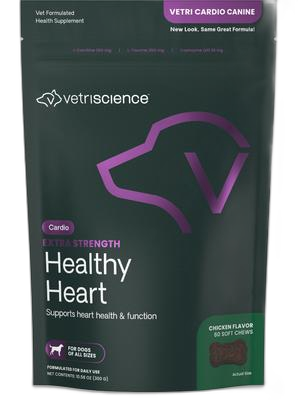
Vetri Cardio Extra Strength Healthy Heart Chicken Flavored Chews Supplement for Dogs
VetriScience
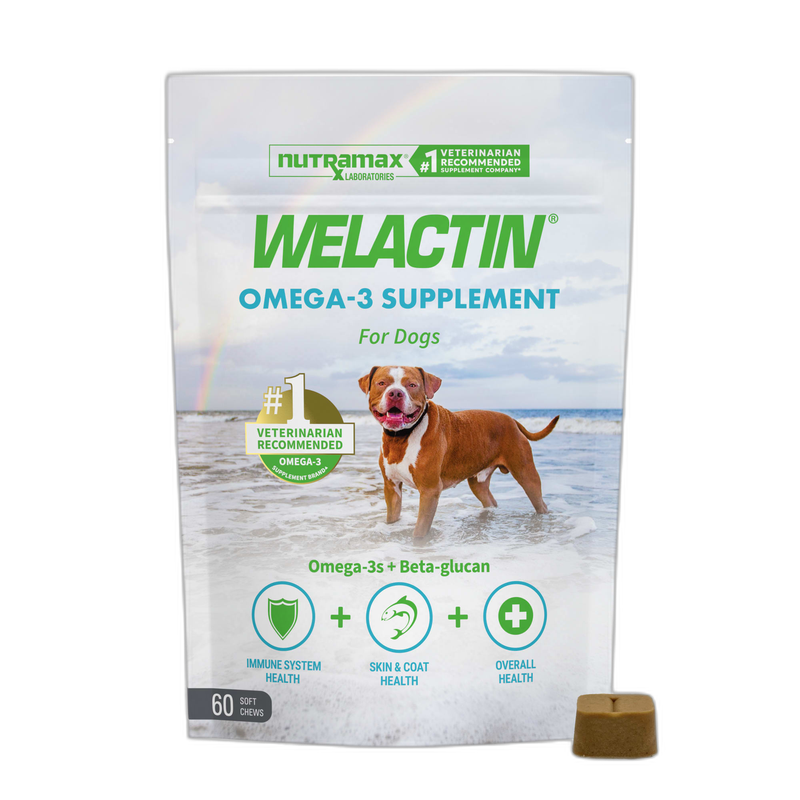
VetriScience Cardio Strength Heart Support for Dogs
VetriScience
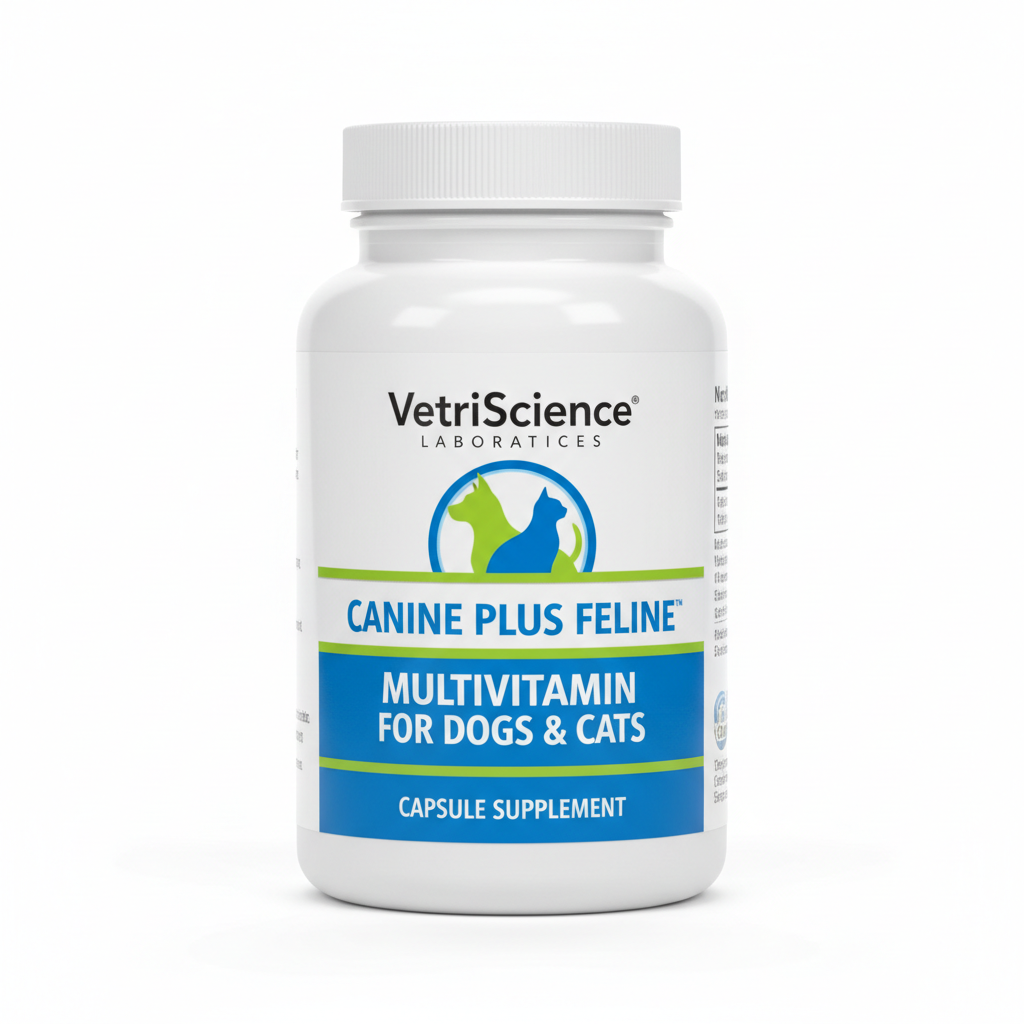
VetriScience Laboratories Cardio Strength
VetriScience Laboratories
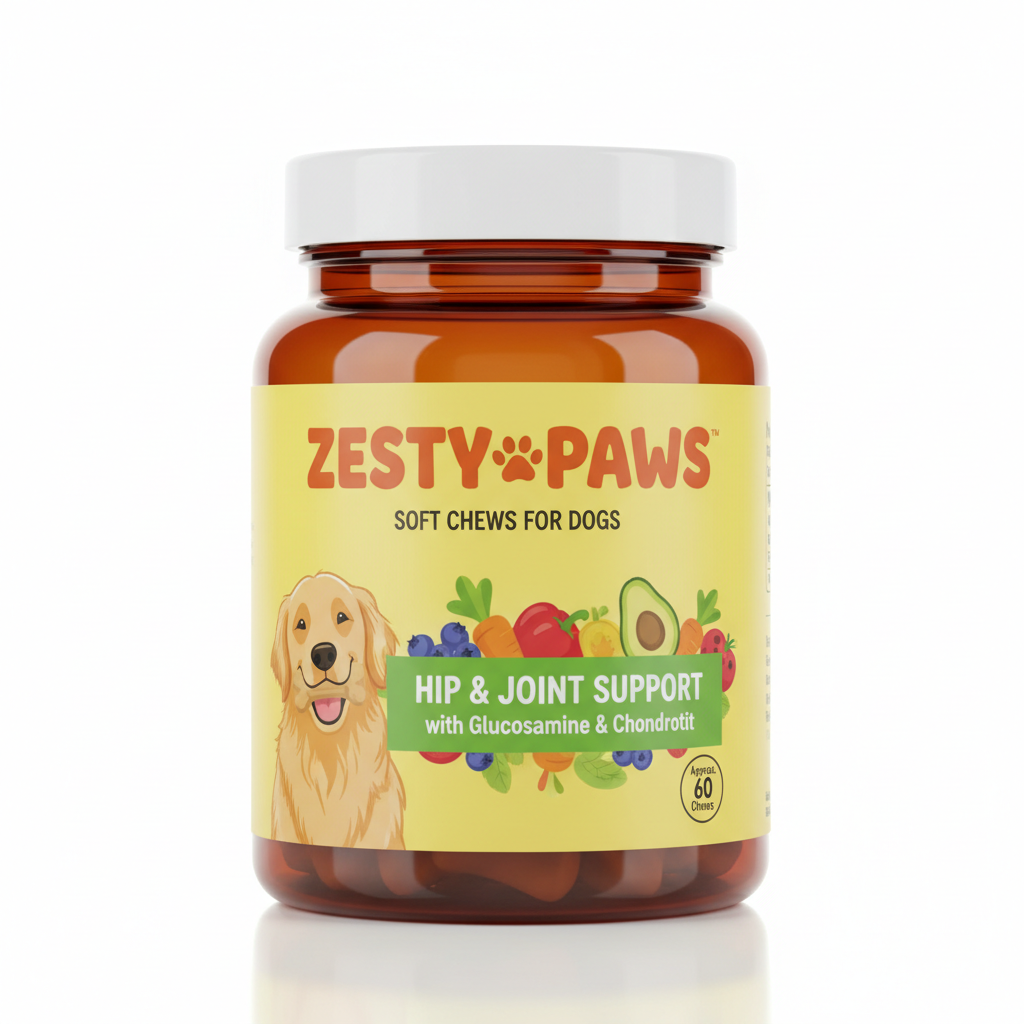
Zesty Paws Cardio Support
Zesty Paws
Mighty Petz Heart Support Supplement for Dogs - CoQ10, Taurine, L-Carnitine
Mighty Petz
Strawfield Pets Heart Support Supplement for Dogs - CoQ10, Taurine, L-Carnitine
Strawfield Pets
StrellaLab Heart Support Supplement for Dogs - CoQ10, Taurine, L-Carnitine
StrellaLab
Petaxin Heart Support Supplement for Dogs - CoQ10, Taurine, L-Carnitine
Petaxin