Hemp Seed Powder
fatty acid
Many pet owners are exploring natural supplements for their animals' health. Among these, hemp seed powder for dogs and cats has gained attention. This guide examines what hemp seed powder is, its potential benefits, and how it compares to other common pet supplements, offering an evidence-based perspective for informed decision-making.
What is Hemp Seed Powder?
Hemp seed powder is derived from the seeds of the Cannabis sativa plant. Unlike other parts of the cannabis plant, hemp seeds contain only trace amounts of tetrahydrocannabinol (THC), the psychoactive compound. This means hemp seed powder will not cause a "high" in pets. The seeds are typically cold-pressed to extract their oil, and the remaining solid material is then ground into a fine powder. This powder is a concentrated source of protein, fiber, and various micronutrients.
For pets, hemp seed powder is primarily valued for its nutritional profile rather than any medicinal properties associated with other cannabis compounds like CBD. It's a plant-based ingredient that can be added to food or incorporated into commercial pet supplements.
Nutritional Profile of Hemp Seeds
Understanding the components of hemp seeds helps clarify their potential role in pet health.
| Nutrient Category | Key Components | Potential Benefit for Pets |
|---|---|---|
| Protein | Complete protein (all 9 essential amino acids) | Muscle repair and growth, enzyme production, healthy immune function |
| Fiber | Soluble and insoluble fiber | Digestive health, bowel regularity, satiety |
| Fatty Acids | Omega-3 (alpha-linolenic acid - ALA), Omega-6 (linoleic acid - LA, gamma-linolenic acid - GLA), Stearidonic Acid (SDA) | Skin and coat health, anti-inflammatory support, cardiovascular health |
| Vitamins | Vitamin E, B vitamins (folate, thiamine, riboflavin) | Antioxidant, energy metabolism, nerve function |
| Minerals | Magnesium, phosphorus, potassium, zinc, iron, calcium | Bone health, nerve transmission, red blood cell formation, immune support |
| Antioxidants | Tocopherols, tocotrienols | Cellular protection against oxidative stress |
One of the most frequently discussed aspects of hemp seeds is their fatty acid profile. They contain a favorable ratio of omega-6 to omega-3 fatty acids, typically around 3:1. This balance is often considered beneficial for reducing inflammation in the body, although the exact impact can vary.
Potential Health Benefits of Hemp Seeds for Dogs and Cats
The nutrient density of hemp seed powder translates into several potential health advantages for pets.
Digestive Health
The fiber content in hemp seed powder can support a healthy digestive system. Both soluble and insoluble fibers contribute to gut motility and the formation of healthy stool. Soluble fiber can also act as a prebiotic, feeding beneficial gut bacteria, while insoluble fiber adds bulk, aiding in regular bowel movements. For pets prone to constipation or mild digestive upset, a consistent source of dietary fiber can be helpful.
Skin and Coat Health
The omega fatty acids, particularly ALA and GLA, are crucial for maintaining healthy skin and a shiny coat. Omega-3s help reduce inflammation, which can manifest as dry, itchy skin or excessive shedding. Omega-6s, when balanced with omega-3s, contribute to the skin's barrier function, helping to retain moisture and protect against environmental irritants. Pets with dull coats, dandruff, or non-allergic skin irritation might see improvement with regular supplementation.
Muscle and Overall Vitality
As a complete protein source, hemp seed powder can contribute to muscle maintenance and overall energy levels. This is particularly relevant for active dogs, senior pets who might be losing muscle mass, or those needing extra protein for recovery. The B vitamins also play a role in energy metabolism, helping the body convert food into usable energy.
Anti-inflammatory Support
While hemp seed powder does not contain CBD, its omega fatty acid profile, particularly the presence of GLA and a balanced omega-3 to omega-6 ratio, may offer some anti-inflammatory benefits. Chronic inflammation can contribute to various health issues in pets, including joint discomfort and skin conditions. However, it's important to differentiate this from the more potent anti-inflammatory effects associated with CBD.
Hemp Seed Powder vs. Other Omega-3 Sources
Many pet owners seek omega-3 supplementation for their animals. It's helpful to compare hemp seed powder to other common sources like fish oil.
Fish Oil (Omega-3 for Dogs and Cats)
Fish oil, typically derived from fatty fish like salmon, mackerel, and sardines, is rich in two critical omega-3 fatty acids: Eicosapentaenoic Acid (EPA) and Docosahexaenoic Acid (DHA). These are "pre-formed" omega-3s, meaning the pet's body can utilize them directly without conversion.
- EPA is known for its potent anti-inflammatory effects, supporting joint health, skin health, and cardiovascular function.
- DHA is vital for brain and eye development, making it especially important for puppies, kittens, and senior pets.
Hemp Seed Powder (Omega-3 for Dogs and Cats)
Hemp seed powder contains Alpha-Linolenic Acid (ALA), which is a plant-based omega-3. For pets to utilize ALA, their bodies must convert it into EPA and DHA. This conversion process is often inefficient in both dogs and cats, with conversion rates varying significantly. Cats, in particular, have a very limited ability to convert ALA to EPA and DHA.
| Feature | Hemp Seed Powder | Fish Oil (e.g., Salmon Oil) |
|---|---|---|
| Primary Omega-3s | ALA (Alpha-Linolenic Acid) | EPA (Eicosapentaenoic Acid), DHA (Docosahexaenoic Acid) |
| Bioavailability | Requires conversion to EPA/DHA; less efficient | Directly usable by the body (pre-formed EPA/DHA) |
| Other Nutrients | High in protein, fiber, vitamins, minerals | Primarily fatty acids; some Vitamin E (if added) |
| Source | Plant-based (Hemp seeds) | Animal-based (Fatty fish) |
| Taste/Palatability | Mild, nutty; generally well-accepted | "Fishy" odor/taste; varies by pet |
| Environmental Impact | Generally lower carbon footprint | Concerns about overfishing, sustainability of sources |
| Specific Benefits | Digestive health, complete protein, skin/coat | Strong anti-inflammatory, brain/eye development, skin/coat |
Conclusion on Comparison: While hemp seed powder offers a range of nutrients, including ALA, it is not a direct substitute for fish oil when the primary goal is to provide high levels of readily available EPA and DHA. For targeted anti-inflammatory effects or support for brain and eye development, fish oil remains a more potent source. Hemp seed powder serves better as a general nutritional booster, contributing to overall well-being alongside other dietary components.
Hemp Seed Protein Pellets: A Plant-Based Supplement
Beyond powder, hemp is also processed into pellets or "hearts" (shelled seeds). Hemp seed protein pellets are essentially a more concentrated form of the protein and fiber found in the powder, often with less fat.
Plant-Based Protein Source
For pet owners looking to supplement their animal's diet with plant-based protein, hemp seed protein pellets or powder can be an option. This is particularly relevant for dogs on vegetarian or vegan diets (under veterinary supervision) or those with sensitivities to common animal proteins. The complete amino acid profile makes it a valuable addition.
Considerations for Pellets
While beneficial for protein, pellets might offer fewer omega fatty acids compared to whole hemp seeds or the powder derived from them, as some of the oil might have been removed during processing. Always check the specific nutritional analysis of the product.
Can Dogs and Cats Eat Hemp Seeds?
Yes, dogs and cats can generally eat hemp seeds, whether in powder, shelled (hemp hearts), or pellet form.
Safety Profile
Hemp seeds themselves are considered safe for pets. As mentioned, they contain only trace amounts of THC, far below any level that would cause intoxication. The primary concerns revolve around proper dosage and ensuring the product is pure hemp seed without added ingredients that could be harmful.
Potential Side Effects
While rare, some pets might experience mild digestive upset (e.g., loose stools, gas) when first introduced to hemp seed powder, especially if given in large quantities. This is often due to the fiber content. Introducing it gradually can help mitigate these issues. As with any new food or supplement, monitor your pet for any adverse reactions.
Hemp Seed Powder Dosage for Dogs and Cats
Determining the correct dosage of hemp seed powder for dogs and cats is important, as individual needs can vary. There is no universally established "official" dosage, so it's often based on product recommendations or general guidelines for similar supplements.
General Guidelines
- Start Low, Go Slow: Begin with a small amount and gradually increase over a week or two. This allows your pet's digestive system to adjust.
- Follow Product Instructions: Reputable manufacturers of hemp seed powder for pets will usually provide dosage recommendations based on the pet's weight. This is the best starting point.
- Consider Pet Size: Larger dogs will naturally require more than smaller dogs or cats.
Example Dosage (Consult Product Label & Vet)
While specific product labels are paramount, here's a rough example often seen for plain hemp seed powder:
| Pet Weight (Approx.) | Daily Dosage (Hemp Seed Powder) |
|---|---|
| Cats (all sizes) | 1/4 - 1/2 teaspoon |
| Small Dogs (up to 25 lbs) | 1/2 - 1 teaspoon |
| Medium Dogs (26-50 lbs) | 1 - 2 teaspoons |
| Large Dogs (51-100 lbs) | 2 - 3 teaspoons |
| Giant Dogs (over 100 lbs) | 3+ teaspoons |
These are illustrative examples only. Always refer to the specific product's instructions and consult with your veterinarian.
When to Consult a Veterinarian
- Pre-existing Conditions: If your pet has any health conditions, especially liver or kidney issues, or is on medication, consult your vet before adding any new supplement.
- Adverse Reactions: If your pet shows any signs of discomfort, vomiting, diarrhea, or allergic reactions, discontinue use and contact your vet.
- Uncertainty: If you're unsure about the appropriate dosage or whether hemp seed powder is right for your pet, a vet can provide tailored advice.
Hemp Powder for Pets by Healing Leaf (and other brands)
The market for pet supplements, including hemp-based products, is expanding. Brands like "Healing Leaf" (as mentioned in the SERP context) and numerous others offer various hemp seed powder products.
What to Look for in a Product
When choosing a hemp seed powder supplement for your pet, consider these factors:
- Organic: Opt for organic whenever possible to minimize pesticide exposure.
- Third-Party Testing: Look for products that provide certificates of analysis (COAs) from independent labs. This verifies the product's purity, confirms the absence of heavy metals, pesticides, and molds, and ensures the THC content is negligible.
- Origin: Knowing where the hemp is grown can provide insight into quality standards.
- Simple is Better: Ideally, the ingredient list should be "100% Hemp Seed Powder" or "Organic Hemp Seed Powder." Avoid products with unnecessary fillers, artificial flavors, or preservatives.
- Nutritional Information: Check the guaranteed analysis for protein, fat, fiber, and omega fatty acid content.
- Powder vs. Hearts vs. Oil: Decide which form best suits your pet's needs and your preference for administration. Powder is easy to mix into food.
- Research the brand. Check reviews, look for transparency in their manufacturing processes, and see if they have veterinary endorsements or affiliations.
- Hemp products, especially oils, can be sensitive to light and heat. Ensure the product provides clear storage instructions to maintain freshness and potency.
Hemp for Dogs: Unveiling the Multifaceted Health Benefits
Beyond the specific components, the overall contribution of hemp seed powder to a pet's diet can be seen as holistic. It's not a magic bullet, but a versatile nutritional supplement.
A Dietary Enhancer
Think of hemp seed powder as a "superfood" additive rather than a targeted medication. It provides a broad spectrum of nutrients that might be missing or insufficient in a standard commercial pet food, even high-quality ones.
Support for Aging Pets
Senior dogs and cats can particularly benefit from the protein for muscle maintenance, fiber for digestive regularity, and omega fatty acids for skin, coat, and general inflammatory support. As pets age, their ability to absorb nutrients can decrease, making nutrient-dense supplements more valuable.
Complementary to Other Treatments
Hemp seed powder can work alongside other treatments or supplements. For instance, if a pet is on a joint supplement, the anti-inflammatory properties of hemp seed powder's fatty acids might offer complementary support, though they won't replace targeted joint care.
FAQs About Hemp Seed Powder for Pets
Is hemp seed powder safe for dogs?
Yes, hemp seed powder is generally considered safe for dogs. It contains only trace amounts of THC, so it will not cause any psychoactive effects. The primary concerns relate to ensuring you use a pure product and introducing it gradually to avoid mild digestive upset. Always check the product's purity and ingredient list.
What is the one meat to never feed a dog?
While not directly related to hemp seed powder, this is a common question among pet owners regarding diet. The "one meat to never feed a dog" is not a specific type of meat, but rather any meat that is spoiled or raw/under-cooked and contaminated with harmful bacteria (like Salmonella or E. Coli). Also, highly processed meats with excessive salt, nitrates, or spices should be avoided. Cooked, plain, lean meats are generally safe and often beneficial for dogs.
Are hemp seeds ok for gastritis?
The suitability of hemp seeds for a pet with gastritis is nuanced. Gastritis (inflammation of the stomach lining) often requires a bland, easily digestible diet. While hemp seeds are nutritious, their fiber and fat content could potentially irritate a sensitive stomach in some cases. If your pet has gastritis, it is crucial to consult with your veterinarian before introducing any new supplement, including hemp seeds or powder. Your vet can advise based on the severity of the condition and your pet's individual tolerance.
Conclusion
Hemp seed powder is a promising nutritional supplement for dogs and cats, offering a rich source of protein, fiber, and a balanced profile of omega fatty acids. While not a replacement for targeted omega-3 supplementation (like fish oil for EPA and DHA), it serves as an excellent plant-based dietary enhancer. Pet owners looking to support their animal's digestive health, skin and coat condition, and overall vitality through a natural, nutrient-dense ingredient may find hemp seed powder a valuable addition to their pet's diet. As with any supplement, starting with a low dose, adhering to product guidelines, and consulting with a veterinarian are key steps to ensure safety and efficacy.
Products Containing Hemp Seed Powder
Top-rated supplements featuring this ingredient, ranked by our PSI+ score.
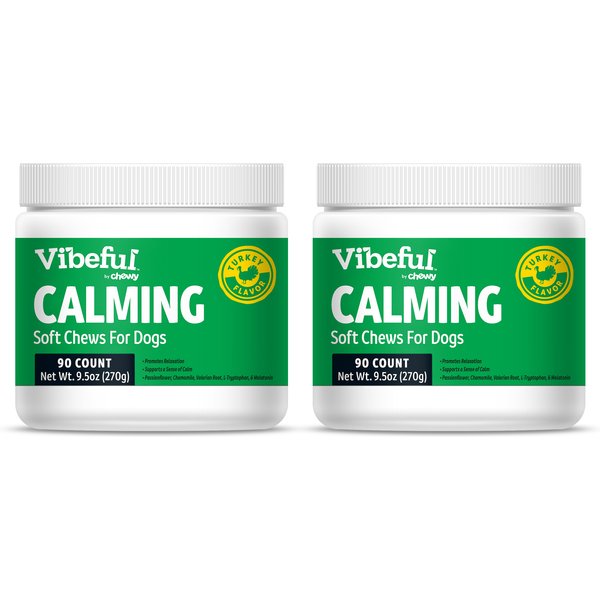
Vibeful Calming Hemp Chicken Flavored Soft Chews Calming Supplement for Dogs
Vibeful
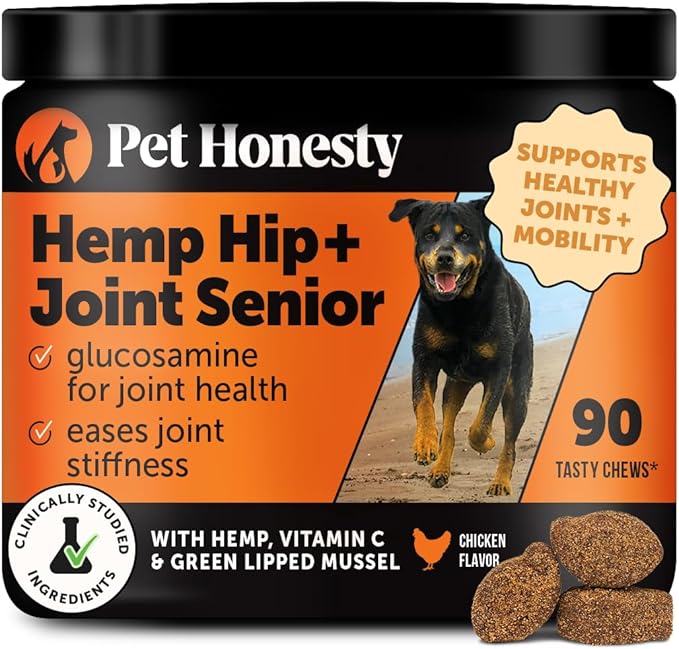
PetHonesty Senior HempMobility - Glucosamine, Turmeric, MSM, Hemp for Hip & Joint
PetHonesty
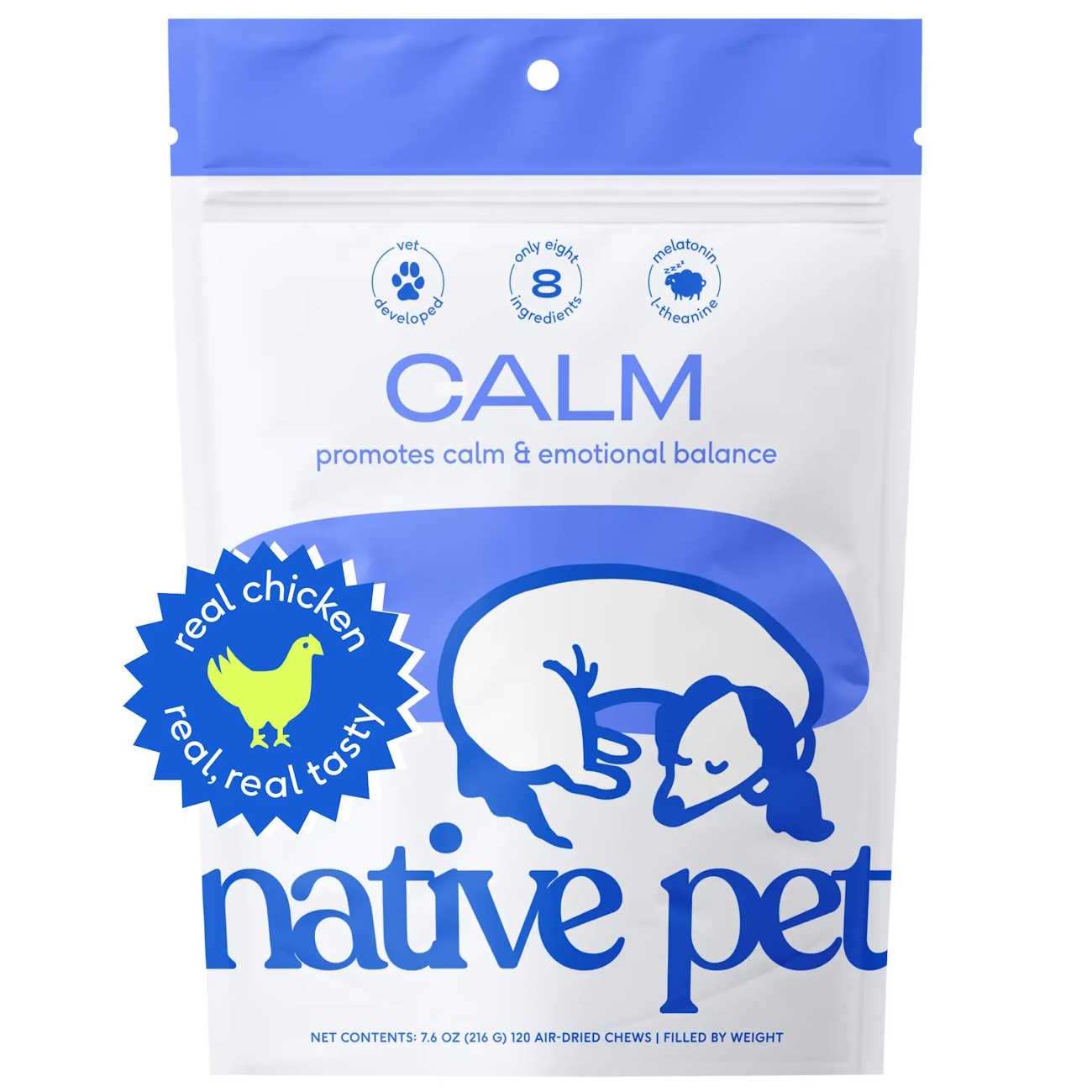
Native Pet Calming Chews for Dogs
Native Pet
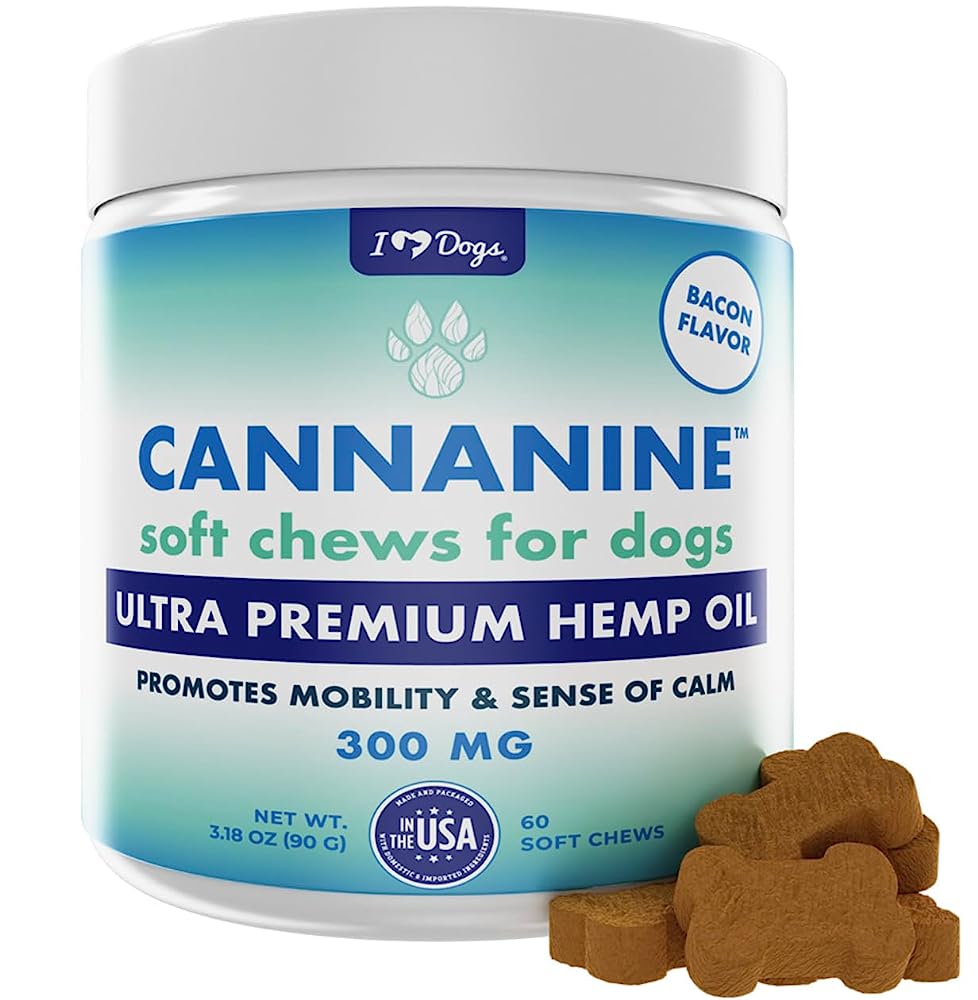
iHeartDogs Calming Chews with Hemp + Melatonin - Soothing Support for Dogs
iHeartDogs
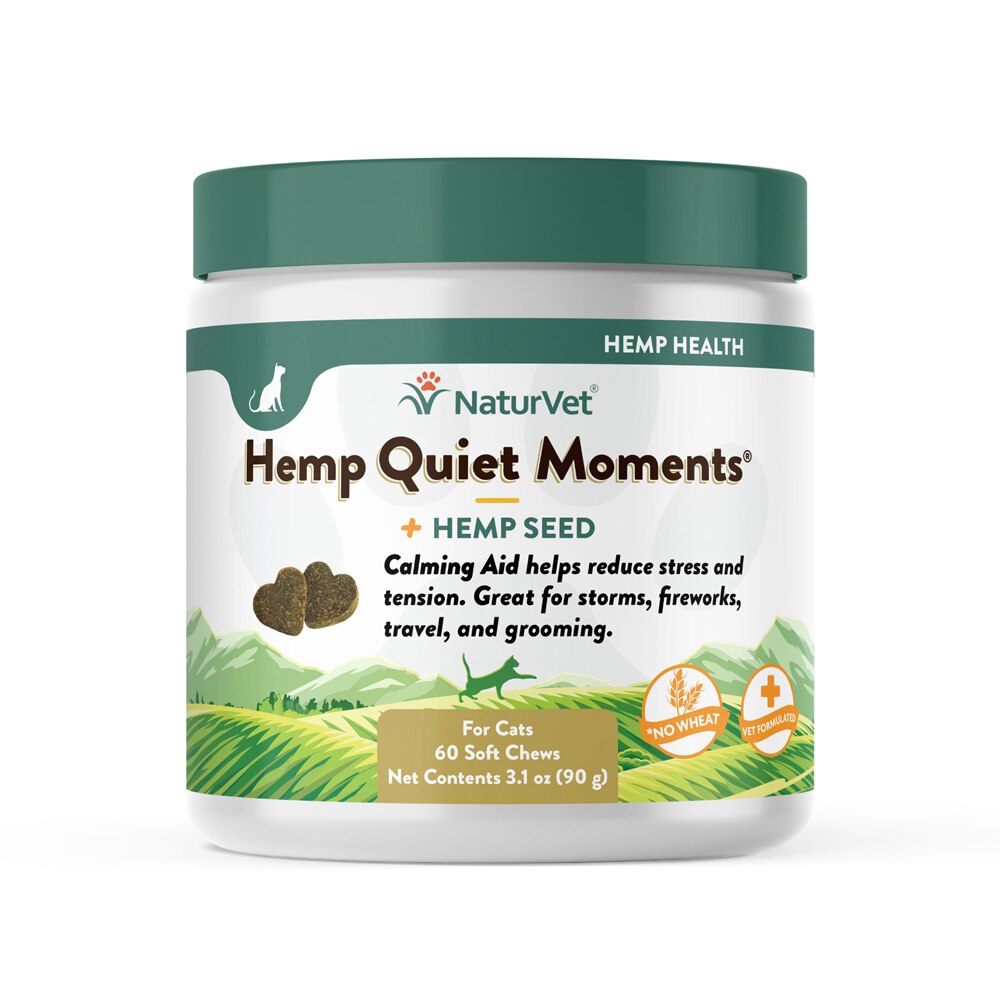
NaturVet Hemp Quiet Moments Calming Aid Plus Hemp Seed
NaturVet
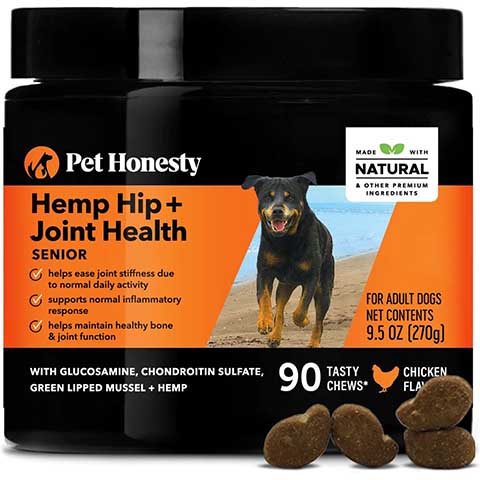
PetHonesty Hemp Hip + Joint Health Soft Chews
PetHonesty
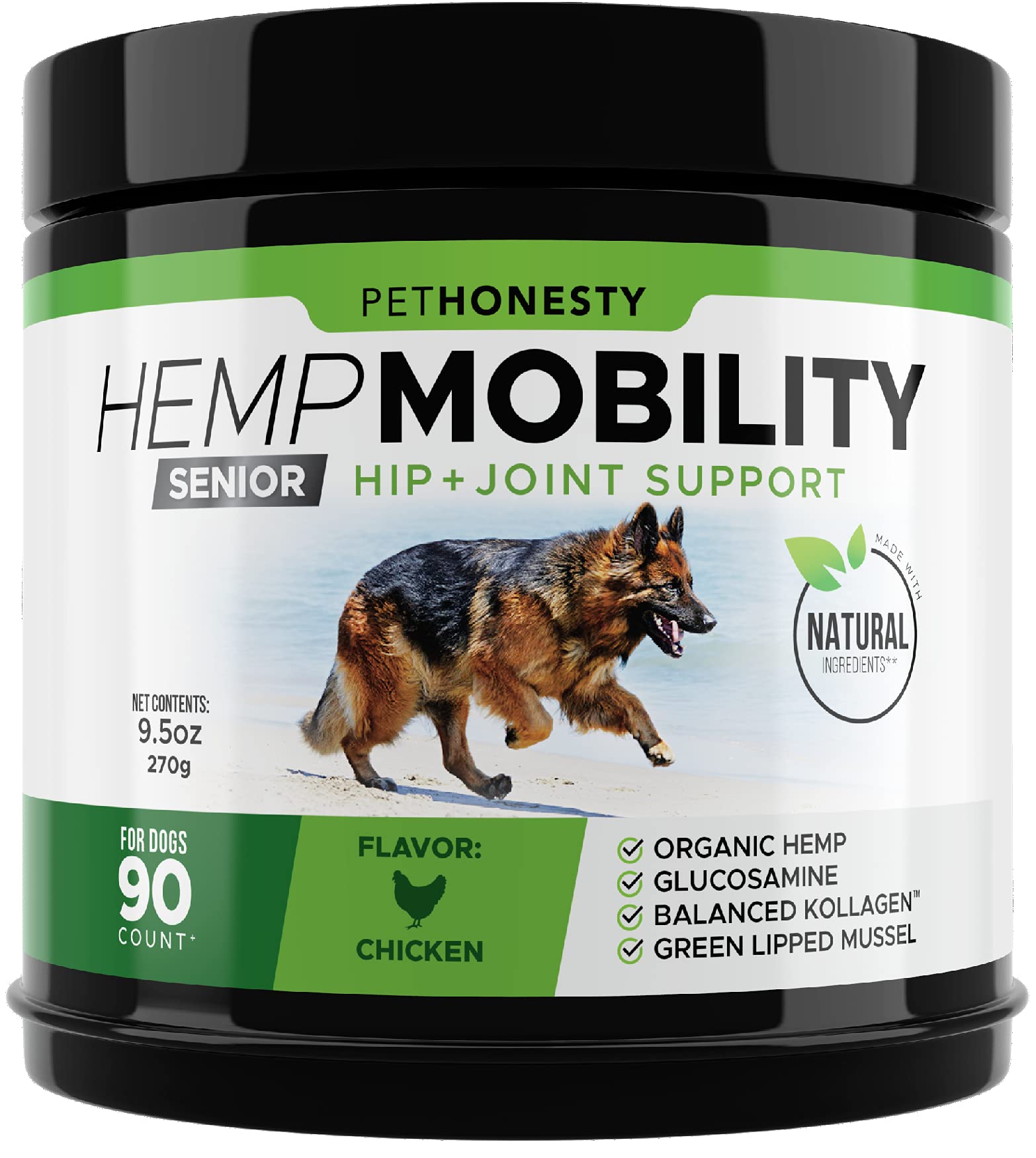
PetHonesty Senior Hemp Mobility - Hip & Joint Supplement for Older Dogs
PetHonesty
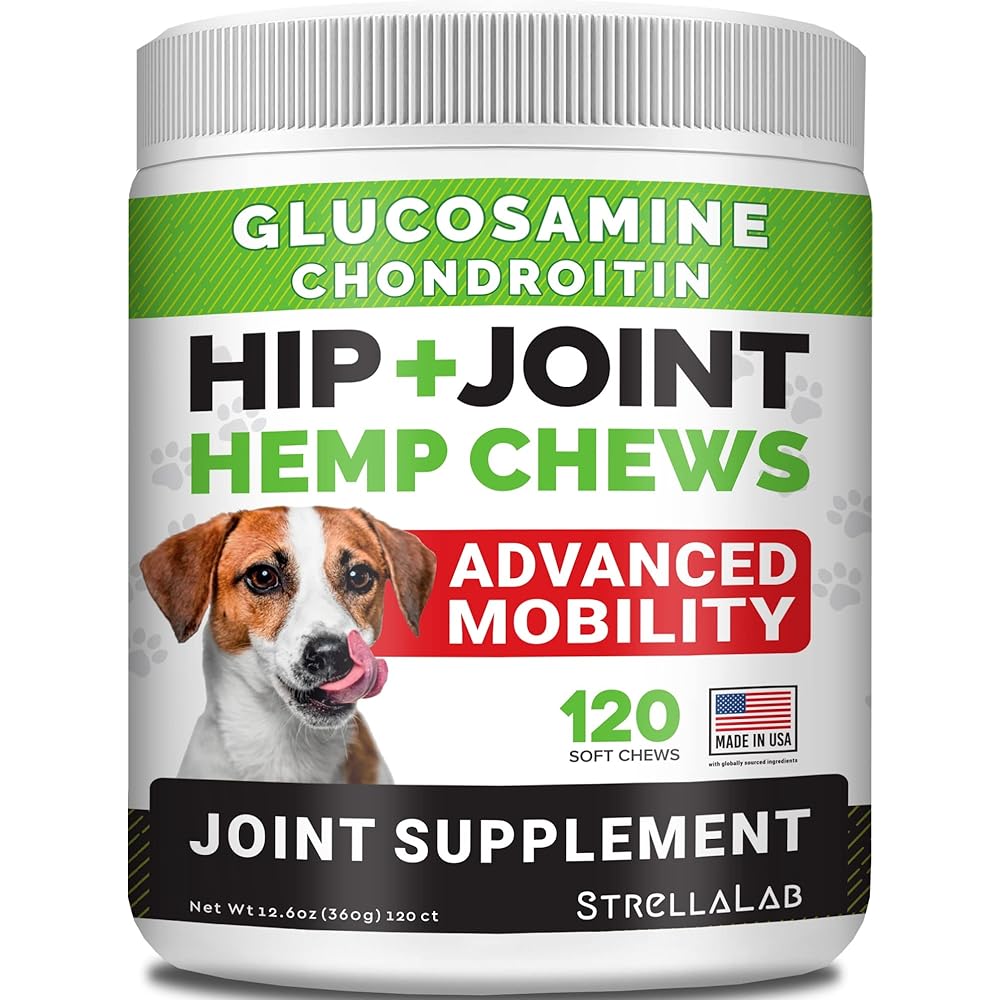
StrellaLab Hemp Treats for Dogs - Joint & Mobility
StrellaLab