Fish Oil Powder
fatty acid
Fish oil powder for dogs and cats is a concentrated source of omega-3 fatty acids, specifically eicosapentaenoic acid (EPA) and docosahexaenoic acid (DHA). These essential fatty acids are not produced efficiently by a pet's body and must be obtained through diet or supplementation. While liquid fish oil has long been a popular choice, powder forms offer a different set of considerations for pet owners. This guide will explore the benefits, applications, and practicalities of using fish oil powder in pet supplements, helping owners make informed decisions for their animal companions.
Omega-3 Fatty Acids: The Core of Fish Oil Powder
At the heart of any fish oil supplement, whether liquid or powder, are the omega-3 fatty acids, primarily EPA and DHA. These polyunsaturated fats play a crucial role in various physiological processes in dogs and cats.
- Anti-inflammatory properties: EPA is particularly noted for its ability to modulate the inflammatory response in the body. This can be beneficial for pets dealing with conditions like osteoarthritis, inflammatory bowel disease, or certain skin allergies. By reducing systemic inflammation, omega-3s can help alleviate pain, improve mobility, and reduce discomfort.
- Skin and coat health: Both EPA and DHA contribute to the integrity of the skin barrier, helping to retain moisture and reduce dryness and flakiness. This can lead to a shinier, healthier coat, and may reduce itching associated with dry skin or certain dermatological conditions.
- Cognitive function: DHA is a major structural component of the brain and retina. Supplementation with DHA has been linked to improved cognitive function in aging dogs, potentially slowing the progression of age-related cognitive decline. In puppies and kittens, it supports healthy brain and vision development.
- Cardiovascular health: Omega-3s can support heart health by helping to maintain healthy blood pressure and reducing triglyceride levels. This can be particularly relevant for breeds predisposed to certain cardiac conditions.
- Kidney support: In some cases, omega-3 supplementation may offer supportive benefits for kidney health, though this remains an area of ongoing research.
The effectiveness of a fish oil powder supplement relies on the concentration and bioavailability of these key omega-3s. Reputable products will clearly state the amounts of EPA and DHA per serving, rather than just the total fish oil content.
Why Choose Fish Oil Powder for Dogs and Cats?
While liquid fish oil is widely available, fish oil powder for dogs and cats presents several distinct advantages and disadvantages that warrant consideration.
Advantages of Fish Oil Powder
- Convenience and Mess-Free Application: One of the primary draws of fish oil powder is its ease of use. Liquid fish oil can be oily, messy to dispense, and prone to spills, especially when dealing with active pets. Powders can be easily sprinkled over food, eliminating drips and sticky residues.
- Palatability and Odor Control: Many pets are sensitive to the strong odor and taste of liquid fish oil. High-quality fish oil powders are often microencapsulated or processed to reduce the fishy smell and taste, making them more palatable for picky eaters. Some are even flavored with natural palatants like chicken or beef.
- Stability and Shelf Life: Liquid fish oil is susceptible to oxidation, which can degrade the omega-3 fatty acids and produce rancid byproducts. This process is accelerated by exposure to air, light, and heat. Powdered forms, especially those that are microencapsulated, tend to have improved oxidative stability and a longer shelf life once opened, as the active ingredients are protected.
- Precise Dosing: Dosing liquid fish oil can sometimes be imprecise, relying on measuring spoons or droppers. Powders often come with pre-measured scoops, allowing for more consistent and accurate dosing, which is crucial for achieving therapeutic effects without over or under-supplementing.
- Integration with Other Supplements: Powders can be easily mixed with other powdered supplements, such as probiotics or joint support formulas, simplifying a pet's daily supplement regimen.
Disadvantages of Fish Oil Powder
- Cost: Fish oil powders can sometimes be more expensive per dose than their liquid counterparts due to the additional processing involved (e.g., microencapsulation, drying).
- Additives: To achieve powder form, maintain stability, or enhance palatability, some products may contain carrier agents, anti-caking agents, or flavorings. While often safe, pet owners with allergy-prone animals should review ingredient lists carefully.
- Less Common: While growing in popularity, the range of fish oil powder products might still be smaller than that of liquid fish oils, potentially limiting choices for specific formulations or concentrations.
- Potential for Inhalation: In rare cases, very fine powders could be inhaled by pets, especially those with respiratory sensitivities, though this is generally not a concern with typical use.
Omega-3 Powder for Dogs: Beyond Mess-Free Capsules
While the convenience of a powder is clear, it's important to differentiate between a true fish oil powder supplement and powdered capsules that are then opened. Some products market "mess-free fish oil capsules" which, while offering a contained dose, involve the pet owner opening a capsule and sprinkling its contents. This approach shares some benefits with dedicated powder supplements but may lack the advanced stabilization and palatability features of purpose-made powders.
A dedicated fish oil powder supplement is formulated specifically for its powdered state. This often involves:
- Microencapsulation: A process where tiny droplets of fish oil are coated with a protective layer, often a protein or carbohydrate matrix. This shields the omega-3s from oxygen, light, and heat, significantly improving stability and reducing rancidity. It also helps mask the fishy taste and smell.
- Carrier Agents: Ingredients like maltodextrin or silica are sometimes used to ensure the powder flows freely and doesn't clump, aiding in even distribution over food.
- Flavoring: Natural flavors are frequently added to enhance acceptance by pets.
When evaluating a "powder" product, discerning whether it's a true, formulated powder or simply opened capsules is important, as the former often provides superior stability and palatability.
Fish Oil for Dogs: What to Know About Sourcing and Quality
Regardless of whether you choose liquid or powder, the source and quality of the fish oil are paramount.
Source of Fish
The best fish oil for pets typically comes from small, cold-water fish known for their high omega-3 content and lower risk of accumulating heavy metals. Common sources include:
- Anchovies
- Sardines
- Mackerel
- Wild-caught salmon (though some salmon oils can be from farmed fish, which may have different omega-3 profiles)
Avoid products that list generic "fish oil" without specifying the species, as these may contain oil from less desirable or less sustainable sources.
Purity and Contaminants
Fish, especially larger, longer-lived species, can accumulate environmental toxins like mercury, PCBs (polychlorinated biphenyls), and dioxins. Reputable manufacturers of fish oil supplements employ purification processes, such as molecular distillation, to remove these contaminants.
Look for products that are:
- Third-party tested: Independent lab testing verifies the purity and concentration of omega-3s. Many reputable brands will display certifications or provide access to their test results.
- Low in heavy metals and toxins: This should be explicitly stated on the packaging or company website.
Oxidation (Rancidity)
Oxidation is a significant concern with fish oil. Rancid oil not only loses its beneficial properties but can also be harmful to pets, potentially causing digestive upset or even contributing to oxidative stress. Signs of rancid oil include a strong, unpleasant fishy smell (beyond a mild fish aroma), a dark color, or a thick, sticky texture.
Powdered forms, particularly microencapsulated ones, offer an advantage here due to their enhanced stability. However, proper storage (cool, dark place, tightly sealed) is still essential for any fish oil supplement.
WONDER PAWS Plaque Defense Powder Plus Omega-3: A Multi-Benefit Approach
Some fish oil powder supplements integrate omega-3s with other active ingredients to address multiple health concerns simultaneously. An example might be a "Plaque Defense Powder Plus Omega-3." Such products aim to offer a .
Plaque Defense Components: These often include ingredients like specific seaweeds (e.g., Ascophyllum nodosum*), probiotics, or enzymes designed to reduce plaque and tartar buildup on teeth, improving oral hygiene.
- Omega-3s for Systemic Health: The addition of omega-3 fatty acids provides benefits for skin, coat, joints, and overall inflammation, as discussed earlier.
When considering such a multi-benefit product, evaluate each component individually for its efficacy and concentration. For instance, is the plaque defense ingredient present in a clinically effective dose? Are the EPA and DHA levels sufficient to provide the desired omega-3 benefits? While convenient, combination products should still deliver adequate amounts of each active ingredient.
Fish Oil for Dogs: Benefits, Dosage, and Vet Pick
Determining the appropriate fish oil powder dosage for dogs and cats is critical. There isn't a single universal dose, as it depends on several factors:
- Pet's weight: Larger pets generally require higher doses.
- Specific health condition: Therapeutic doses for inflammatory conditions may be higher than maintenance doses for general health.
- Concentration of EPA and DHA: This is the most important factor. Dosing should always be based on the actual amount of EPA and DHA, not just the total fish oil.
General Dosage Guidelines (Consult Your Vet)
While general guidelines exist, always consult your veterinarian before starting any new supplement, especially for pets with pre-existing conditions or those on other medications. They can provide a tailored recommendation.
A common starting point for general health and coat support is often around 75-100 mg combined EPA and DHA per 10 pounds of body weight per day. For therapeutic purposes (e.g., severe arthritis, allergies), this might increase to 150-300 mg combined EPA and DHA per 10 pounds of body weight daily, distributed over one or two meals. Always follow the product's specific dosing instructions unless otherwise directed by your vet.
Potential Side Effects and Safety Considerations
Fish oil powder safety for pets is generally good when administered correctly. However, potential side effects can occur, particularly with excessive dosing:
- Gastrointestinal upset: Loose stools, diarrhea, vomiting, or gas are the most common side effects, especially when starting supplementation or if the dose is too high. Starting with a lower dose and gradually increasing can help.
- Weight gain: Fish oil is calorie-dense. While a typical supplement dose won't significantly impact calorie intake, it's a consideration for pets prone to obesity.
- Blood clotting: Very high doses of omega-3s can theoretically affect blood clotting, potentially increasing bleeding time. This is usually only a concern with extremely high doses or in pets undergoing surgery.
- Vitamin E depletion: Omega-3 fatty acids are polyunsaturated and can increase the body's need for antioxidants like Vitamin E. Reputable fish oil supplements often include a small amount of Vitamin E to counteract this.
When to Seek Veterinary Advice
- Before starting any new supplement: Your vet can help determine if fish oil is appropriate for your pet and recommend a safe and effective dose.
- For pets with medical conditions: Especially those with bleeding disorders, diabetes, pancreatitis, or on medications (e.g., blood thinners, NSAIDs).
- If side effects occur: If your pet experiences persistent vomiting, diarrhea, or unusual lethargy after starting fish oil, contact your vet.
Comparison Table: Liquid vs. Powder Fish Oil for Pets
| Feature | Liquid Fish Oil | Fish Oil Powder |
|---|---|---|
| Ease of Use | Can be messy, requires measuring | Mess-free, easy to sprinkle, often pre-scooped |
| Palatability | Strong fishy odor/taste, can be rejected | Often masked/flavored, better accepted by picky eaters |
| Stability | Prone to oxidation once opened, shorter shelf life | More stable, often microencapsulated, longer shelf life |
| Dosing Accuracy | Can be less precise with droppers/spoons | Generally more precise with scoops |
| Cost | Often lower per serving | Can be higher per serving due to processing |
| Additives | Fewer additives typically | May contain carrier agents, anti-caking agents, flavors |
| Storage | Refrigeration often required after opening | Cool, dry place; refrigeration less commonly required |
| Pet Acceptance | Variable, depending on pet's preference | Generally good due to masked taste/smell |
Frequently Asked Questions
Does fish oil reduce cortisol?
While research on fish oil and cortisol levels in pets is not extensive, some studies in humans and other animals suggest that omega-3 fatty acids might play a role in modulating the stress response and potentially lowering cortisol levels. This effect is thought to be indirect, through their anti-inflammatory actions and influence on neurotransmitter function. However, fish oil is not a primary treatment for high cortisol or stress-related conditions; behavioral modifications and veterinary-prescribed medications are typically the first line of defense.
Does fish oil come in powder form?
Yes, fish oil does come in powder form. This is achieved through various processing techniques, most commonly microencapsulation, where liquid fish oil is encapsulated within a protective matrix and then dried into a powder. This process helps to stabilize the omega-3 fatty acids, mask the taste and odor, and make the product easier to handle.
Can fish oil help lower cholesterol?
In humans, omega-3 fatty acids, particularly EPA and DHA, are well-known for their ability to lower triglyceride levels and may have a modest effect on cholesterol. In dogs and cats, high cholesterol (hyperlipidemia) is less commonly a primary concern for cardiovascular disease compared to humans, but it can be associated with certain underlying conditions like hypothyroidism or pancreatitis. Fish oil supplementation may help manage triglyceride levels in pets with hyperlipidemia, but it's crucial to address the underlying cause with veterinary guidance. It's not typically prescribed solely for lowering cholesterol in healthy pets.
Conclusion
Fish oil powder offers a convenient and stable alternative to liquid fish oil for delivering beneficial omega-3 fatty acids (EPA and DHA) to dogs and cats. Its advantages in terms of reduced mess, improved palatability, and enhanced stability make it an attractive option for many pet owners. When selecting a fish oil powder supplement, prioritize products that clearly state EPA and DHA concentrations, are sourced from small, cold-water fish, and are third-party tested for purity and absence of contaminants. Always consult your veterinarian to determine the appropriate dosage for your pet's specific needs and health conditions.
Products Containing Fish Oil Powder
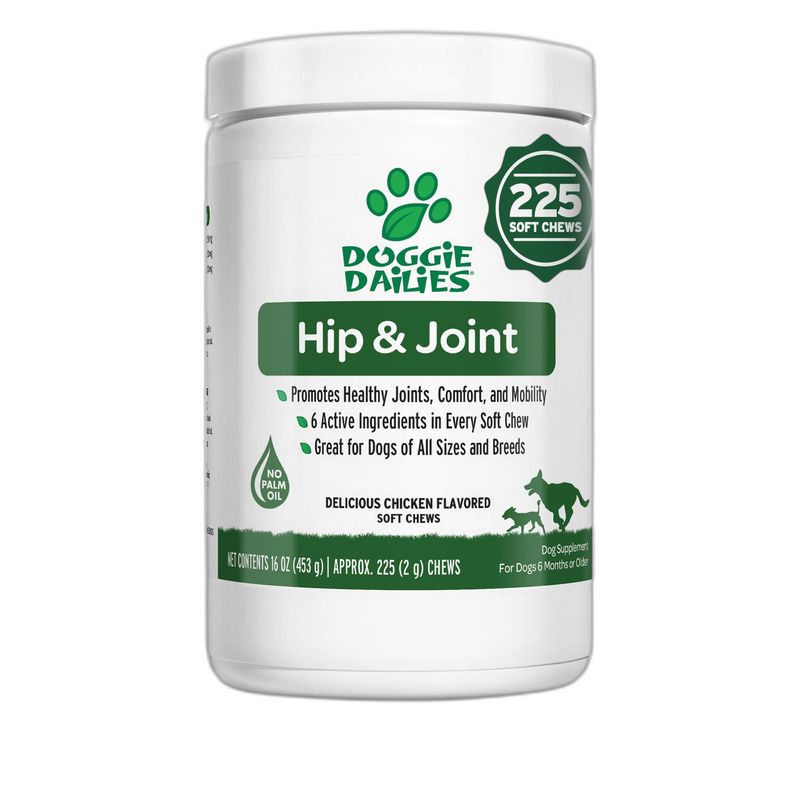
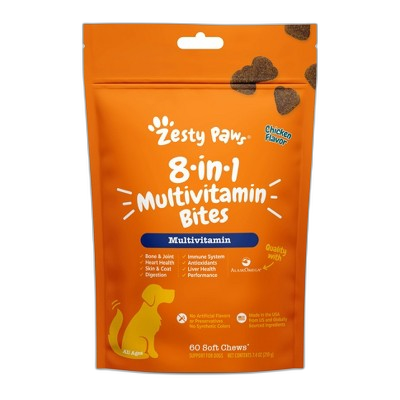
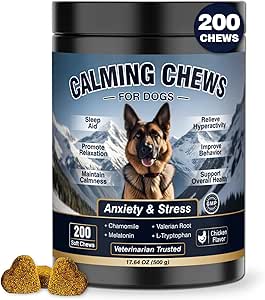
Top-rated supplements featuring this ingredient, ranked by our PSI+ score.