Fish Oil
fatty acid
Fish oil, a common dietary supplement for humans, has gained significant attention in the pet world for its potential health benefits. Specifically, it's a source of omega-3 fatty acids, primarily eicosapentaenoic acid (EPA) and docosahexaenoic acid (DHA). These polyunsaturated fats are considered "essential" because dogs and cats cannot produce them in sufficient quantities and must obtain them through their diet. The interest in fish oil for dogs and cats stems from its anti-inflammatory properties and its role in various physiological processes.
This guide explores the current understanding of fish oil supplementation for pets, examining its purported benefits, appropriate dosages, potential side effects, and considerations for choosing a quality product. The goal is to provide pet owners with clear, evidence-based information to inform decisions about their companions' health.
Understanding Fish Oil for Dogs and Cats
Fish oil is derived from the tissues of oily fish like salmon, mackerel, sardines, and anchovies. These fish consume microalgae that produce EPA and DHA, accumulating these beneficial fatty acids in their bodies. When pets consume fish oil, these omega-3s are incorporated into cell membranes throughout their bodies, influencing cell function and reducing inflammation.
The primary omega-3s of interest in pet health are EPA and DHA. While alpha-linolenic acid (ALA) is another omega-3 found in plant sources like flaxseed, pets, particularly cats, have a limited ability to convert ALA into EPA and DHA. Therefore, direct supplementation with EPA and DHA from fish sources is generally preferred for therapeutic effects.
Benefits of Fish Oil for Dogs and Cats
The potential benefits of fish oil for dogs and cats are varied and largely attributed to its anti-inflammatory properties. Research and anecdotal evidence suggest roles in several systems.
Joint Health and Mobility
One of the most well-researched applications of fish oil in pets is for joint health, particularly in cases of osteoarthritis. EPA and DHA can help reduce the production of inflammatory mediators, thereby alleviating pain and improving mobility in affected animals. Studies have shown that dogs with osteoarthritis, when supplemented with omega-3 fatty acids, often exhibit improved lameness scores and overall comfort. This is particularly relevant for older pets or breeds predisposed to joint issues.
Skin and Coat Health
Skin coat supplement benefits are frequently cited for fish oil. The omega-3 fatty acids contribute to the integrity of the skin barrier, helping to reduce dryness, flakiness, and itching. They can also impart a healthier, shinier coat. For pets suffering from allergic skin conditions, fish oil can help to modulate the immune response, potentially reducing the severity of symptoms like excessive scratching and inflammation.
Cardiovascular Health
Omega-3s are known to support heart health in humans, and similar benefits are observed in pets. They can help maintain normal blood pressure, reduce triglyceride levels, and support overall cardiovascular function. In pets with certain heart conditions, such as dilated cardiomyopathy, fish oil supplementation may be recommended as part of a broader treatment plan.
Kidney Health
For pets with chronic kidney disease, fish oil may play a supportive role. It can help reduce inflammation in the kidneys and potentially slow the progression of the disease. However, its use in kidney disease should always be under veterinary guidance, as individual responses can vary.
Cognitive Function and Neurological Development
DHA is a critical component of brain tissue and plays a vital role in neurological development. For puppies and kittens, supplementing the mother's diet or directly supplementing young animals can support cognitive development and retinal function. In older pets, fish oil may help support cognitive function and potentially mitigate some age-related cognitive decline.
Immune System Modulation
While inflammation is a natural protective response, chronic inflammation can be detrimental. Fish oil helps to modulate the immune system, promoting a balanced inflammatory response. This can be beneficial for pets with various inflammatory conditions, including certain autoimmune disorders.
Fish Oil Dosage for Dogs and Cats
Determining the correct fish oil dosage dogs and cats need is crucial. Over-supplementation can lead to adverse effects, while under-supplementation may not yield the desired benefits. The optimal dosage depends on several factors, including the pet's size, weight, health condition, and the specific concentration of EPA and DHA in the fish oil product.
General guidelines for therapeutic dosing often aim for a combined EPA and DHA intake. A common starting point for dogs is often around 75-100 mg of combined EPA and DHA per kg of body weight per day for therapeutic purposes. For cats, a typical recommendation might be 30-50 mg of combined EPA and DHA per kg of body weight per day. However, these are general ranges, and specific conditions may warrant higher or lower doses as determined by a veterinarian.
It's important to read the product label carefully and calculate the actual amount of EPA and DHA, not just the total fish oil amount. Many fish oil supplements vary widely in their concentration of these active ingredients.
Example Dosage Calculation:
If a 20 kg dog needs 100 mg EPA+DHA per kg, the total daily dose is 20 kg * 100 mg/kg = 2000 mg EPA+DHA. If a supplement provides 300 mg EPA and 200 mg DHA per capsule (total 500 mg EPA+DHA), the dog would need 2000 mg / 500 mg/capsule = 4 capsules per day.
Always start with a lower dose and gradually increase it to the recommended level over several days to weeks, especially when introducing it to pets with sensitive stomachs. Consulting with a veterinarian is strongly recommended before initiating any supplementation, particularly for pets with existing health conditions.
Fish Oil Safety for Pets: Side Effects and Considerations
While generally safe, fish oil safety pets requires careful attention to dosage and product quality. Potential side effects and considerations include:
- Gastrointestinal Upset: The most common side effect is mild gastrointestinal upset, including vomiting, diarrhea, or soft stools. This often occurs with too high a dose or when introduced too quickly. Splitting the daily dose into two meals can sometimes help.
- Weight Gain: Fish oil contains calories. If not accounted for in the pet's overall diet, it can contribute to weight gain, especially in already overweight animals.
- Altered Platelet Function: At very high doses, omega-3 fatty acids can theoretically interfere with blood clotting. While rare in typical therapeutic doses, this is a consideration for pets undergoing surgery or those with bleeding disorders.
- Vitamin E Depletion: Omega-3 fatty acids are polyunsaturated and prone to oxidation. Supplementing with fish oil can increase the body's demand for antioxidants, particularly Vitamin E. Many reputable fish oil supplements include Vitamin E (tocopherol) to counteract this and preserve the oil.
- Interaction with Medications: Fish oil can potentially interact with certain medications, such as blood thinners or NSAIDs. Always discuss supplementation with your veterinarian if your pet is on medication.
- Pancreatitis: While not a direct cause, some veterinarians advise caution with high-fat supplements, including fish oil, in pets prone to pancreatitis. However, studies have not definitively linked fish oil to pancreatitis in dogs.
Quality and Purity Concerns
The quality of fish oil supplements varies significantly. Concerns include:
- Oxidation: Fish oil can easily oxidize when exposed to air, light, or heat, leading to rancidity. Oxidized oil can be less effective and potentially harmful, causing gastrointestinal upset or even more serious issues. Look for products stored in opaque bottles, preferably with added antioxidants like Vitamin E.
- Contaminants: Small, wild-caught fish are generally preferred sources as they tend to have lower levels of heavy metals (like mercury) and other environmental toxins compared to larger, longer-lived fish. Reputable manufacturers will provide third-party testing results to confirm purity and absence of contaminants.
- Concentration: The percentage of EPA and DHA varies widely. Higher concentrations mean less oil needs to be given to achieve the desired dose, potentially reducing caloric intake and gastrointestinal upset.
Choosing a Quality Fish Oil Supplement
When selecting a fish oil supplement for your pet, several factors should guide your decision:
Source and Form
- Source: Opt for fish oil derived from small, wild-caught fish like anchovies, sardines, and mackerel. These have a lower risk of accumulating toxins. Salmon oil is popular but may contain lower concentrations of EPA and DHA compared to other sources.
- Form: Fish oil typically comes in liquid or capsule form. Liquids can be easier to administer but are more prone to oxidation once opened. Capsules offer better protection from oxidation but might be harder for some pets to swallow.
- Triglyceride vs. Ethyl Ester: Fish oil naturally occurs in triglyceride form. Some processing converts it to ethyl ester form, which allows for higher concentration but may be slightly less bioavailable. Re-esterified triglyceride forms are also available, aiming to combine high concentration with natural bioavailability. While both forms are effective, many prefer natural triglyceride forms if available and affordable.
Purity and Potency
- Third-Party Testing: Look for brands that provide certificates of analysis (COAs) from independent third-party labs. These reports confirm the absence of heavy metals (mercury, lead), PCBs, dioxins, and other contaminants, as well as verifying the EPA and DHA content.
- Guaranteed Analysis: The label should clearly state the amount of EPA and DHA per serving, not just the total omega-3s or total fish oil. This allows for accurate dosing.
- Freshness: Check for an expiration date and ensure the product is stored correctly (often refrigerated after opening). A fishy odor that is overwhelmingly strong or "off" can indicate rancidity.
Added Ingredients
- Antioxidants: High-quality fish oils often include natural antioxidants like Vitamin E (tocopherols) to prevent oxidation and maintain freshness.
- Other Nutrients: Some pet supplements combine fish oil with other ingredients like glucosamine for joint health or biotin for skin and coat, but it's often better to address specific needs with single-ingredient supplements unless advised otherwise by a vet.
A Comparison of Fish Oil Sources
| Feature | Salmon Oil | Small Fish (Anchovy, Sardine, Mackerel) Oil | Cod Liver Oil |
|---|---|---|---|
| Primary Source | Salmon | Smaller, short-lived pelagic fish | Liver of Codfish |
| EPA/DHA Concentration | Moderate | Generally higher | Moderate, but also contains significant Vitamin A/D |
| Contaminant Risk | Moderate (depends on wild vs. Farmed source) | Lower (due to shorter lifespan) | Moderate (can accumulate in liver) |
| Additional Nutrients | Often contains Astaxanthin (antioxidant) | Primarily EPA/DHA | High levels of Vitamin A and D |
| Considerations | Popular, palatable, but ensure sustainable sourcing | Often preferred for purity and concentration | Risk of Vitamin A/D toxicity if over-supplemented |
Important Note on Cod Liver Oil: While a source of omega-3s, cod liver oil also contains high levels of Vitamin A and D. Over-supplementation with these fat-soluble vitamins can be toxic to pets. Therefore, if using cod liver oil, it's crucial to ensure the total intake of Vitamins A and D from all sources remains within safe limits, which often makes it a less ideal primary source of omega-3s compared to other fish oils.
When to Consider Fish Oil for Your Pet
Deciding whether to incorporate omega-3 for dogs or cats into their regimen should be a conversation with your veterinarian. They can help assess your pet's individual needs based on their breed, age, current health status, and diet.
Common scenarios where fish oil might be beneficial include:
- Aging pets: To support joint health, cognitive function, and overall vitality.
- Pets with dry, itchy skin or dull coats: As a skin coat supplement to improve skin barrier function and coat luster.
- Pets with diagnosed inflammatory conditions: Such as osteoarthritis, certain allergies, or inflammatory bowel disease (under veterinary guidance).
- Puppies and kittens: For neurological and retinal development, sometimes included in high-quality puppy/kitten foods or recommended as a supplement for pregnant/nursing mothers.
It's also important to consider your pet's current diet. Many commercial pet foods now include some omega-3 fatty acids, but the quantity and bioavailability can vary. If your pet is on a diet rich in other omega-6 fatty acids (e.g., from corn, soy, or poultry fat), supplementing with omega-3s can help balance the ratio, which is crucial for controlling inflammation.
Conclusion
Fish oil, with its DHA EPA dogs and cats need, stands as a well-researched supplement with a range of potential benefits for pet health, primarily stemming from its anti-inflammatory properties. From supporting joint mobility and skin health to aiding cardiovascular and cognitive function, its role in a balanced diet for many pets is clear. However, effective and safe supplementation hinges on understanding proper dosage, recognizing potential side effects, and, crucially, selecting a high-quality, pure product.
Before adding any fish oil pets supplement to your companion's routine, a consultation with your veterinarian is essential. They can provide personalized advice, help determine the appropriate dosage for your pet's specific needs, and monitor for any adverse reactions or interactions with existing medications. With careful consideration and professional guidance, fish oil can be a valuable addition to your pet's health regimen.
FAQ
Is fish oil good for a dog?
Yes, fish oil can be beneficial for dogs due to its rich content of omega-3 fatty acids (EPA and DHA). These fatty acids possess anti-inflammatory properties that can support joint health, improve skin and coat condition, aid cardiovascular function, and contribute to cognitive health. However, its suitability and dosage should always be determined in consultation with a veterinarian.
How much fish oil can I give my dog a day?
The appropriate daily dosage of fish oil for a dog varies significantly based on their weight, health condition, and the specific concentration of EPA and DHA in the supplement. A common therapeutic guideline is 75-100 mg of combined EPA and DHA per kg of body weight per day. It's crucial to calculate the EPA and DHA content from the product label, not just the total fish oil amount. Always start with a lower dose and gradually increase it, and consult your veterinarian for precise recommendations.
Does fish oil reduce cortisol?
While fish oil is known for its anti-inflammatory effects and can help manage stress responses in a broader sense, direct evidence specifically linking fish oil supplementation to a significant reduction in cortisol levels in dogs and cats is not as robust or universally established as its other benefits. Some studies in humans suggest a potential role in stress modulation, but more targeted research is needed to confirm a direct and consistent cortisol-reducing effect in pets. If stress is a concern for your pet, discuss a comprehensive management plan with your veterinarian.
Products Containing Fish Oil
Top-rated supplements featuring this ingredient, ranked by our PSI+ score.
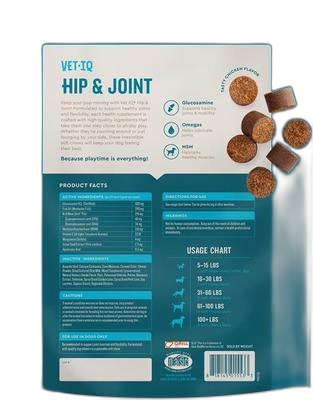
VetIQ Hip & Joint Soft Chew Joint Supplement for Dogs
VetIQ

Cardio Support Powder Heart Supplement for Dogs
Special Breed
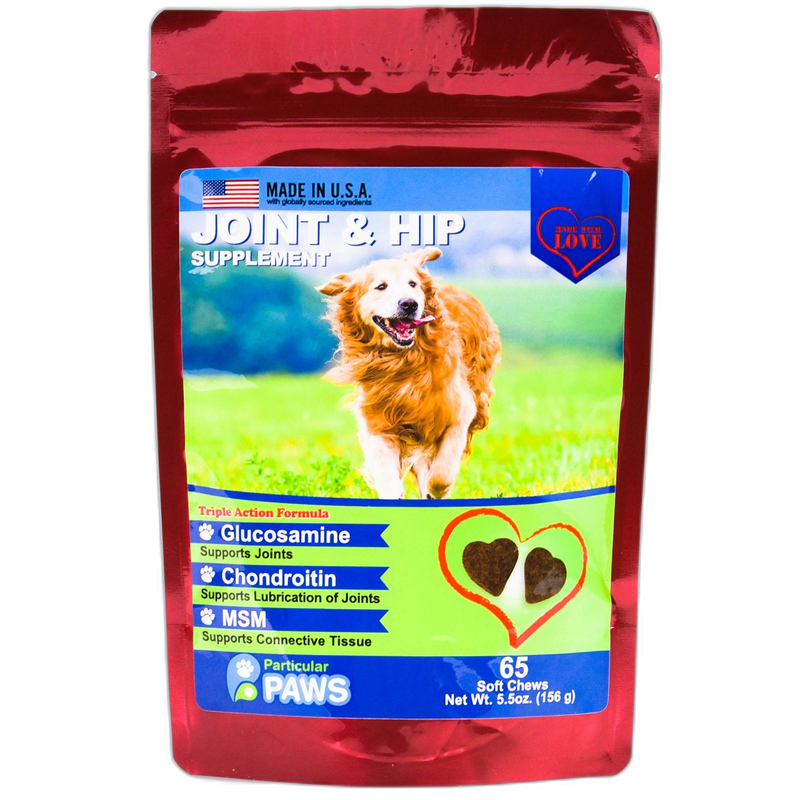
Purina Pro Plan Veterinary Diets Joint Supplement for Small Dogs
Purina Pro Plan Veterinary

VetriScience Renal Essentials for Dogs
VetriScience
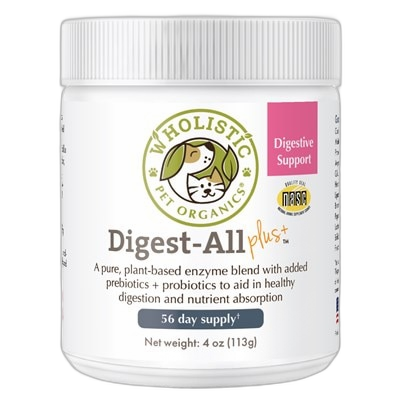
PetHonesty Omega SkinHealth Fish Oil for Dogs
PetHonesty
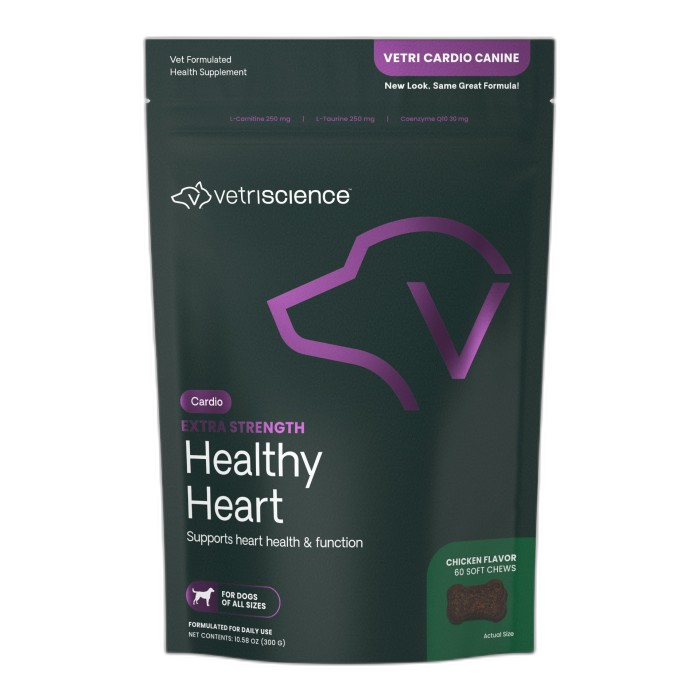
Cardio Canine Omega-3 Heart & Joint Support
Cardio Canine
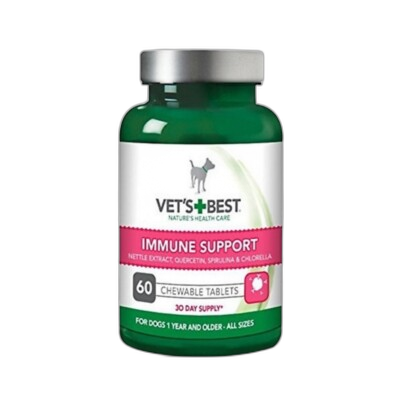
Doggie Dailies Omega Fish Oil Soft Chews for Dogs
Doggie Dailies
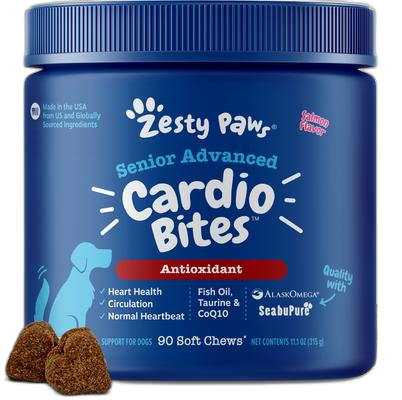
Senior Advanced Cardio Bites Salmon Flavored Soft Chews Heart Supplement for Dogs
Zesty Paws