Omega-6 Fatty Acids
fatty acid
Omega-6 fatty acids are essential nutrients for dogs and cats, playing a crucial role in maintaining overall health. While often discussed in the context of their omega-3 counterparts, omega-6s have distinct functions within the body. Understanding their role, appropriate sources, and the importance of balance is key for pet owners considering supplements. This guide explores the evidence surrounding omega-6 fatty acids for dogs and cats, distinguishing fact from common misconception to help you make informed decisions about your pet's diet and supplementation.
Understanding Omega-6 and Omega-3 Fatty Acids for Dogs
Fatty acids are fundamental components of fats, essential for many biological processes. Among these, omega-3 and omega-6 fatty acids are categorized as "essential" because the bodies of dogs and cats cannot produce them; they must be obtained through diet. While both are polyunsaturated fatty acids, their chemical structures and metabolic pathways differ, leading to distinct physiological effects.
Omega-6 fatty acids, such as linoleic acid (LA) and arachidonic acid (AA), are primarily involved in maintaining skin and coat health, supporting normal growth, and contributing to reproductive function. They are precursors to pro-inflammatory molecules, which are vital for the immune response, blood clotting, and wound healing. However, an excess of these pro-inflammatory mediators, without sufficient counter-balancing anti-inflammatory compounds from omega-3s, can contribute to chronic inflammation.
Omega-3 fatty acids, including eicosapentaenoic acid (EPA) and docosahexaenoic acid (DHA), are known for their anti-inflammatory properties. They support brain and eye development, cardiovascular health, and joint function. The balance between omega-3 and omega-6 fatty acids is a critical factor in managing inflammatory responses in the body.
For dogs, a diet rich in a balanced profile of these fatty acids contributes to a healthy skin barrier, reducing dryness, flakiness, and itching. It also supports the immune system's ability to respond to threats effectively without overreacting. The practical implication is that while omega-6s are necessary, their intake should be considered alongside omega-3s to promote overall wellness and prevent potential imbalances that could exacerbate inflammatory conditions. For instance, a dog experiencing chronic skin allergies might benefit from an adjustment in their omega-3 to omega-6 ratio, rather than simply increasing all fatty acid intake.
The Benefits of Omega-3 and Omega-6 for Dogs
Both omega-3 and omega-6 fatty acids offer significant benefits for dogs, but they contribute to health in different ways. Recognizing these distinct roles helps in understanding why a balanced intake is more beneficial than focusing on one type exclusively.
Benefits of Omega-6 Fatty Acids for Dogs:
- Skin and Coat Health: Omega-6s are vital for maintaining the integrity and function of the skin barrier. They contribute to the production of ceramides, which are lipids that help retain moisture in the skin, preventing dryness and flakiness. A healthy skin barrier also acts as a primary defense against environmental allergens and pathogens. The result is often a shiny, soft coat and reduced shedding.
- Normal Growth and Development: Linoleic acid (LA), a primary omega-6, is crucial for the healthy growth and development of puppies. It supports cell membrane structure throughout the body.
- Reproductive Health: Adequate omega-6 levels are important for normal reproductive function in breeding dogs.
- Immune Response: Omega-6 fatty acids are precursors to eicosanoids, which are signaling molecules involved in the immune system's inflammatory response. While often associated with negative effects when in excess, this pro-inflammatory response is essential for fighting off infections and healing injuries.
Benefits of Omega-3 Fatty Acids for Dogs (for context):
- Anti-inflammatory Effects: EPA and DHA are well-known for their potent anti-inflammatory properties, which can help manage conditions like arthritis, allergies, and inflammatory bowel disease.
- Cognitive Function and Brain Development: DHA, in particular, is a major structural component of the brain and retina, crucial for cognitive development in puppies and maintaining brain health in older dogs.
- Cardiovascular Health: Omega-3s support heart health by helping to maintain healthy blood pressure and reducing triglyceride levels.
- Joint Health: Their anti-inflammatory action can reduce pain and improve mobility in dogs with osteoarthritis.
Consider a dog with a dull coat and dry, flaky skin. While an omega-3 supplement might be recommended for its anti-inflammatory benefits, ensuring adequate omega-6 intake through a high-quality diet or a specific omega-6 supplement (if deficient) would be directly addressing the skin barrier issue. Conversely, a dog with severe joint pain might benefit more from a higher dose of omega-3s to reduce inflammation, while still requiring baseline omega-6s for general health. The distinction lies in their primary mechanisms of action: omega-6s for structural integrity and acute immune response, and omega-3s for modulating chronic inflammation.
The Balance of n-6 and n-3 Fatty Acids in Canine, Feline Diets
The concept of balance between omega-6 (n-6) and omega-3 (n-3) fatty acids is arguably more important than the absolute amount of either in a pet's diet. This balance influences the body's inflammatory and anti-inflammatory pathways. A ratio that is too high in omega-6s can promote a pro-inflammatory state, potentially exacerbating conditions like allergies, arthritis, and autoimmune diseases. Conversely, a diet that is too low in omega-6s can lead to deficiencies, impacting skin health and growth.
Historically, the diets of wild canids and felines, which consisted of whole prey animals, provided a naturally balanced intake of these fatty acids. Modern commercial pet foods, however, often contain higher levels of omega-6 fatty acids due to the common use of ingredients like corn, soy, and various vegetable oils (e.g., corn oil, sunflower oil) as primary fat sources. These ingredients are rich in linoleic acid (LA), a precursor to arachidonic acid (AA), a key omega-6.
Research suggests that an ideal omega-6 to omega-3 ratio for dogs and cats is generally considered to be in the range of 5:1 to 10:1, though some sources advocate for even lower ratios (e.g., 2:1 to 4:1) for therapeutic benefits in certain conditions. Many commercial pet foods can have ratios significantly higher, sometimes exceeding 20:1.
Practical Implications for Pet Owners:
- Dietary Analysis: Reviewing the ingredient list and guaranteed analysis of your pet's food can offer clues about the fatty acid profile. However, specific omega-6 and omega-3 content and ratios are not always explicitly stated.
- Addressing Imbalance: If your pet exhibits signs of chronic inflammation (e.g., persistent itching, joint stiffness, recurring ear infections), and their current diet is high in omega-6s, increasing omega-3 intake through supplements (like fish oil) is often recommended to help rebalance the ratio. This doesn't mean eliminating omega-6s, but rather proportionally increasing omega-3s.
Avoiding Over-Supplementation: While omega-3 supplementation is common, adding additional* omega-6 supplements to a diet already rich in these fatty acids is generally not advisable unless specifically recommended by a veterinarian for a diagnosed deficiency. Such deficiencies are rare in pets consuming commercial diets.
For example, a cat eating a dry food formulated with chicken fat and corn oil as primary fat sources would likely be consuming a diet with a high omega-6 content. If this cat also has chronic skin issues, a veterinarian might suggest adding a fish oil supplement (rich in EPA and DHA) to shift the omega-6 to omega-3 balance, aiming to reduce the inflammatory burden on the skin, rather than adding more omega-6s. This approach targets the ratio rather than just the individual fatty acid amounts.
Omega Fatty Acids for Dogs: What They Are, Benefits, and Dosage
Omega fatty acids are a broad category, but for pet health, the focus is primarily on omega-3 and omega-6. While we've discussed their general benefits, understanding their specific forms and appropriate dosing is crucial for effective supplementation.
Key Omega-6 Fatty Acids:
- Linoleic Acid (LA): The primary and most abundant omega-6 in pet diets. It's found in various vegetable oils (corn, sunflower, safflower), poultry fat, and some meats. LA is essential for skin and coat health, normal growth, and reproduction.
- Arachidonic Acid (AA): An omega-6 that dogs and cats can synthesize from LA, though cats also require a dietary source. AA is important for cell membrane integrity, blood clotting, and the inflammatory response.
Key Omega-3 Fatty Acids:
- Alpha-Linolenic Acid (ALA): A plant-based omega-3 found in flaxseed, chia seeds, and walnuts. Dogs can convert some ALA to EPA and DHA, but this conversion is inefficient, and cats cannot perform it effectively.
- Eicosapentaenoic Acid (EPA): Found primarily in fatty fish and algae. Known for its anti-inflammatory properties.
- Docosahexaenoic Acid (DHA): Also found in fatty fish and algae. Critical for brain and eye development and function.
General Benefits of Omega Fatty Acids in Synergy:
When balanced, these fatty acids contribute to:
- A healthy, shiny coat
- Supple skin with reduced dryness or flakiness
- Support for the immune system
- Joint flexibility and comfort
- Cognitive health and development
- Cardiovascular well-being
Omega-6 Fatty Acids Dosage for Dogs:
Determining a specific omega-6 dosage for dogs is less common than for omega-3s, primarily because most commercial pet foods already provide sufficient, and often abundant, omega-6s.
- Dietary Adequacy: The Association of American Feed Control Officials (AAFCO) establishes minimum nutritional requirements for pet food. For adult dogs, the minimum requirement for linoleic acid (LA) is generally 1% of the dry matter. For growth and reproduction, it's 1.3%. For cats, the minimum LA is 0.5% dry matter, and AA is 0.02% dry matter.
- Supplementation Rarity: Unless a veterinarian identifies a specific deficiency (which is rare with commercial diets), additional omega-6 supplementation is generally not recommended. If a deficiency were present, it would likely be addressed by adjusting the primary diet rather than adding a concentrated omega-6 supplement.
Focus on Ratio: The focus for most pet owners and veterinarians is on managing the ratio* of omega-6 to omega-3, typically by increasing omega-3 intake rather than decreasing omega-6 or increasing it further.
For instance, if a dog's diet meets AAFCO standards, it is likely already providing adequate omega-6s. Instead of looking for an omega-6 supplement, a pet owner concerned about their dog's dry skin might first consider a high-quality fish oil supplement to boost omega-3 levels, thereby improving the overall fatty acid balance and supporting skin health from an anti-inflammatory perspective.
Omega-3 and Omega-6: What is The Difference for Dogs?
The fundamental difference between omega-3 and omega-6 fatty acids for dogs lies in their primary biochemical roles and their impact on inflammatory processes within the body. While both are essential polyunsaturated fatty acids, they are not interchangeable.
| Feature | Omega-6 Fatty Acids (e.g., Linoleic Acid, Arachidonic Acid) | Omega-3 Fatty Acids (e.g., EPA, DHA, ALA) |
|---|---|---|
| Primary Role | Structural integrity, pro-inflammatory response, growth, reproduction | Anti-inflammatory, cognitive function, vision, cardiovascular health |
| Key Metabolites | Pro-inflammatory eicosanoids | Anti-inflammatory eicosanoids, resolvins, protectins |
| Common Sources | Vegetable oils (corn, sunflower, safflower), poultry fat, grains | Fatty fish (salmon, mackerel, sardines), fish oil, algae, flaxseed oil |
| Dietary Abundance | Generally high in commercial pet foods | Often lower in commercial pet foods, especially EPA/DHA |
| Supplementation Focus | Rarely supplemented alone; focus is on overall dietary adequacy | Commonly supplemented to increase anti-inflammatory effects and balance ratio |
| Deficiency Signs | Poor coat, dry skin, growth issues, reproductive problems | Dull coat, dry skin, poor immune function, joint stiffness, cognitive decline |
| Excess Concerns | Can promote chronic inflammation if unbalanced with omega-3s | Generally safe; very high doses can affect blood clotting or lead to digestive upset |
Mechanism of Action: Omega-6 fatty acids, particularly arachidonic acid (AA), are precursors to a class of signaling molecules called eicosanoids (prostaglandins, thromboxanes, leukotrienes) that typically promote inflammation, blood clotting, and constriction of blood vessels. While these are vital processes for acute immune responses and healing, an overabundance can lead to chronic, undesirable inflammation.
Omega-3 fatty acids, especially EPA, compete with AA for the same enzymes, producing eicosanoids that are less inflammatory or even anti-inflammatory. They also lead to the production of specialized pro-resolving mediators (SPMs) like resolvins and protectins, which actively help to resolve inflammation. DHA is crucial for cellular membrane fluidity, particularly in the brain and retina.
Practical Example: Imagine a dog that frequently scratches due to environmental allergies. The chronic inflammation in its skin is partly mediated by the inflammatory pathways driven by omega-6s. While omega-6s are necessary for healthy skin barrier function, an imbalance where omega-6s significantly outweigh omega-3s can worsen the inflammatory response. Supplementing with omega-3s (like fish oil) aims to shift the balance towards anti-inflammatory pathways, helping to soothe the skin and reduce itching, without necessarily reducing the necessary omega-6s.
Therefore, the difference isn't about one being "good" and the other "bad," but about their distinct physiological roles and the critical importance of their ratio for maintaining cellular and systemic health in dogs.
Omega-6 Fatty Acids Safety for Pets and Dosage Considerations
Understanding the safety of omega-6 fatty acids for pets and appropriate dosage is paramount. While essential, like any nutrient, both deficiency and excessive intake can have consequences.
Omega-6 Fatty Acids Safety Pets:
- Essential Nutrient: Omega-6 fatty acids are absolutely necessary for life and health in dogs and cats. They are not inherently harmful.
- Deficiency Risks: A true deficiency in omega-6 fatty acids (specifically linoleic acid) is rare in pets fed commercial diets, but if it occurs, it can lead to:
- Poor growth in young animals
- Dry, scaly, or flaky skin
- Dull, brittle coat and excessive shedding
- Increased susceptibility to skin infections
- Reproductive problems
Excess Concerns (Relative to Omega-3s): The primary safety concern with omega-6s isn't typically an absolute overdose, but rather an imbalance* where they significantly outnumber omega-3s.
- Pro-inflammatory State: A very high omega-6 to omega-3 ratio can promote a chronic pro-inflammatory state, potentially worsening conditions like allergies, arthritis, inflammatory bowel disease, and even some cancers. This is because the metabolic pathways of omega-6s tend to produce more inflammatory mediators compared to omega-3s.
- Not Directly Toxic: Unlike some other nutrients, there isn't a widely recognized "toxic level" for omega-6 fatty acids alone. The issue is almost always about the ratio.
Omega-6 Fatty Acids Dosage Dogs and Cats:
As previously discussed, specific omega-6 supplementation is generally not necessary or recommended for pets consuming balanced commercial diets.
- Adequacy from Food: Most commercial pet foods are formulated to meet or exceed the AAFCO minimum requirements for linoleic acid (the primary omega-6).
- Dogs: Minimum 1% of dry matter (adult maintenance), 1.3% (growth/reproduction).
- Cats: Minimum 0.5% of dry matter (adult maintenance), 0.02% of dry matter for arachidonic acid (AA).
- No Upper Limit Established: AAFCO has not established a maximum tolerance level for omega-6 fatty acids, again highlighting that the concern is more about the ratio than absolute excess.
- Veterinary Guidance: If a veterinarian suspects an omega-6 deficiency (which is rare), they might recommend a specific dietary adjustment or a supplement containing a balanced fatty acid profile. However, this is distinct from simply adding an omega-6-only supplement.
- Omega-3 Supplementation is Key for Balance: For most pet owners, addressing fatty acid balance means focusing on increasing omega-3 intake (e.g., through fish oil pets) to achieve a healthier omega-6 to omega-3 ratio, rather than manipulating omega-6 levels directly.
Example Scenario: Consider a pet owner who observes their dog's skin and coat are not as healthy as they could be. Instead of immediately reaching for an omega-6 specific supplement, a more evidence-based approach would be to:
The safety of omega-6 fatty acids for pets is high when they are consumed as part of a balanced diet that also provides adequate omega-3s. The risk arises from imbalance, not from the presence of omega-6s themselves.
The Use of Fish Oils in Dogs and Cats
Fish oils are widely recognized as the most effective and commonly used supplement for delivering beneficial omega-3 fatty acids, specifically EPA and DHA, to dogs and cats. While this article focuses on omega-6s, the discussion of fish oil is crucial because it directly addresses the critical balance between omega-3 and omega-6 fatty acids.
Why Fish Oils?
- Rich in EPA and DHA: Unlike plant-based omega-3 sources (like flaxseed oil, which provides ALA), fish oils (from sources like salmon, mackerel, sardines, anchovies, and krill) directly provide EPA and DHA. Dogs have a limited ability to convert ALA to EPA and DHA, and cats have virtually none, making direct supplementation with these forms highly efficient.
- Anti-inflammatory Power: EPA and DHA are potent anti-inflammatory agents. They modulate the inflammatory pathways, helping to counteract the pro-inflammatory effects that can arise from a high omega-6 intake.
- Broad Health Benefits: Beyond inflammation, fish oils support:
- Skin and Coat Health: Reducing dryness, itching, and promoting a shiny coat.
- Joint Health: Alleviating pain and improving mobility in arthritic pets.
- Cognitive Function: Supporting brain development in puppies and maintaining cognitive health in senior pets.
- Cardiovascular Health: Contributing to heart function.
- Kidney Health: Showing promise in supporting renal function in some studies.
Omega-3 for Dogs and Cats (from Fish Oil):
- Dosage: The appropriate dosage of fish oil depends on the pet's weight, the concentration of EPA and DHA in the supplement, and the condition being treated. General guidelines exist, but veterinary consultation is always recommended, especially for therapeutic doses.
- For general health/maintenance: Often around 20-50 mg combined EPA+DHA per kg of body weight daily.
- For therapeutic conditions (e.g., arthritis, severe allergies): Doses can range from 75-100 mg combined EPA+DHA per kg of body weight daily, or even higher under veterinary supervision.
- Quality Matters: Choose fish oil supplements that are:
- Third-party tested: To ensure purity, potency, and absence of contaminants (e.g., heavy metals, PCBs).
- In triglyceride form: Generally better absorbed than ethyl ester forms.
- Stored properly: Fish oil is prone to oxidation, so look for products in opaque bottles and store them in a cool, dark place, or even refrigerate after opening. Signs of rancidity include a strong, unpleasant fishy odor.
- Administration: Fish oil can be given directly or mixed with food. Start with a lower dose and gradually increase to the target dose to avoid potential digestive upset (e.g., diarrhea).
Fish Oil Pets vs. Omega-6 Supplements:
The decision to use fish oil is often driven by the desire to improve the omega-3 to omega-6 ratio, especially when a pet's diet is already providing ample omega-6s. Instead of adding an omega-6 supplement, which could further skew the ratio, fish oil acts as a counter-balance.
For example, a cat with chronic inflammatory bowel disease (IBD) will likely benefit from the anti-inflammatory properties of high-dose EPA and DHA from fish oil. While its regular diet contains necessary omega-6s for baseline health, the fish oil addition aims to dampen the excessive inflammatory response, not to replace or significantly reduce omega-6s. This strategic use of fish oil highlights its role in achieving a healthier fatty acid balance for optimal pet health.
Frequently Asked Questions
Are omega-6 fatty acids good for dogs?
Yes, omega-6 fatty acids are essential for dogs and are crucial for several vital bodily functions. They contribute to healthy skin and a shiny coat, support normal growth and development, and play a role in reproductive health. They are also precursors to molecules involved in the immune response and blood clotting. The key is to ensure an appropriate balance with omega-3 fatty acids, as an excessive amount relative to omega-3s can contribute to chronic inflammation.
What is a good source of omega-6 for dogs?
Most commercial dog foods contain sufficient omega-6 fatty acids. Common dietary sources include:
- Vegetable Oils: Corn oil, sunflower oil, safflower oil, soybean oil.
- Poultry Fat: Chicken fat, turkey fat.
- Meat: Various animal fats and muscle meats.
- Grains: Corn, wheat, soy.
Unless a veterinarian specifically identifies a deficiency, additional omega-6 supplementation is generally not necessary, as most dogs receive adequate amounts from their regular diet.
What is the one meat to never feed a dog?
While not directly related to omega-6 fatty acids, a common concern among pet owners is raw or undercooked pork. While some meats are safe when handled properly, raw or undercooked pork can pose a risk of Trichinella spiralis (a parasitic roundworm) infection. Although less common in commercially raised pork in many countries today, it remains a potential concern. Additionally, any meat with excessive fat content, especially cooked bones (which can splinter), should be avoided. Always consult your veterinarian regarding specific dietary concerns for your dog.
Conclusion
Omega-6 fatty acids are indispensable nutrients for the health of dogs and cats, playing critical roles in skin and coat integrity, growth, and immune function. However, their benefits are best realized when consumed in a balanced ratio with omega-3 fatty acids. Most commercial pet foods provide ample omega-6s, often making additional supplementation unnecessary. Instead, the focus for many pet owners and veterinarians shifts to ensuring adequate intake of omega-3s, typically through high-quality fish oil supplements, to achieve an optimal omega-6 to omega-3 balance. This approach supports overall health, mitigates potential inflammatory issues, and contributes to a vibrant, healthy life for your companion animal. Always consult with your veterinarian to determine the most appropriate dietary and supplementation strategy for your individual pet's needs.
Products Containing Omega-6 Fatty Acids
Top-rated supplements featuring this ingredient, ranked by our PSI+ score.
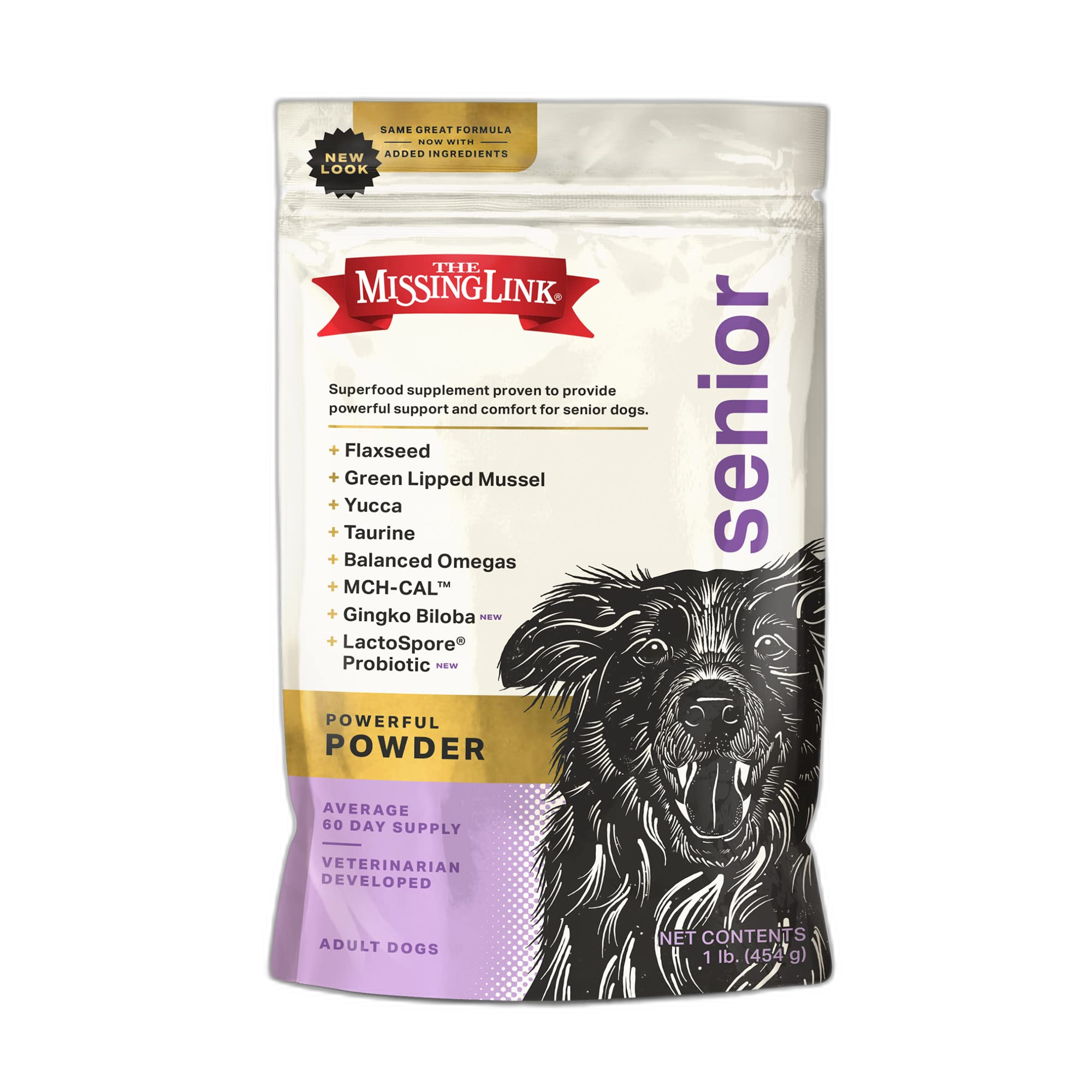
The Missing Link Ultimate Canine Senior Health Formula Dog Supplement
The Missing Link
NaturVet Hemp Seed Oil for Dogs & Cats
NaturVet
The Missing Link Skin & Coat Supplement for Dogs
The Missing Link
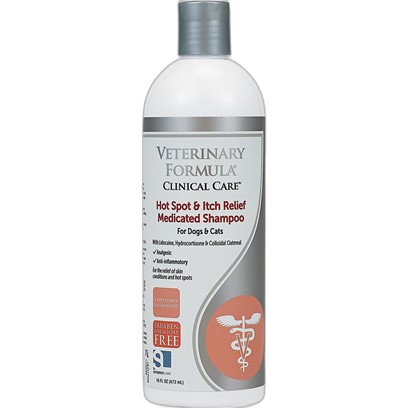
Veterinary Formula Clinical Care Hot Spot & Itch Relief Supplement
Veterinary Formula
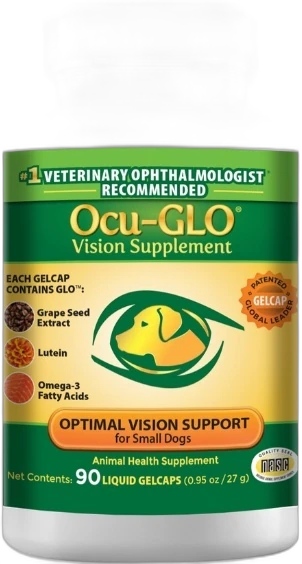
Deley Naturals Wild Caught Fish Oil for Dogs
Deley Naturals
Zesty Paws Pure Wild Alaskan Salmon Oil for Dogs & Cats
PawMedica
Shed-X Dermaplex Liquid Skin & Coat Supplement for Dogs
Synergy Labs
Belly Champ Omega 3 Alaskan Fish Oil for Dogs & Cats
Belly Champ