DHA
fatty acid
Many pet owners are exploring supplements to support their animal's health. Among the most discussed is docosahexaenoic acid, or DHA, a type of omega-3 fatty acid. This guide examines the role of DHA for dogs and cats, exploring its benefits, appropriate dosages, potential risks, and common sources, all grounded in available evidence. The goal is to provide clear, trustworthy information to help pet owners make informed decisions about incorporating DHA into their pets' diets.
Ingredient Spotlight: DHA for Dogs
DHA is a long-chain polyunsaturated omega-3 fatty acid. While often discussed alongside EPA (eicosapentaenoic acid), another important omega-3, DHA plays distinct roles, particularly in neurological and visual development. For dogs, its significance often begins even before birth, influencing the development of the brain and retina.
Unlike some other nutrients, dogs and cats cannot efficiently synthesize DHA from shorter-chain omega-3s like alpha-linolenic acid (ALA), which is found in plant-based sources. This means they largely depend on dietary intake. The most common and bioavailable source of DHA for pets is marine-derived, primarily from fatty fish.
The practical implication of this is that simply feeding your dog flaxseed oil, rich in ALA, won't provide the same DHA benefits as a fish oil supplement. While ALA has its own merits, it doesn't adequately convert to DHA in canines or felines to meet their specific needs for this particular fatty acid. Therefore, when considering a DHA supplement for dogs, the focus should be on direct sources of DHA.
What DHA is and What it Means for Your Pet's Diet
DHA is a structural component of cell membranes, particularly abundant in the brain, retina, and testes. Its presence in these tissues is critical for their proper function and development. For pets, this translates to specific benefits related to cognitive function, vision, and even reproductive health.
In a pet's diet, the inclusion of DHA means providing the building blocks for these vital systems. For instance, a diet lacking sufficient DHA during critical developmental stages in puppies can lead to suboptimal brain and eye development. For adult and senior pets, DHA contributes to maintaining cognitive function and supporting visual acuity, potentially mitigating age-related decline.
However, the "meaning" of DHA in a pet's diet isn't just about its presence; it's also about its balance with other fatty acids. An excess of omega-6 fatty acids, common in many commercial pet foods, can create an inflammatory environment in the body. DHA, along with EPA, helps to modulate this by promoting anti-inflammatory pathways. Therefore, supplementing with DHA often aims not just to add a beneficial nutrient but also to rebalance the overall fatty acid profile of the diet.
A trade-off to consider is the source and quality of the DHA. Not all fish oils are created equal. Contaminants like mercury or PCBs can be present in lower-quality products. Therefore, choosing a reputable supplement that provides third-party testing for purity is a critical practical implication for pet owners.
Benefits of DHA for Puppies: Dog Health Tips
The benefits of DHA are arguably most pronounced and well-studied during the developmental stages of puppies. DHA is crucial for the optimal development of the central nervous system and the retina.
Research in puppies has shown that those fed diets supplemented with DHA exhibit enhanced cognitive function, including improved learning ability and trainability. For example, studies have observed better performance in tasks requiring memory and problem-solving in DHA-supplemented puppies compared to those on unsupplemented diets. This suggests that providing adequate DHA during puppyhood can lay a foundation for lifelong cognitive health.
Visually, DHA is a major structural component of the photoreceptor membranes in the retina. Adequate intake during early development is essential for optimal visual acuity. While a puppy might not "see" the difference immediately, long-term visual health is supported by this early nutritional input.
For breeders and new puppy owners, this means that selecting a puppy food that is adequately supplemented with DHA is important. If the food's DHA content is unclear, discussing supplementation with a veterinarian is a sensible step. The goal is not just survival but optimal development.
A practical tip for puppy owners: look for puppy foods that specifically list DHA or fish oil as an ingredient. The guaranteed analysis on pet food labels will sometimes specify DHA content, but often it's listed under "omega-3 fatty acids," which can be misleading as it includes ALA. A reputable brand will often provide more detailed information on their website or upon request.
Fish Oil for Dogs: Benefits, Dosage, and Vet Pick
Fish oil is the most common and effective source of DHA (and EPA) for dogs. Its benefits extend beyond puppies to adult and senior dogs, addressing various aspects of health.
Benefits of Fish Oil for Dogs:
- Anti-inflammatory properties: EPA and DHA can help reduce inflammation associated with conditions like arthritis, allergies, and inflammatory bowel disease.
- Skin and coat health: Omega-3s contribute to a healthy skin barrier, reducing dryness, itching, and promoting a lustrous coat.
- Cardiovascular support: May help maintain healthy heart function and blood pressure.
- Kidney support: Some research suggests benefits for kidney health, particularly in older dogs.
- Cognitive function: In senior dogs, DHA can help maintain brain health, potentially slowing cognitive decline.
- Immune system modulation: Supports a balanced immune response.
Dosage Considerations for Fish Oil (DHA/EPA) in Dogs:
Determining the correct DHA dosage for dogs is not a one-size-fits-all answer. It depends on several factors, including the dog's size, age, health condition, and the concentration of DHA/EPA in the specific product.
Veterinary guidance is crucial for establishing an appropriate dose, especially for therapeutic purposes. However, general guidelines often suggest a combined EPA/DHA intake.
| Dog Weight | General Maintenance (mg EPA + DHA per day) | Therapeutic (mg EPA + DHA per day) |
|---|---|---|
| 1-10 lbs | 100-300 mg | 300-600 mg |
| 11-25 lbs | 300-600 mg | 600-1200 mg |
| 26-50 lbs | 600-1000 mg | 1200-2000 mg |
| 51-100 lbs | 1000-1800 mg | 2000-4000 mg |
| >100 lbs | 1800-3000 mg | 4000-6000 mg |
Note: These are general ranges. Always consult your veterinarian for specific dosage recommendations.
Vet Pick Considerations:
When veterinarians recommend fish oil, they typically emphasize products that meet specific criteria:
Liquid fish oil can be convenient for larger dogs or for mixing into food, but capsules offer better protection against oxidation once the bottle is opened.
DHA For Dogs: Top Benefits & Sources
Beyond the foundational role in puppy development, DHA offers a range of benefits for dogs throughout their lives. Understanding these benefits and where to source DHA effectively is key for pet owners.
Top Benefits of DHA for Dogs:
- Brain Health and Cognitive Function: DHA is a major component of brain tissue. In adult and senior dogs, it supports neuronal membrane fluidity, neurotransmission, and overall cognitive function. This can translate to better memory, learning capability, and a potential reduction in cognitive dysfunction syndrome (CDS) symptoms in older dogs.
- Eye Health and Vision: As a primary structural lipid in the retina, DHA is essential for optimal vision. It plays a role in the function of photoreceptor cells, which convert light into electrical signals.
- Anti-inflammatory Action: While EPA is often highlighted for its anti-inflammatory effects, DHA also contributes significantly. It can be metabolized into specialized pro-resolving mediators (SPMs) that actively resolve inflammation, making it beneficial for conditions like arthritis, allergies, and certain skin issues.
- Skin and Coat Quality: DHA contributes to the integrity of the skin barrier, reducing transepidermal water loss and supporting a healthy, shiny coat. It can help alleviate dry, flaky skin and reduce itching associated with allergies.
- Cardiovascular Support: DHA helps maintain the elasticity of blood vessel walls and supports healthy blood pressure, contributing to overall cardiovascular well-being.
- Immune System Modulation: By influencing immune cell function and reducing systemic inflammation, DHA helps maintain a balanced and robust immune response.
Primary Sources of DHA for Dogs:
When selecting a source, especially a supplement, it's crucial to consider the EPA:DHA ratio. While both are beneficial, products with higher DHA concentrations might be preferred for cognitive or visual support, while those with a balanced or higher EPA might be chosen for inflammatory conditions. Many effective supplements offer a balanced ratio.
The Supplementation of Docosahexaenoic Acid-Concentrated ... For DHA for Dogs
The scientific literature supports the targeted supplementation of DHA, particularly in concentrated forms, for specific health outcomes in dogs. This isn't just about adding a general "healthy fat" but delivering a precise nutrient for specific physiological effects.
Studies on DHA supplementation have often focused on two main areas: neurological development in puppies and cognitive maintenance in senior dogs. For instance, research published in journals like the Journal of the American Veterinary Medical Association and Pediatric Research has demonstrated improved cognitive function in puppies whose mothers were supplemented with DHA during gestation and lactation, and in puppies directly fed DHA-enriched diets. These improvements manifest in better problem-solving skills, memory, and trainability.
In senior dogs, DHA supplementation has been investigated as a way to mitigate age-related cognitive decline. While not a cure for cognitive dysfunction syndrome, it appears to support neuronal health, reduce oxidative stress in the brain, and potentially improve the quality of life for aging pets. This is often achieved through formulations that concentrate DHA to deliver therapeutic levels without excessive caloric intake.
What to Look for in a DHA-Concentrated Supplement:
When considering a DHA-concentrated supplement for your dog, move beyond generic "fish oil" labels and look for:
- Guaranteed Analysis: The product label should clearly state the amount of DHA (and EPA) per serving. This allows for accurate dosing.
- Concentration: A "concentrated" product will have a higher percentage of omega-3s (and specifically DHA) relative to the total oil. This means you need to administer less volume to achieve the desired dose.
- Source: Understand whether it's from fish oil, krill oil, or algal oil. Each has slight variations in fatty acid profiles and bioavailability.
- Quality Certifications: Look for seals or statements indicating third-party testing for purity, potency, and absence of contaminants (e.g., heavy metals, PCBs, dioxins). Organizations like the International Fish Oil Standards (IFOS) program provide such certifications.
- Antioxidants: The inclusion of natural antioxidants like vitamin E (tocopherols) is crucial to prevent the omega-3 fatty acids from oxidizing and becoming rancid. Rancid oils are not only ineffective but can be harmful.
- Form: Liquid oils can be convenient but are more prone to oxidation once opened. Capsules offer better protection.
The term "concentrated" implies that the oil has undergone processing to remove saturated fats and other non-omega-3 components, resulting in a higher percentage of EPA and DHA per gram of oil. This makes it easier to achieve therapeutic doses without overfeeding or introducing unnecessary calories.
FAQ
Is too much DHA bad for dogs?
Yes, while beneficial, excessive amounts of DHA (or any omega-3 fatty acid) can lead to adverse effects in dogs. Potential issues include:
- Diarrhea and gastrointestinal upset: This is the most common side effect of over-supplementation.
- Impaired blood clotting: High doses can thin the blood, potentially increasing the risk of bleeding, especially in dogs undergoing surgery or with pre-existing clotting disorders.
- Weight gain: Fish oil is calorie-dense, and overfeeding can contribute to obesity.
- Vitamin E depletion: Omega-3s can increase the body's demand for vitamin E, an antioxidant. High doses without adequate vitamin E supplementation can lead to deficiency.
- Suppressed immune function: While omega-3s can modulate the immune system beneficially, extremely high doses might suppress it too much.
It's crucial to adhere to veterinarian-recommended dosages and monitor your dog for any signs of adverse reactions.
Is DHA the same as omega-3?
No, DHA is a type of omega-3 fatty acid, but it is not synonymous with "omega-3." Omega-3 fatty acids are a family of polyunsaturated fats, including:
- ALA (alpha-linolenic acid): Found in plant sources like flaxseed, chia seeds, and walnuts. Dogs and cats have limited ability to convert ALA into EPA and DHA.
- EPA (eicosapentaenoic acid): Primarily found in fatty fish and marine algae. Known for its anti-inflammatory properties.
- DHA (docosahexaenoic acid): Primarily found in fatty fish and marine algae. Critical for brain and eye development and function.
So, while all DHA is an omega-3, not all omega-3s are DHA. When supplementing for specific benefits attributed to DHA (like cognitive or visual support), it's important to ensure the supplement provides DHA directly.
What does DHA do for dogs?
DHA plays several critical roles in canine health:
- Brain Development and Function: It is a major structural component of brain cell membranes, crucial for cognitive development in puppies and for maintaining cognitive function and memory in adult and senior dogs.
- Eye Health and Vision: DHA is highly concentrated in the retina, where it is essential for the proper function of photoreceptor cells and overall visual acuity.
- Anti-inflammatory Effects: It contributes to the reduction of inflammation throughout the body, benefiting conditions like arthritis, allergies, and inflammatory bowel disease.
- Skin and Coat Health: Supports a healthy skin barrier, contributing to a shiny coat, reduced dryness, and less itching.
- Cardiovascular Support: Helps maintain heart health and blood vessel elasticity.
- Immune System Modulation: Supports a balanced and healthy immune response.
In essence, DHA is a fundamental nutrient for optimal brain, eye, and overall systemic health in dogs across all life stages.
Conclusion
DHA is more than just another supplement; it's a critical omega-3 fatty acid with well-documented benefits for canine and feline health, particularly concerning brain and eye development and function. For pet owners, understanding the distinct role of DHA, its primary sources, and appropriate dosing is essential for making informed decisions. While fish oil remains the most common and effective delivery method, careful selection of a high-quality, pure, and concentrated product is paramount. Always consult with a veterinarian to determine if DHA supplementation is appropriate for your pet and to establish the correct dosage, ensuring you provide this beneficial nutrient safely and effectively.
Products Containing DHA
Top-rated supplements featuring this ingredient, ranked by our PSI+ score.
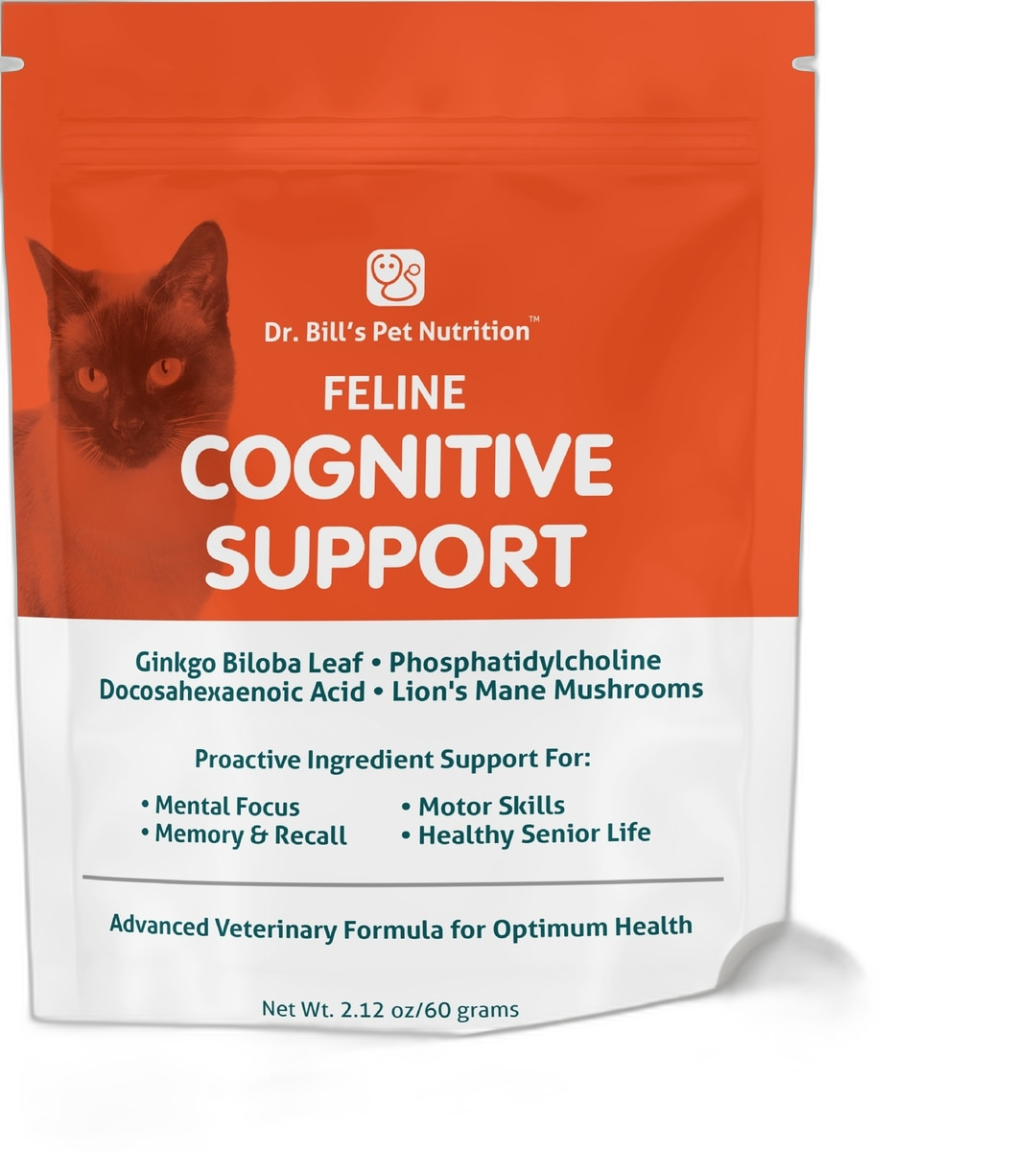
Dr. Bill's Pet Nutrition Feline Cognitive Support Cat Supplement Powder
Dr. Bill's Pet Nutrition
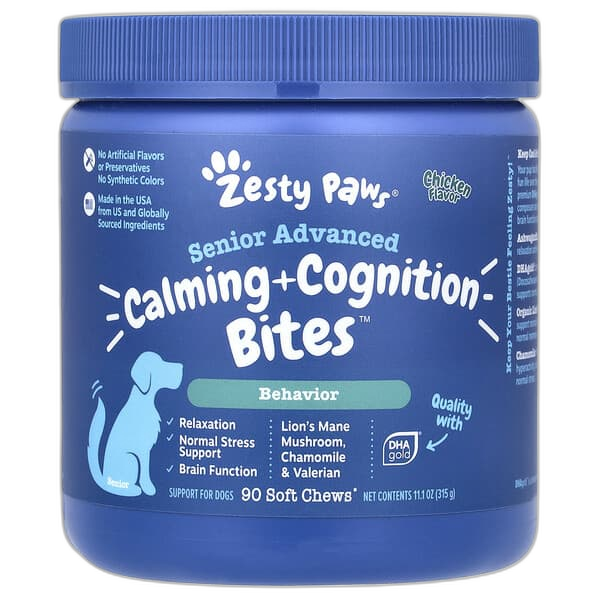
Zesty Paws Senior Advanced Calming + Cognition Bites Chicken Flavor Soft Chews Composure Supplement
Zesty Paws

Herbsmith Senior Dog Wisdom Cognitive Support Soft Chews Dog Supplement
Herbsmith
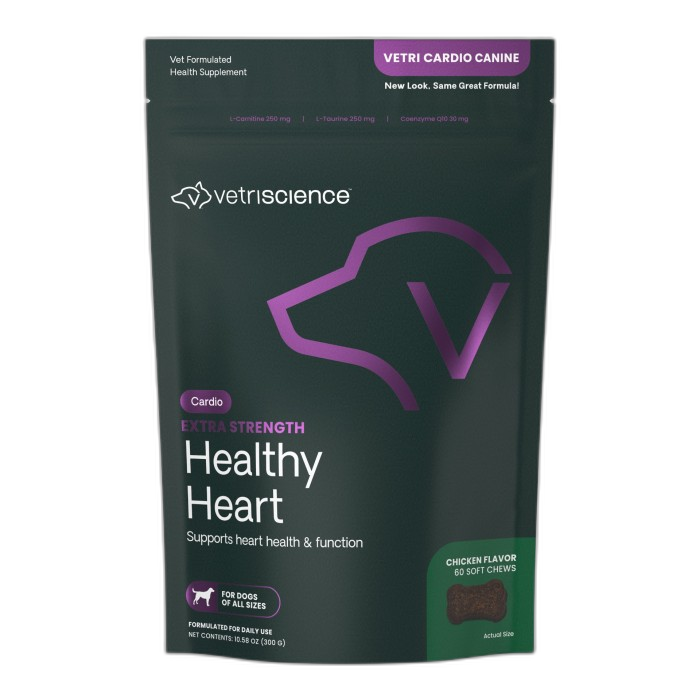
Cardio Canine Heart Health Supplement for Dogs
Cardio Canine
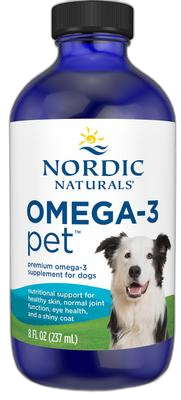
Nordic Naturals Omega-3 Pet Liquid for Dogs
Nordic Naturals

Grizzly Krill Oil Antioxidant Supplement for Dogs & Cats
Grizzly Pet Products
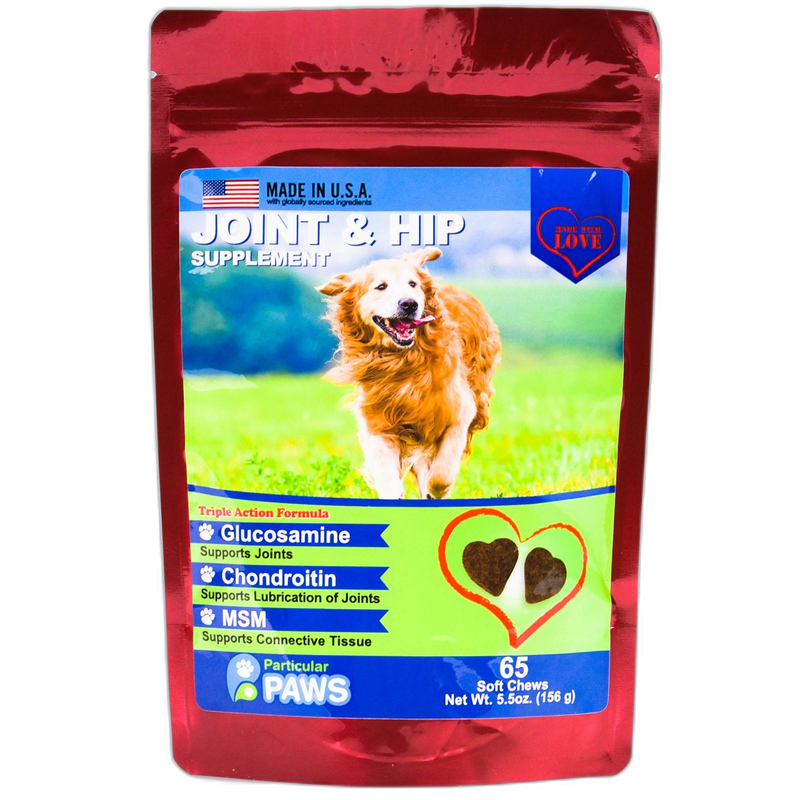
Purina Pro Plan Veterinary Diets Joint Supplement for Small Dogs
Purina Pro Plan Veterinary
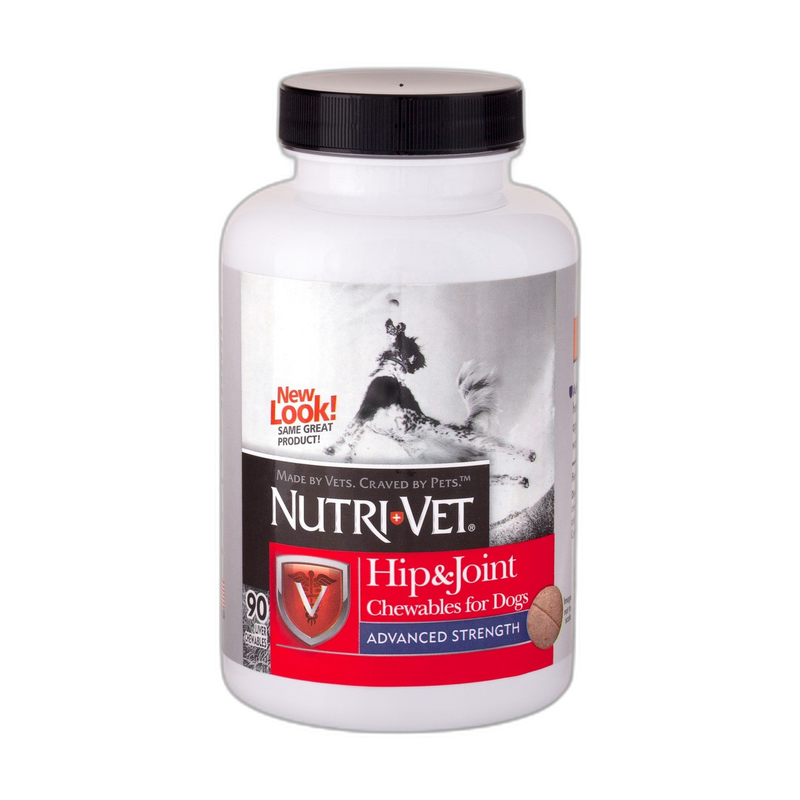
PetLab Co. Skin & Coat Chews for Dogs
PetLab Co.