Salmon Oil
fatty acid
Many pet owners consider supplementing their dog's or cat's diet with salmon oil, often seeking to improve coat health, reduce inflammation, or support overall well-being. This guide explores the role of salmon oil, its components, potential benefits, and practical considerations for both dogs and cats, drawing on current understanding rather than anecdotal claims.
Understanding Salmon Oil for Dogs and Cats
Salmon oil is a rich source of omega-3 fatty acids, specifically eicosapentaenoic acid (EPA) and docosahexaenoic acid (DHA). These are considered "essential" fatty acids because dogs and cats cannot produce them in sufficient quantities on their own and must obtain them through their diet. While other sources of omega-3s exist, such as flaxseed oil (alpha-linolenic acid, or ALA), EPA and DHA are the forms most readily utilized by the canine and feline body.
For dogs, the primary interest in salmon oil often centers on its anti-inflammatory properties and its role in maintaining skin and coat health. For cats, similar benefits apply, though their specific dietary needs and metabolic pathways for omega-3s can differ slightly. Incorporating salmon oil typically involves adding a liquid supplement to their food. The efficacy and safety largely depend on the product's quality, appropriate dosage, and the individual pet's health status.
Wild Alaskan Salmon Oil for Dogs
When pet owners look for salmon oil, "Wild Alaskan Salmon Oil" frequently appears. This designation refers to salmon sourced from the waters around Alaska, which are known for their cold, clean environment. The "wild" aspect generally implies that the salmon consumed a natural diet, which can influence the fatty acid profile of their oil.
Compared to farmed salmon, wild salmon often have a higher proportion of omega-3s relative to omega-6s, and their diet typically consists of smaller fish and krill. This natural diet contributes to the beneficial fatty acid composition of their oil. The processing of wild Alaskan salmon oil is also a factor; reputable brands often use cold-pressing or molecular distillation to preserve the delicate fatty acids and remove impurities like heavy metals and PCBs.
The practical implications for pet owners choosing wild Alaskan salmon oil often revolve around perceived purity and potency. While "wild" doesn't automatically guarantee superior quality, it often suggests a product derived from fish with a naturally robust omega-3 content. However, the ultimate quality of any salmon oil supplement, wild or farmed, depends heavily on the manufacturer's sourcing, processing, and quality control measures. It's crucial to look for third-party testing certifications, which indicate that a product has been independently verified for purity and omega-3 content.
The Benefits of Salmon Oil for Dogs
The potential benefits of providing salmon oil for dogs are primarily linked to its high concentration of EPA and DHA. These omega-3 fatty acids play several critical roles in the body.
One of the most commonly cited benefits is skin and coat health. EPA and DHA can help reduce dryness, flakiness, and itching, leading to a shinier, healthier coat. They contribute to the skin's natural barrier function, making it more resilient against environmental irritants.
Reduced inflammation is another significant advantage. Omega-3s can modulate the body's inflammatory responses, which may be beneficial for dogs dealing with conditions like arthritis, allergies, or inflammatory bowel disease. While not a cure, it can help manage symptoms and improve comfort.
Salmon oil may also support joint health by reducing inflammation in the joints, potentially easing discomfort and improving mobility in older dogs or those with orthopedic issues.
For cardiovascular health, omega-3s are known to support heart function and maintain healthy blood pressure in humans, and similar benefits are theorized for dogs.
Finally, DHA is crucial for brain and eye development in puppies and can support cognitive function in older dogs. Pregnant and lactating dogs may also benefit from supplementation to support the development of their offspring.
It's important to note that while these benefits are widely discussed, the extent of improvement can vary significantly depending on the individual dog, the underlying condition, the quality of the supplement, and the consistency of administration. Salmon oil is a supplement, not a medication, and should not replace veterinary care for specific health issues.
Sockeye Salmon Oil
Within the category of salmon oil, "Sockeye Salmon Oil" is sometimes highlighted. Sockeye salmon (Oncorhynchus nerka) is a specific species of Pacific salmon known for its vibrant red flesh, which comes from its diet rich in krill and other crustaceans. This diet also contributes to its distinct fatty acid profile.
While all salmon oils provide EPA and DHA, sockeye salmon oil sometimes boasts a slightly different ratio or concentration compared to other salmon species. Some proponents suggest that sockeye oil offers a more balanced omega-3 profile or contains higher levels of certain antioxidants like astaxanthin, which gives the fish its red color and is also a powerful antioxidant. Astaxanthin can offer additional benefits for pets, including supporting immune function and reducing oxidative stress.
For pet owners, choosing sockeye salmon oil often comes down to a preference for a specific species and its associated nutritional nuances. However, the general benefits of EPA and DHA remain consistent across different salmon oil sources. The key consideration, regardless of the salmon species, should still be the overall quality, purity, and concentration of the beneficial fatty acids in the final product. A high-quality generic "salmon oil" with verified EPA and DHA content can be just as effective as a specifically labeled "sockeye salmon oil" if the primary goal is omega-3 supplementation.
The Ins and Outs of Salmon Oil for Dogs and Cats
While salmon oil offers potential benefits, understanding its practical application, potential pitfalls, and dosage is crucial for responsible pet ownership.
Dosage and Administration
Determining the correct salmon oil dosage for dogs and cats is vital. Over-supplementation can lead to adverse effects. Dosage typically depends on the pet's weight and the concentration of EPA and DHA in the specific product. Most reputable brands provide clear dosing instructions on their labels. A common guideline is approximately 20-55 mg of combined EPA and DHA per pound of body weight per day. However, it's always best to consult with a veterinarian, especially if your pet has existing health conditions.
Administering salmon oil is usually straightforward: it can be pumped or poured directly onto your pet's food. Some pets enjoy the taste, while others might be finicky. Starting with a smaller amount and gradually increasing to the recommended dose can help with acceptance.
Potential Side Effects and Safety
Regarding salmon oil safety pets, while generally safe, there are potential side effects. The most common include:
- Gastrointestinal upset: Diarrhea, vomiting, or loose stools can occur, especially if introduced too quickly or given in excessive amounts.
- Weight gain: Salmon oil is calorie-dense. If not accounted for in the overall diet, it can contribute to weight gain.
- Fishy odor: Your pet's breath or skin might develop a slight fishy smell.
- Blood thinning: High doses of omega-3s can have a mild blood-thinning effect. This is a concern for pets undergoing surgery or those on other blood-thinning medications.
- Vitamin E depletion: Omega-3 fatty acids are susceptible to oxidation. Long-term, high-dose supplementation can theoretically increase the body's demand for vitamin E. Many quality salmon oil supplements include vitamin E (tocopherols) as a natural antioxidant to counteract this.
Always store salmon oil properly, typically in a cool, dark place or refrigerated after opening, to prevent oxidation and rancidity. Rancid oil can not only be ineffective but potentially harmful.
Comparison: Salmon Oil vs. Other Fish Oils
While "fish oil pets" is a broad category, salmon oil is often compared to other sources like cod liver oil or pollock oil.
| Feature | Salmon Oil | Cod Liver Oil | Other Fish Oils (e.g., Pollock) |
|---|---|---|---|
| Primary Omega-3s | EPA, DHA | EPA, DHA | EPA, DHA |
| Vitamins | Generally low in fat-soluble vitamins (unless added) | High in Vitamin A and D | Varies by source |
| Benefits | Skin & coat, inflammation, joint, heart, brain | Same as salmon oil, plus vitamin A/D benefits | Same as salmon oil (depending on species) |
| Considerations | Purity (heavy metals), oxidation | Risk of Vitamin A/D toxicity with high doses | Purity, sustainability, omega-3 concentration |
The main differentiator for cod liver oil is its natural high content of Vitamins A and D. While these are essential, excessive amounts can be toxic. Therefore, if supplementing with cod liver oil, careful monitoring of total Vitamin A and D intake from all sources is necessary. Many pet owners prefer salmon oil or other fish oils that are primarily concentrated for omega-3s, avoiding the risk of hypervitaminosis.
Brilliant Dog & Cat Supplement Salmon Oil | Hollywood Feed
When evaluating specific brands like "Brilliant Dog & Cat Supplement Salmon Oil | Hollywood Feed," it's important to apply the same critical lens as for any other supplement. The name itself suggests a focus on both dogs and cats, indicating a formulation likely suitable for both species.
Key aspects to consider for any branded salmon oil product include:
- Sourcing: Is the salmon wild-caught or farmed? While wild-caught is often preferred for perceived purity, responsibly farmed salmon can also produce high-quality oil. The region of origin (e.g., Alaskan) can be a factor for some consumers.
- Purity and Testing: Does the brand provide evidence of third-party testing for heavy metals (like mercury), PCBs, and other environmental toxins? Reputable companies will often display certifications or provide test results upon request.
- Omega-3 Concentration: Look at the guaranteed analysis for the specific amounts of EPA and DHA per serving. A higher concentration means you might need to give less oil for the same therapeutic dose of omega-3s.
- Stabilizers/Antioxidants: Does the product contain natural antioxidants like mixed tocopherols (Vitamin E) to prevent rancidity? This is crucial for maintaining the efficacy and safety of the oil over time.
- Packaging: Dark, opaque bottles help protect the oil from light, which can accelerate oxidation.
- Reviews and Reputation: While anecdotal, widespread positive reviews and a transparent company history can provide some reassurance.
While "Brilliant" is a commercially available product sold through retailers like Hollywood Feed, its suitability ultimately depends on its nutritional content, purity, and your veterinarian's advice. Don't rely solely on marketing; instead, examine the product's composition and quality assurance.
Frequently Asked Questions
Is salmon oil good for your dog?
Yes, salmon oil can be beneficial for many dogs due to its high content of omega-3 fatty acids (EPA and DHA). These fatty acids can support skin and coat health, reduce inflammation, promote joint mobility, and contribute to cardiovascular and cognitive function. However, its effectiveness depends on the dog's individual needs, the quality of the supplement, and proper dosage. It's not a universal cure-all and should be used as a supplement to a balanced diet.
What are the side effects of salmon oil for dogs?
While generally safe, salmon oil can cause side effects, especially if given in excessive amounts or introduced too quickly. Common side effects include gastrointestinal upset (diarrhea, vomiting, loose stools), a fishy odor to the breath or skin, and potential weight gain due to its caloric density. In rare cases or at very high doses, it can lead to mild blood thinning. Always follow dosage instructions and consult a veterinarian if you notice adverse reactions.
Can I put salmon oil on my dog's food every day?
Yes, salmon oil is typically given daily as a dietary supplement. Consistent daily administration is usually recommended to achieve and maintain the desired benefits. However, it's crucial to adhere to the veterinarian-recommended or product-label dosage based on your dog's weight and the oil's concentration. Over-supplementation can lead to side effects.
Conclusion
Salmon oil, particularly wild Alaskan varieties, offers a concentrated source of beneficial omega-3 fatty acids, EPA and DHA, which can support various aspects of health in both dogs and cats. From improving skin and coat health to reducing inflammation and supporting joint, heart, and brain function, the evidence points to a valuable role for these essential fatty acids. However, the effectiveness and safety of salmon oil supplementation hinge on selecting a high-quality, pure product, adhering to appropriate dosages, and being aware of potential side effects. Always consult with your veterinarian before introducing any new supplement to your pet's diet, especially if they have pre-existing health conditions or are on medication.
Products Containing Salmon Oil
Top-rated supplements featuring this ingredient, ranked by our PSI+ score.
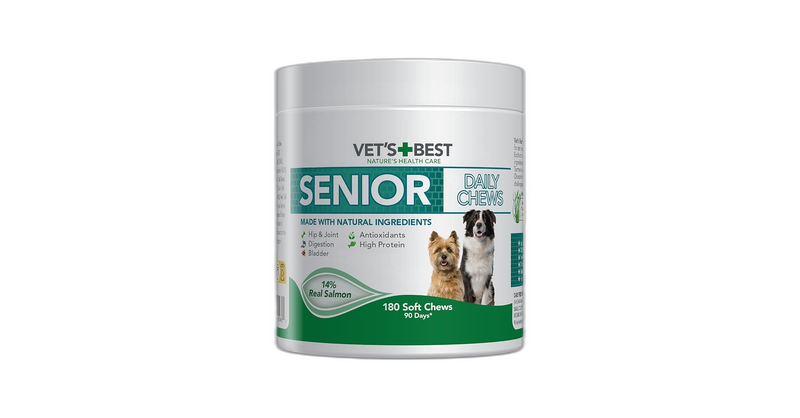
Nulo Functional Skin & Coat Soft Chews for Dogs
Nulo
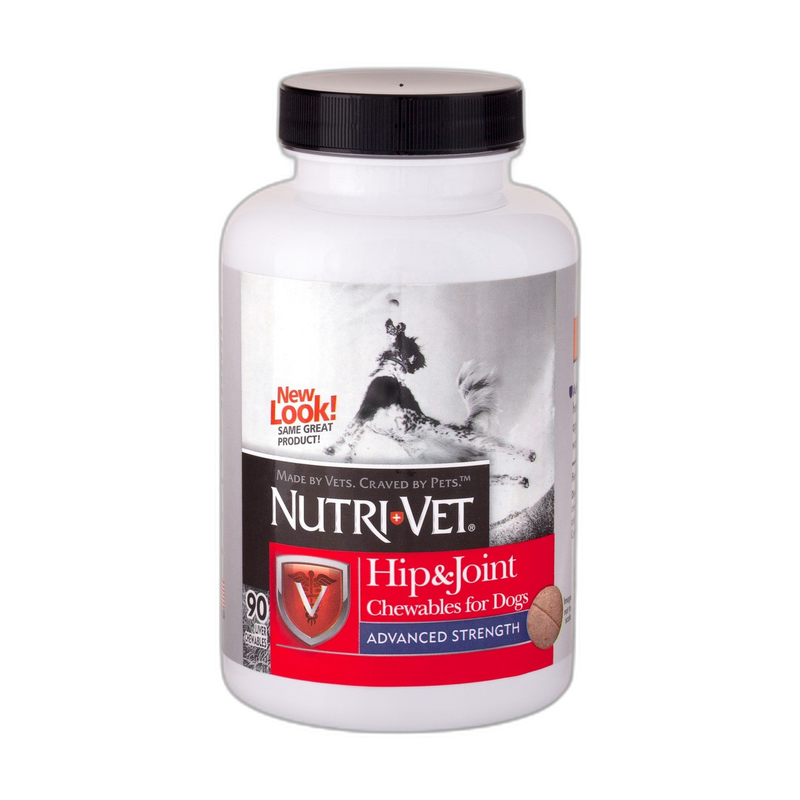
PetLab Co. Skin & Coat Chews for Dogs
PetLab Co.
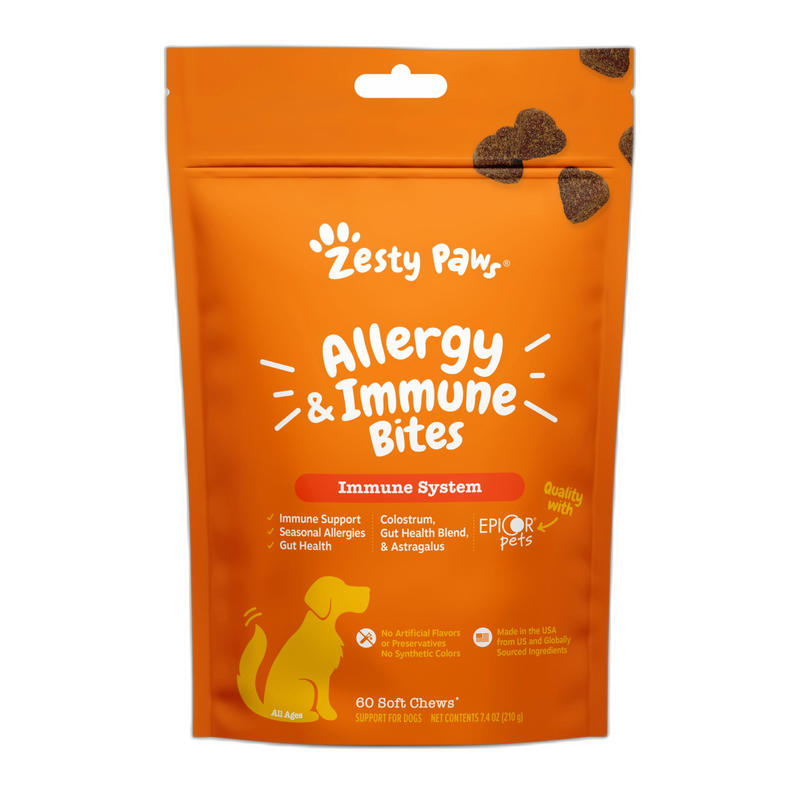
Zesty Paws Aller-Immune Bites Immune Support Soft Chews
Zesty Paws

PetHonesty Allergy Support Chews with Probiotics
PetHonesty
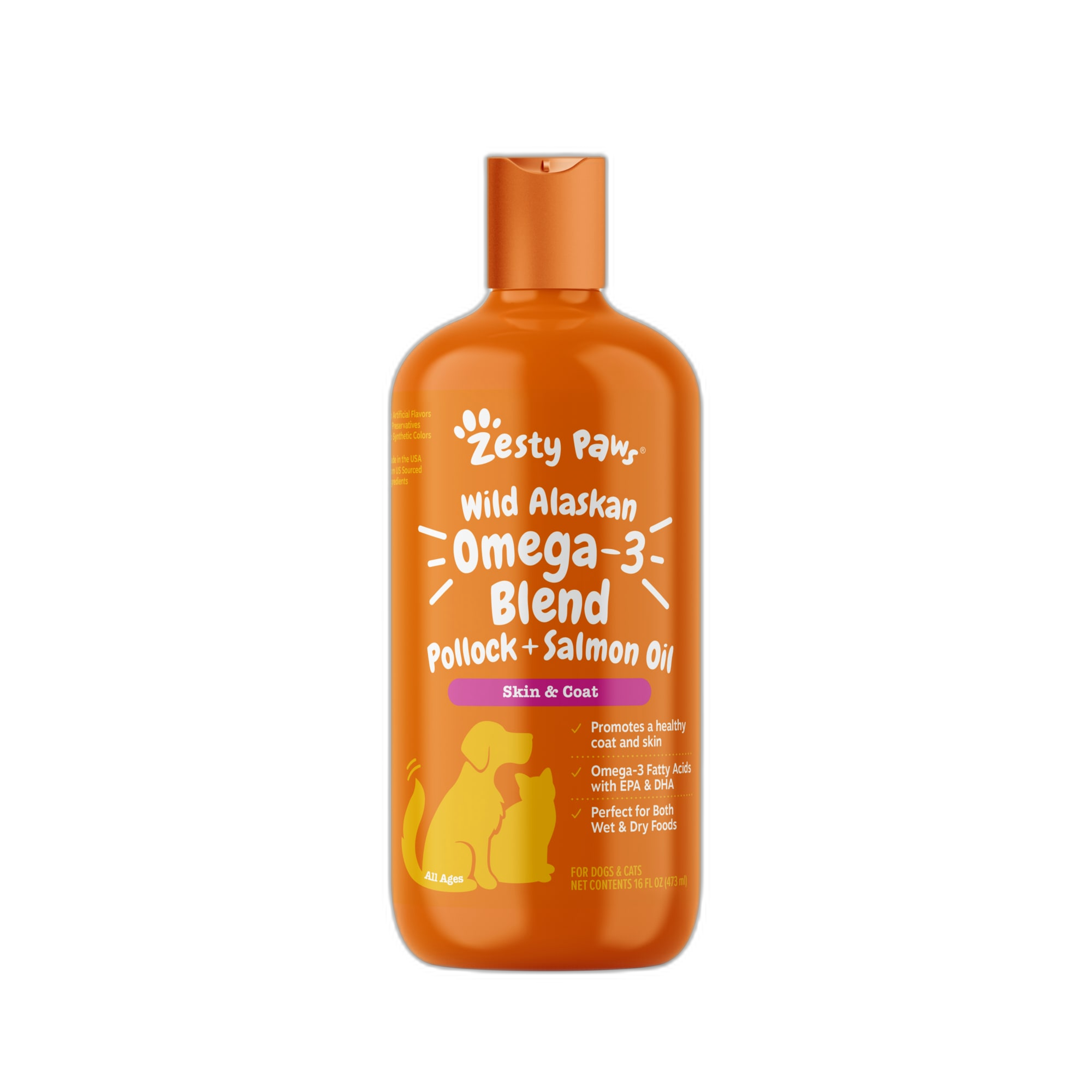
Pet Honesty Allergy Support Chews for Dogs
Pet Honesty
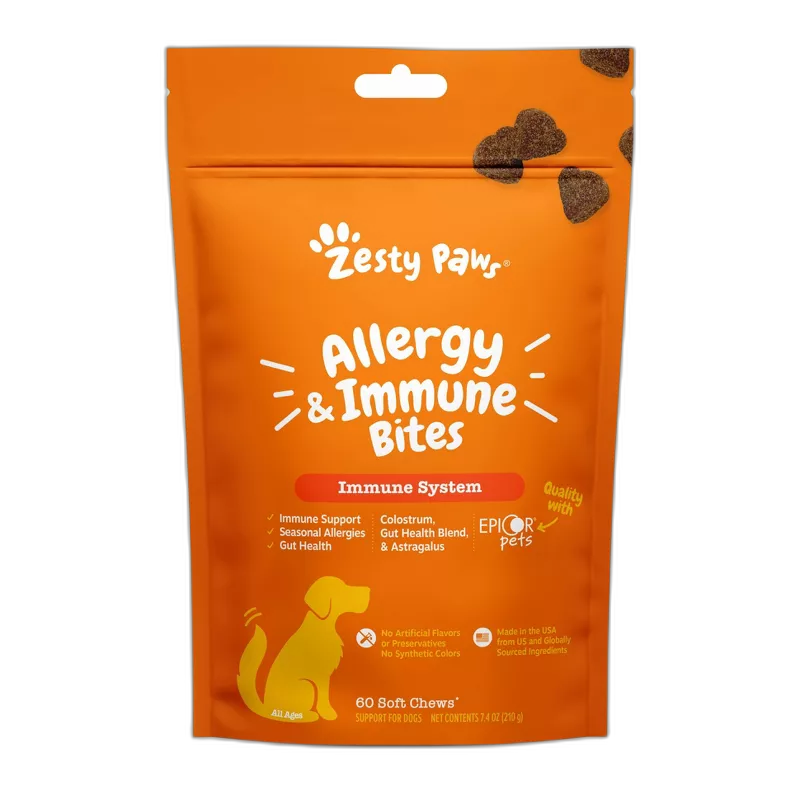
Zesty Paws Aller-Immune Bites Skin & Immune Support
Ready Pet Go
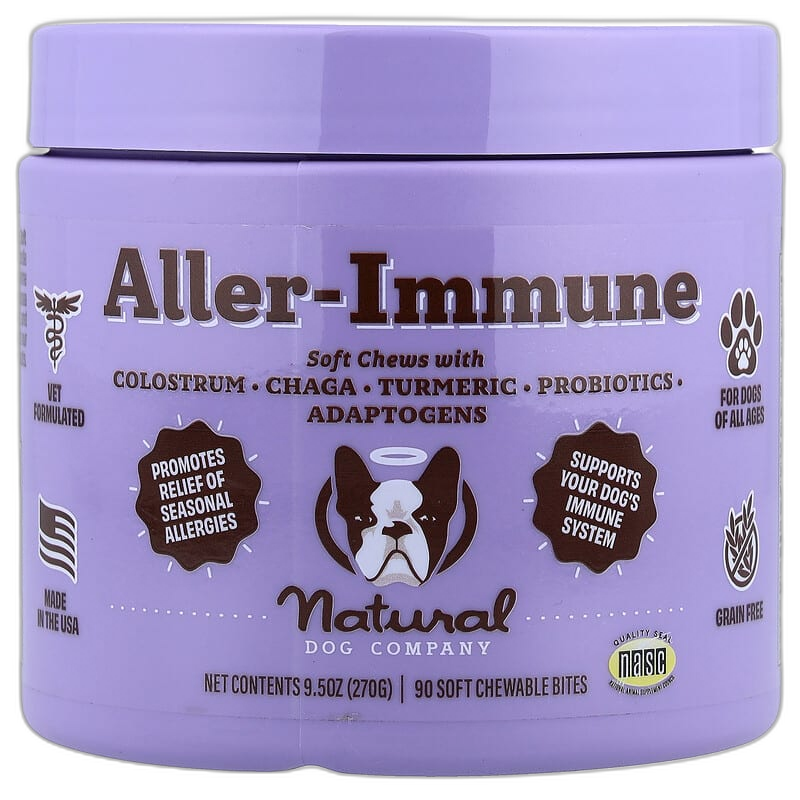
Natural Dog Company Aller-Immune Bites
Natural Dog Company